
Last updated September 23, 2026
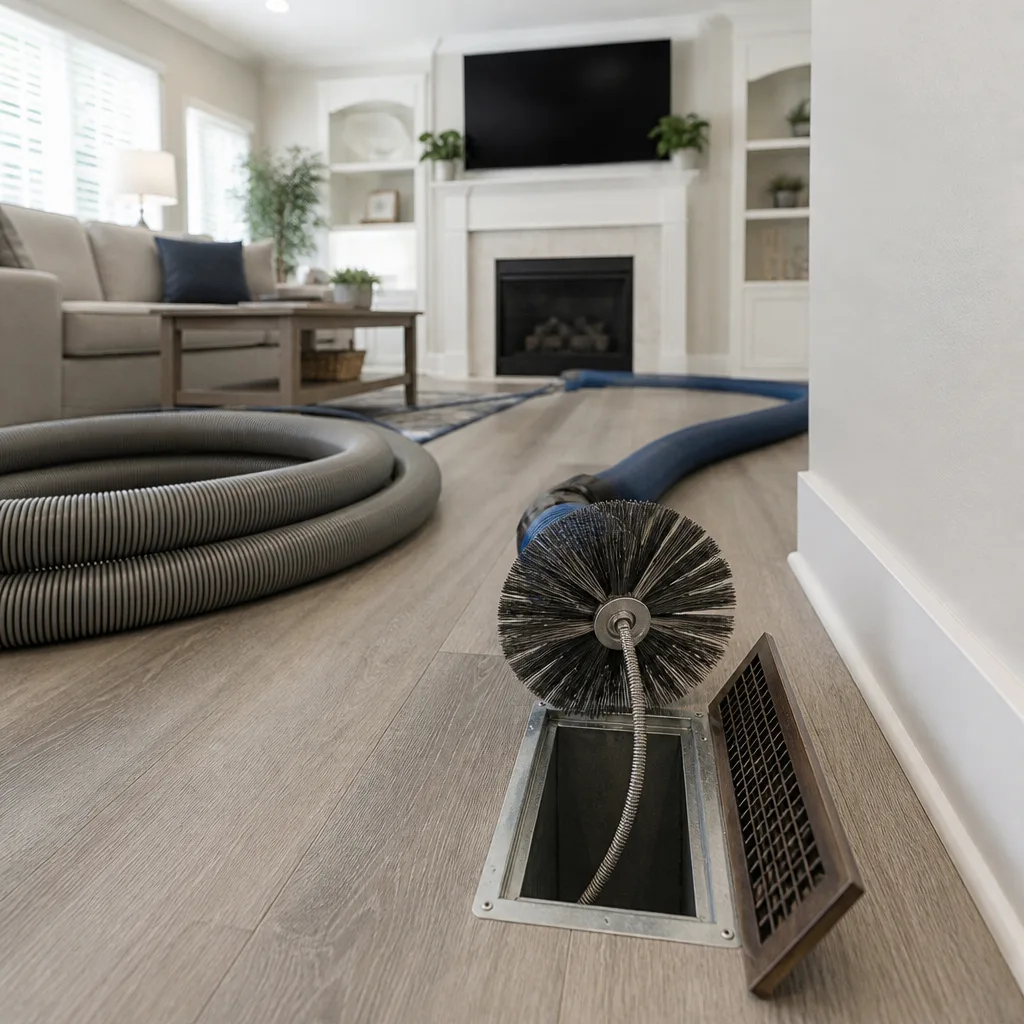
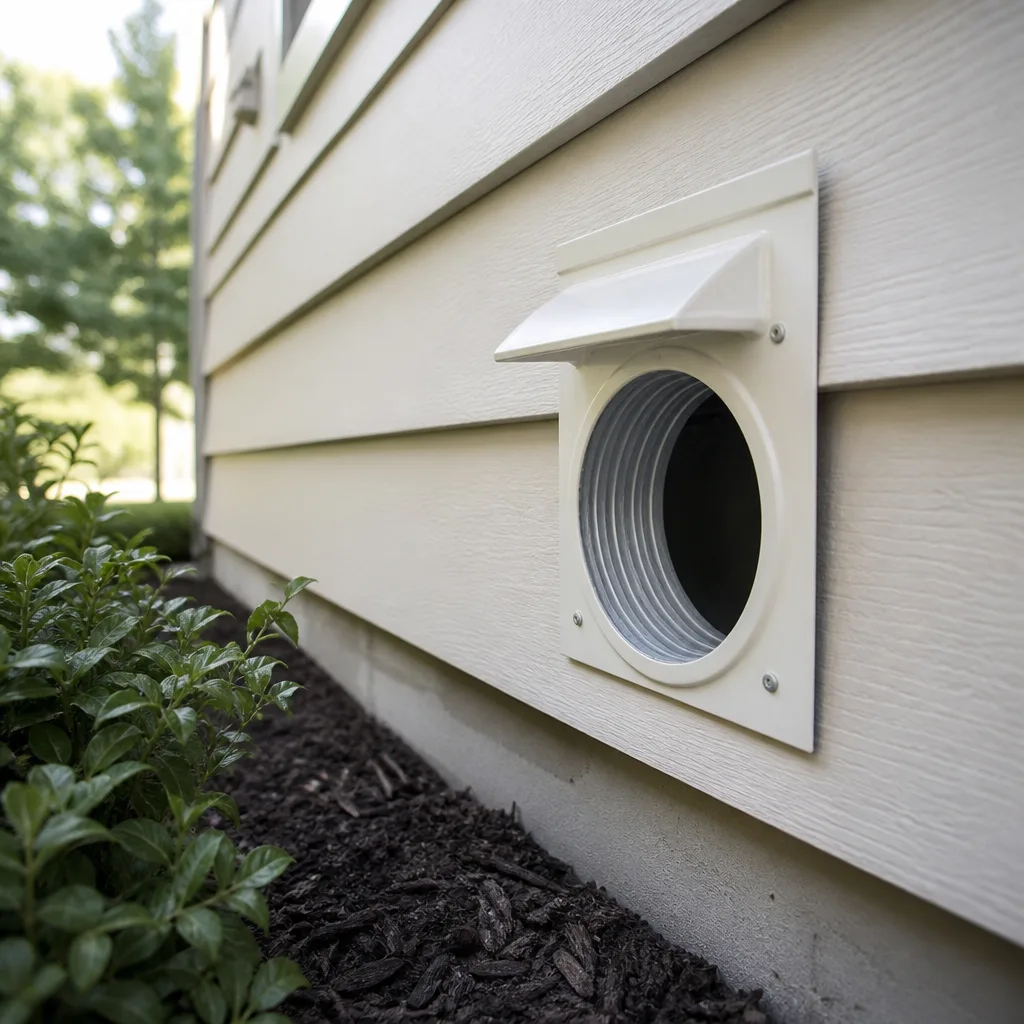
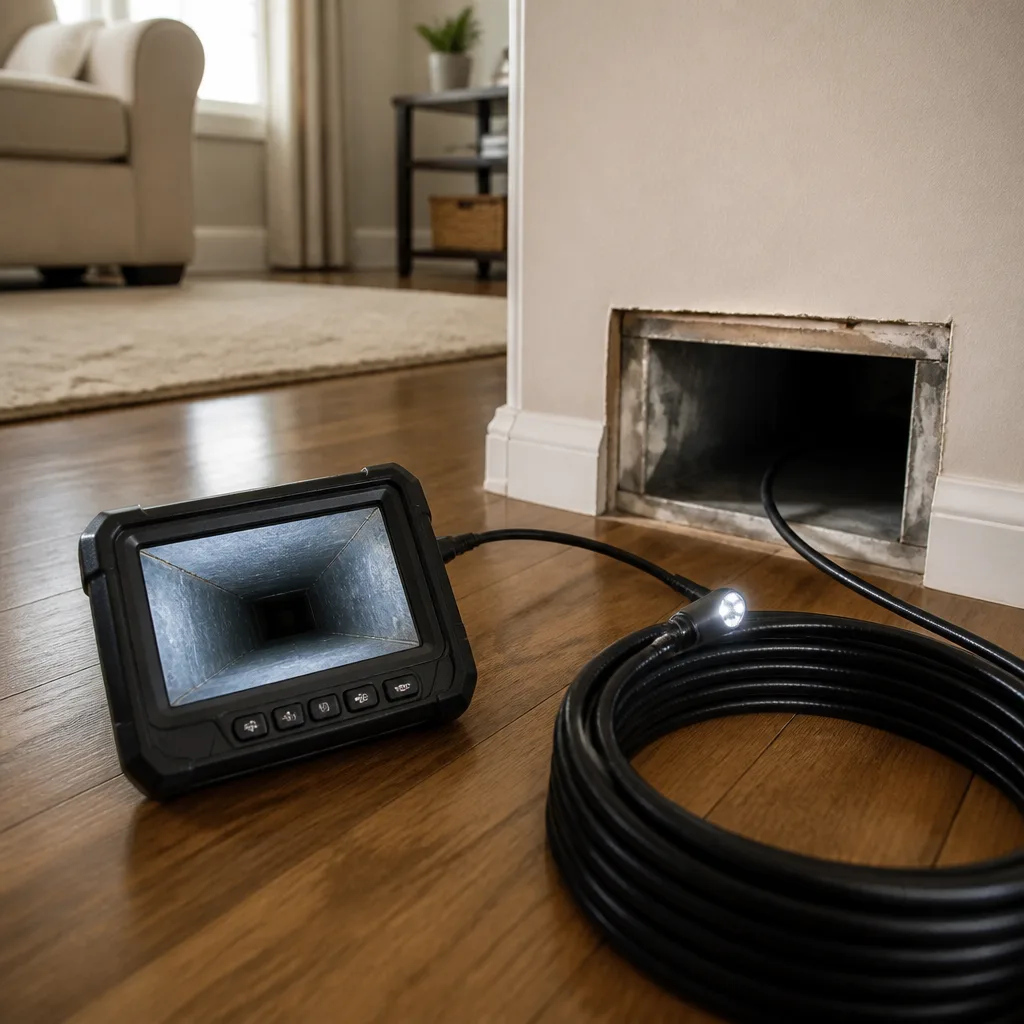
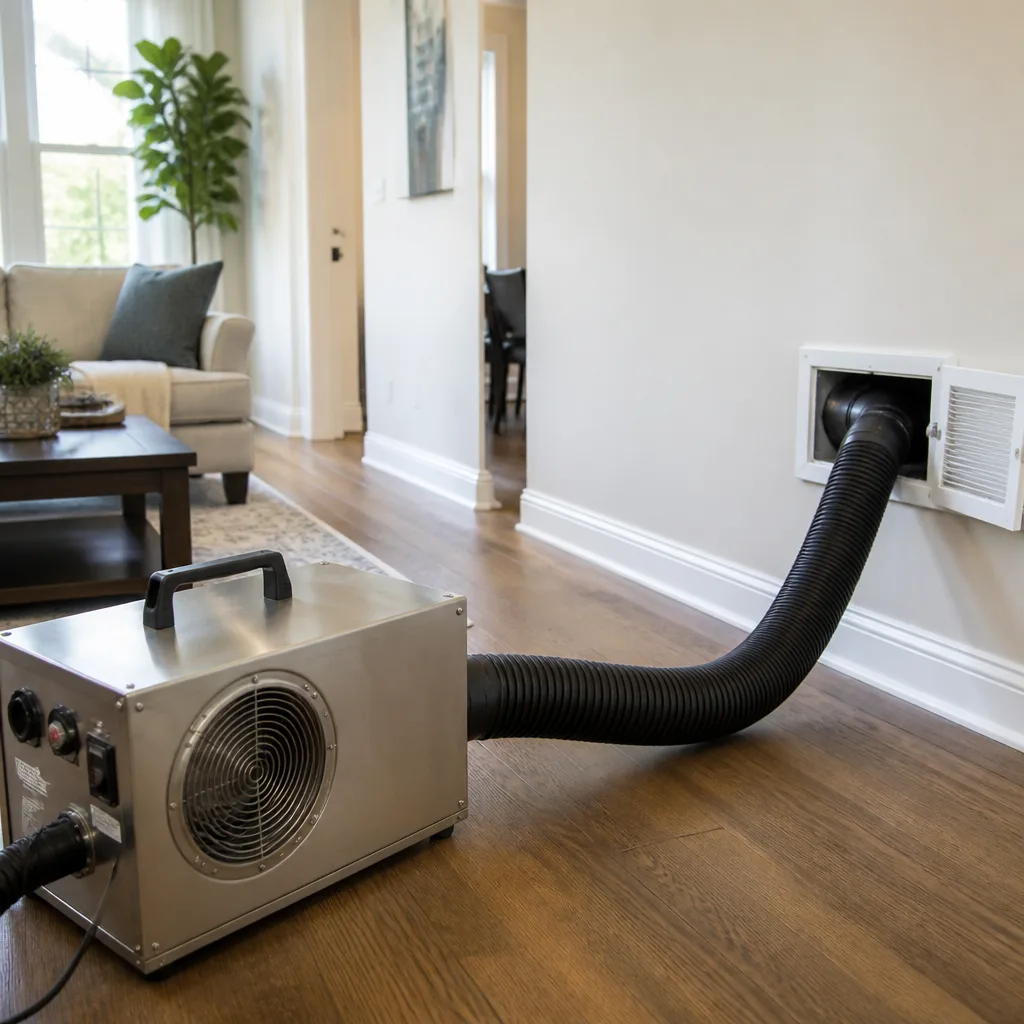
Whole-system duct and dryer vent check with before-and-after photos - you see exactly what came out of your vents
That "$99 whole-house special" is a bait ad - the real number appears once they are in your hallway, or the "clean" is a shop-vac at the register. We photograph the inside of your ducts before and after instead.
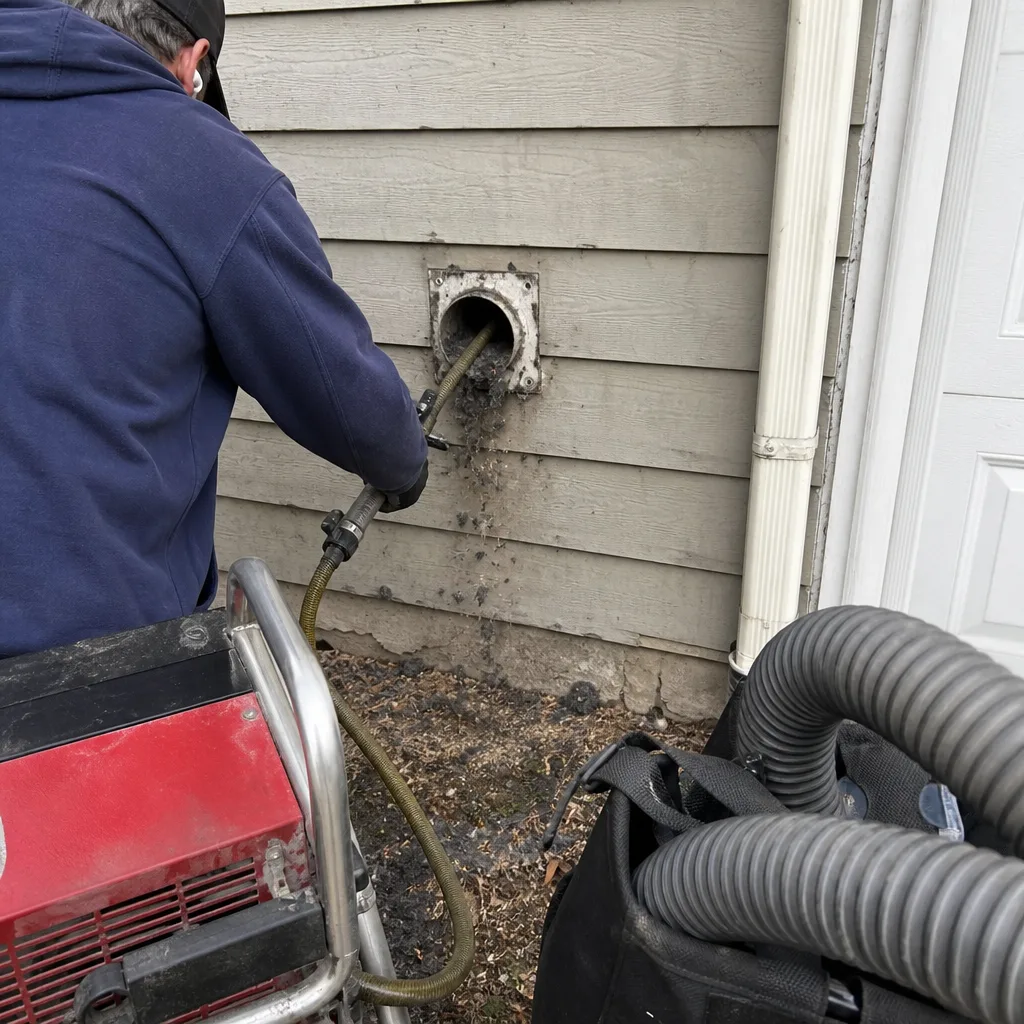 Before
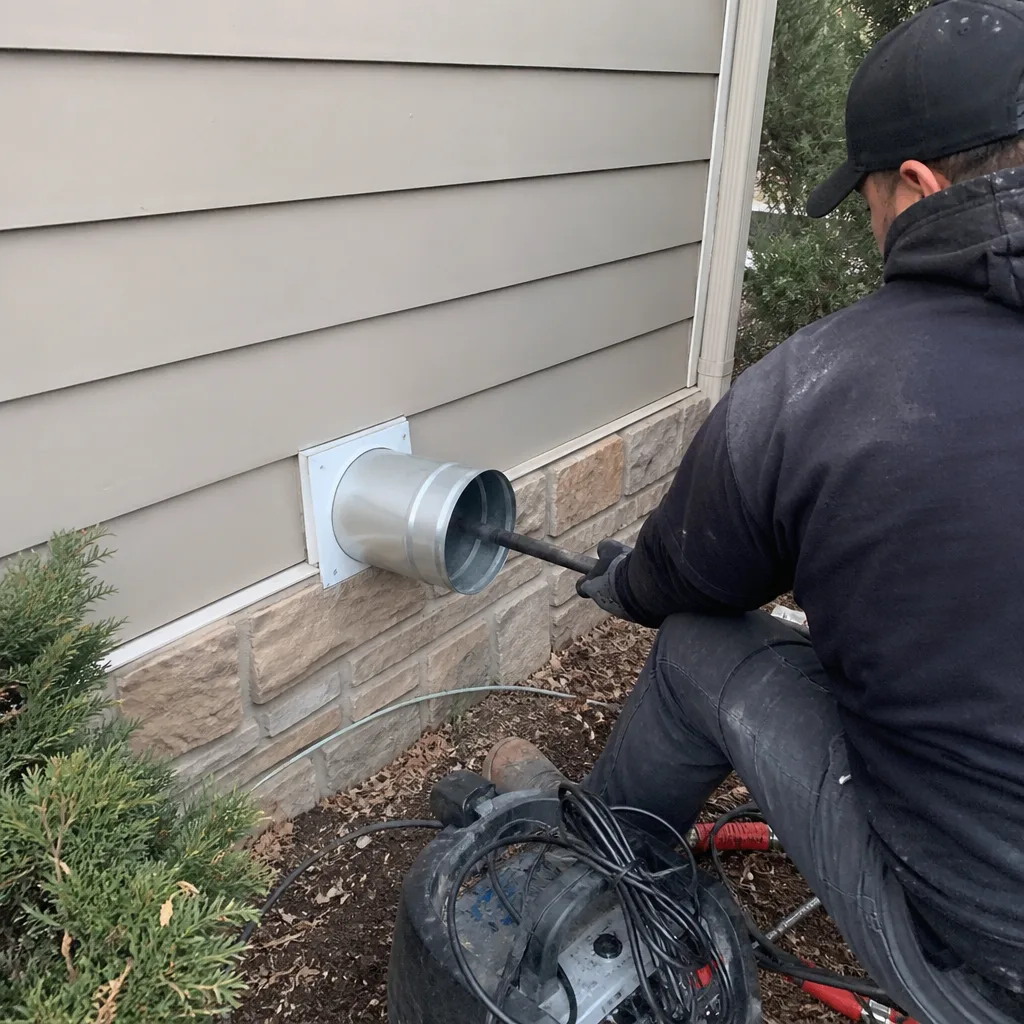 After
After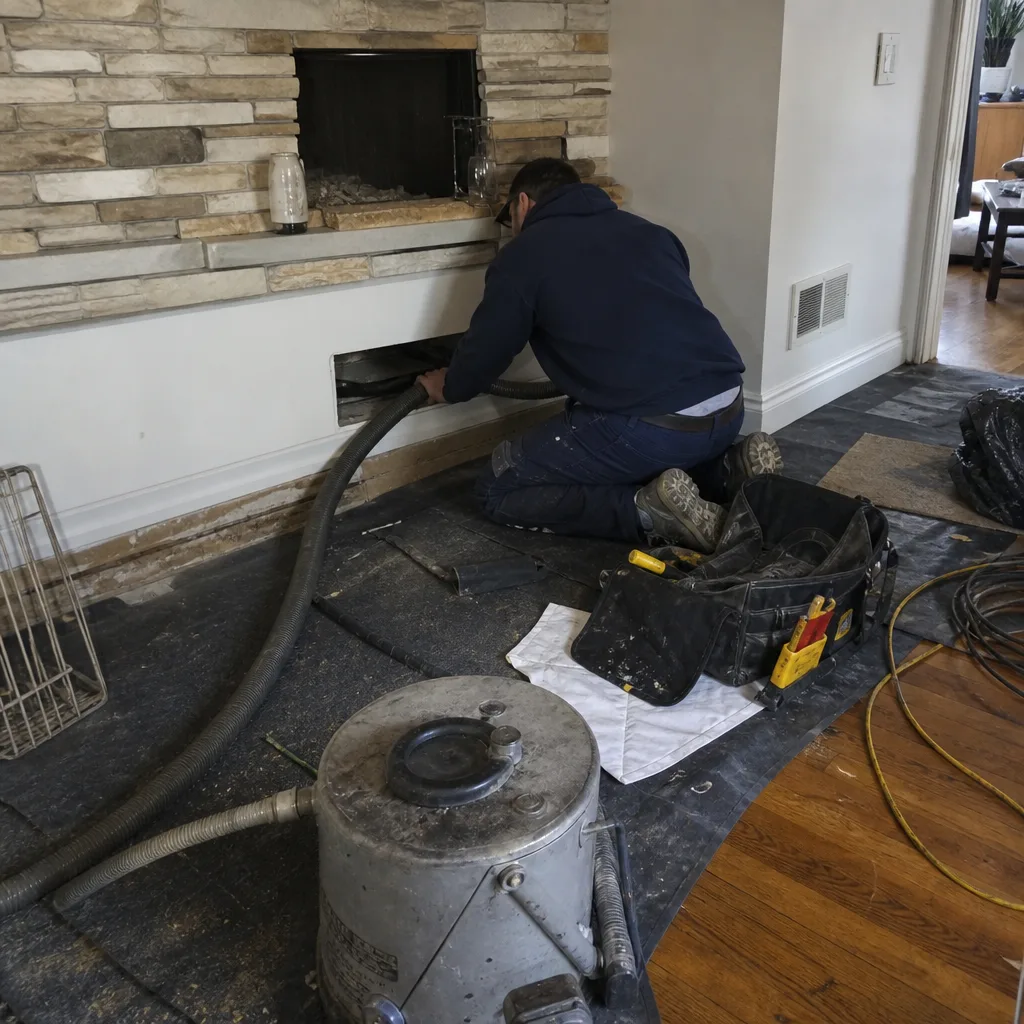 Before
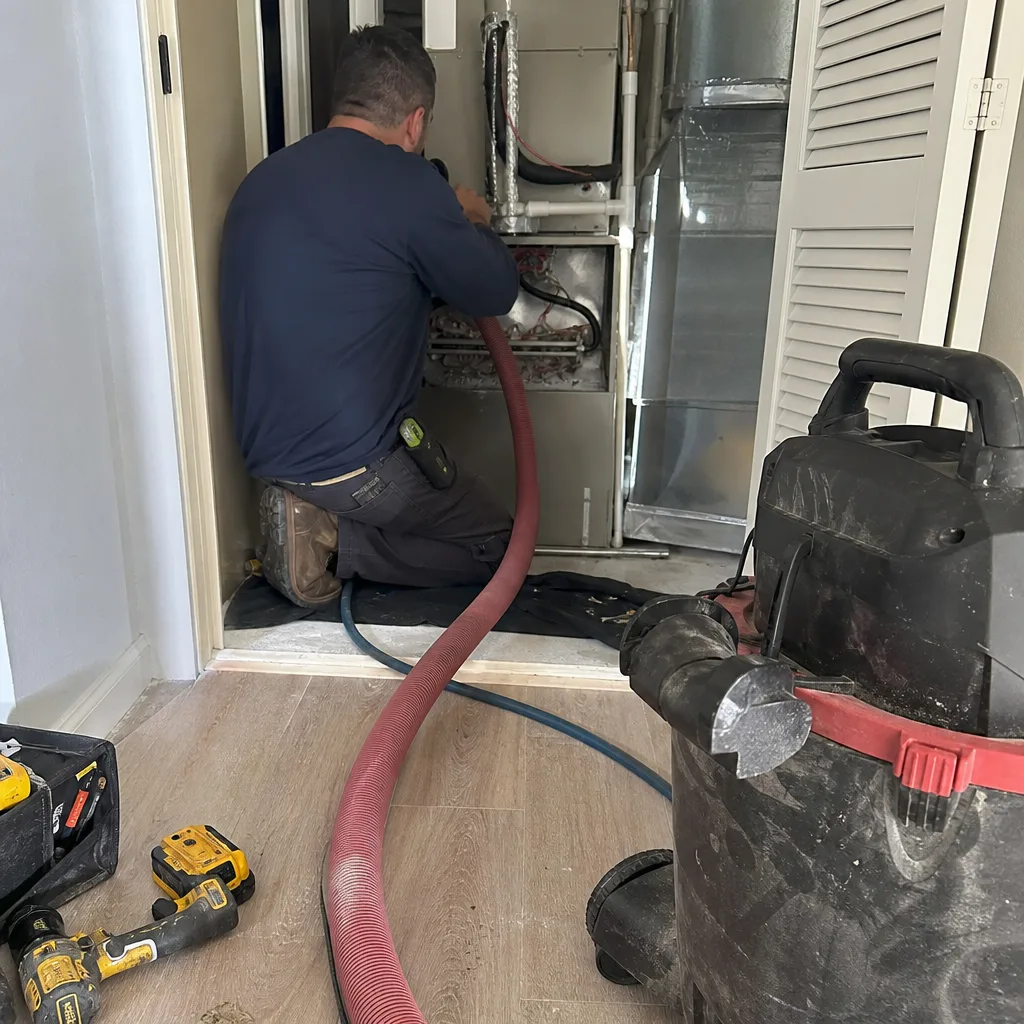 After
After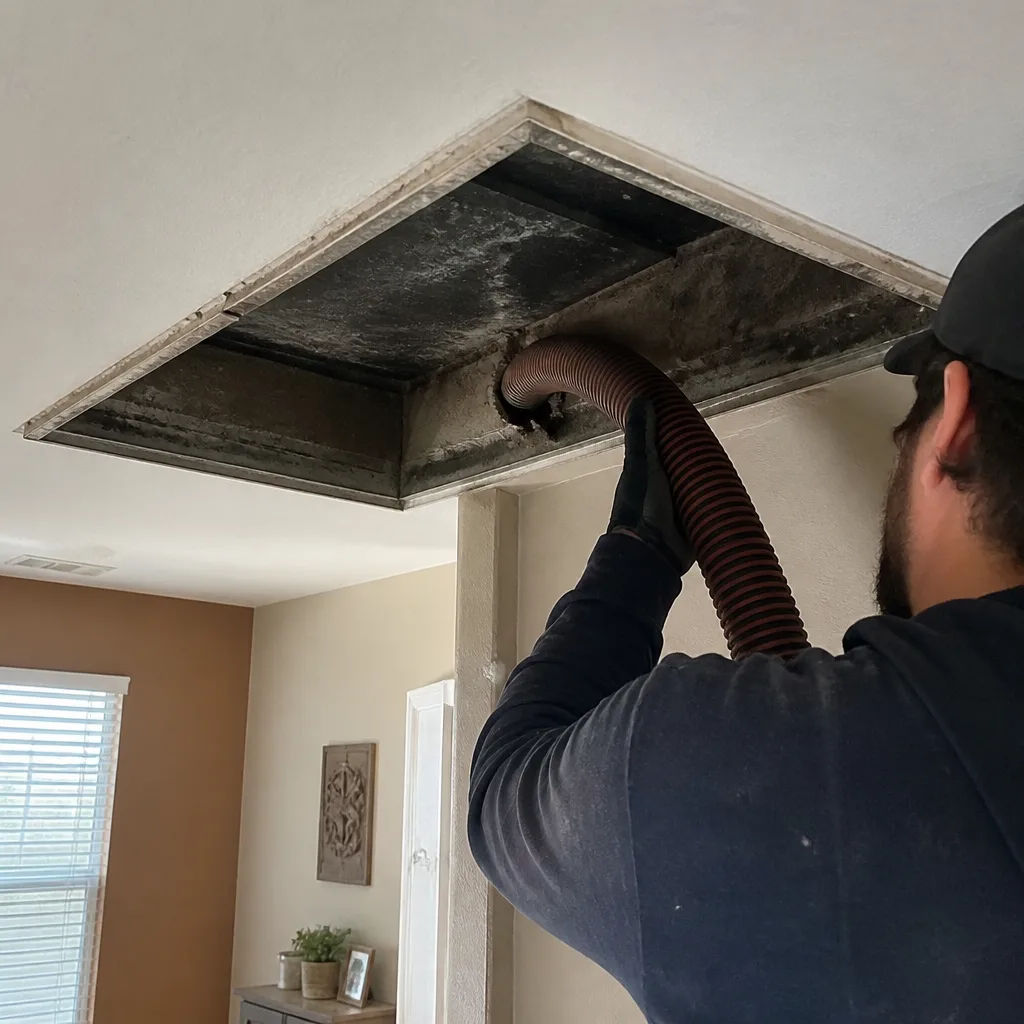 Before
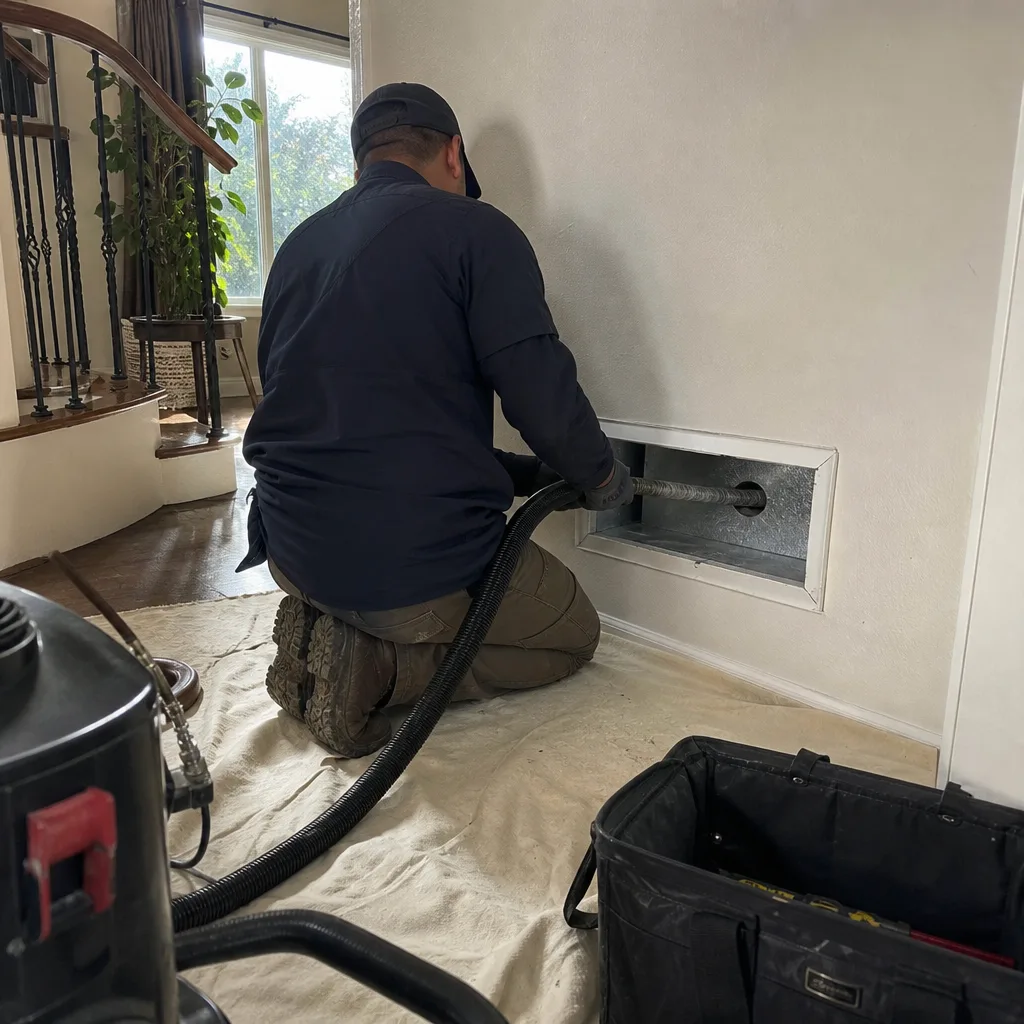 After
AfterAir Duct Cleaning Warning Signs: A Denver Homeowner’s Reference Guide
Visible dust puffing from your registers when the furnace kicks on? Most Denver homeowners assume dirty ducts. In our experience across 52,000+ homes since 2013, that single symptom has at least four possible causes, and only two of them improve with duct cleaning. The other two mean you’re paying for vacuum noise while the real problem persists. This guide-along with The Complete Guide to Air Duct Cleaning in Denver-separates what dirty ducts actually look like from what a failing filter, dirty blower wheel, or return air leak looks like, so you know what you’re seeing before calling anyone.
Quick Answer
Dirty air ducts in Denver homes typically show four reliable warning signs: visible debris buildup inside supply registers that recurs within weeks of surface cleaning, persistent musty odor from multiple registers (not one isolated spot), reduced airflow at distant registers with no blower or filter issue, and debris expelled specifically when the system cycles on. Dust on furniture, uneven room temperatures, or single-register odors usually point to other HVAC problems that duct cleaning will not fix.
Table of Contents
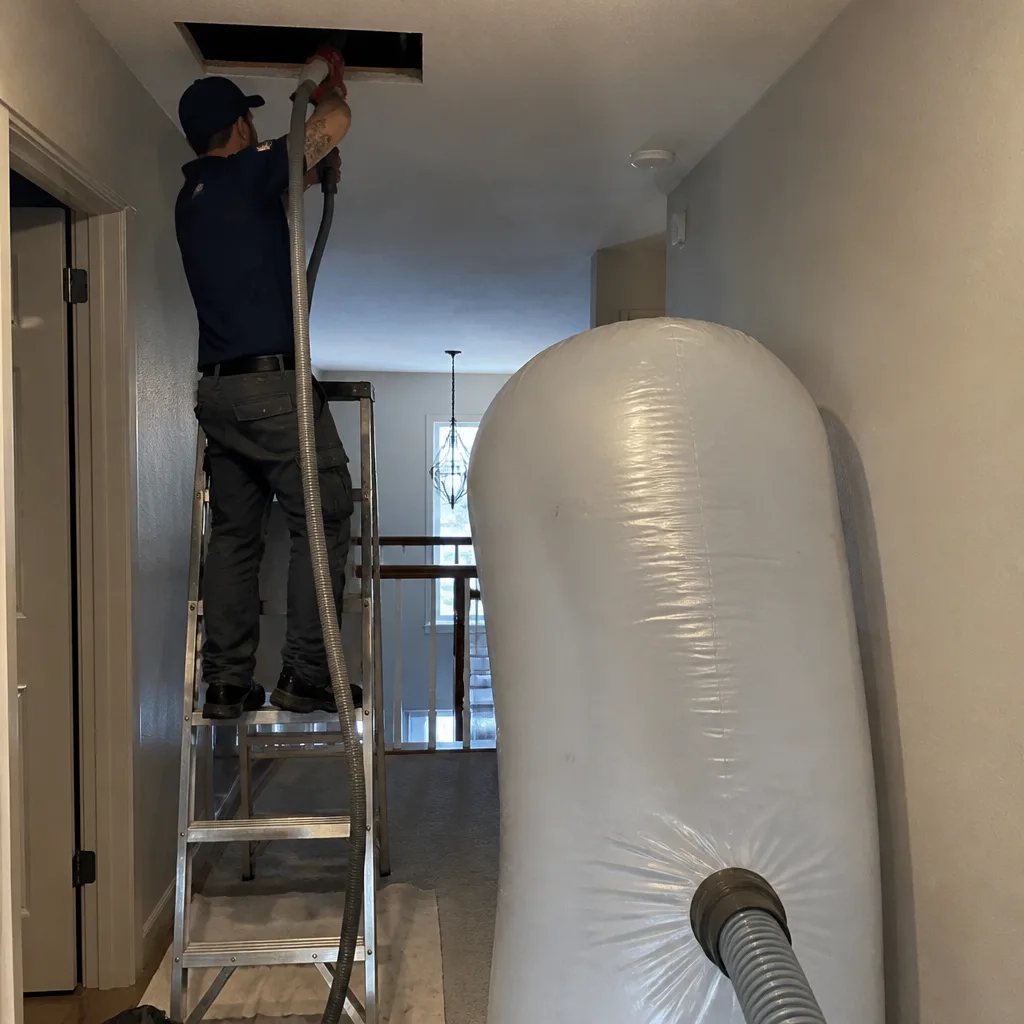
- How to Inspect Your Own Supply Registers
- Visible Dust: Duct Problem or Filter Bypass?
- Denver Wildfire Season: Duct-Related Warning Signs vs. Filter Issues
- Uneven Room Temperatures: Debris or Duct Leak?
- Musty Odor from Registers: What It Actually Means in Colorado
- Reduced Airflow: When Duct Cleaning Helps and When It Doesn’t
- How to Document What You See Before Calling Any Company
- Common Mistakes to Avoid
- When to Call a Professional
- Frequently Asked Questions
BeforeAfterHow to Inspect Your Own Supply Registers
The most reliable warning sign of dirty ducts is also the easiest to check yourself. Remove a floor or wall supply register, shine a flashlight into the duct boot (the short metal or flex connection between the register and the main trunk line), and look at what coats the interior surface.
Here’s what you’re looking for:
- Normal: A thin, even layer of gray dust, maybe 1/16 inch, that wipes away with a damp finger. This accumulates in every home over 2-3 years and does not necessarily indicate a problem.
- Worth monitoring: A thicker, fuzzy layer, 1/8 to 1/4 inch, with visible lint, pet hair, or construction debris. In Denver’s dry climate, this typically forms after 4-7 years without cleaning, or sooner after major remodeling.
- Genuinely dirty ducts: Buildup exceeding 1/4 inch, often compacted into a felt-like mat, with debris extending past the boot and into the visible duct run. The material may be gray, brown, or black depending on its source.
The critical distinction: surface dust on the register itself, or even in the boot, cleans up with a vacuum and damp cloth. If that same buildup returns within 2-3 weeks, the source is upstream in the duct run, and cleaning the accessible surface won’t solve it.
In Denver’s older neighborhoods like Wash Park, Congress Park, and Park Hill, we regularly see boots packed with plaster dust and drywall fragments from decades of wall repairs. In newer construction in Stapleton, Central Park, or Highlands Ranch, the culprit is often construction debris that settled during the build and was never fully extracted. The visual signature differs, and a homeowner who can describe what they see gets a more accurate phone assessment.
Visible Dust: Duct Problem or Filter Bypass?
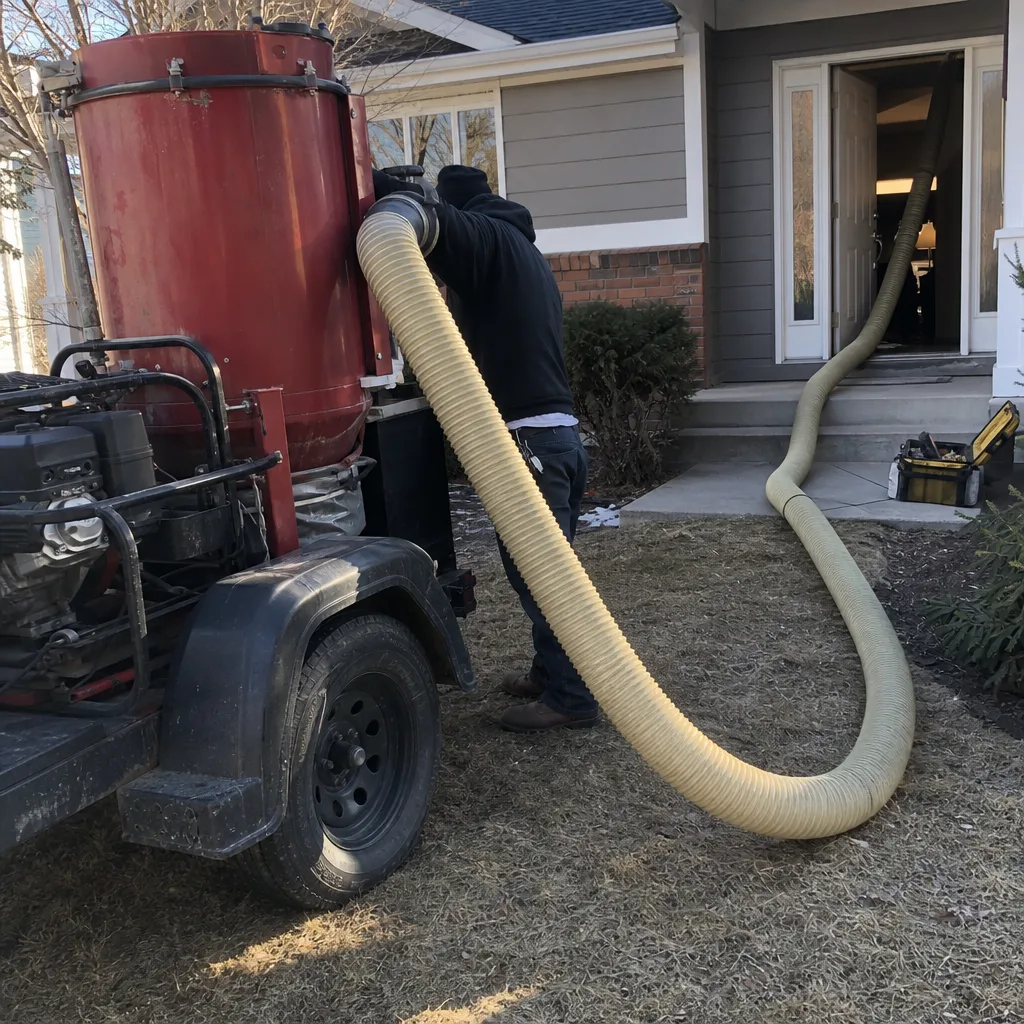
This is where most warning-sign lists fail homeowners. They treat “dust coming from vents” as automatic proof of dirty ducts. It isn’t.
Three causes produce nearly identical symptoms:
- Dirty supply ducts expel debris when airflow dislodges material from the duct walls. The dust puff coincides with the system cycling on, often smells musty or stale, and may contain visible particles (lint, hair, flakes). The debris comes from multiple registers, not one.
- Filter bypass occurs when a poorly fitted, wrong-size, or overloaded filter allows unfiltered return air to slip around the edges. The dust is fresh household dust, not compacted duct debris. It often smells neutral, like ordinary house dust, and the filter itself may look clean on the surface while being overloaded underneath. In Denver’s high-altitude, low-humidity environment, electrostatic filters are particularly prone to this if not sealed precisely to the rack.
- Return air leak pulls dust from attic, crawl space, or wall cavity directly into the blower, bypassing the filter entirely. The debris may include insulation fibers, wood splinters, or rodent droppings. This dust often has a distinct, sharp odor and may appear suddenly after years of clean operation.
How to tell them apart:
Check your filter fit first. A 1-inch filter in a 2-inch rack, a filter bowed outward from airflow pressure, or visible gaps between the filter frame and the metal rack all indicate bypass. Replace with a properly sized filter, ensure it seats flat and fully, and monitor for 2 weeks. If the dust puff persists, the cause is likely in the ducts or return path.
For return air leaks, inspect the return plenum (the large metal box where return ducts converge before the blower) if accessible. In Denver basements and crawl spaces, we see disconnected flex duct, degraded tape seals, and gaps where the plenum meets the furnace cabinet. These pull attic air that’s 140°F in summer and below freezing in winter, along with whatever debris lives in that space.
Documented Photo Record on Every Visit means our crews photograph the filter fit, the plenum condition, and the interior ductwork, so the customer sees which cause applied to their home. Since 2013, we’ve delivered this record on every job, no exceptions.
Denver Wildfire Season: Duct-Related Warning Signs vs. Filter Issues
Colorado’s wildfire seasons have intensified, and Denver homeowners increasingly call us after smoke events with symptoms they can’t sort out. Two warning signs are genuinely duct-related. Two resolve with filter changes and patience.
Genuinely duct-related after wildfire smoke:
- Smoke odor recurring from multiple registers weeks after the event, especially when the system first cycles on. This indicates smoke particles adsorbed onto duct interior surfaces, particularly in homes with flex duct or internal insulation. The odor releases when airflow and temperature change. Standard 1-inch filters do not capture the volatile organic compounds that produce this odor.
- Visible black or gray staining on register faces and nearby walls that reappears after cleaning, with a distinct acrid smell. This is particulate matter that settled in the duct run and now migrates with airflow.
Filter-related, not duct-related:
- General smoke smell throughout the home during active fire season, with no specific register concentration. This is infiltration through windows, doors, and the building envelope. Upgrading to a MERV 13 or higher filter, running the fan continuously on low, and adding portable HEPA filtration addresses it. Duct cleaning does not.
- Smoke odor that fades within 48-72 hours of filter replacement. The odor was trapped in the filter media and recirculated, not in the ductwork itself.
In Denver’s Hilltop, Montclair, and Glendale areas, homes built 1940-1970 often have original galvanized steel ductwork with no internal lining. These ducts clean more thoroughly after smoke events than flex duct systems in newer construction, where particles embed in the porous duct wall. A homeowner who knows their duct material gets a more accurate assessment of whether cleaning will resolve post-wildfire symptoms.
Our equipment roster includes Abatement Technologies and Nikro negative-pressure extraction systems designed for post-smoke remediation. We name these brands so customers can verify specifications independently before agreeing to any scope of work.
Uneven Room Temperatures: Debris or Duct Leak?
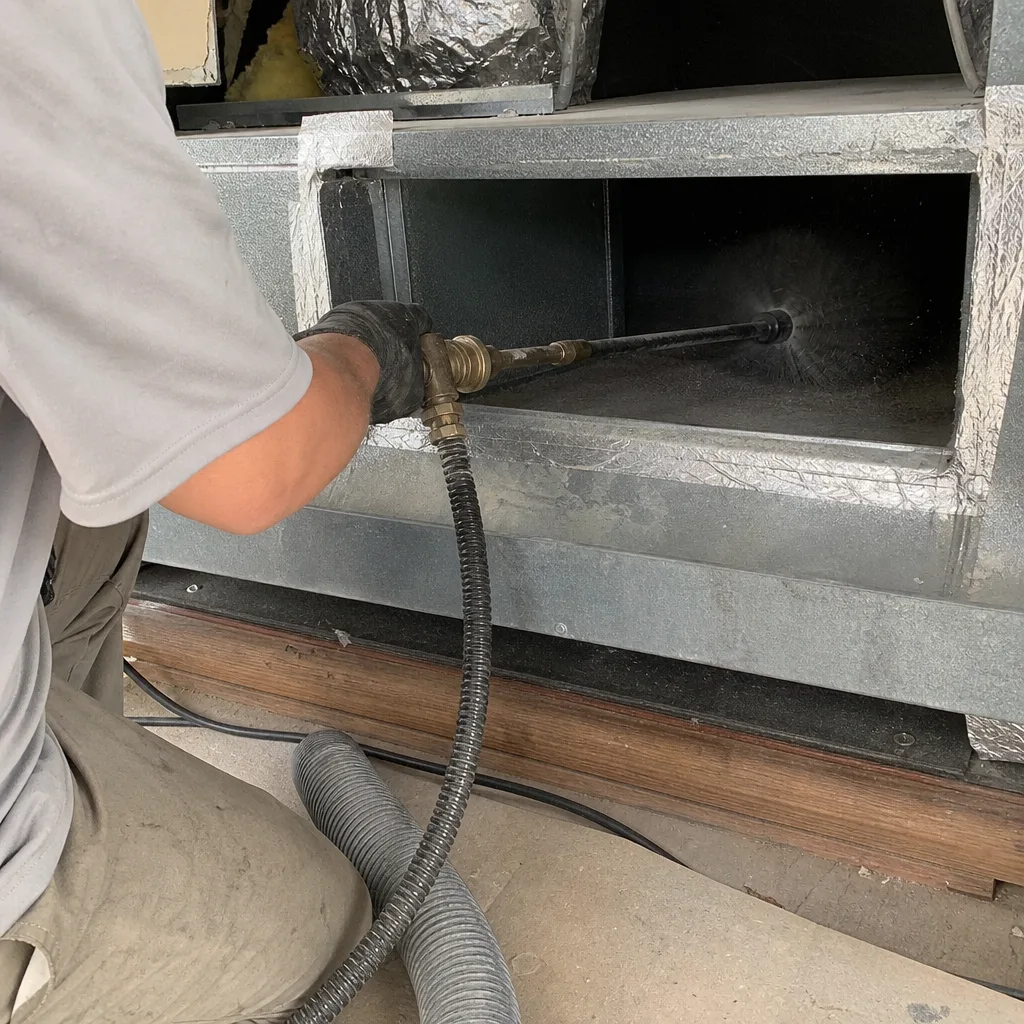
The bedroom over the garage is 8 degrees colder in January. The south-facing upstairs room overheats in July. Most homeowners assume restricted airflow from dirty ducts. In our experience across Denver metro, uneven temperatures are more often a duct sealing or design issue than a debris issue.
How to distinguish them from inside the room:
| Symptom pattern | Likely cause | What to check |
|---|---|---|
| Room is slow to heat/cool but eventually reaches setpoint; airflow at register feels weak | Duct leak or disconnect, especially in attic or crawl space runs | Inspect accessible ductwork for disconnected joints, visible gaps, or missing insulation |
| Room never reaches setpoint; airflow at register feels normal or strong but wrong temperature | Duct leak mixing unconditioned air, or undersized duct run | Compare register air temperature to main trunk temperature with a thermometer |
| Airflow at register is strong but room is dusty; debris visible in register | Dirty duct run with partial blockage | Visual inspection of boot and visible duct interior |
| Temperature difference correlates with sun exposure, not duct location | Envelope or insulation issue, not HVAC | Check attic insulation depth, window condition, wall exposure |
Denver’s climate amplifies duct leakage problems. Summer attic temperatures exceed 130°F; winter crawl spaces drop below 20°F. A 10% leak in an attic duct run mixes that extreme air with conditioned air, and no amount of duct interior cleaning changes that thermal load. The fix is sealing, not cleaning.
CleanRun offers Air Duct Cleaning in Denver and duct repair and sealing as separate, clearly scoped services. We assess which applies before quoting any work, under Haven Standard Clause 1: written price delivered before a single panel comes off.
Musty Odor from Registers: What It Actually Means in Colorado
“Musty odor” appears on every warning-sign list. Few explain what mustiness requires to develop, or why it’s rarer in Colorado than marketing suggests.
Mold and mildew growth in ductwork requires sustained moisture, organic food source, and temperatures between 40-100°F. Colorado’s average indoor relative humidity runs 25-35% in winter, often dropping below 20% during cold snaps. These are not conditions that support active mold growth inside properly functioning ducts.
When musty odor genuinely indicates duct contamination:
- Prior water intrusion event: roof leak, plumbing leak, or condensate pan overflow that wet the duct interior. The odor localizes to registers served by that duct branch.
- Evaporator coil or condensate pan contamination, with odor drawn through the return and distributed. This is an HVAC service issue, not a duct cleaning issue.
- Flex duct with degraded inner lining, exposing fiberglass that traps moisture and organic debris. Common in 1980s-1990s construction with certain flex duct products.
When musty odor points elsewhere:
- Single register in a bathroom, kitchen, or laundry room: likely local moisture source, not duct contamination.
- Odor present only when system is off, dissipating when blower runs: stagnant air in dead-leg duct runs or building cavities, not active growth.
- Odor throughout home, stronger in basement or crawl space: soil gas, drainage issue, or envelope moisture intrusion.
In Denver’s Berkeley, Sunnyside, and LoHi neighborhoods, we see frequent false mustiness calls from homeowners with 1920s-1940s homes and dirt-floor crawl spaces. The odor is geosmin from soil moisture, entering through foundation gaps. Cleaning the ducts changes nothing. Sealing the crawl space and adding vapor barrier does.
Our documented photo record includes moisture meter readings of duct interiors when odor is the presenting complaint. If the reading is below 15% wood moisture equivalent, active biological growth is physically unlikely, and we tell the customer so.
Reduced Airflow: When Duct Cleaning Helps and When It Doesn’t
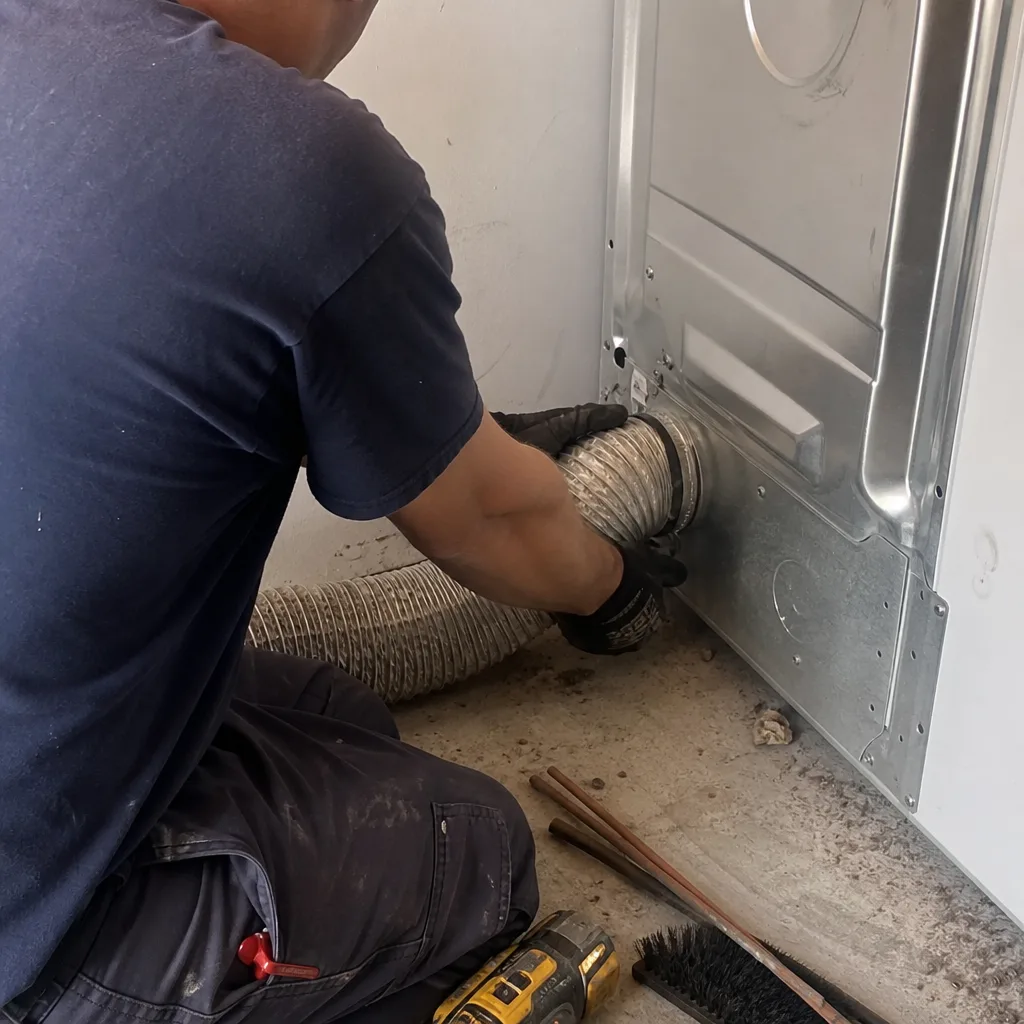
Weak airflow at a register is measurable. Hold a tissue against the grille; in a properly designed system, it should pull flat and hold. If it flutters or falls, you have reduced airflow. The question is why.
Duct cleaning helps when:
- Visual inspection shows significant debris buildup narrowing the duct cross-section, particularly at elbows, transitions, or where flex duct sags.
- The reduction is gradual over years, correlating with occupancy duration and no system changes.
- Multiple registers on the same branch show proportional reduction, suggesting trunk line restriction.
- Cleaning restores documented airflow; we measure before and after with a calibrated anemometer and include the readings in the job record.
Duct cleaning does not help when:
- Airflow reduction is sudden, following a renovation, repair, or pest event. This suggests physical obstruction: dropped tool, construction debris, or nest. Cleaning equipment won’t extract a 2×4 offcut. Access and manual removal are required.
- Only one register is affected, and the duct run is short and straight. The restriction is likely at the boot or register itself, not in the duct.
- Airflow is weak but uniform across all registers. This points to blower wheel fouling, incorrect blower speed, or filter restriction, not duct debris.
- Airflow was never strong. The duct run may be undersized, excessively long, or have too many elbows. Cleaning cannot enlarge a 6-inch duct to perform like an 8-inch.
Denver’s altitude affects this assessment. At 5,280 feet, air is 17% less dense than at sea level. Blower performance curves shift, and a system that was marginally designed for sea-level conditions performs worse here. CleanRun technicians account for this when evaluating whether observed airflow is genuinely restricted or simply a design limitation.
How to Document What You See Before Calling Any Company
The most powerful tool a homeowner has is a phone, flashlight, and five minutes. What you document before calling determines whether you get an accurate phone assessment or a sales pitch.
Step-by-step documentation:
- Remove the register. Most floor registers lift out; wall registers may have two visible screws. Set aside carefully.
- Photograph the register face and back. Debris pattern on the back indicates airflow direction and accumulation point.
- Shine flashlight into the boot. Photograph what you see at arm’s depth. Note color, texture, and approximate thickness of any buildup.
- Photograph the filter. Note size printed on frame, MERV rating, installation date if marked, and whether it sits flat in the rack.
- Check the return air path if accessible. In Denver homes with basement furnaces, the return plenum is often visible. Photograph any gaps, tape failure, or debris.
- Note the symptom pattern: which registers, which seasons, which times of day. Correlation with system cycling is diagnostically significant.
When you call, describe what you photographed, not how you feel about it. “The camera showed a half-inch brown mat in the boot of the master bedroom register, and the filter is bowed outward in its rack” gets a different response than “my vents seem dirty.” The first description allows a technician to preliminarily distinguish duct debris from filter bypass before arriving.
At CleanRun, we use this documentation to scope work accurately. Our written price, delivered before any work starts under Haven Standard Clause 1, depends on knowing what we’re dealing with. A homeowner who has done this inspection helps us quote correctly the first time.
Common Mistakes to Avoid
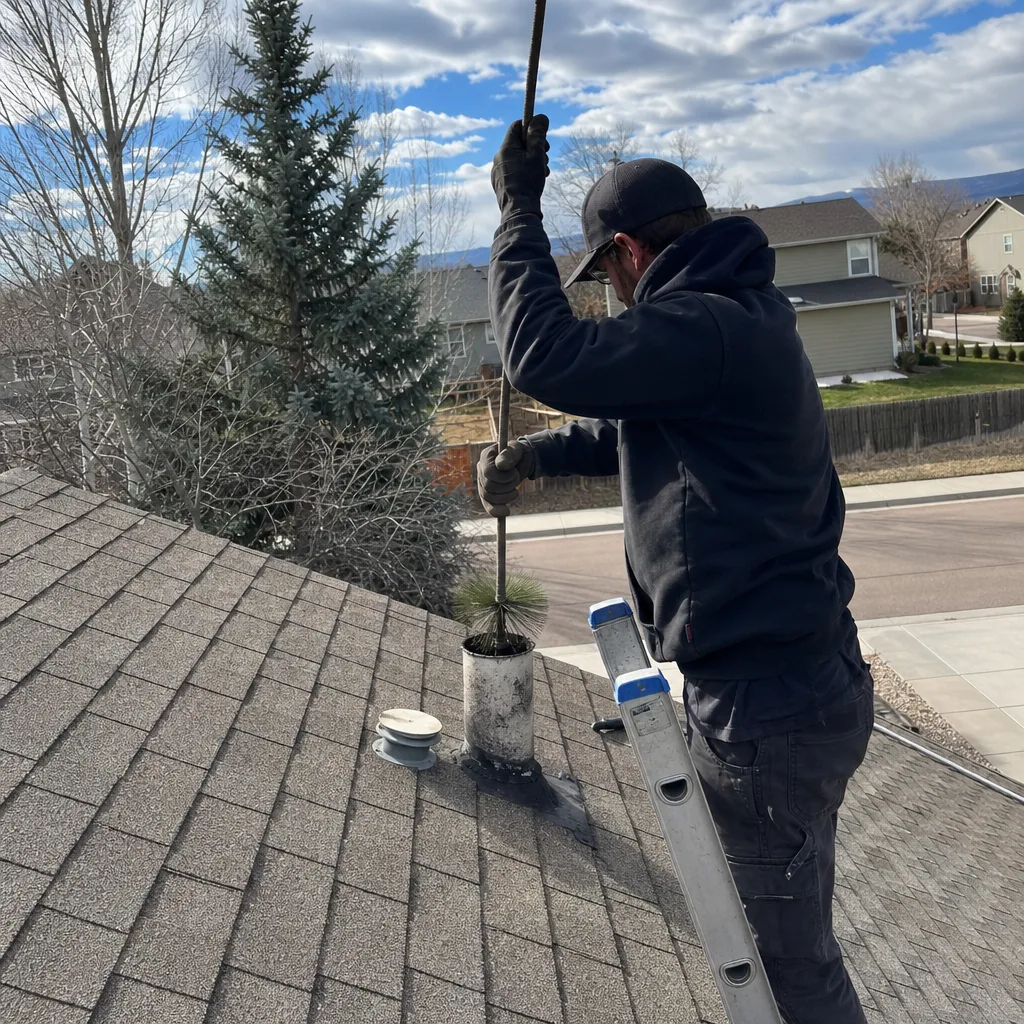
- Assuming register dust equals duct debris. Surface dust cleans up permanently with a damp cloth. If it returns in weeks, the source is upstream. If it doesn’t, you never needed duct cleaning.
- Buying on a per-vent coupon price. The industry standard for bait-and-switch: a low per-register rate that balloons with “required” sanitizing, access charges, or “heavy debris” surcharges. CleanRun quotes one flat price per system, agreed in writing before work starts.
- Ignoring the filter fit. A $15 filter installed wrong causes more dust circulation than moderately dirty ducts. Check the fit before spending on cleaning.
- Treating wildfire smoke odor as permanent duct contamination. Most smoke odor resolves with upgraded filtration and time. Persistent, register-localized odor after 6-8 weeks may indicate adsorbed particles requiring extraction.
- Expecting duct cleaning to fix uneven temperatures. In Denver’s climate, temperature imbalance is 3-4x more likely to be duct leakage or design than debris restriction. Get a leakage assessment before committing to cleaning.
- Accepting “sanitizing” without seeing the photo record. If a company cannot show you photographic evidence of biological growth, chemical treatment is unnecessary. Our documented photo record shows what was there; we treat only what the evidence supports.
When to Call a Professional
Call for assessment when: visual inspection shows buildup exceeding 1/4 inch in multiple boots; you document recurring debris after surface cleaning; musty odor localizes to specific registers and persists beyond filter changes; or post-wildfire smoke odor continues from multiple registers after 6-8 weeks of upgraded filtration.
Call promptly when: you see moisture, staining, or pest evidence in ductwork; airflow drops suddenly after any construction or repair work; or register debris includes unusual material (insulation fibers, wood, rodent droppings) suggesting return air leak or breach.
CleanRun Air Duct Cleaning Denver offers free estimates in Denver. Every assessment includes a written scope and price before any work begins, backed by the 365-Day Done Right Promise. Call (720) 799-2292.
Frequently Asked Questions
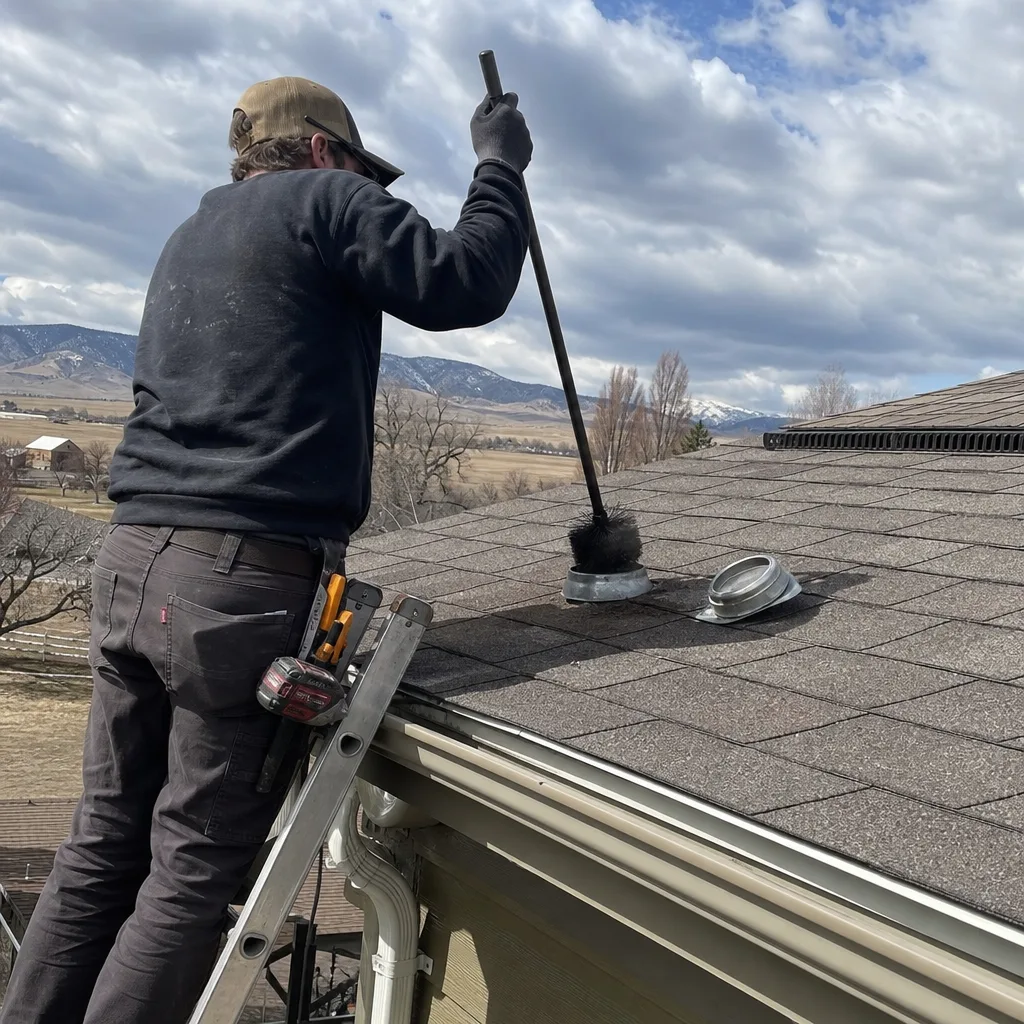
Whole-system air duct cleaning in Denver typically ranges from $450 to $850 for a single-family home, depending on system size, duct material, and accessibility. Homes with multiple HVAC systems, extensive flex duct, or crawl space access points fall at the higher end. CleanRun delivers a written price before any work starts, with one flat price per system, no per-vent add-ons. Call (720) 799-2292 for an exact quote on your home.
$79-$149 offers are structured to sell additional services on arrival. The advertised price typically covers only a superficial vacuuming of accessible registers, with “required” upsells for trunk lines, sanitizing, or “excessive debris.” The final invoice often reaches or exceeds honest upfront pricing. CleanRun’s written price under Haven Standard Clause 1 includes the complete system, documented with before-and-after photos of every duct run.
Request a documented photo record of every duct run, before and after. Since 2013, CleanRun has included this as a standard deliverable on every job, not an optional add-on. If a company cannot or will not provide photographic evidence of cleaned duct interiors, you have no verification that the work occurred.
For most Denver homes, every 5-7 years with standard fiberglass filters, or 7-10 years with high-efficiency filtration and no major remodeling. Homes with multiple pets, recent construction, or occupants with severe allergies may need more frequent service. The correct interval is determined by visual inspection, not calendar alone.
Surface cleaning of registers and boots is safe homeowner maintenance. Interior duct runs require professional negative-pressure extraction equipment to prevent debris migration and protect duct integrity. We do not recommend DIY interior duct cleaning-see our breakdown in DIY vs Professional Air Duct Cleaning: The Denver Homeowner’s Decision Guide-as improper technique can damage flex duct, dislodge connections, or contaminate the blower compartment.
Altitude affects HVAC system design and blower performance, which influences how we evaluate whether observed symptoms indicate genuine debris restriction or design limitation. Our cleaning equipment is specified for operation at 5,000+ feet, and our technicians account for altitude-adjusted airflow standards when assessing results.
The Bottom Line
Dirty ducts produce specific, observable symptoms: measurable debris buildup in multiple supply boots, persistent register-localized odor with moisture history, and airflow reduction proportional to visible restriction. Dust on furniture, uneven temperatures, single-register issues, or general odor usually indicate filter, sealing, or envelope problems that duct cleaning will not resolve. The homeowner who inspects before calling, documents what they see, and distinguishes these categories avoids paying for the wrong service and can find more guides & resources on our site. In Denver’s market of coupon pricing and undocumented work, the ability to describe your own system accurately is your best protection.
CleanRun Air Duct Cleaning Denver home | Dryer Vent Cleaning in Denver | HVAC Cleaning in Denver
Written by Tomas Reyes, Owner at CleanRun Air Duct Cleaning Denver, serving Denver since 2013.