
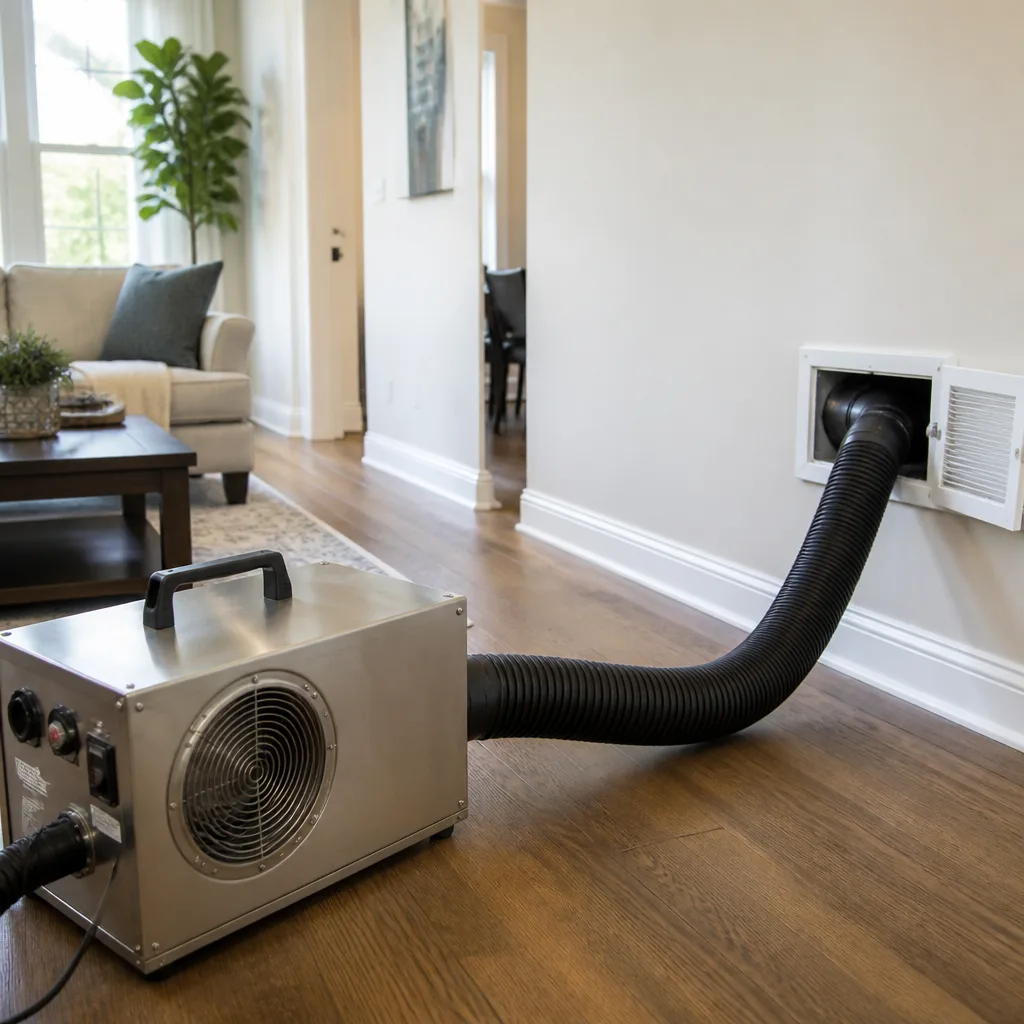
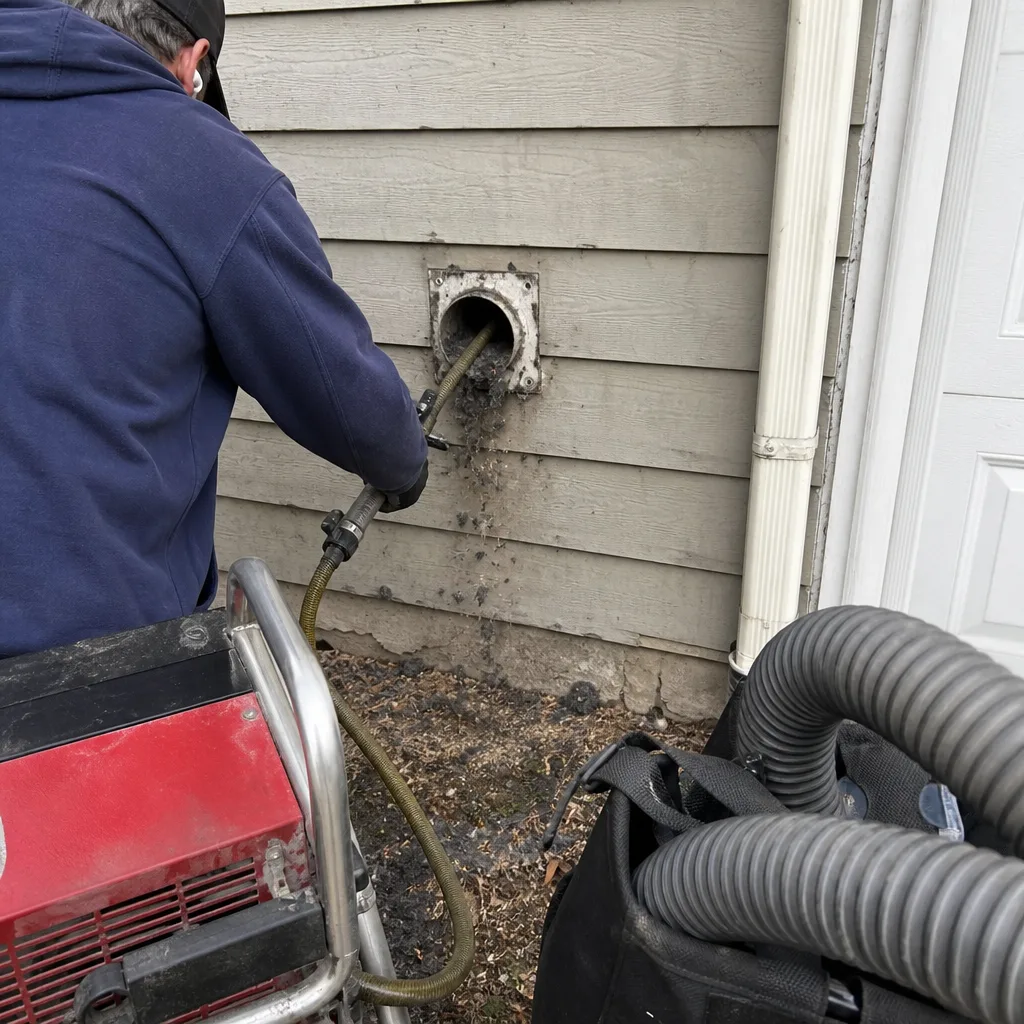
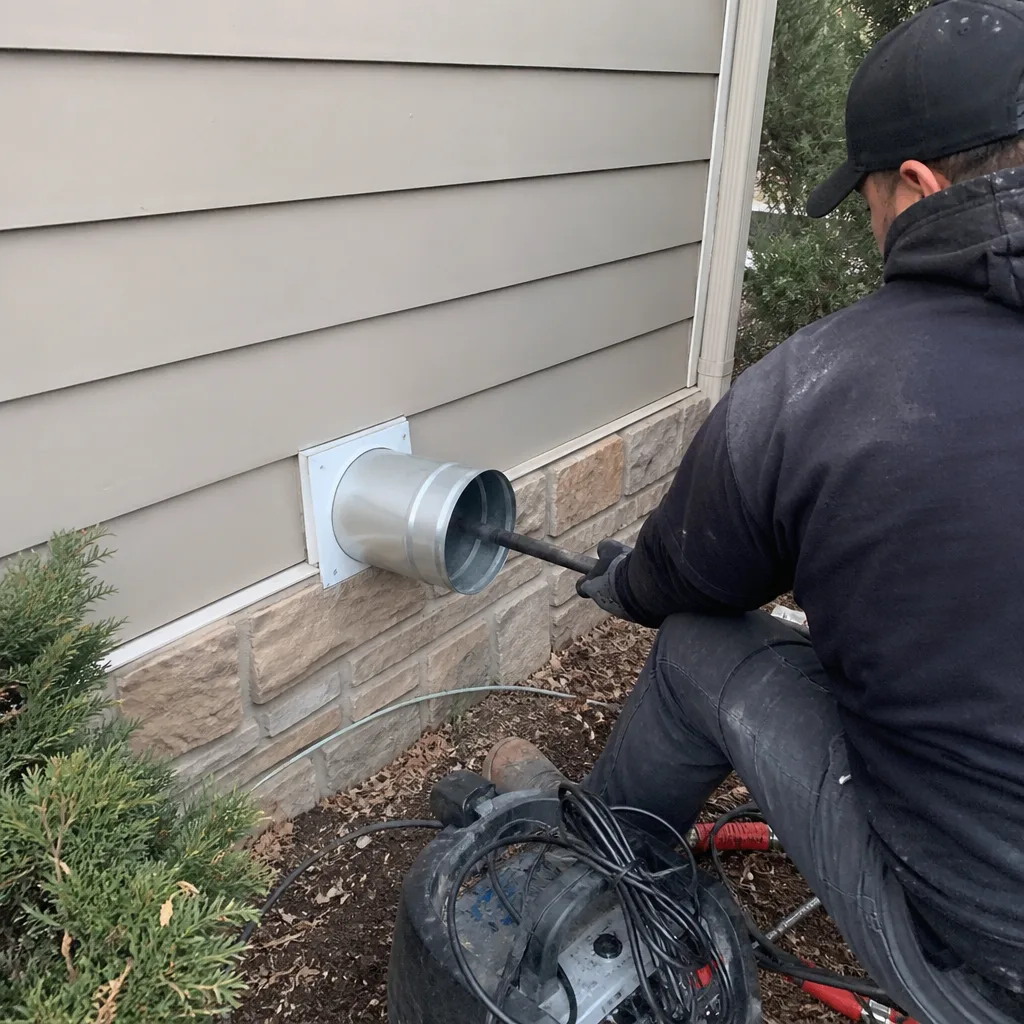
Whole-system duct and dryer vent check with before-and-after photos - you see exactly what came out of your vents
That "$99 whole-house special" is a bait ad - the real number appears once they are in your hallway, or the "clean" is a shop-vac at the register. We photograph the inside of your ducts before and after instead.
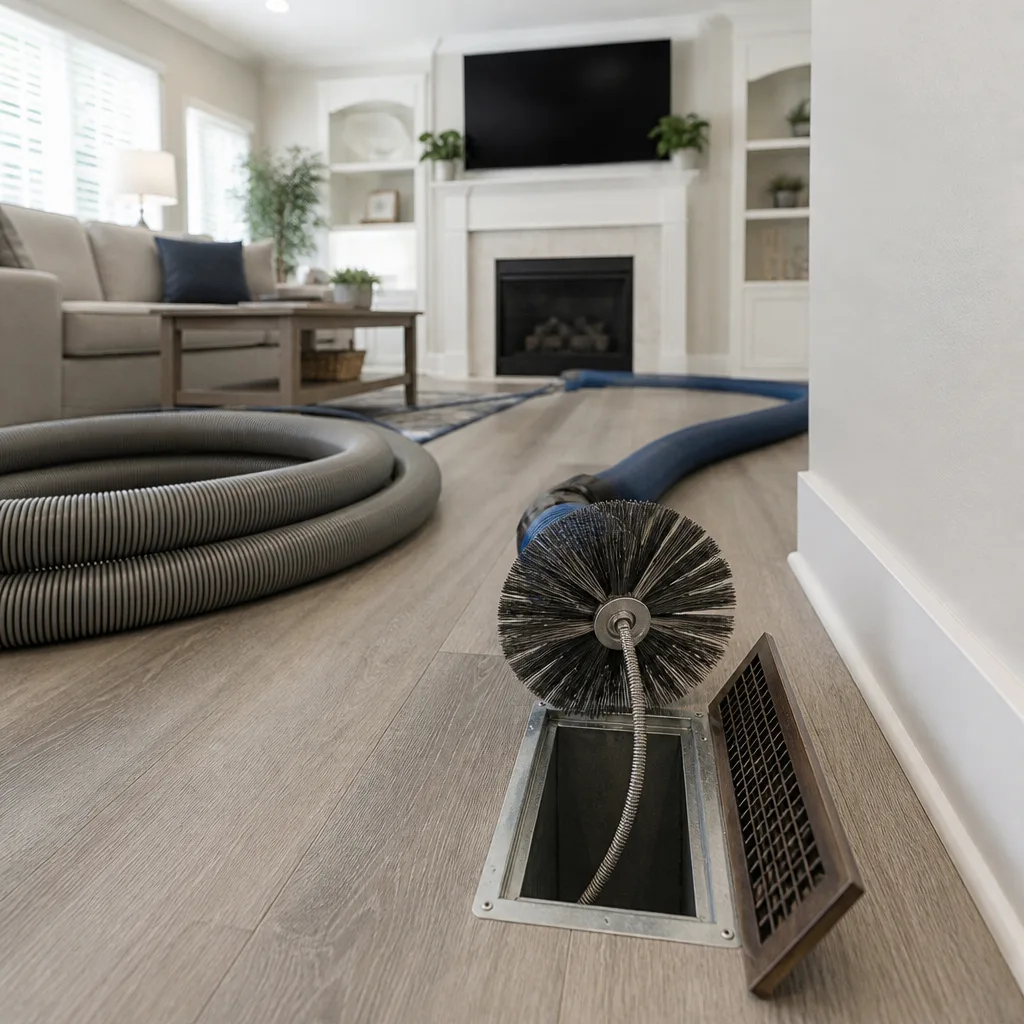
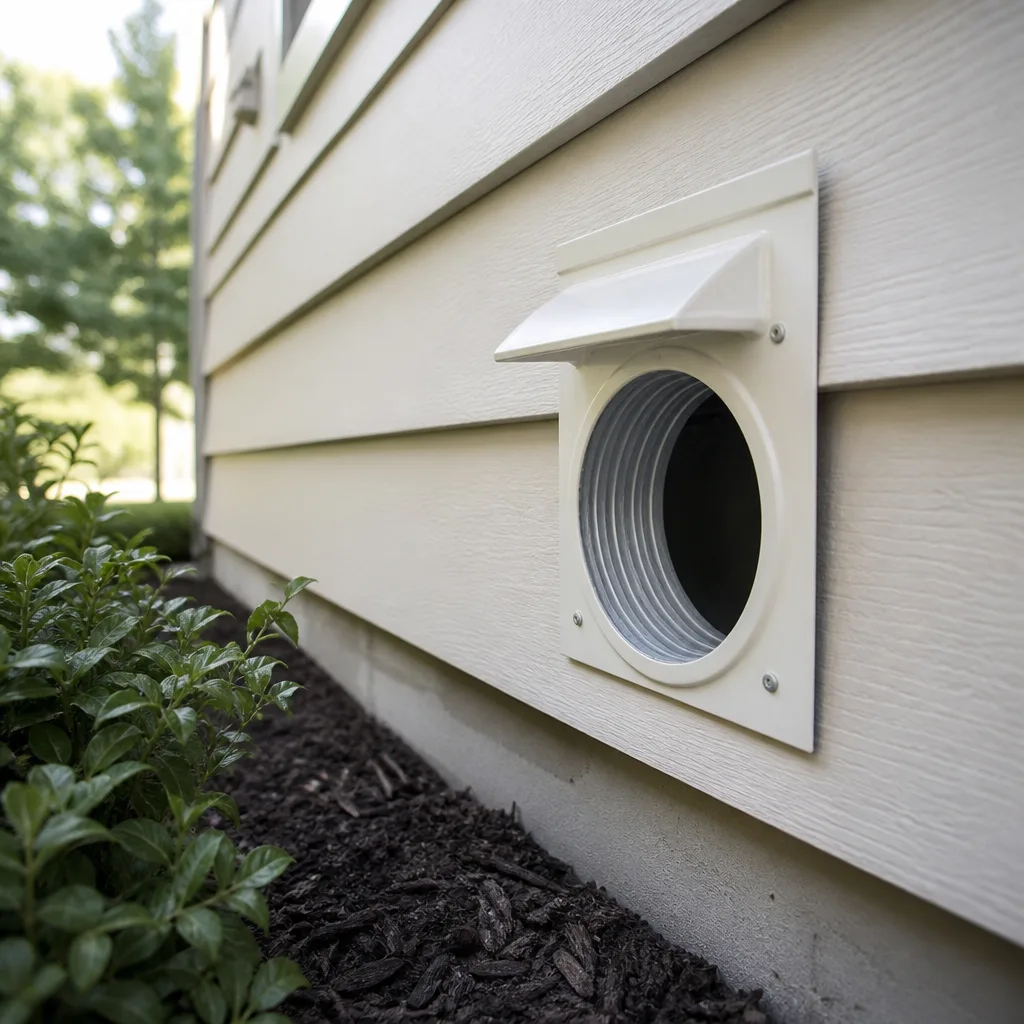
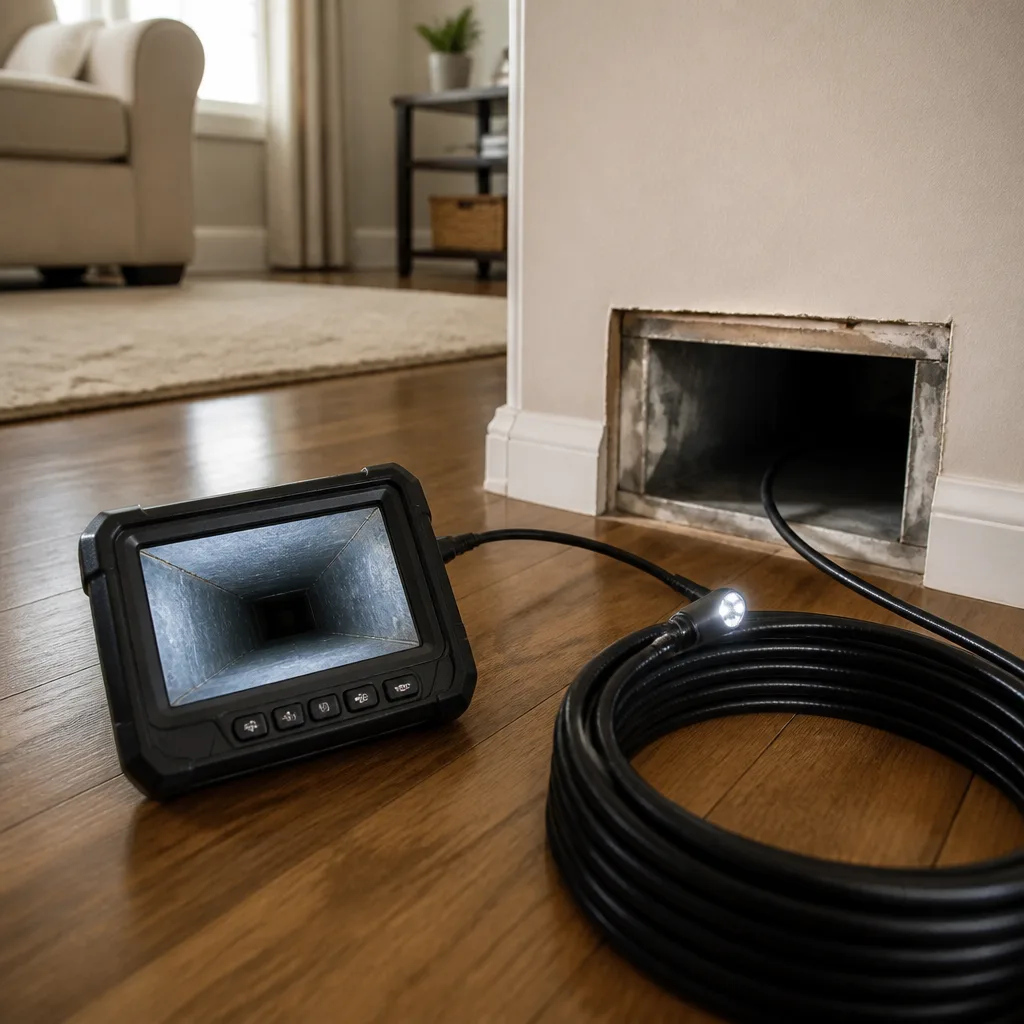
 Before
 After
After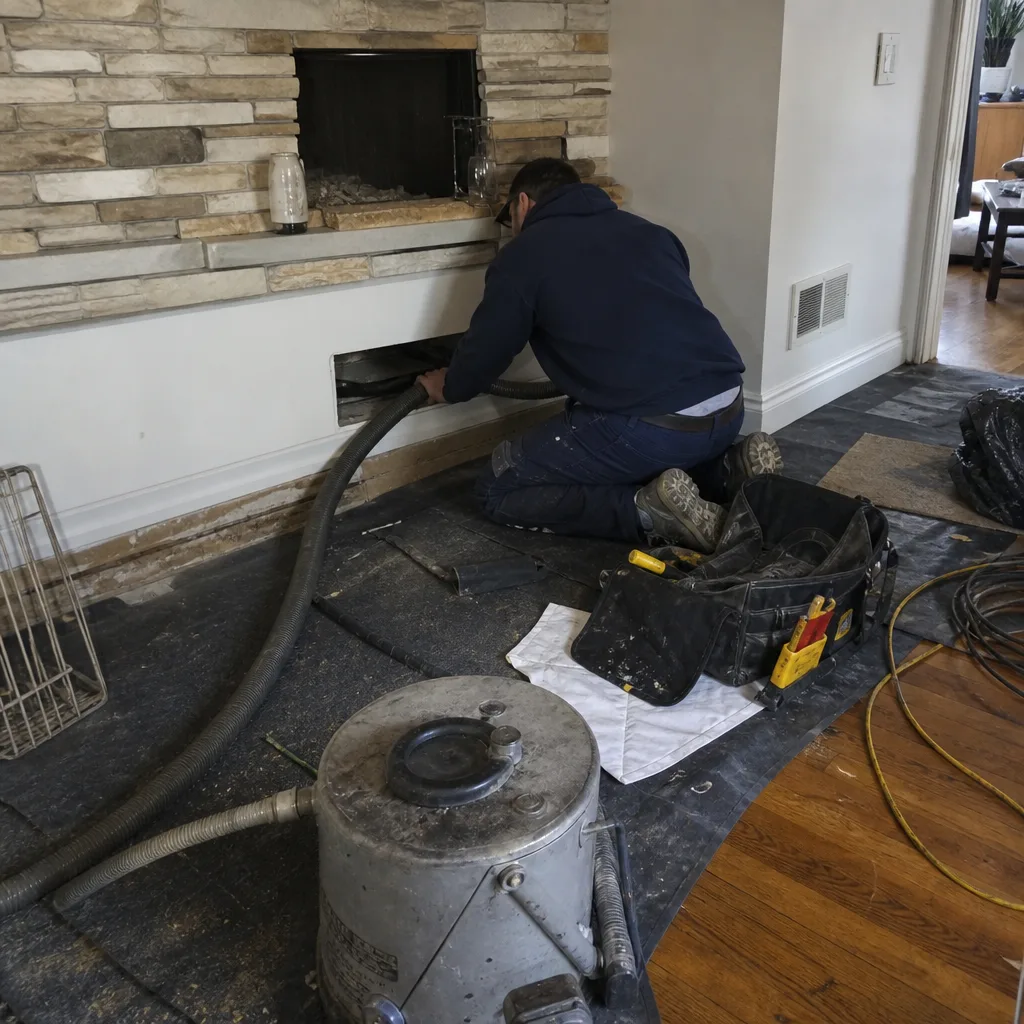 Before
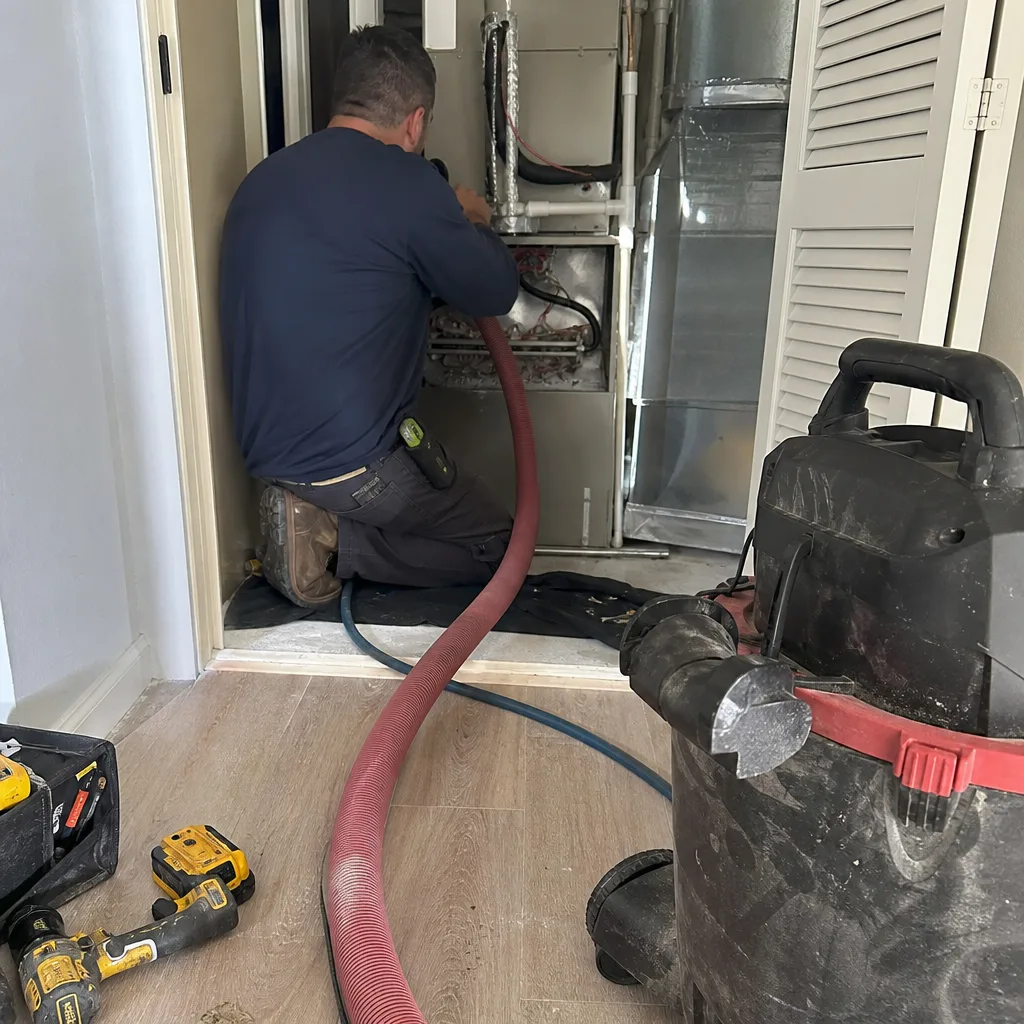 After
After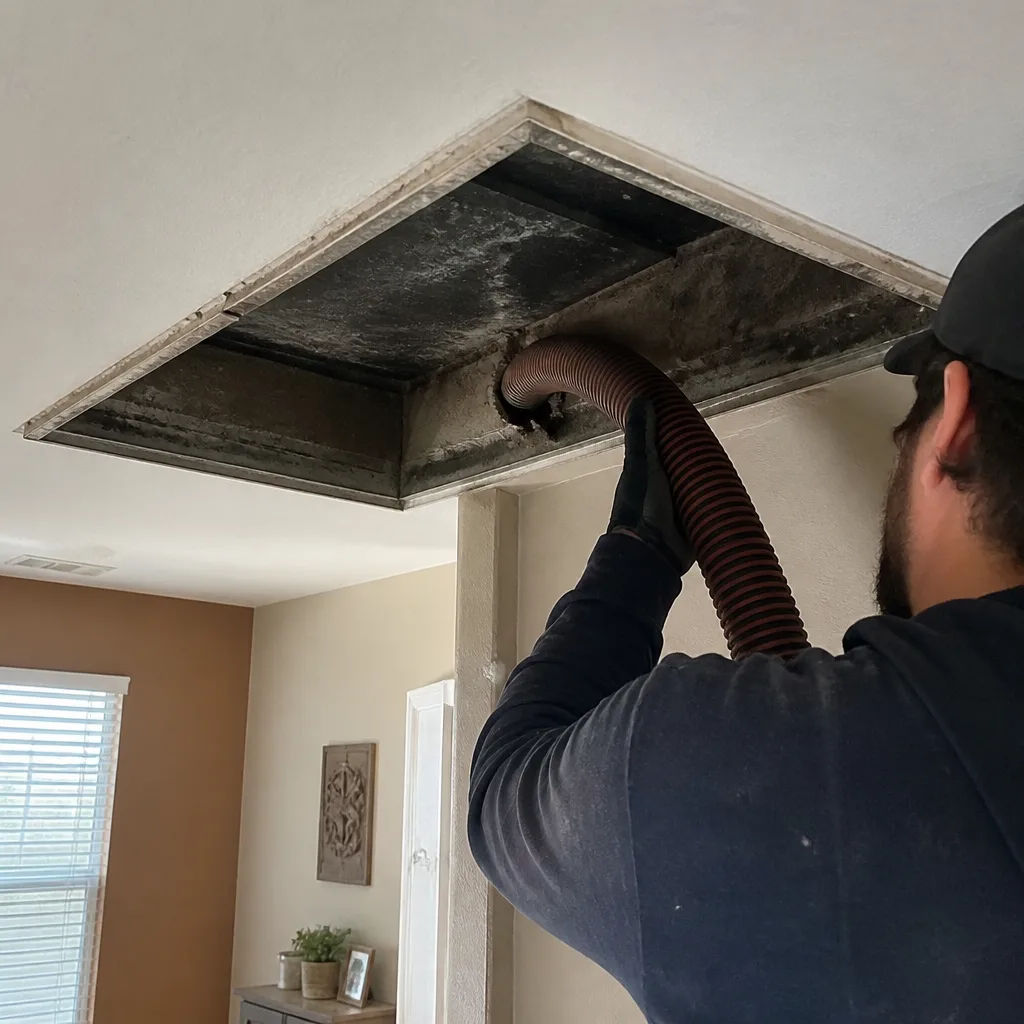 Before
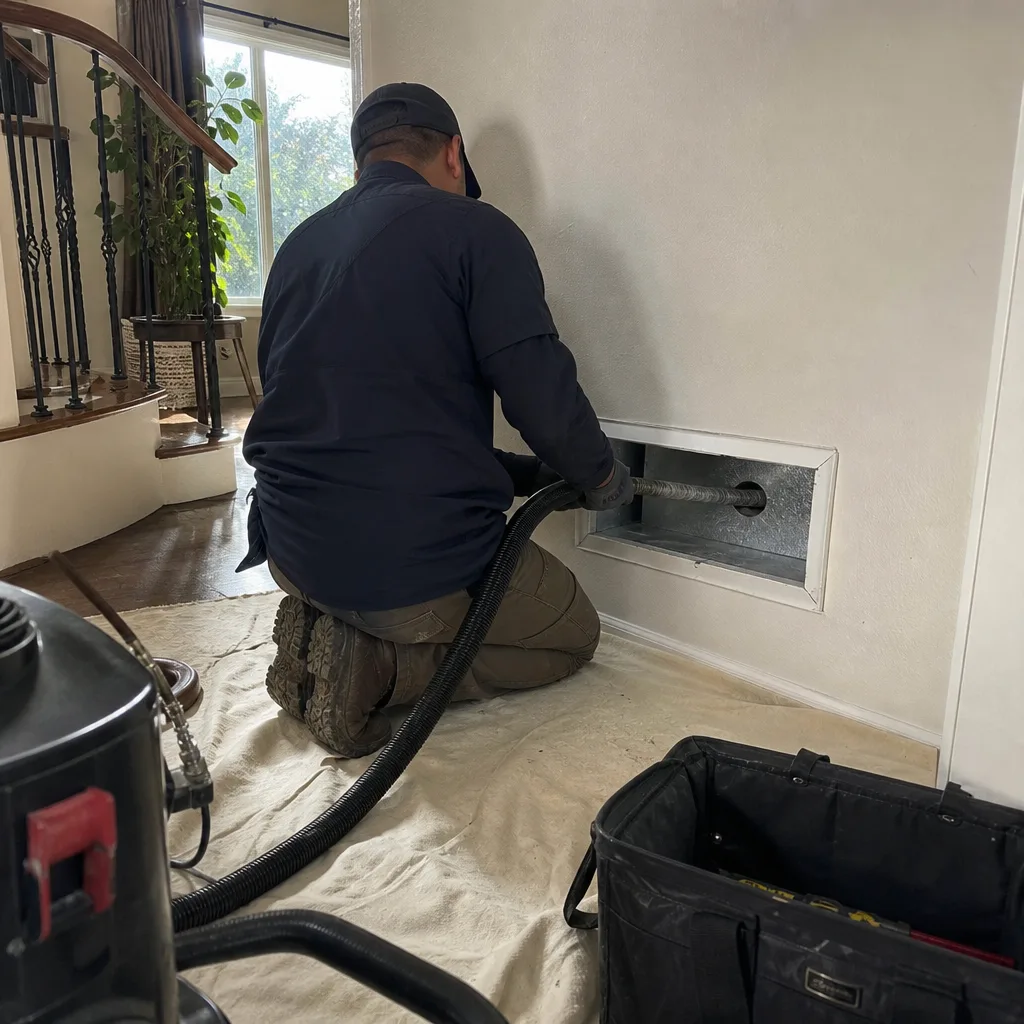 After
AfterTrusted Duct Repair & Sealing for Denver Homeowners
Duct repair and sealing in Denver typically costs $350-$1,200 depending on the scope, with most residential jobs completed in a single scheduled visit. CleanRun Air Duct Cleaning Denver has sealed and repaired ductwork in more than 52,000 homes since 2013, every one starting with a written price before any panel comes off. Call (720) 799-2292 for a free estimate with no obligation to book.
Denver’s climate puts unusual stress on residential duct systems. The dry air, rapid temperature swings between summer highs and winter lows, and the freeze-thaw cycles that run from October through April all force metal to expand and contract, mastic to crack, and flex duct to separate at joints. In neighborhoods like Stapleton, Highlands, and Berkeley, we’ve photographed the same pattern for years: ducts that were sealed once in the 1990s and have been leaking conditioned air into attics and crawl spaces ever since. The homeowner pays for heating and cooling they never feel.
We don’t sell visits. We deliver a documented record. Every duct repair and sealing job includes a written scope and price before work begins, a photo record of every duct run before and after, and the 365-Day Done Right Promise backed in writing on every invoice. Our crews are background-checked, uniformed, and identified by name before arrival under Haven Standard Clause 3: Verified Crews. Tomas Reyes established this practice when CleanRun opened in 2013, and it hasn’t changed.
What Our Duct Repair & Sealing Service Includes
Duct Sealing
Duct sealing closes the gaps, cracks, and disconnected joints that allow conditioned air to escape before it reaches your rooms. In Denver, we most often find these leaks at the plenum connections (the central distribution box where your furnace meets the duct trunk) and at register boots where ducts meet the ceiling or floor. Our crews use a two-part approach: first, a smoke pencil or theatrical fog test to locate leaks the eye cannot see, then professional-grade mastic sealant or metal-backed tape rated for high-velocity systems. Every sealed joint is photographed before and after, and the images are delivered with your job record.
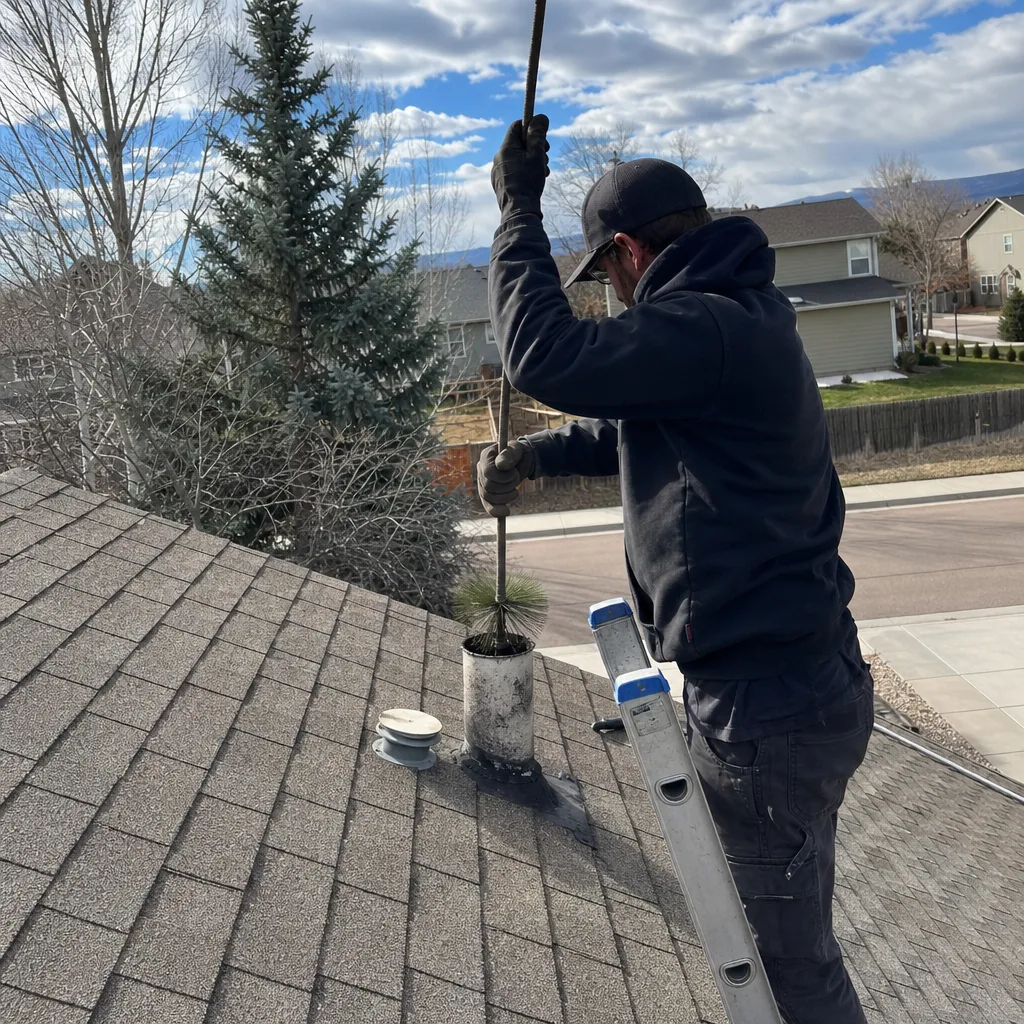
Flex Duct Repair
Flex duct, the insulated flexible tubing common in homes built from 1980 onward, collapses, tears, or disconnects when attic temperatures in Denver climb past 140°F in July or when rodents access crawl spaces. We replace damaged flex runs with new R-8 insulated duct sized to your system’s CFM requirements (cubic feet per minute, the measure of airflow volume your equipment was designed to move). In Park Hill and Congress Park, we’ve found original flex duct from the 1980s that has never been inspected and has lost more than 30% of its delivered airflow to compression and tears. We also offer our Duct Repair & Sealing in Aurora for homes with similar aging systems. We photograph the damage, replace the run, and verify airflow at the register before we leave.
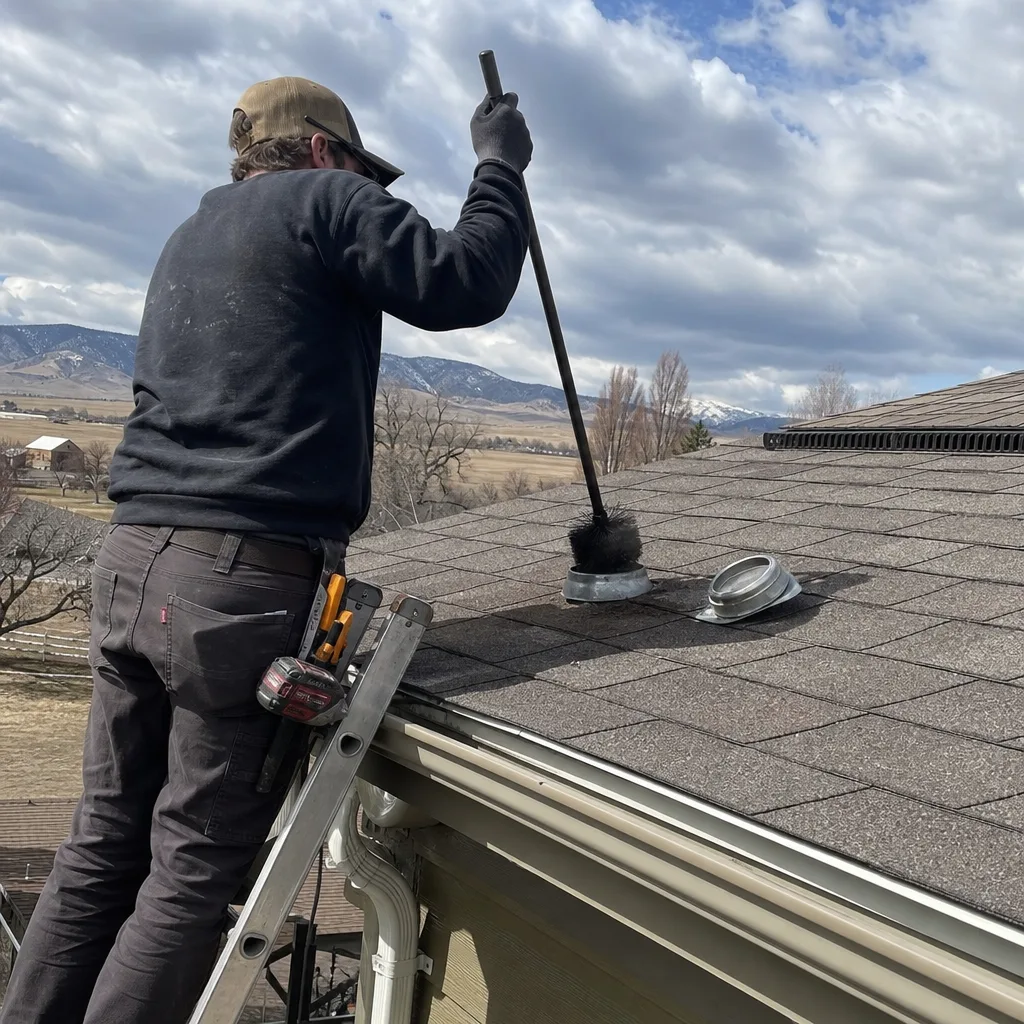
Metal Duct Repair
Galvanized steel ductwork, standard in Denver homes built before 1985, corrodes at seams, separates at slip joints, and rattles when supports fail. Metal repair requires sheet metal fabrication: cutting, folding, and seaming new sections to match existing trunk lines, then sealing with mastic and mechanical fasteners, not tape alone. Our crews carry sheet metal brakes and crimpers on every truck, along with 26- and 30-gauge galvanized stock. In Capitol Hill and Cheesman Park, where many homes retain original 1920s-1950s duct systems, we’ve repaired metal trunks that were leaking 40% of their airflow into unfinished basements. The repair is photographed, pressure-tested where accessible, and documented in your job record.
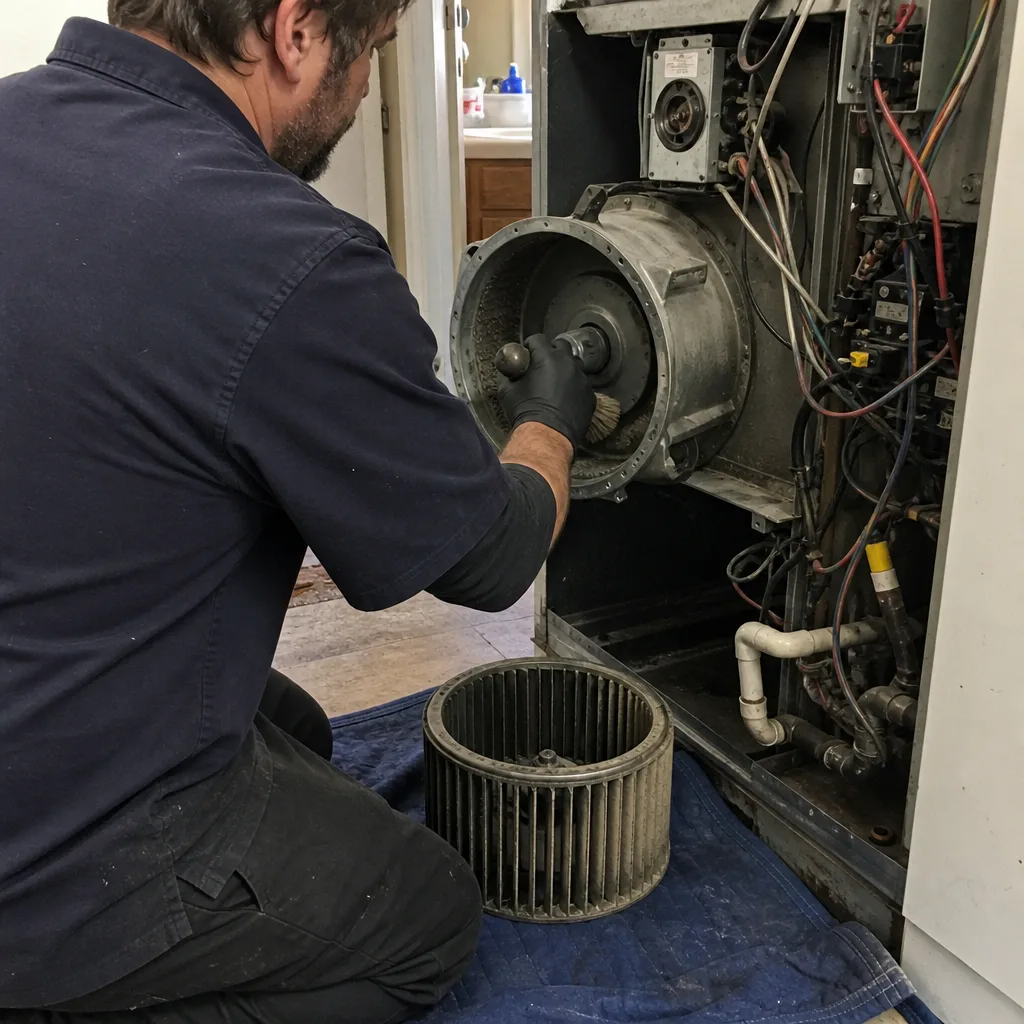
Duct Insulation
Uninsulated or degraded duct insulation wastes energy by allowing heat transfer between conditioned air and the surrounding attic, crawl space, or garage. In Denver, where attic temperatures can swing from 20°F in January to 140°F in July, insulation is not optional. We install R-8 fiberglass duct wrap with a vapor barrier on metal systems, or replace entire flex runs where the integrated insulation has compressed or torn. In newer subdivisions like Green Valley Ranch and Reunion, we’ve found builder-grade R-4 flex that fails to meet current IECC standards for our climate zone. We document the existing condition, specify the upgrade, and photograph the completed work.
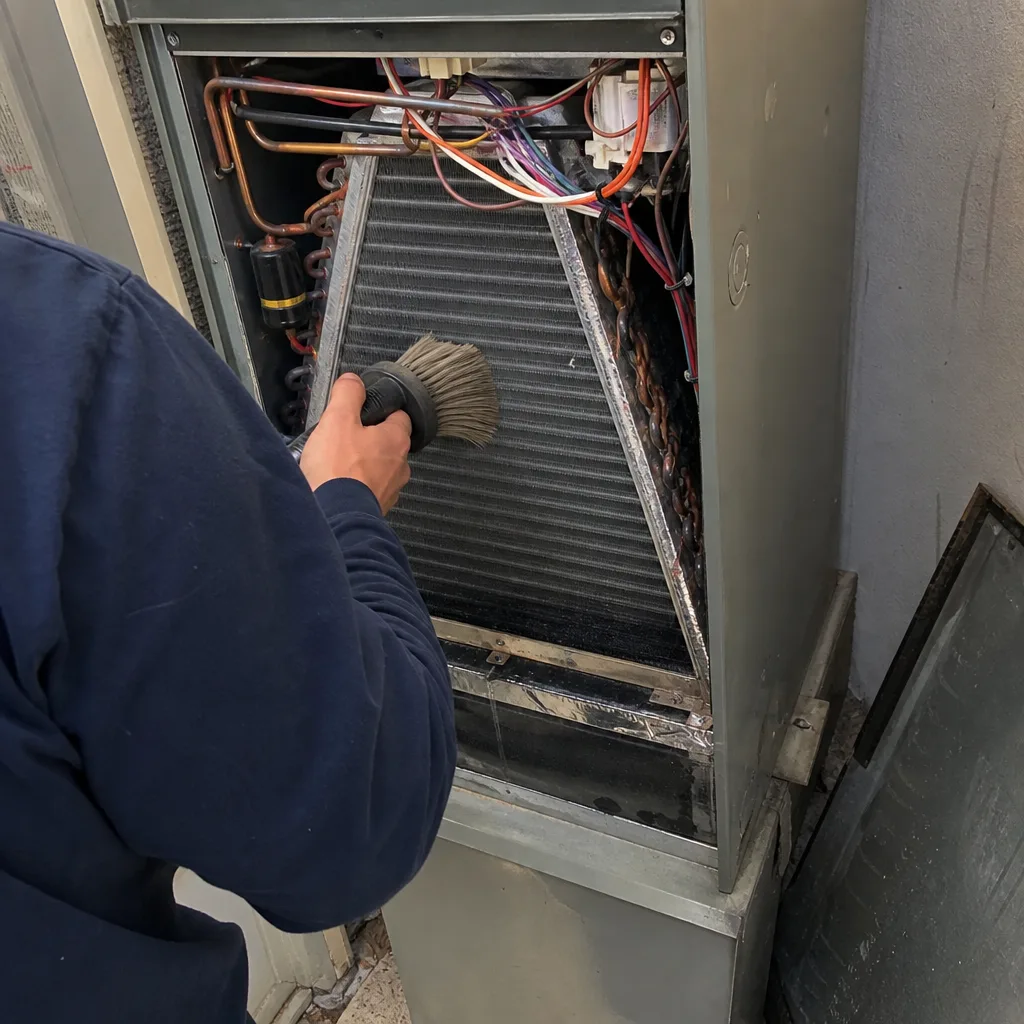
Mastic Sealant Application
Mastic is a water-based, fiber-reinforced sealant that remains flexible after curing, making it the professional standard for duct sealing in Colorado’s dry climate. Unlike duct tape, which degrades in heat and loses adhesion, mastic fills gaps up to 1/8 inch and accommodates the thermal movement that cracks rigid seals. We apply mastic with a brush or caulking gun to every accessible joint, seam, and penetration, then allow proper cure time before restoring airflow. In homes across Cherry Creek and Wash Park, we’ve removed failed tape jobs from the 2000s and replaced them with mastic that will outlast the equipment itself. The application is photographed at multiple stages.
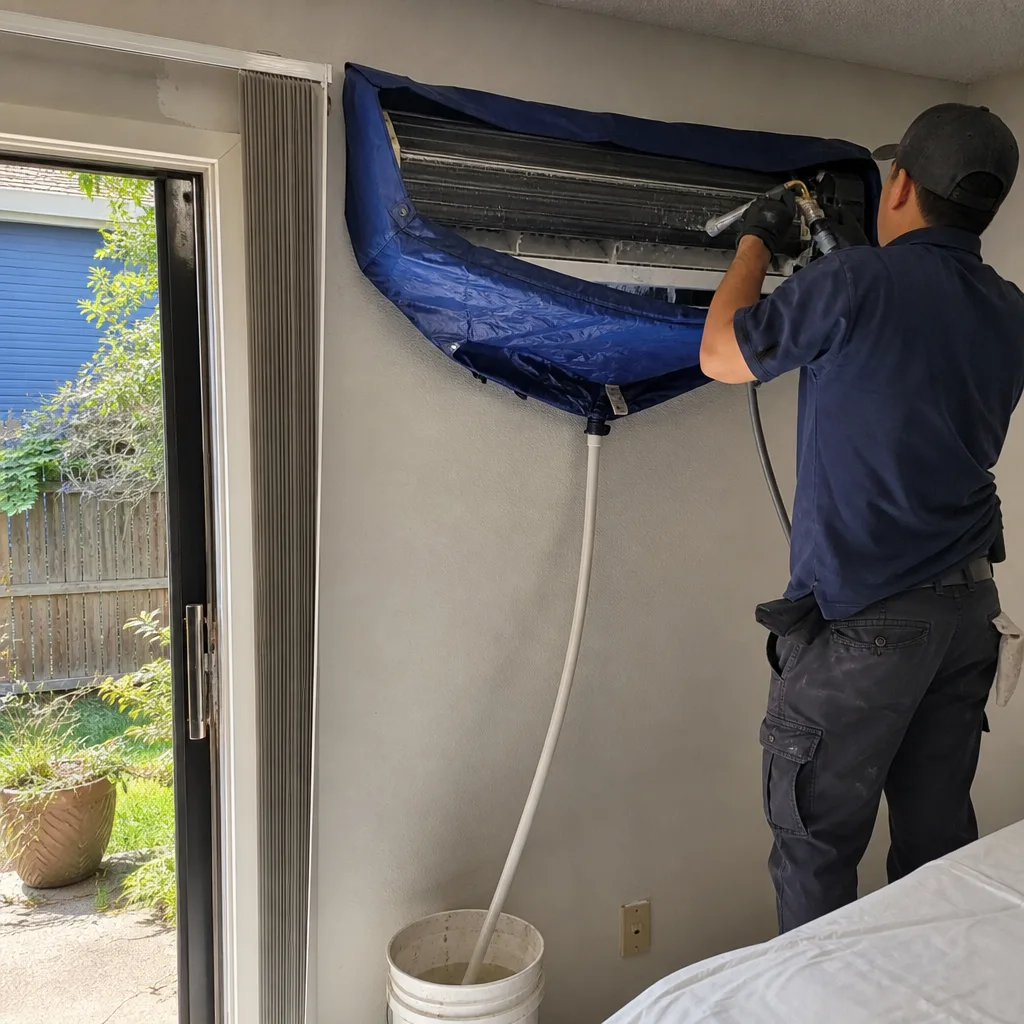
Air Leak Repair
Air leaks are the invisible tax on your utility bills: conditioned air escapes to unconditioned spaces, and unconditioned air is drawn into return ducts, carrying dust, insulation particles, and attic contaminants. We locate leaks using a combination of blower door testing, theatrical fog, and infrared thermography where appropriate. In Denver’s older housing stock, particularly in Baker and Sunnyside, we’ve found return air pathways pulling directly from crawl spaces through rotted floor joist bays. We seal these pathways with code-compliant materials, block unauthorized air entry, and document the before-and-after pressure differential where testing equipment is deployed.
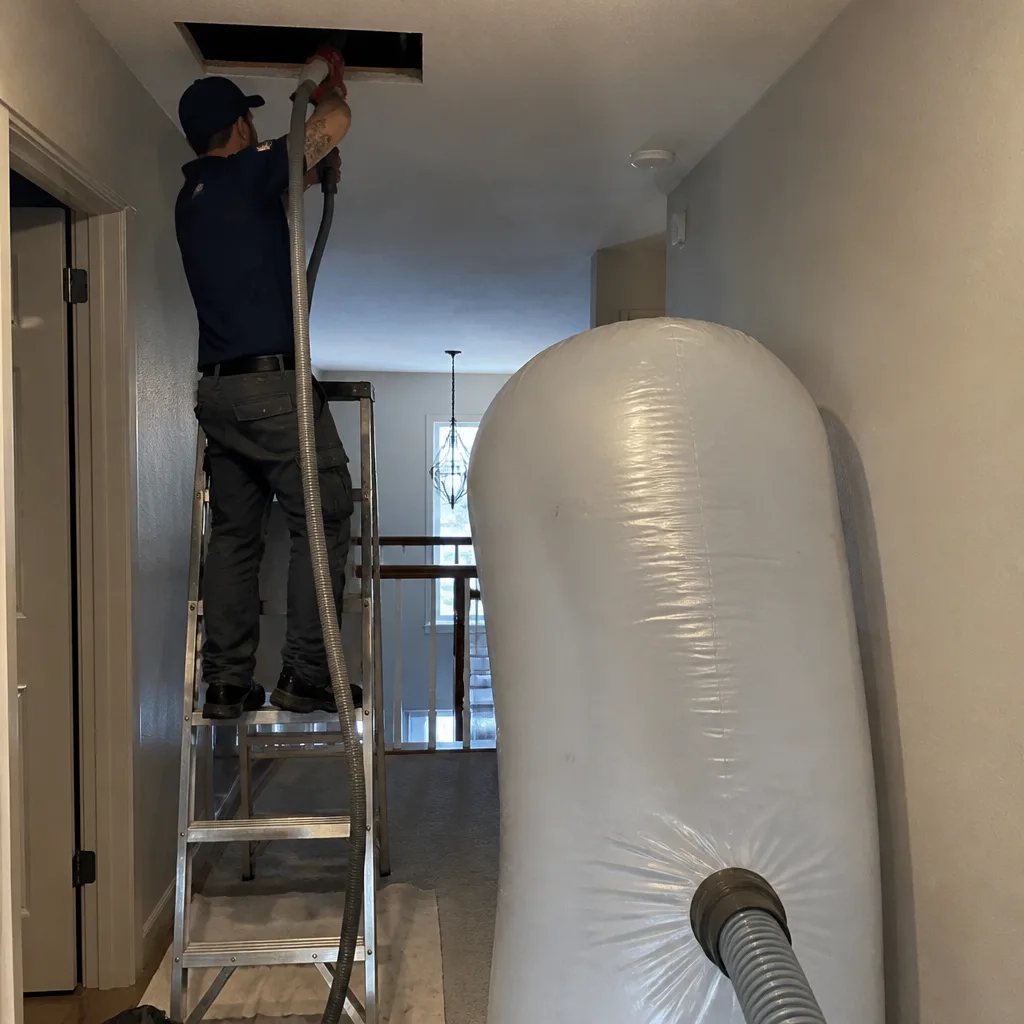
What happens when you call
- 1
A real person answersNo phone trees - you reach a local pro.
- 2
You get an upfront price rangeHonest numbers before anyone is dispatched.
- 3
A background-checked tech heads outLicensed & insured, dispatched right away.
- 4
You approve before work beginsNothing starts until you say go.
Brands We Service for Duct Repair & Sealing
We’ve serviced and sealed duct systems connected to Honeywell zoning panels and Aprilaire whole-home humidifiers across the Denver metro. Honeywell’s TrueZONE systems require precise duct pressure balancing after any trunk modification, and our crews carry the manufacturer’s specifications for damper adjustment and bypass sizing. We’ve completed more than 400 Honeywell-connected duct modifications in Denver since 2013, from simple zone additions in Park Hill to full trunk redesigns in Ken-Caryl.
Aprilaire steam and evaporative humidifiers integrate directly into supply plenums, and any duct sealing or modification near these units must preserve their rated output. We’ve replaced corroded plenum sections beneath Aprilaire 800 series steam units in Highlands Ranch and Centennial, documenting the water damage and the repair for warranty claims where applicable. Whether your system includes Honeywell, Aprilaire, or any other make, we can seal, repair, or modify the ductwork to manufacturer specifications and verify performance before departure.
BeforeAfterSigns You Need Duct Repair & Sealing Right Now
- Uneven temperatures from room to room. If your master bedroom runs five degrees cooler than the living room in winter, or the upstairs never cools in July, the duct system is likely leaking or obstructed. In Denver’s split-level and tri-level homes common in Arvada and Westminster, this pattern often traces to a disconnected flex run in the attic that has been dumping conditioned air since the previous owner renovated.
- Dust accumulation immediately after cleaning. A home that coats surfaces with dust within 48 hours of vacuuming is often drawing return air from an unsealed crawl space, attic, or wall cavity. We’ve photographed return leaks in Thornton and Brighton pulling fiberglass insulation directly into the airflow stream, which then distributes through every register in the house.
- Utility bills that spike without explanation. A duct system leaking 20% of its airflow can increase heating and cooling costs by 30% or more, according to Department of Energy estimates. In Denver, where Xcel Energy rates have risen steadily, we’ve had homeowners in Stapleton and Lowry see $200+ monthly reductions after sealing trunk lines that had separated at the plenum.
- Whistling, rattling, or booming noises from vents. These sounds indicate pressure imbalances, loose ductwork, or obstructions. A whistle usually means high velocity at a restricted opening; a boom often signals a flex duct that has detached and is inflating against a joist. We’ve traced rattles in Cherry Hills Village to metal ducts that have slipped their supports and are vibrating against framing.
- Visible gaps or disconnected ducts in accessible areas. If you can see daylight, insulation, or cobwebs at duct joints in your basement, crawl space, or utility closet, the system is leaking. In Denver’s older homes, particularly in Baker and Whittier, we’ve found original duct tape from the 1970s that has dried to dust, leaving seams fully exposed for decades.
Our Duct Repair & Sealing Process - Step by Step
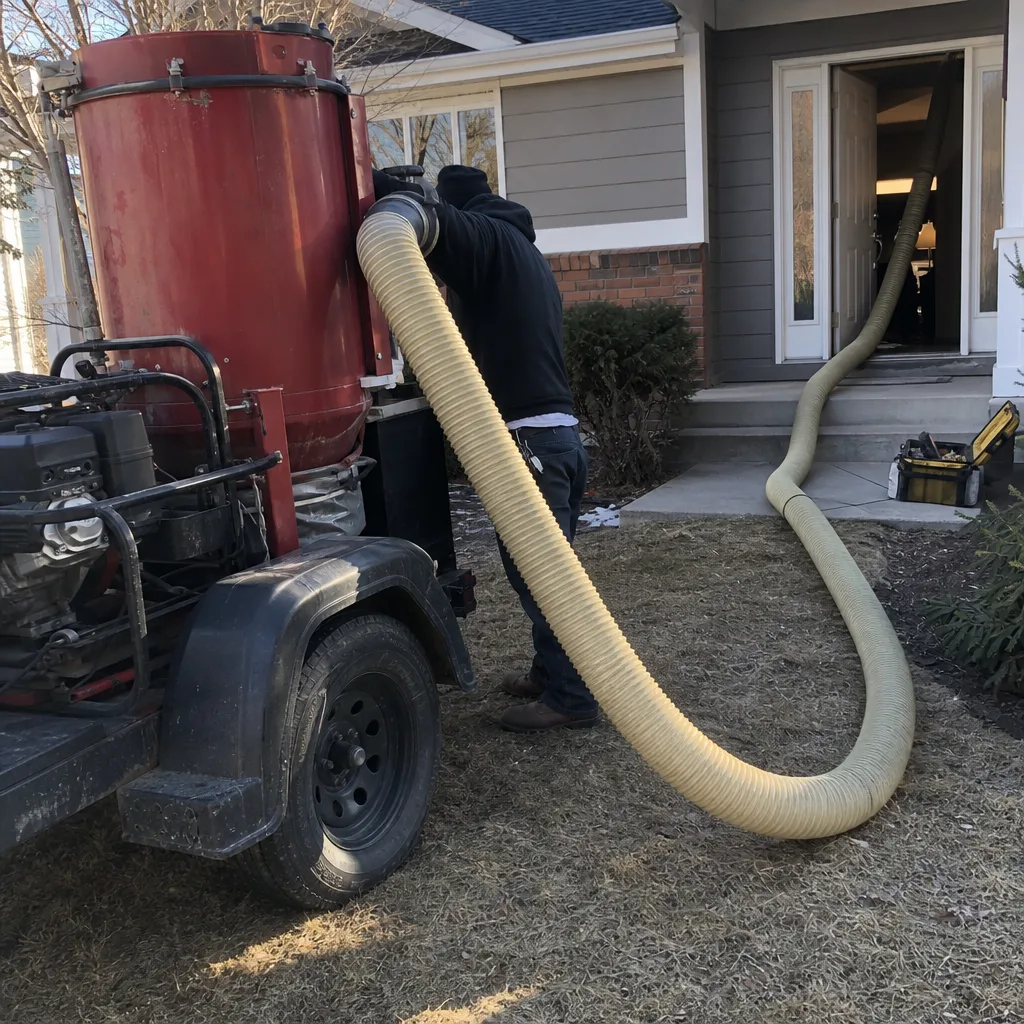
- 1
Written estimate before any work begins. We inspect accessible ductwork, identify visible damage, and deliver a written scope and price on the spot. Haven Standard Clause 1 requires this: no verbal estimates, no “call the office for pricing,” no work until you’ve approved the number in writing. The estimate includes labor, materials, and the documented photo record as a standard deliverable.
- 2
Leak detection and damage assessment. Our crews use theatrical fog, smoke pencils, and infrared cameras to locate leaks that visual inspection misses. In Denver’s complex attic geometries, particularly in the bungalow and Denver Square stock of Uptown and Curtis Park, fog testing reveals disconnected returns hidden behind knee walls and chimney chases that would otherwise go unsealed.
- 3
Repair and sealing execution. We match the repair method to the material: mastic and mechanical fasteners for metal, replacement for degraded flex, insulation wrap for thermal losses. Every repair is photographed at multiple stages. We use professional-grade equipment from Rotobrush, Nikro, and Abatement Technologies for access and cleaning when duct interiors must be reached before sealing can adhere properly.
- 4
Performance verification. Where accessible, we verify sealed joints with a pressure test or by measuring temperature differential at supply and return registers. In zoned systems, we confirm damper operation and airflow balance. The crew documents these readings in your job record, not on a scrap of paper that gets lost.
- 5
Deliverable handoff and warranty activation. You receive the complete photo record, the written scope as executed, and the 365-Day Done Right Promise in writing. If any sealed joint fails, any repair loosens, or any promised outcome is not achieved, we return and make it right. This is not a manager’s discretion; it is a written obligation on every invoice.
How Much Does Duct Repair & Sealing Cost in Denver?
A typical duct sealing job in Denver runs $350-$850 for a single system with accessible ductwork in attic or basement. Flex duct replacement for one or two runs adds $200-$450 per run depending on length and access difficulty. Metal duct repair, which requires sheet metal fabrication, typically ranges $500-$1,200 for trunk line modifications or plenum replacement. Full-system insulation upgrades in large homes or homes with extensive crawl space ductwork can reach $1,500-$2,500.
| Service | Typical Range | What Affects Price |
|---|---|---|
| Duct sealing (mastic, accessible joints) | $350-$850 | System size, attic vs. crawl space access, number of joints |
| Flex duct replacement (per run) | $200-$450 | Run length, R-value of replacement duct, obstruction removal |
| Metal duct repair / fabrication | $500-$1,200 | Gauge of metal, complexity of fitting, plenum involvement |
| Duct insulation upgrade | $800-$2,500 | Linear feet of duct, current R-value, vapor barrier condition |
| Air leak repair with diagnostic testing | $450-$950 | Testing method (fog, blower door, infrared), number of leaks, accessibility |
Three factors move any job up or down within these ranges. First, access: a fully finished basement with drywall ceilings requires more time and repair work than an unfinished utility room. Second, system age and prior work: ducts that have been repeatedly patched with failing tape need more prep than systems that have never been touched. Third, home size and zone count: a 3,500-square-foot home with three HVAC zones has more linear feet of duct and more connection points than a 1,200-square-foot ranch.
The most common way Denver homeowners overpay is accepting a per-vent or per-register price that balloons once the crew is on site. CleanRun does not price by the vent. We price by the system, in writing, before work starts. If a competitor has given you a written estimate, bring it. We’ll deliver our own written number next to it through our Free Second Opinion program. No charge, no obligation.
Every estimate includes the documented photo record, the written scope, and the 365-Day Done Right Promise. There are no add-on fees for documentation, no trip charges for estimates within our service area, and no surprise invoices. Call (720) 799-2292 for an exact quote on your system.
Duct Repair & Sealing Near Denver - Our Service Area
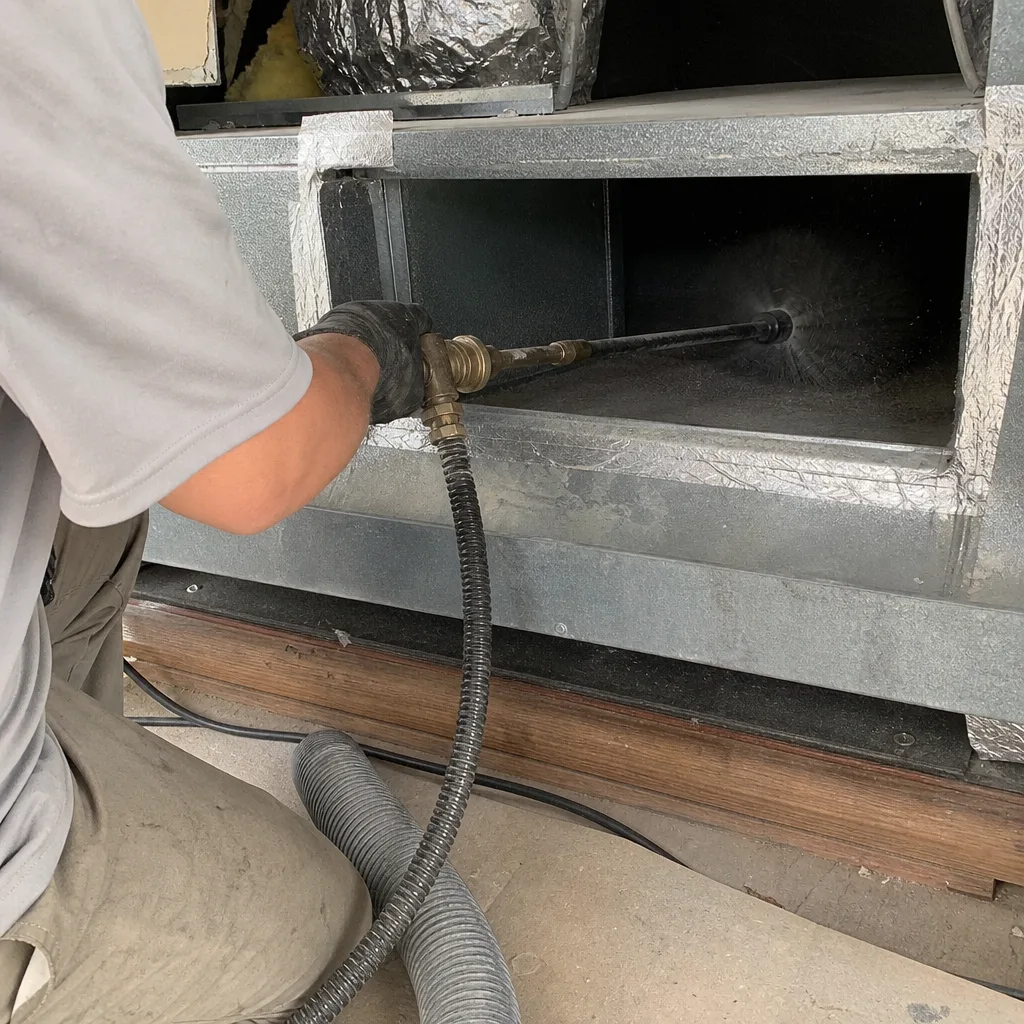
CleanRun Air Duct Cleaning Denver serves the full metro area including Duct Repair & Sealing in Englewood, Duct Repair & Sealing in Greenwood Village, Thornton, Aurora, Centennial, Arvada, Westminster, Lakewood, Littleton, Brighton, and Highlands Ranch. Most scheduled appointments are available within three to five business days, with written estimates delivered at the time of inspection. In Denver proper, from Montbello to Mar Lee to Sun Valley, we typically route crews from our central dispatch to minimize drive time and keep appointments on schedule.
Serving Denver, CO - Our Local Coverage Area
We’re based in the Denver area and know this community well. Use the map below to see our service coverage - if you’re nearby, we can almost certainly help.
Frequently Asked Questions - Duct Repair & Sealing in Denver
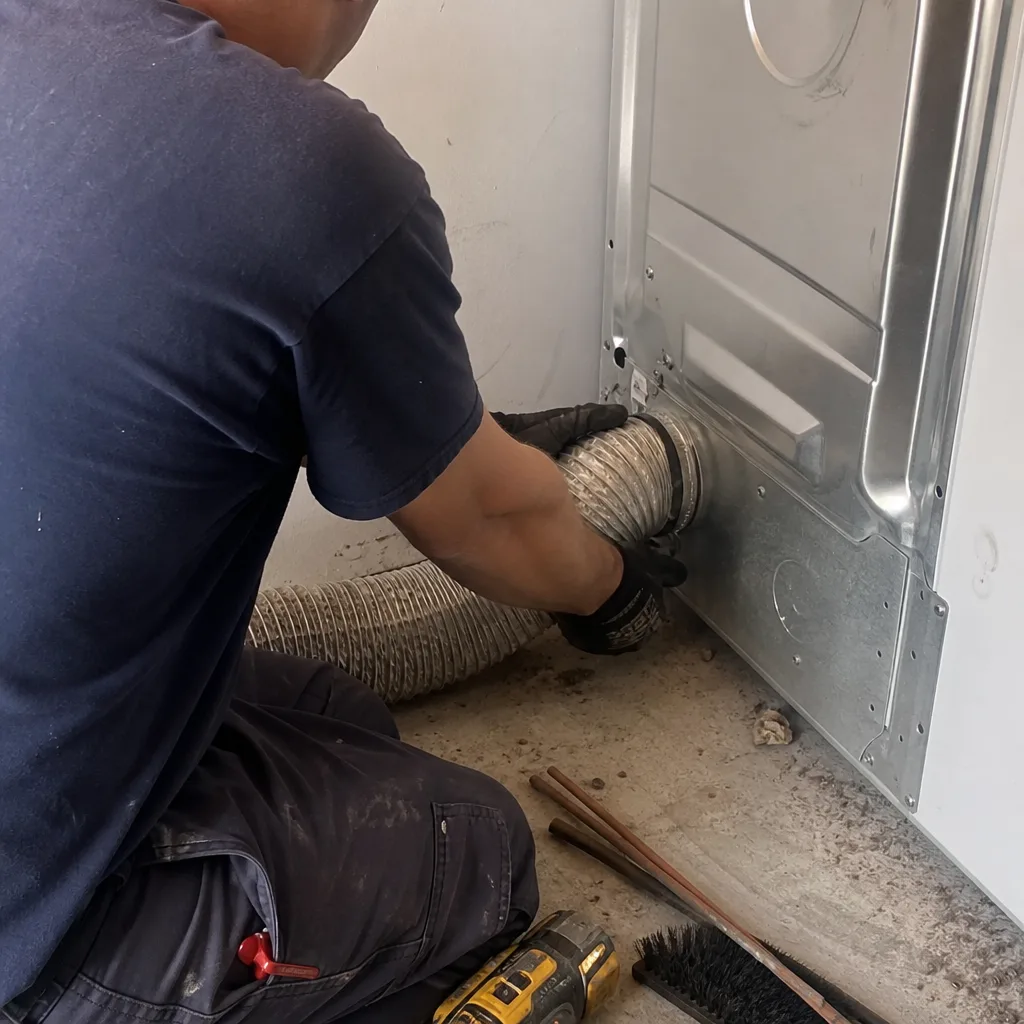
Duct repair and sealing is the process of closing leaks, replacing damaged sections, and restoring proper airflow in your home’s HVAC distribution system. It includes sealing joints with mastic, replacing torn flex duct, repairing corroded metal trunk lines, and insulating exposed runs to prevent energy loss. CleanRun delivers a written scope, a written price, and a documented photo record of every duct run before and after.
Most residential duct sealing jobs in Denver take 3-5 hours for a single system with accessible ductwork. Flex duct replacement or metal fabrication adds 1-2 hours per run depending on access and complexity. We schedule by the job, not by the hour, so the crew stays until the written scope is complete and verified. Call (720) 799-2292 to schedule an inspection and receive a time estimate specific to your home.
Duct sealing in Denver typically runs $350-$850 for a standard residential system, with flex duct replacement at $200-$450 per run and metal repairs at $500-$1,200. The final price depends on system size, access difficulty, and the extent of existing damage. CleanRun provides a written, system-based price before any work begins, with no per-vent pricing or post-arrival add-ons. Call (720) 799-2292 for a free estimate.
Yes. We’ve serviced more than 400 Honeywell zoning systems and hundreds of Aprilaire humidifier-integrated duct systems in the Denver metro. Our crews carry manufacturer specifications for damper balancing, bypass sizing, and plenum modifications, and we verify performance before departure. Whether your system includes these brands or any other make, we seal and repair to manufacturer standards.
We do not advertise emergency dispatch for duct repair because the work is scheduled, diagnostic, and requires proper equipment loading. However, we answer calls live 24/7 and can typically schedule an inspection within 24-48 hours for active issues like disconnected trunk lines or complete airflow loss. For true HVAC emergencies involving no heat in freezing weather, we recommend contacting your heating contractor first, then calling us for duct assessment once mechanical function is restored.
Every job is backed by the 365-Day Done Right Promise: if the work is not right, we make it right, documented in writing on every invoice under Haven Standard Clause 5. This covers seal failures, repair loosening, and any outcome promised in the written scope. It is not subject to manager approval and does not require you to prove the crew was at fault. The promise is the last line on every job record we deliver.
Clear access to your HVAC equipment, attic hatch, crawl space entry, and all registers. If you have pets, secure them in a separate room during the inspection and repair. Gather any prior HVAC service records if available, particularly if another company has recently worked on the duct system. The crew will need to run equipment and may briefly interrupt heating or cooling during the repair window. We’ll confirm all of this when we call to confirm your appointment.
Schedule Your Duct Repair & Sealing Service in Denver Today
Call (720) 799-2292 to speak with a live person and schedule your free estimate. We’ll inspect your duct system, identify leaks and damage, and deliver a written price before any work begins. Every job includes the documented photo record and the 365-Day Done Right Promise. No per-vent pricing. No post-arrival add-ons. Just a written scope, executed as promised, with the evidence to prove it.
Written by Tomas Reyes, Owner at CleanRun Air Duct Cleaning Denver, serving Denver, Englewood, Greenwood Village, and surrounding communities since 2013.