
Last updated September 23, 2026
Whole-system duct and dryer vent check with before-and-after photos - you see exactly what came out of your vents
That "$99 whole-house special" is a bait ad - the real number appears once they are in your hallway, or the "clean" is a shop-vac at the register. We photograph the inside of your ducts before and after instead.
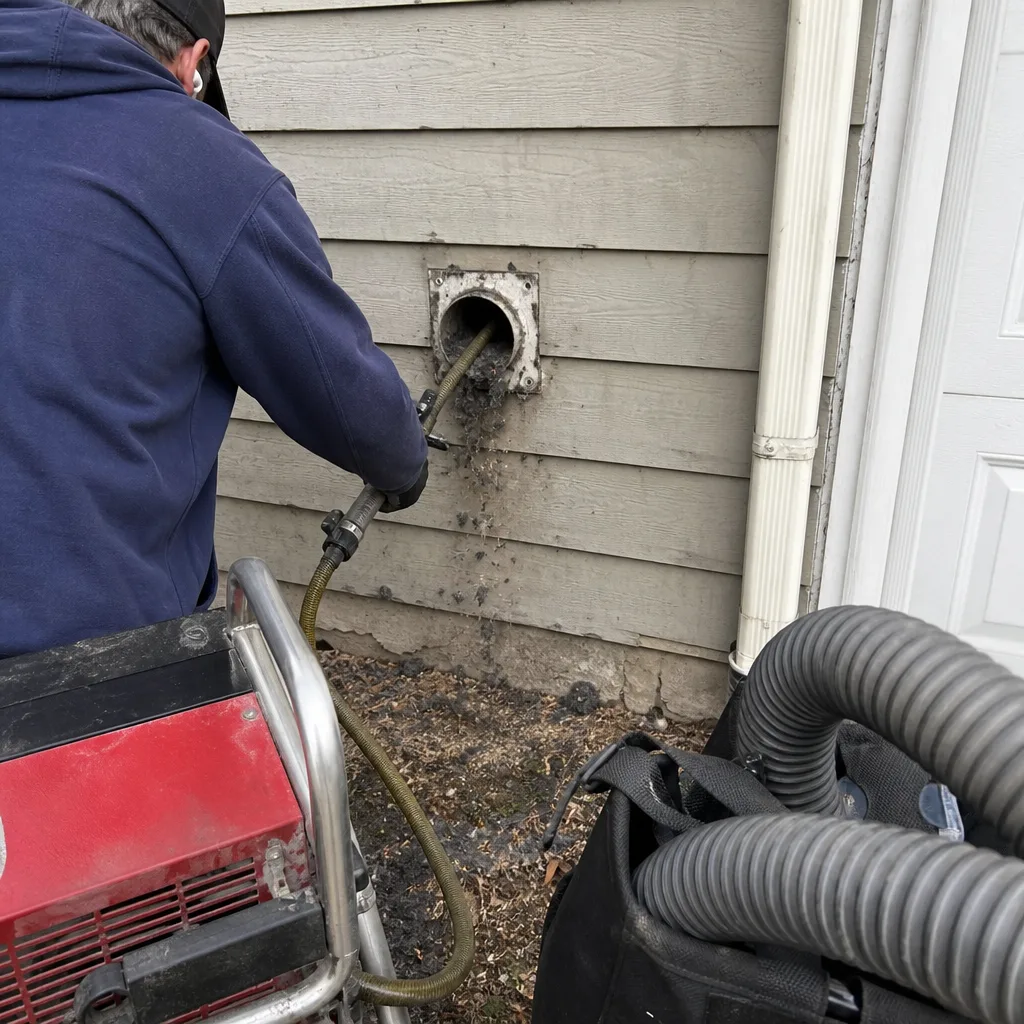 Before
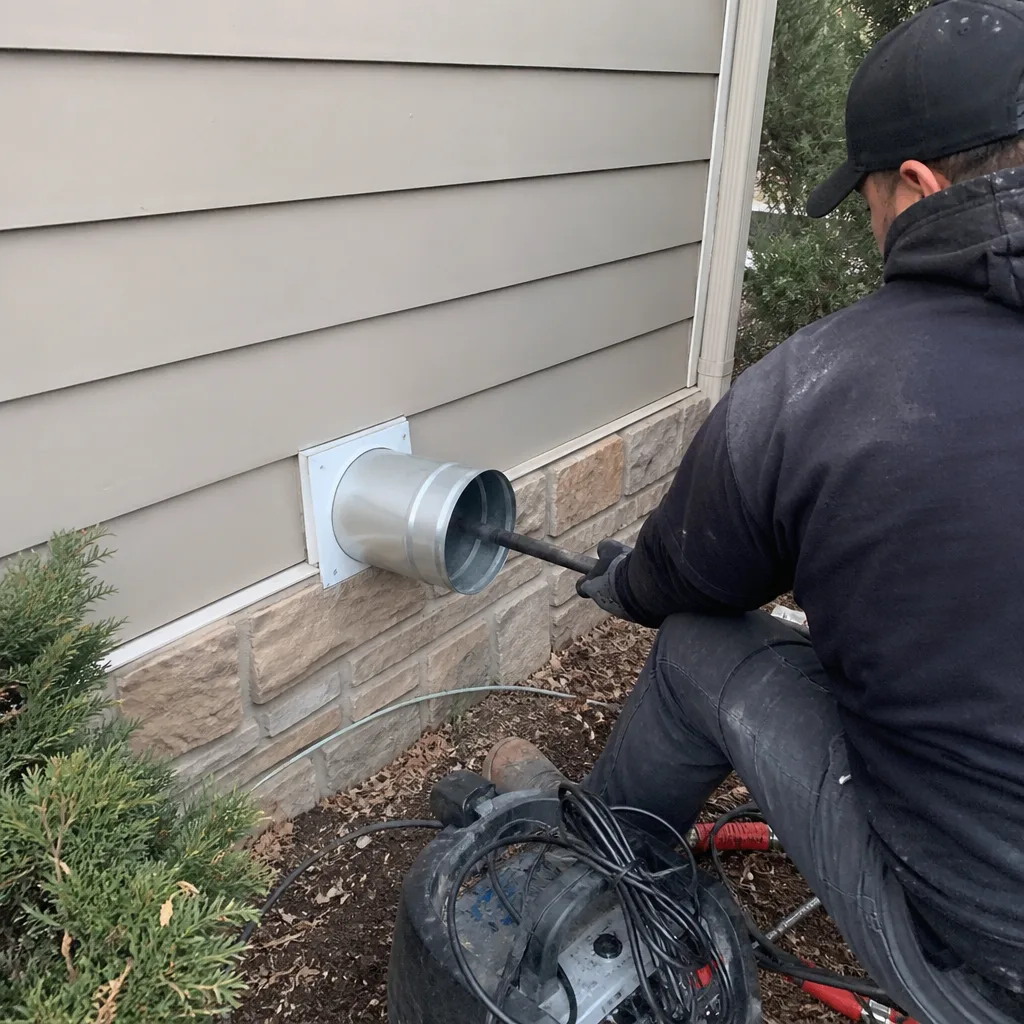 After
After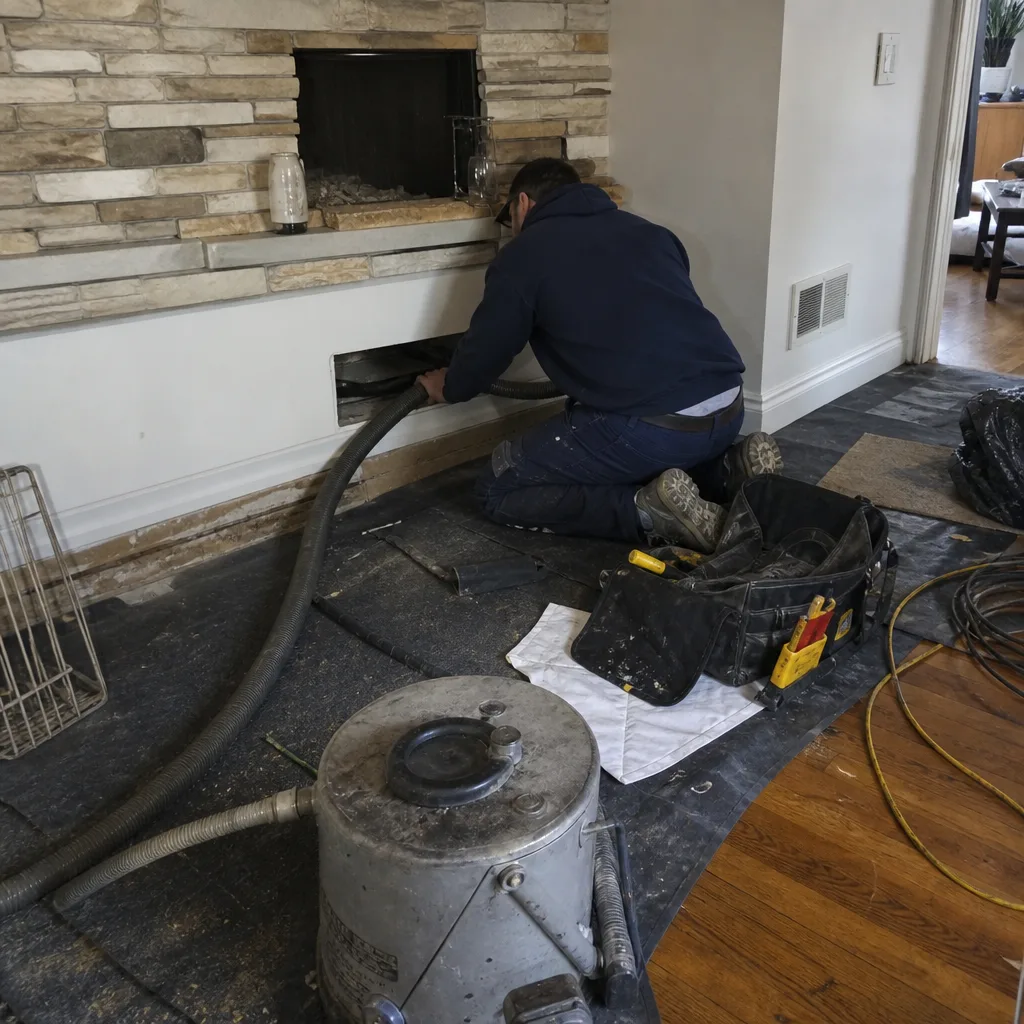 Before
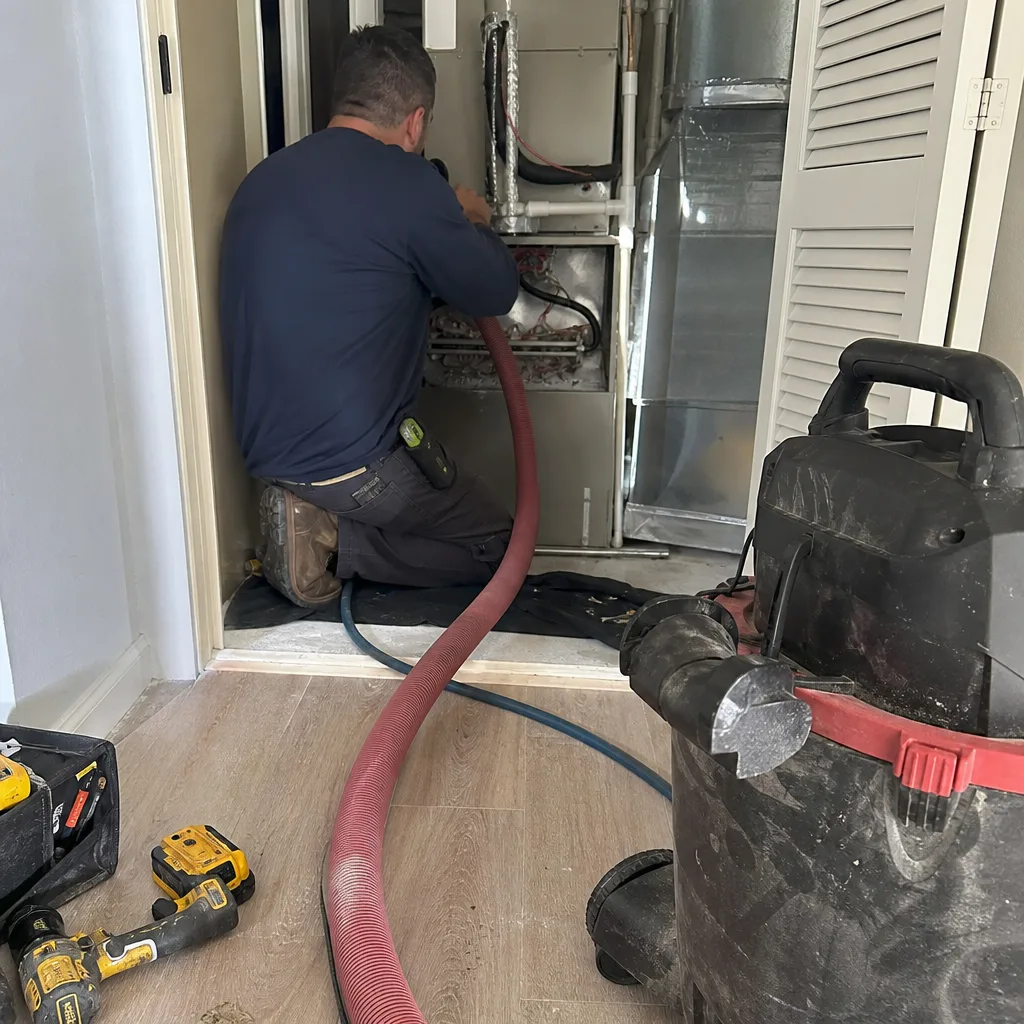 After
After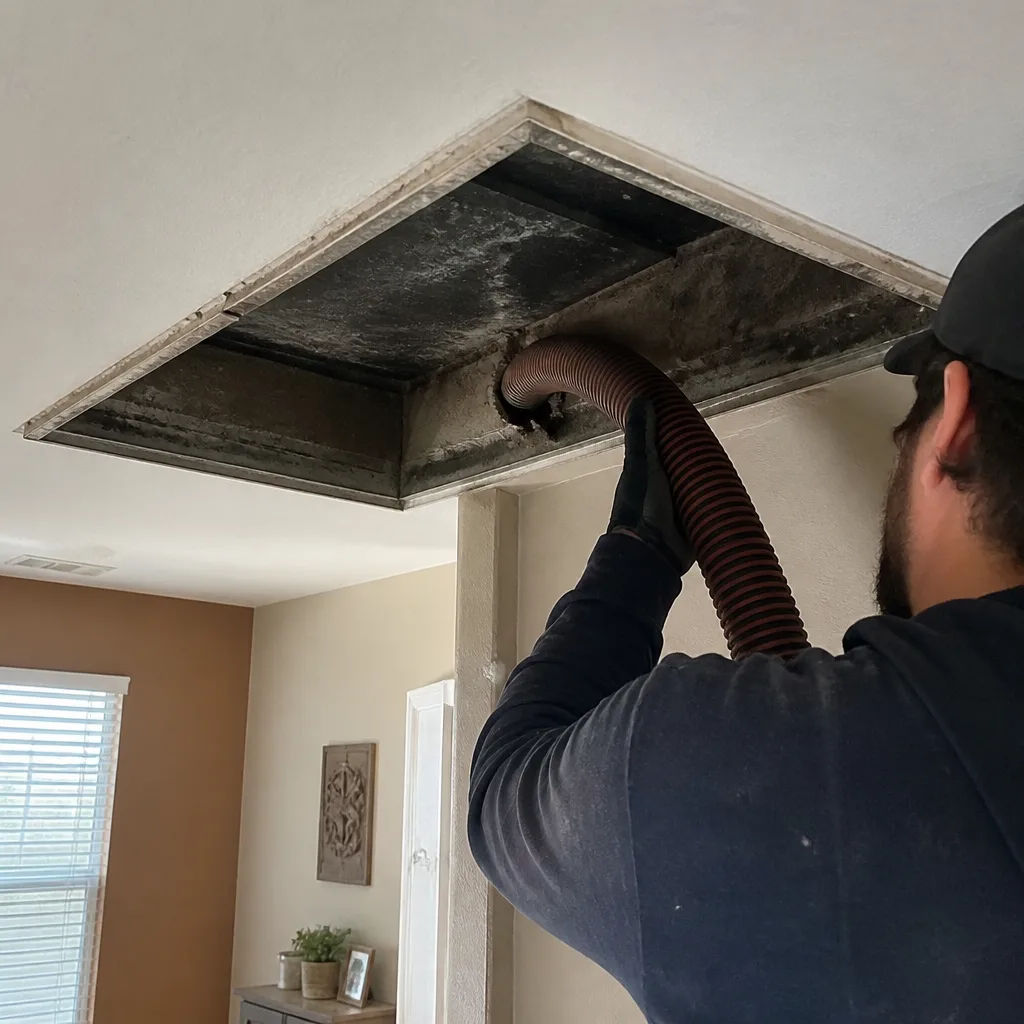 Before
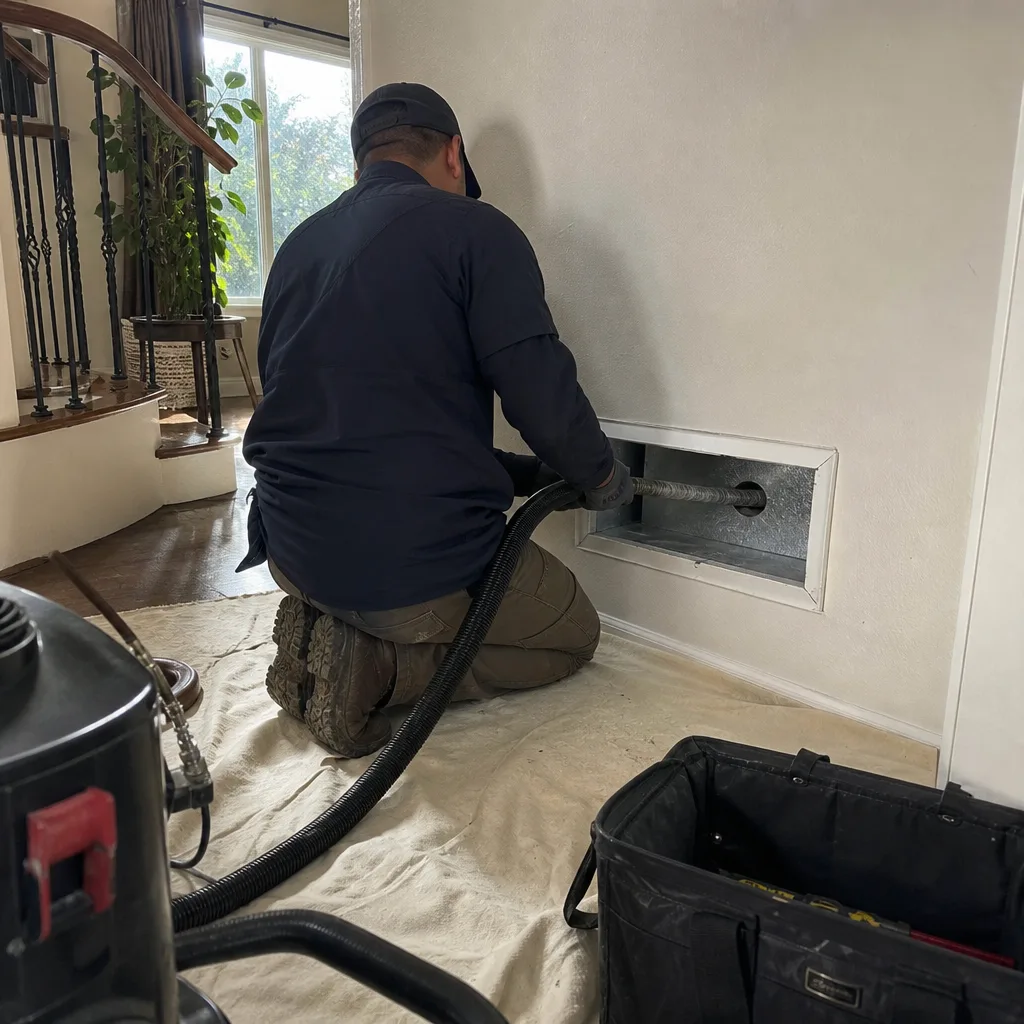 After
AfterDIY vs Professional Air Duct Cleaning: The Denver Homeowner’s Decision Guide
A $30 dryer vent brush kit and an afternoon get you a cleaner dryer vent. They do not get you a cleaned duct system. The distinction is equipment access and negative pressure, and most Denver homeowners discover this only after they’ve already spent the money and the Saturday.
In this guide, we’ll explain exactly what separates DIY duct maintenance from professional Air Duct Cleaning services in physical terms - not marketing terms. You’ll learn which tasks are genuinely within reach for a homeowner with basic tools, which require sealed negative-pressure extraction that no retail equipment can replicate, and how to evaluate what you’re actually getting when you hire a company. We’ll also cover the specific documentation value of a professional job: the before-and-after photo record that matters when you’re selling a home in Park Hill or filing an insurance claim after a hail season.
Quick Answer
DIY duct cleaning handles surface-level tasks like register wiping and short dryer vent runs. Professional cleaning uses negative-pressure extraction systems to remove debris from the entire sealed duct network, with documentation that proves the work was performed. For Denver homeowners, the real comparison is between verifiable results and unverifiable ones - not just price tags.
Table of Contents
- What DIY Can Actually Do (and Where It Stops)
- Why Negative-Pressure Extraction Cannot Be Replicated at Home
- The Two Legitimate DIY Tasks: Register Cleaning and Dryer Vent Maintenance
- What You Lose Without Professional Documentation
- When Professional Cleaning Is Clearly Warranted
- How to Evaluate a DIY Inspection Attempt
- Cost Comparison: DIY Expenses vs. Professional Pricing in Denver
- How to Choose a Professional Service in Denver
BeforeAfterWhat DIY Can Actually Do (and Where It Stops)
DIY duct cleaning occupies a narrow band of the maintenance spectrum. A homeowner with basic tools can improve air quality at the points where the system meets the living space. What a homeowner cannot do is clean the interior of the duct network itself - the sheet metal or flex duct runs that carry conditioned air between the plenum (the main distribution box attached to your furnace) and the registers in each room.
Here’s the physical boundary: DIY tools reach approximately 2-3 feet past the register opening, assuming a straight run. Most residential duct systems in Denver include multiple elbows, reducers, and branch connections within the first 6 feet. A 10-foot section of flexible duct with two 90-degree bends - common in second-story additions in Congress Park or Whittier - puts the debris accumulation zone entirely out of reach of any brush or vacuum attachment sold at retail.
What DIY can accomplish effectively:
- Removing and washing floor and wall registers to eliminate surface dust and grime buildup
- Vacuuming the boot (the sheet metal transition piece between the register and the duct run) to remove loose debris near the opening
- Cleaning the return air grille and the accessible portion of the return plenum
- Maintaining a short, straight dryer vent run of under 6 feet with no hidden sections
- Replacing the HVAC filter on schedule - the single most impactful maintenance task most homeowners skip
Where DIY stops is at the point where the duct run enters the wall, floor, or ceiling cavity. From that point forward, the system is sealed, and any disturbance of debris without simultaneous extraction creates a temporary increase in airborne particulate - the opposite of the intended outcome.
Denver’s climate adds a specific consideration. Our semi-arid conditions produce fine, powdery dust that settles in low-velocity zones of duct systems, particularly in homes built during the 2015-2020 construction boom in Stapleton and Lowry. This dust is lightweight enough to become airborne with minimal agitation, which means brushing without extraction can actually worsen indoor air quality for 48-72 hours after the attempt.
Why Negative-Pressure Extraction Cannot Be Replicated at Home
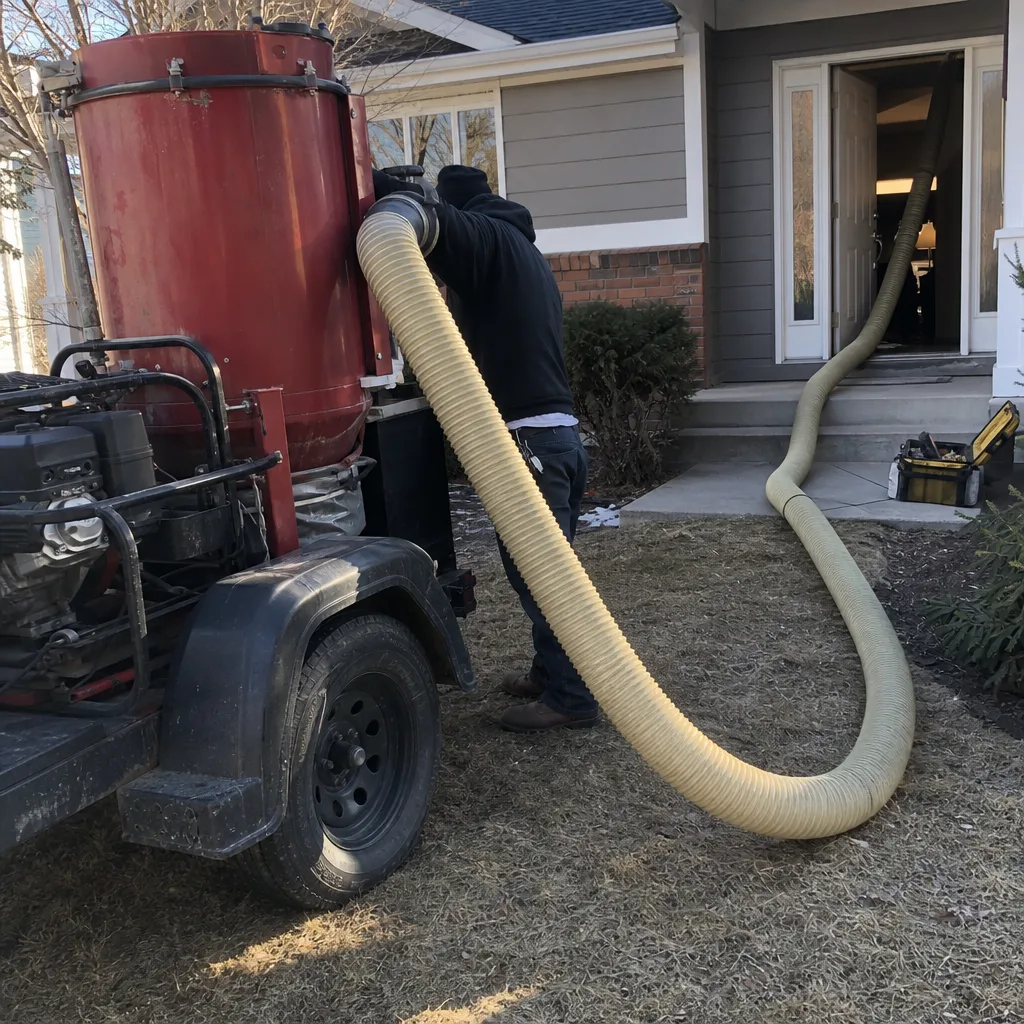
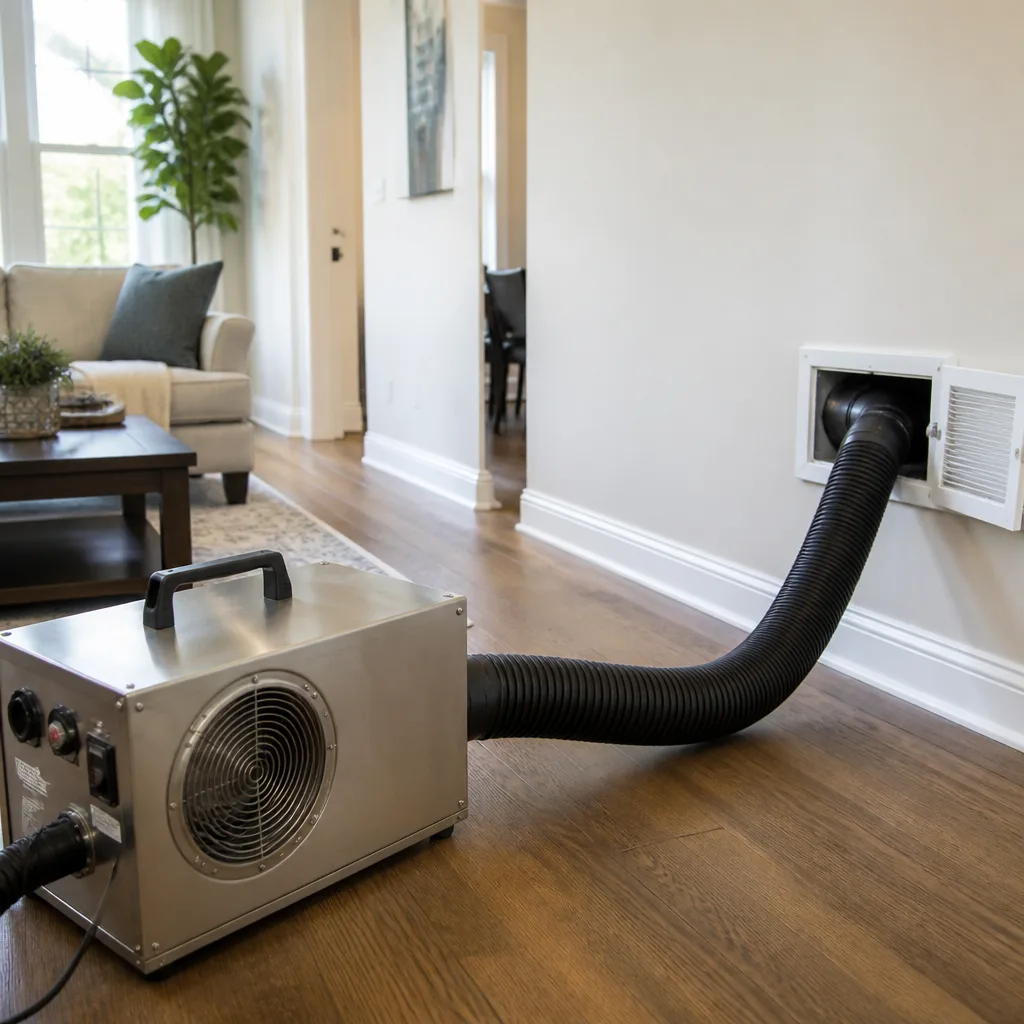
The defining technical difference between DIY and professional duct cleaning is negative-pressure extraction. This is not a marketing term. It describes a specific physical process: the entire duct network is sealed and placed under sustained vacuum pressure, typically 2,000-4,000 cubic feet per minute (CFM), while mechanical agitation dislodges debris from the interior walls.
Here’s what happens step by step in a professional cleaning:
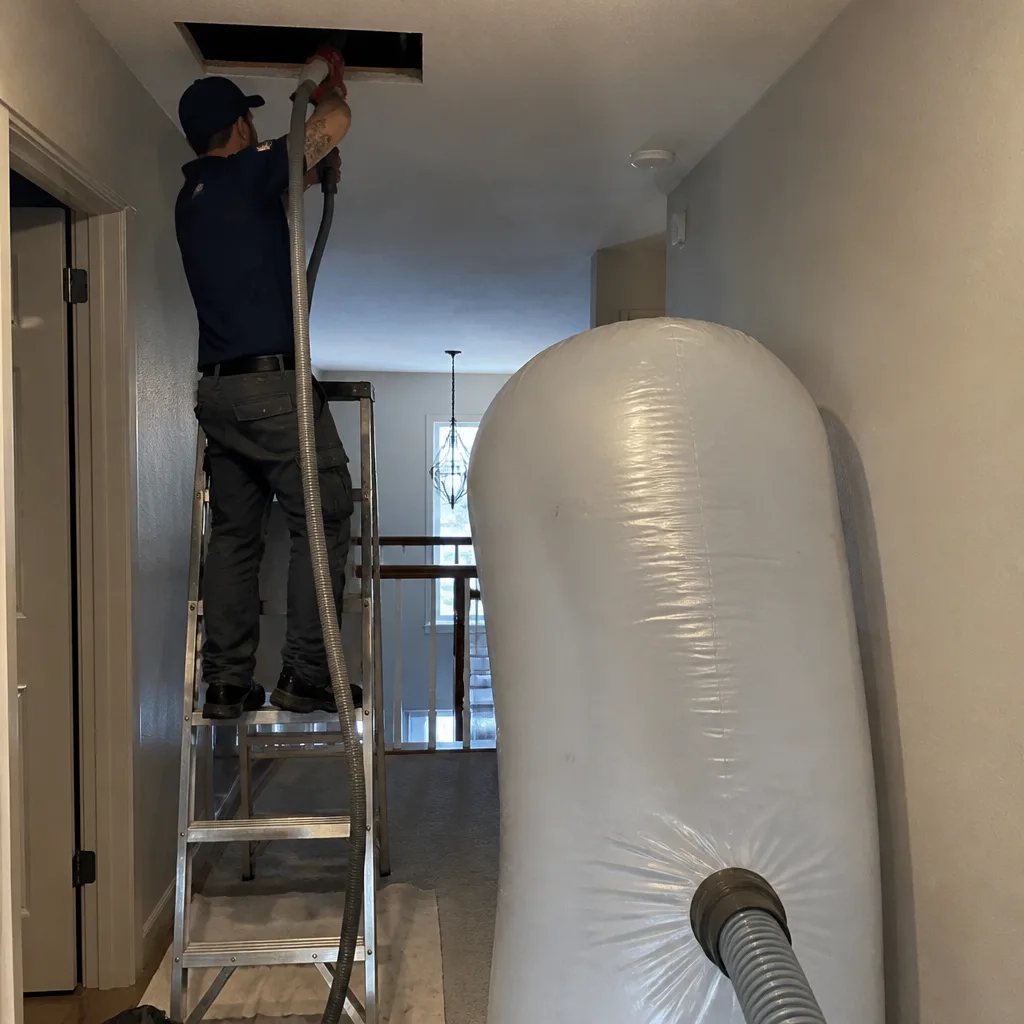
- The technician seals all registers and the return grille, creating a closed system with a single access point.
- A high-capacity vacuum, typically mounted on a truck or using portable commercial units from manufacturers like Abatement Technologies or Nikro, attaches to the duct network at the plenum or a main trunk line.
- The vacuum runs continuously, maintaining negative pressure throughout the system so that dislodged debris is captured at the collection point rather than escaping into the home.
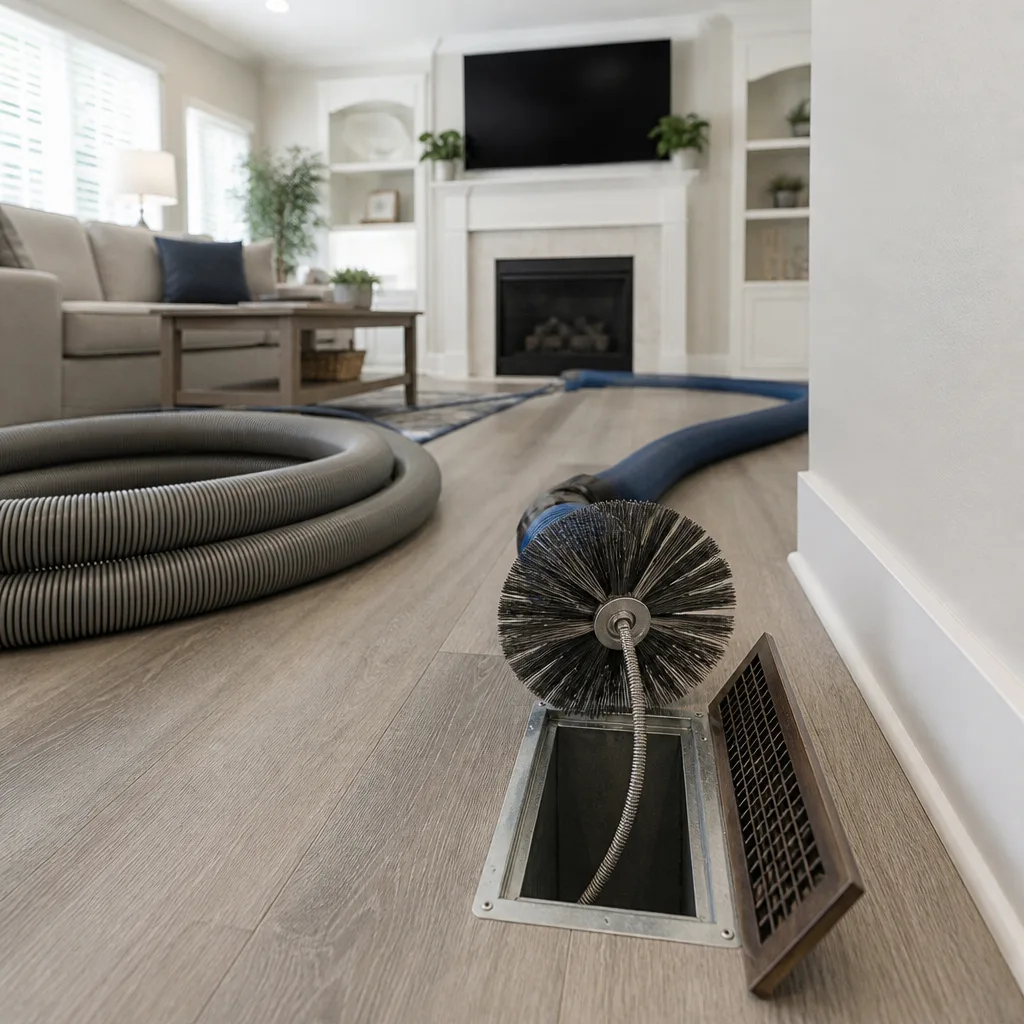
- Mechanical agitation tools - rotary brushes, air whips, or compressed-air skip balls - are inserted through sealed access ports to break debris free from duct walls.
- The vacuum captures the dislodged material, and the technician verifies capture through inspection cameras or by monitoring filter loading.
Without this sealed-system approach, the physics fail. A homeowner brushing a duct run with a retail tool agitates debris but provides no controlled evacuation path. The debris that doesn’t immediately fall back into the duct becomes airborne in the living space. The debris that does fall back simply resettles, often in a different low-velocity zone.
The equipment gap is substantial. A typical residential shop vacuum moves 100-200 CFM. A portable professional system from Rotobrush or Guardsman moves 2,000+ CFM. The truck-mounted systems used for larger homes in Cherry Hills Village or Hilltop can exceed 5,000 CFM. This is not a difference of degree - it’s the difference between stirring dust and removing it.
Denver’s altitude adds a secondary factor. At 5,280 feet, air density is approximately 15% lower than at sea level. Vacuum systems must be sized accordingly to achieve equivalent mass flow rates. Professional equipment used in Denver is specified for high-altitude operation; retail equipment is not.
The Two Legitimate DIY Tasks: Register Cleaning and Dryer Vent Maintenance
Not all DIY duct maintenance is futile. Two tasks are genuinely effective when performed correctly, and we encourage Denver homeowners to handle them routinely.
Task 1: Register and Boot Cleaning
This is the most accessible maintenance task and the one with the most visible return.
- Turn off the HVAC system at the thermostat.
- Remove floor registers by lifting; wall and ceiling registers typically require a screwdriver to remove the mounting screws.
- Wash registers in warm water with mild detergent. A soft brush removes accumulated grime in the louver gaps. Dry completely before reinstalling.
- Using a flashlight, inspect the boot - the sheet metal box visible immediately past the register. Vacuum loose debris with a hose attachment. Do not insert the vacuum hose more than 6 inches past the boot opening.
- Reinstall registers and restore system power.
Frequency: Every 6 months in Denver, or quarterly if you have pets or live near active construction zones in neighborhoods like RiNo or the Ballpark District, where exterior dust loading is higher.
Task 2: Short Dryer Vent Run Maintenance
This task is safety-critical and within reach for most homeowners, but only for short, accessible runs.
- Pull the dryer away from the wall and disconnect the flex transition duct from the wall vent.
- Using a dryer vent brush kit (typically a flexible rod with a cylindrical brush, $15-$30), insert the brush into the wall vent and rotate while extending to the full length of the run.
- Vacuum the dislodged lint from the vent opening and the area behind the dryer.
- Inspect the flex transition duct for damage or lint accumulation; replace if cracked or heavily loaded.
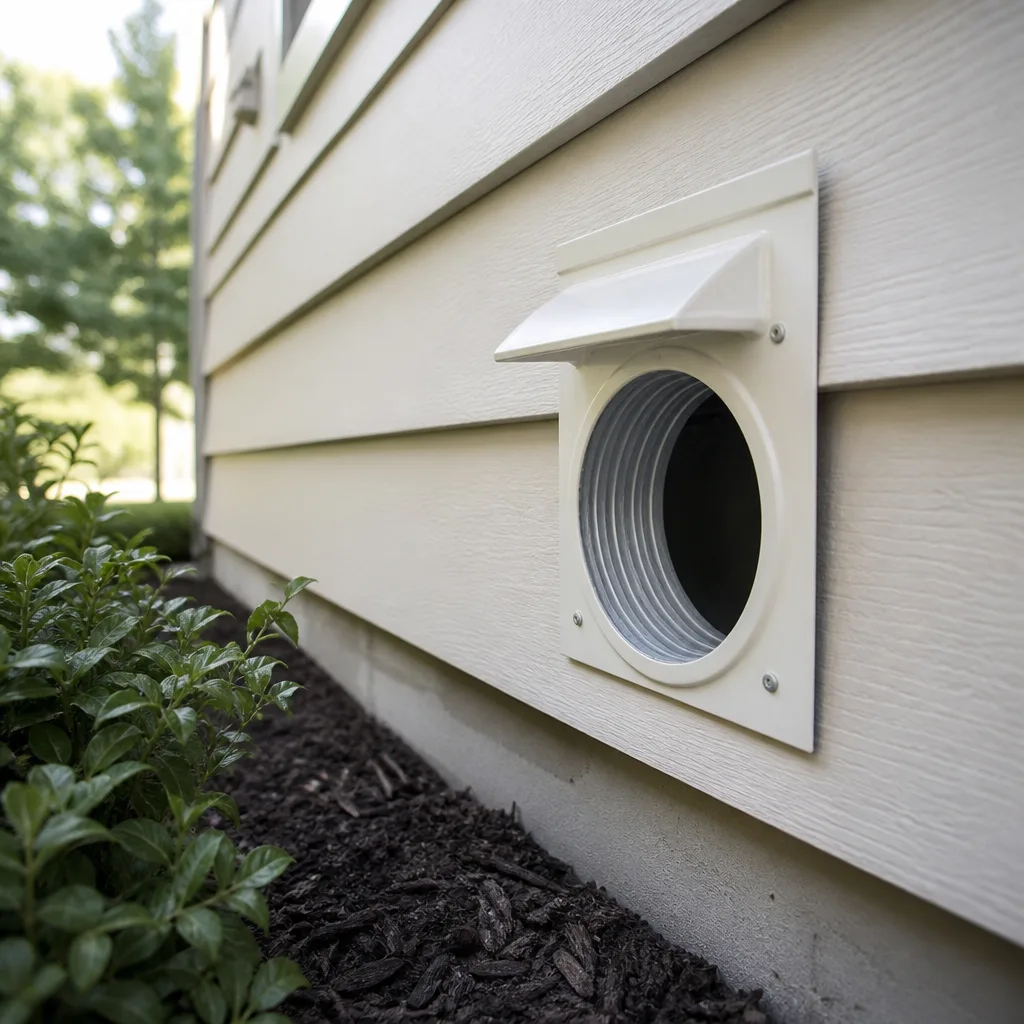
- Reconnect all components and verify the exterior vent flap moves freely when the dryer runs.
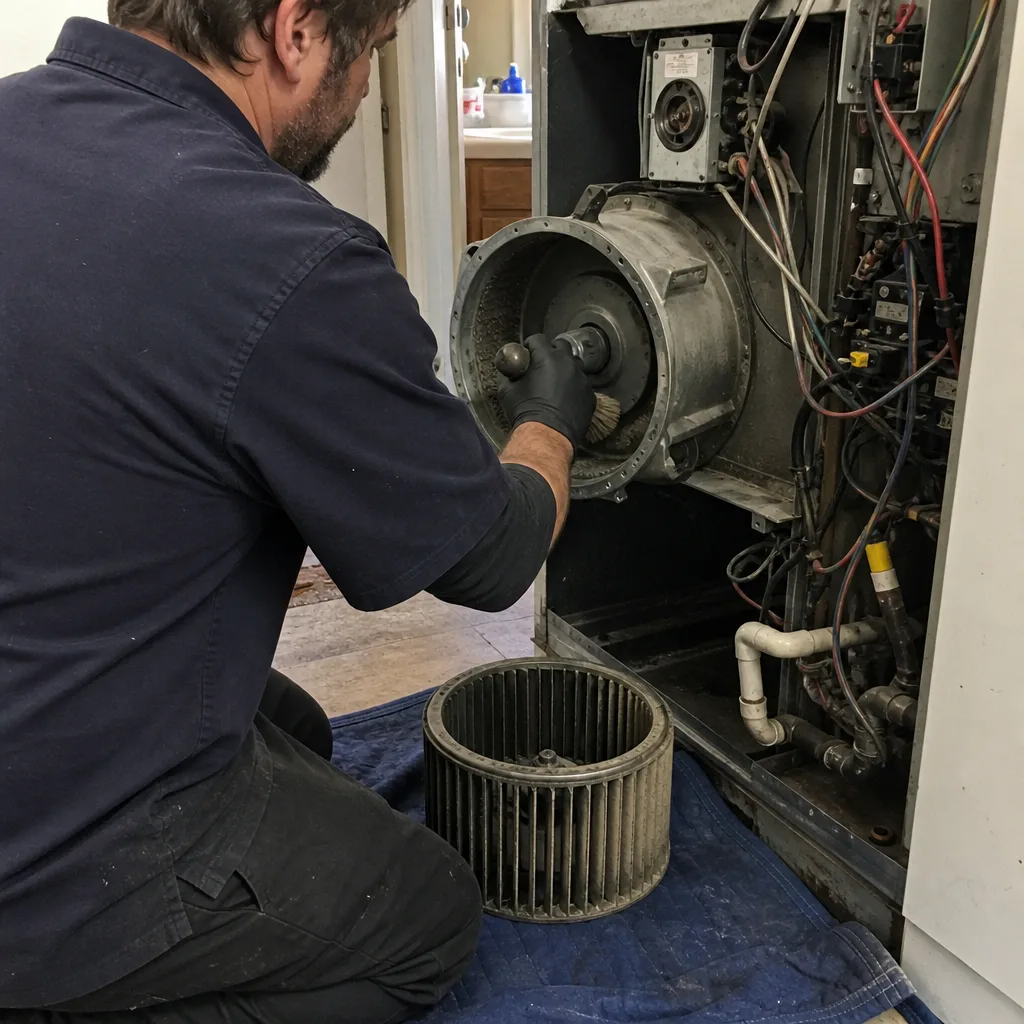
Critical limitation: This method works only for straight or gently curved runs under 6 feet with no hidden sections. If your dryer vent passes through an attic, crawl space, or multiple stories - common in Denver’s older homes in Montclair or Mayfair - the brush kit cannot navigate the full run, and lint accumulation in inaccessible sections creates a genuine fire hazard. Professional dryer vent cleaning in Denver uses rotary tools and inspection cameras to verify complete clearing.
Safety note: Dryer vent fires account for approximately 2,900 residential fires annually in the U.S., with peak incidence in winter months when heavier clothing increases lint production. If you cannot verify the full length of your vent run is clear, hire a professional. The risk is not theoretical.
What You Lose Without Professional Documentation
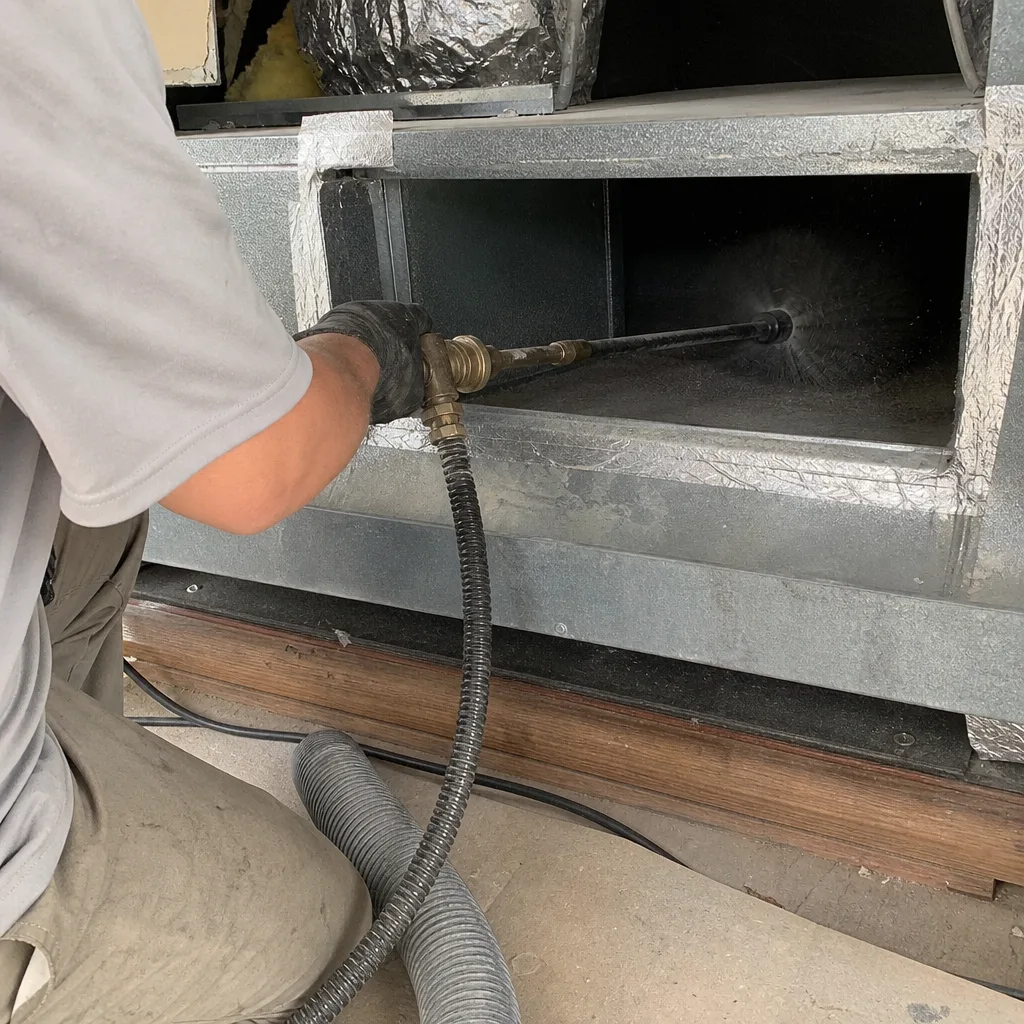
The gap between DIY and professional duct cleaning is not only technical. It’s documentary. And for Denver homeowners in specific circumstances, that documentation has concrete value.
Real Estate Transactions
Denver’s housing market remains competitive, and buyers in neighborhoods like Berkeley, Regis, and Sunnyside increasingly request maintenance records as part of due diligence. A professional cleaning with a documented photo record provides verifiable evidence of system condition at a specific date. A DIY cleaning provides none. When a buyer’s inspector recommends duct cleaning based on visible register condition, the seller with a 2023 photo record from a documented service has a negotiable position. The seller without one has a deduction.
Insurance Claims
Following Denver’s increasingly severe hail seasons and the water damage events that accompany roof failures, insurance adjusters evaluate whether maintenance contributed to or mitigated a claim. A documented duct cleaning record, particularly one showing pre-event system condition, supports a homeowner’s position that the HVAC system was properly maintained. No such documentation exists for DIY efforts.
Warranty and Service Disputes
HVAC equipment warranties increasingly include maintenance clauses. When a compressor fails and the manufacturer requests service records, a professional cleaning invoice with scope documentation satisfies the requirement. A homeowner’s statement that “I cleaned them myself” does not.
At CleanRun Air Duct Cleaning Denver, every job concludes with a Documented Photo Record: interior images of every duct run, before and after, delivered as part of the standard job record. This practice has been in place since our first job in 2013. The customer receives a dated, geotagged record that functions as maintenance documentation for any future need.
When Professional Cleaning Is Clearly Warranted vs. When Filter Maintenance Is Sufficient
The decision framework most Denver homeowners need is simpler than the industry typically presents; see our more guides & resources for related topics. Professional cleaning is not an annual ritual for every home. It is a targeted intervention for specific conditions, and in many cases, disciplined filter maintenance is the appropriate response.
Scenarios Where Professional Cleaning Is Warranted
- Visible mold growth inside ductwork or on registers - identified by musty odor or discoloration that wipes off as powder rather than smears as dirt
- Evidence of rodent or insect infestation in the duct system, including droppings, nesting material, or odors
- Post-construction or post-renovation dust loading, particularly after drywall sanding or flooring work that generated fine particulate
- System has not been cleaned in 10+ years and the home has been occupied by multiple residents or pets during that period
- Occupant respiratory symptoms that correlate with HVAC runtime, and medical provider has suggested environmental evaluation
- Home purchase where no maintenance history is available and the system shows visible debris at register openings
Scenarios Where Filter Maintenance Is Sufficient
- System is under 5 years old, regularly maintained, and registers show only light surface dust
- Home has no pets, no recent construction, and no occupant respiratory sensitivities
- Filter is changed every 60-90 days with a MERV 8-11 filter (the appropriate range for most residential systems in Denver’s climate)
- Annual HVAC maintenance by a licensed contractor includes basic duct inspection with no concerns noted
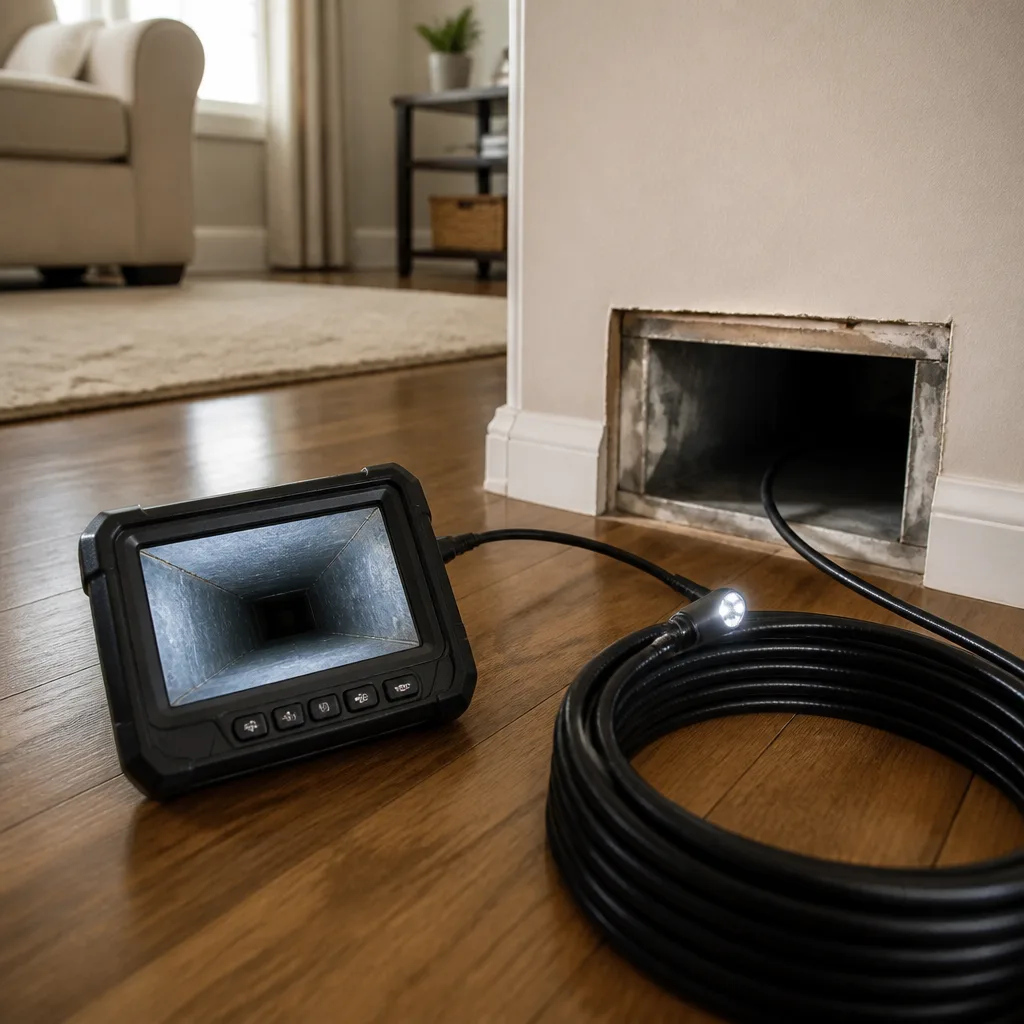
The camera inspection is the decisive tool. A homeowner with a phone camera, flashlight, and 6 feet of semi-rigid wire or a borescope attachment can inspect the first few feet of accessible duct runs. What you’re looking for: debris accumulation thicker than 1/8 inch, visible mold (typically dark and patchy, not uniform gray dust), or obstruction. What you cannot assess from this limited view: conditions past the first elbow, the main trunk line, or the return plenum - which is where the majority of debris accumulates in Denver’s older homes with basement furnaces.
How to Evaluate a DIY Inspection Attempt
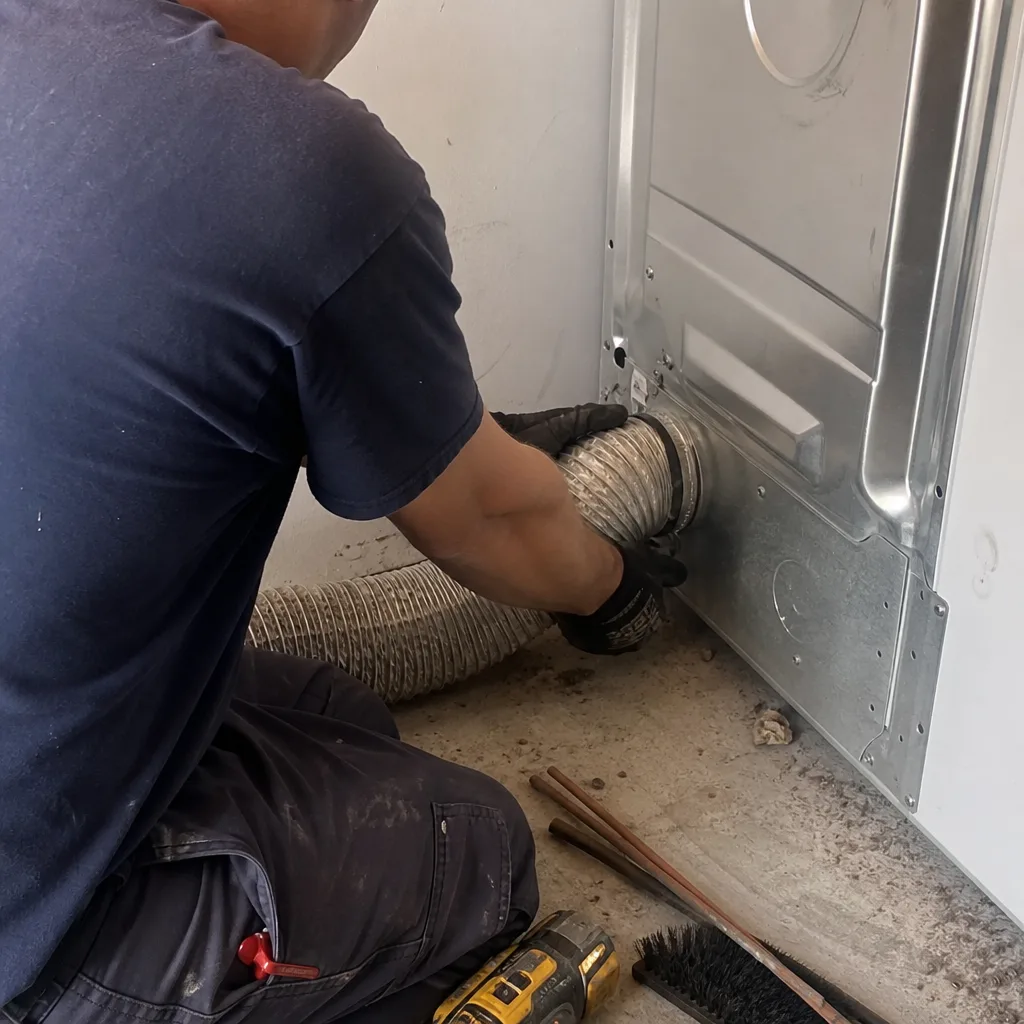
A homeowner inspection is a useful screening tool with hard limits. Here’s what you can determine, what you cannot, and when the uncertainty itself justifies professional assessment.
What a Homeowner Can Reliably Determine
- Register and boot condition: visible debris, mold, or damage within arm’s reach
- Filter condition and fit: whether the filter is the correct size, properly seated, and changed on schedule
- Return grille and accessible return duct: surface debris and obstruction
- Exterior vent condition: whether dryer vent and exhaust vents are clear of visible blockage and operate freely
- System performance indicators: uneven heating/cooling, excessive dust accumulation on surfaces, or odors when the system cycles
Where Homeowner Assessment Hits Its Limit
- Interior of duct runs past the first 2-3 feet: inaccessible without specialized equipment
- Main trunk line and plenum: the largest surface areas in the system, typically in basement or attic spaces with limited access
- Condition of flex duct: damage, collapse, or disconnection in wall cavities
- Post-cleaning verification: whether any cleaning attempt actually removed debris or merely redistributed it
The critical gap is verification. A professional cleaning includes inspection before and after, with photographic evidence. A DIY attempt provides no such confirmation. In our experience across 52,000+ homes, the homeowner who cleaned “a few years ago” and believes the system is fine often has substantial debris accumulation in the main trunk - simply because that area was never accessible to their tools.
For Denver homes built in the 1940s-1970s in neighborhoods like Park Hill, Whittier, and Baker, duct systems often include original galvanized steel with internal rust scale, or early flex duct that has degraded. These conditions are not visible from register openings and require professional inspection with a borescope or camera system.
Cost Comparison: DIY Expenses vs. Professional Pricing in Denver
Honest cost comparison requires comparing complete costs, not just the sticker price of a retail tool against a professional invoice.
DIY Cost Breakdown
| Item | Cost Range | Notes |
|---|---|---|
| Dryer vent brush kit | $15-$35 | Effective only for short, straight runs |
| Register cleaning supplies | $10-$20 | Detergent, brushes, rags |
| Shop vacuum with HEPA filter | $80-$200 | Standard shop vac insufficient; HEPA required for fine dust |
| Borescope/inspection camera | $40-$120 | Smartphone attachment models; limited to 3-6 feet |
| Replacement filters (annual) | $60-$180 | MERV 8-11, changed every 60-90 days |
| Total first-year DIY investment | $205-$555 | Excludes time; excludes ineffective attempts on inaccessible ductwork |
Professional Air Duct Cleaning in Denver
| Service Scope | Price Range |
|---|---|
| Whole-system cleaning, single furnace, up to 12 vents | $450-$750 |
| Larger homes, 13-20 vents, dual systems | $650-$1,100 |
| Additional services (sanitizing, sealant repair) | $150-$400 |
The price ranges above reflect Denver’s market in 2024-2025, based on quotes from established providers. The critical distinction is not the dollar amount but what it purchases: a sealed-system negative-pressure cleaning with before-and-after documentation, versus unverified surface-level maintenance.
At CleanRun Air Duct Cleaning Denver, every job is quoted with a written price before work begins - Haven Standard Clause 1. There is no “call for a quote” process. The price you receive in writing is the price you pay, with one flat price per system agreed before any panel comes off. This directly addresses the industry’s bait-and-switch reputation: the $79 coupon that becomes a $600 invoice once the technician is in the home.
We also offer a Free Second Opinion on any written estimate. Bring a competitor’s quote; we put our own number next to it in writing, with scope details you can compare line by line.
How to Choose a Professional Service in Denver
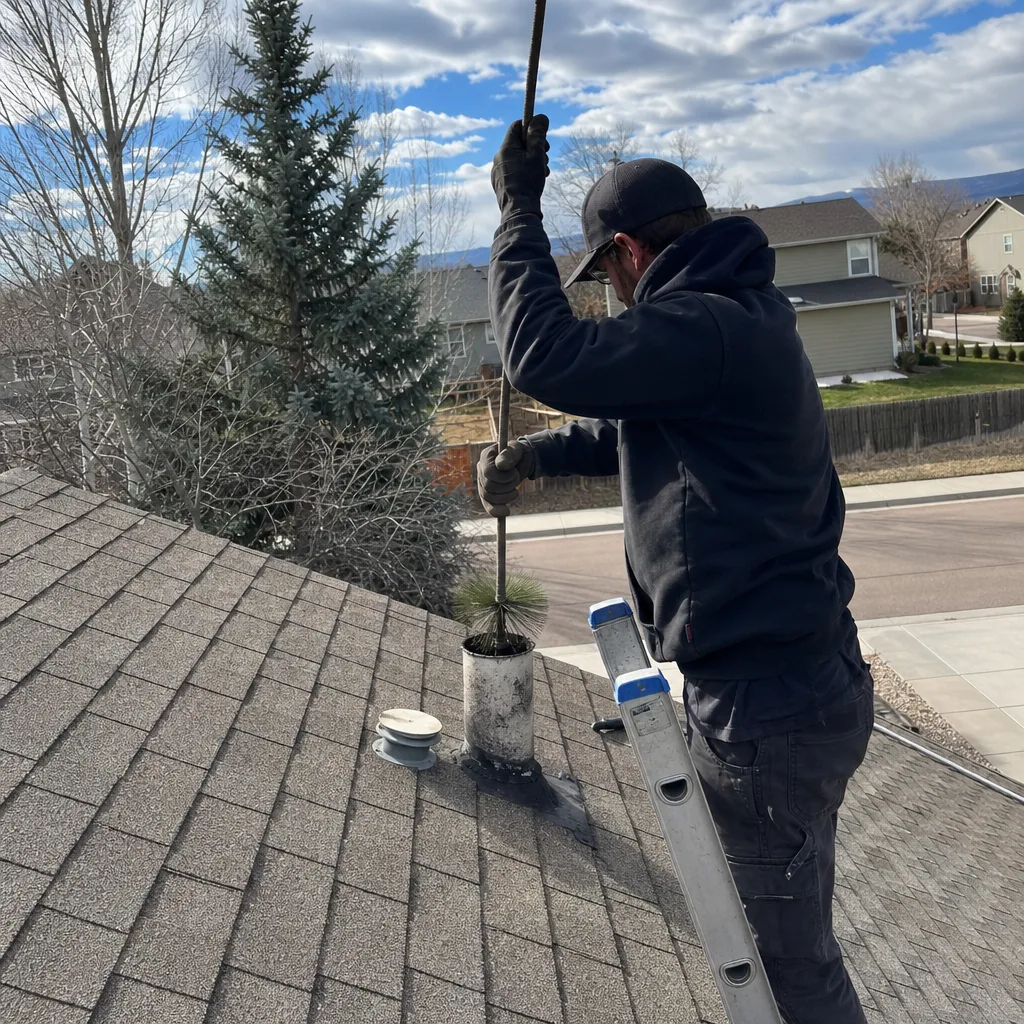
If professional cleaning is warranted, the selection process matters as much as the decision to hire. The duct cleaning industry in Denver includes competent operators, marginally qualified outfits, and outright scams. Here’s how to distinguish them.
Verify These Elements Before Booking
- Written price before work starts. Any provider that cannot or will not specify scope and price in writing before beginning work is operating outside accountable practice. This is not a preference - it is the minimum standard for a transactional service.
- Documented equipment roster. The company should be able to name the manufacturers of the equipment used on your job. Professional-grade tools from Rotobrush, Nikro, Abatement Technologies, Honeywell, Aprilaire, or Guardsman are verifiable; generic “commercial vacuum” descriptions are not.
- Photo documentation as standard. Before-and-after images of the interior ductwork should be included in the job deliverables, not offered as an upsell or unavailable.
- Published license and insurance verification. Colorado requires HVAC contractors to hold appropriate licensing; the number should be available on request or published on the company’s website, not buried in a footer.
- Background-checked, identified technicians. Haven Standard Clause 3: Verified Crews requires technicians to be background-checked, uniformed, and identified by name before arrival.
- Written guarantee with specific terms. A “satisfaction guarantee” with no defined remedy is marketing language. A written promise with a specific correction process - like the 365-Day Done Right Promise - is accountable.
Red flags specific to the Denver market: companies that solicit door-to-door in neighborhoods affected by recent hail storms; quotes based on “per vent” pricing that escalate dramatically once work begins; and providers that cannot explain their equipment in specific terms. The legitimate operator welcomes detailed questions about process and documentation; the questionable one deflects to urgency or generalized reassurance.
Air Duct Cleaning in Denver from a qualified provider should feel like hiring any other skilled trade: specific scope, specific price, verifiable credentials, and documented completion.
Common Mistakes to Avoid
- Believing a shop vacuum cleans ducts. A shop vacuum moves debris at the opening but cannot create the sealed negative pressure required for whole-system extraction. In Denver’s fine-dust climate, this often makes air quality temporarily worse.
- Using chemical sprays without professional assessment. Retail “duct cleaning” foams and sprays can leave residues that attract future debris accumulation or damage flex duct liners. Never apply chemicals to interior duct surfaces without knowing the duct material and the product’s compatibility.
- Ignoring the return side. Homeowners focus on supply registers (where heated or cooled air exits) but the return system - which draws air back to the furnace - typically accumulates more debris. It is also harder to access without professional equipment.
- Cleaning without addressing the underlying cause. If your Denver home has chronic dust loading, the cause may be duct leakage, inadequate filtration, or construction defects. Cleaning without diagnosis repeats the cycle.
- Hiring based on the lowest coupon price. The $79 duct cleaning special in Denver invariably involves minimal actual cleaning, aggressive upselling, or both. The business model requires conversion to higher invoices; the initial price is a loss-leader, not a service price.
- Skipping documentation for “savings.” Some providers offer a lower price for cleaning without photo record. This eliminates the primary value-add of professional service: verifiable proof of work performed.
- Attempting DIY after water damage or mold concern. Disturbed mold without proper containment and negative-pressure extraction can spread spores throughout the home. This is not a DIY scenario under any circumstances.
When to Call a Professional
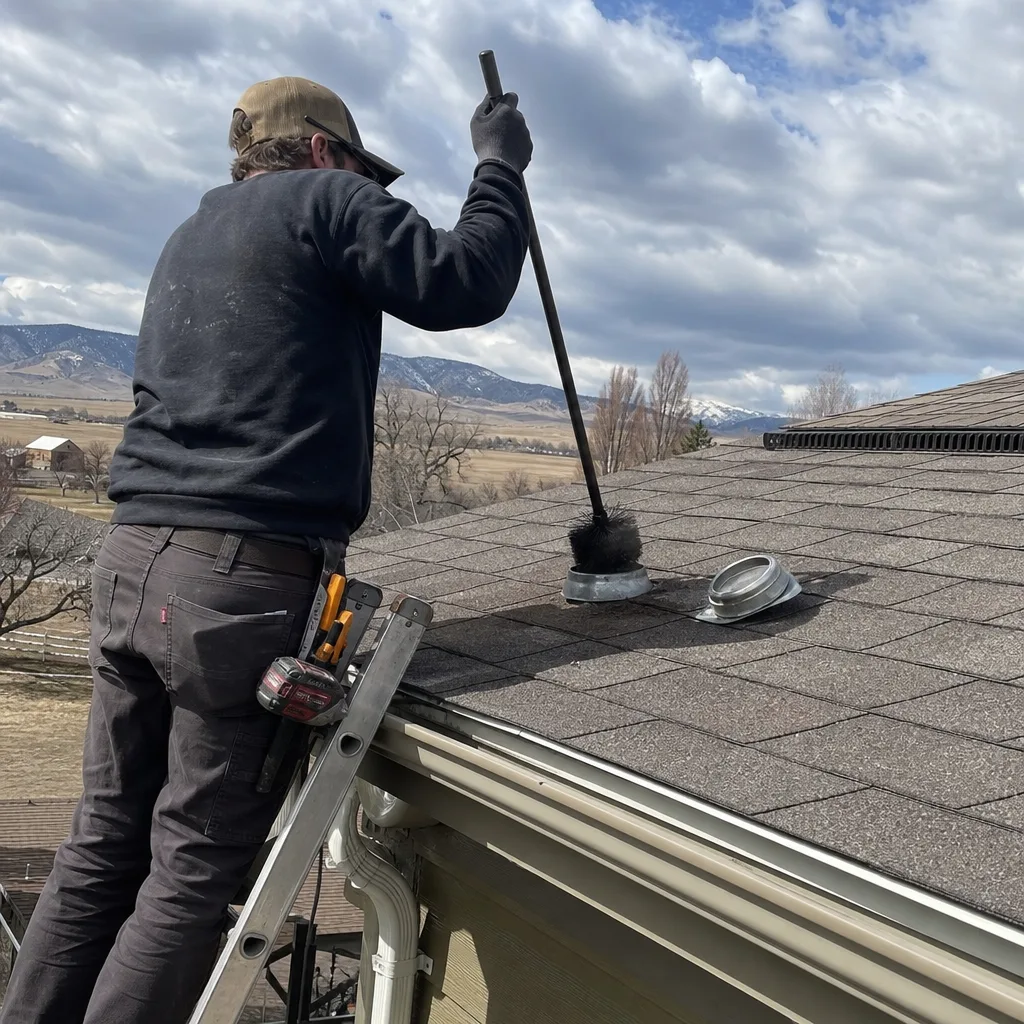
Call a professional when the task exceeds your tools, when documentation matters, or when the condition involves potential health or safety hazards. Specifically: visible mold, rodent evidence, post-construction dust loading, system age over 10 years with unknown maintenance history, or any dryer vent run you cannot fully inspect and clear.
For HVAC cleaning in Denver that includes full system assessment, documented cleaning, and written warranty, professional service is the only path to verifiable results. CleanRun Air Duct Cleaning Denver offers free estimates in Denver - call (720) 799-2292. Every estimate includes a written scope and price before any commitment, with no pressure to schedule.
Frequently Asked Questions
Whole-system cleaning for a typical Denver home with a single furnace and 8-12 vents ranges from $450 to $750. Larger homes with dual systems or 15+ vents run $650 to $1,100. Call (720) 799-2292 for an exact quote - estimates are free and include a written price before any work starts.
Low quotes typically reflect minimal scope: brushing only accessible register areas, omitting the return system, or using inadequate vacuum equipment. The $79-$149 coupon price is a well-documented industry tactic that relies on upselling once the technician is in the home. A legitimate whole-system cleaning with negative-pressure extraction, professional equipment, and documentation cannot be performed at those prices. Compare written scopes, not headline numbers.
Require before-and-after photo documentation of the interior ductwork as a standard deliverable, not an optional add-on. At CleanRun, the Documented Photo Record is included on every visit - interior images of every duct run, dated and delivered as part of the job record. If a provider cannot or will not produce this, you have no verification that the work occurred.
Most Denver homes benefit from professional cleaning every 5-7 years with proper filter maintenance. Homes with pets, recent construction, or occupant respiratory conditions may need more frequent service. Annual cleaning is rarely necessary and should prompt evaluation of whether an underlying issue (duct leakage, inadequate filtration) is being masked.
A shop vacuum can remove loose debris from register openings and boots but cannot clean the interior duct network. Without sealed negative-pressure extraction, brushing disturbs debris without removing it, often worsening air quality temporarily. For surface maintenance, yes; for whole-system cleaning, no.
Denver’s semi-arid climate produces fine, powdery dust that accumulates in low-velocity duct zones, particularly in newer construction with tighter envelopes that reduce natural air exchange. Spring wind events and winter inversions can increase particulate loading. However, the primary determinant of cleaning frequency remains occupant behavior (pets, construction, filter maintenance) rather than climate alone.
The Bottom Line
DIY duct maintenance and professional cleaning are different tasks with different outcomes, not the same service at different price points. A homeowner can maintain registers, manage filters, and handle short dryer vent runs effectively. What a homeowner cannot do is verify the condition of inaccessible ductwork, create sealed negative-pressure extraction, or produce documented proof of completed work.
For Denver homeowners, the decision framework is straightforward: handle the accessible maintenance yourself, hire a professional when the task requires equipment or documentation you cannot provide, and evaluate any provider by whether they put specific promises in writing before work begins. The industry runs on vague assurances; your home deserves specific ones.
Written by Tomas Reyes, Owner at CleanRun Air Duct Cleaning Denver, serving Denver since 2013.