
Last updated September 23, 2026
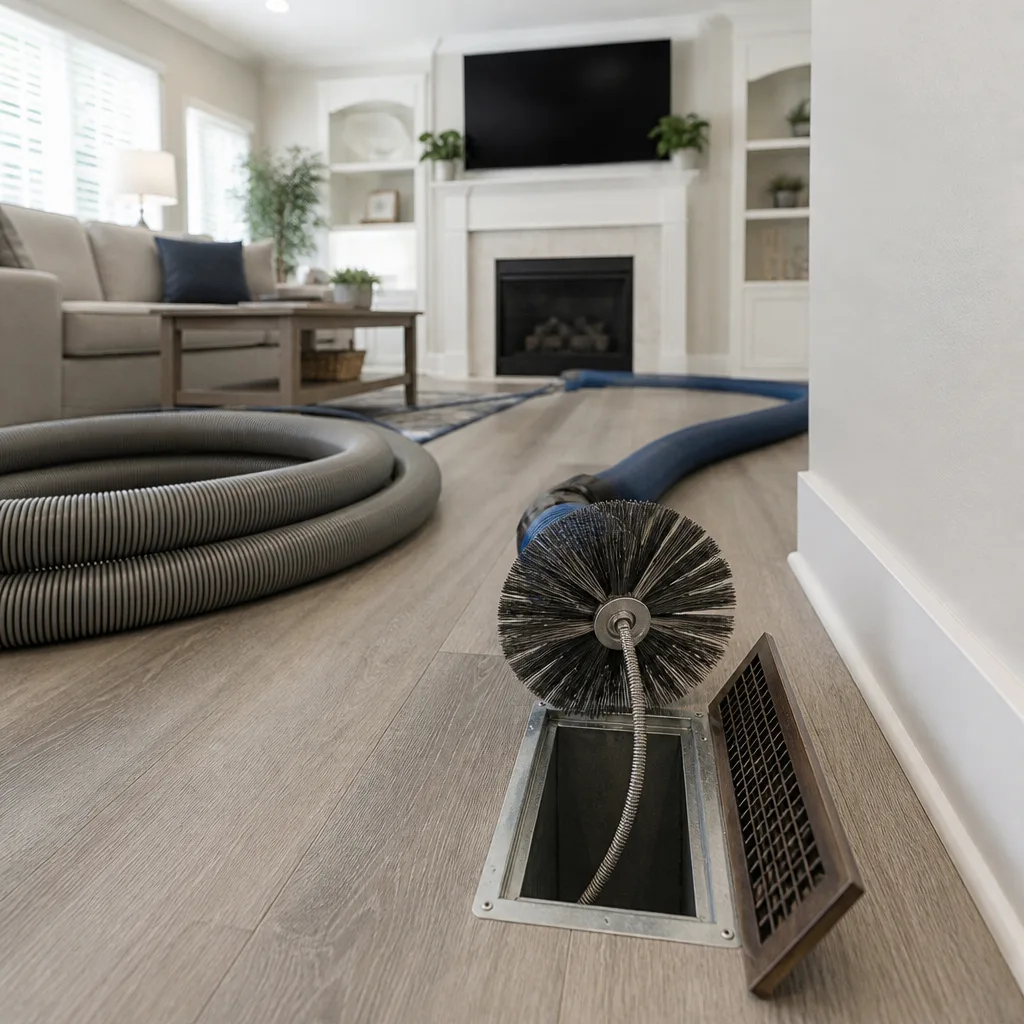
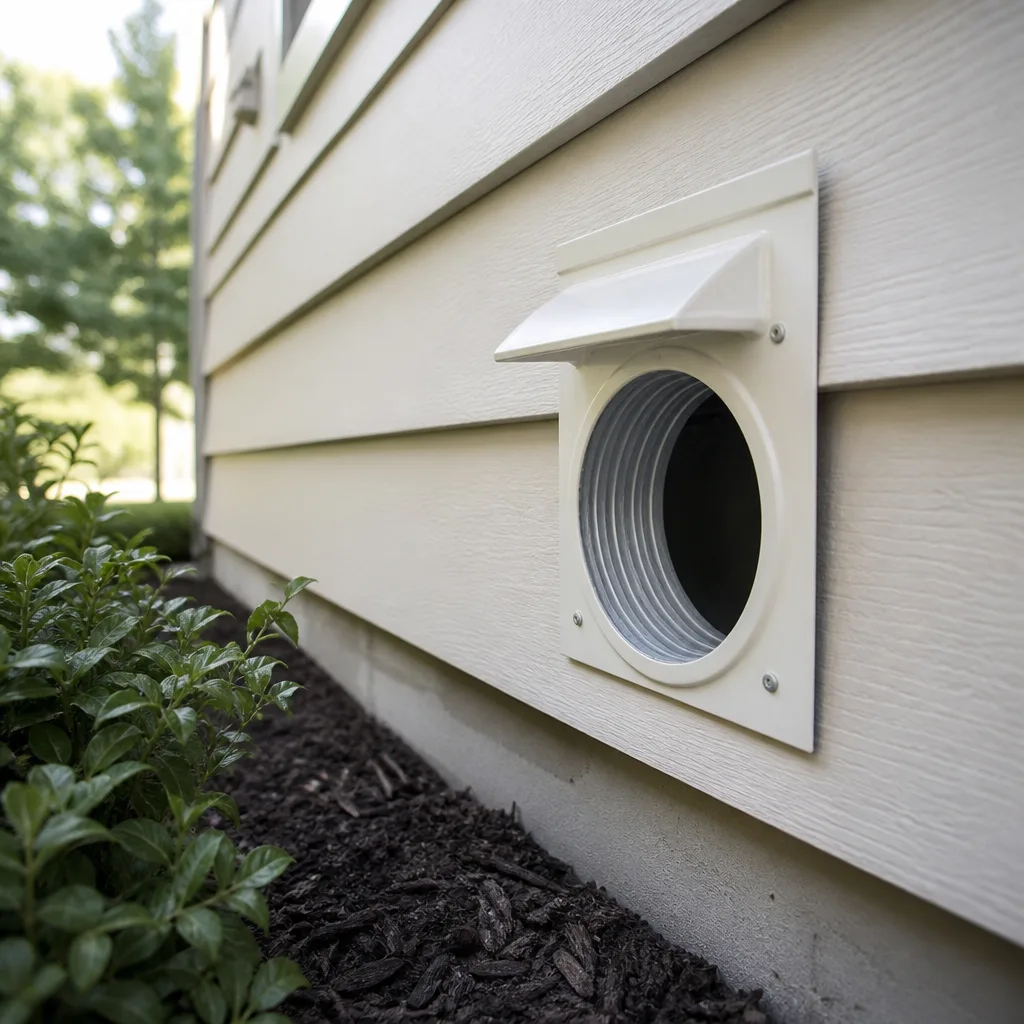
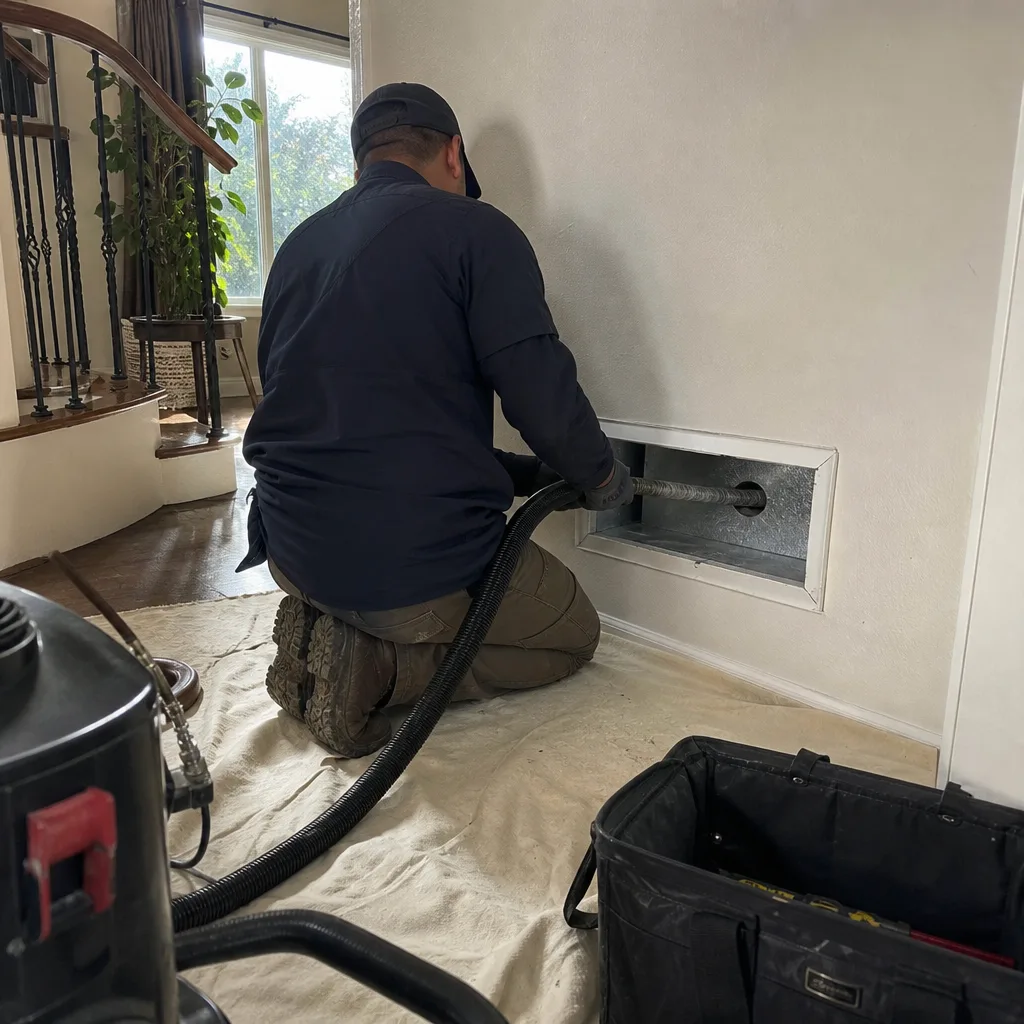
Whole-system duct and dryer vent check with before-and-after photos - you see exactly what came out of your vents
That "$99 whole-house special" is a bait ad - the real number appears once they are in your hallway, or the "clean" is a shop-vac at the register. We photograph the inside of your ducts before and after instead.
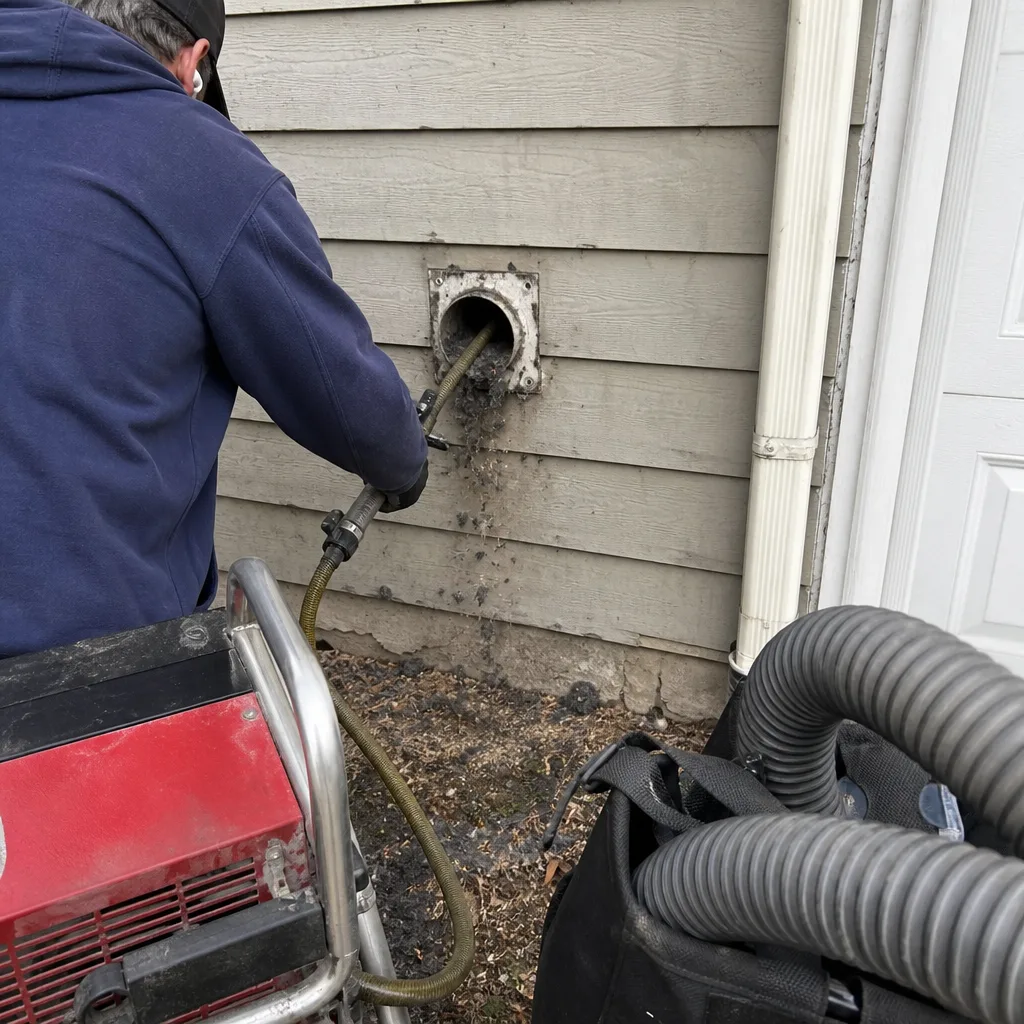 Before
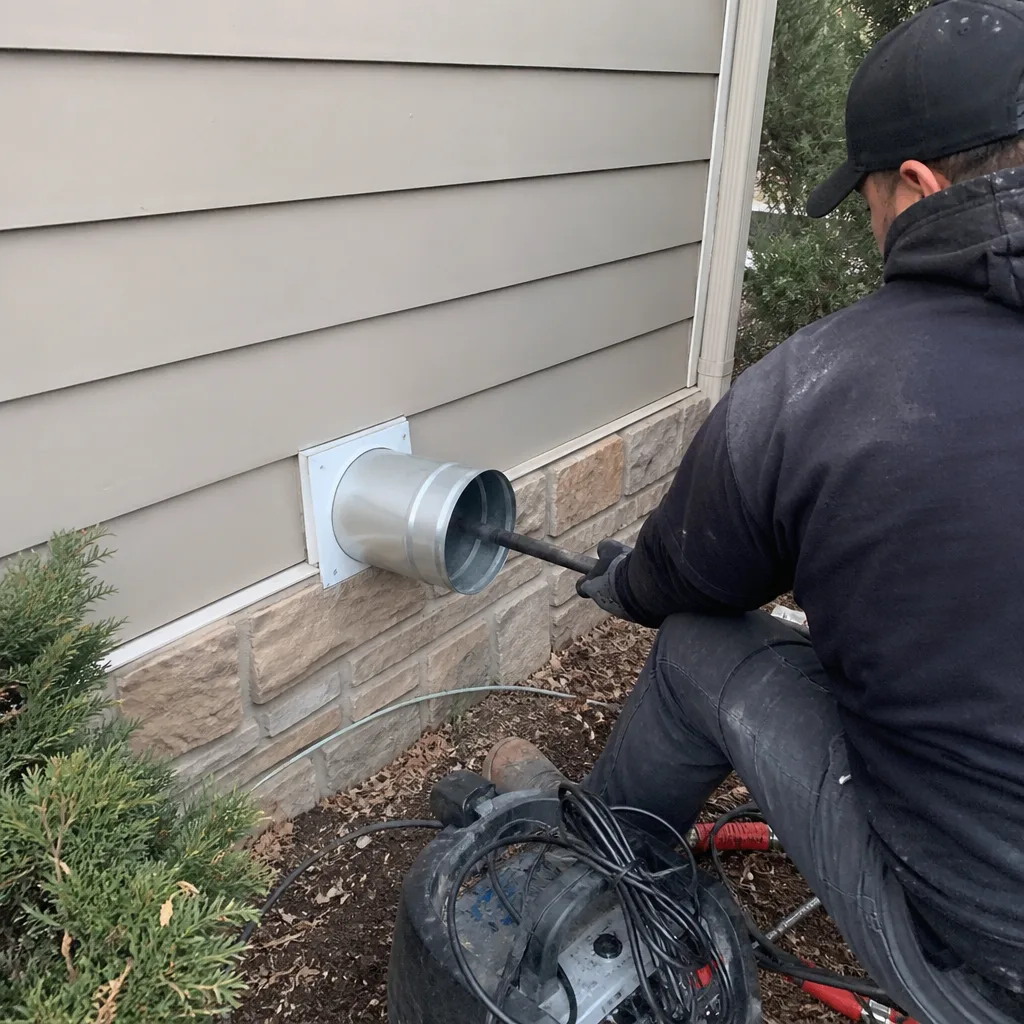 After
After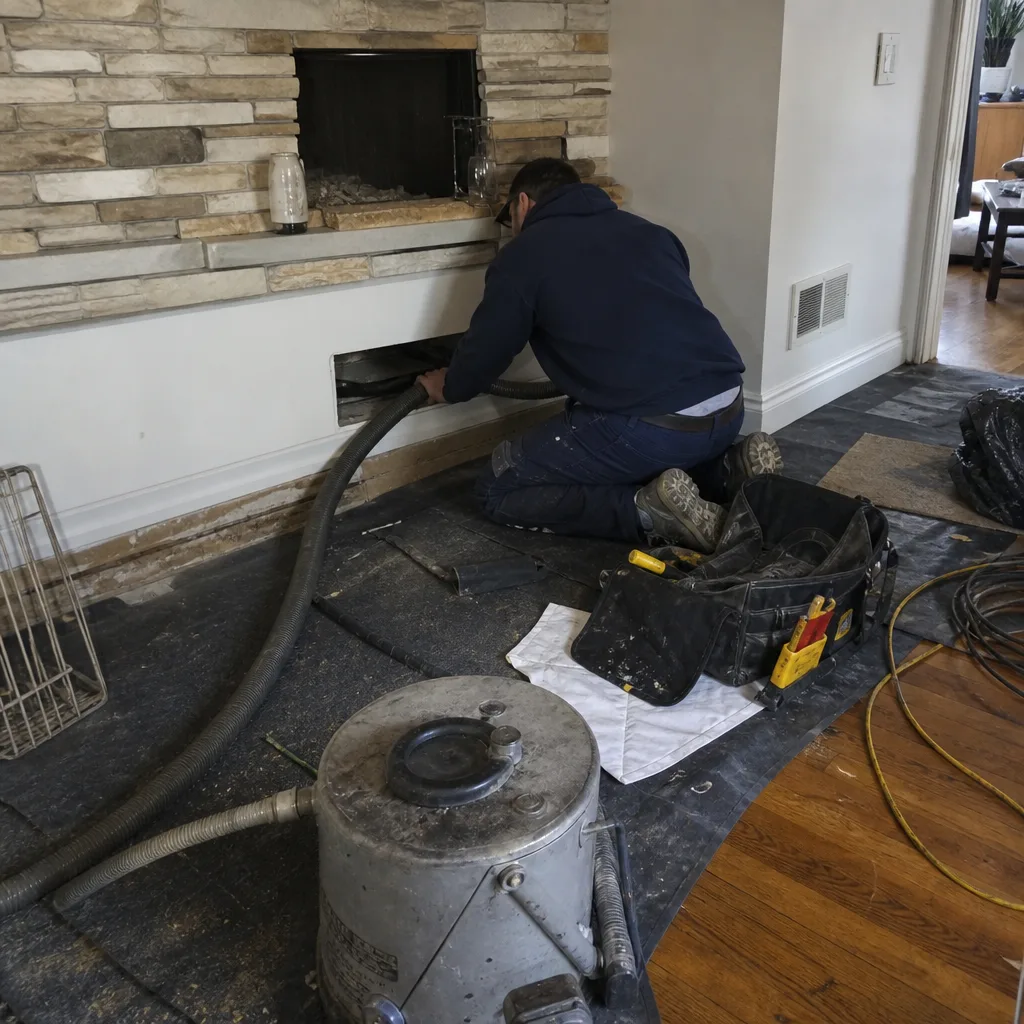 Before
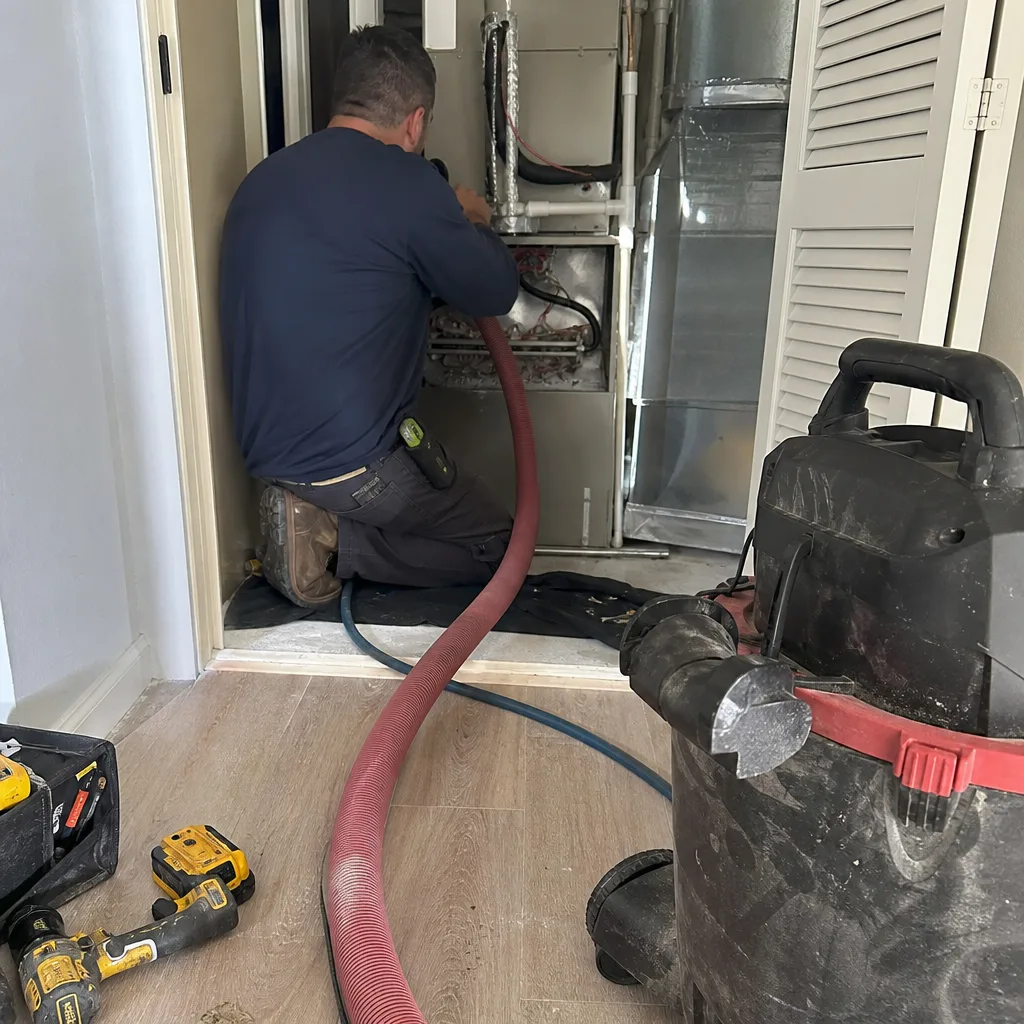 After
After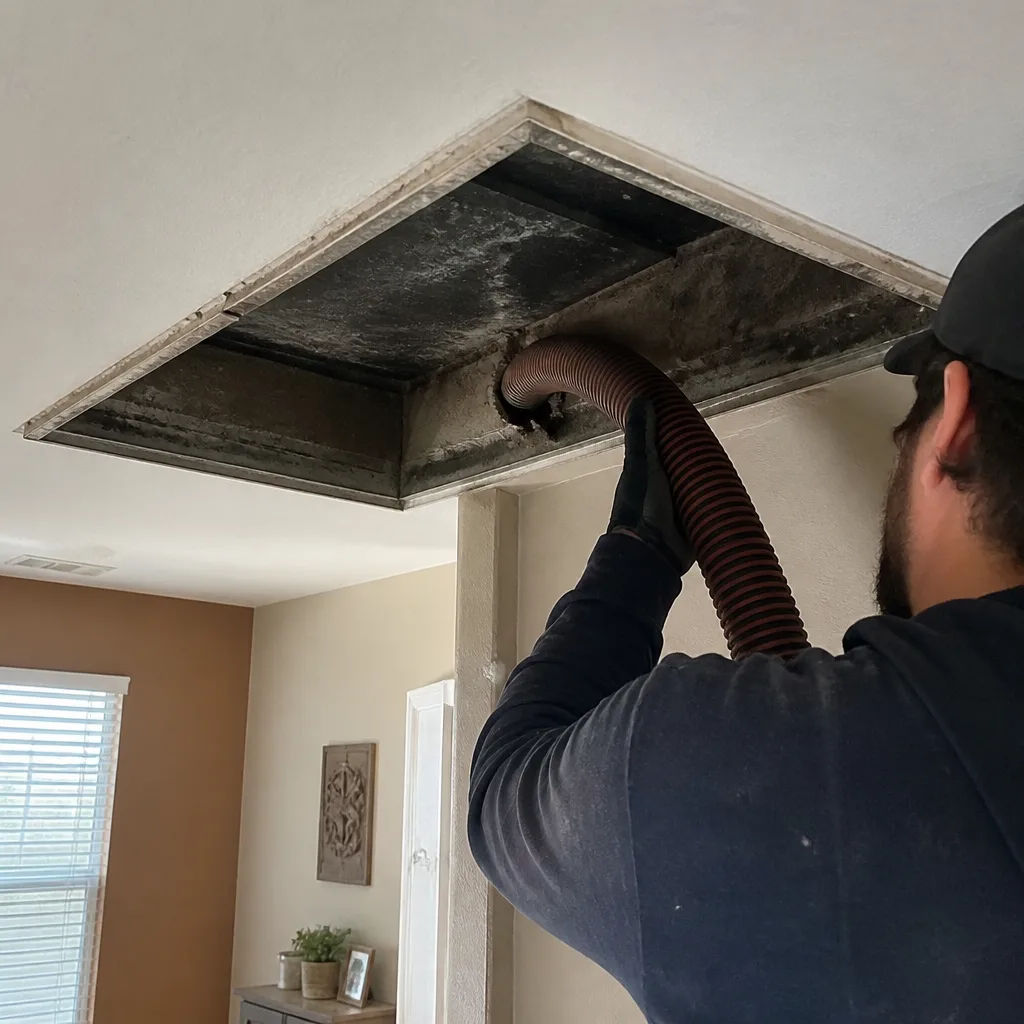 Before
 After
AfterThe Complete Guide to Air Duct Cleaning in Denver
The EPA has never recommended annual duct cleaning. That single fact exposes why most $79 coupon calls are sold on fear, not evidence. In Denver, where dry air, high altitude, and increasingly intense wildfire seasons create a unique contamination profile, homeowners need something better than a calendar reminder: they need a documented diagnosis of what’s actually inside their ductwork. This guide explains what a legitimate inspection finds, how to read a scope-of-work document before anyone starts a machine, and why the Front Range climate changes what “clean” actually means. For more on professional service, see our Air Duct Cleaning services.
Quick Answer
Professional air duct cleaning in Denver typically costs $400-$900 for a complete residential system, depending on home size, accessibility, and contamination level. A legitimate job starts with a camera inspection of every duct run, produces a written scope with line-item pricing before work begins, and concludes with before-and-after photos of each register and trunk line. In Denver’s dry, high-altitude climate, dust accumulation and wildfire particulate are the primary concerns; mold is rare without an underlying moisture problem.
Table of Contents
- What NADCA’s ACR Standard Actually Requires vs. What Most Denver Companies Deliver
- The Five Things a Pre-Job Camera Inspection Should Photograph
- How Denver’s Altitude, Dry Climate, and Wildfire Smoke Change What Accumulates in Ductwork
- What a Written Scope of Work Must Include Before a Price Is Valid
- How to Read a Before/After Photo Set to Confirm Work Was Actually Completed
- Common Mistakes to Avoid
- When to Call a Professional
- Frequently Asked Questions
BeforeAfterWhat NADCA’s ACR Standard Actually Requires vs. What Most Denver Companies Deliver
NADCA, the National Air Duct Cleaners Association, publishes the ACR standard - the Assessment, Cleaning, and Restoration of HVAC Systems. Most Denver companies mention “NADCA-certified” in their marketing. Few can explain what the standard actually demands. Here’s the gap.
The ACR standard requires:
- Pre-cleaning assessment of all components. Not a glance at one register. Every air handler, coil, plenum (the distribution box that connects your furnace to the ductwork), and duct run must be inspected and documented before cleaning begins.
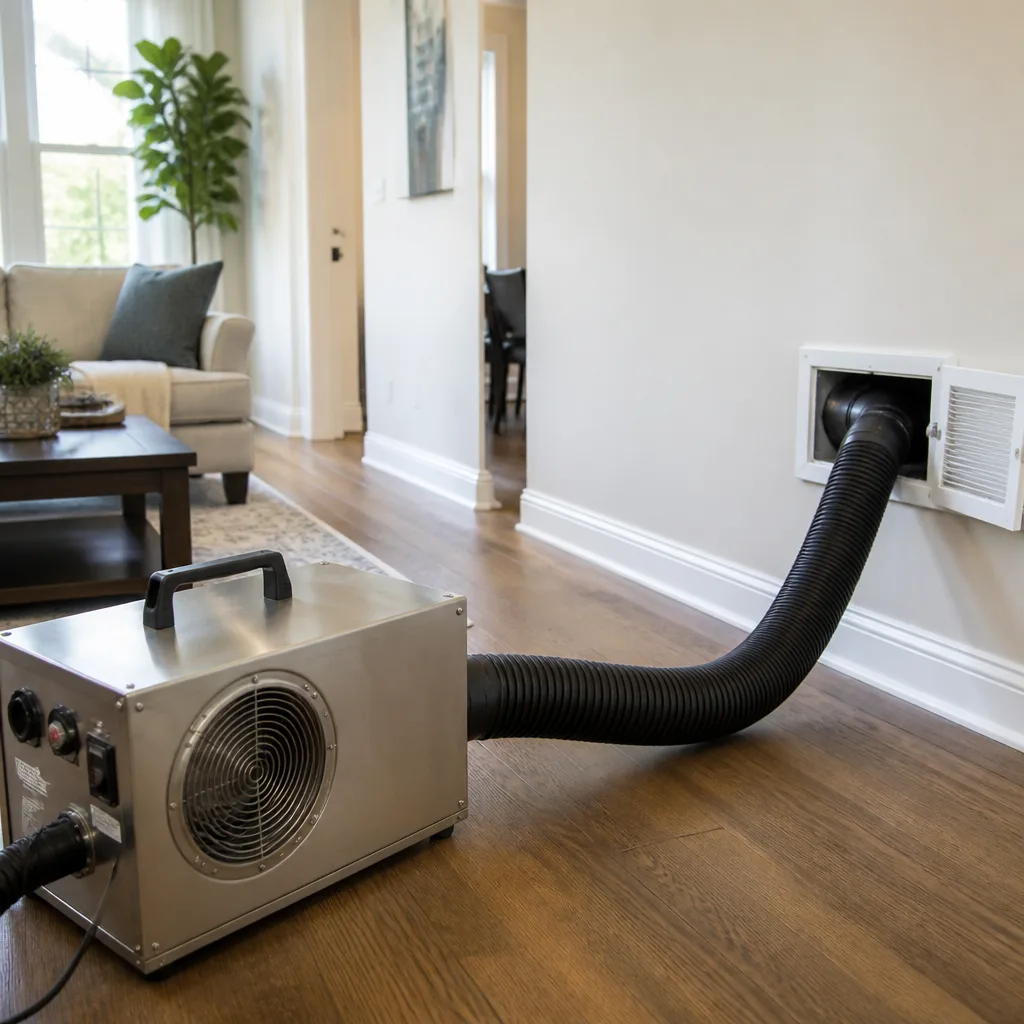
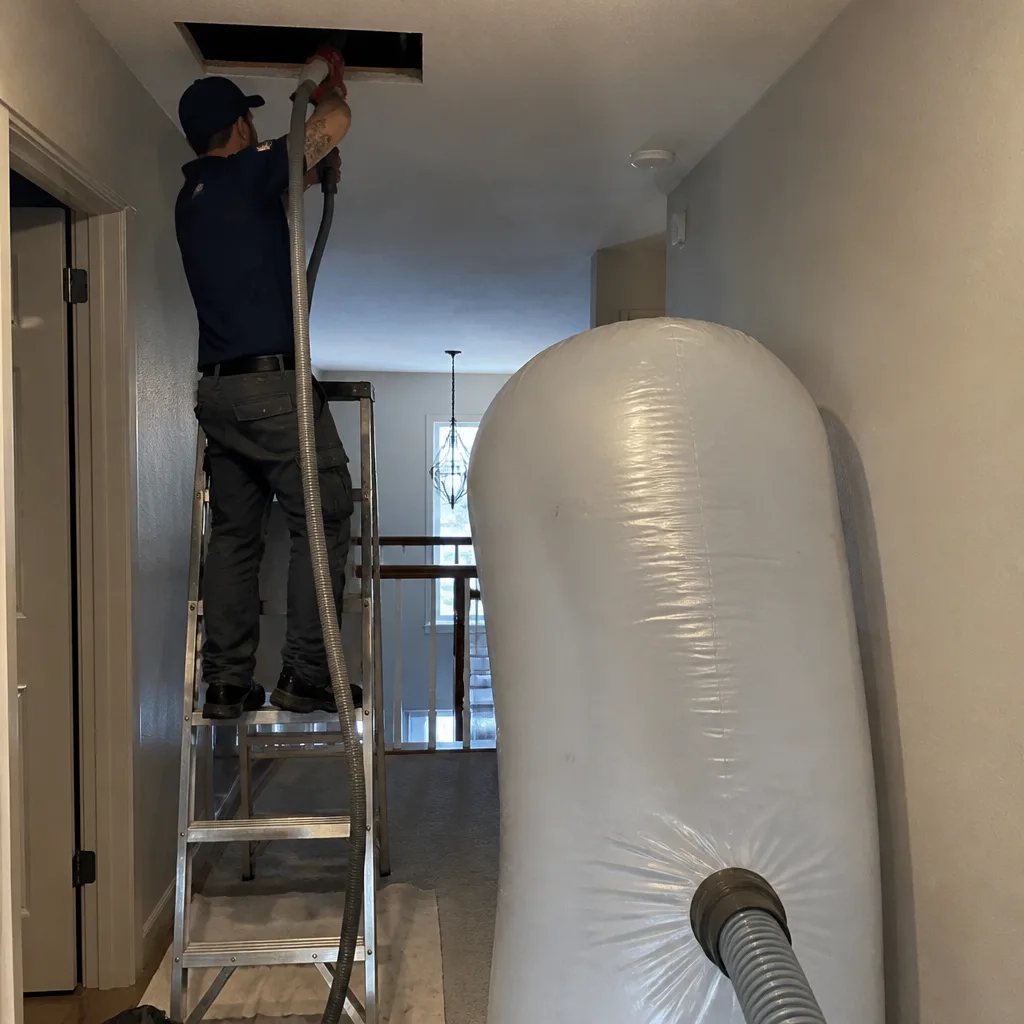
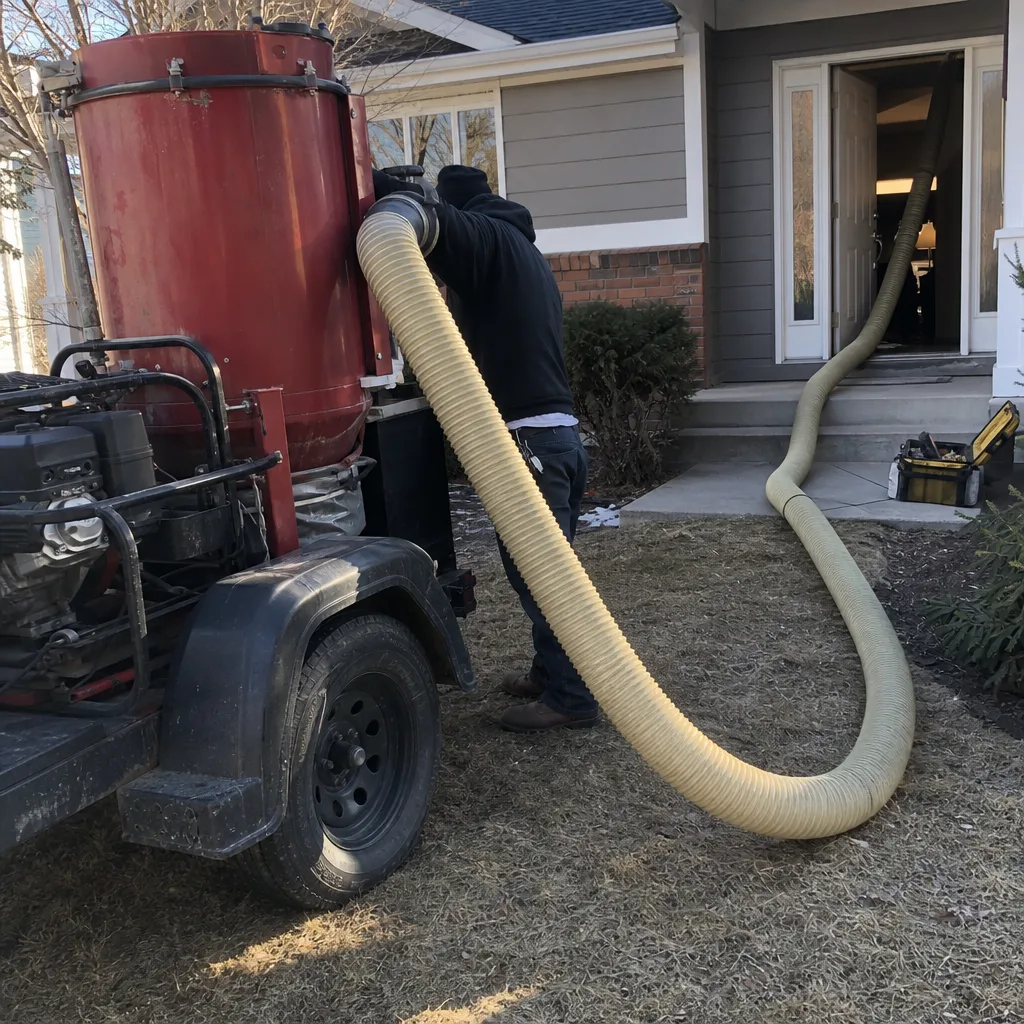
- Containment of the work area. Negative-pressure extraction - using a vacuum system that pulls air out of the ducts so debris doesn’t escape into living space - is required during agitation and removal.
- Protection of sensitive components. Fiberglass-lined ducts, electronic air cleaners, and HVAC controls must be protected from damage during cleaning.
- Post-cleaning verification. The system must be visually inspected after work to confirm debris removal. The standard accepts visual inspection or surface sampling; we photograph every run because visual inspection alone is easily faked.
- Documentation delivered to the customer. A written record of what was cleaned, how it was cleaned, and verification results.
What most Denver homeowners actually receive: a technician with a shop vac, a fogging machine, and a handshake. No written scope. No photos. No verification. The $79 coupon covers a single register cleaning and a scented spray. The rest is upsold on arrival.
At CleanRun Air Duct Cleaning Denver home, we treat the ACR standard as a floor, not a ceiling. Our crews use Rotobrush and Abatement Technologies equipment for agitation and negative-pressure extraction, photograph every duct run before and after, and deliver the photo record as a standard job deliverable. Haven Standard Clause 1 requires a written price before any work starts; Clause 4 requires the documented photo record. These aren’t marketing claims. They’re clauses in our operating standard, applied to every job since 2013.
The Five Things a Pre-Job Camera Inspection Should Photograph
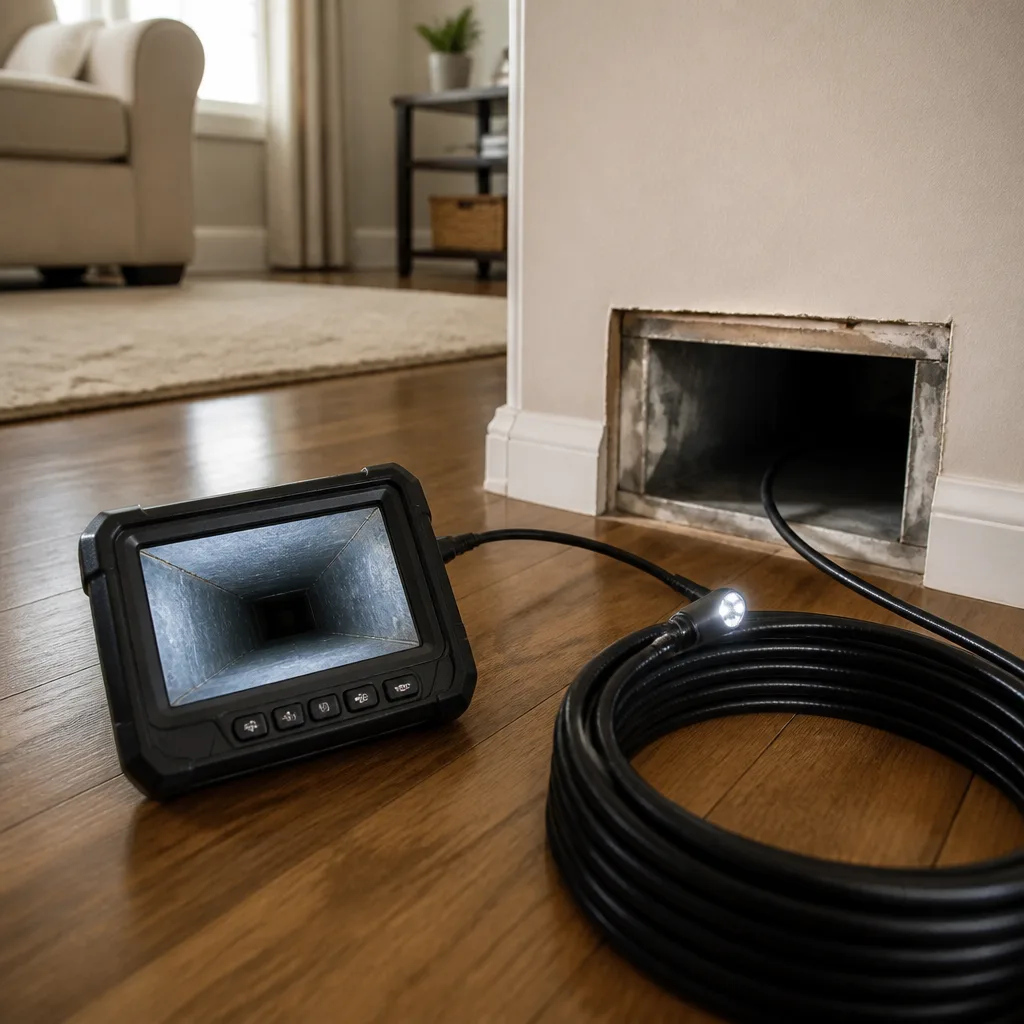
A legitimate inspection uses a borescope camera - a flexible probe with a light and lens - to see inside ductwork before quoting. Here are the five specific views that should be captured, what contamination looks like in each, and why skipping any of them invalidates the scope of work.
1. The Return Plenum and Filter Rack
This is where unfiltered air enters your system. In Denver homes, we regularly see a gray-brown mat of fine dust and wildfire ash packed against the filter frame, especially in homes built 2015-2020 with pleated filters that were changed infrequently. The camera should show filter fit (gaps let debris bypass) and plenum wall condition. Debris here means the entire return side is loaded.
2. The First Elbow or Transition in Each Supply Run
Velocity drops at elbows, so debris settles. A healthy duct shows bare metal or light dust coating. Concerning findings: a ridge of debris 1/4-inch or deeper, fibrous material (deteriorated duct liner), or black streaking near joints (indicating leakage pulling attic or crawl space air). In Stapleton and Lowry rebuilds, we see construction debris - drywall dust, wood chips - still present a decade after move-in.
3. The Register Boot (the metal fitting behind your vent cover)
This is the easiest place to fake a “clean” photo. A technician can wipe the boot and leave the upstream duct filthy. The camera must pass at least 24 inches past the boot to show the connecting duct. What we find in Denver: boot rims packed with pet hair and pollen, especially in homes with evaporative cooler history (swamp coolers pull in unfiltered outdoor air).
4. The Main Trunk Line, Mid-Span
The trunk is the large central duct that feeds smaller branches. Access requires cutting a service opening if none exists. A proper inspection documents whether access is available or must be created (this affects price). Debris here is systemic - it means the entire system needs attention. In older Denver bungalows in Berkeley and Regis, we find rust scale and degraded fiberglass lining in metal trunks from the 1950s-70s.
5. The Evaporator Coil and Blower Compartment
These components are downstream of the filter but upstream of supply ducts. A dirty coil restricts airflow and harbors microbial growth even in dry climates. The camera should show fin condition (bent fins reduce efficiency) and whether the coil pan drains properly. In Denver’s hard-water zones, mineral scale on the pan is common and affects drainage.
Any quote without these five views is a guess, not a diagnosis. At CleanRun, we deliver the inspection photos as part of our written scope. The customer sees what we see before any price is discussed.
How Denver’s Altitude, Dry Climate, and Wildfire Smoke Change What Accumulates in Ductwork
Duct cleaning advice written for humid-climate markets is misleading in Denver. The contamination profile here is distinct, and it changes what “cleaning” should target.
Altitude and Air Density
At 5,280 feet, air is less dense. HVAC systems move more cubic feet per minute to deliver the same heating and cooling load. Higher airflow velocity keeps some particulate suspended longer, but it also drives finer particles deeper into the duct system. What settles in Denver ducts tends to be larger - pollen, skin flakes, fabric fiber - or electrostatically charged, which makes it cling to metal surfaces despite the dry air.
Aridity and Microbial Growth
Denver’s average relative humidity sits below 50% most of the year. True mold colonization in ductwork is rare without a water event - condensate line blockage, roof leak, or evaporative cooler overflow. When we do find microbial growth in Denver ducts, it’s almost always associated with a specific moisture source, not “normal” accumulation. Companies selling “mold remediation” as a standard upsell are either ignorant or predatory. The correct response: fix the moisture source, then evaluate whether cleaning is warranted.
Wildfire Smoke Particulate
The 2020 Cameron Peak Fire, 2021 Marshall Fire, and increasingly routine summer smoke events have introduced a new contaminant: fine particulate matter from wood combustion, including PM2.5 and volatile organic compounds. Standard HVAC filters (MERV 8-11) capture some of this, but prolonged smoke events overwhelm them. In 2021-2022, we inspected dozens of Louisville and Superior homes post-Marshall Fire. The camera showed a uniform gray film on duct surfaces, distinct from ordinary dust in color and texture. This material is light, easily resuspended, and requires thorough agitation for removal.
Seasonal Dust Loading
Denver’s spring wind events and winter inversion layers concentrate particulate. Homes near construction zones - prevalent in RiNo, LoHi, and the I-25 corridor - experience elevated coarse dust. Homes with gravel or decomposed granite landscaping (common in WaterSmart xeriscaped yards) show more mineral particulate than turf landscapes.
The practical implication: a Denver duct cleaning should target dry particulate removal with high-efficiency extraction, not antimicrobial fogging. The equipment matters. We use Nikro and Abatement Technologies HEPA-filtered negative-air machines rated for fine particulate, not repurposed carpet cleaning equipment.
What a Written Scope of Work Must Include Before a Price Is Valid
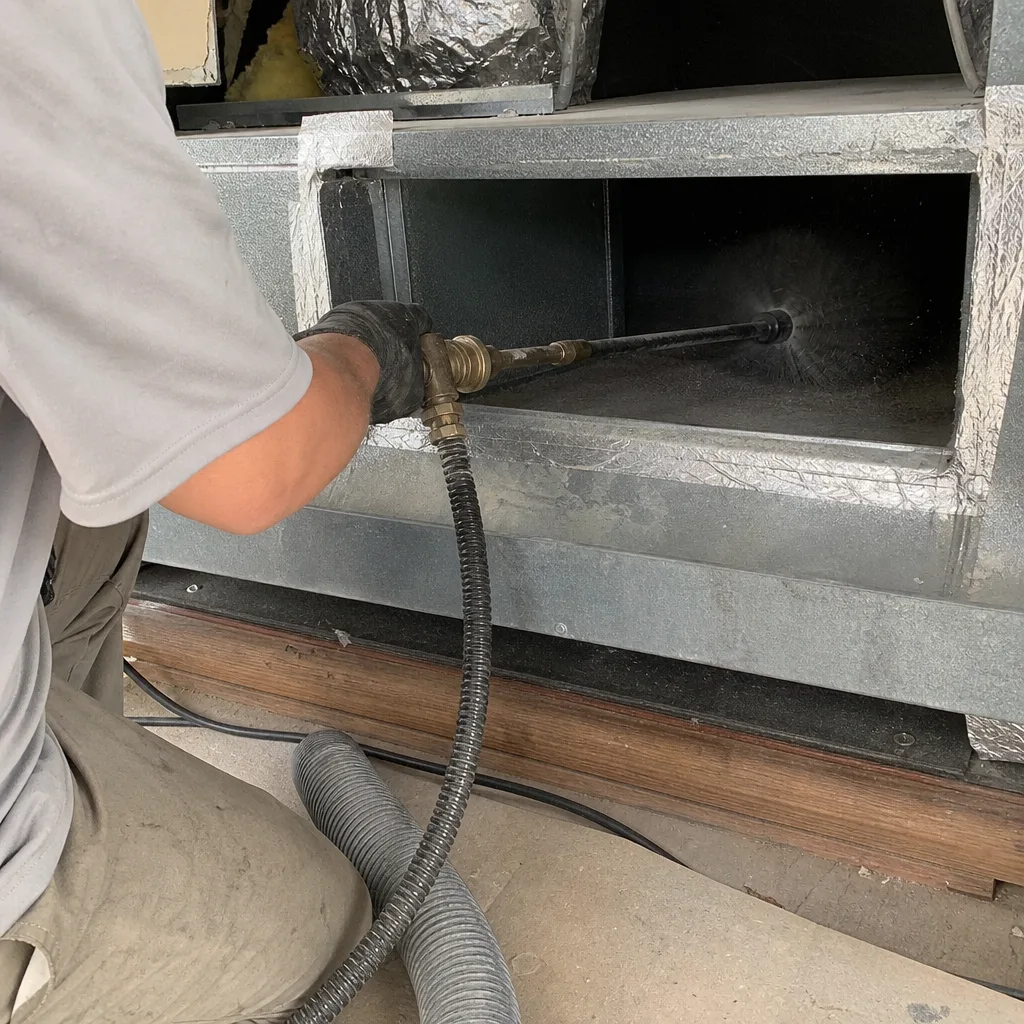
Haven Standard Clause 1 is explicit: no work starts without a written price. But a price without a scope is meaningless. Here’s what the document should contain, line by line. For help vetting providers, see How to Hire a Air Duct Cleaning Contractor in Denver: A Step-by-Step Guide.
| Line Item | What It Describes | Why It Matters |
|---|---|---|
| System type and size | Number of supply registers, return grilles, main trunk lines | Defines the physical boundaries of work |
| Access points | Existing access panels or new cuts required, with locations noted | Affects labor and whether patching is included |
| Equipment specification | Agitation method (brush, whip, compressed air) and extraction unit (HEPA-filtered negative air) | Determines cleaning effectiveness; “shop vac” is not equivalent |
| Component scope | Which elements are included: ducts only, or also coils, blower, plenum, dryer vent | Prevents partial-system bait-and-switch |
| Contamination findings | Summary of camera inspection results that justify the work | Evidence that service is needed, not assumed |
| Deliverables | Before/after photos, written completion report, warranty terms | Creates accountability after the crew leaves |
| Total price and payment terms | Single flat price for the defined scope, with deposit and final payment schedule | Eliminates per-vent add-ons and arrival upsells |
The per-vent pricing model is specifically designed to obscure true cost. A company quotes $15 per vent for a “typical” home, then counts 20+ vents, adds trunk line fees, coil cleaning, and “sanitizing” to reach $800+. The written scope prevents this by defining the system as a whole and pricing it as a whole.
At CleanRun, the scope is generated after inspection, reviewed with the customer, and signed before equipment is unloaded. The price on that document is the price on the invoice. No exceptions in 52,000+ jobs.
How to Read a Before/After Photo Set to Confirm Work Was Actually Completed on Every Run
Photo documentation is only as good as your ability to verify it. Here’s how to read a legitimate before/after set, and how to spot a fake.
- Check the timestamp or sequence metadata. Legitimate documentation includes time-stamped images or sequence numbers showing the inspection progressed logically through the system. A single “before” and single “after” from one location proves nothing about the whole job.
- Verify register identification. Each photo should show a room identifier - “Master BR supply,” “Kitchen return” - or the register itself should be visually distinct (pattern, location, surrounding wall color). Generic “before” and “after” images from stock libraries show identical, unidentifiable metal boxes.
- Look for matching landmarks inside the duct. A scratch, weld seam, or joint pattern visible in the before photo should appear in the after photo from the same location. This proves the same duct was photographed twice, not two different ducts.
- Assess debris removal, not just brightness. Some operators brighten after photos or use flash to obscure remaining debris. Look for change in surface texture: matte dust coating should become reflective metal. In fiberglass-lined ducts, the liner texture should be visible, not buried under debris.
- Confirm depth of field. The camera should show several feet into the duct, not just the boot. Shallow-focus images that blur past 6 inches may hide uncleared sections.
- Count the photos against the scope. If your scope lists 12 supply registers and 3 return grilles, you should receive 30 photos minimum (before and after for each). Fewer means locations were skipped.
Since 2013, CleanRun has delivered a Documented Photo Record on every visit as a standard deliverable, not an upgrade. Customers receive digital access to their complete photo set, organized by location, with the written scope and invoice. This practice predates most competitors’ existence and will outlast their marketing claims.
For homes with specific air quality concerns, HVAC Cleaning in Denver addresses coil, blower, and plenum cleaning as integrated system maintenance.
Common Mistakes to Avoid
- Booking on coupon price alone. The $79-$149 Denver coupon special universally excludes trunk lines, coils, and access creation. The average invoice after upsells exceeds $600. Request a written scope upfront from any company you’re considering.
- Assuming dirty vents mean dirty ducts. Register covers collect dust from room air, not duct air. A dirty vent is cleaned with a damp cloth. A dirty duct requires internal access and mechanical agitation. Don’t pay for the latter when you need the former.
- Ignoring the return side. The return plenum and trunk pull unfiltered air from your home. They’re typically dirtier than supply ducts but less visible. A scope that only addresses supply registers is incomplete.
- Accepting antimicrobial fogging as standard. EPA-registered antimicrobials require specific application protocols and are unnecessary in dry Denver ductwork without confirmed microbial contamination. Fogging is cheaper than mechanical cleaning and often sold as a substitute.
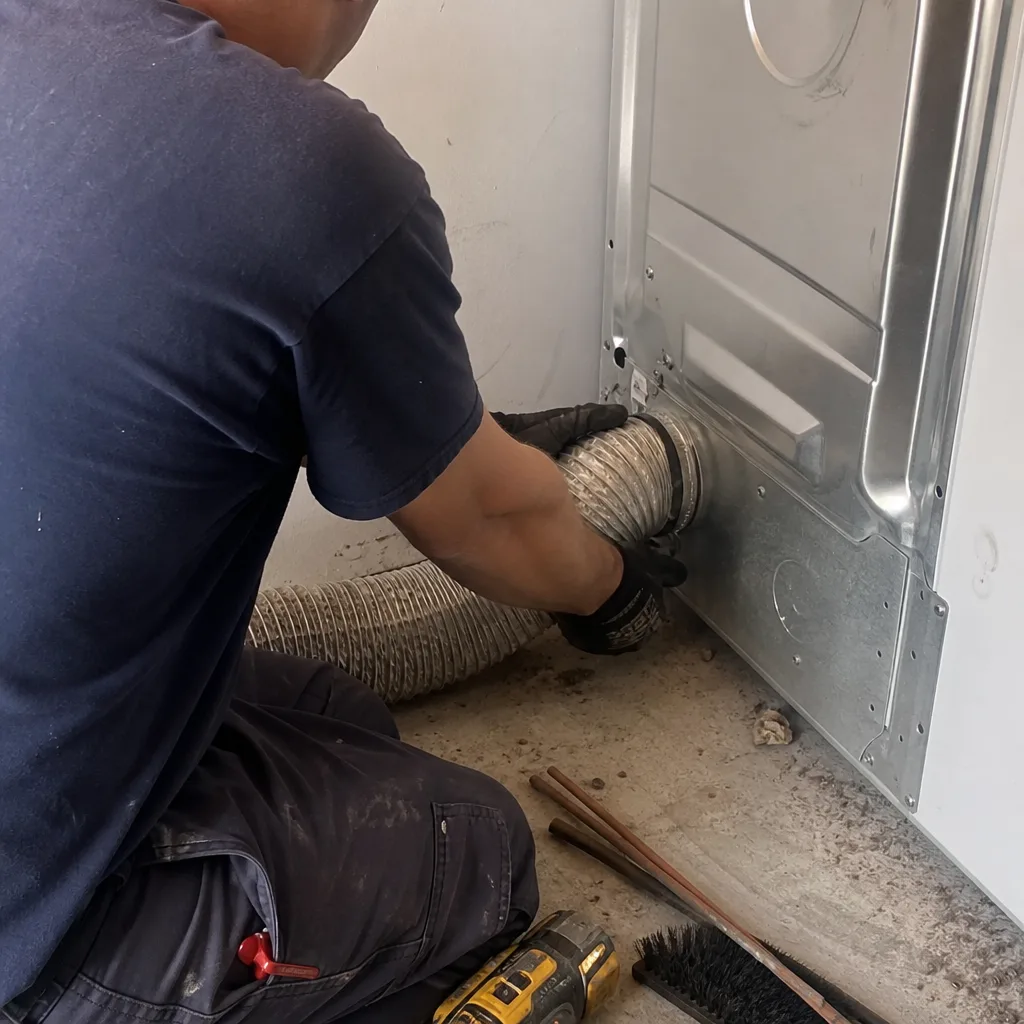
- Neglecting dryer vent cleaning. Lint accumulation in dryer vents is a genuine fire hazard, independent of duct contamination. In Denver’s static-prone winter air, lint ignition risk increases. Dryer Vent Cleaning in Denver should be evaluated on its own schedule, typically annually.
- Failing to verify equipment. Ask what machine will be used. A Rotobrush or Nikro system with HEPA extraction is purpose-built for duct cleaning. A shop vac with a 10-foot hose is not. Reputable companies name their equipment without hesitation.
- Skipping the post-job walkthrough. The technician should review photos with you, explain any findings, and confirm all access panels are sealed. Leaving before you verify the work is a red flag.
When to Call a Professional
Call for a documented inspection, not a cleaning, when: you’ve recently completed renovation work (drywall dust is abrasive to blower motors); you notice uneven airflow between rooms; your energy bills have risen without thermostat changes; or you’ve moved into a previously owned home with no maintenance records. In Denver’s active real estate market, pre-purchase duct inspection is increasingly common - we provide written findings suitable for negotiation, not just service quotes.
CleanRun Air Duct Cleaning Denver offers free estimates in Denver - call (720) 799-2292. Every estimate includes the camera inspection, written scope, and flat system price under Haven Standard Clause 1. No work starts without your signed approval.
Frequently Asked Questions
Complete residential air duct cleaning in Denver typically ranges from $400 for a compact condo system to $900 for a larger home with multiple zones, extensive trunk lines, or difficult access. Prices below $300 generally indicate partial-system work or arrival upselling. Call (720) 799-2292 for a written estimate based on your specific system - estimates are free and include the camera inspection.
Low quotes exclude necessary components: trunk lines, return plenums, access creation, or coil cleaning. The technician arrives, inspects, and presents a revised price that aligns with legitimate market rates. This model relies on sunk-cost psychology - you’re already committed, so you pay. A written scope with line-item boundaries prevents this. CleanRun’s written price under Haven Standard Clause 1 is the price you pay.
Require a before/after photo record from every duct run, with location identifiers and matching internal landmarks. Review the photos with the technician before they leave. The Documented Photo Record included on every CleanRun visit is delivered as a standard job record, not an optional add-on.
The EPA states there is no recommended interval for routine duct cleaning. Clean when inspection finds contamination that affects airflow or air quality, or after specific events like renovation or water damage. In Denver’s dry climate with quality filtration, many homes go 5-7 years between cleanings without issue. Annual “maintenance” cleaning is unnecessary and often a subscription sales tactic.
Smoke events can load ducts with fine particulate, especially if windows were open or filters were inadequate during the event. A camera inspection determines whether accumulation is significant enough to warrant cleaning. We inspected numerous Boulder County and Denver metro systems after the 2021 Marshall Fire; some required cleaning, others did not. Evidence first, service second.
Air duct cleaning addresses the distribution network: supply and return ducts, registers, and grilles. Air Duct Cleaning in Denver covers this scope. HVAC cleaning adds the air handler components: evaporator coil, blower assembly, and plenum. These are separate but complementary services. A dirty coil will recontaminate clean ducts, so full system evaluation matters.
The Bottom Line
Air duct cleaning in Denver is a diagnostic service first, a mechanical service second. The legitimate value lies in documented inspection, transparent scope definition, and verifiable execution - not in calendar schedules or fear-based marketing. Demand a written price before work starts, a camera inspection with photo deliverables, and equipment specifications you can verify independently. The $79 coupon economy survives on obscuring these standards. The alternative is a documented process that holds the provider accountable long after the truck leaves. Explore our more guides & resources for additional homeowner protection strategies.
CleanRun Air Duct Cleaning Denver has operated under these principles since 2013: written price first, documented photo record always, 365-Day Done Right Promise on every job. For a free estimate with camera inspection in Denver, call (720) 799-2292.
Written by Tomas Reyes, Owner at CleanRun Air Duct Cleaning Denver, serving Denver since 2013.