
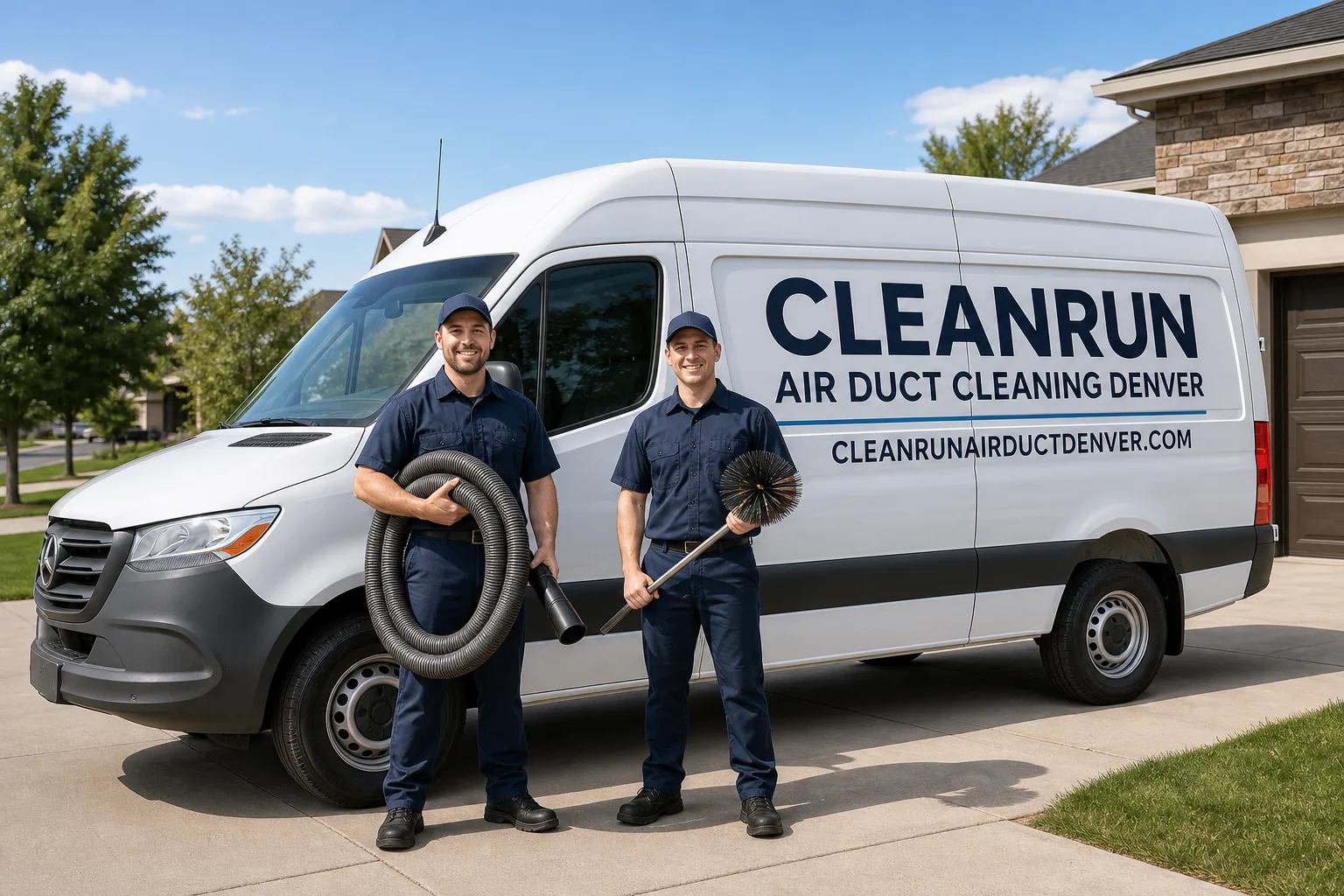
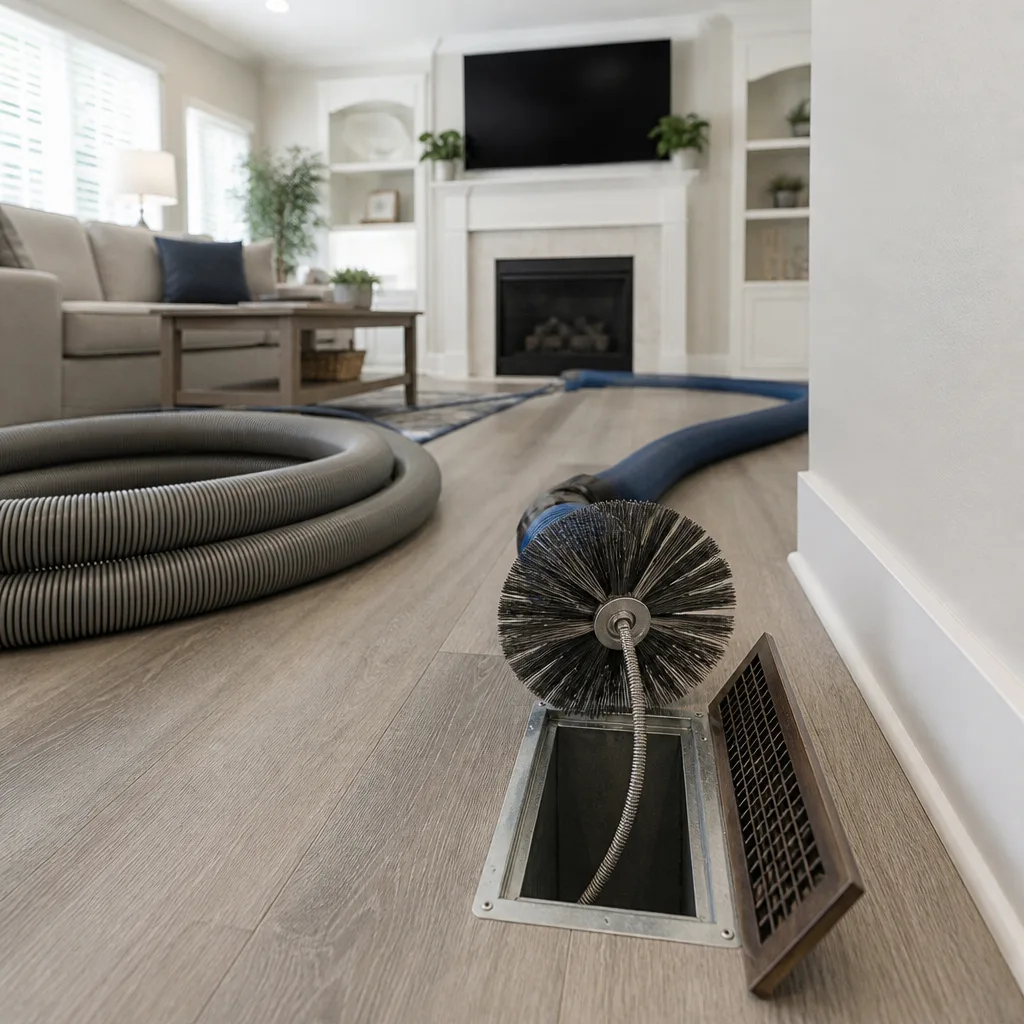
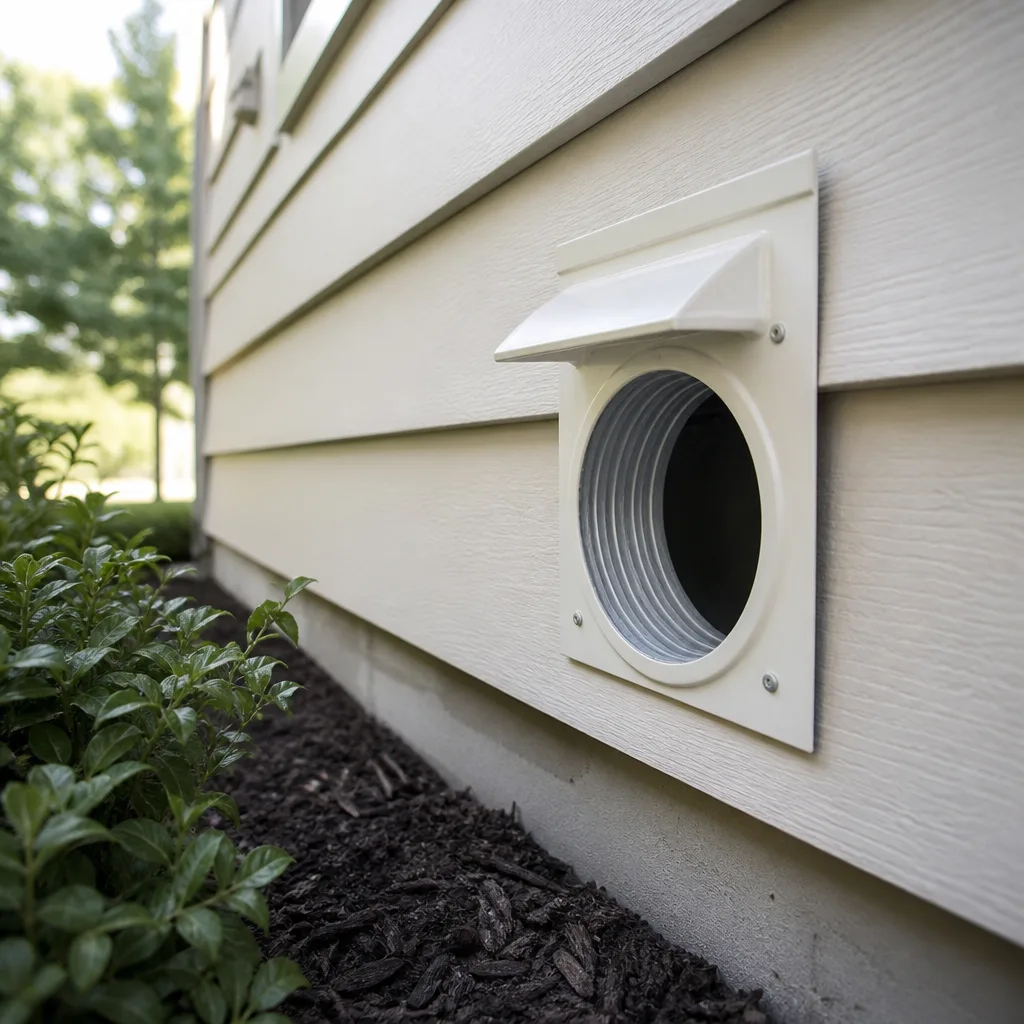
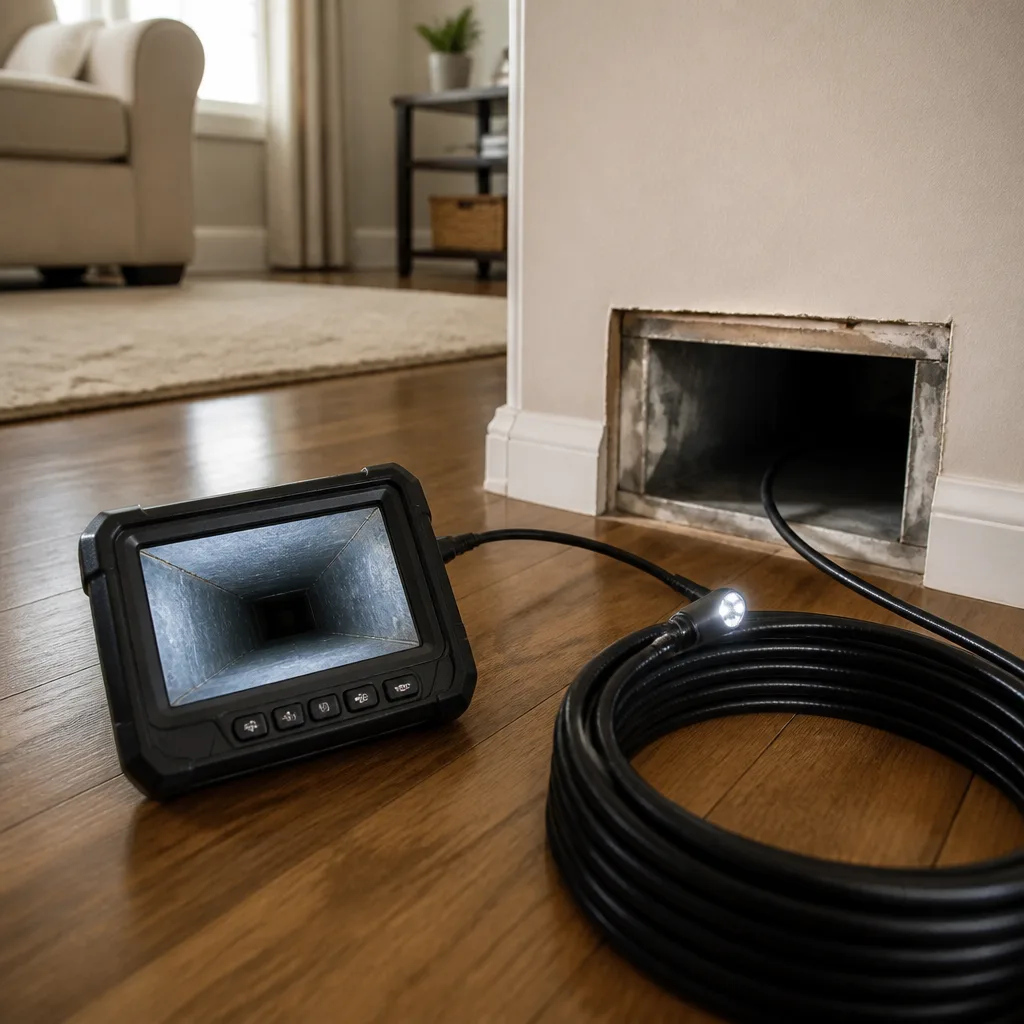
Whole-system duct and dryer vent check with before-and-after photos - you see exactly what came out of your vents
That "$99 whole-house special" is a bait ad - the real number appears once they are in your hallway, or the "clean" is a shop-vac at the register. We photograph the inside of your ducts before and after instead.
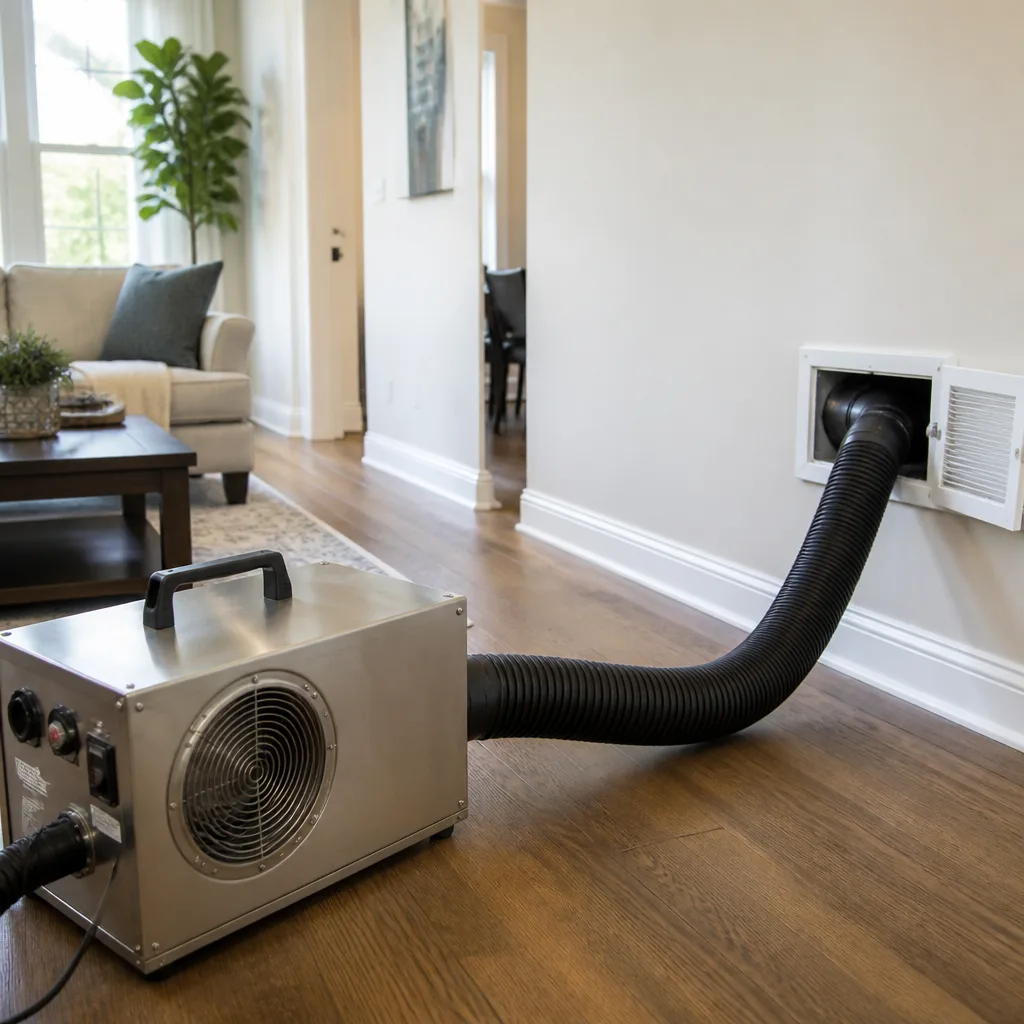
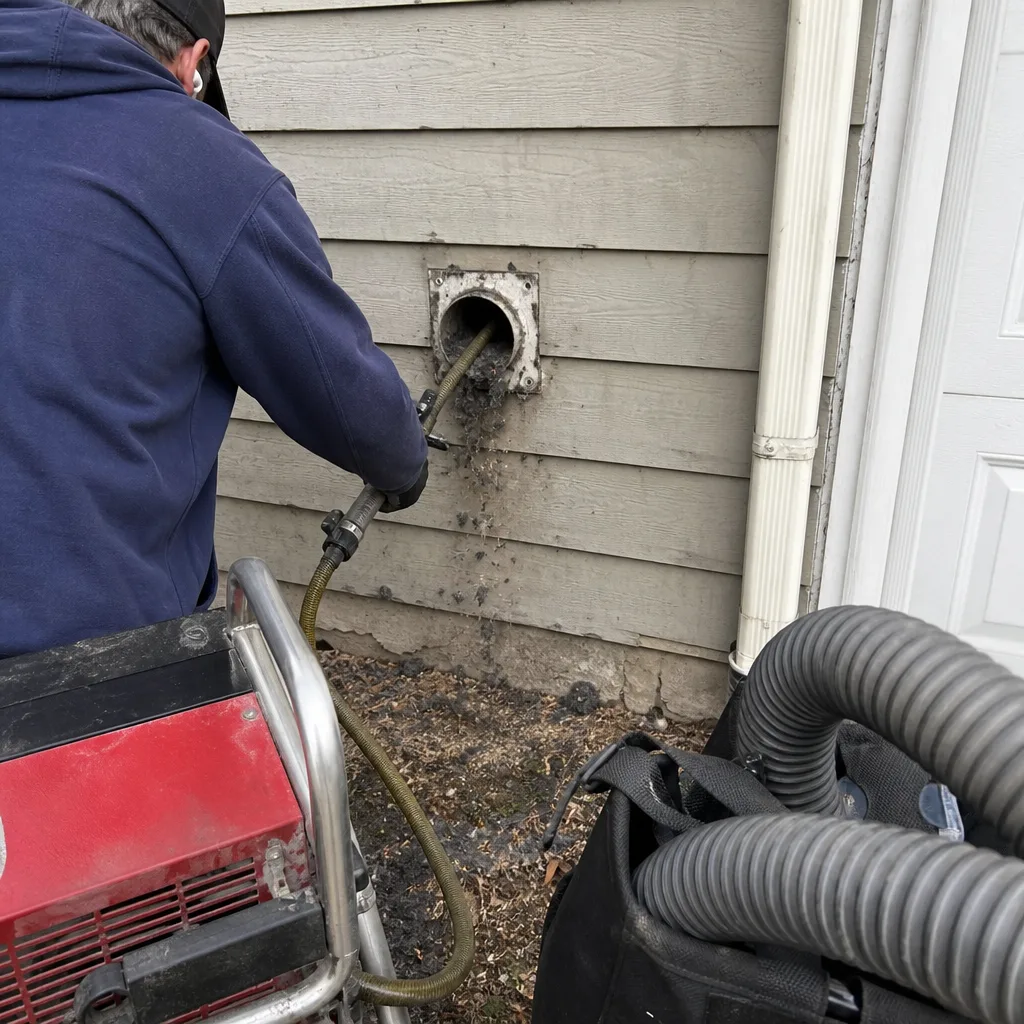 Before
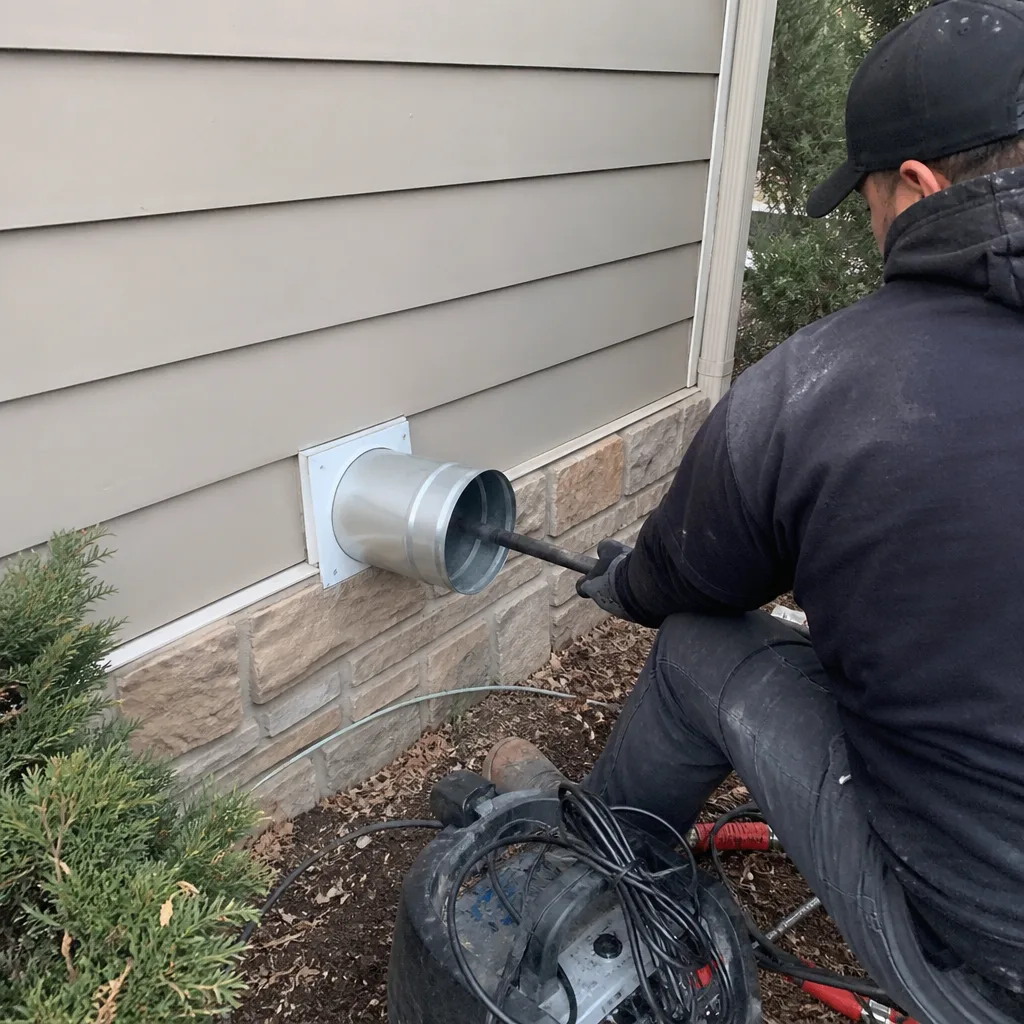 After
After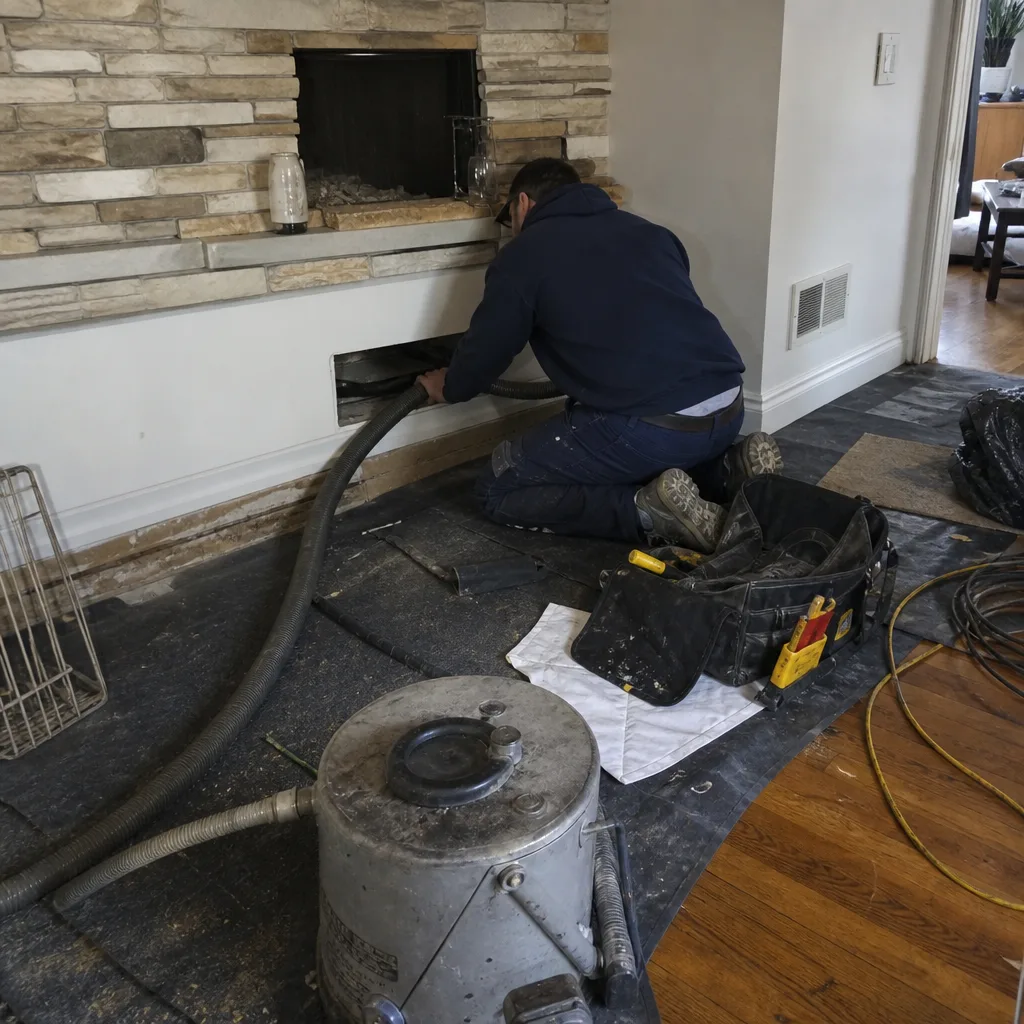 Before
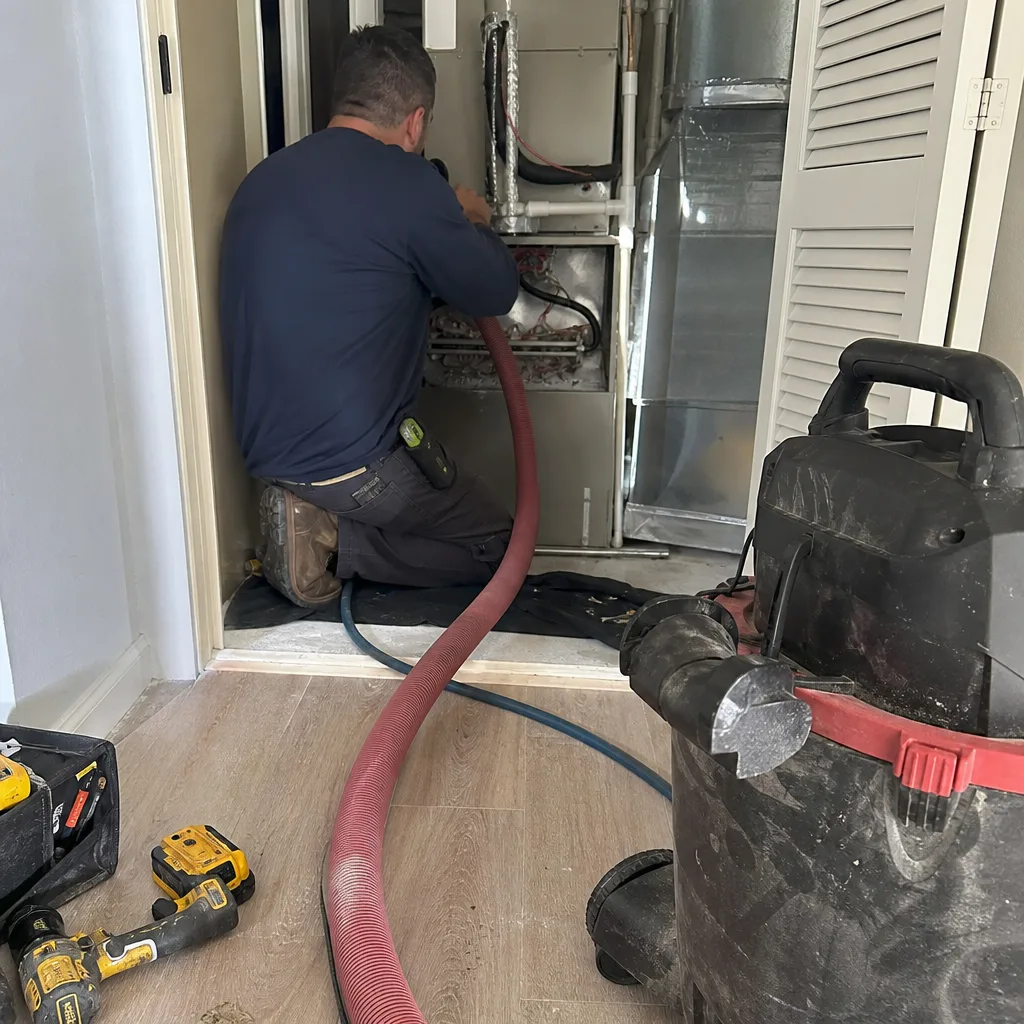 After
After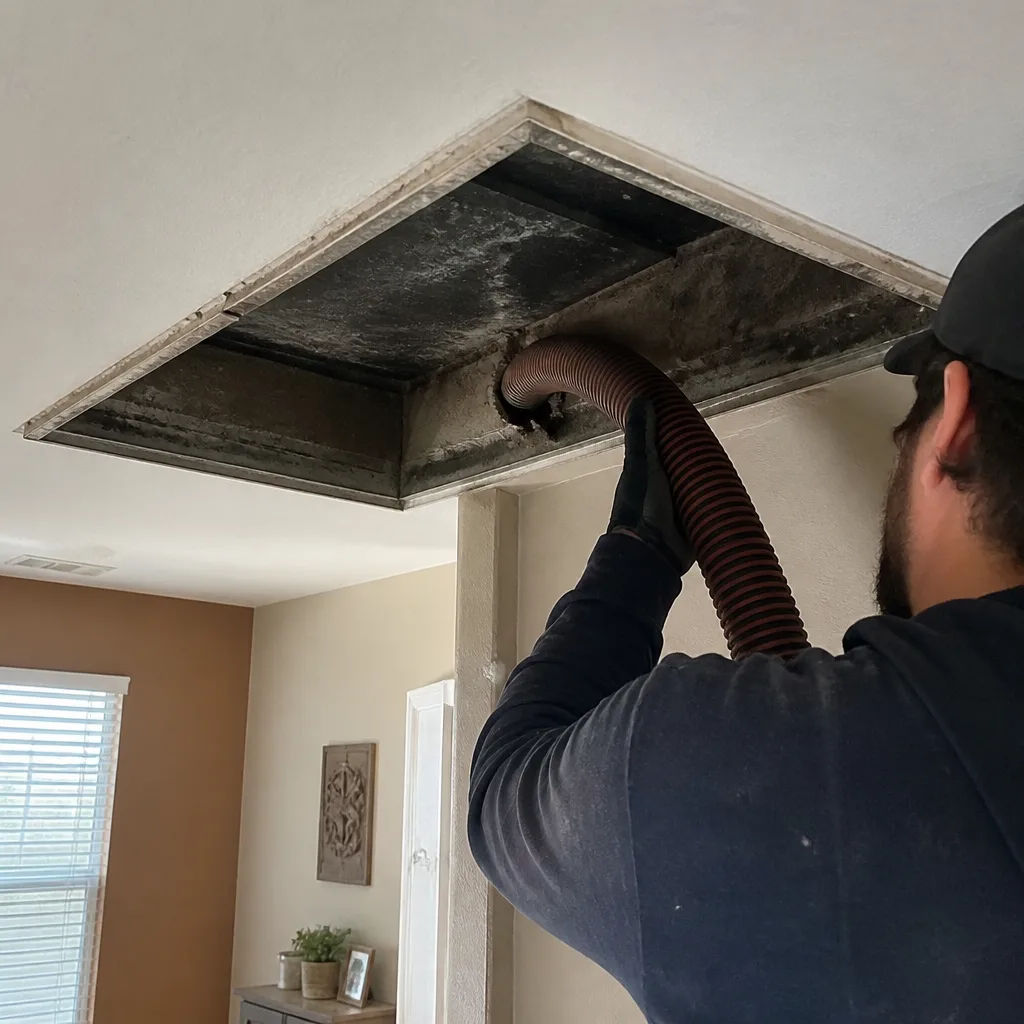 Before
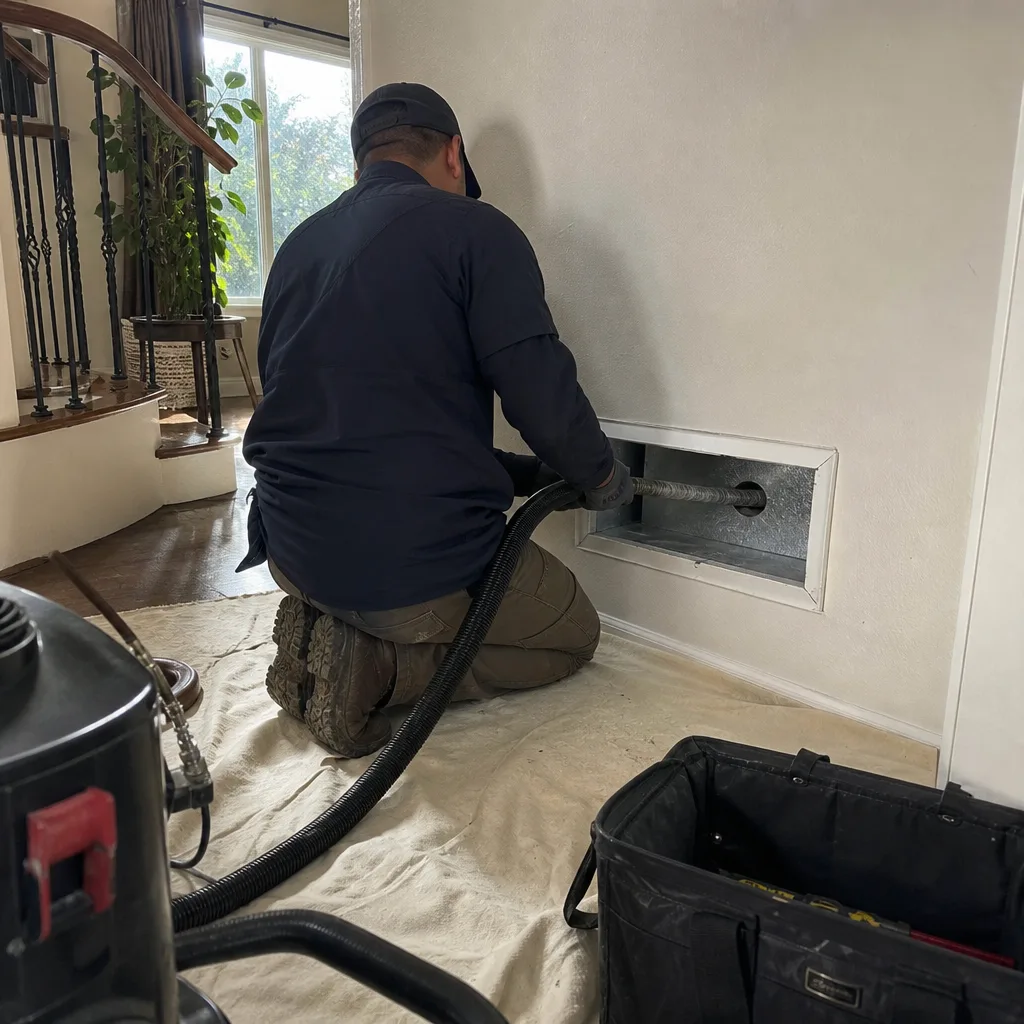 After
AfterTrusted HVAC Cleaning for Denver Homeowners
HVAC cleaning in Denver typically runs $280-$650 for a complete system service, depending on which components need attention and how accessible your unit is. Most jobs take two to four hours, and every CleanRun visit starts with a written price before any panel comes off. Call (720) 799-2292 for a free estimate with no obligation to book.
We’ve been cleaning HVAC systems in Denver since 2013, and we’ve documented the inside of over 52,000 units. What we’ve found: a lot of homeowners who thought they needed a new furnace actually needed the evaporator coil cleaned, and a lot of “mystery” cold spots traced back to a blower wheel packed with construction dust from 2017. The camera doesn’t lie. We photograph every component before we touch it and after we’re done, and we deliver that record to you as part of the standard job. No guesswork, no surprises, no $79 coupon that turns into a $900 invoice once the truck is in your driveway.
Denver’s climate puts specific stress on HVAC systems. The dry winters pull static-charged dust into return ducts at higher rates than humid coastal cities. Spring windstorms deposit fine particulate that settles on condenser fins. And the altitude means systems work harder, cycle more frequently, and accumulate debris faster than identical equipment at sea level. We’ve cleaned coils in Capitol Hill bungalows built in 1920 and air handlers in new construction in Stapleton. We know what Denver’s conditions do to equipment because we’ve photographed the evidence.
What Our HVAC Cleaning Service Includes
Evaporator Coil Cleaning
The evaporator coil sits inside your air handler or furnace and absorbs heat from indoor air as refrigerant passes through it. When dust and biofilm coat the fins, airflow drops, ice forms, and your system runs longer to deliver less cooling. In Denver, we regularly see coils choked with pet hair and fine dust that bypassed the filter during winter inversion periods. We use foaming cleaners and low-pressure rinses designed for aluminum fins, then photograph the coil face before and after. If the fins are corroded from years of neglect, we’ll document that too and show you exactly what we’re seeing.
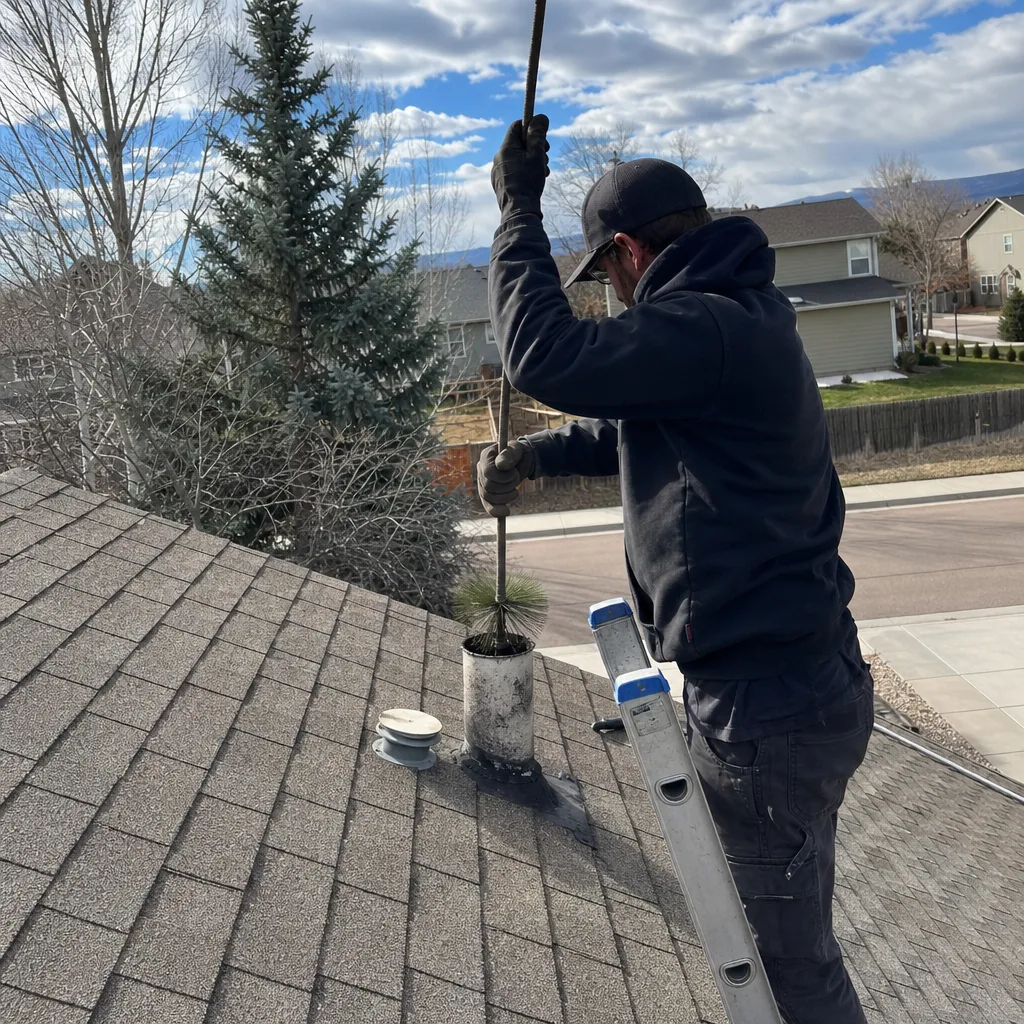
Blower Cleaning
The blower wheel and motor assembly push conditioned air through every duct run in your home. When the wheel blades collect dust, they become unbalanced, draw more amperage, and eventually stress the motor bearings. We’ve pulled blower assemblies in Denver homes where the wheel was so packed with debris that it looked like a solid cylinder. After removal, we clean the wheel, housing, and motor compartment with HEPA-contained vacuums, then balance the assembly before reinstalling. The photo record shows you the difference between a wheel that moves air and one that just makes noise.
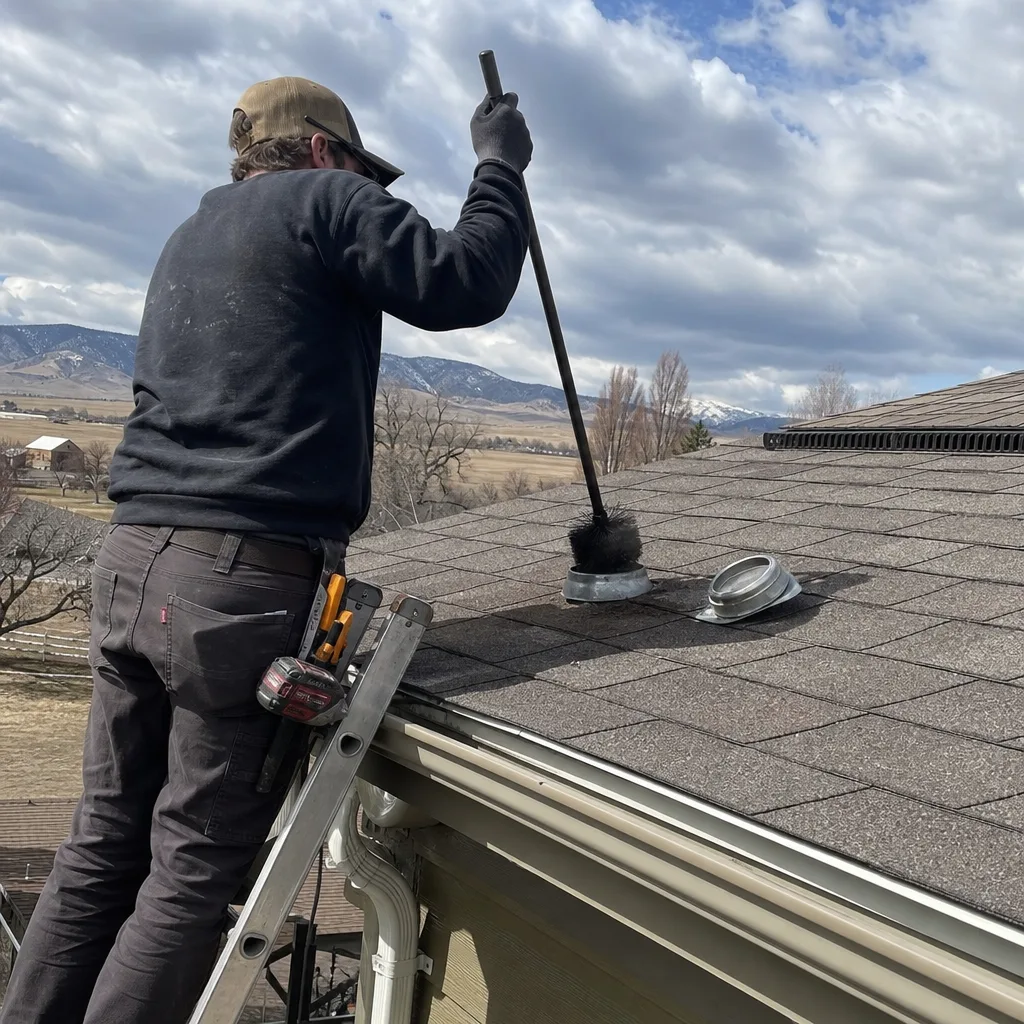
Condenser Cleaning
Your outdoor condenser unit rejects heat to the outside air through thin aluminum fins that wrap around copper tubing. Cottonwood fluff, spring pollen, and Denver’s fine road dust lodge between these fins and act like insulation, raising head pressure and shortening compressor life. We remove the fan guard and clean from the inside out with foaming agents and fin combs, straightening any bent fins we find. In neighborhoods near Cherry Creek or the High Line Canal, cottonwood density can clog a condenser in a single season. We’ll show you the debris load and the cleaned result in the photo record.
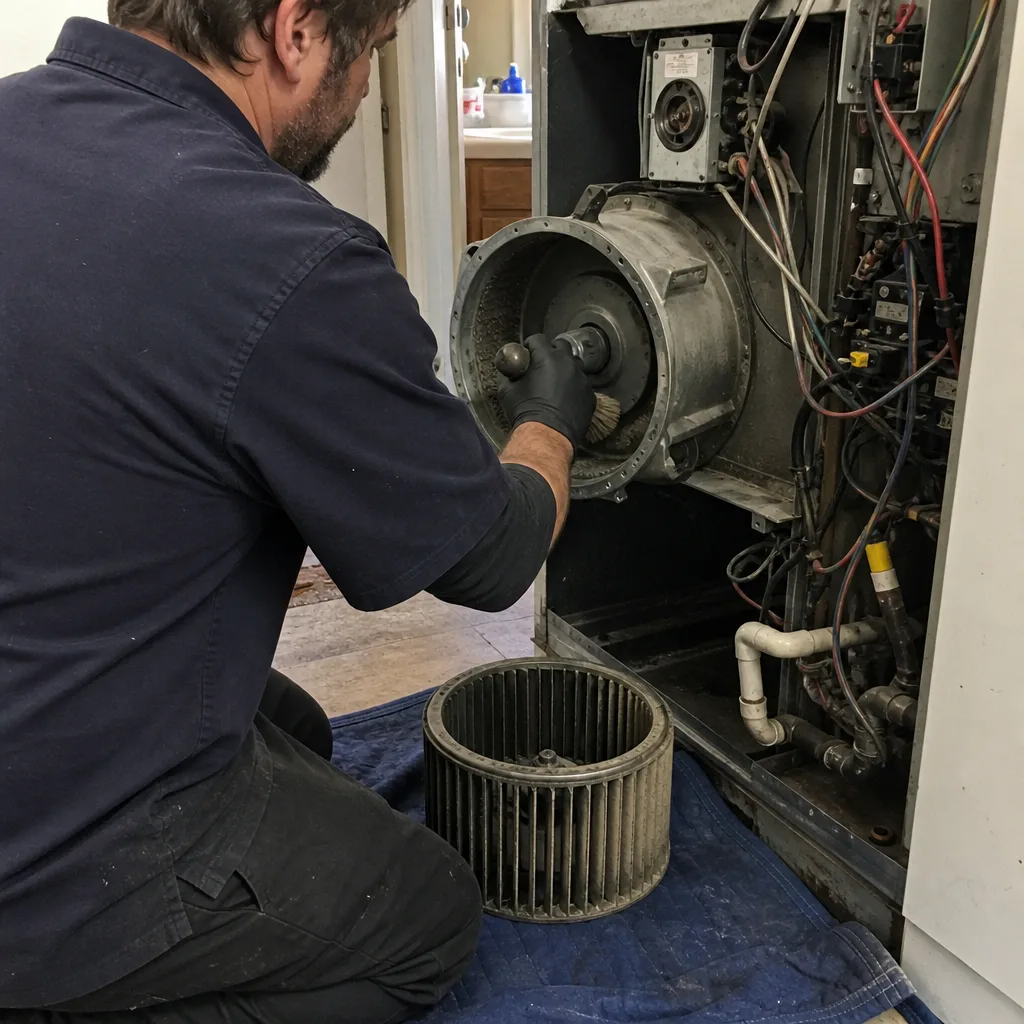
Air Handler Cleaning
The air handler is the metal box that houses your blower, evaporator coil, and often the heat exchanger. It’s the central junction of your HVAC system, and everything that passes through your ducts passes through this box first. We clean the interior surfaces, drain pan, and primary drain line, then treat the pan with algaecide to prevent clogs. In Denver’s dry climate, drain pan cracks from thermal cycling are common; we document any we find so you can address them before water damage occurs. The photo record includes every surface we touched.
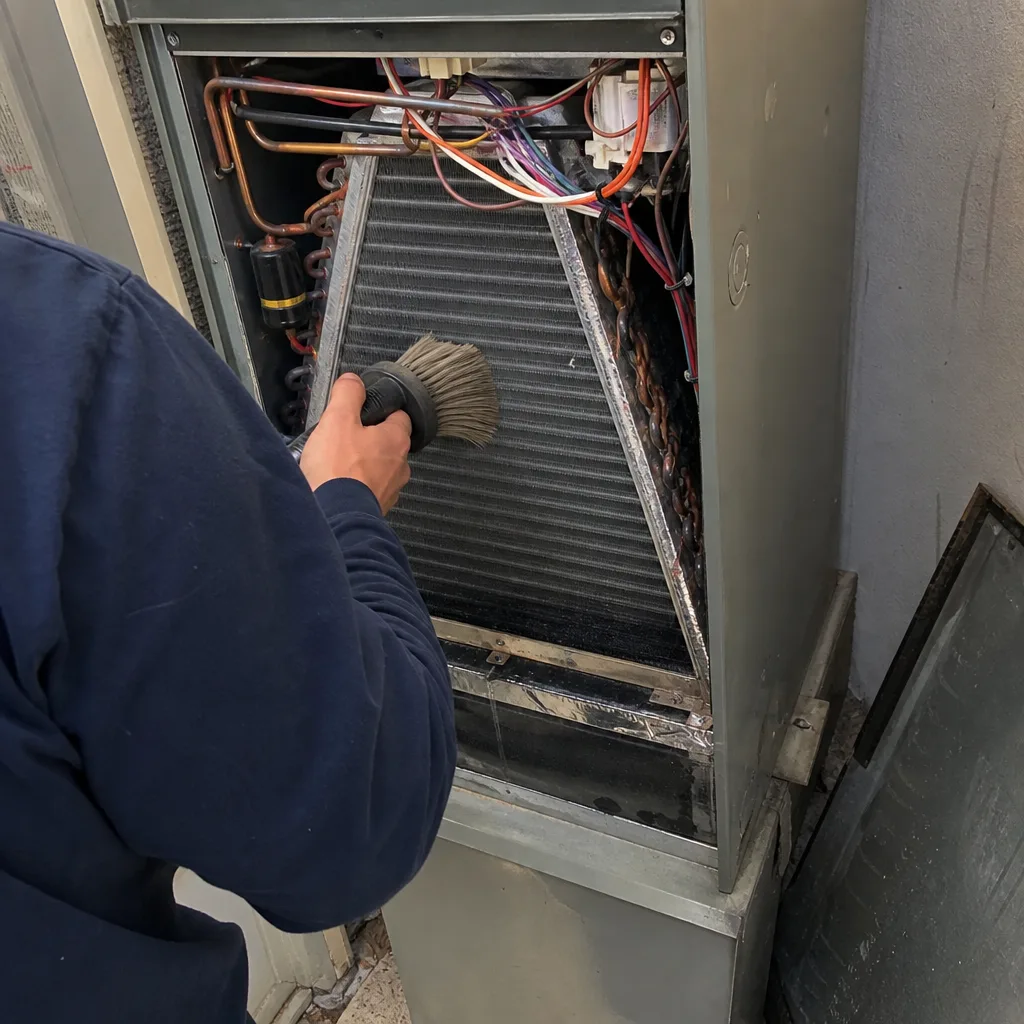
Heat Exchanger Cleaning
The heat exchanger separates combustion gases from your breathing air. Soot and scale buildup reduce efficiency and can create dangerous conditions if cracks develop. We inspect with borescope cameras and clean with soft brushes and vacuum extraction, never high-pressure methods that could damage metal. In older Denver homes near Washington Park or Park Hill, we’ve found heat exchangers with years of deferred maintenance that were still structurally sound once cleaned and inspected. We document the inspection and cleaning with photos you can keep for your records.
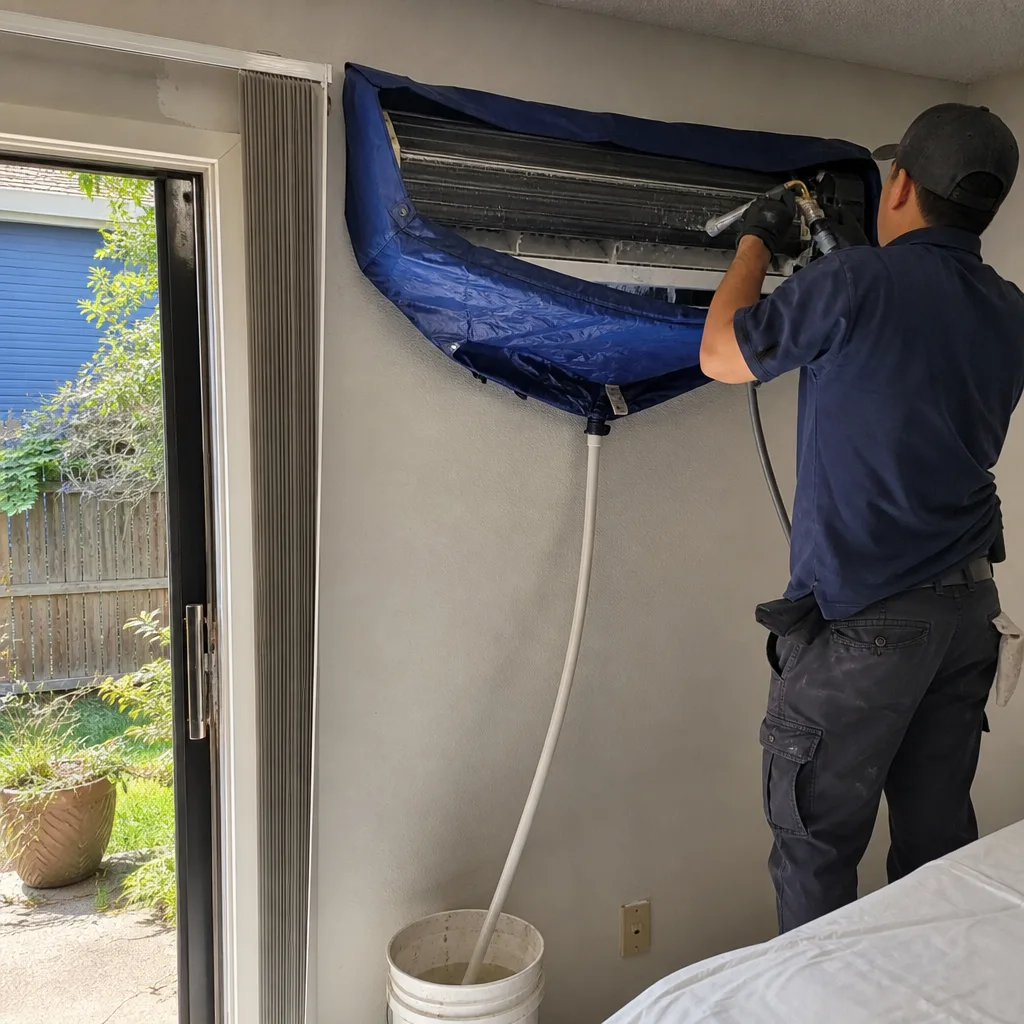
Coil Treatment
After mechanical cleaning, we apply EPA-registered antimicrobial treatments to evaporator and condenser coils where indicated. This isn’t a perfume mask; it’s a controlled application of biocide that inhibits mold and bacterial growth on wet coil surfaces. In Denver, where evaporator coils stay cold and dry for much of the year, biological growth is less aggressive than in humid climates, but summer monsoon humidity can create conditions for mold in poorly drained pans. We treat only where we find evidence of growth, document the condition in the before photo, and show you the treated result after.
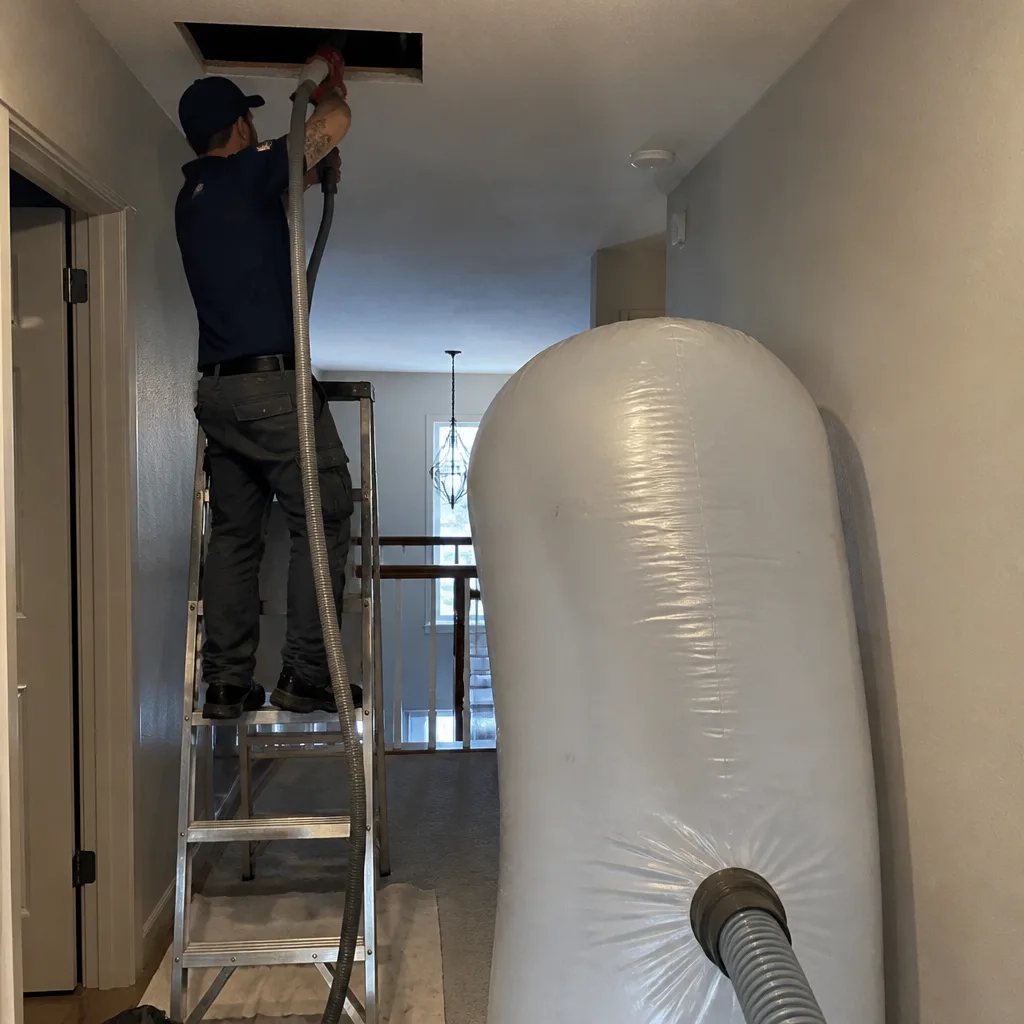
What happens when you call
- 1
A real person answersNo phone trees - you reach a local pro.
- 2
You get an upfront price rangeHonest numbers before anyone is dispatched.
- 3
A background-checked tech heads outLicensed & insured, dispatched right away.
- 4
You approve before work beginsNothing starts until you say go.
Brands We Service for HVAC Cleaning
We’ve cleaned HVAC components manufactured by Carrier, Trane, Lennox, Rheem, Goodman, York, Bryant, American Standard, Ruud, and Amana. Our crews carry cleaning attachments sized for the specific coil geometry and blower configurations these brands use, and we’ve documented enough of each to know where debris tends to accumulate. Carrier’s N-coil evaporators, for example, trap dust at the center V where airflow velocity drops; Trane’s spine-fin coils require gentler brush pressure to avoid fin damage. We’ve serviced hundreds of Honeywell air cleaners integrated with these systems, and we stock replacement media for their F100 and F200 series when the existing filter is beyond cleaning.
We also regularly clean systems with Aprilaire humidifiers and media air cleaners installed downstream of the air handler. Their bypass humidifier pads can become mineral-encrusted in Denver’s hard water, and their Model 5000 electronic air cleaner cells need specific handling during HVAC service. Whether you have a premium brand with integrated IAQ components or a basic builder-grade system, we photograph every component, explain what we found, and deliver a written scope with your price before any work begins. If you have a written estimate from another company, bring it; under Haven Standard Clause 1, we’ll put our number next to it at no cost for a second opinion.
BeforeAfterSigns You Need HVAC Cleaning Right Now
- Your energy bills climbed without rate increases. When coils and blowers are dirty, your system runs longer cycles to deliver the same heating or cooling. We’ve seen Denver homeowners pay 30% more for electricity in July because a condenser was clogged with cottonwood, not because the compressor was failing. The photo record shows you exactly where the efficiency loss was coming from.
- Some rooms never reach the thermostat setpoint. Restricted airflow from a dirty blower or blocked evaporator coil can’t push enough conditioned air to distant registers. In two-story Denver homes in Highlands Ranch and Centennial, we frequently trace upstairs temperature complaints to a blower wheel that’s lost 40% of its effective capacity to dust buildup.
- You smell musty or dusty air when the system cycles on. Odors don’t come from clean metal. They come from microbial growth on wet coils, dust accumulation in the blower housing, or debris in the ductwork downstream. We find the source, photograph it, and clean it. If the odor persists after mechanical cleaning, we’ll tell you that too, not sell you another treatment.
- Your system short-cycles, especially in cooling mode. A dirty evaporator coil can ice over, triggering the pressure switch or defrost control to shut the compressor off prematurely. The house doesn’t cool, the ice melts, and the cycle repeats. We’ve documented this pattern in Denver homes where the coil looked clean from the outside but was packed between the fins where you can’t see without a borescope.
- It’s been more than three years since any HVAC component was cleaned. Manufacturer maintenance schedules vary, but three years is the outer limit for Denver’s dust load and seasonal cycling. After that point, accumulated debris begins to cause measurable efficiency loss and component stress. We can show you what three years of buildup looks like, and what your system looks like after proper cleaning.
Our HVAC Cleaning Process - Step by Step
- 1
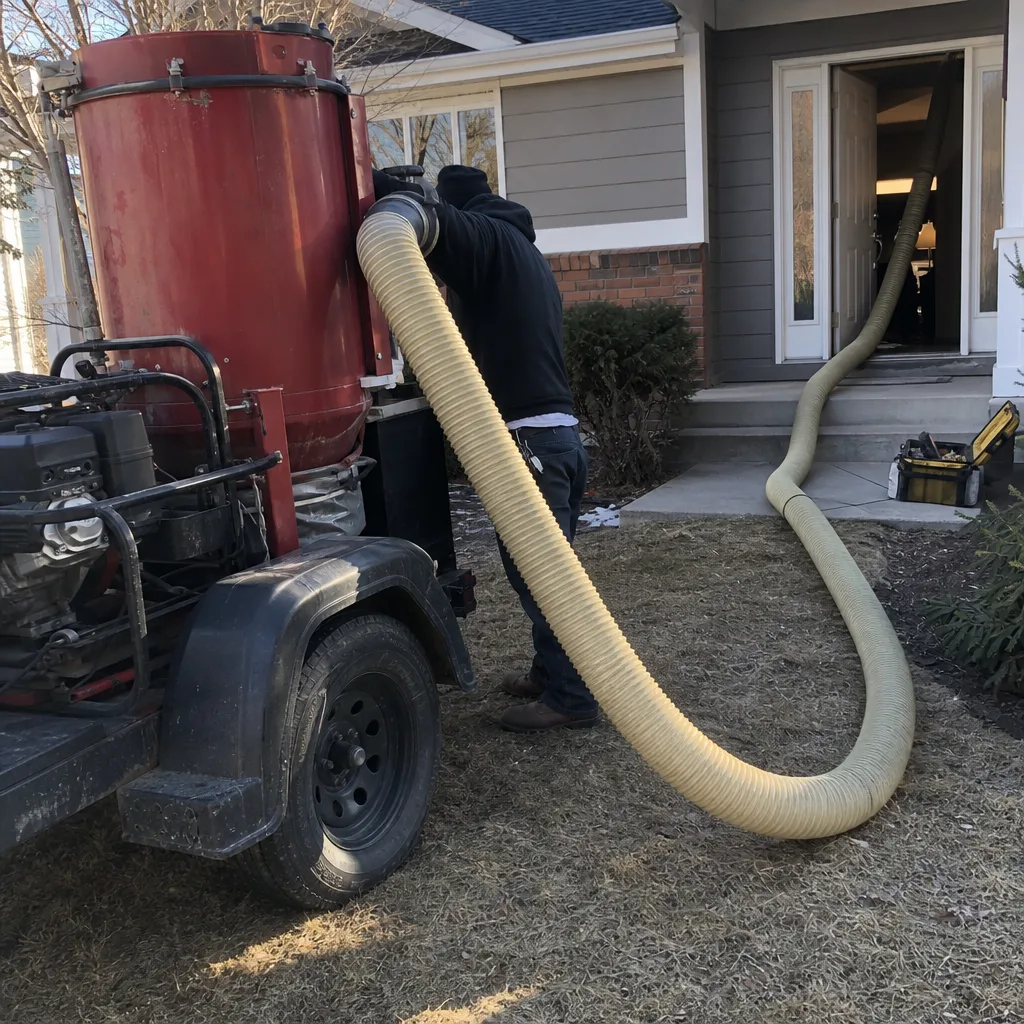
Arrival and system assessment. Our technician arrives in a marked CleanRun vehicle, uniformed and identified by name per Haven Standard Clause 3: Verified Crews. We locate your indoor and outdoor units, record model and serial numbers, and run the system through a complete heating and cooling cycle to establish baseline performance. We note any error codes, unusual sounds, or temperature splits that might indicate problems beyond cleaning scope.
- 2
Written price delivery. Before touching a tool, we deliver a written price for the specific cleaning your system needs. This is Haven Standard Clause 1: no exceptions, no “call for a quote,” no estimate that changes once work begins. The price covers the complete scope, not a per-vent or per-component teaser. You approve it in writing, or we leave with no charge for the visit.
- 3
Component photography and cleaning. We photograph every component before cleaning: coil face, blower wheel, condenser fins, heat exchanger surface, air handler interior. Then we clean using methods appropriate to each material and contamination type. Foaming cleaners for coils, HEPA-contained vacuums and soft brushes for blowers, fin combs and foaming agents for condensers. We use Rotobrush and Nikro equipment selected for the specific job, not one tool for every surface.
- 4
Post-cleaning documentation and testing. After cleaning, we photograph every component again from the same angles. We run the system and measure temperature split, static pressure, and amperage draw against the baseline recorded in step one. If the numbers don’t improve, we investigate why, not declare the job done and leave.
- 5
Deliverables and warranty. You receive the complete photo record, the written scope of work, and the 365-Day Done Right Promise in writing before we pack up. If any cleaned component shows the same contamination within a year due to workmanship, we return and correct it. The documentation is yours to keep for warranty claims, home sale disclosures, or your own records.
How Much Does HVAC Cleaning Cost in Denver?
A typical evaporator coil cleaning in Aurora and Denver runs $180-$340. Blower cleaning ranges from $200-$380 depending on whether the assembly requires full removal. Condenser cleaning is usually $150-$280 for standard residential units. A complete air handler cleaning, which includes the housing, drain pan, and associated components, typically falls between $250-$420. Heat exchanger cleaning and inspection with borescope documentation runs $220-$390. Coil treatment, when indicated, adds $80-$150 to the relevant component service.
A full-system HVAC cleaning that addresses all accessible components generally ranges from $480-$850 in the Denver metro area, including Englewood HVAC cleaning. The variance depends on system accessibility (attic installations in older Denver homes take longer), the number of components that actually need attention (we don’t clean clean parts), and whether any components require disassembly for proper access.
What affects your price: system location and accessibility, the degree of contamination documented in the initial inspection, whether components are standard residential size or oversized for larger homes, and any necessary disassembly or reassembly. What doesn’t affect your price: how many vents you have, what neighborhood you live in, or whether you mention a competitor’s coupon.
How to avoid overpaying: get the scope in writing before work starts, verify that “HVAC cleaning” includes the specific components you need cleaned, and ask for a photo record as proof of work performed. The $79 “whole house special” that some Denver companies advertise typically covers a visual inspection and surface vacuuming, not component-level cleaning with documentation. We’ve been called in after those visits to do the actual work.
What’s included in our free estimate: a technician visit, system assessment, contamination documentation with photos, and a written price for the specific scope your system needs. No obligation to book. Bring a competitor’s written estimate and we’ll provide a free second opinion under Haven Standard Clause 1.
HVAC Cleaning Near Denver - Our Service Area
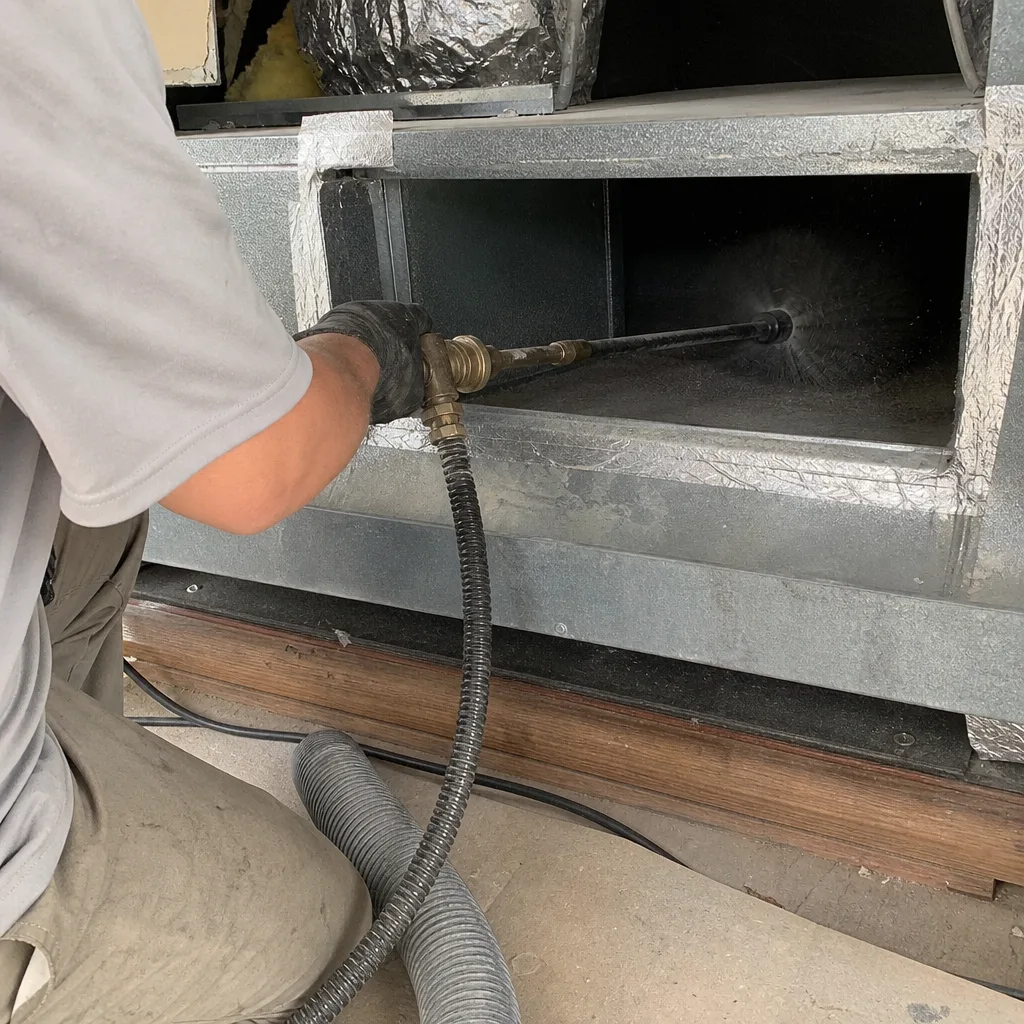
We clean HVAC systems throughout the Denver metro area and surrounding communities. Our standard service territory includes HVAC Cleaning in Englewood, HVAC Cleaning in Greenwood Village, Thornton, Aurora, Centennial, Arvada, Westminster, Lakewood, Littleton, Brighton, and Highlands Ranch. Most appointments are scheduled within a few business days, and our technicians carry the full equipment roster so we’re prepared for your specific system on the first visit, not a return trip. Whether you’re in a 1920s bungalow in Berkeley or new construction in Reunion, the process is the same: written price first, documented work, photo record delivered.
Serving Denver, CO - Our Local Coverage Area
We’re based in the Denver area and know this community well. Use the map below to see our service coverage - if you’re nearby, we can almost certainly help.
Frequently Asked Questions - HVAC Cleaning in Denver
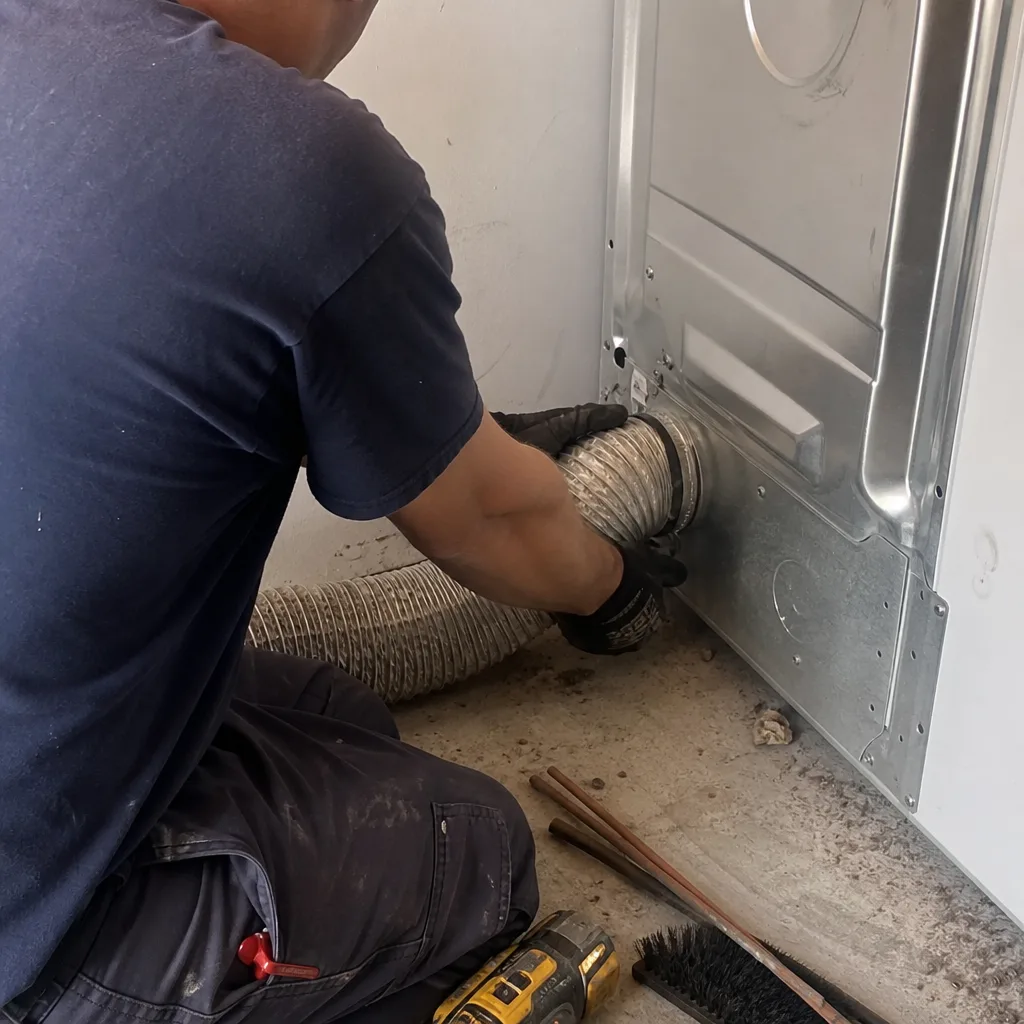
HVAC cleaning addresses the mechanical components that heat, cool, and move air: the evaporator coil, blower, condenser, heat exchanger, and air handler. Air duct cleaning removes debris from the distribution ducts that carry conditioned air to your rooms. We offer both services, and many Denver homeowners benefit from combining them, but they are distinct scopes with different pricing and documentation. If you’re unsure which your system needs, we assess both during the free estimate and quote only what’s indicated.
A single-component cleaning, such as an evaporator coil or condenser, typically takes 60-90 minutes. A complete system cleaning with multiple components generally requires 2.5-4 hours, depending on accessibility and contamination level. We don’t rush; we document every step, and we test performance before and after. If your system is in a cramped attic or requires significant disassembly, we’ll tell you that when we deliver the written price, not discover it midway through the job.
Component-level cleaning ranges from $150-$420 per element, and full-system service typically runs $480-$850. The exact price depends on what your system needs, where it’s located, and what the initial inspection documents. We deliver that price in writing before work begins, every time, with no per-vent add-ons or post-arrival upsells. Call (720) 799-2292 for a free estimate with exact numbers for your specific system.
We clean components from Carrier, Trane, Lennox, Rheem, Goodman, York, Bryant, American Standard, Ruud, Amana, and others. We also service integrated Honeywell and Aprilaire air quality components. The cleaning methods vary by coil geometry and material, but we’ve documented enough of each major brand to know the specific approach your system needs. If you have an uncommon or obsolete brand, we assess during the free estimate and confirm our capability before quoting.
We do not promise same-day dispatch. HVAC cleaning is a scheduled maintenance service, not an emergency response, and proper documentation takes time we won’t compress. If your system has failed entirely and you need diagnostic or repair service, we can assess whether cleaning is a contributing factor during the estimate visit. For true emergencies, such as suspected carbon monoxide from a cracked heat exchanger, we recommend evacuating and calling your utility or fire department first.
Every job is backed by the 365-Day Done Right Promise: if the work is not right, we make it right, documented in writing on every invoice. This is not a manager-discretion policy; it’s a written guarantee. Additionally, Haven Standard Clause 1 requires written pricing with no post-quote changes, and Clause 3 requires verified, background-checked technicians. The photo record serves as the baseline documentation for any warranty claim.
Ensure clear access to your indoor unit, outdoor condenser, and electrical panel. Remove any stored items within three feet of the air handler or furnace. If you have pets, secure them in a separate room during the service. You don’t need to clean beforehand; we’re documenting the actual condition, not a prepared state. We’ll need someone present to approve the written price before work begins and to receive the photo record and documentation at completion.
Schedule Your HVAC Cleaning Service in Denver Today
Call (720) 799-2292 to schedule your free estimate. A live person will answer, 24 hours a day, and we’ll book a technician visit at your convenience. You’ll receive a written price before any work begins, a documented photo record of every component cleaned, and the 365-Day Done Right Promise in writing. No coupons, no surprises, no vacuum noise passed off as professional work. Just evidence you can see and a price you can hold us to.
Written by Tomas Reyes, Owner at CleanRun Duct Repair & Cleaning, serving Denver since 2013.