
Whole-system duct and dryer vent check with before-and-after photos - you see exactly what came out of your vents
That "$99 whole-house special" is a bait ad - the real number appears once they are in your hallway, or the "clean" is a shop-vac at the register. We photograph the inside of your ducts before and after instead.
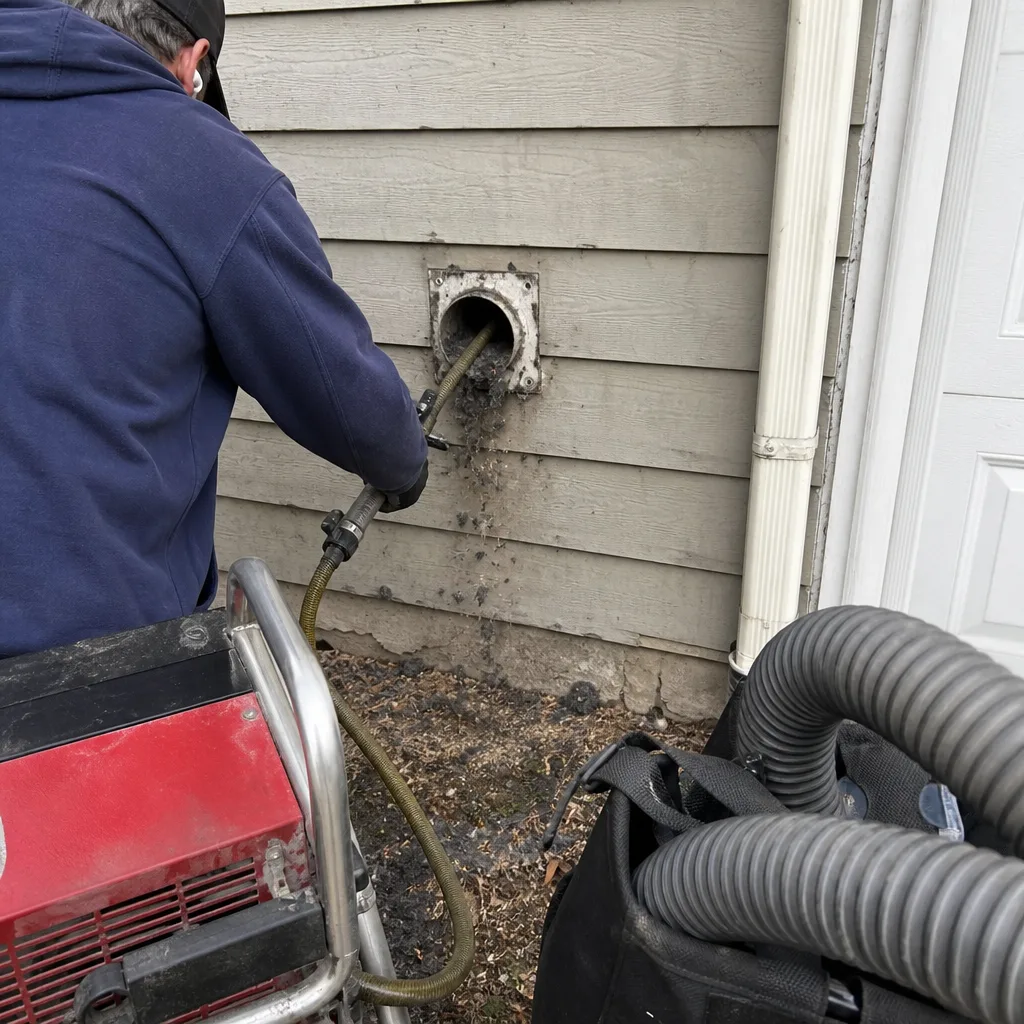 Before
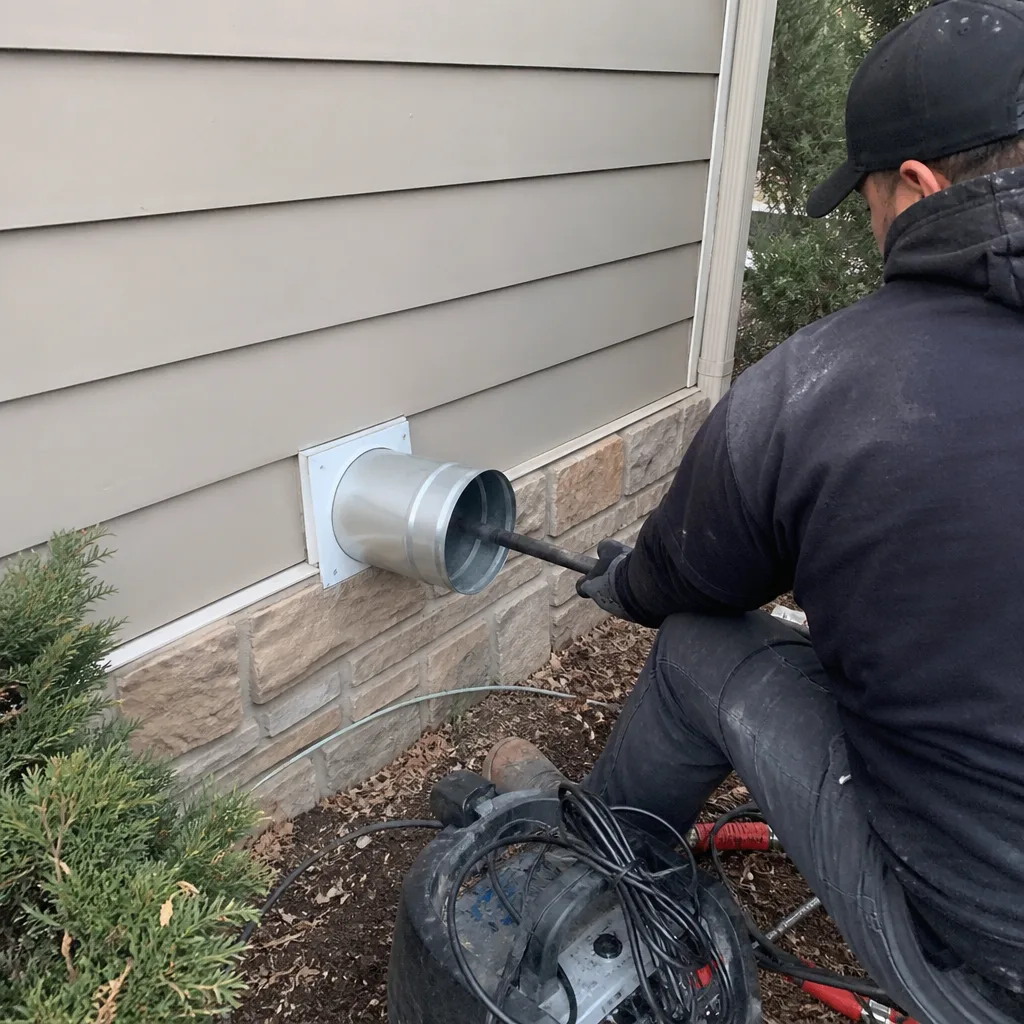 After
After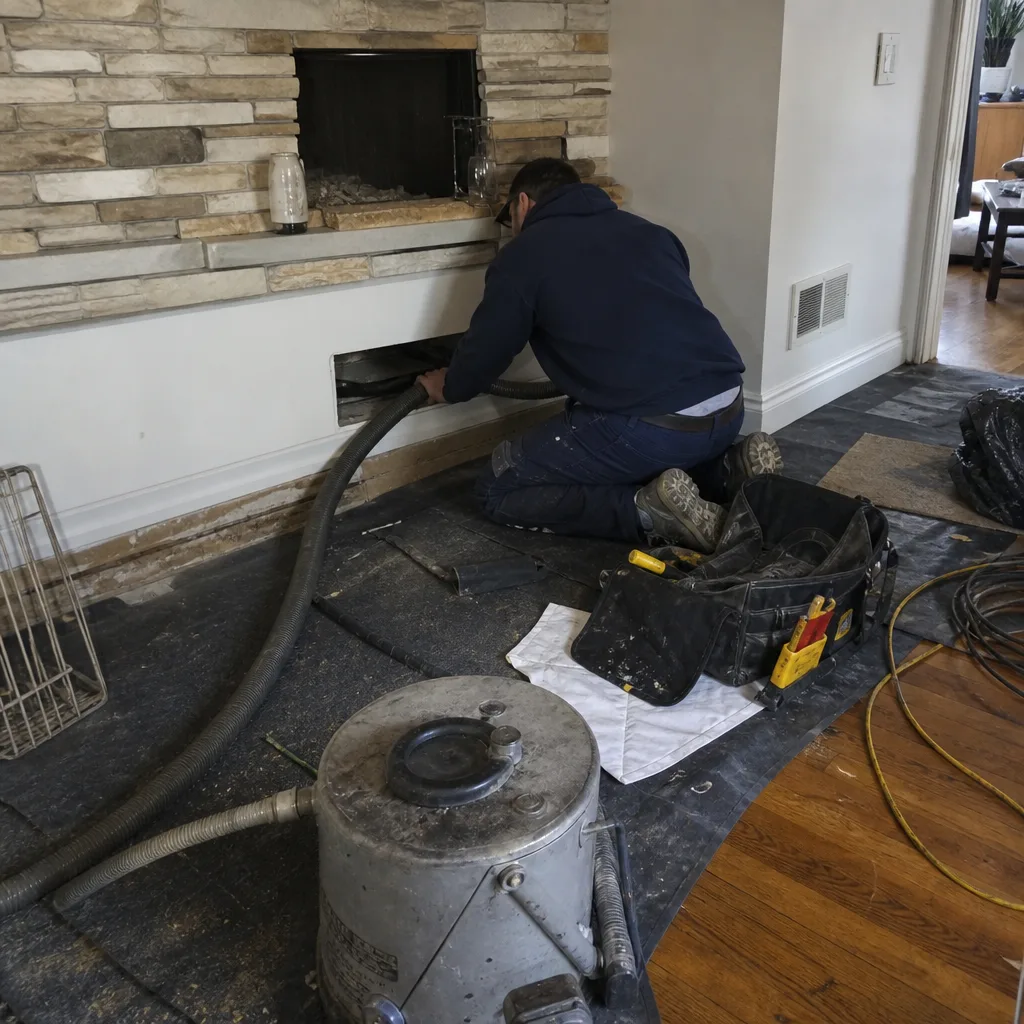 Before
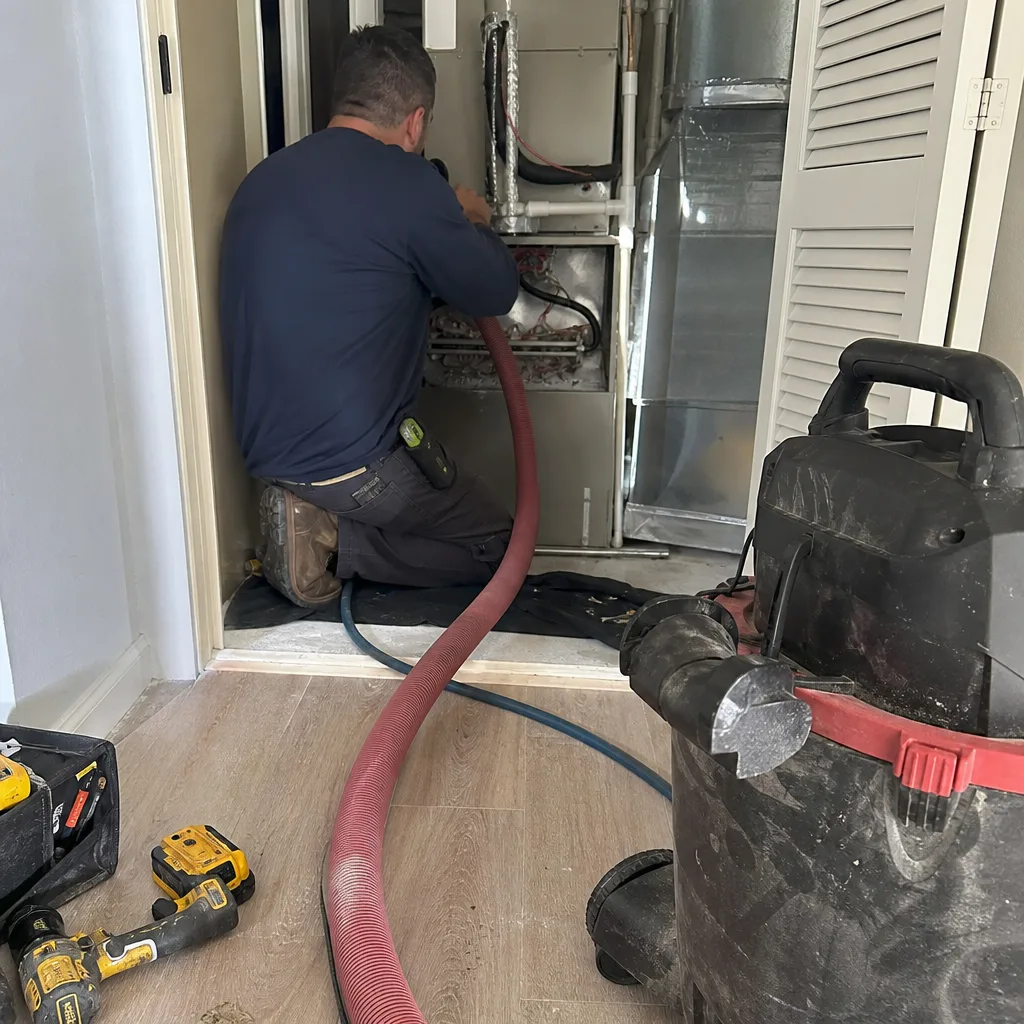 After
After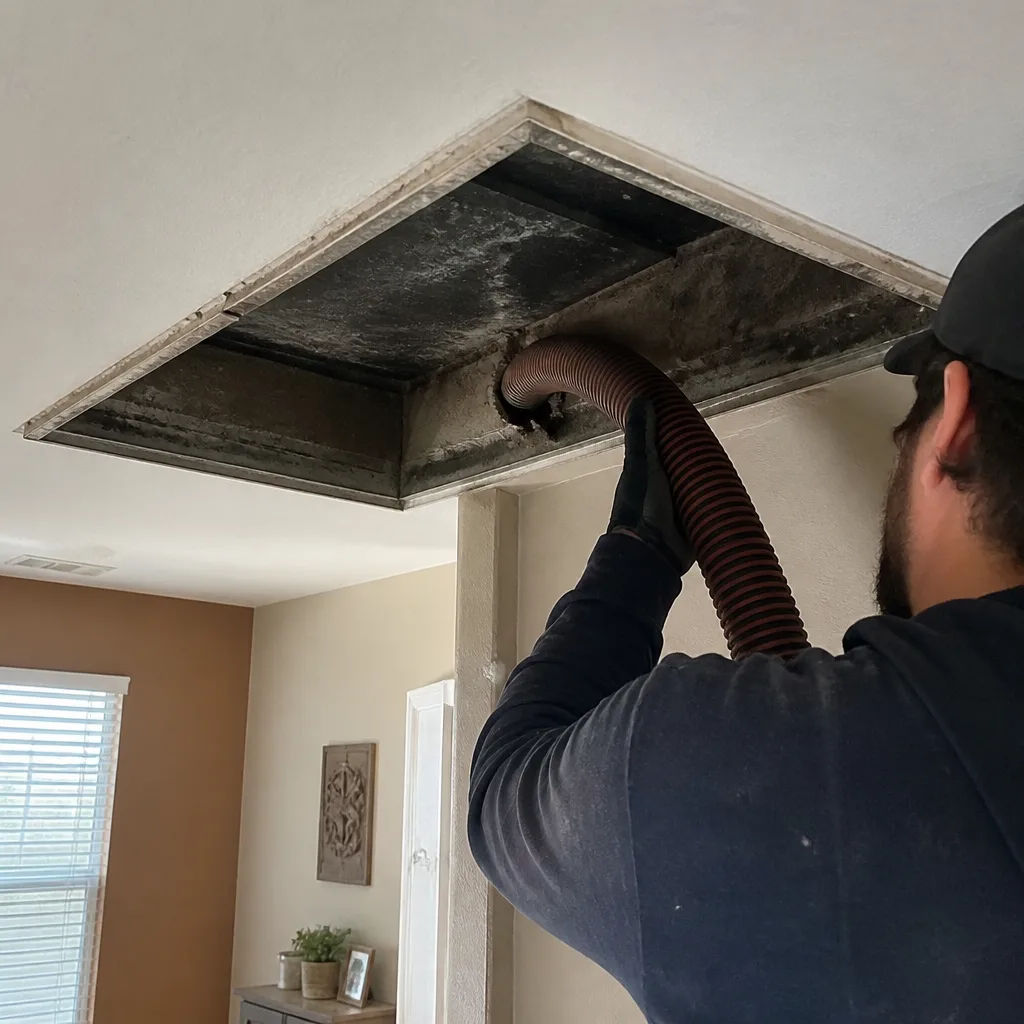 Before
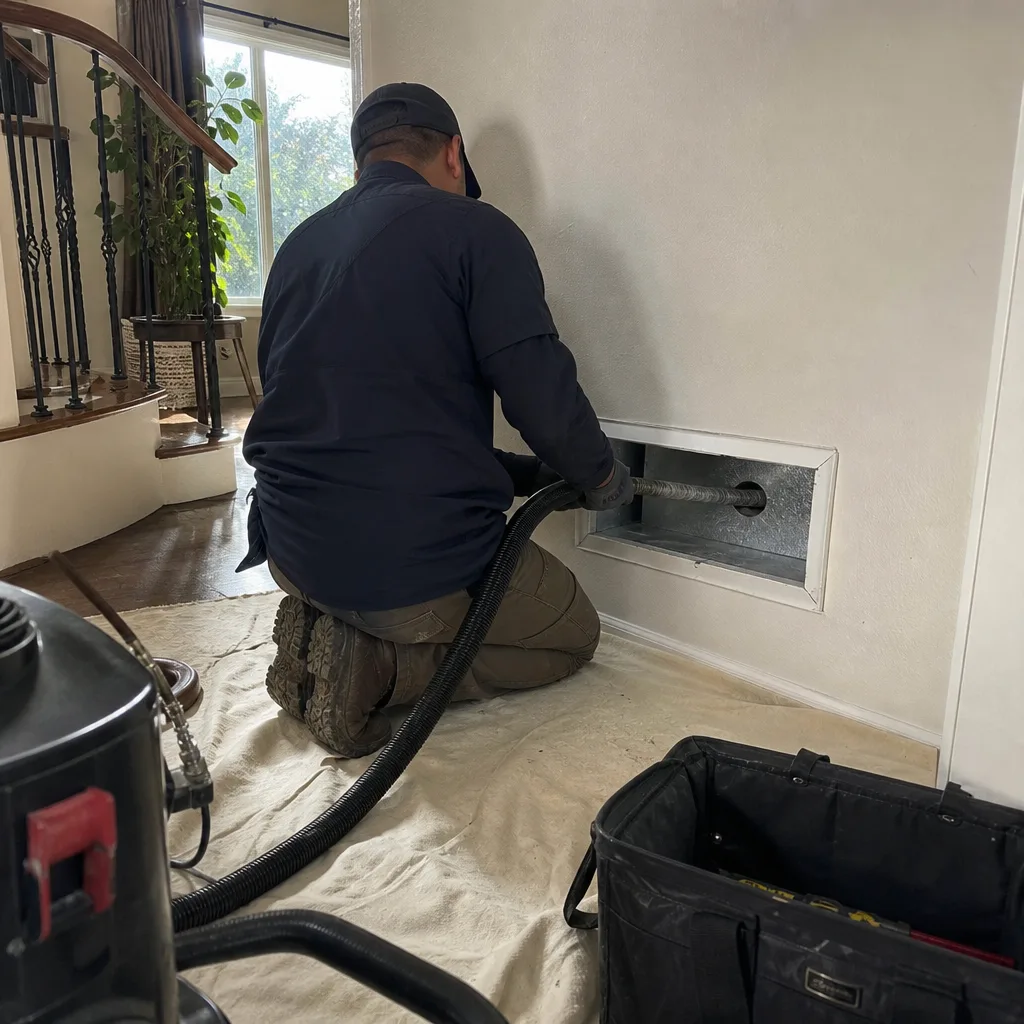 After
AfterVideo Inspection in Denver, CO
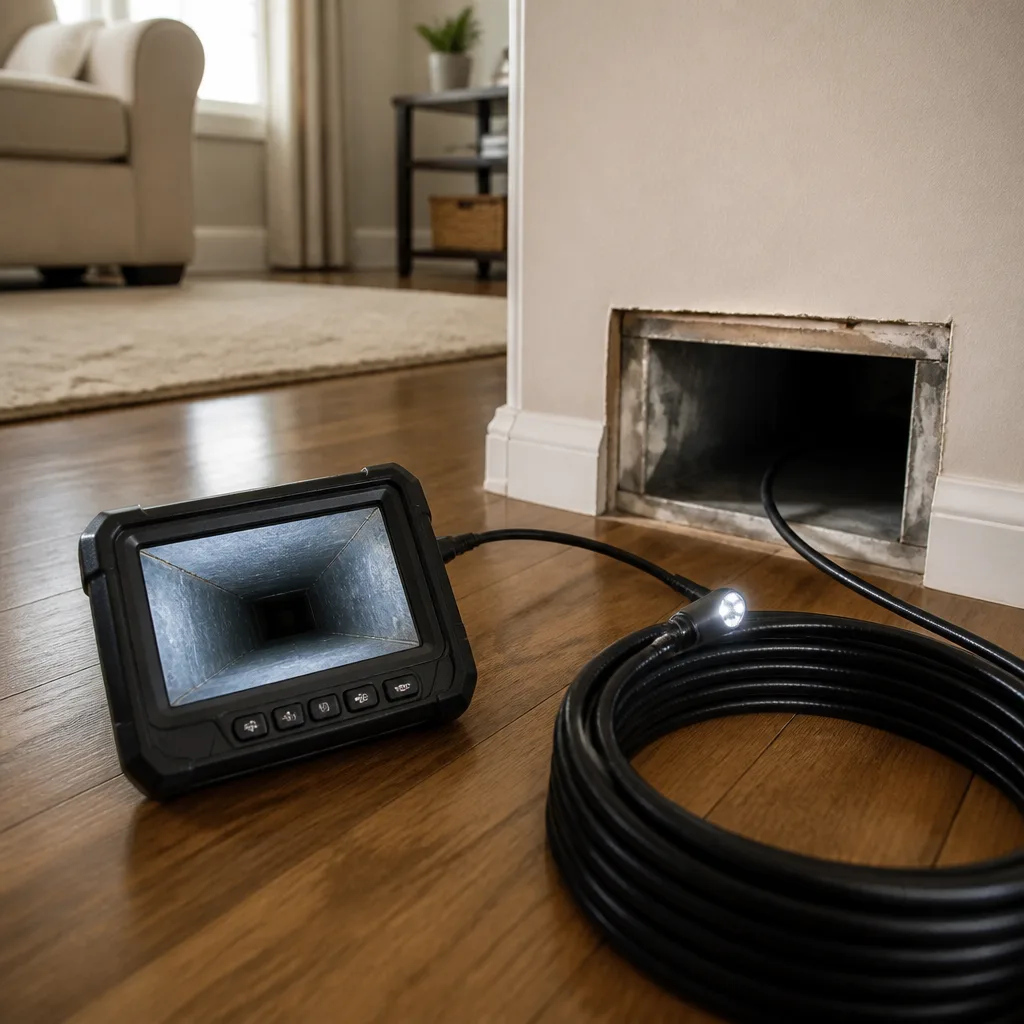
Duct video inspection is a camera-based diagnostic process where a small, articulating camera is fed through your duct system to document what’s actually inside – debris accumulation, liner damage, collapsed sections, mold growth, pest intrusion, or disconnected joints. In Denver, a standard residential inspection runs $95 to $175 and takes 60 to 90 minutes. Every inspection CleanRun performs concludes with a timestamped photo record delivered to you before we quote a single dollar of cleaning or repair work.
If you’ve ever paid for Air Duct Cleaning services in Denver and had no idea whether anything actually changed, that’s the problem video inspection solves. We’ve run the camera through enough Denver homes since 2013 to know that “it was dirty” isn’t a useful answer – the camera footage is. Call us at (720) 799-2292 and we’ll schedule an inspection with a written price in hand before our truck leaves the shop.
Video inspection sits at the front of every serious Air Duct Cleaning in Denver job we do. It tells us what we’re dealing with before anyone reaches for a brush or a vacuum. Without it, cleaning is guesswork.
When You Need Video Inspection
Not every home needs a duct inspection this week. But these situations are clear signals that putting a camera through your system is the right first step, not an optional add-on.
- You bought a Denver home built before 2000, especially in neighborhoods like Park Hill, Sunnyside, or Westwood. Older flex duct and fiberglass-lined metal systems degrade in ways that aren’t visible from the register. Crushed liner, separated joints, and decades of debris don’t announce themselves.
- Uneven heating or cooling room to room. When one bedroom runs 8 to 10 degrees colder than the rest of the house in January, the camera usually finds the reason – a collapsed section, a disconnected run, or a damper stuck closed.
- Musty or stale odors coming from the vents. Denver’s dry climate keeps many mold problems from showing up on the outside of ductwork. Inside the plenum – the main distribution box attached to your air handler – moisture from humidifier lines or a poorly sealed return can create conditions the camera catches that a flashlight at the register never would.
- Visible pest activity or a confirmed rodent issue. In Denver’s older Capitol Hill and Globeville housing stock, we regularly find rodent nesting material and droppings inside supply runs. A camera documents the extent before any remediation scope is written.
- You’re being quoted cleaning services without an inspection first. If a contractor is pricing a duct cleaning without knowing what’s inside, they’re selling a visit, not a result. A written cleaning scope based on camera evidence is the only kind worth agreeing to.
- Recent renovation or remodel work. Construction dust and drywall particulate settle into duct systems fast. Denver’s renovation boom across RiNo and the Highlands has sent a lot of that debris into supply and return runs. The camera shows how far it traveled.
Our Video Inspection Process
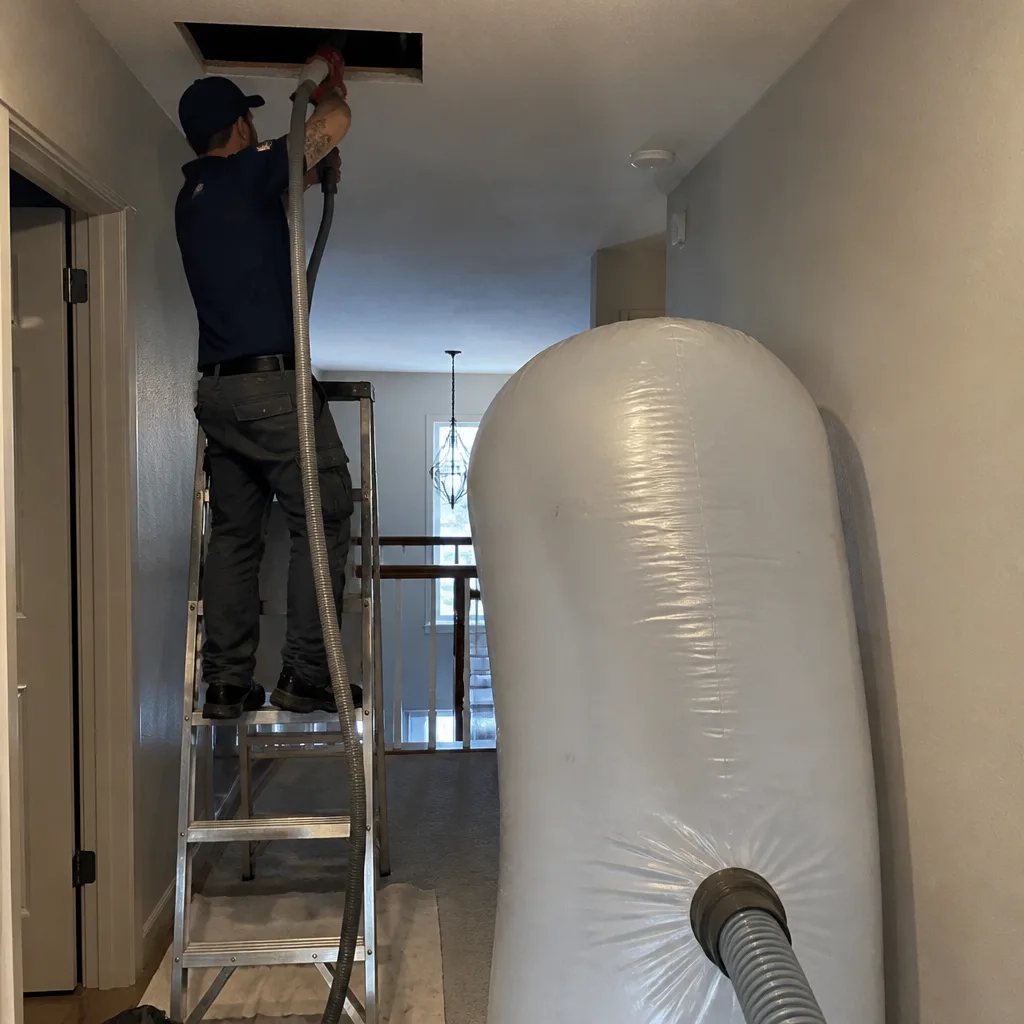
We run the same documented process on every inspection, whether it’s a 1,200-square-foot bungalow in Sloan’s Lake or a 3,800-square-foot two-story in Cherry Creek. The steps don’t change because the standard doesn’t change.
- Written price before we start. Under Haven Standard Clause 1, you receive a written inspection price before any panel comes off the system. The number you agree to in writing is the number on the invoice. No scope creep, no surprise line items added after the camera goes in.
- System mapping and access-point identification. Before the camera goes anywhere, the technician traces your duct layout – supply runs, return runs, main trunk lines, and the plenum configuration. Denver homes built across different decades have very different system geometries, and knowing the layout determines where the camera enters and how many access points are needed to cover the full system.
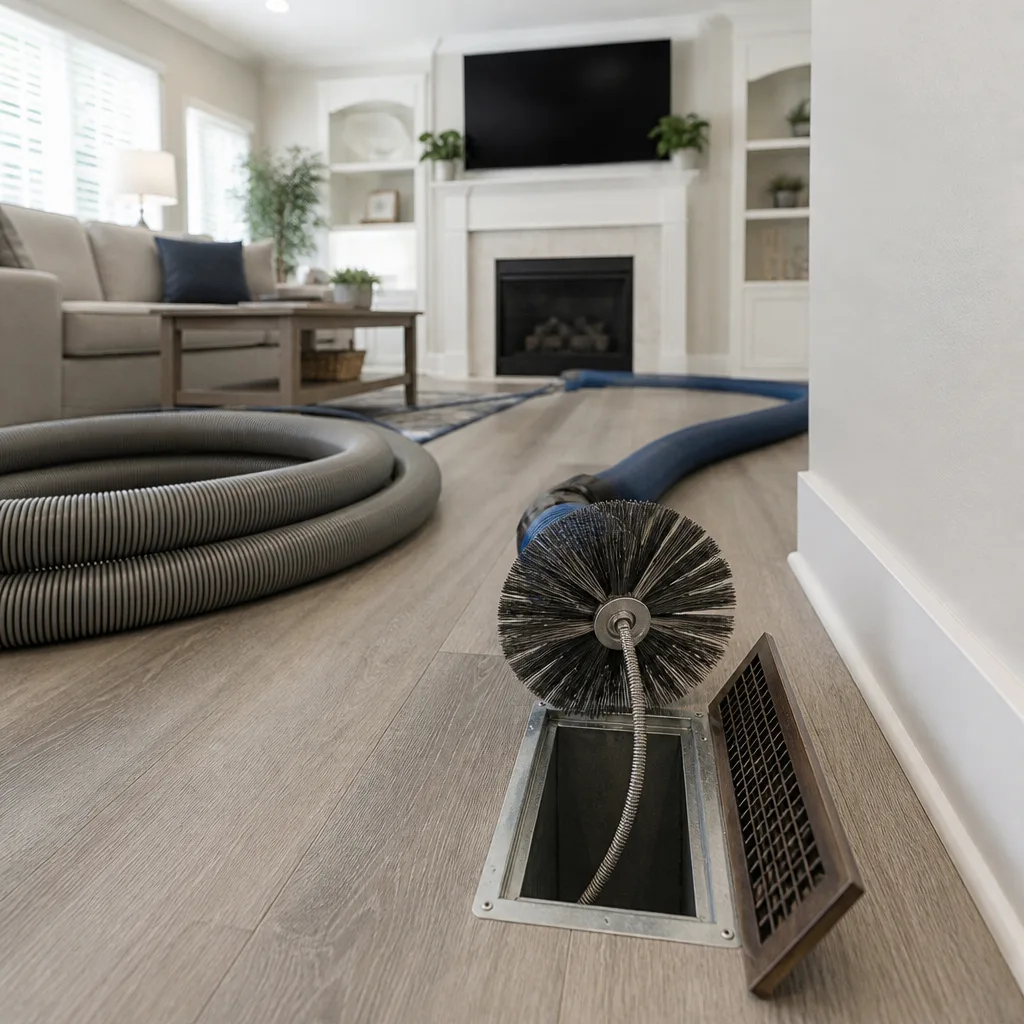
- Camera insertion and systematic run documentation. We feed a small articulating inspection camera through each duct run from the register back toward the air handler. The camera captures still images and video at each elbow, junction, and any point where the technician observes debris accumulation, damage, or contamination. We use Rotobrush inspection equipment because the camera diameter and articulation range are matched to residential duct work, not HVAC equipment or commercial systems.
- Live findings review with the homeowner. The technician walks you through the footage on-site. If the camera showed a 4-inch debris pack at the first elbow off the main trunk, you see that image. If a flex duct section in the basement has a partial collapse reducing airflow by an estimated 40 percent, you see it. We describe what we found using plain language alongside the trade terms – so “plenum” gets a one-clause explanation, and “negative-pressure extraction” gets defined before we recommend it.
- Written scope delivered before any work is quoted. Based on what the camera documented, we write a scope of work. That scope becomes the basis for any cleaning or repair price. You don’t get a verbal estimate – you get a written document that describes exactly what was found, what we recommend, and what it costs. This is Haven Standard Clause 1 applied to the post-inspection phase.
- Timestamped photo record delivered as a standard job deliverable. The before-inspection photo record is yours to keep, regardless of whether you proceed with any additional work. If you want to get a second opinion – or compare our cleaning scope against another contractor’s – you now have documented evidence to work from. CleanRun has held this practice since our first job in 2013, and it has never been optional.
BeforeAfterWhat the Camera Actually Finds in Denver Homes
Denver’s climate creates a specific set of duct problems that don’t show up the same way in Houston or Phoenix. The elevation plays a role – at 5,280 feet, the air is genuinely drier, which means airborne particulate stays suspended longer before settling into supply runs. Combine that with an older housing stock where flex duct was installed in the 1980s and early 1990s and has had 30-plus years to degrade, and the camera regularly turns up things that explain a lot about how a home performs.
In Wash Park homes built in the 1940s and 1950s, we commonly find galvanized metal trunk lines with interior liner deterioration – the fiberglass insulation bonded to the metal has separated and is traveling through the supply air. In newer construction across the southern suburbs like Stapleton and Lowry (now called Central Park), the issue is more often improper flex duct routing: too many bends compressing the duct into less than 75 percent of its rated diameter, which the camera documents in a way that airflow testing alone can’t explain visually.
Mold growth in the plenum is a finding that comes up in Denver homes where whole-home humidifiers were installed but not maintained. The camera will show microbial growth on the plenum interior walls in a pattern that makes the moisture source obvious. This is the kind of finding where we document exactly what we saw, describe it accurately, and let you decide what to do with that information – we don’t use it to create urgency that wasn’t there before the camera went in.
Video Inspection Pricing in Denver
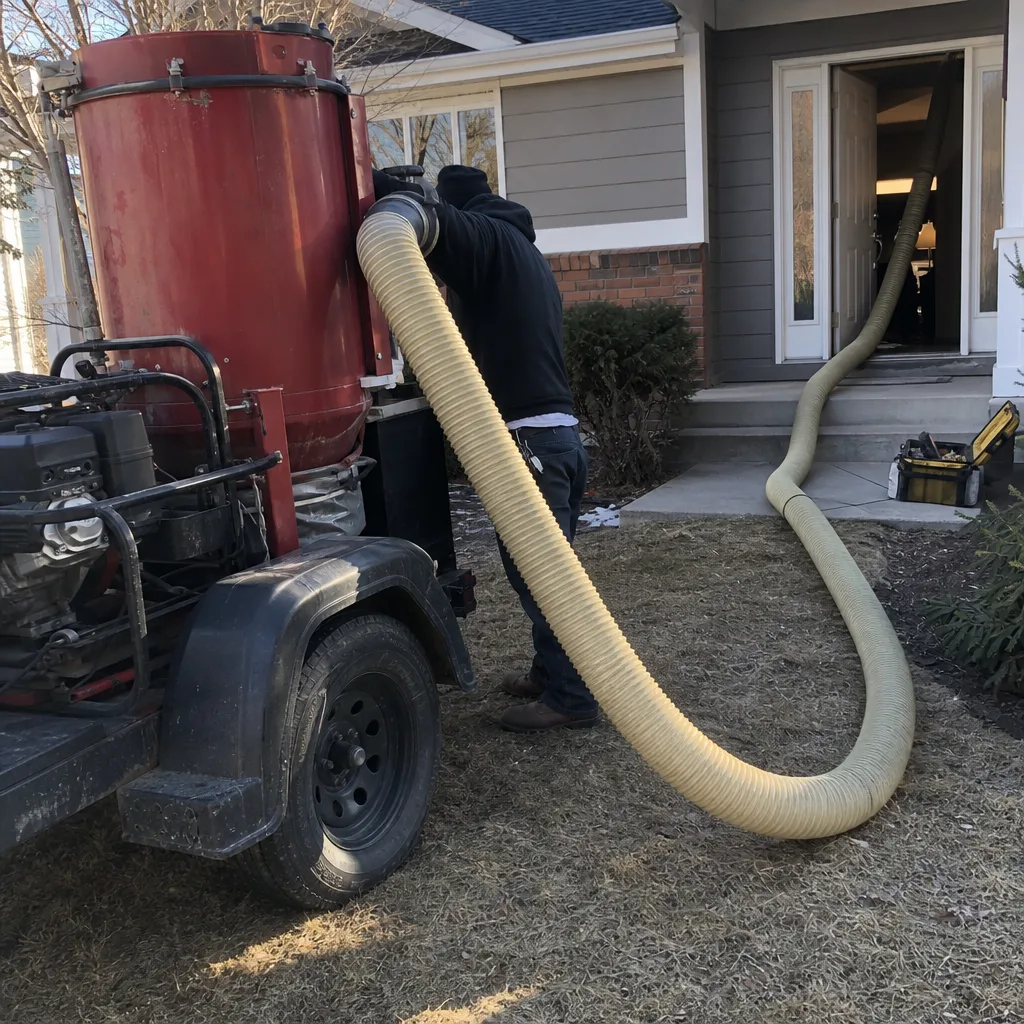
Duct video inspection in Denver runs $95 to $175 for a standard single-system residential home. For full pricing details, see How Much Does Air Duct Cleaning Cost in Denver, CO? (2026 Price Guide). The range is real, and here’s what moves the number:
- System size and run count: A 1,400-square-foot ranch with 8 supply registers costs less to document than a 3,200-square-foot two-story with 22 runs across two floors. More runs means more camera time.
- Access difficulty: Systems where registers are high-wall-mounted or where ductwork passes through finished ceilings require additional time to establish camera entry points without damaging finished surfaces.
- Dual-system homes: Denver homes above 3,000 square feet often have two air handlers – one for each floor. A two-system inspection is priced separately for each system.
- Combined service pricing: When video inspection is booked as the first phase of a full duct cleaning, the inspection fee is applied toward the cleaning total. The inspection cost doesn’t disappear from your invoice – it’s documented as a credited line item.
| Service | Typical Denver Price Range |
|---|---|
| Residential duct video inspection (single system) | $95 – $175 |
| Dual-system inspection (two air handlers) | $160 – $290 |
| Inspection credited toward cleaning (when booked together) | Credited as documented line item |
| Second opinion on a competitor’s written inspection report | No charge |
Every price above is delivered in writing before work starts. “Call for a quote” is not a CleanRun practice. If you have a written estimate from another contractor, bring it – we’ll put our own number next to it in writing at no cost. Call (720) 799-2292 and ask about our free second opinion; our live answering team can walk you through the process before you commit to anything.
What You Receive After an Inspection
The deliverables from a CleanRun video inspection are concrete documents, not a verbal summary. When the technician leaves your Denver home, you have:
- A timestamped photo record of every duct run documented during the inspection, organized by register location
- A written findings summary that names what was found – debris accumulation depth, damage location, contamination type – using specific measurements rather than general descriptions
- A written scope of recommended work, if any, with line-item pricing attached
- The 365-Day Done Right Promise in writing on every job, covering any work performed
If the camera finds nothing that warrants cleaning or repair, that’s what the written summary says. We’ve sent technicians into Denver homes where the system was genuinely in good shape, documented it, and left without a cleaning sale. The photo record still gets delivered. This is what evidence-first means in practice.
FAQs – Video Inspection in Denver
Is duct video inspection necessary before every cleaning, or is it an upsell?
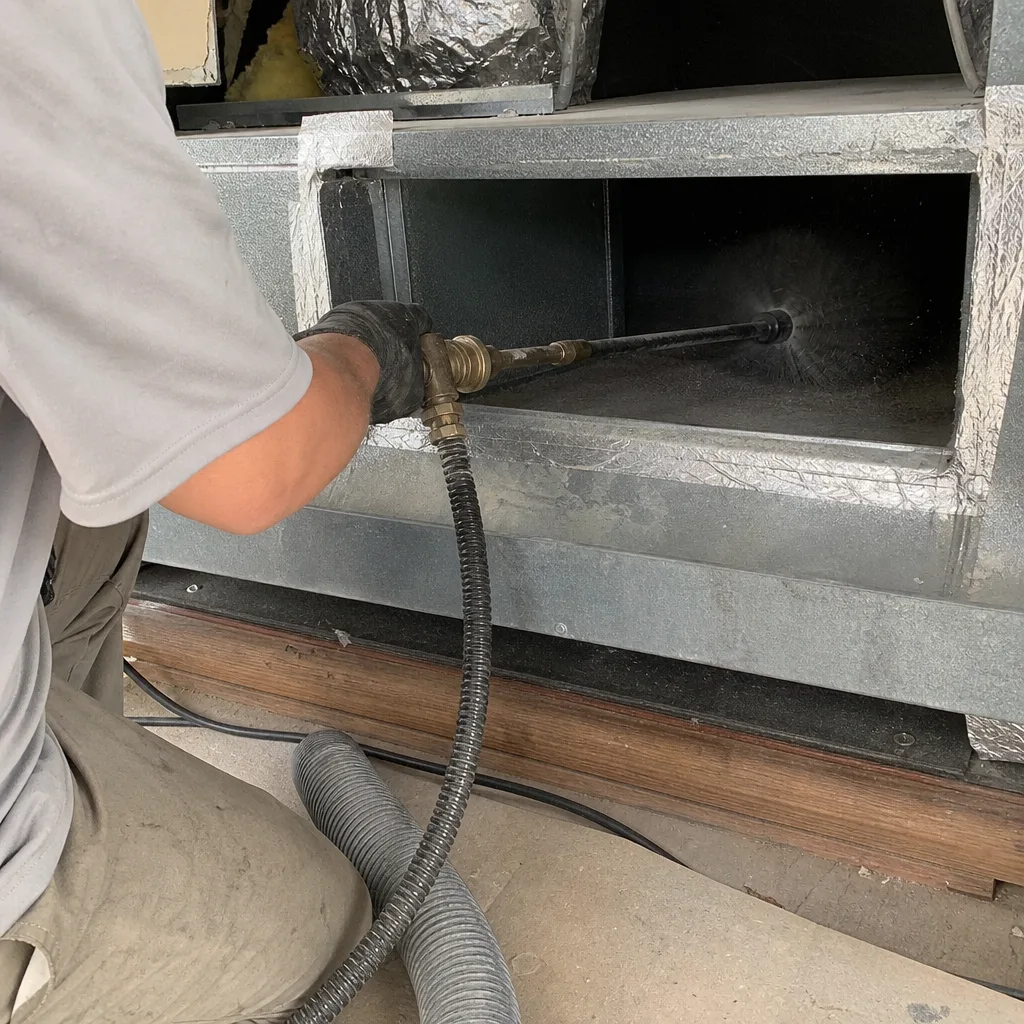
Video inspection before cleaning is the correct sequence, not an add-on. Running a brush and negative-pressure extraction system through ductwork without knowing what’s in there is how contractors break aging flex liner, dislodge deteriorated insulation, or miss the actual source of an odor problem. The inspection tells us whether cleaning is the right solution at all – and if so, what type of cleaning equipment and technique the system calls for. See How Much Does Air Duct Cleaning Cost? (2026 Price Guide) - Denver, CO for typical pricing. When we do it the other way around, we’re guessing. A $95 inspection that prevents a $400 cleaning mistake is math that holds up. Call (720) 799-2292 for a written price before you commit to anything.
How long does a duct video inspection take in a typical Denver home?
A single-system Denver home with 10 to 16 registers takes 60 to 90 minutes from the time the technician starts mapping the system to the time you’re reviewing footage together. Larger homes with two systems or more than 20 registers run 2 to 3 hours. We don’t rush the camera through elbow joints where debris packs and damage are most likely to appear – those are the spots that take an extra 90 seconds to document properly and usually explain most of what the homeowner called about.
Can video inspection find mold in my Denver ductwork?
The camera documents visible microbial growth – discoloration, surface texture, and growth patterns consistent with mold – but a camera image is not a lab test. If the camera shows something that looks like mold growth in your plenum or supply runs, the written findings will describe exactly what was observed and where. From there, you can choose to have a surface sample tested by an independent lab before deciding on remediation. We describe what we see accurately; we don’t diagnose mold from a camera image alone, and we don’t recommend remediation without documented evidence to justify it. Call (720) 799-2292 to discuss what the camera found and what your options are.
What happens if the camera finds serious duct damage?
Serious damage – a fully collapsed flex section, a disconnected trunk line joint, or significant liner deterioration – gets documented in the photo record and described in the written findings summary. From there, you get a written repair scope with line-item pricing. No pressure, no urgency theatre. You can take that written scope, compare it against another contractor’s estimate, and come back to us when you’re ready. Our free second opinion offer works in both directions: we’ll review another contractor’s findings the same way we’d want you to review ours. The home page has more on how the Haven Standard applies to every job we do.
Why Denver Homeowners Use CleanRun for Duct Inspections
CleanRun has been running camera inspections in Denver homes since 2013. In that time, the equipment has improved – the articulating camera heads we use now reach sections of ductwork that were inaccessible a decade ago – but the practice has been the same since the first job: document what’s inside before quoting any work, deliver the photo record to the homeowner, and write a scope based on evidence rather than assumption.
Tomas Reyes built CleanRun around one straightforward premise: homeowners who can see what’s in their ductwork make better decisions than homeowners who have to take a contractor’s word for it. That’s why the photo record is a standard deliverable, not an optional upgrade. It’s also why we don’t quote cleaning work without inspection footage to back it up. Across 52,000-plus homes served under the Haven Standard, that approach has held.
Our technicians are background-checked, arrive in uniform, and are identified by name before they reach your door – Haven Standard Clause 3. The inspection equipment we use, including Rotobrush camera systems, is professional-grade and traceable to the manufacturer if you want to verify what’s being used before agreeing to a price. We’re independently owned and operated, not a franchise, and every promise we make is written down before work starts.
Book a Video Inspection in Denver
If you want to know what’s actually inside your duct system – not a general description, but camera documentation with timestamps – search Air Duct Cleaning Near Me in Denver, CO or call (720) 799-2292 to schedule a video inspection. A live person answers that line, gives you a written price before we schedule anything, and can walk you through what the inspection covers and what you’ll receive when it’s done. If you have a competitor’s written estimate you’d like us to review, bring it – we’ll put our number next to theirs at no cost.
Written by Tomas Reyes, Owner at CleanRun Air Duct Cleaning Denver, serving Denver.