
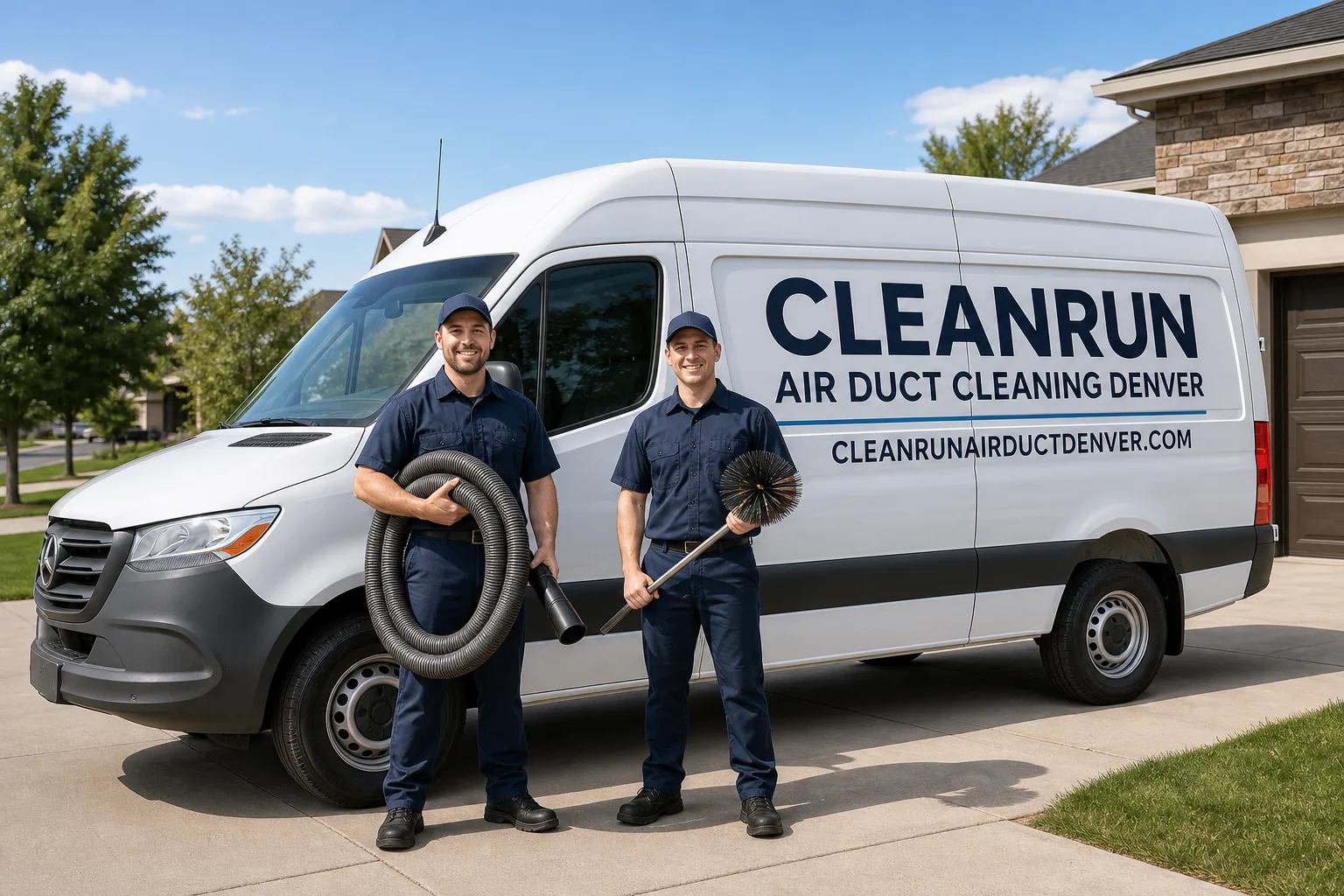
Whole-system duct and dryer vent check with before-and-after photos - you see exactly what came out of your vents
That "$99 whole-house special" is a bait ad - the real number appears once they are in your hallway, or the "clean" is a shop-vac at the register. We photograph the inside of your ducts before and after instead.
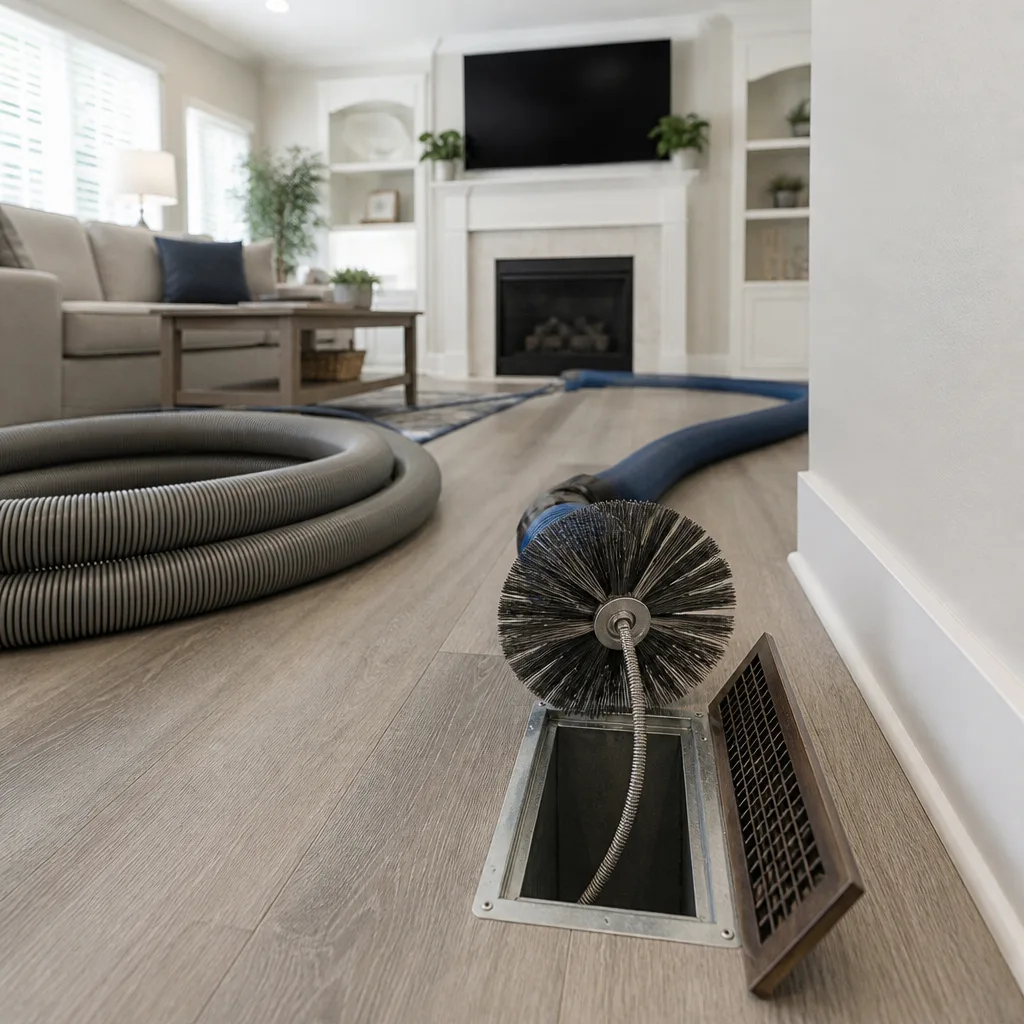
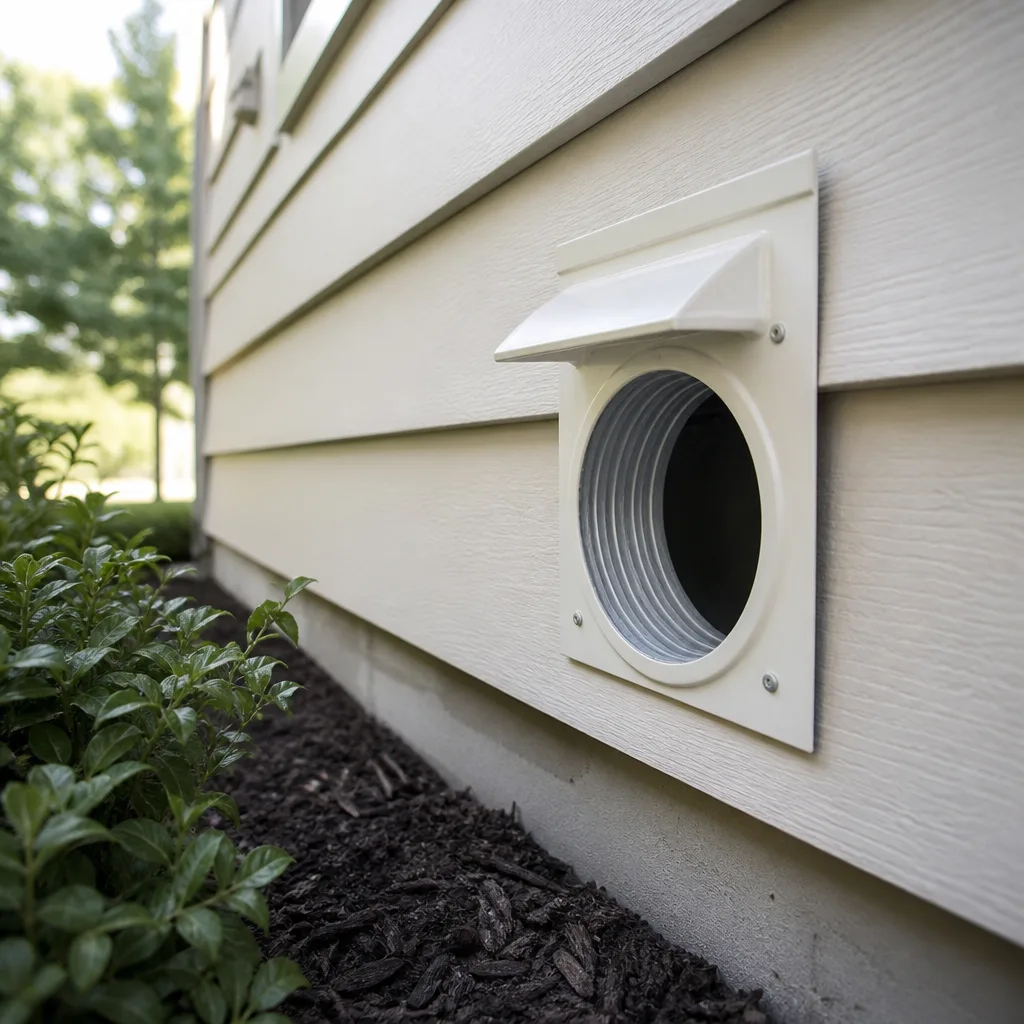
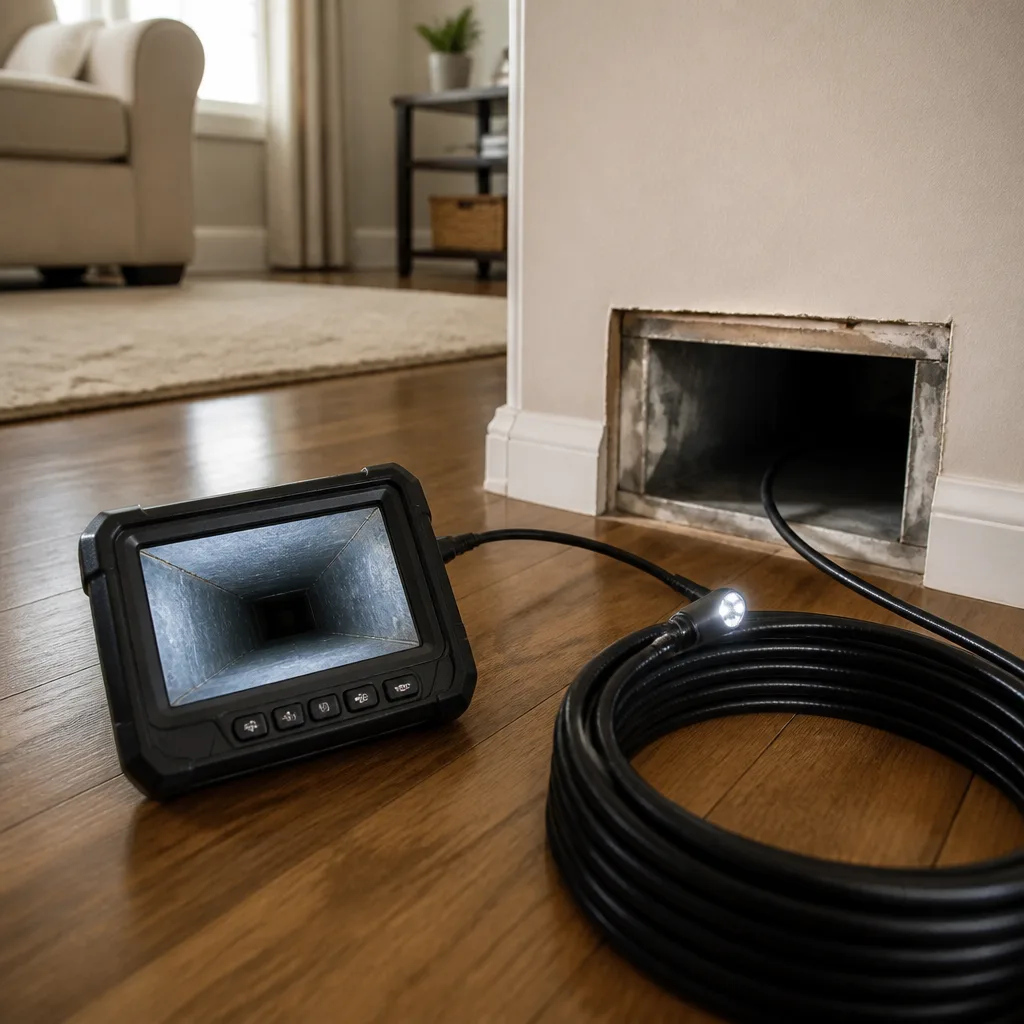
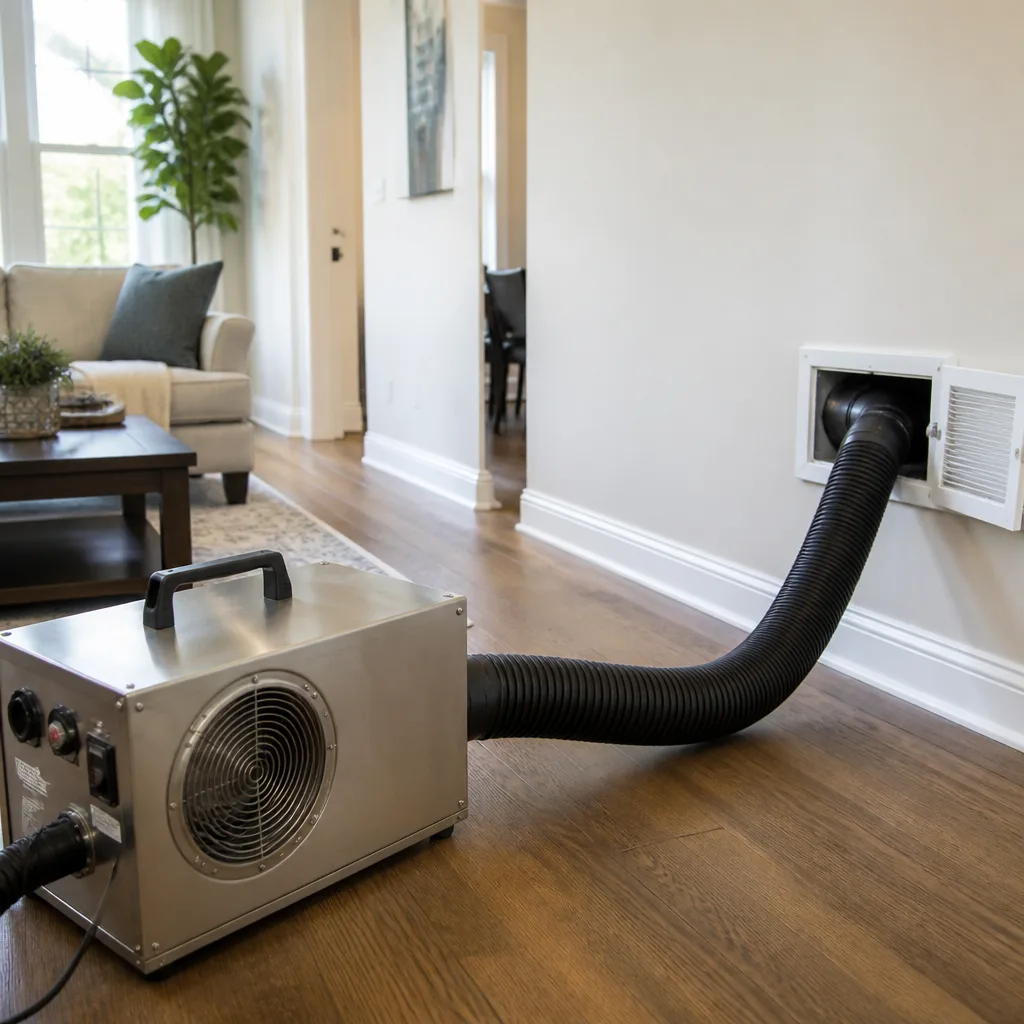
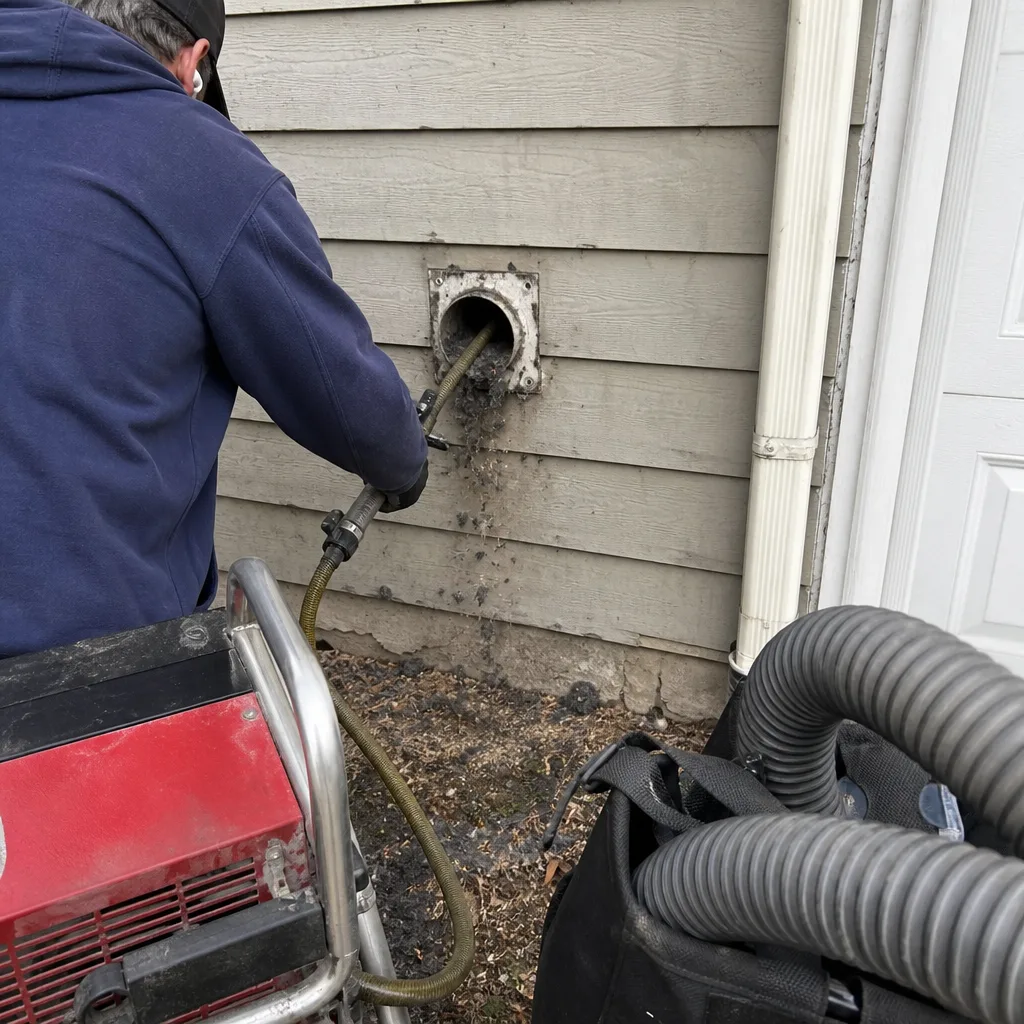 Before
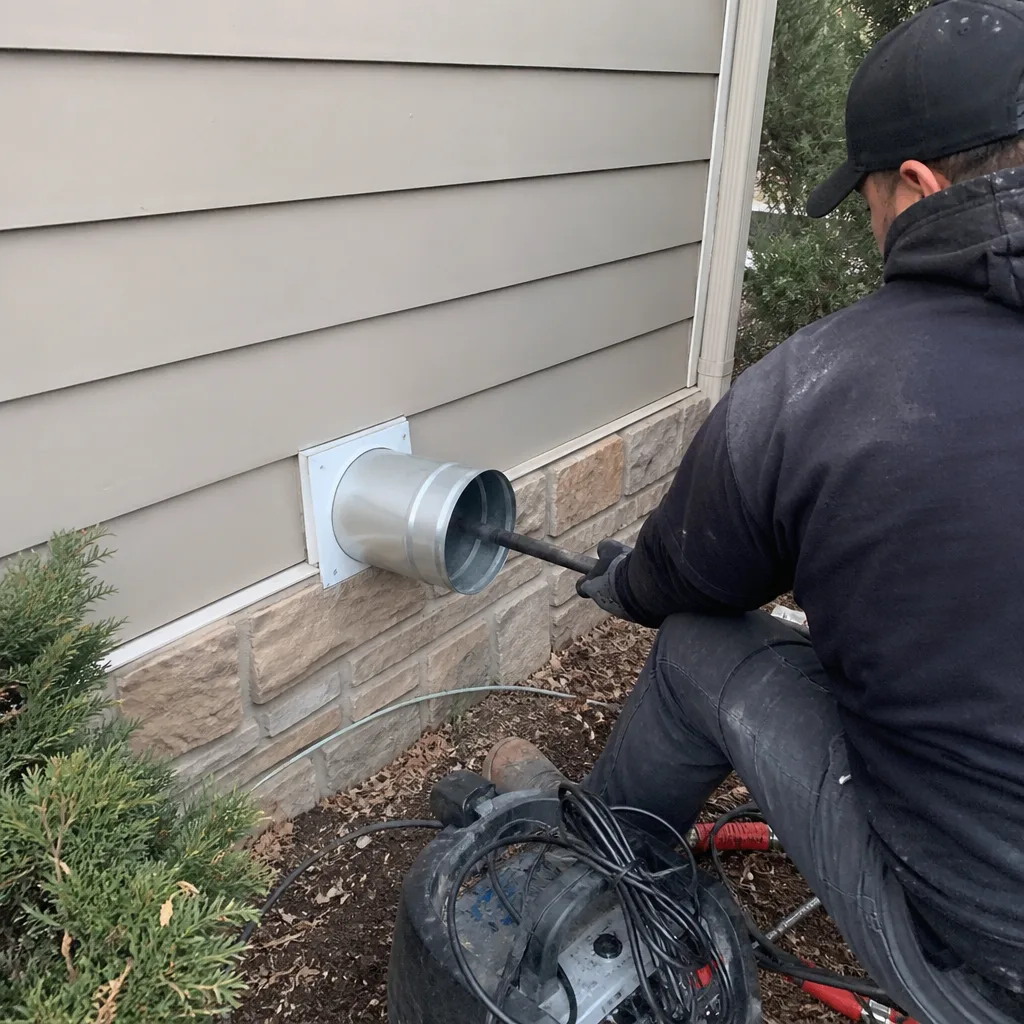 After
After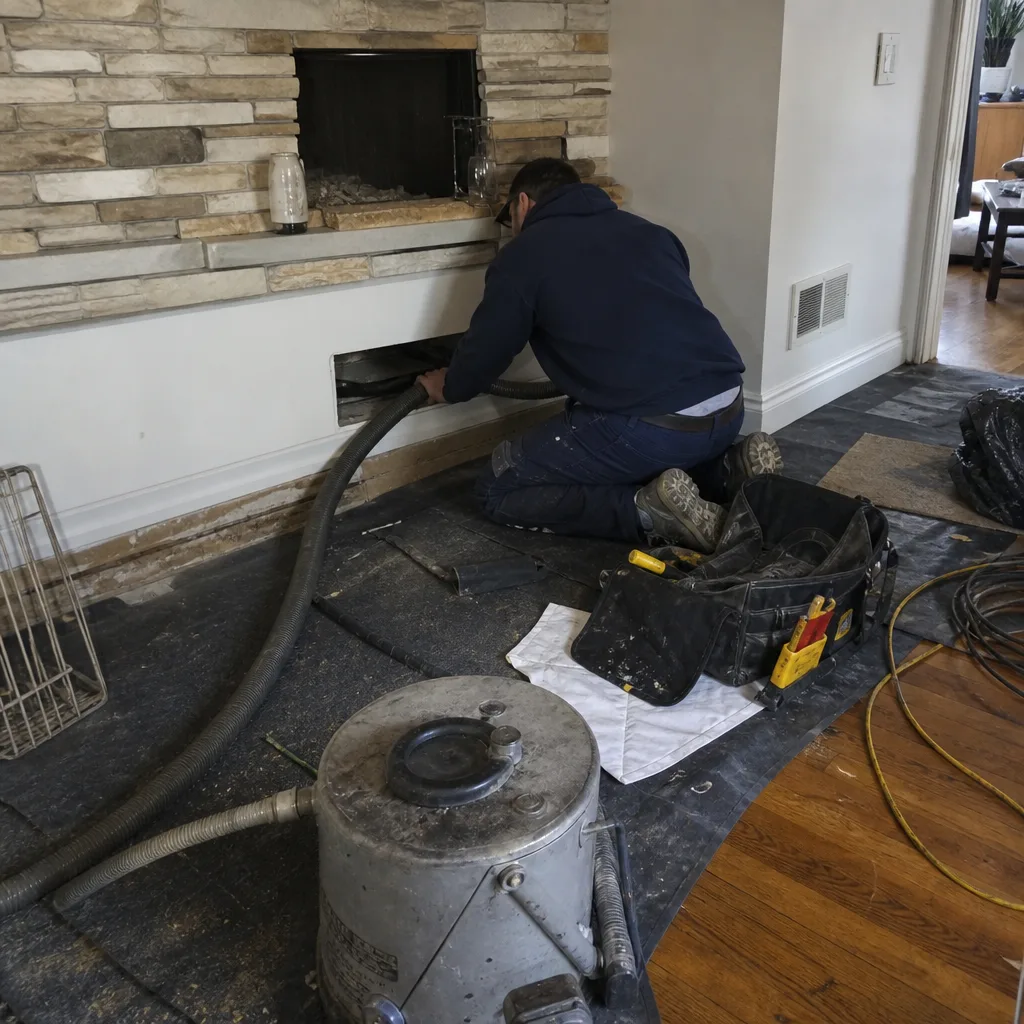 Before
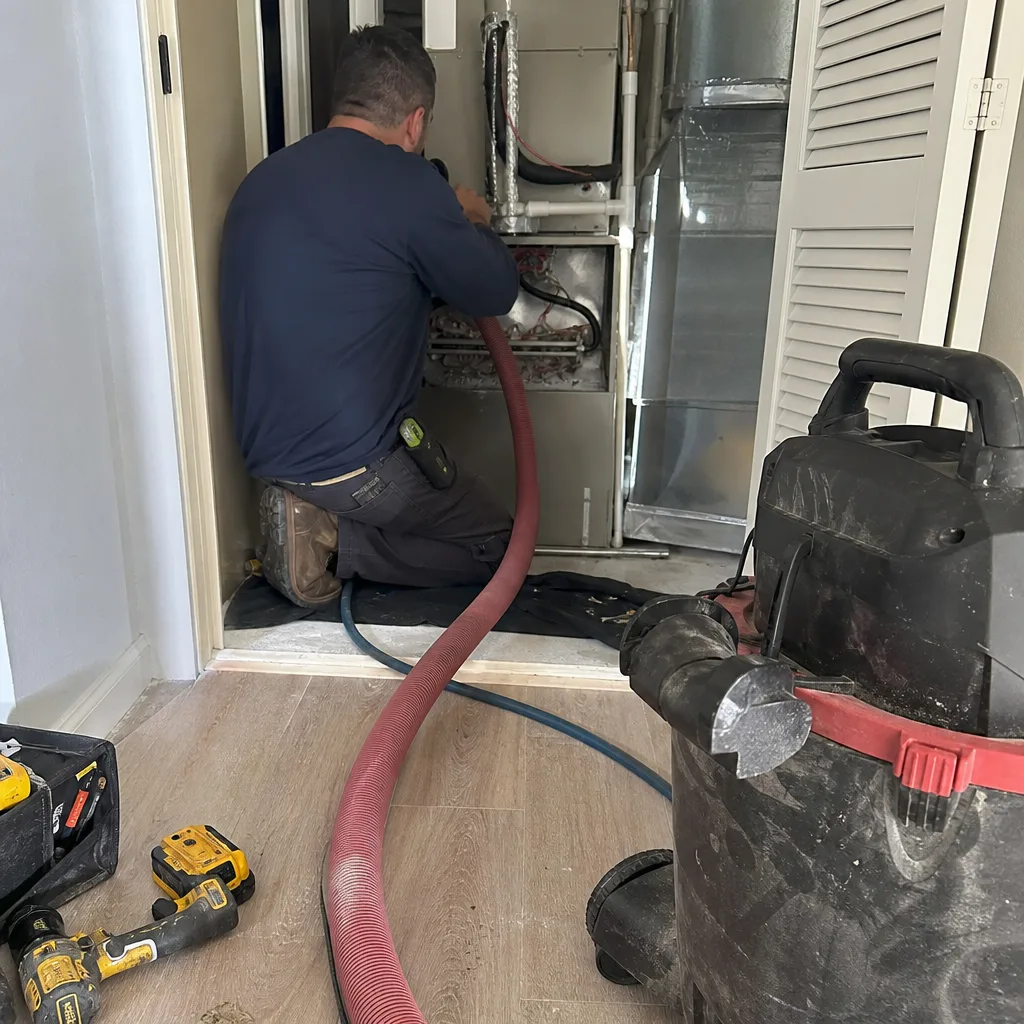 After
After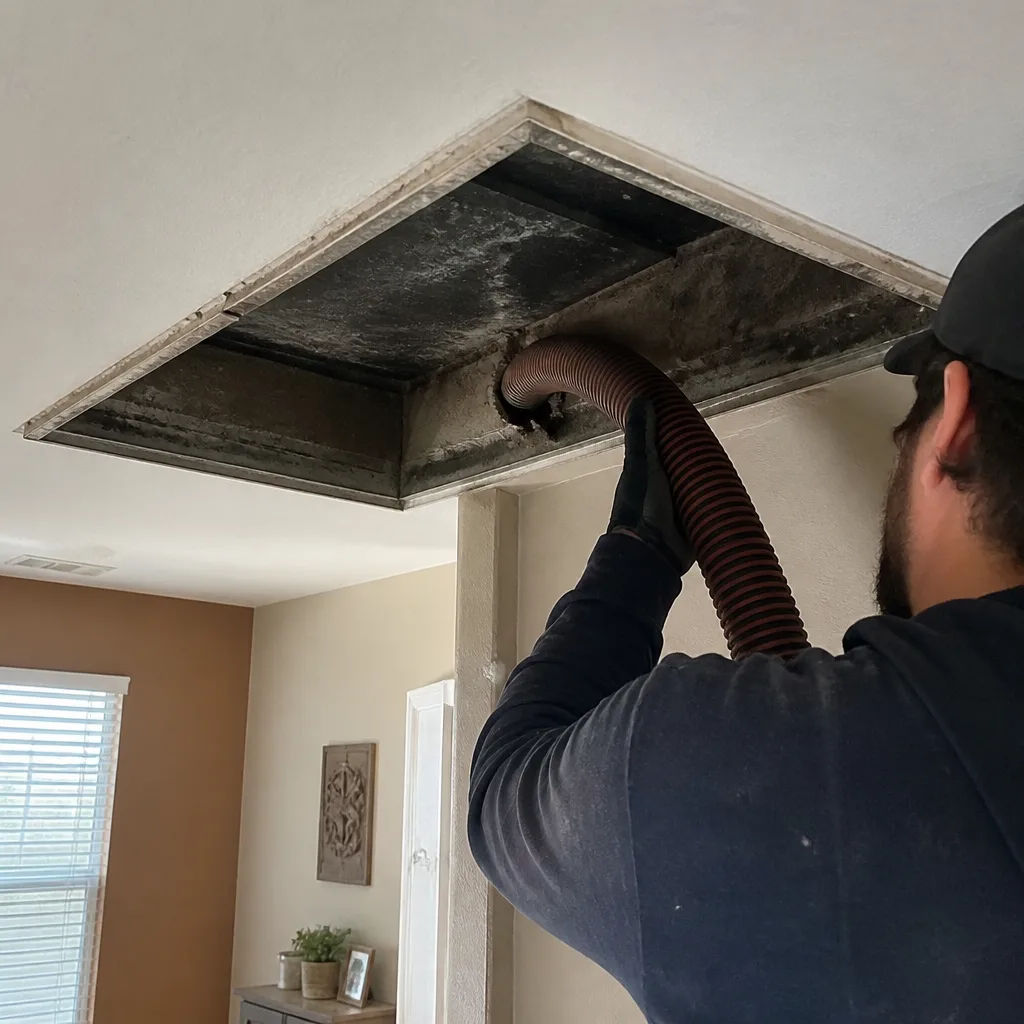 Before
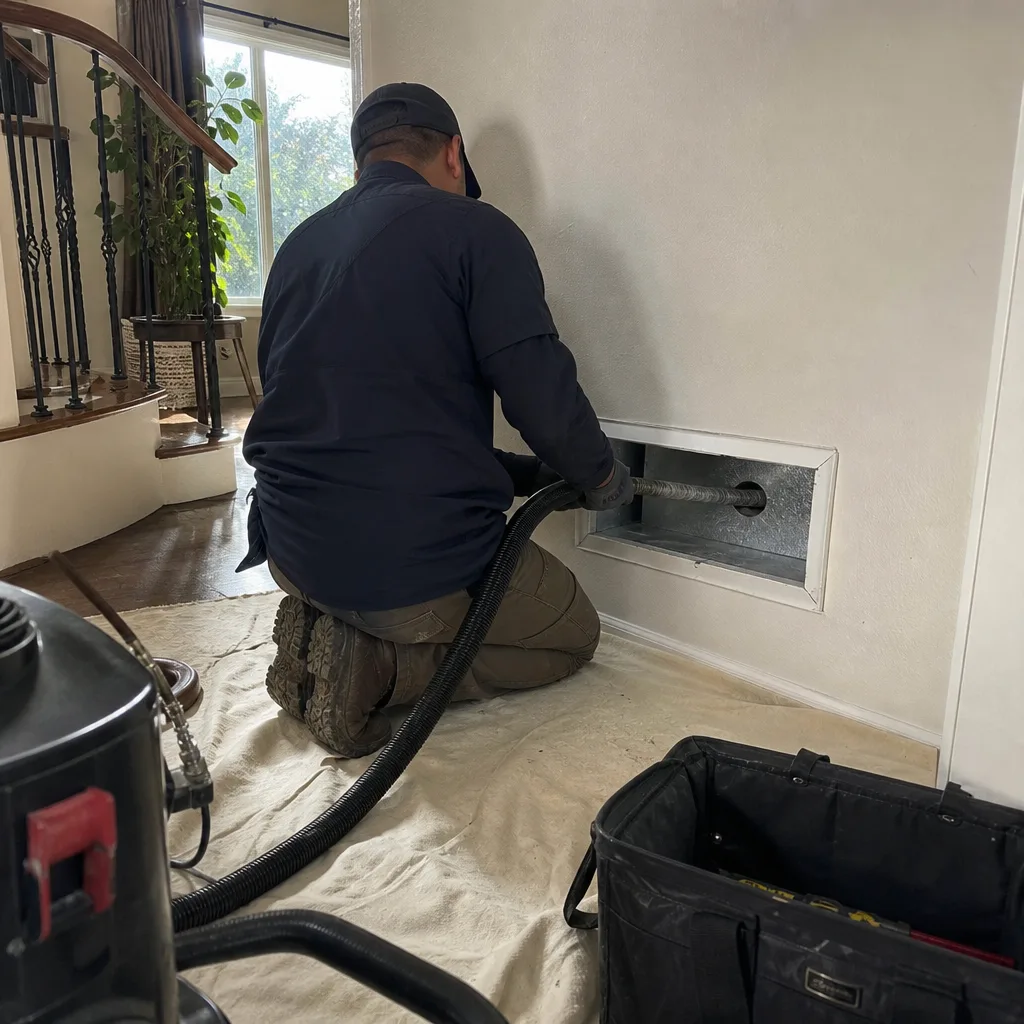 After
AfterHow Much Does Air Duct Cleaning Cost in Denver?
Air duct cleaning in Denver typically costs between $299 and $649 for a standard single-family home, with most CleanRun jobs landing between $350 and $500 depending on duct count, system configuration, and what the camera actually finds inside. That price is written down before any work begins – no exceptions, no “call for a quote” adjustments after the fact.
If you’ve been quoted $79 or $99 for a whole-house cleaning, read the section on low-ball pricing below before scheduling anything.
Air Duct Cleaning Cost Breakdown (2026)
If you’re wondering how much does air duct cleaning cost in Denver, CO, most single-family homes run $299 to $649, with the price driven almost entirely by duct count, system type, and add-on services. Below is what a written CleanRun scope looks like line by line – these are real Denver-market numbers as of 2026, not national averages softened to avoid commitment.
| Service Item | Typical Denver Price Range | Notes |
|---|---|---|
| Standard duct cleaning (up to 10 supply + return runs) | $299 – $379 | Covers most condos and smaller ranch-style homes in neighborhoods like Sunnyside or Westwood |
| Mid-size home (11 – 20 duct runs) | $380 – $499 | Typical for 1,400 – 2,400 sq ft homes; common in Stapleton/Central Park and Wash Park |
| Larger home (21 – 30+ duct runs) | $500 – $649 | Two-story homes, finished basements with separate runs; common in Harvey Park, Hilltop |
| Dryer vent cleaning (add-on) | $89 – $139 | Recommended when scheduled with duct cleaning; dryer vents in older Denver bungalows often run longer than code allows |
| Sanitizing treatment (EPA-registered antimicrobial fogging) | $99 – $179 | Applied after cleaning; relevant after moisture intrusion or visible mold indicators |
| Duct sealing (mastic or UL-181 tape per linear foot) | $4 – $9 per linear foot | Priced after camera inspection reveals separated joints or failed flex connections |
| HVAC coil and blower cleaning (air handler only) | $149 – $249 | Evaporator coil and blower wheel; often needed in homes with older Carrier or Trane systems |
| Full system (ducts + HVAC + dryer vent, bundled) | $549 – $849 | Written bundle price, not three line items added at the door |
What Drives the Final Number Up or Down
The single biggest cost driver is duct count – each supply and return run that needs negative-pressure extraction (a process that seals the system and pulls debris into a HEPA-filtered collection unit rather than redistributing it through the home) takes time and a separate camera pass. A 900 sq ft condo in RiNo with eight runs is a different scope than a 3,200 sq ft two-story in Platt Park with a finished basement and a secondary air handler.
Denver’s altitude and climate add a few wrinkles that don’t show up in national pricing guides. Forced-air heating runs hard here – furnaces in metro Denver typically log 150 to 180 heating days a year, which means more debris movement through ductwork than in milder climates. Homes in areas with clay-heavy soil, like parts of Green Valley Ranch or Montbello, also tend to show more fine particulate intrusion at duct boot connections, which adds cleaning time. And if your home was built before 1985, there’s a meaningful chance the flex duct connecting your plenum (the main distribution box attached to the furnace) to individual runs has degraded – photographing that is part of every CleanRun scope.
What Affects Air Duct Cleaning Pricing in Denver
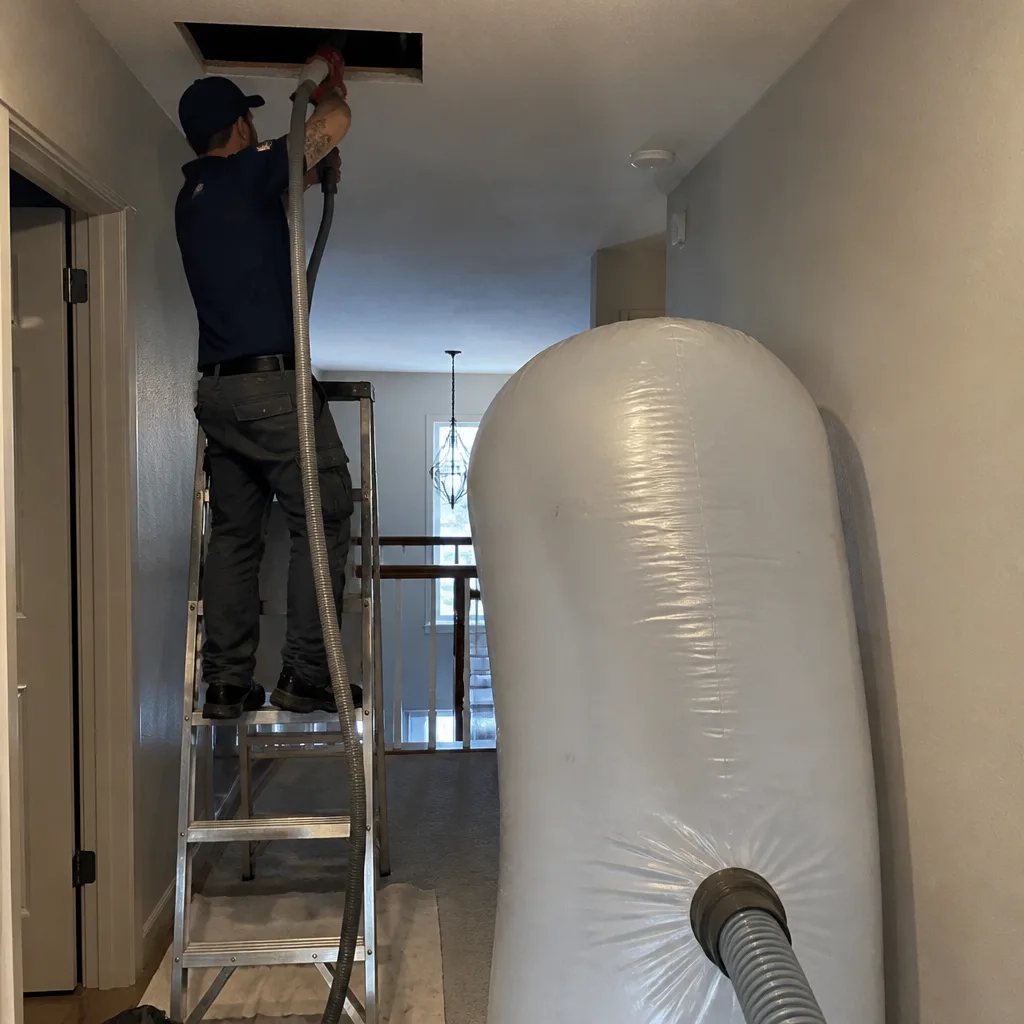
- Number of duct runs and registers: Each supply register and return vent is a separate cleaning point. A studio apartment might have five; a larger home in Hilltop or Crestmoor can have 28 or more. Price scales with count, not square footage alone, because square footage doesn’t tell you how the builder configured the system.
- System age and duct material: Older galvanized steel ducts common in pre-1975 Denver homes hold debris differently than modern flexible vinyl duct. Steel runs can accumulate thicker, more compacted debris at elbows. Flex duct tends to sag over time, creating low points where dust and biological material settle – the camera shows this clearly before any brushing begins.
- Accessibility: Ducts running through finished ceilings or inside concrete slab (not uncommon in some mid-century Ranch-style builds in Athmar Park and Barnum) take longer to access and clean than exposed basement runs. Attic ductwork in Denver’s hot-summer/cold-winter climate also degrades faster than in more stable climates, sometimes requiring partial rerouting before cleaning is even possible.
- Contamination type: A routine dust cleaning is priced differently than a job where the camera reveals mold indicators, rodent evidence, or construction debris from a recent remodel. CleanRun documents what is found with photographs before quoting any remediation work – you see the image before you see the price adjustment.
- Add-on services requested at the same visit: Dryer vent cleaning, coil cleaning, or UV air purifier installation (we use Honeywell and Aprilaire units) added to a duct cleaning visit are priced at bundled rates. Scheduling them separately costs more total.
- $79 coupon jobs and what they actually cost: This one deserves plain language. A $79 or $99 duct cleaning ad almost always describes a minimal shop-vac pass – one technician, a portable vacuum with no negative-pressure containment, and no camera. The upsell at the door is where the real price appears, usually after access panels are already off. In Denver, we’ve photographed the aftermath of these visits in homes across Cole, Globeville, and the Platt Park area – debris redistributed to registers, no before/after documentation, and in a few cases, flex connections that were detached during the visit and not reattached. That’s not a price comparison. It’s a different service entirely.
BeforeAfterHow Denver’s Climate Affects Duct Condition (and Your Cleaning Cost)
This section isn’t filler – it’s specific to Denver and it changes the math on cleaning frequency.
Denver sits at 5,280 feet with an average of 300 days of sunshine and dramatic humidity swings: summer monsoon humidity pushing into the 50-60% range followed by winters where indoor relative humidity routinely drops below 20%. That cycle causes duct joints to expand and contract significantly. Mastic-sealed joints handle this reasonably well; duct tape (the cloth kind, not UL-181 rated tape) does not. We regularly find separated joints in homes built between 1985 and 2005 in neighborhoods like Lowry, Stapleton’s older sections, and Virginia Village – joints that were sealed with standard tape that dried out and failed within a decade.
Separated joints mean conditioned air is escaping into unconditioned spaces (crawlspaces, attic cavities, wall voids) and unconditioned air – carrying whatever is in those spaces – is being pulled into the duct system. In a crawlspace under a home in the Barnum or Athmar Park area, that can mean soil particulate, insulation fibers, and occasionally moisture from ground contact. The camera catches this on the first pass. The written price you receive before work starts reflects what we found, not a guess.
Denver’s wildfire smoke seasons – increasingly significant since 2020 – have also changed what we find inside ducts in metro homes. Fine particulate matter (PM2.5) from smoke events passes through standard 1-inch fiberglass filters and deposits on duct surfaces, coil faces, and blower wheels. Homes that ran their systems continuously during the 2020, 2021, and 2022 smoke events without a MERV-13 or higher filter in place often show visible gray-brown deposits on supply register faces and inside the first two feet of duct runs. This is documented before any work begins.
How to Read a Duct Cleaning Quote in Denver
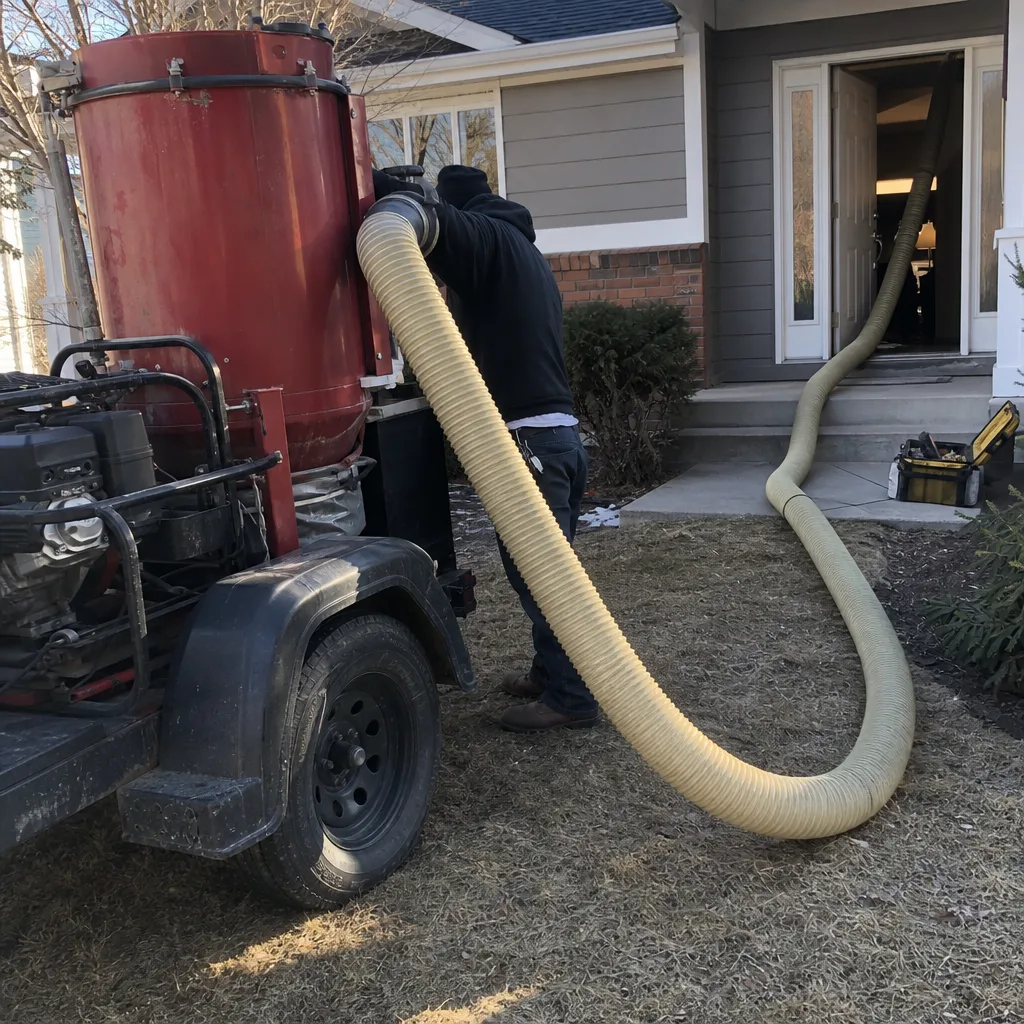
Before you compare prices, compare what each quote actually includes. A written quote from CleanRun specifies: number of supply runs, number of return runs, access method, equipment to be used (Rotobrush rotary brush system and Nikro negative-pressure extraction unit, by name), whether coil or blower cleaning is included, and the exact add-ons with their individual prices. You can verify every equipment name independently before agreeing to anything.
A quote that says “full system cleaning, $X” without specifying run count, equipment, or access method is not a comparable quote. Ask any company you’re considering to put run count and equipment in writing. If they won’t, that tells you what you need to know.
Haven Standard Clause 1 at CleanRun means no written estimate is ever “subject to change once we see it” – the price you receive before work starts is the price on the invoice. If the camera reveals something outside the original scope (a detached duct run, active mold, rodent evidence), we show you the photograph and write a revised scope with a new price before touching anything additional.
How to Save on Air Duct Cleaning in Denver
A few approaches that actually move the number without compromising the work:
- Bundle dryer vent cleaning at the same visit. Scheduling dryer vent cleaning as a standalone job costs $89 – $139. Adding it to a duct cleaning visit at the same time saves mobilization cost – the bundled price is typically $69 – $99 for the same scope. In Denver’s older housing stock, particularly bungalows in Berkeley, Potter-Huffman, and Barnum where dryer vents were often routed through long horizontal runs, this matters for both cost and fire risk.
- Ask for a free second opinion on any written competitor estimate. CleanRun will put its own written number next to any written competitor quote at no cost. If you’ve received a quote you’re uncertain about, call (720) 799-2292 and bring the document – we’ll show you ours next to theirs, in writing, before any commitment.
- Change your filter to MERV-11 or MERV-13 before scheduling. This isn’t a delay tactic – a home that has been running a MERV-13 filter for 6+ months before cleaning has measurably less debris on duct surfaces than one running a 1-inch fiberglass filter. Less debris means a faster job, which is reflected in the written price. We’ll tell you this even though it slightly reduces our invoice.
- Coordinate with a neighbor. Two homes on the same block cleaned the same day allows the crew to reduce drive time. We pass part of that back. Call and ask – it’s not a published promotion but it’s a real calculation.
- Don’t pre-pay for “annual” cleaning packages you don’t need. For most Denver homes with no pets, no recent construction, and no moisture history, cleaning every 3 to 5 years is appropriate per NADCA guidelines. A company selling annual cleaning contracts to every customer regardless of condition is selling frequency, not results. The camera is the right guide.
FAQs – Air Duct Cleaning Cost in Denver
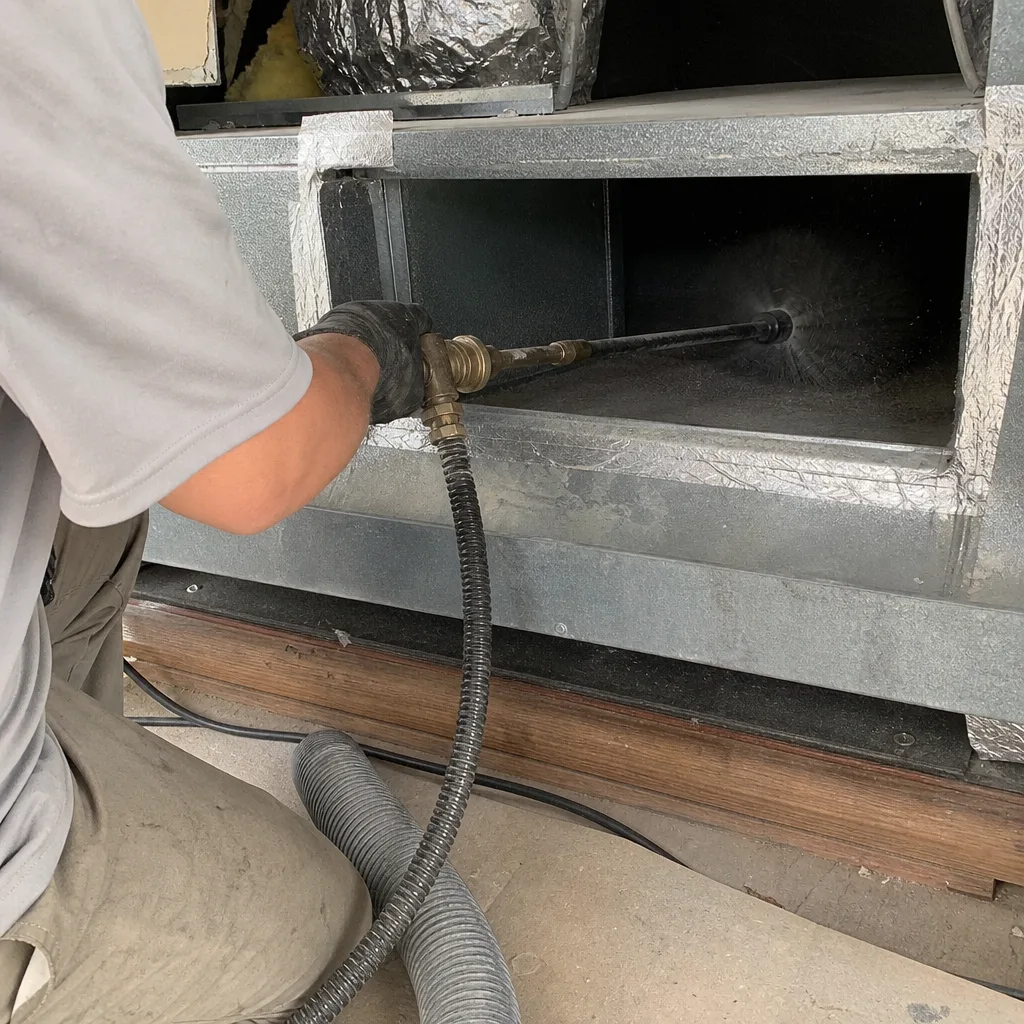
How much does air duct cleaning cost in Denver in 2026?
Searching for air duct cleaning near me in Denver, CO? CleanRun charges $299 to $649 for most single-family homes in 2026, with the majority of jobs falling in the $350 – $500 range. Condos and smaller homes in neighborhoods like RiNo, Sunnyside, or Baker typically land at the lower end; larger two-story homes in Platt Park, Hilltop, or Stapleton with finished basements and higher duct counts land at the upper end. That price is written before any work begins. Call (720) 799-2292 for a specific written number based on your home’s actual configuration.
Why do some companies advertise $79 duct cleaning in Denver?
$79 covers a single technician with a portable shop-vac making contact at each register – it is not a negative-pressure extraction cleaning of the full duct system. In most cases the real price emerges as an upsell once panels are already off, which is the specific scenario Haven Standard Clause 1 was written to prevent. A CleanRun written price delivered before any work starts eliminates that dynamic entirely. If you have a $79 quote in hand, call (720) 799-2292 and we’ll put our written number next to it.
How often should Denver homes have their air ducts cleaned?
Most Denver homes need duct cleaning every 3 to 5 years under normal conditions – no recent construction, no unusual moisture events, no pets with heavy shedding, MERV-8 or better filtration maintained consistently. Homes that ran their systems heavily during Denver’s 2020-2022 wildfire smoke seasons without high-efficiency filtration, or homes in neighborhoods with older clay-soil construction near Montbello or Green Valley Ranch where fine particulate intrusion at duct boots is common, may need attention sooner. The camera inside your ducts is more accurate than any calendar-based rule.
Is air duct cleaning worth it in Denver?
For most Denver homes, yes – particularly those that haven’t been cleaned since purchase, those with forced-air systems running through unconditioned crawlspaces or attics, and those occupied by anyone with allergy or asthma diagnoses. The documented photo record CleanRun provides on every job means you’re not relying on the technician’s word – you see before and after images of the inside of each duct run. That’s either confirmation that cleaning was warranted, or documentation that your ducts were in good condition and didn’t need it. Either outcome is useful. For a specific assessment of whether your system’s condition warrants the cost, call (720) 799-2292.
What is included in a CleanRun air duct cleaning job in Denver?
Every CleanRun job includes: a written price before any work begins (Haven Standard Clause 1), negative-pressure extraction using Nikro equipment with HEPA filtration so debris is captured rather than redistributed, rotary brush agitation with Rotobrush equipment through each supply and return run, and a documented photo record of the inside of every duct run before and after cleaning – delivered to you as a standard part of the job record, not an add-on. The 365-Day Done Right Promise backs every job in writing: if the work isn’t right, we make it right. Pricing for the Denver market runs $299 to $649 for standard homes; the written scope you receive specifies run count, equipment, and every included item before a panel comes off.
What the Documented Photo Record Actually Shows
This is worth explaining because it’s the part most customers haven’t encountered before.
Before any brush or extraction equipment goes into a duct run, a camera passes through each one and the footage is captured. In a typical Denver home, this means 10 to 30 individual duct segments photographed – the plenum connection, the first elbow, any horizontal runs, and the register end. What shows up in those images ranges from a thin dust coat on a well-maintained system to 2-inch debris accumulation at the first elbow in a home that hasn’t been cleaned since construction. In homes near I-70 or I-25 corridors in neighborhoods like Globeville, Elyria-Swansea, and Cole, fine particulate from traffic emissions is a measurable part of what the camera finds.
After cleaning, the same passes are made and photographed. You receive both sets. Not a technician’s verbal description, not a single photo of the dirtiest spot. Every run, before and after, as a permanent record. This practice has been standard on every CleanRun job since Tomas Reyes ran the first one in 2013 – it’s not a new marketing feature.
That record also serves a practical function if you sell your home. A documented cleaning record with before/after photography is a verifiable disclosure item. Several real estate agents in the Denver market have specifically requested CleanRun records for their listings in Wash Park, Park Hill, and Cherry Creek because the documentation holds up to buyer scrutiny in a way that a receipt from a $79 coupon company does not.
CleanRun vs. the Denver Duct Cleaning Market: A Plain Comparison
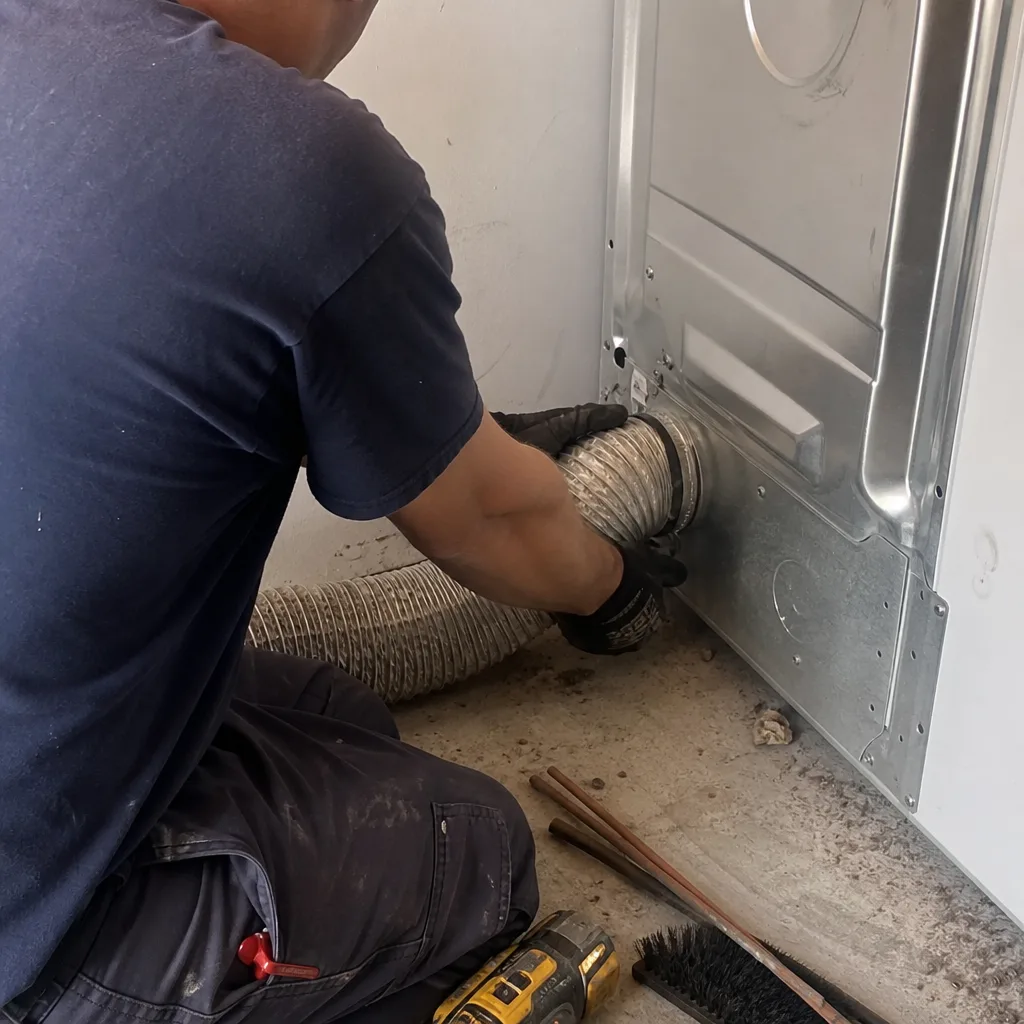
We’re not going to name competitors – that’s not the point. But the comparison is useful to understand, so here it is in plain terms.
The Denver duct cleaning market has three tiers. The first is the coupon tier: $79 – $149 advertised prices, usually a franchise or a rotating roster of subcontractors, no written scope before work, upselling at the door, minimal equipment. The second is the mid-market tier: $250 – $450, often HVAC companies that do duct cleaning as an add-on service with varying equipment quality and no systematic photo documentation. The third is the commercial duct cleaning tier: companies using negative-pressure extraction equipment from brands like Nikro and Rotobrush, trained crews, written scopes, and some form of post-job documentation.
CleanRun operates in the third tier. The price range reflects the equipment and the documentation – not a brand premium on top of the same service. The 52,000+ homes served since 2013, every one with a written price before work and a photo record after, is a volume of documented work that the first two tiers simply cannot match.
Learn more about what a professional duct cleaning visit involves on the Air Duct Cleaning in Denver service page, or return to the home page to see the full range of services CleanRun offers in the Denver metro area.
Key Takeaways
- Air duct cleaning in Denver costs $299 – $649 for most single-family homes in 2026, with most jobs between $350 and $500.
- Price is driven by duct run count, system type, contamination found on camera inspection, and add-on services – not square footage alone.
- Denver’s climate (altitude, humidity swings, wildfire smoke seasons, clay-soil particulate) creates duct conditions that differ from national averages and affect both cleaning frequency and cost.
- A $79 advertised price is not comparable to a negative-pressure extraction cleaning with documented photo records – they are different services.
- Every CleanRun job includes a written price before work begins, Nikro and Rotobrush professional equipment, and a documented before/after photo record of every duct run as a standard deliverable.
- The 365-Day Done Right Promise backs every job in writing – not subject to manager approval, not conditional on future purchases.
- Bundling dryer vent cleaning at the same visit, upgrading filtration in advance, and requesting a free second opinion on any written competitor quote are the three most effective ways to manage cost without reducing scope.
Get a Written Price Before Any Work Starts
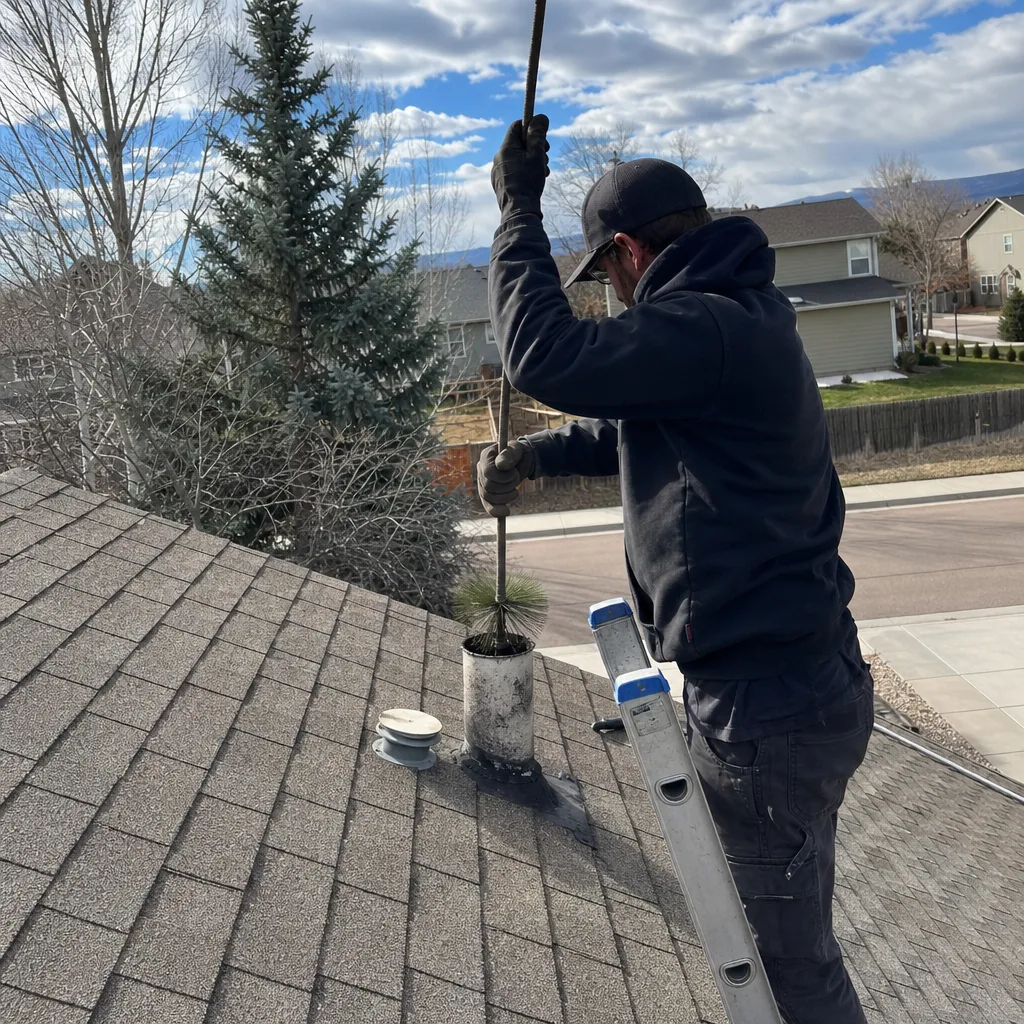
If you’re ready to know what your Denver home’s duct cleaning will cost – specifically, in writing, before a single panel comes off – call (720) 799-2292. CleanRun answers every call with a live person. Tomas Reyes built the business on the principle that a price written before work starts is the only price that means anything, and that hasn’t changed since the first job in 2013. Estimates are free, the second opinion on any written competitor quote is free, and the written price you receive is the price on your invoice.
Pricing reflects the Denver market as of 2026. CleanRun Air Duct Cleaning Denver offers free estimates – call (720) 799-2292.
Written by Tomas Reyes, Owner at CleanRun Duct Repair & Cleaning, serving Denver since 2013.
What Our Customers Say
"They found a disconnected duct in the crawl space that had been dumping conditioned air under the house for years. Photographed it, quoted the repair, fixed it."
- Devon A."The dryer vent was almost completely blocked with lint. They showed me the photograph and I understood immediately why the dryer had been running twice."
- Lucia M."Flat price agreed up front, no per-vent add-ons at the end. That was the whole reason I did not call the coupon company."
- Suzanne B.