
Whole-system duct and dryer vent check with before-and-after photos - you see exactly what came out of your vents
That "$99 whole-house special" is a bait ad - the real number appears once they are in your hallway, or the "clean" is a shop-vac at the register. We photograph the inside of your ducts before and after instead.
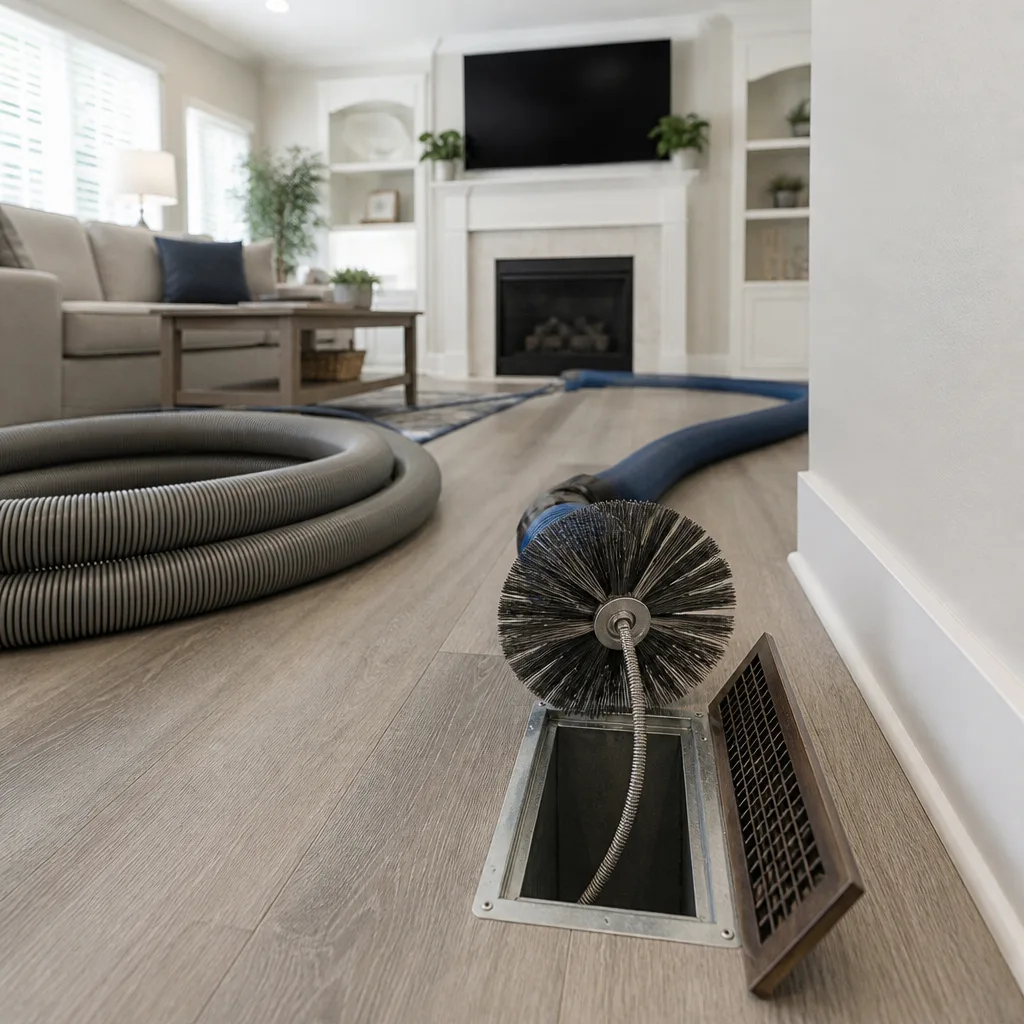
 Before
 After
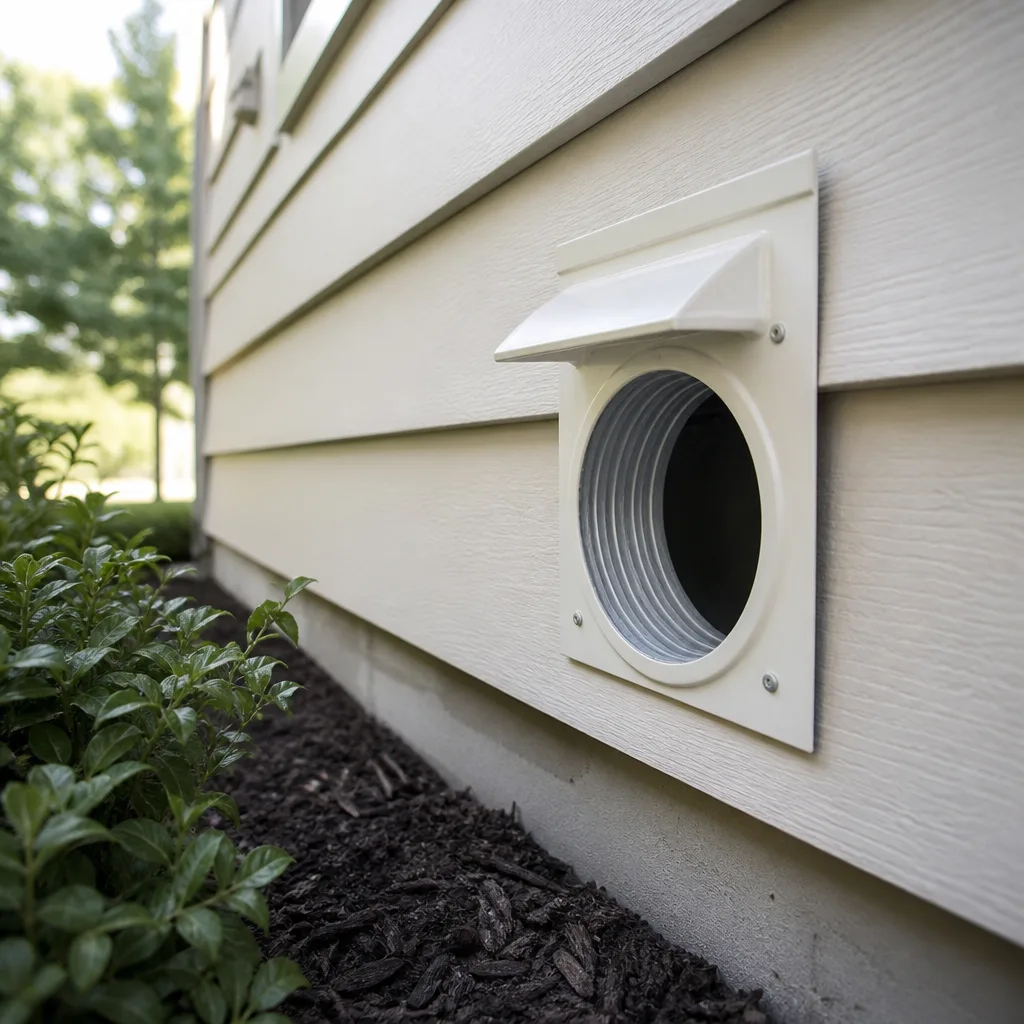
After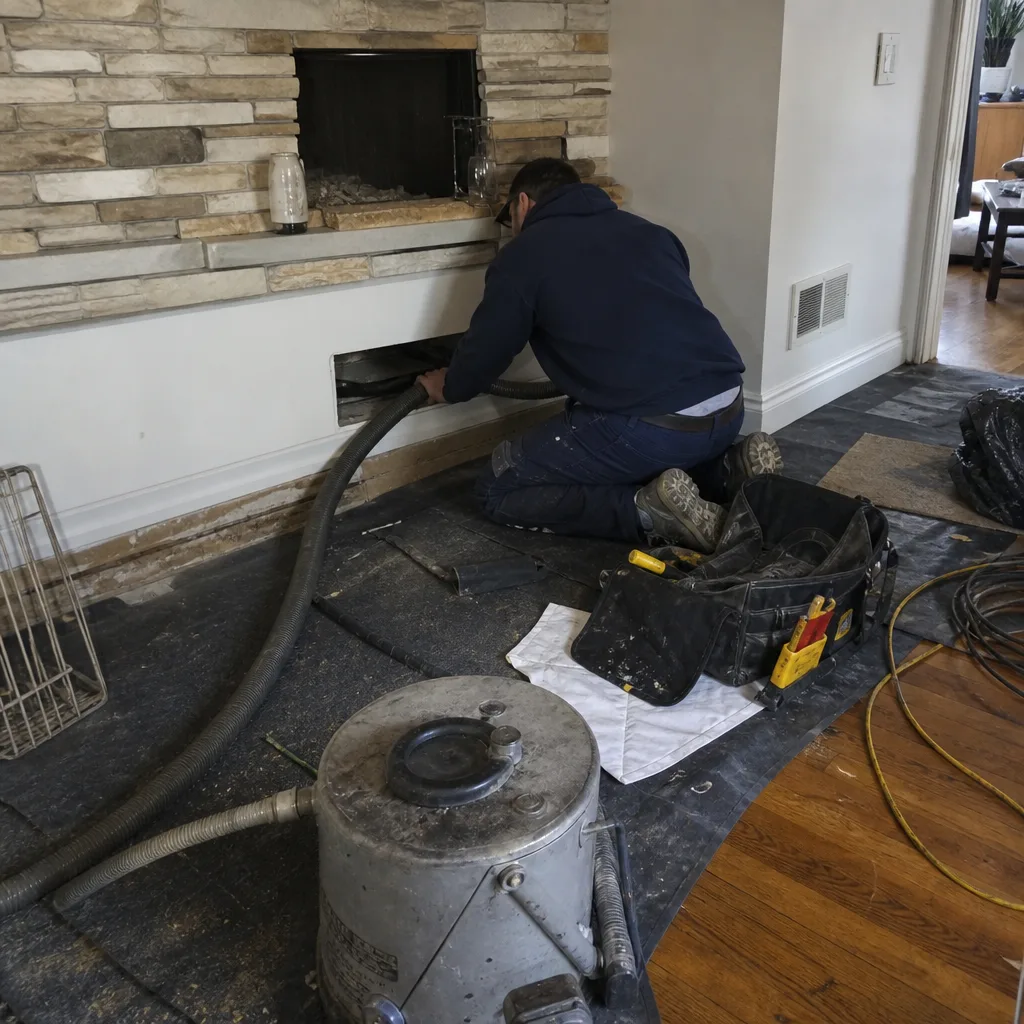 Before
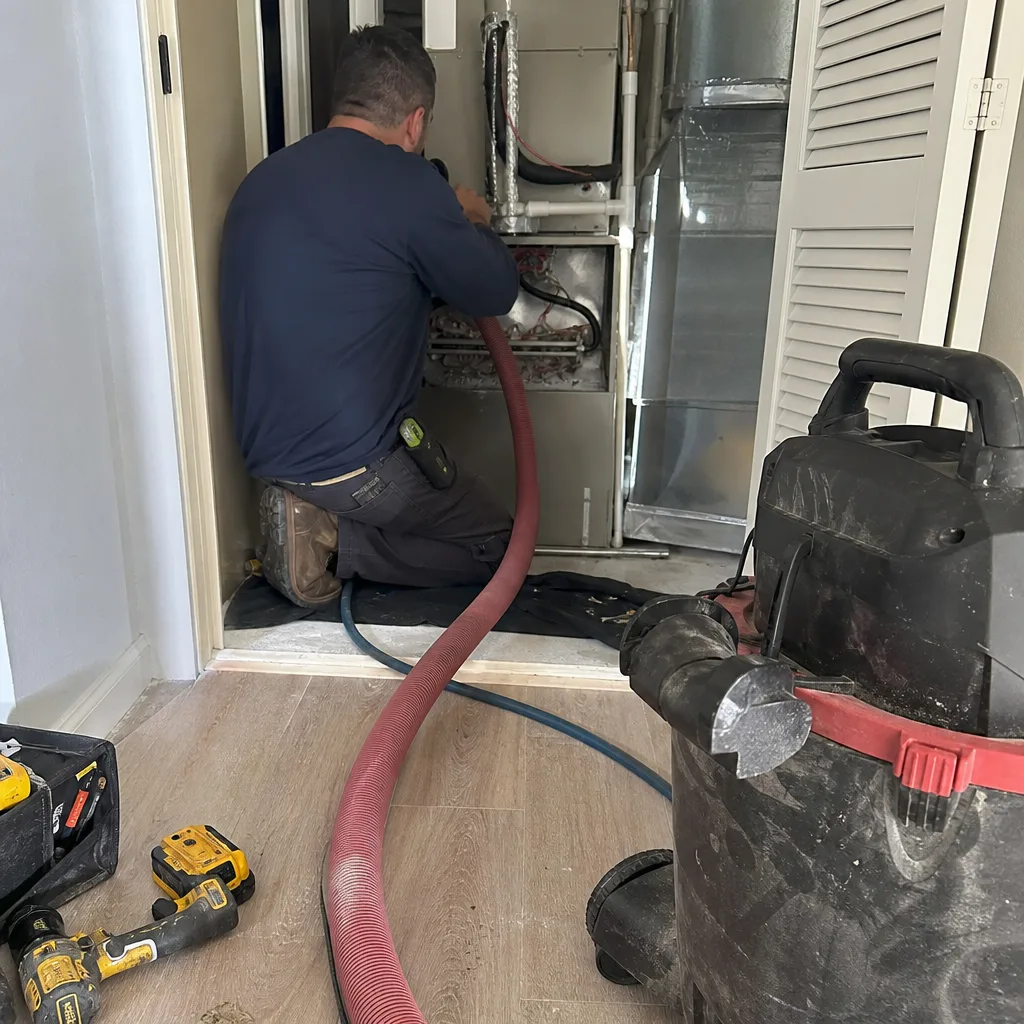 After
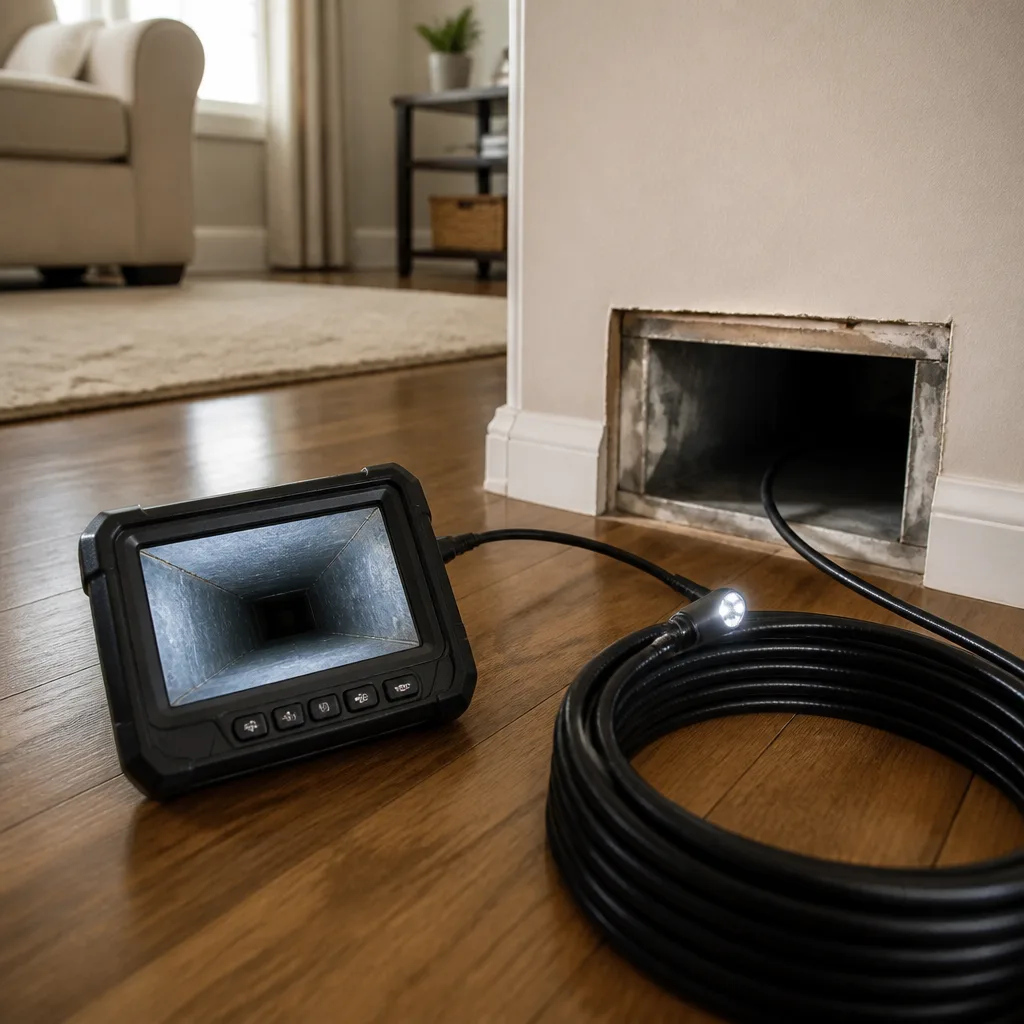
After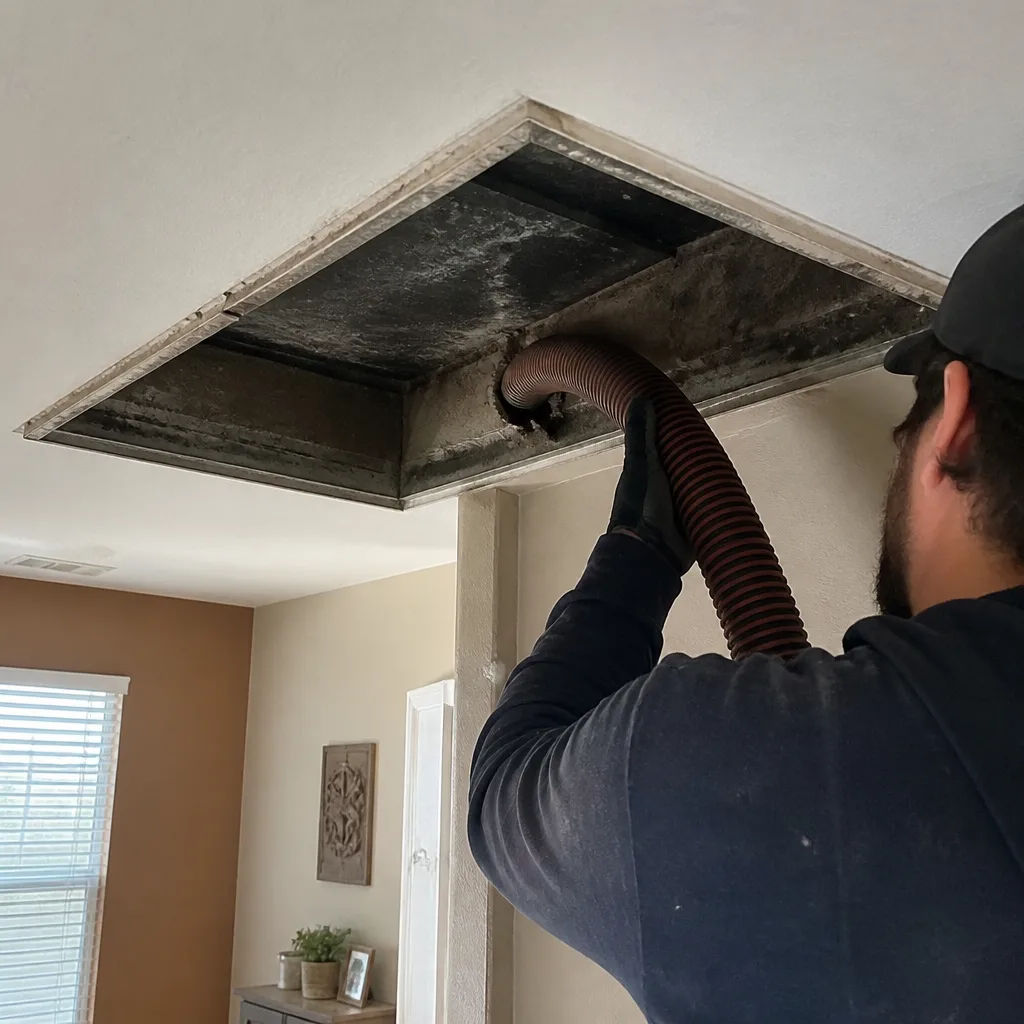 Before
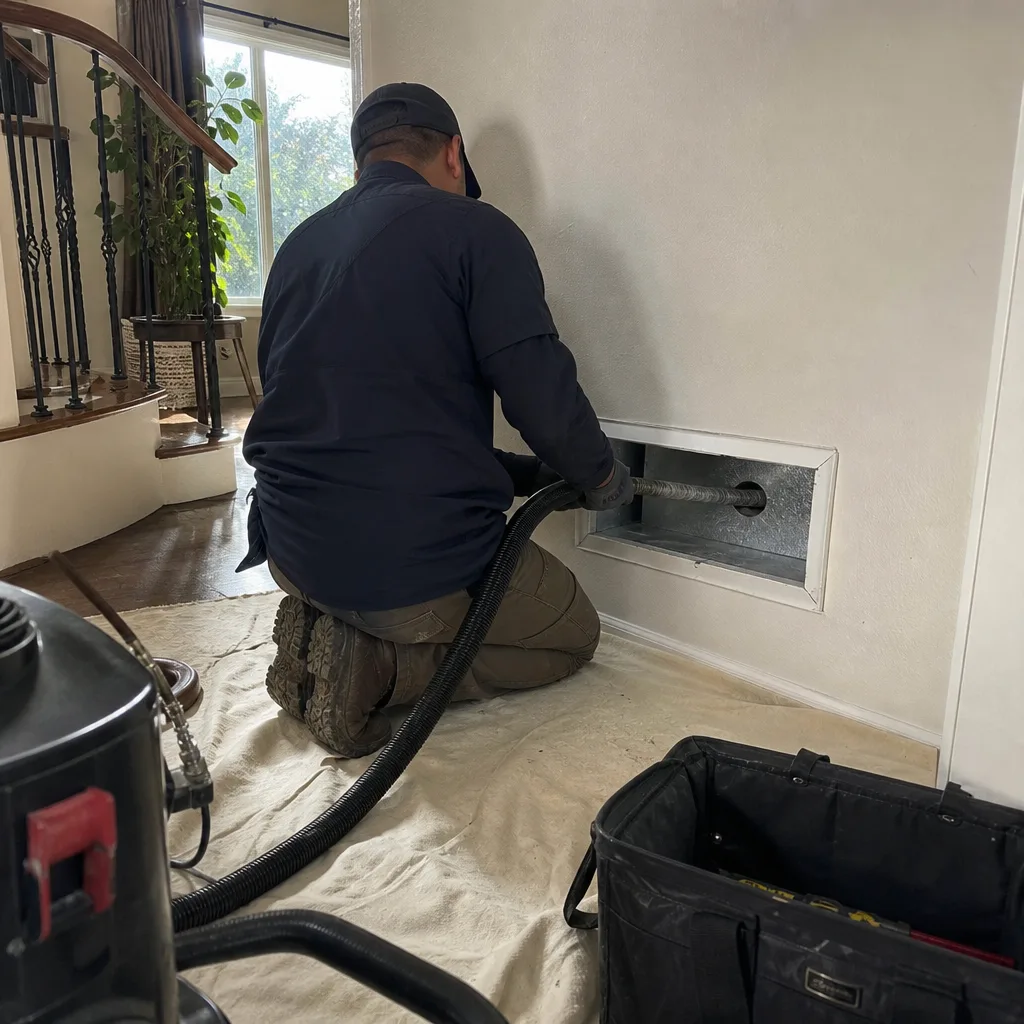 After
AfterHow Much Does HVAC Cleaning Cost in Denver?
HVAC Cleaning services in Denver typically cost between $299 and $799 for a standard single-family home, depending on system size, duct count, and whether add-on services like dryer vent cleaning or antimicrobial treatment are included. Most Denver homeowners with a 2,000-2,800 sq ft home pay around $350-$500 for a full air duct cleaning that covers every supply and return run. If a written price isn’t in your hand before the crew touches anything, stop – that’s the number-one sign of a bait-and-switch operation in this market.
HVAC Cleaning Cost Breakdown (2026)
The table below reflects what CleanRun quotes in the Denver market in 2026. Every figure here is a written price range – not a teaser rate designed to climb once the truck is in your driveway.
| Service | Typical Denver Price Range | Notes |
|---|---|---|
| Air Duct Cleaning – Small Home (up to 1,500 sq ft, 8-12 vents) | $299 – $375 | Covers all supply runs, return ducts, and plenum |
| Air Duct Cleaning – Mid-Size Home (1,500-2,500 sq ft, 13-20 vents) | $350 – $499 | Most common bracket for Stapleton, Wash Park, and Highlands homes |
| Air Duct Cleaning – Larger Home (2,500-4,000 sq ft, 21-30 vents) | $499 – $699 | Includes multi-zone or two-system homes |
| Air Duct Cleaning – Large/Custom Home (4,000+ sq ft) | $699 – $950+ | Common in Cherry Hills Village and Washington Park Estate builds |
| Dryer Vent Cleaning (add-on or standalone) | $99 – $175 | Price rises with vent length; average Denver townhome vent runs 12-18 ft |
| Antimicrobial/Sanitizing Treatment | $75 – $150 | Applied post-cleaning; agent type disclosed before quoting |
| Furnace / Air Handler Cleaning (coil and blower) | $149 – $250 | Often bundled with duct cleaning; priced separately on request |
| Duct Repair and Sealing (per linear foot) | $8 – $22 per linear ft | Scopoed after camera inspection; written price before any sealing begins |
| Free Second Opinion on a Competitor Estimate | $0 | Bring the written quote; CleanRun puts its number next to it |
What the Base Price Actually Covers
When CleanRun quotes an air duct cleaning job in Denver, the written price covers negative-pressure extraction through every supply run and return duct in the system, plus the main supply plenum (the central chamber that distributes conditioned air to each branch duct). It also covers the documented photo record – photos of the inside of every duct run, taken before and after the job, delivered to you as a standard part of the work record. That documentation is not an add-on. It has been standard practice since the first job in 2013.
What the base price does not automatically cover: sanitizing treatments, dryer vent work, or duct repairs identified during the camera inspection. If any of those are warranted, the technician documents what the camera found and quotes a written price before touching anything additional.
Why Denver Prices Run Higher Than the National Average
The national average for air duct cleaning gets quoted at $300-$500 in a lot of generic guides. Denver’s market trends slightly above that for a few real reasons. Labor costs in metro Denver have climbed consistently since 2021. Fuel and equipment overhead for service businesses operating out of a high-cost market show up in pricing whether companies name it or not. And Denver homes – particularly the post-war ranch builds in Wheat Ridge and Lakewood, and the newer infill townhomes in RiNo and Baker – often have longer, more complex duct runs than homes of comparable square footage in flat-slab Sun Belt markets. A 2,200 sq ft ranch in Arvada can have more linear feet of ductwork than a 2,800 sq ft two-story in a standardized subdivision layout.
There’s also the altitude factor. Denver sits at 5,280 feet, and HVAC systems here run harder to deliver the same air volume as systems at lower elevation. That means more airflow, more particulate movement through the duct system, and, in most homes, more debris accumulation between cleaning cycles than you’d see in comparable homes in, say, Kansas City or Phoenix.
What Affects HVAC Cleaning Pricing in Denver
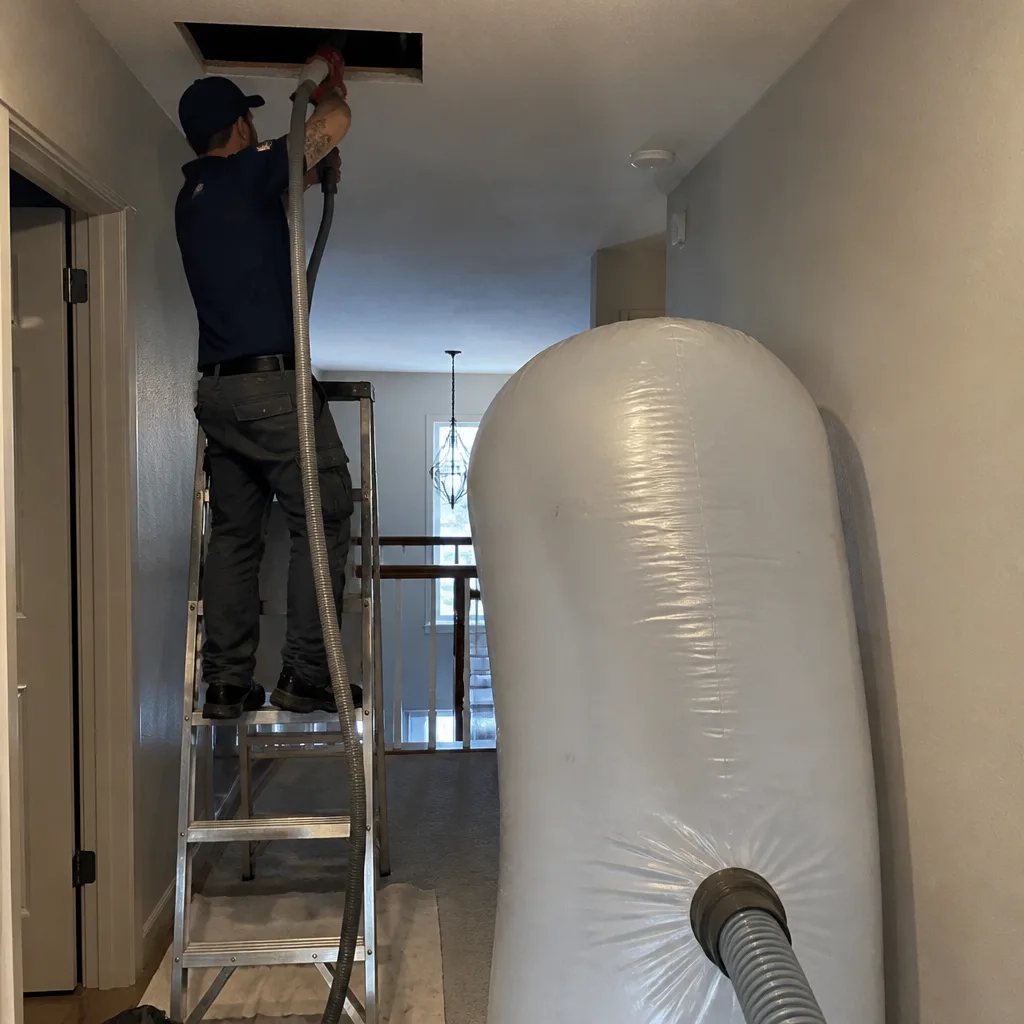
- Number of duct runs and registers: Pricing is almost always tied directly to vent count, not just square footage. A 1,800 sq ft home with a complicated addition and 22 registers costs more to clean than a 2,200 sq ft open-concept build with 16. CleanRun counts every register during the walkthrough – that count is in the written quote before anything starts.
- Single-story vs. multi-story layout: Ranch-style homes in Lakewood, Englewood, and the older Wheat Ridge neighborhoods tend to have longer horizontal duct runs than two-story builds. Long horizontal runs mean more time with the Rotobrush agitation system and more Nikro extraction passes. That translates to a higher quote, and the quote will tell you exactly why.
- Duct material and age: Homes built before 1985 – including a lot of the Capitol Hill and Park Hill housing stock – may have duct systems that include flex duct sections, older sheet-metal work, or deteriorating duct board. Rigid sheet-metal ducts clean faster and hold up better under negative-pressure extraction. Damaged flex duct needs to be assessed before cleaning so the camera can confirm no collapsed sections exist before suction is applied. Collapsed or partially blocked duct is more common than most homeowners expect in homes that haven’t had an inspection in 10+ years.
- Debris load and contamination type: A system that has never been cleaned – or one where a previous “cleaning” was vacuum-only without agitation – takes longer to restore. In homes near the I-25 and I-70 interchange construction corridors, the camera regularly finds fine construction particulate packed into elbow bends. Post-renovation jobs in Sloan’s Lake and Highlands redevelopment properties frequently show drywall dust in the first and second elbow from the main trunk. That debris load takes longer to extract and will be reflected in the written quote.
- System accessibility: If the air handler is in a tight utility closet, a low-clearance crawl space, or a rooftop unit in a Park Hill Victorian that was converted to central air, access time goes up. If registers are behind heavy furniture or in finished ceilings, that’s documented in the scope. Nothing is charged without a written explanation.
- Add-on services: Dryer vent cleaning, coil cleaning, and antimicrobial sanitizing are priced separately because not every job needs them. A home with a clean, accessible dryer vent doesn’t need that service. CleanRun doesn’t bundle services to inflate a ticket – if a camera inspection shows a clean dryer vent, that finding is noted in the job record and the service isn’t recommended.
BeforeAfterThe $79 Coupon Problem in Denver
It’s worth spending a paragraph on this because it directly affects what Denver homeowners pay in the end. Every year, a handful of companies market HVAC cleaning in Denver at $49-$79 per system or per “area.” The coupon rate is a door-opener, not a final price. Once the technician is inside, the scope expands: additional vents are counted at $25-$45 each, “contamination charges” appear, sanitizing is presented as essential. A job quoted at $79 routinely ends at $400-$600 without the documentation or equipment quality that justifies that number.
CleanRun’s position on this is simple and it’s in writing before any job starts under Haven Standard Clause 1: the written price is the price. No price that appears in a quote from CleanRun can increase once work begins unless the customer requests a scope change – and even then, the new scope gets written and signed before the additional work starts. That’s not a policy subject to interpretation. It’s a written commitment on every job.
If you’ve already received a low estimate and want a real comparison, CleanRun offers a Free Second Opinion on any written estimate. Bring the competitor’s written quote and CleanRun puts its own number next to it, in writing, for the same scope. No charge.
How to Save on HVAC Cleaning in Denver
Get the scope right before comparing prices
The most common mistake Denver homeowners make when comparing HVAC cleaning quotes is comparing different scopes as if they’re the same service. One quote might cover supply ducts only; another covers supply, return, and plenum; a third adds coil cleaning. Before you compare dollar amounts, confirm that every quote is covering the same list of duct runs, the same equipment components, and the same documentation deliverables. A $299 quote that covers 10 vents is not comparable to a $450 quote covering 18 vents plus a photo record of every run.
Combine services on one visit
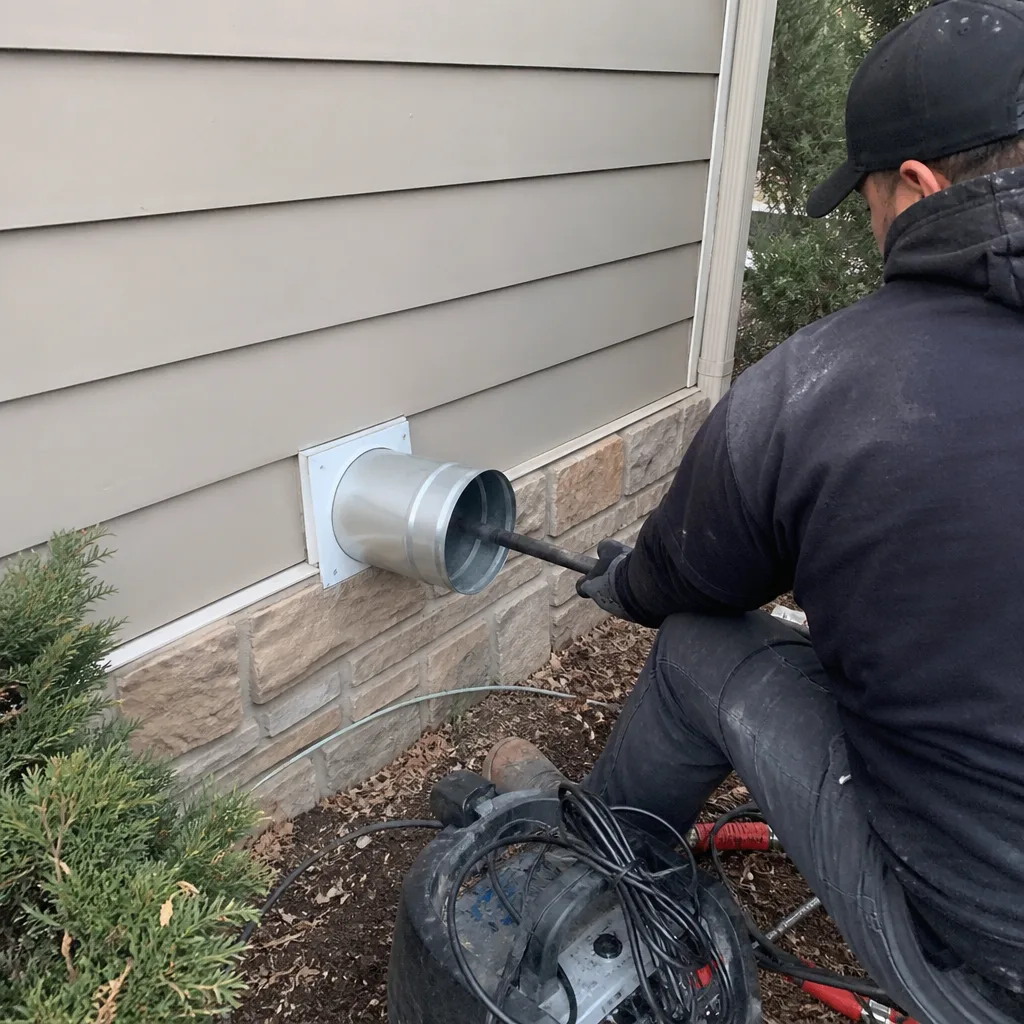
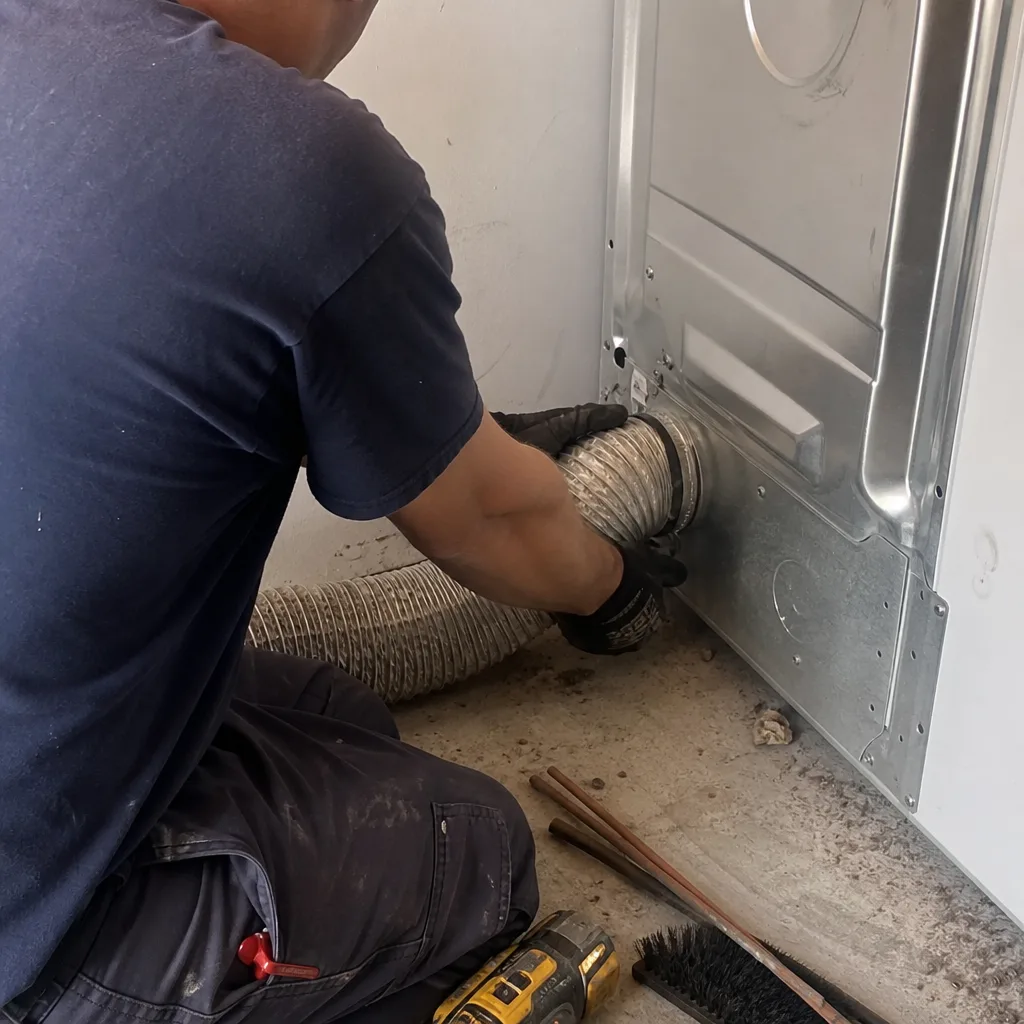
If your dryer vent is also due for cleaning – and in Denver’s dry climate, lint accumulation accelerates, so most vents serving active households should be inspected every 1-2 years – scheduling it on the same visit as your HVAC cleaning reduces the trip cost that would otherwise apply to a standalone dryer vent call. The combination typically saves $30-$60 compared to two separate visits. A standard dryer vent cleaning alongside a full duct cleaning runs $399-$599 for most mid-size Denver homes.
Clean before, not after, a renovation
If you’re planning a remodel – kitchen, basement finish, bathroom gut – schedule an HVAC inspection after the work is done, not before. Post-renovation duct cleaning removes the drywall dust, wood particulate, and insulation fibers that construction almost always deposits into the duct system. Cleaning before means you’ll need it again after. One well-timed visit is less expensive than two.
Know your cleaning cycle
The EPA and NADCA both note that most residential duct systems don’t need annual cleaning. For a Denver home without pets, occupants with asthma or allergies, or recent construction activity, a cleaning cycle of every 3-5 years is reasonable. Cleaning more frequently than necessary adds cost without proportional benefit. A camera inspection can tell you whether cleaning is actually warranted – and CleanRun will photograph what the camera finds so you can make that call yourself based on what’s visible, not on what a technician says is there.
Use the free estimate – and use it well
Before scheduling any HVAC cleaning in Denver, call (720) 799-2292 for a written estimate. CleanRun quotes a firm price for your specific home – vent count, system layout, any documented conditions – before any appointment is booked. There’s no “estimate range” that shifts once the truck arrives. That written number is what you compare against any other quote you receive.
What a Professional HVAC Cleaning Actually Looks Like
A lot of homeowners in Denver aren’t sure what distinguishes real HVAC cleaning from what a shop-vac and a 45-minute visit produces. Here’s what a properly documented job looks like at the technical level.
Negative-pressure extraction
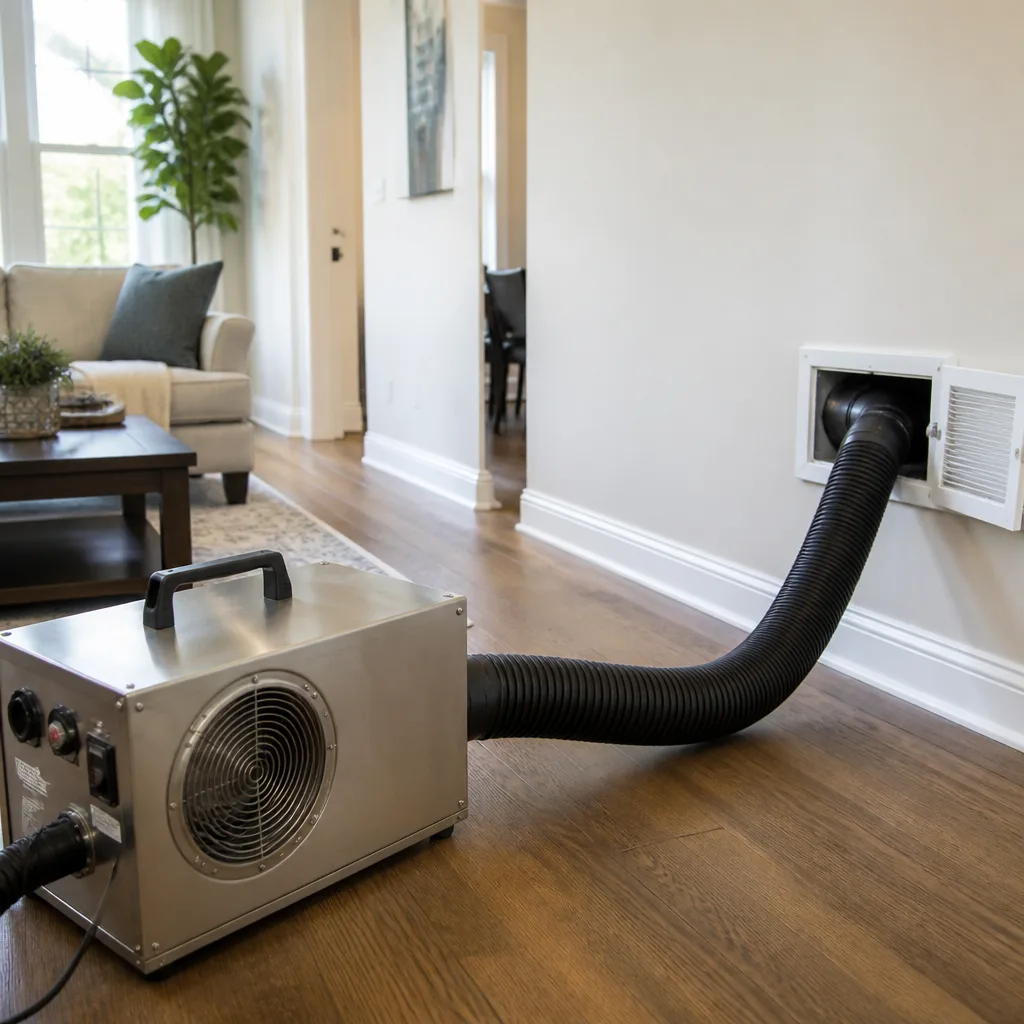
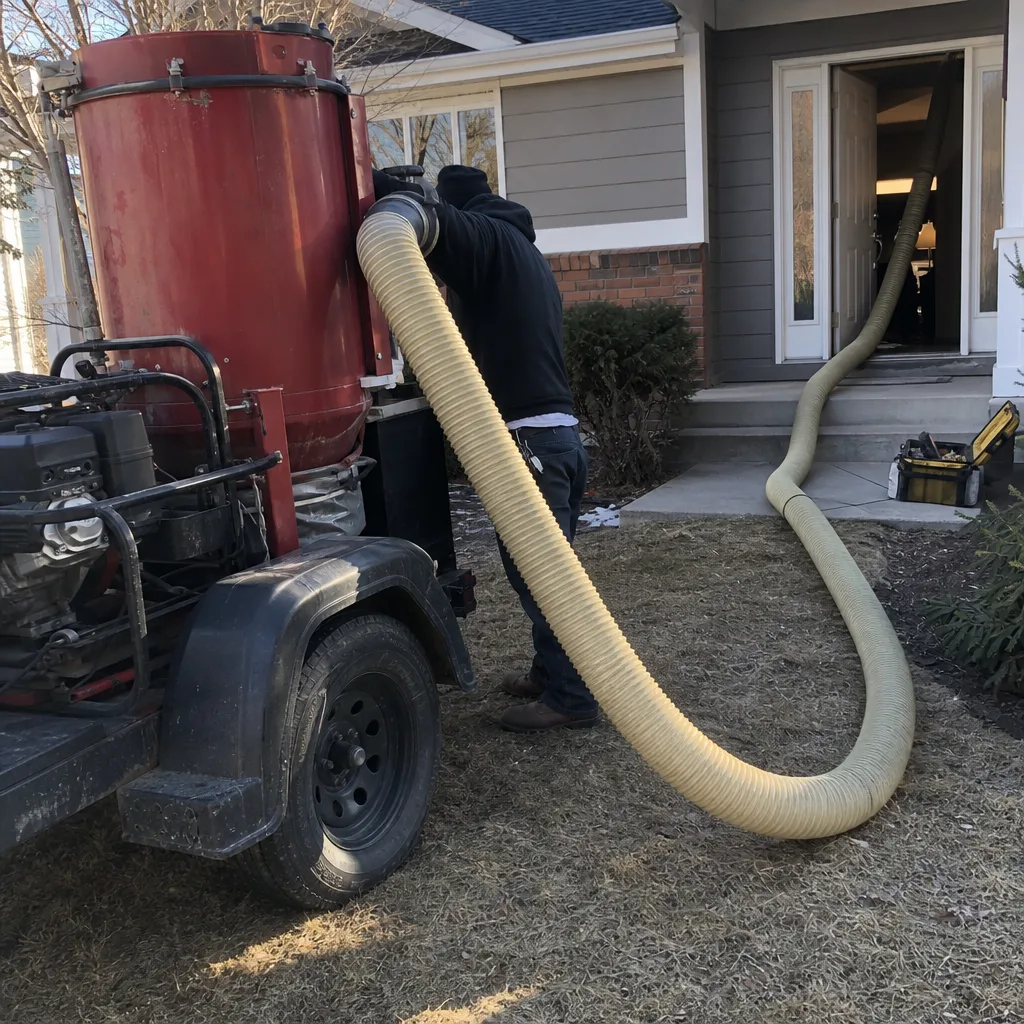
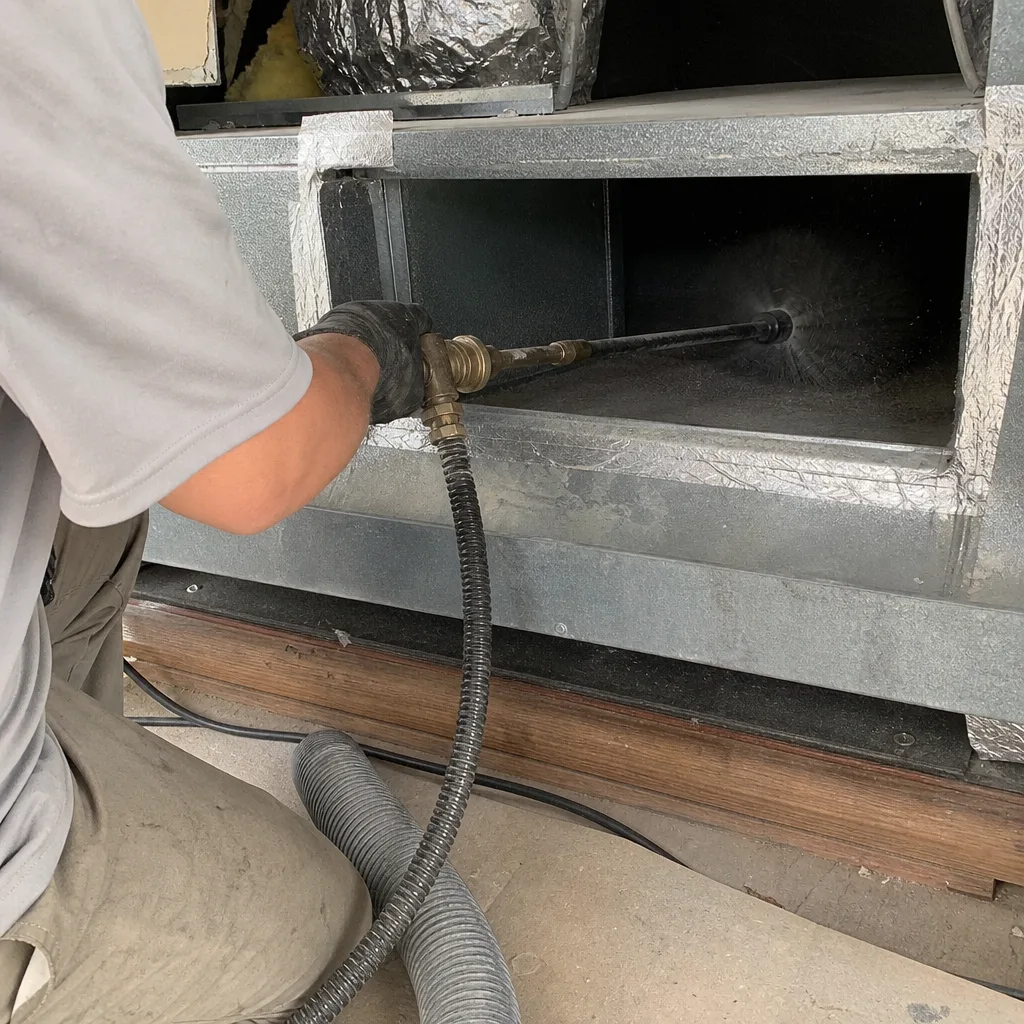
Professional-grade HVAC cleaning uses negative-pressure extraction: a high-powered vacuum system (CleanRun uses Nikro equipment, which is verifiable by model number) is connected to the main trunk line of the duct system. This creates a sustained vacuum throughout the duct network. Technicians then work each supply and return run from the register end, using a rotary agitation system (Rotobrush) to dislodge debris from duct walls. The dislodged material travels under suction toward the main trunk and out of the system. This process is fundamentally different from inserting a vacuum hose at the register and calling it done.
Camera documentation, before and after
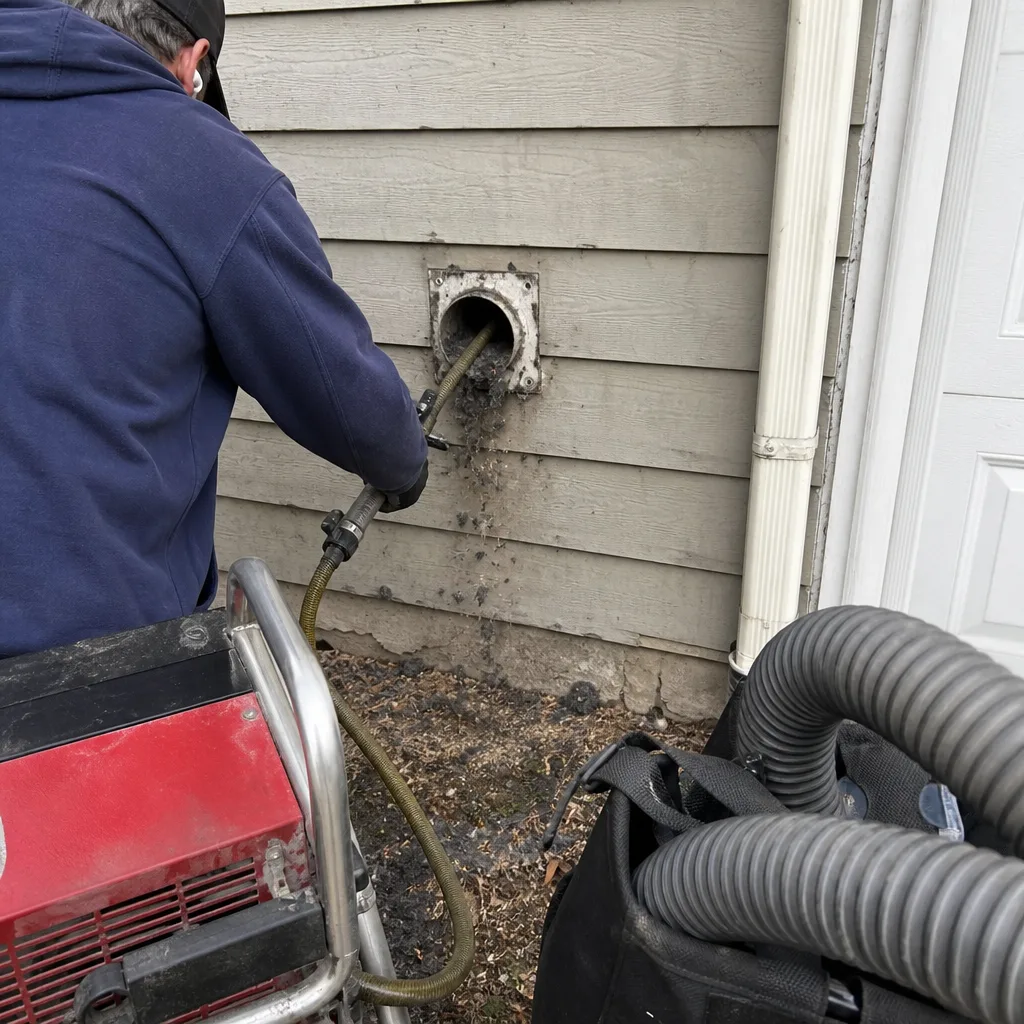
Since CleanRun’s first job in 2013, every duct run has been photographed before and after cleaning. The camera goes into each supply line and return duct. What it shows – debris depth at the first and second elbow, any visible mold growth, any collapsed sections or disconnected joints – is documented in the written job record delivered to the customer. In a Cherry Creek home cleaned in early 2025, the camera showed a 2.5-inch debris layer at the first elbow below the main supply plenum. That photograph was in the customer’s record. After cleaning, the same elbow was photographed clean. That’s the standard every CleanRun job is held to, and it’s backed by the 365-Day Done Right Promise.
The 365-Day Done Right Promise
The 365-Day Done Right Promise means exactly what it says: if the work is not right at any point within 365 days of the job, CleanRun makes it right. Not subject to manager review. Not limited to a callback. A written commitment that goes with every job. That written guarantee is not common in this market, and it’s not something CleanRun offers as a marketing line – it’s documented in the job paperwork every technician leaves behind.
Denver-Specific Conditions That Affect Your HVAC System
Denver’s climate creates a few duct-system conditions that are worth understanding before you schedule service.
Low humidity and static particulate
Denver’s average annual relative humidity runs well below the national average – often in the 30-45% range for interior spaces in winter. Low humidity means airborne particulate – fine dust, pollen, pet dander, skin cells – stays suspended longer before settling. That extends the travel distance before particles deposit in ductwork, which means debris tends to accumulate farther from the registers than in more humid climates. In dry-climate systems, the first major debris accumulation often appears at elbow bends 6-12 feet into the trunk run rather than at or near the register boot.
Wildfire smoke particulate
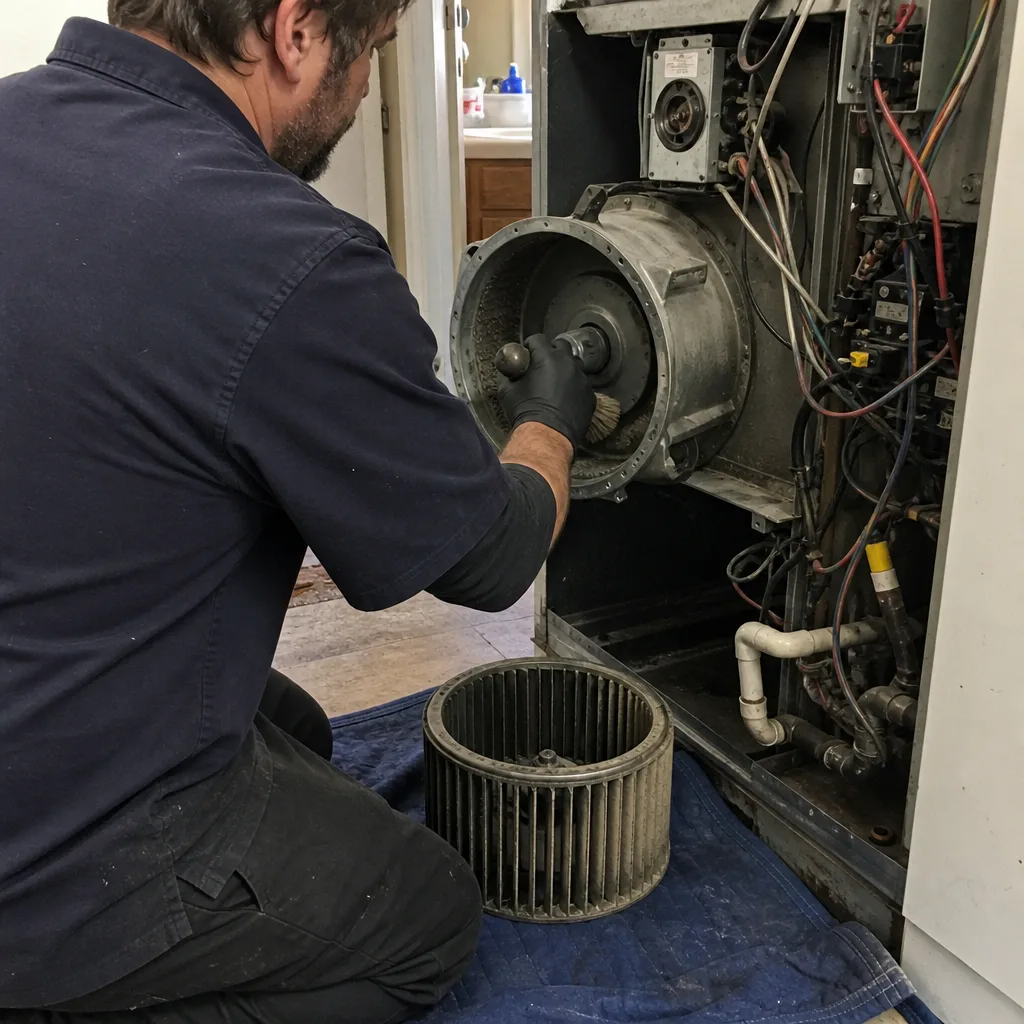
Since 2020, Denver has experienced repeated periods of elevated wildfire smoke from fires in the Front Range, Colorado’s western slope, and neighboring states. Wildfire smoke particulate is measured in the PM2.5 range – particles fine enough to pass through standard 1-inch fiberglass filters and deposit inside duct walls and on blower assemblies. Homes in Washington Park, Stapleton, and Sunnyside that run their HVAC during smoke events without high-MERV filtration often show visible fine-particle soiling on blower wheels and coil surfaces. If your system ran through a smoke event without a filter upgrade, a camera inspection is a reasonable first step. CleanRun uses Honeywell and Aprilaire filtration equipment and can assess your current filter setup as part of the job walkthrough.
Dry-in construction and rapid development
Denver’s construction boom from 2015 through 2025 filled neighborhoods like RiNo, Cole, and Sloan’s Lake with new and renovated structures. Adjacent homes – particularly in Baker and Curtis Park, where infill development sits close to existing structures – regularly show construction dust in ductwork even without any renovation work done to the home itself. If a neighboring property underwent major construction while your HVAC was running, a camera inspection is warranted.
How CleanRun Operates Under the H.A.V.E.N. Standard
Every CleanRun job in Denver is performed under the H.A.V.E.N. Standard – a documented operating framework that sets specific requirements for crew conduct, pricing transparency, and job documentation. Two clauses are most relevant to pricing:
Haven Standard Clause 1 – Upfront Written Pricing: Every job receives a written price before any work begins. No estimate ranges. No “starting at” language. A specific written number for the specific scope. That number does not increase after work begins unless the customer requests additional scope in writing.
Haven Standard Clause 3 – Verified Crews: Every technician is background-checked and arrives in a CleanRun uniform, identified by name before arrival. Tomas Reyes leads the CleanRun team in Denver and has operated under the H.A.V.E.N. Standard since the company’s founding.
If you’re evaluating CleanRun against another company, ask that company to show you their equivalent of Clause 1 in writing. If they can’t, that tells you how the estimate will behave once the crew is inside your home.
For a full overview of what HVAC cleaning covers and how the process works in the Denver market, see the HVAC Cleaning in Denver service page.
FAQs: HVAC Cleaning Cost in Denver
How much does HVAC cleaning cost in Denver in 2026?
HVAC cleaning in Denver costs $299-$799 for most single-family homes, with the majority of mid-size homes (1,500-2,500 sq ft) landing in the $350-$499 range. The final price depends on vent count, system layout, and whether services like dryer vent cleaning or antimicrobial treatment are included. CleanRun provides a written price before any work starts – call (720) 799-2292 for your specific quote.
Is it worth paying more for HVAC cleaning, or is the cheap coupon the same service?
$49-$79 coupon pricing in Denver virtually always results in a final bill of $300-$600 once the technician adds per-vent charges, contamination surcharges, and upsell services. The difference from a reputable provider isn’t just price – it’s what you receive: a camera-documented photo record of every duct run, a written guarantee, and professional-grade equipment like Rotobrush and Nikro rather than a residential shop vacuum. If a company can’t give you a written price for your specific home before the truck arrives, that’s the most reliable indicator of what the final bill will look like.
How often should Denver homeowners get their HVAC ducts cleaned?
Every 3-5 years is a reasonable baseline for most Denver homes without pets or occupants with respiratory conditions. Homes near active construction zones, those that ran HVAC during wildfire smoke events without upgraded filtration, or homes that have never had a professional cleaning may warrant a shorter interval. A camera inspection – which CleanRun documents with before photos – lets you make that decision based on what the camera actually shows rather than a technician’s verbal recommendation.
Can HVAC cleaning lower my energy bill in Denver?
A clogged or restricted duct system forces the blower to work harder to maintain airflow – that shows up as longer run cycles and higher energy consumption. Denver’s high-altitude air density compounds this: HVAC systems here already run more work cycles than equivalent systems at lower elevation. A clean duct system with no obstructions at elbow bends and trunk transitions restores designed airflow, which in turn reduces blower strain. The energy savings figure varies by home and system condition, but it’s not a marketing claim – it’s physics. A camera inspection will show whether your system has meaningful airflow restriction before you spend money on cleaning that may not be warranted.
Does homeowner’s insurance cover HVAC cleaning in Denver?
Standard homeowner’s insurance policies in Colorado do not cover routine HVAC or duct cleaning. Coverage may apply if duct contamination is the direct result of a covered event – a burst pipe that caused mold growth inside the duct system, for example – but that requires documentation and an adjuster review. In those cases, CleanRun’s photo record of every duct run becomes directly useful: the before photos document the extent of the contamination, and the after photos document the remediated condition. That written record is more useful in an insurance claim than a technician’s verbal description of what was found.
What’s included in a CleanRun HVAC cleaning quote?
Every CleanRun quote in Denver covers: negative-pressure extraction through all supply runs, return ducts, and the main supply plenum; rotary agitation (Rotobrush system) through each duct run; camera inspection and documented photo record of every run before and after; and the 365-Day Done Right Promise in writing. Dryer vent cleaning, antimicrobial treatment, coil cleaning, and duct repair are quoted separately if warranted – and only after the camera has documented a condition that warrants them. Nothing is added to the scope without a written price and your agreement first.
Key Takeaways
- Most Denver homeowners pay $350-$499 for a full air duct cleaning on a mid-size home (1,500-2,500 sq ft).
- Larger homes, higher duct counts, and older or more complex systems push pricing toward $499-$799+.
- The $79 coupon rate is a door-opener in the Denver market, not a final price. Get the written quote before scheduling.
- Denver’s altitude, low humidity, and proximity to wildfire smoke events mean duct systems here often accumulate debris differently than national averages suggest.
- A written price before work starts and a camera-documented photo record after are not optional add-ons – they’re the minimum standard a homeowner should require.
- CleanRun backs every job with the 365-Day Done Right Promise, in writing, on every job since 2013.
- A Free Second Opinion on any written estimate is available at no cost – bring a competitor’s written quote and CleanRun puts its number next to it.
Ready to Get a Written Price for Your Denver Home?
CleanRun Air Duct Cleaning Denver has served Denver homeowners since 2013, including over 52,000 homes across the metro – every one with a written price before work started and a documented photo record when the crew left. Tomas Reyes leads the team, and every technician arrives background-checked, in uniform, and identified by name before entry.
The estimate for your specific home – vent count, system layout, your actual address – is a phone call away. Call (720) 799-2292 to get your written price. If you’ve already received a competitor’s written estimate, bring it: CleanRun will put its own number next to it at no charge. To learn more about how the service itself works, visit our home page for a full overview of services and the H.A.V.E.N. Standard.
Pricing reflects the Denver market as of 2026. CleanRun Air Duct Cleaning Denver offers free estimates – call (720) 799-2292.
Written by Tomas Reyes, Owner at CleanRun Air Duct Cleaning Denver, serving Denver, CO since 2013.
What Our Customers Say
"Flat price agreed up front, no per-vent add-ons at the end. That was the whole reason I did not call the coupon company."
- Suzanne B."The before and after photographs of each run are the reason I used them. You cannot argue with what came out of the return."
- Marguerite O."My allergies genuinely improved. They also told me the ducts did not need sealing, which I had been quoted for elsewhere."
- Petra K.