
Last updated September 23, 2026
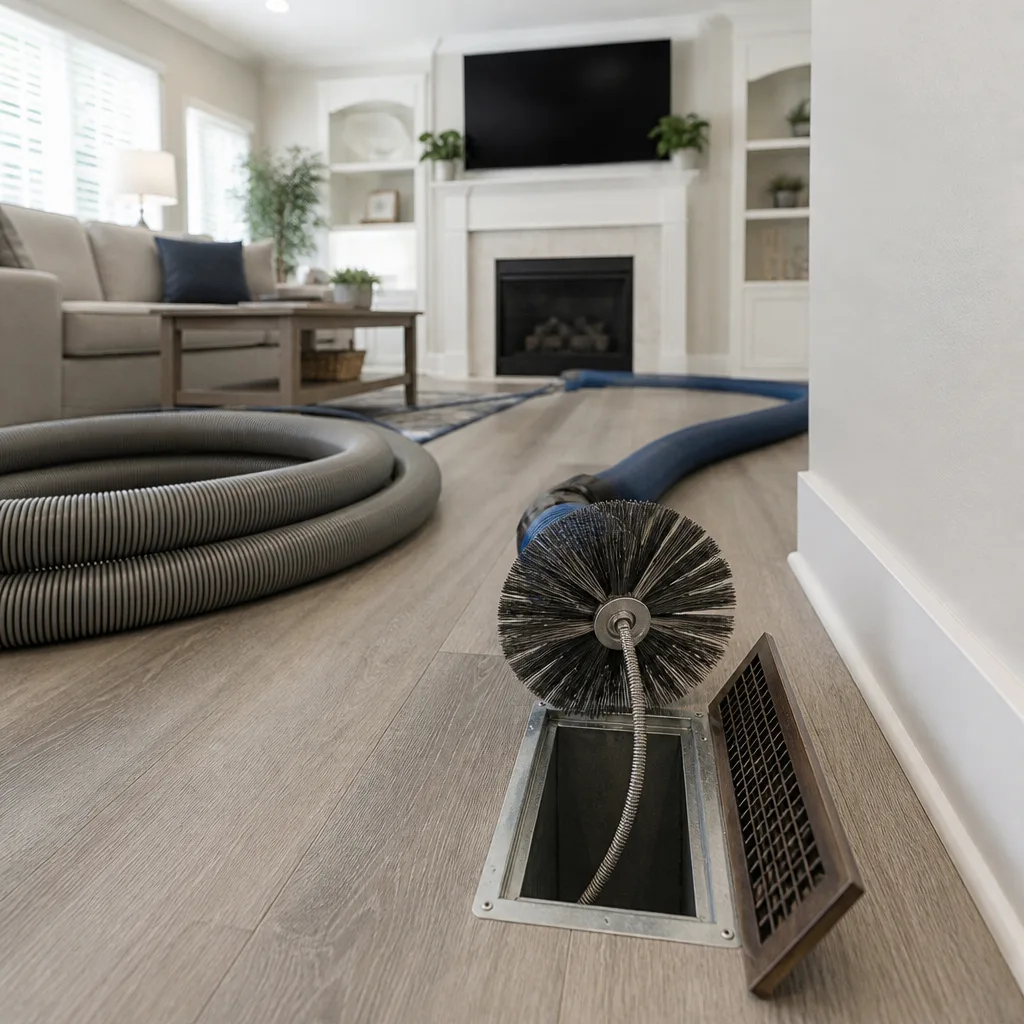
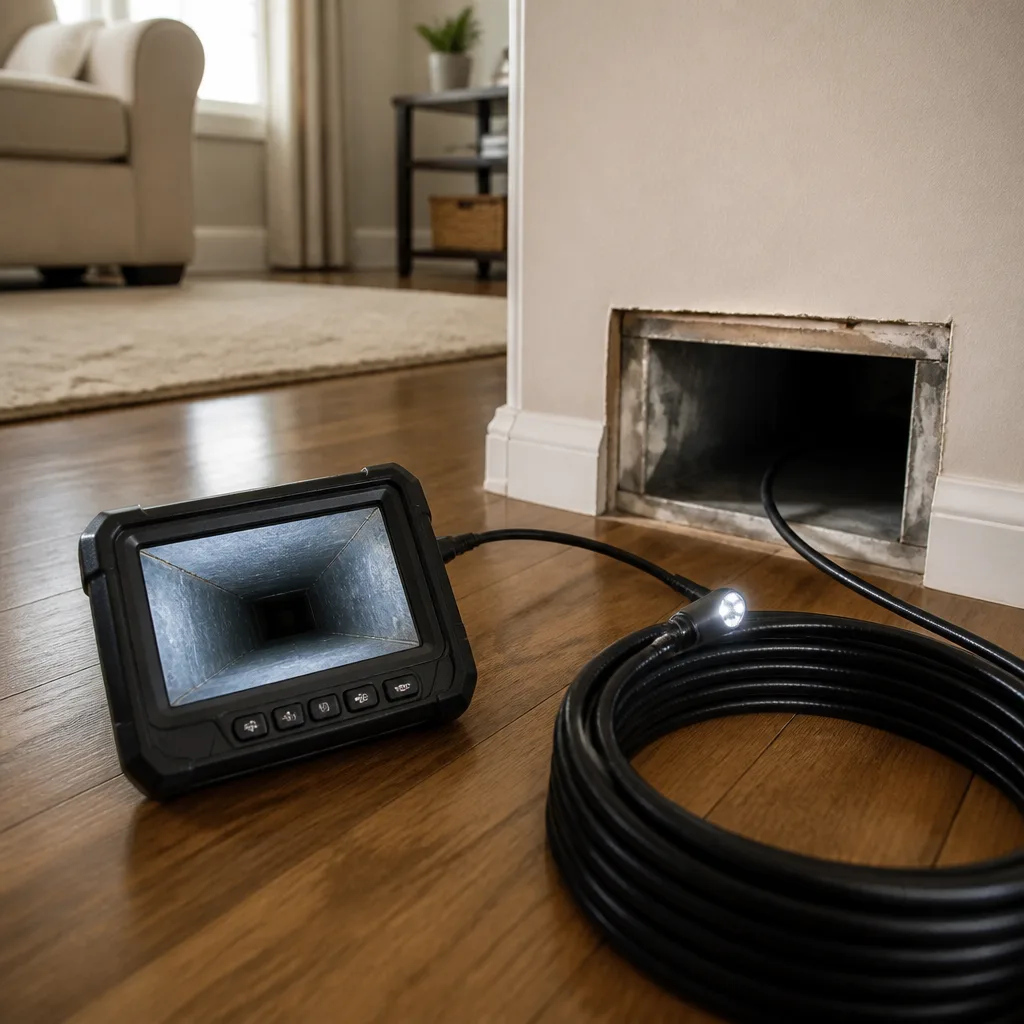
Whole-system duct and dryer vent check with before-and-after photos - you see exactly what came out of your vents
That "$99 whole-house special" is a bait ad - the real number appears once they are in your hallway, or the "clean" is a shop-vac at the register. We photograph the inside of your ducts before and after instead.
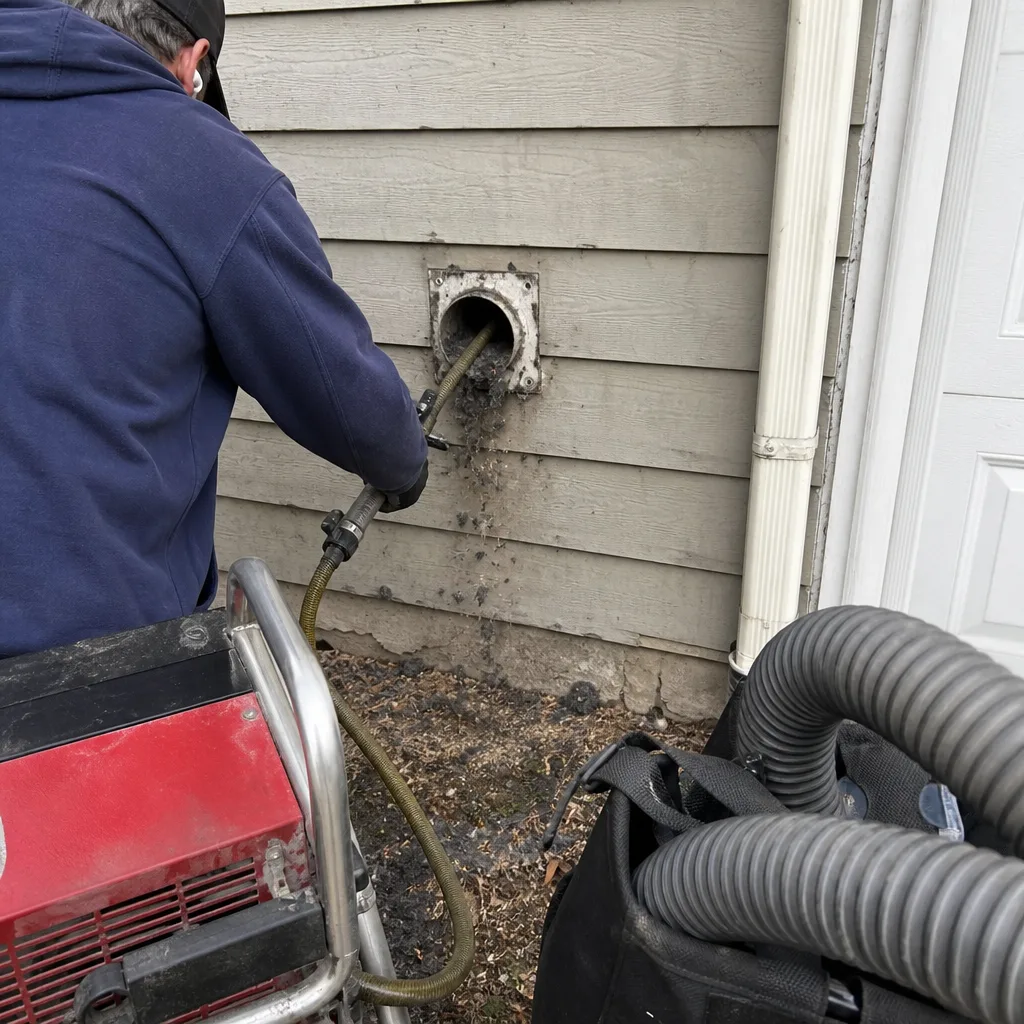 Before
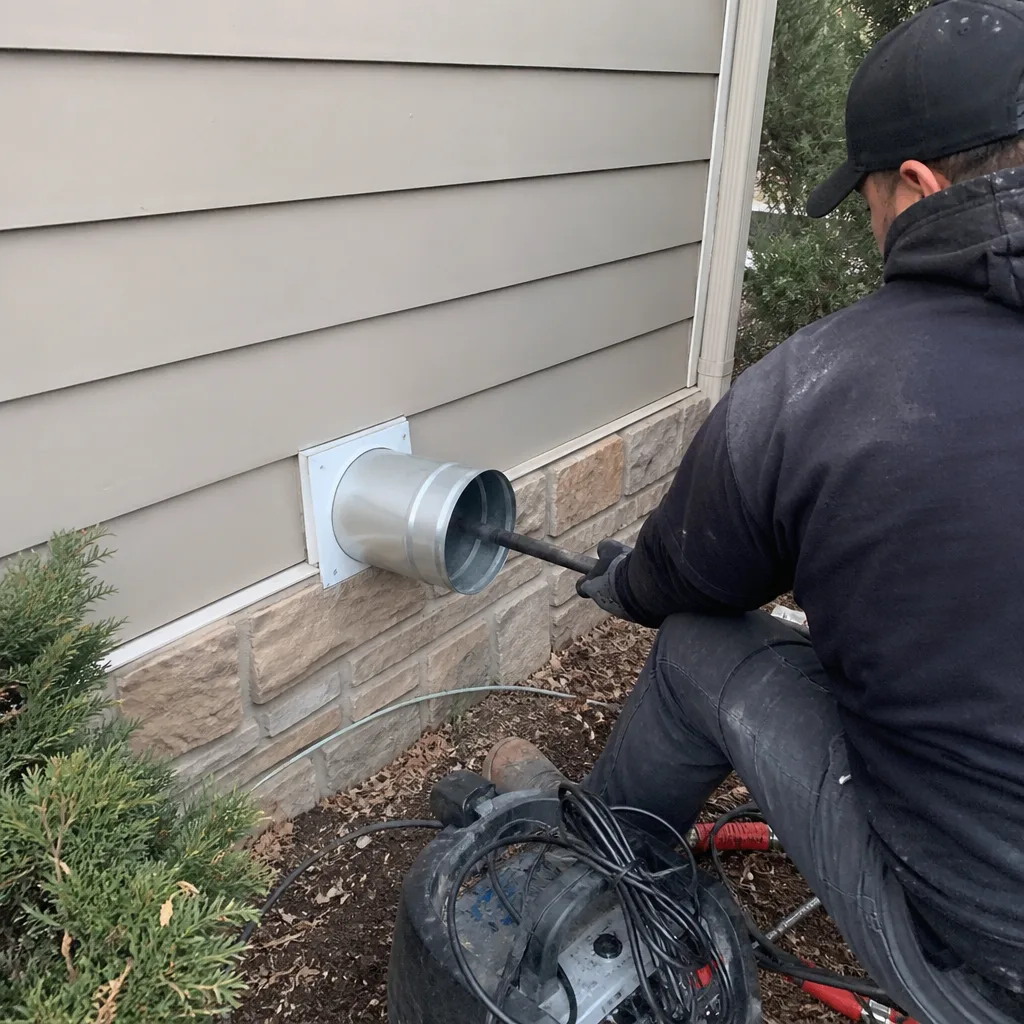 After
After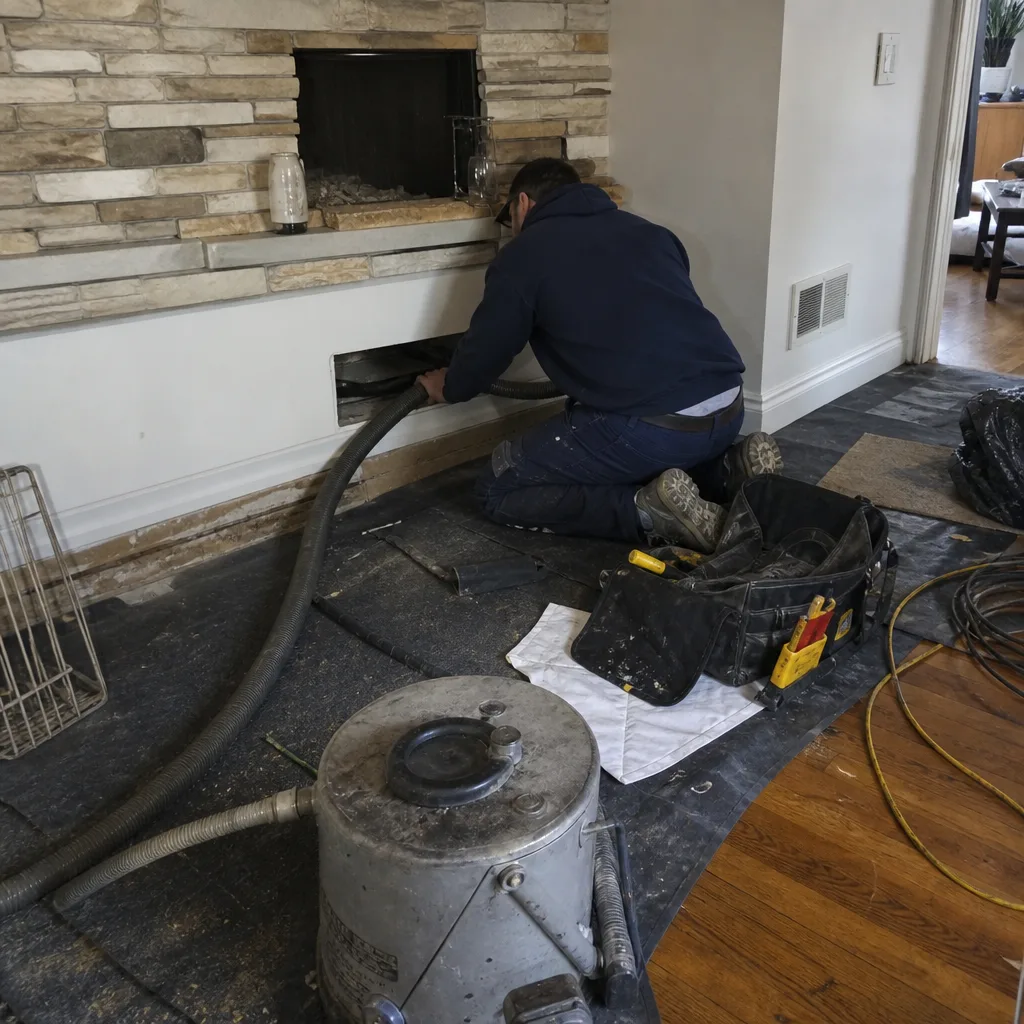 Before
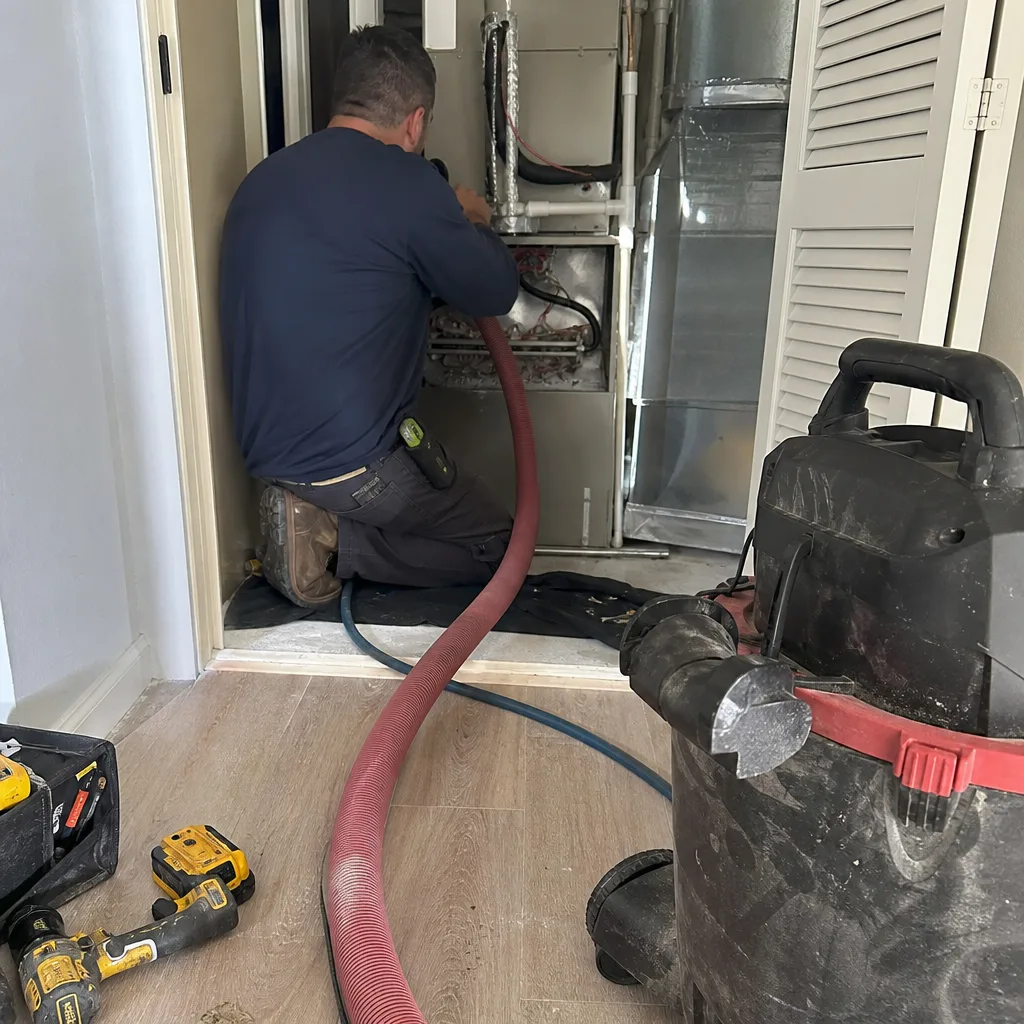 After
After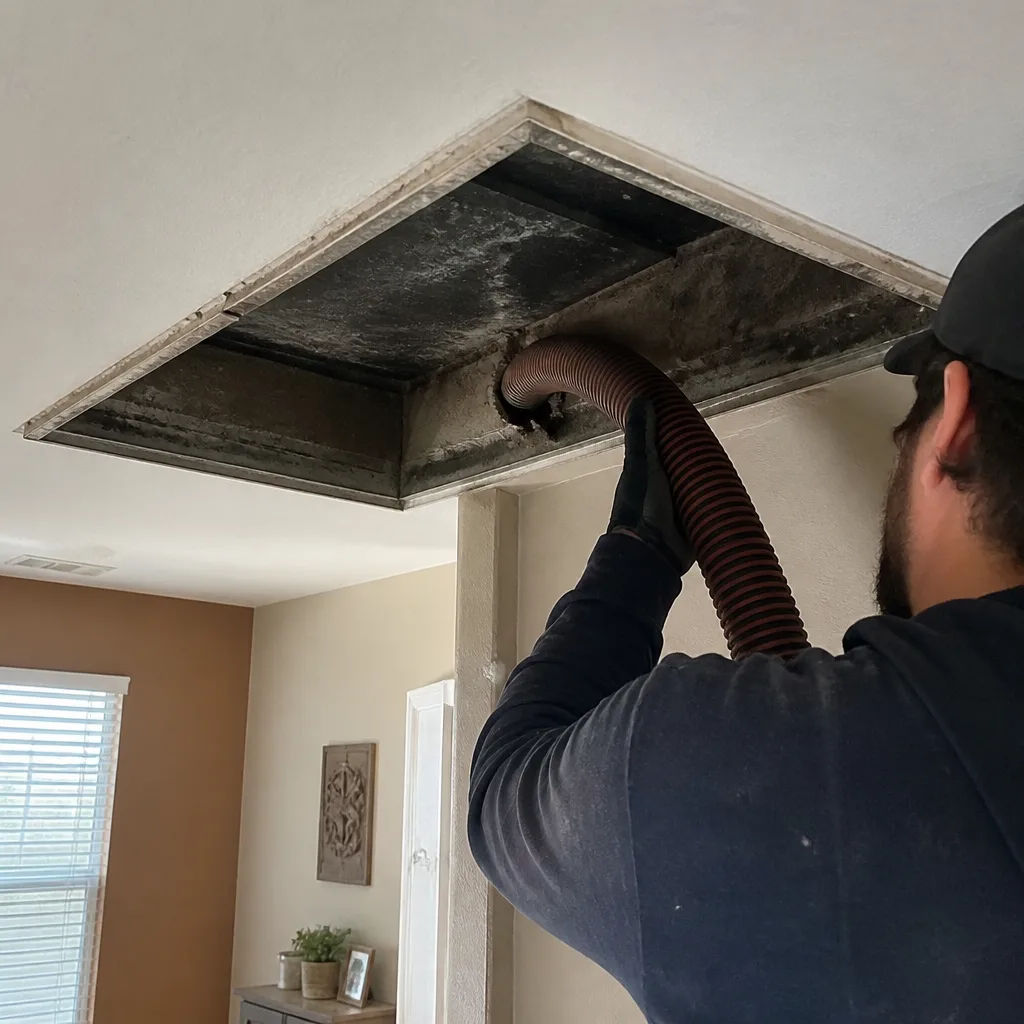 Before
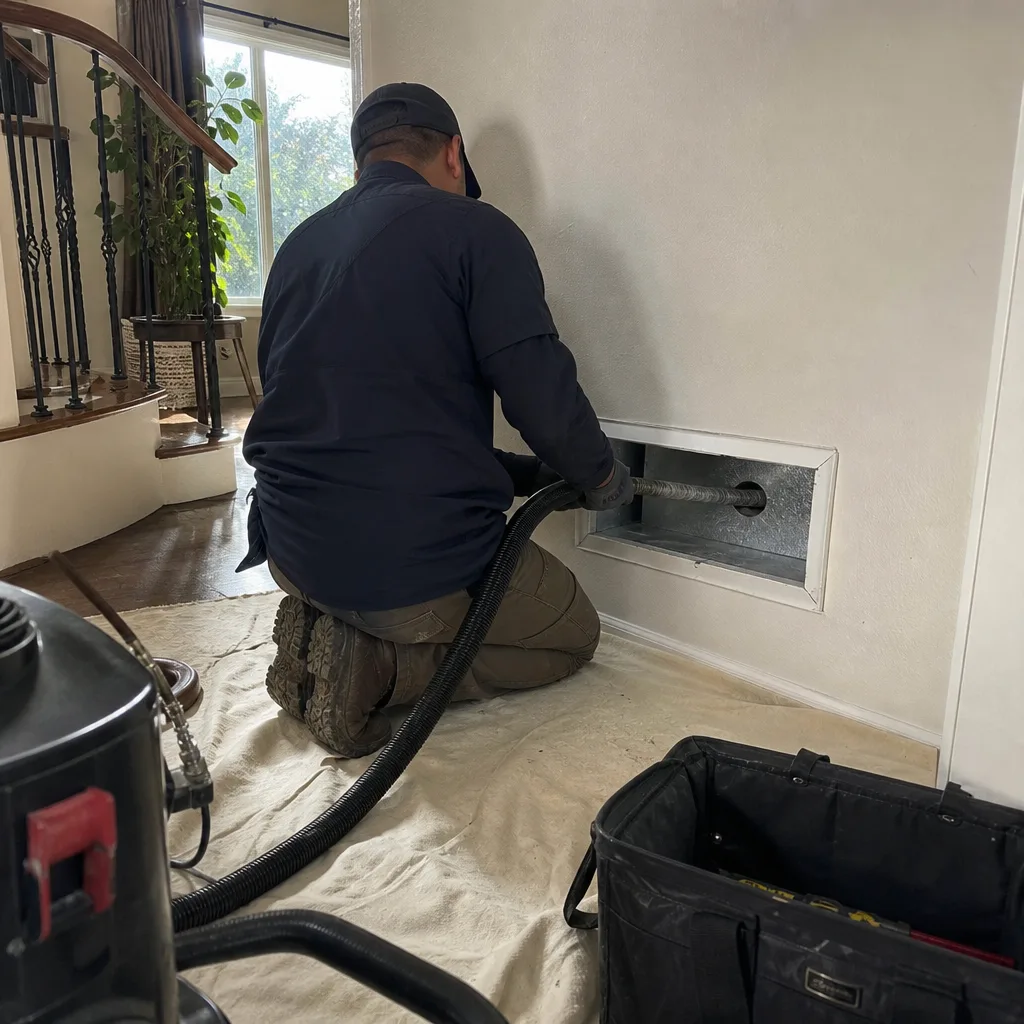 After
AfterAir Duct Cleaning Maintenance Checklist for Denver Homeowners
Changing your filter every 90 days while ignoring a disconnected duct boot is like mopping the floor under a leaking pipe. In our work across Denver since 2013, we’ve photographed the inside of more than 52,000 duct systems, and the most expensive problems we’ve found started as gaps a homeowner could have spotted from the register with a flashlight. This checklist gives you the specific visual and functional indicators that determine whether your ducts need our Air Duct Cleaning services, whether filter maintenance alone will handle it, or whether you’re looking at a repair that no amount of vacuuming will fix. We’ll cover what to document, what MERV rating actually works with Denver’s wildfire smoke, and how to read your own system before calling anyone.
Quick Answer
A complete air duct maintenance routine for Denver homeowners includes monthly register inspections with a flashlight and phone camera, quarterly filter changes calibrated to the city’s AQI patterns, annual checks for duct boot gaps and disconnected flex runs, and professional cleaning every 3-5 years for most homes - sooner if you have pets, recent renovation, or visible debris at registers. The key is knowing what to look for, not just when to look.
Table of Contents
- The Register Inspection: What to Look for Room by Room
- Filter Selection and Change Intervals for Denver’s Air Quality
- How to Spot Duct Boot Gaps and Disconnected Flex Runs
- What to Photograph Before Calling Any Service Company
- When Professional Cleaning Is Actually Necessary
- Reading Your HVAC Equipment for Duct System Health
- A Seasonal Maintenance Calendar for Denver Homes
- Common Mistakes to Avoid
BeforeAfterThe Register Inspection: What to Look for Room by Room
Most Denver homeowners never look past the grill. The register - the visible cover where air enters or exits - is the only part of your ductwork you can inspect without tools, and it tells more than you’d expect. We recommend a monthly walk-through with a flashlight and your phone camera. Not to clean. To document.
Start in the room farthest from your furnace, typically a second-floor bedroom or a basement corner in Denver’s older bungalows and mid-century ranch homes. Remove the register cover. Most pull straight out or lift off after releasing two spring clips. What you’re looking for is on the duct walls between the register opening and the first elbow, and on the backside of the grill itself.
Here’s what to document:
- Debris type and depth. A thin, fuzzy layer of gray dust is normal. Clumps of compacted dust, hair wrapped around screws, or a gritty, granular buildup are not. In Denver, we see excessive pet hair in Stapleton and Lowry homes, fine silt in properties near construction zones like RiNo or the old Gates Rubber site, and a distinctive black, greasy film in homes with gas cooking and poor range ventilation.
- Moisture or staining. Any dark streaking on the metal or flex duct, or white mineral deposits, indicates condensation. Denver’s semi-arid climate makes this less common than in humid regions, but it still appears in basement runs and in homes with oversized AC units that short-cycle.
- Visible gaps at the register boot. The boot is the metal fitting that connects the duct to your floor, wall, or ceiling. If you can see past it into the wall cavity or subfloor, conditioned air is leaking into spaces that don’t need it. We find this in roughly 30% of Denver homes built between 1995 and 2010.
- Odor. Musty or sour smells from the register indicate microbial growth somewhere in the run. In Denver’s altitude and low humidity, true mold is less prevalent than in coastal cities, but dust mite debris and bacterial films on accumulated organic matter produce similar odors.
Photograph everything. Date the photos. Create a folder on your phone labeled “HVAC - [Your Address].” This documentation serves two purposes. First, it establishes a baseline so you can track whether conditions are worsening. Second, it protects you from upsell pressure. When a technician tells you your ducts are “contaminated,” you have dated evidence of what normal looks like for your home.
In our experience at CleanRun Air Duct Cleaning Denver home, homeowners who maintain this register photo log make better decisions about when to clean, when to seal, and when to do nothing at all.
Filter Selection and Change Intervals for Denver’s Air Quality
Filter packaging is written for a national audience. It doesn’t account for Denver’s specific air quality profile: high altitude UV that degrades synthetic media faster, spring windstorms that deposit Front Range dust, and increasingly severe wildfire smoke events from June through September that can push AQI above 150 for days at a stretch.
The MERV rating (Minimum Efficiency Reporting Value) measures how effectively a filter captures particles between 0.3 and 10 microns. Higher is not automatically better. A MERV 13 filter captures wildfire smoke particles effectively, but it also restricts airflow. In Denver’s thin air, where HVAC systems already work harder to move the same mass of air, excessive restriction can starve your furnace or heat pump, raise energy costs, and in extreme cases, trigger high-limit safety shutdowns.
Here’s what works for most Denver homes:
| Home Situation | Recommended MERV | Change Interval | Notes |
|---|---|---|---|
| No pets, no allergies, standard suburban location | MERV 8 | 90 days | Baseline for Denver’s normal conditions |
| One pet or mild allergies | MERV 10 | 60 days | Check monthly during spring dust season |
| Multiple pets, allergy sufferers, or near active construction | MERV 11 | 45-60 days | Monitor static pressure if possible |
| Wildfire smoke events, respiratory conditions | MERV 13 | 30 days during events; 60 days otherwise | Verify your system can handle the load; consult manual or technician |
We specify Honeywell and Aprilaire media filters for homes that need MERV 11 and above, because their pleat spacing and frame rigidity hold up better under the pressure differential. Cheaper filters collapse or bypass at the edges, defeating the purpose.
Change intervals should track Denver’s actual air quality, not the calendar. During the 2020 and 2021 wildfire seasons, we saw filters loaded to capacity in 18 days. During a quiet winter with no regional fires and minimal wind, a MERV 8 can run 120 days without significant pressure drop. The Colorado Department of Public Health and Environment publishes daily AQI; check it weekly during high-risk months and adjust your schedule accordingly.
One more Denver-specific note: if your home has a swamp cooler (evaporative cooler) rather than central AC, your ductwork faces different contamination patterns. Swamp coolers introduce higher humidity and can carry mineral scale from the water supply. These systems need filter media changes every 30-45 days during operating season, and the ducts should be inspected for moisture damage annually.
How to Spot Duct Boot Gaps and Disconnected Flex Runs
This is the problem most Denver homeowners don’t know they have. A duct boot gap or disconnected flex run wastes 15-30% of conditioned air, drives up utility bills, and creates pressure imbalances that pull unfiltered air from attics, crawl spaces, and wall cavities. The kicker: you can often identify it without opening anything.
Visual signs from inside the home:
- Dust accumulation on the ceiling or wall around the register, especially in a dark ring pattern. This indicates air leaking between the boot and the drywall, carrying attic dust with it.
- A register that sits loosely in its cutout, or that rocks when touched. The boot has separated from the surrounding structure.
- Uneven gaps visible when you remove the register cover. The boot should form a continuous metal collar. If you see insulation, wood framing, or open space, there’s a breach.
Airflow signs:
- A room that is consistently 3-5 degrees different from the thermostat setting, especially a second-floor room in summer or a basement room in winter.
- Weak airflow at the register even when the system is running at full fan speed. Hold a tissue against the grill; it should cling firmly. If it droops or falls, measure airflow at other registers for comparison.
- Unusual noise: whistling, rattling, or a low rumble when the fan cycles on. These often indicate a disconnected flex duct flapping in a wall or ceiling cavity.
Pressure signs:
- Doors that are hard to close when the system runs, or that slam shut when it cycles off. This indicates extreme pressure imbalance, often from a major duct disconnection on one side of the house.
- Backdrafting at the fireplace or water heater during furnace operation. Negative pressure from duct leaks can pull combustion gases into living spaces. This is a safety issue requiring immediate professional attention.
In Denver’s older neighborhoods - Berkeley, Sunnyside, Park Hill - we’ve found disconnected flex runs in homes where the original installer used non-mechanical connections that failed after 10-15 years of thermal cycling. In newer construction, particularly the rapid builds of 2018-2022 in Montbello and Green Valley Ranch, we’ve seen boots never fully sealed during original construction.
A gap at the boot is not a cleaning issue. It’s a repair issue. No amount of negative-pressure extraction will fix air leaking into your attic. If you find this condition, document it and call for duct sealing, not duct cleaning. Air Duct Cleaning in Denver addresses contamination inside the ducts; sealing addresses the structure that contains them.
What to Photograph Before Calling Any Service Company
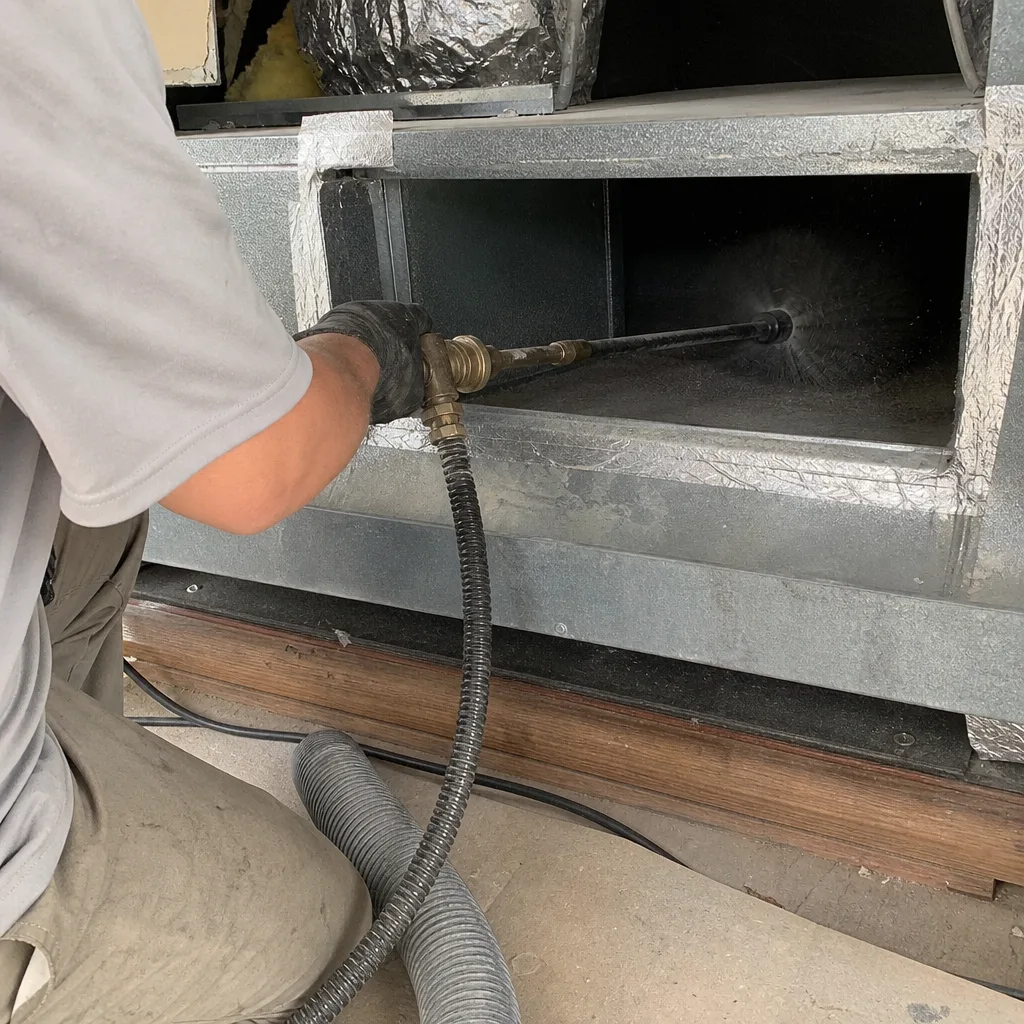
The duct cleaning industry in Denver runs on asymmetry of information. The homeowner cannot see inside the ducts. The technician can. This creates conditions where upselling thrives: a camera shoved into a dark duct, a dramatic image of dust, and a pitch for services that may or may not be necessary. See Air Duct Cleaning Permits, Codes & Inspections in CO: What You Need to Know to understand what protections exist.
Your defense is your own documentation. Not to dispute the technician, but to participate in the evaluation as an informed customer. Here’s what we recommend photographing and dating before any service call:
- Every register, cover removed, flashlight aimed at the first 12 inches of duct. Capture the boot connection, the duct walls, and any visible debris. Do this monthly.
- Your filter, new and used. Photograph the label showing MERV rating and dimensions. Photograph the loaded filter when you remove it. This establishes your actual particle load.
- Your furnace or air handler nameplate. Model number, serial number, and airflow specifications. This information determines what MERV ratings your system can handle and what cleaning methods are appropriate.
- Any moisture stains, odors, or noise sources. Document when they occur, which register is nearest, and whether they correlate with system cycles.
- Your energy bills for the past 12 months. Unexplained increases often trace to duct leakage or blockage. A bill 20% higher than the same month prior year, with no rate change or thermostat adjustment, warrants investigation.
When you call for service, email these photos in advance. Ask the company to reference them in their written estimate. At CleanRun, we build our estimates from customer documentation whenever it’s available. Haven Standard Clause 1 requires a written price before any work starts; customer photos help us make that price accurate, not conservative.
After service, you should receive documentation back: before-and-after photos of every duct run, a written scope of work, and a warranty document. If a company cannot or will not provide this, that is information too.
When Professional Cleaning Is Actually Necessary
Duct cleaning is not annual maintenance for most homes. The National Air Duct Cleaners Association recommends cleaning every 3-5 years under normal conditions. In Denver, we find that interval holds for homes without complicating factors, but as our Air Duct Cleaning Warning Signs: A Denver Homeowner’s Reference Guide explains, “normal conditions” is doing a lot of work.
Professional cleaning is warranted when:
- Visible debris at registers persists after filter changes and cannot be removed with a vacuum hose extension.
- Construction or renovation has occurred, especially drywall work, flooring replacement, or any project that generated fine particulate. Post-renovation cleaning should happen before occupancy, not months later when debris has settled into elbows and plenum corners.
- Pest intrusion has occurred. Rodents leave droppings, nesting material, and pheromone trails that attract subsequent infestation. This requires both cleaning and sealing of entry points.
- Mold or microbial growth is confirmed by laboratory analysis, not by visual guess. In Denver’s climate, true mold in ducts is rare; we see it primarily in homes with humidifiers set too high or with swamp coolers that were not properly winterized.
- A family member has been diagnosed with a respiratory condition where allergen reduction is clinically indicated, and the HVAC system has been identified as a reservoir.
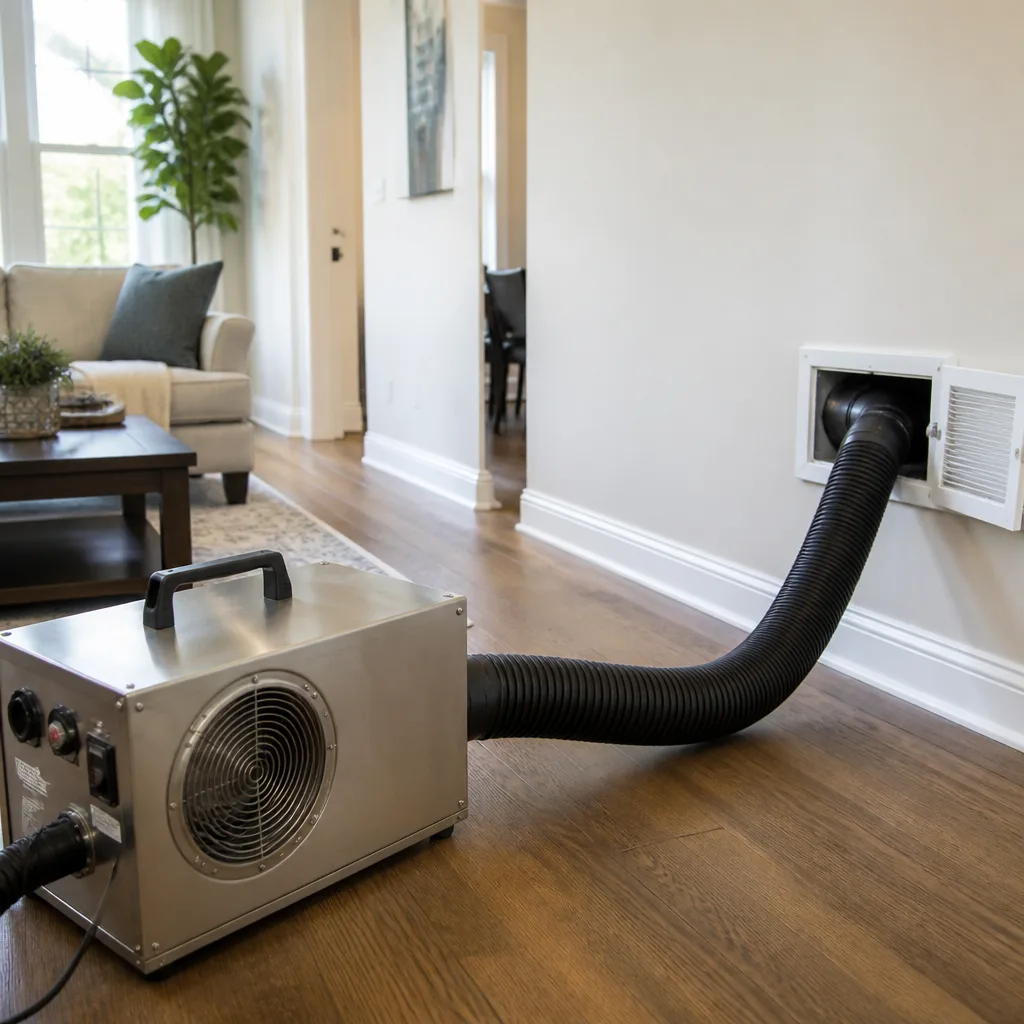
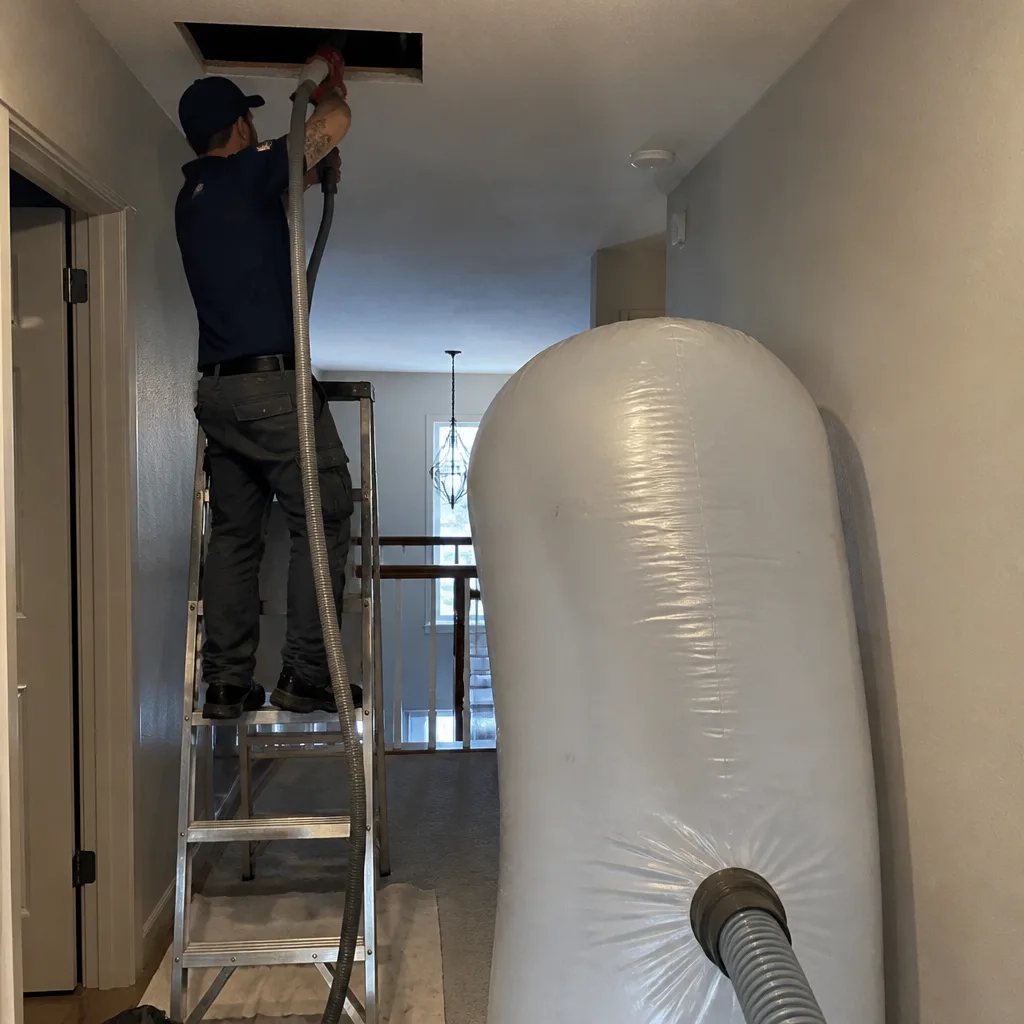
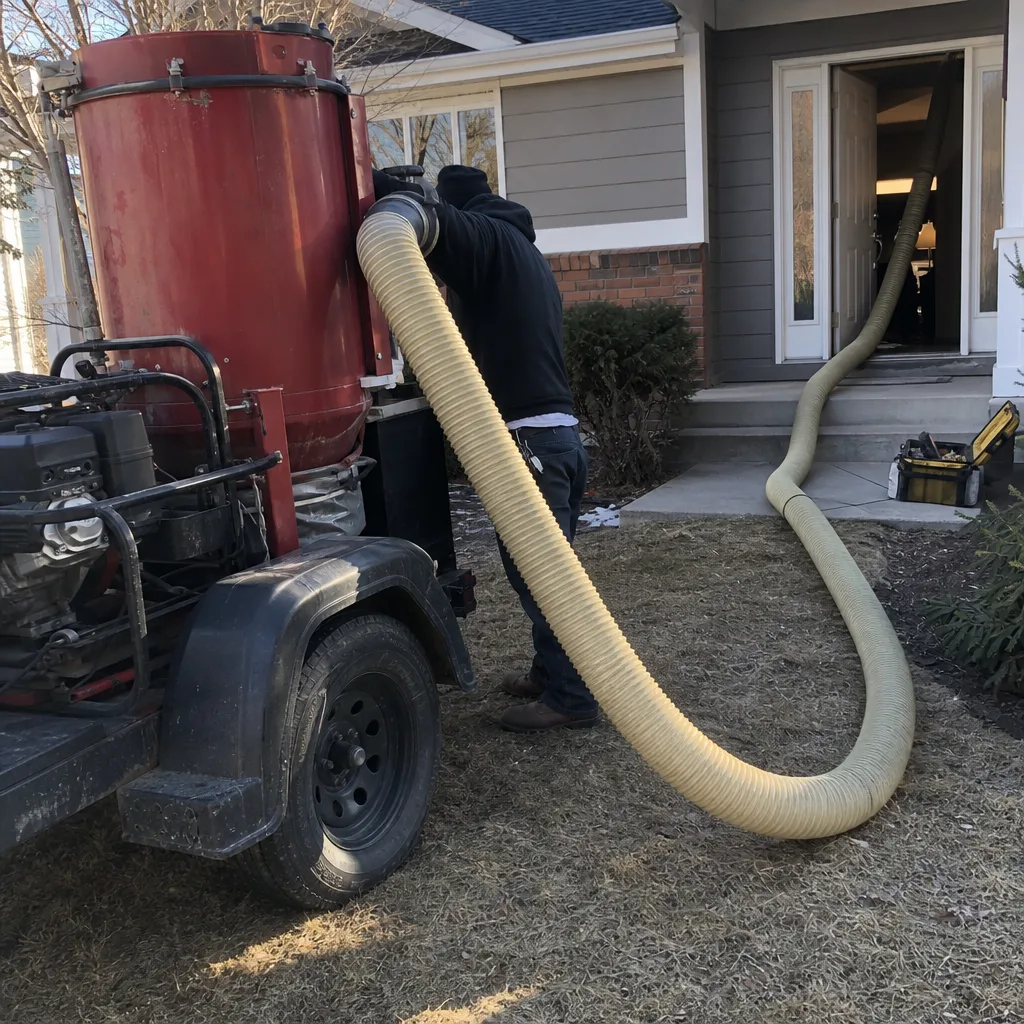
What professional cleaning should include: negative-pressure extraction (a large vacuum attached to the main trunkline, creating suction throughout the system), mechanical agitation with brushes or compressed air tools at each register, and access panel installation where needed to reach the plenum and trunkline. The equipment matters. We use Rotobrush and Nikro systems for residential work, and Abatement Technologies HEPA-filtered vacuums for post-construction and remediation jobs. These are names you can look up, specifications you can compare.
What professional cleaning should not include: chemical biocides applied without specific microbial identification, ozone generators (ineffective and potentially harmful to respiratory tissue), or sealants sprayed inside ducts to “encapsulate” debris. The EPA and the National Air Duct Cleaners Association both caution against these practices.
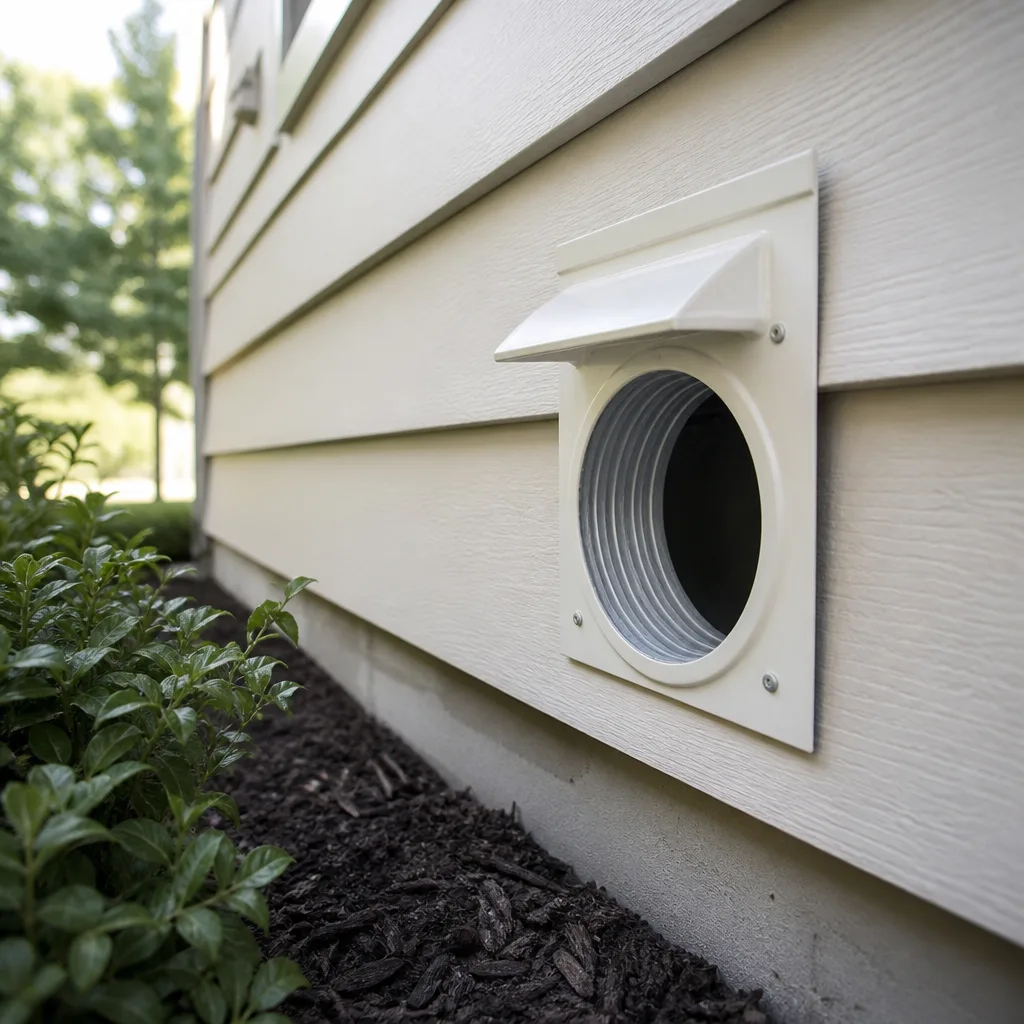
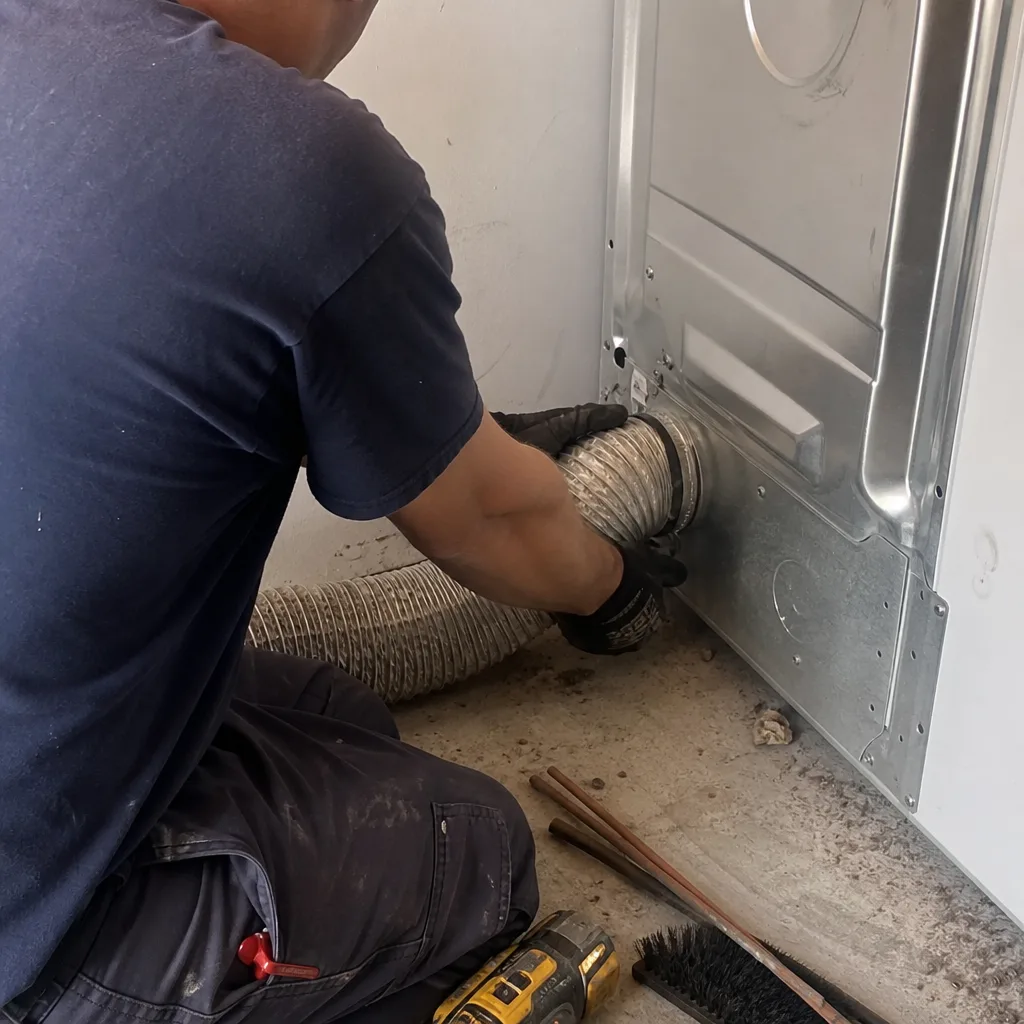
For Dryer Vent Cleaning in Denver, the interval is shorter: annually for most homes, every 6 months if you do more than 5 loads weekly or have a vent run exceeding 25 feet.
Reading Your HVAC Equipment for Duct System Health
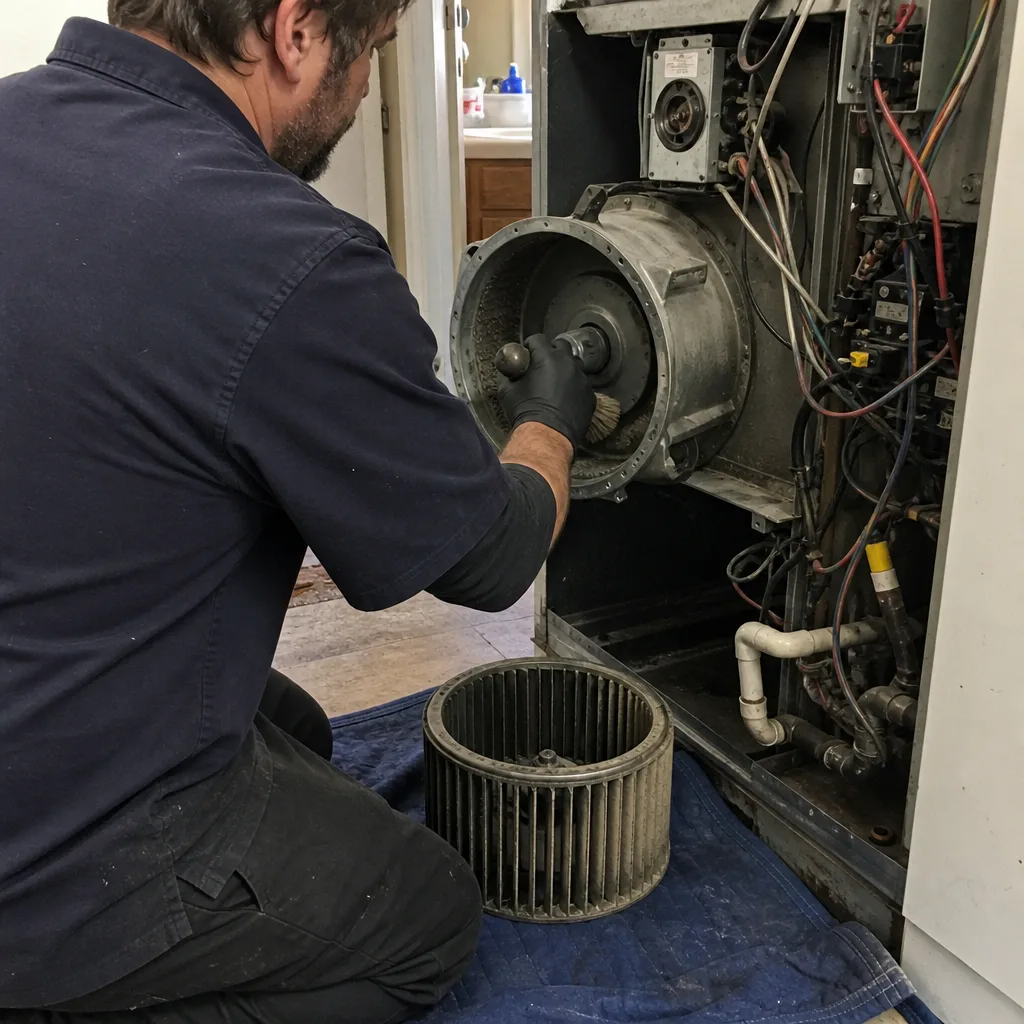
Your furnace or air handler has indicators that reflect conditions in the ductwork. Learning to read them extends your awareness beyond what you can see at the registers.
The blower compartment. Remove the furnace panel (power off at the breaker first) and inspect the blower wheel and housing. A light dust coating is normal. Heavy buildup, especially on the leading edges of the fan blades, indicates filter bypass or duct leakage pulling unfiltered air from return plenum gaps. In Denver, we see this pattern in homes with 1-inch filter slots that have been upgraded to high-MERV filters without verifying the fit; air finds the path of least resistance around the filter rather than through it.
The evaporator coil. Above the furnace in vertical configurations, or downstream in horizontal units, the A-coil can be inspected through an access panel or with a borescope. Dust accumulation here reduces heat transfer efficiency and can cause freeze-ups. If the coil is dirty, the ducts upstream are likely loading debris faster than the filter captures it.
The return air plenum. This is the large duct or box that connects your return registers to the furnace. In many Denver homes, it’s in the basement or a utility closet. Look for gaps at seams, disconnected flex duct, or filter bypass around the rack. A return plenum leak is more consequential than a supply leak because it pulls unconditioned, unfiltered air directly into the system.
Static pressure. If your system has ports for a manometer (many newer furnaces do), or if you’re willing to hire a brief diagnostic visit, total external static pressure tells you whether your ducts are restricting airflow. Normal is 0.5 inches water column or less. Above 0.7 indicates blockage, closure, or filter mismatch. We measure this on every HVAC Cleaning in Denver job before recommending any service.
Equipment from recognized manufacturers - Honeywell, Aprilaire, and others - typically includes documentation of acceptable static pressure ranges. If your technician cannot or will not measure this, you are not getting a complete evaluation.
A Seasonal Maintenance Calendar for Denver Homes
Denver’s climate has four distinct seasons, and each places different demands on your HVAC system and ductwork. Here’s a calendar calibrated to actual local conditions, not generic manufacturer guidance.
March-April: Post-winter inspection
After furnace season ends, inspect all registers for soot or scorch marks that might indicate rollout or backdrafting during heating operation. Check the filter; winter operation at altitude loads it heavily. Schedule any needed cleaning before cooling season begins, when contractors are less busy and pricing is more stable.
May: Pre-windstorm filter change
Denver’s spring windstorms carry Front Range dust and pollen. Change to a fresh filter before the pattern intensifies. If you have allergies, this is when to step up one MERV grade for 60 days.
June: Wildfire smoke preparation
Monitor AQI forecasts. When regional fires are active, switch to MERV 13 if your system can handle it, and plan to change filters every 2-4 weeks during smoke events. Seal windows and operate the fan continuously on low to maintain positive pressure and filtration.
July-August: Cooling peak check
Verify that all registers are open and unblocked. Check condensate drainage; a clogged line can back up into the plenum. In Denver’s dry climate, this is less common than in humid regions, but it still occurs in homes with oversized AC units that short-cycle.
September-October: Post-smoke filter change and inspection
After wildfire season, change the filter regardless of apparent load; smoke particles are small and may not create visible loading. Inspect the return plenum for ash accumulation that bypassed the filter.
November: Pre-heating season furnace check
Professional furnace inspection, including heat exchanger examination and combustion analysis. This is not duct cleaning, but it’s the season when duct problems show up as heating inefficiency. If rooms are cold, investigate duct leakage before blaming the furnace.
December-February: Monthly register spot-checks
Heating season is when you notice airflow problems. A quick monthly register inspection - 10 minutes, flashlight, phone camera - catches developing issues before they become expensive.
Common Mistakes to Avoid
- Upgrading to MERV 13 without checking system capacity. In Denver’s thin air, excessive filter restriction causes heat exchanger overheating and compressor strain. Verify your furnace manual or have a technician measure static pressure first.
- Cleaning ducts without fixing leaks first. This is like washing a car with a hole in the radiator. We see this repeatedly in Denver homes where a $79 coupon cleaning ignores disconnected boots that waste more energy than the debris ever cost.
- Ignoring the return side. Supply ducts get attention because they deliver air you feel. Return ducts pull air back to the furnace, and their leaks are more consequential for efficiency and air quality. Inspect return registers with the same rigor as supplies.
- Using “duct cleaning” as a response to every HVAC problem. Noisy operation, temperature imbalance, and high bills often trace to mechanical or electrical issues, not duct contamination. Clean ducts won’t fix a failing capacitor or a refrigerant leak.
- Accepting chemical treatments without documentation. Biocides, sealants, and “encapsulants” applied inside ducts are rarely necessary and often counterproductive. Demand lab-confirmed microbial identification before any chemical application.
- Scheduling cleaning during active construction. Post-renovation cleaning should happen after all trades are finished and the space is sealed, not while drywall sanding continues. We’ve had to re-clean jobs done prematurely.
- Trusting visual inspection alone. A clean register does not mean clean ducts. The first 12 inches may look fine while the trunkline is loaded. Conversely, a dusty register may indicate a filter problem, not a duct problem. Corroborate with airflow, pressure, and equipment signs.
When to Call a Professional
Call when you’ve documented a condition you cannot explain or resolve: persistent debris after filter changes, confirmed duct boot gaps, temperature imbalances that don’t respond to register adjustment, or any sign of combustion backdrafting. Bring your photo log. Ask for a written scope and price before work begins. Verify that the company photographs every duct run and provides those images as part of the job record.
CleanRun Air Duct Cleaning Denver offers free estimates in Denver - call (720) 799-2292. Every estimate includes a written price under Haven Standard Clause 1, and every completed job includes a Documented Photo Record of every duct run, before and after, delivered to you as a standard deliverable. If you have a competitor’s written estimate, we’ll provide a Free Second Opinion with our number next to theirs.
Frequently Asked Questions
Whole-system air duct cleaning in Denver typically ranges from $450 to $850 for a single-family home, depending on system size, accessibility, and contamination level. Be wary of any quote below $300; it generally indicates limited scope, portable equipment rather than truck-mounted negative-pressure systems, or bait-and-switch pricing that expands once the crew is on site. CleanRun provides a written price before any work starts, with one flat price per system agreed in advance. Call (720) 799-2292 for an exact quote - estimates are free.
Low quotes usually exclude essential components: the return plenum, the main trunkline, or individual register runs. Some operators use shop vacuums and rotary brushes without containment, which loosens debris without removing it from the home. Others quote a “whole house” price that covers only the first 10 vents, then charge $25-40 per additional vent. Always request a written scope that specifies every component to be cleaned and the equipment to be used. CleanRun’s written scope lists every duct run by location and includes the equipment roster - Rotobrush, Nikro, or Abatement Technologies - that will be on your job.
Demand before-and-after photographs of every duct run, with timestamps or sequential numbering that proves coverage. A verbal assurance or a single representative photo is not sufficient documentation. At CleanRun, the Documented Photo Record is included on every visit as a standard deliverable, not an upsell. You receive images of the inside of every run, before and after, as part of your job file. If a company cannot provide this, you are buying a promise, not a service.
For most Denver homes without pets, allergies, or recent renovation, every 3-5 years is sufficient. Homes with multiple pets, allergy-sensitive occupants, or recent construction should consider 2-3 years. Dryer vents need annual cleaning regardless. The register inspection routine in this guide helps you calibrate to your actual conditions rather than a calendar. For more guides & resources on maintaining healthy indoor air, visit our blog.
Altitude affects HVAC equipment performance - lower air density reduces heat transfer efficiency and requires larger volumetric airflow for the same heating or cooling capacity - but it does not change how ducts accumulate debris. What is Denver-specific: higher UV exposure degrades filter media faster, wildfire smoke events create acute particle loads, and the freeze-thaw cycle can stress exterior ductwork in unconditioned spaces. These factors make filter monitoring and seasonal adjustment more important than in coastal climates.
You can clean the first few inches of each register run, which is worth doing for maintenance. Beyond that, no. Residential duct systems require negative-pressure containment - a large vacuum attached to the main trunkline - to prevent debris from being distributed into living spaces during agitation. A shop vacuum lacks the airflow, filtration, and containment to do this safely or effectively. We do not recommend DIY duct cleaning for anything beyond register surface maintenance.
The Bottom Line
Effective duct maintenance in Denver is not about following a calendar. It’s about knowing what to look for, documenting what you find, and understanding whether a given condition calls for filter changes, duct sealing, professional cleaning, or nothing at all. The register inspection, the photo habit, and the seasonal calendar in this guide give you that framework. Use them to make informed decisions, to evaluate service providers against evidence rather than promises, and to maintain the system that conditions the air your family breathes.
CleanRun has operated under the Haven Standard since 2013, serving more than 52,000 Denver-area homes with written prices before every job and documented photo records after. The 365-Day Done Right Promise means the work is accountable long after the truck leaves.
Questions about your specific system? Call (720) 799-2292 for a free estimate. You’ll speak to a live person, and you’ll receive a written scope and price before any work begins.
Written by Tomas Reyes, Owner at CleanRun Air Duct Cleaning Denver, serving Denver since 2013.