
Whole-system duct and dryer vent check with before-and-after photos - you see exactly what came out of your vents
That "$99 whole-house special" is a bait ad - the real number appears once they are in your hallway, or the "clean" is a shop-vac at the register. We photograph the inside of your ducts before and after instead.
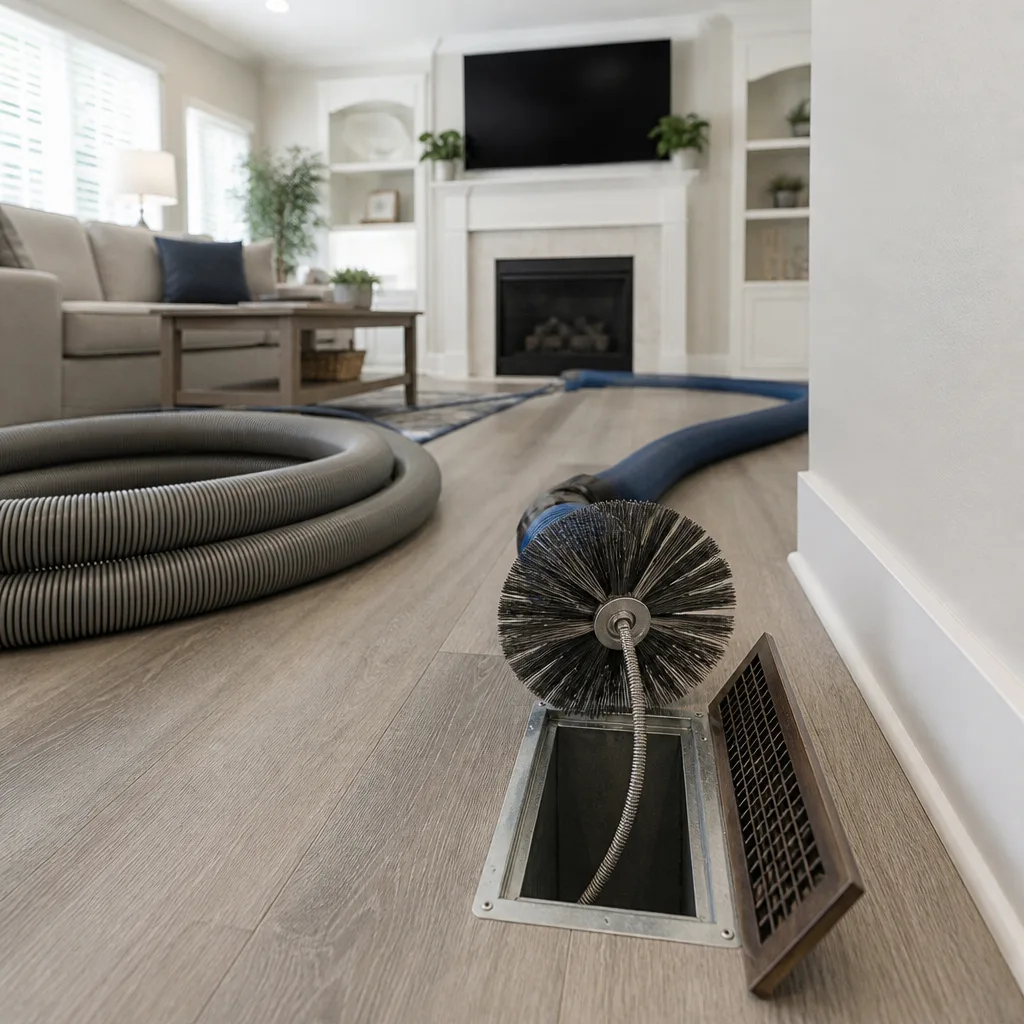
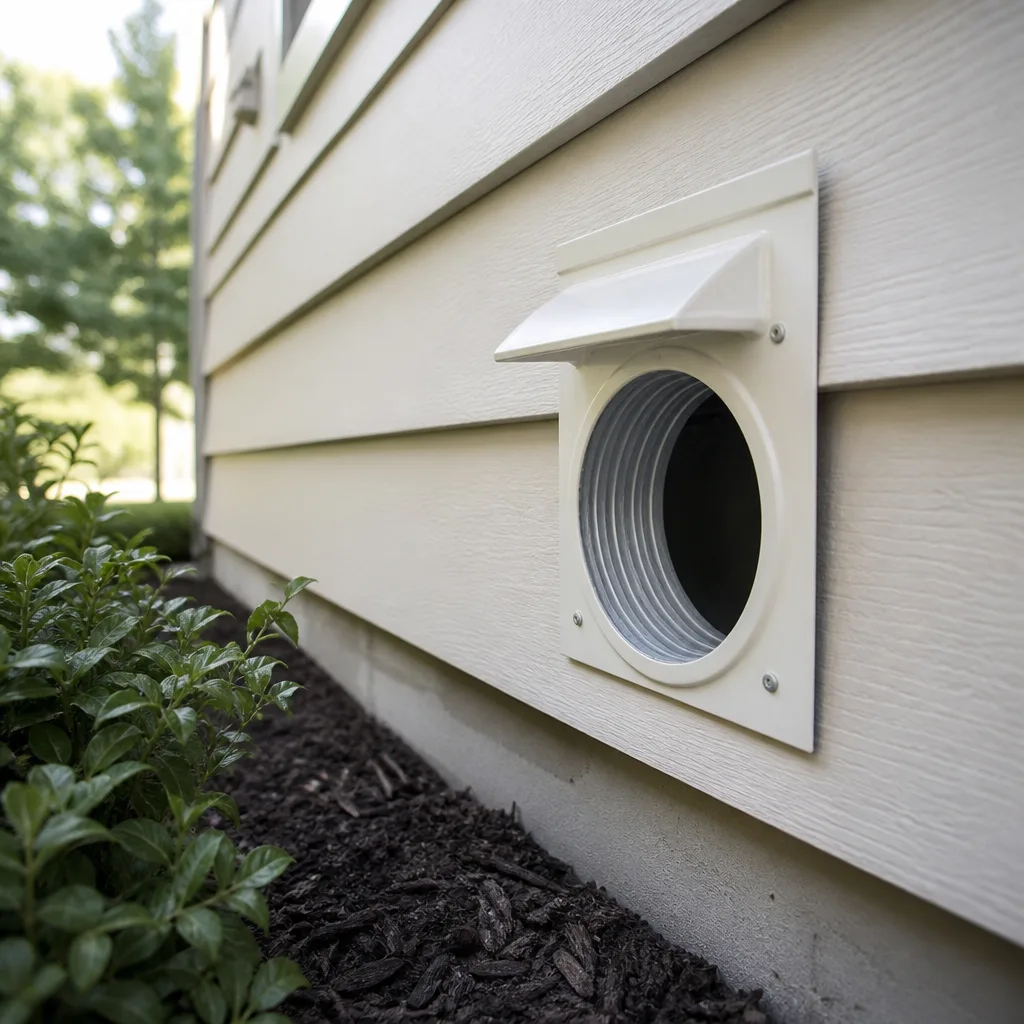
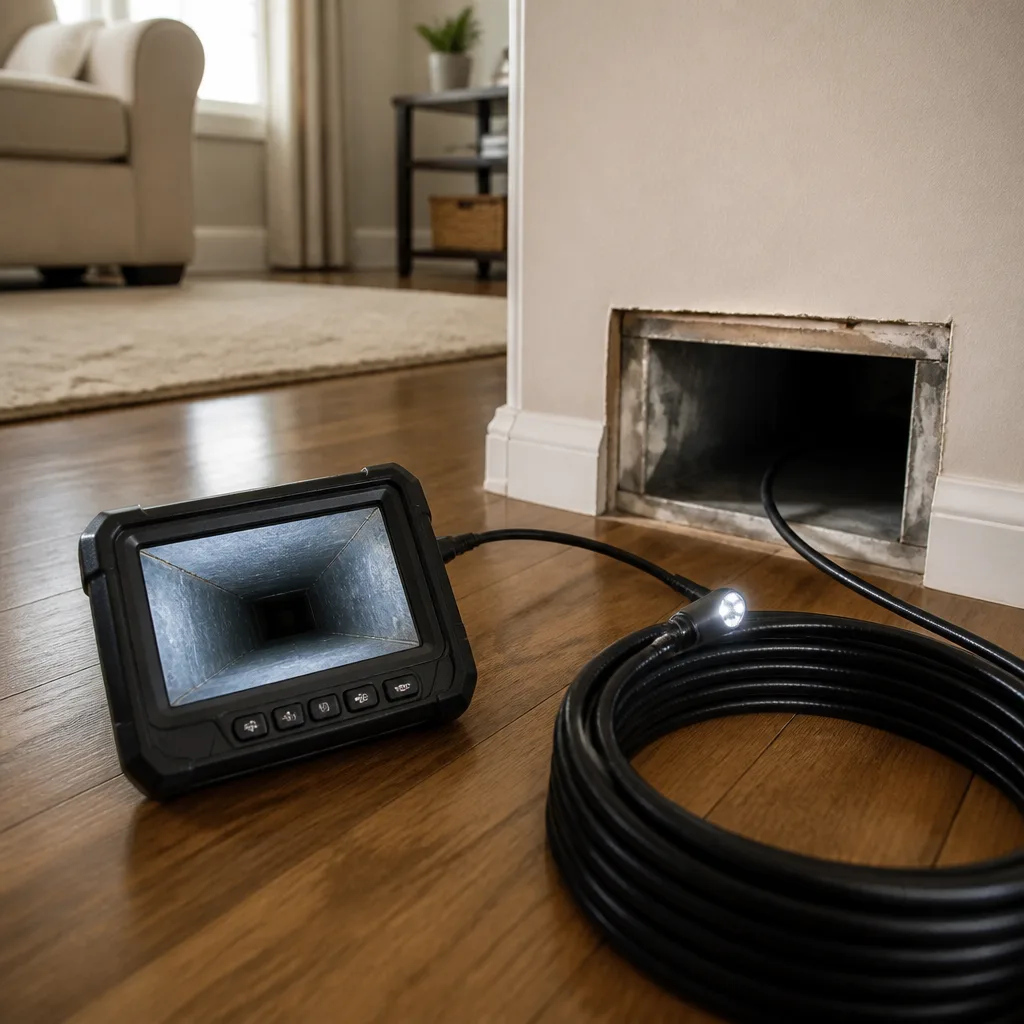
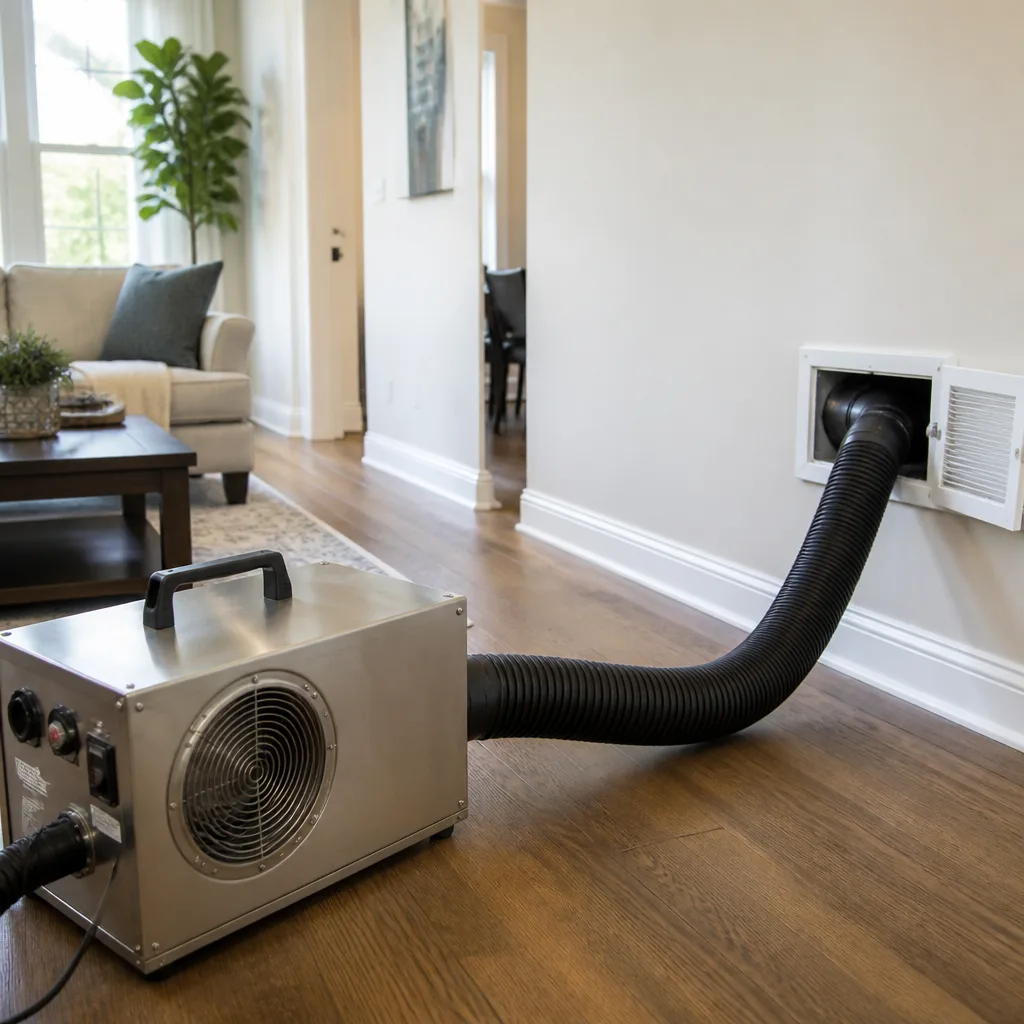
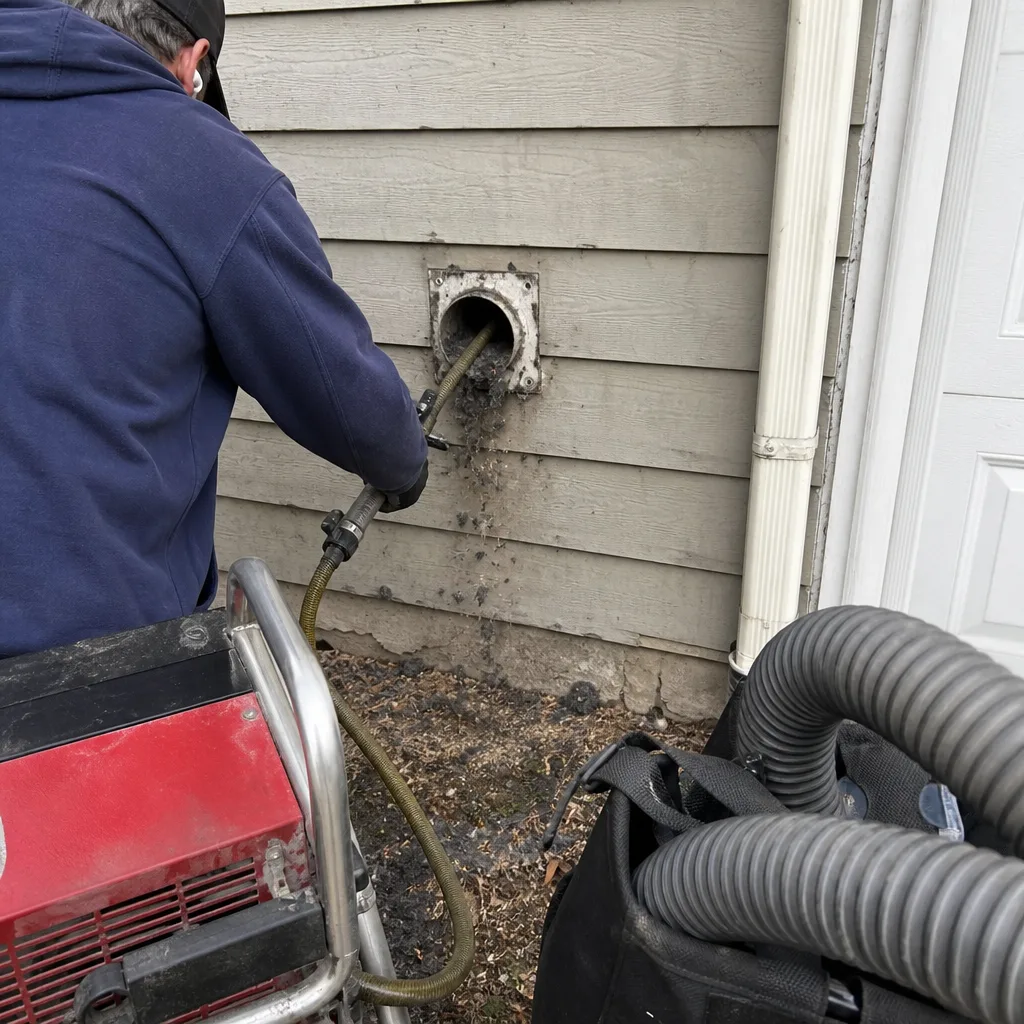 Before
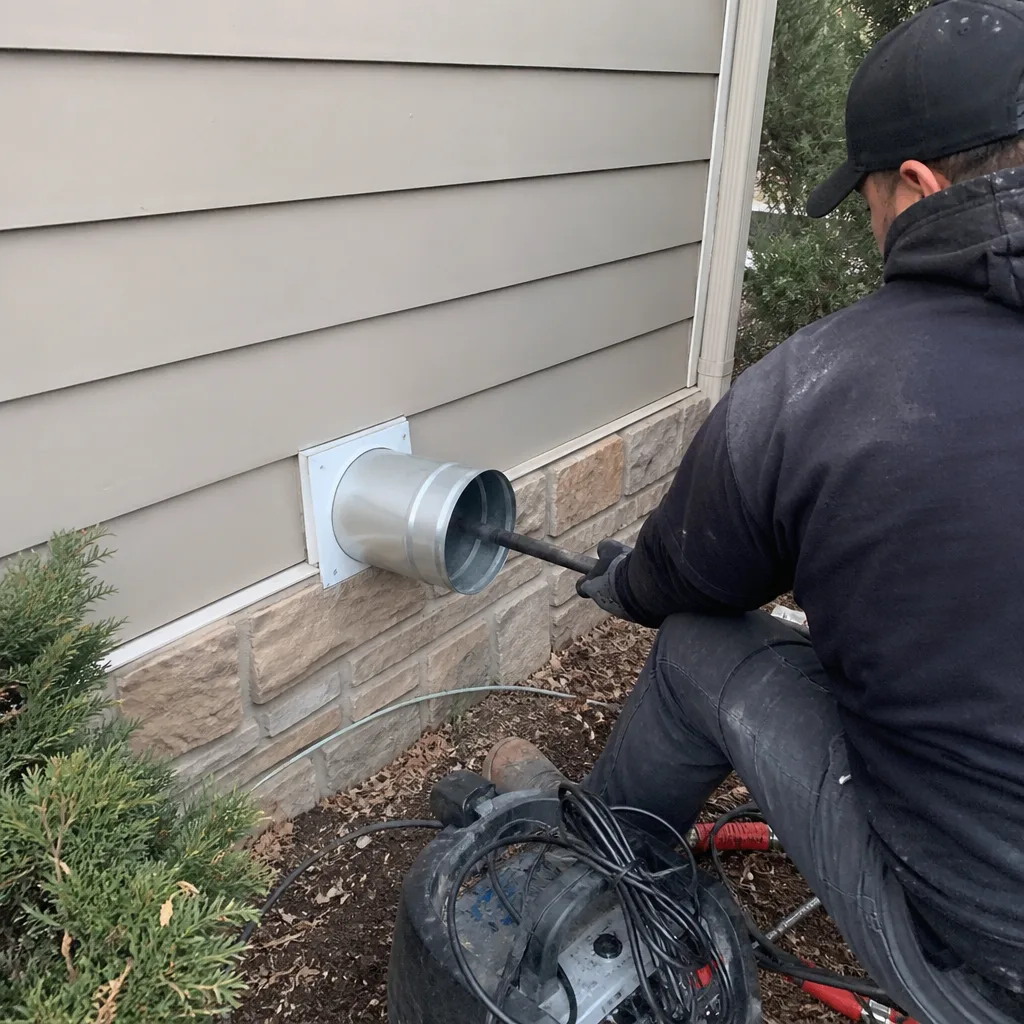 After
After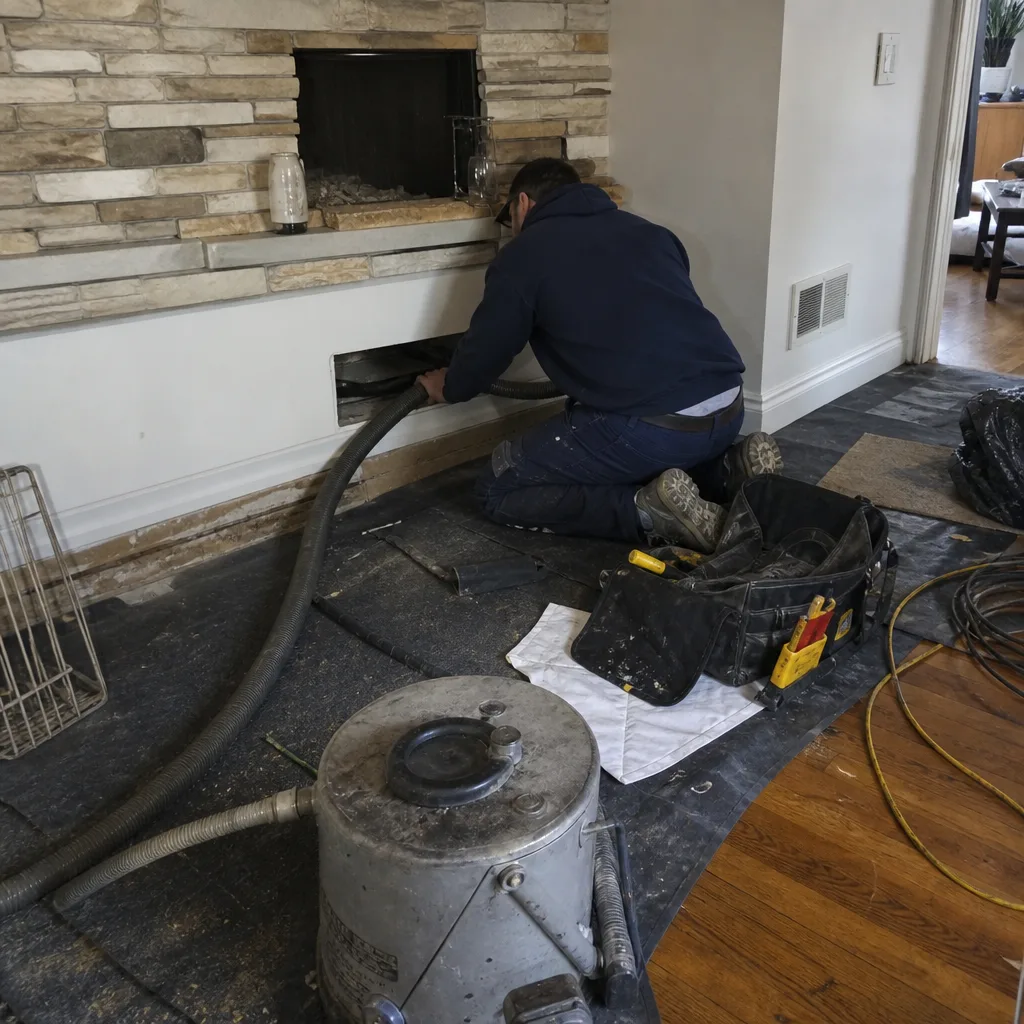 Before
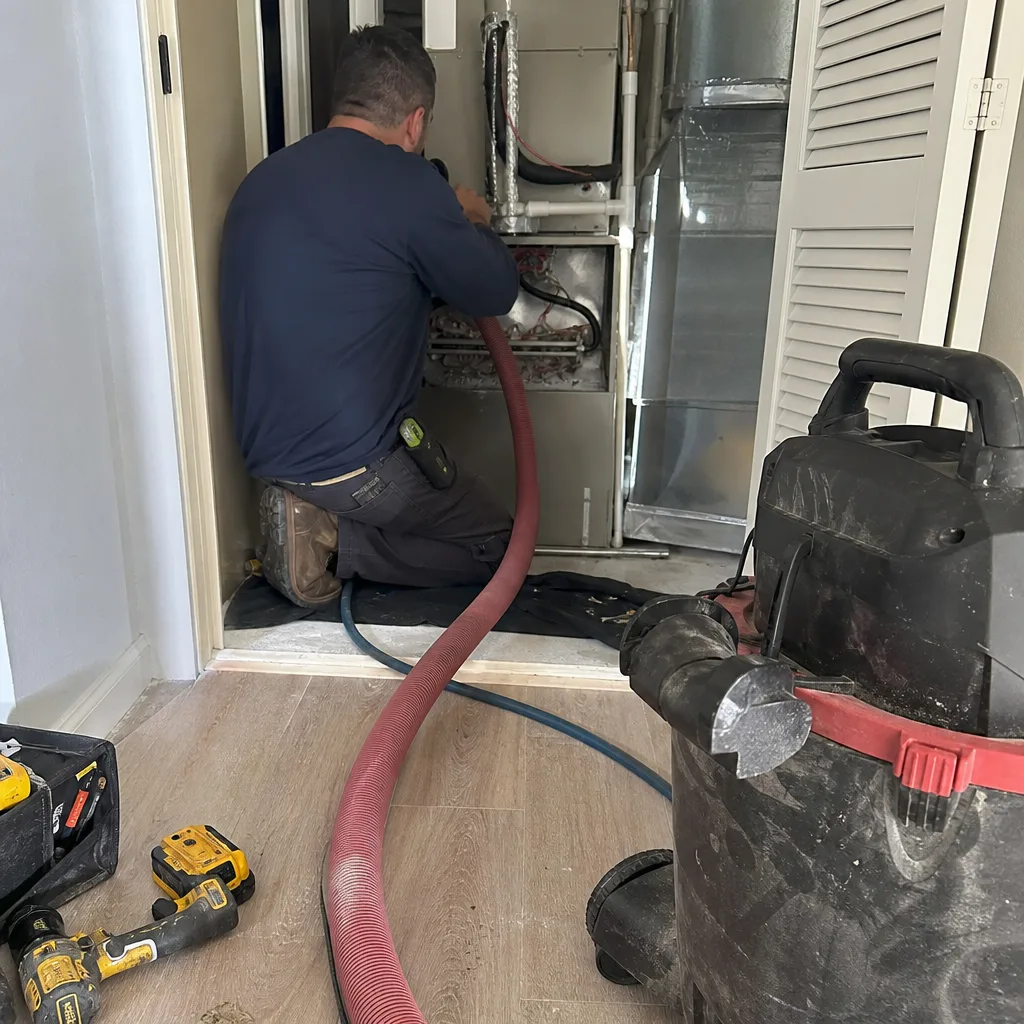 After
After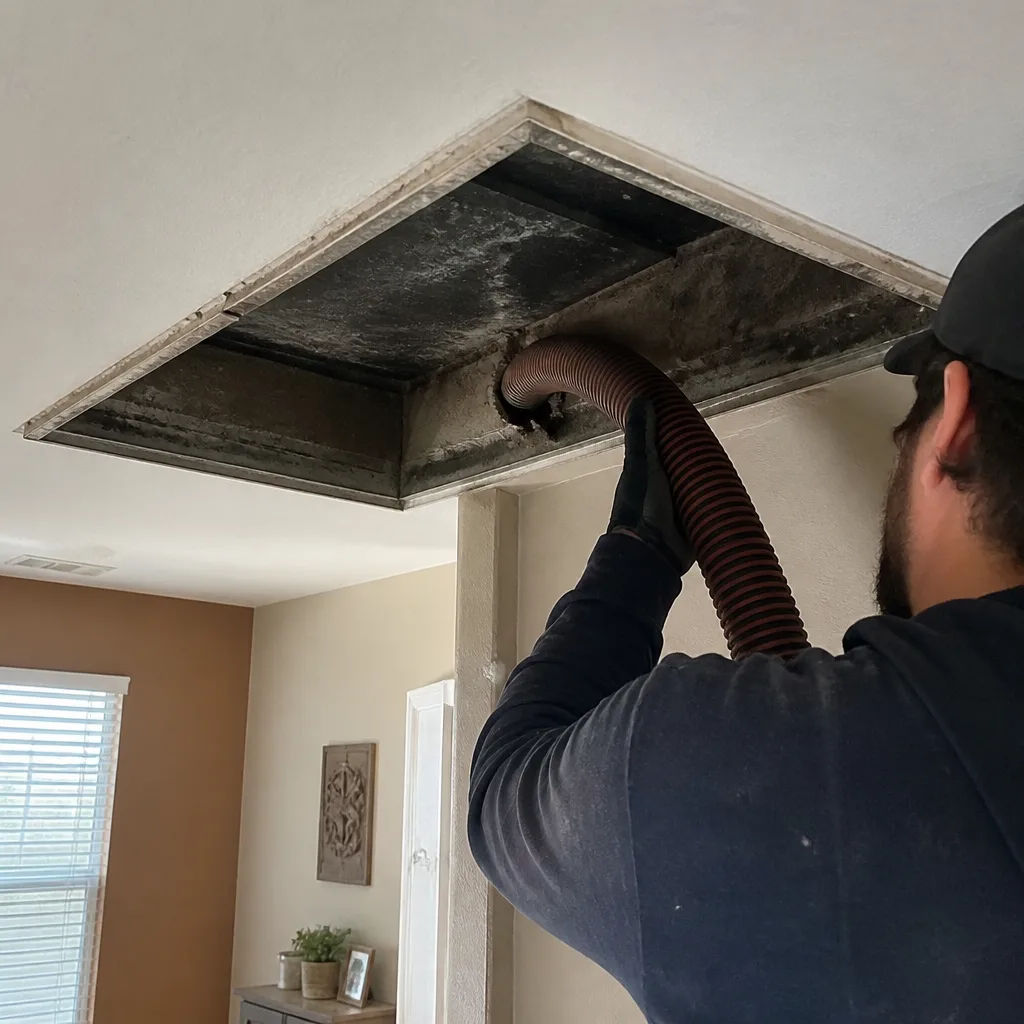 Before
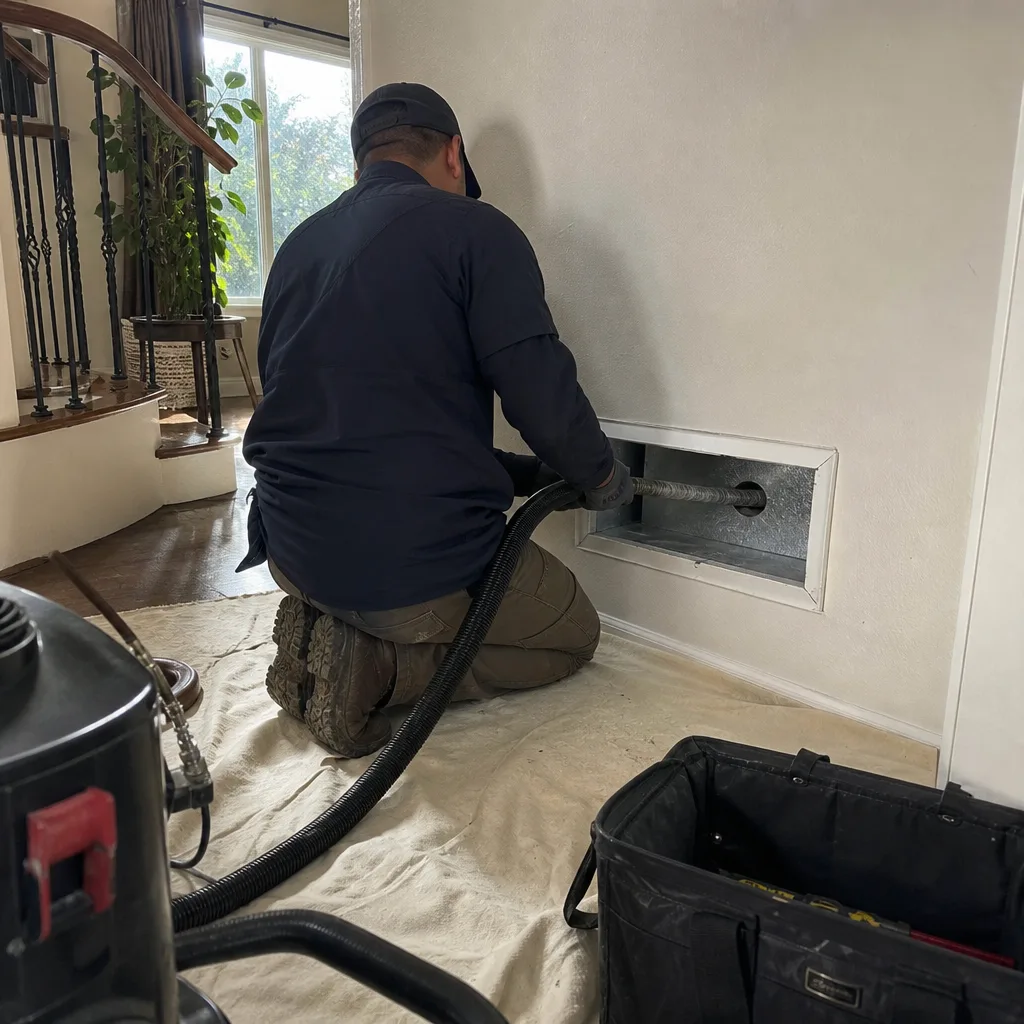 After
AfterRotobrush Register & Grille Cleaning: The Denver Owner’s Guide
Rotobrush register and grille cleaning in Denver typically runs $180-$340 for a full system service, and we stock the full line of Rotobrush-compatible brushes, whips, and vacuum attachments on every truck. CleanRun Duct Repair & Cleaning is an independent service provider, not affiliated with Rotobrush, and we’ve installed and serviced their equipment on Denver homes since 2013. Most owners discover their register and grille cleaning is inadequate when they notice dust reappearing on furniture within days of cleaning, or when a visible debris ring persists around vent edges after standard vacuuming.
Which Rotobrush Models This Applies To
Rotobrush register and grille cleaning attachments fit three main series: the original Rotobrush Classic (black housing, pre-2016), the Rotobrush BrushBeast series (yellow housing, 2016-2022), and the current Rotobrush aiR+ lineup (gray housing, 2022-present). Each series uses a different quick-connect collar diameter: 2.5 inches on Classic, 2.75 inches on BrushBeast, and a tapered 2.5-to-3-inch collar on aiR+ that causes the most compatibility confusion we see in Denver.
The register and grille cleaning kit itself includes a right-angle adapter, variable-length extension wands, and a soft-bristle round brush sized to 4, 6, and 8-inch registers. Check your vacuum hose cuff for the stamped model code, usually found on the collar underside. If the stamp reads “RB-400” or “BB-600,” you need the Classic/BrushBeast kit. “AIR-800” or “AIR-1000” stamps require the aiR+ kit, which is backward-incompatible due to the locking pin placement.
We carry both OEM Rotobrush kits and quality aftermarket equivalents from Nikro and Abatement Technologies. The aftermarket collars use a universal pin pattern that fits all three series, which matters in older Denver homes where technicians may have mixed-era equipment on the same truck. For the aiR+ specifically, we recommend OEM for the collar seal; the aftermarket universal fit can loosen at the high suction settings needed for Colorado’s low-humidity dust, which cakes harder than Gulf Coast debris.
Signs Your Rotobrush Register & Grille Cleaning Is Failing
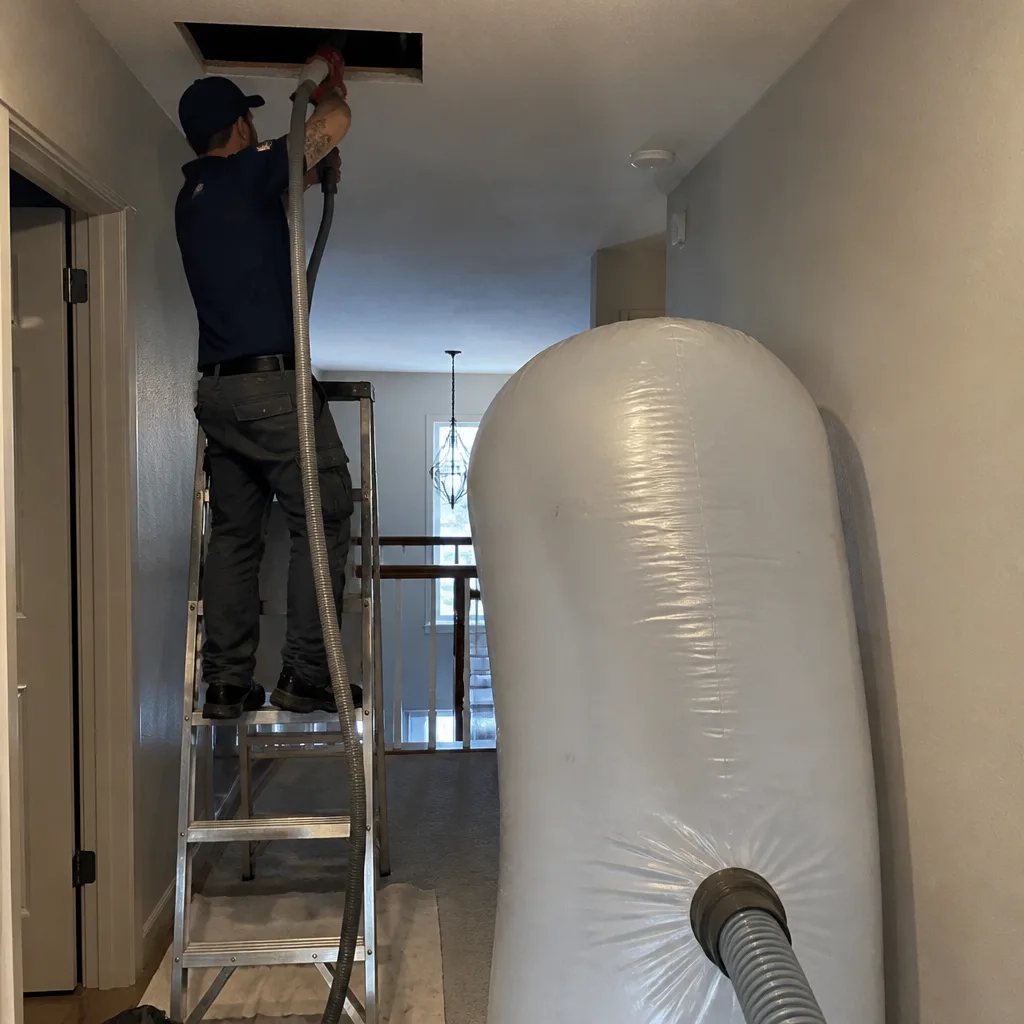
- Visible dust halo returns within 48 hours. This means the brush isn’t making contact with the register throat, usually because bristles have worn below 1.5 inches or the extension wand has developed play at the joint. The debris never left the duct; it just settled back onto the grille face.
- Scratching or chattering noise during operation. The brush head has lost its centering bushing, or a bristle clump has broken off and is jamming against the register frame. Continuing to run it scores the register finish and can snap the drive cable.
- Vacuum suction drops noticeably at the register face. The right-angle adapter’s internal gasket has cracked, common after two to three Denver winters due to dry-air embrittlement. Air bypasses the brush head and the debris stays put.
- Brush stalls or bogs in 6-inch and larger registers. The torque clutch on older Classic units wears out, or the aiR+ electronic torque limiter is falsely triggering. Either way, the brush stops scrubbing while the vacuum keeps running, giving a false sense of completion.
- Extension wands separate mid-job. The detent balls on aftermarket wands fatigue faster than OEM, especially in the temperature swings of unconditioned Denver garages where trucks are stored. A wand dropping into a duct run means a retrieval call, not a cleaning.
BeforeAfterReplacement Cost & What’s Included
| Service | Price Range | What’s Included |
|---|---|---|
| Register & grille cleaning kit replacement (single system) | $180-$260 | OEM or aftermarket kit, installation, torque test, documented photo record of before/after at each register |
| Full brush head and drive cable service | $220-$340 | Complete head assembly, cable inspection/replacement, collar seal replacement, system-wide suction verification |
| Wand set only (detent ball failure or extension issue) | $85-$140 | Matched wand set, compatibility verification against existing vacuum unit |
What drives the range: aiR+ OEM collars cost more than Classic aftermarket equivalents, and some Denver homes in Capitol Hill or Wash Park have 12 to 16 registers versus the typical 8 to 10. Every job starts with a written price under Haven Standard Clause 1 before any panel comes off. The 365-Day Done Right Promise covers the work in writing, not as a policy subject to manager approval.
DIY or Call Us?
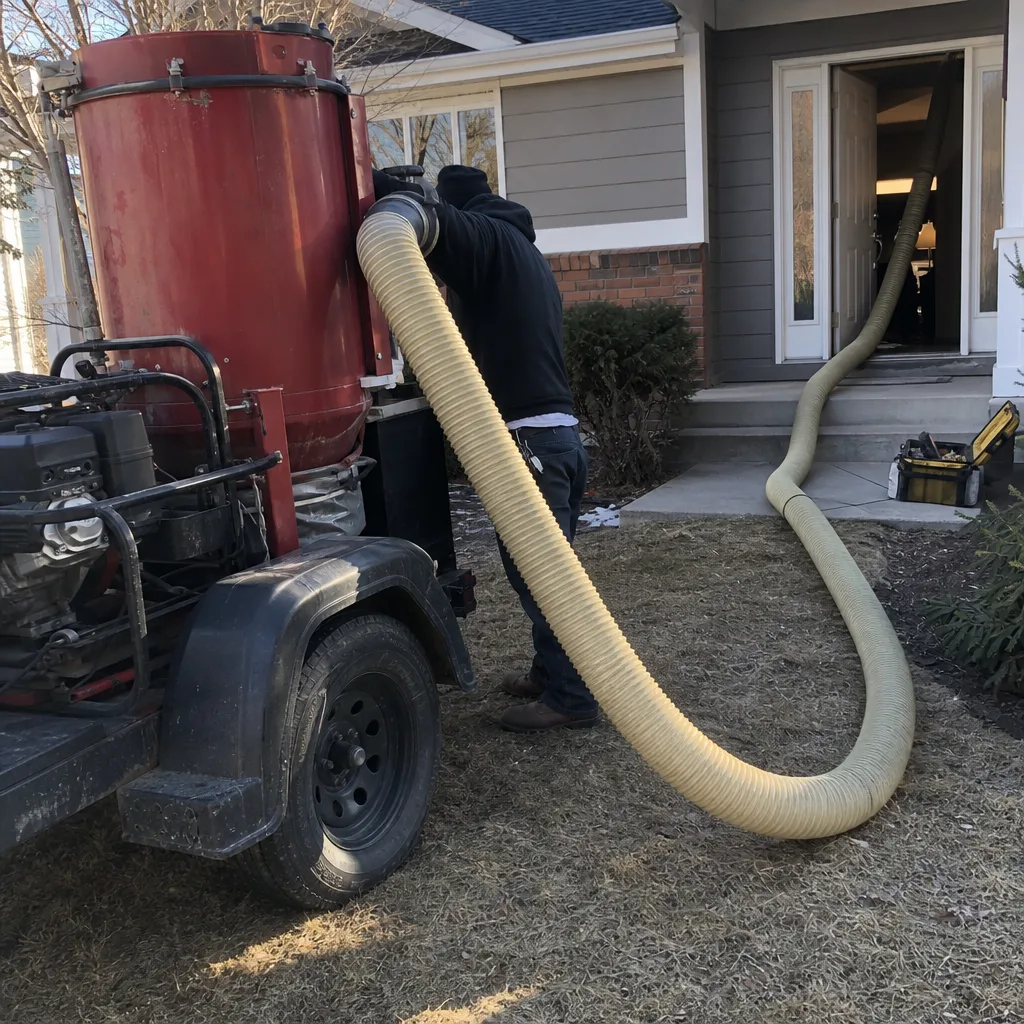
What you can safely check yourself: verify the model stamp on your collar, measure your register openings, and inspect bristle length with a tape measure. If bristles measure under 1.5 inches, the brush is spent. You can also check for obvious cracks in the right-angle adapter housing.
Where DIY goes wrong: the drive cable inside the wand set is under spring tension, and improper reassembly can kink or fray it. A kinked cable that snaps mid-job will lodge in the duct run. The torque clutch on Classic units requires a calibrated reset; guesswork leads to repeat failures. And mixing aiR+ collars with Classic wands, or vice versa, damages the locking pin bore in a way that isn’t visible until the next disconnection fails completely.
We carry full Rotobrush-compatible inventories on every truck, along with Nikro and Abatement Technologies alternatives we can match to your existing vacuum unit. Call (720) 799-2292 and we’ll verify compatibility before dispatch.
FAQs
In Denver’s dry climate, expect 18 to 30 months for a residential kit used seasonally, or 8 to 14 months for commercial accounts running monthly. The low humidity hardens dust and increases bristle wear; we see faster degradation in homes near construction zones like RiNo or the Central Park development, where silica-laden dust acts like fine sandpaper on nylon bristles. Call (720) 799-2292 for an exact quote on replacement - estimates are free.
Individual wands and the right-angle adapter can often be rebuilt, but brush heads are wear items designed for replacement. We stock rebuild parts for the adapter gasket and detent ball sets, which runs $45-$85 versus full replacement. If the drive cable shows fraying or the torque clutch is slipping, replacement is the only reliable fix. Call (720) 799-2292 for an exact quote - estimates are free.
A full kit swap on a typical Denver home takes 45 to 90 minutes, including torque verification and a suction test at each register. We photograph every register before and after as part of the standard Documented Photo Record, so you’ll see the contact pattern the new brush achieves. Call (720) 799-2292 for an exact quote - estimates are free.
Yes. We stock OEM Rotobrush kits and Nikro/Abatement Technologies equivalents on every truck, including the aiR+ tapered collar that most Denver competitors order with a two-day lead time. If your stamp reads RB-400, BB-600, AIR-800, or AIR-1000, we have the match. Call (720) 799-2292 for an exact quote - estimates are free.
Here is what the camera found. Here is what it costs to fix it. You decide.
Ready to get your Rotobrush register and grille cleaning handled right? Call CleanRun Duct Repair & Cleaning at (720) 799-2292. Tomas Reyes and our crew will answer with a written price before any work starts, back it with the 365-Day Done Right Promise, and leave you with a Documented Photo Record of every register, plenum, and main trunk line - the same standard we’ve held since our first Denver job in 2013.
Written by Tomas Reyes, Owner, CleanRun Air Duct Cleaning Denver at CleanRun Air Duct Cleaning Denver, serving Denver and nearby areas.