
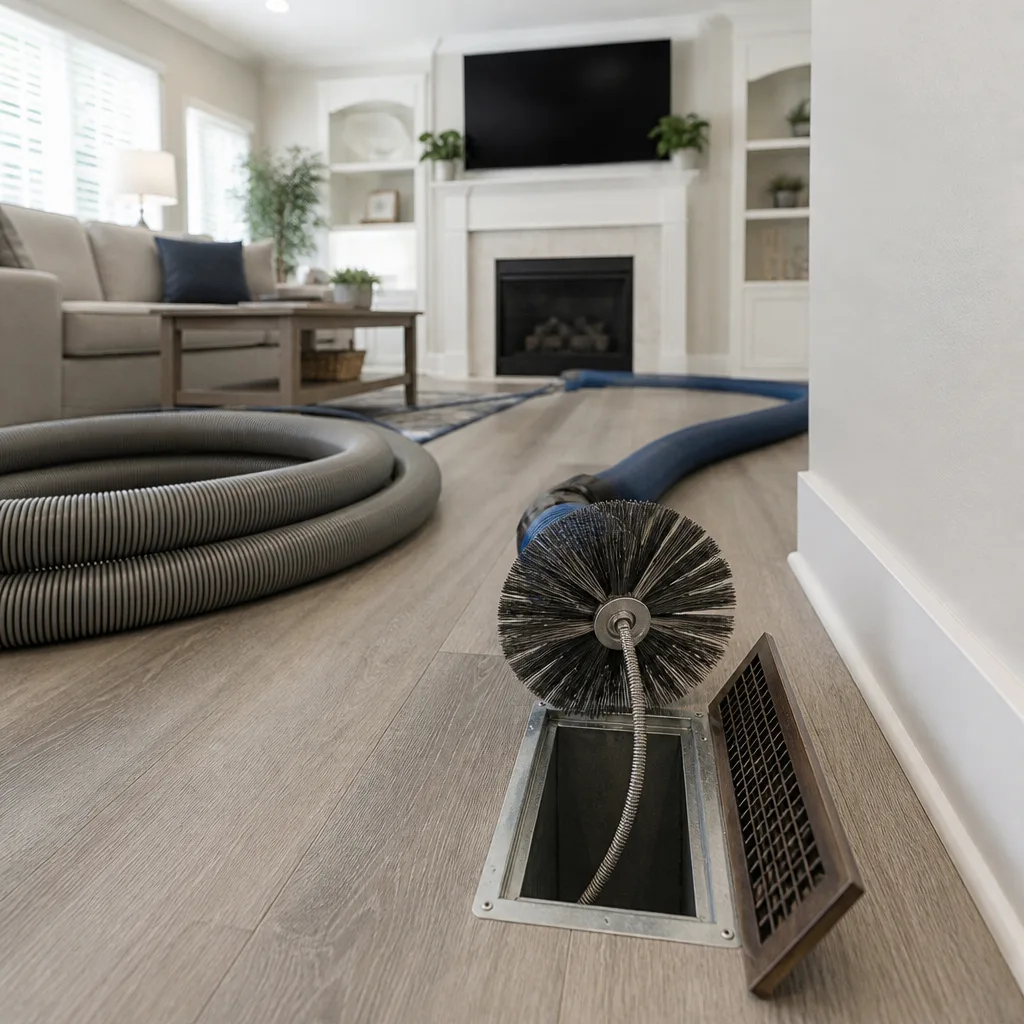
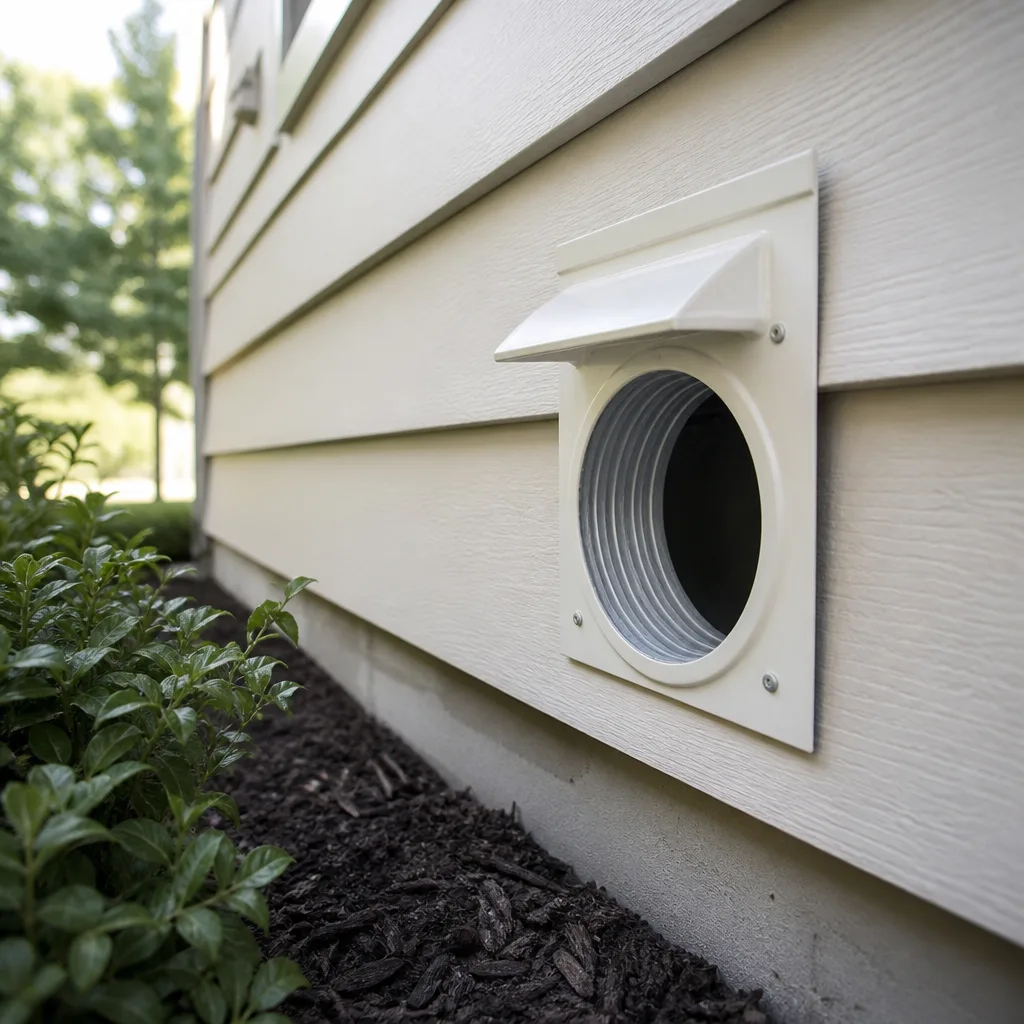
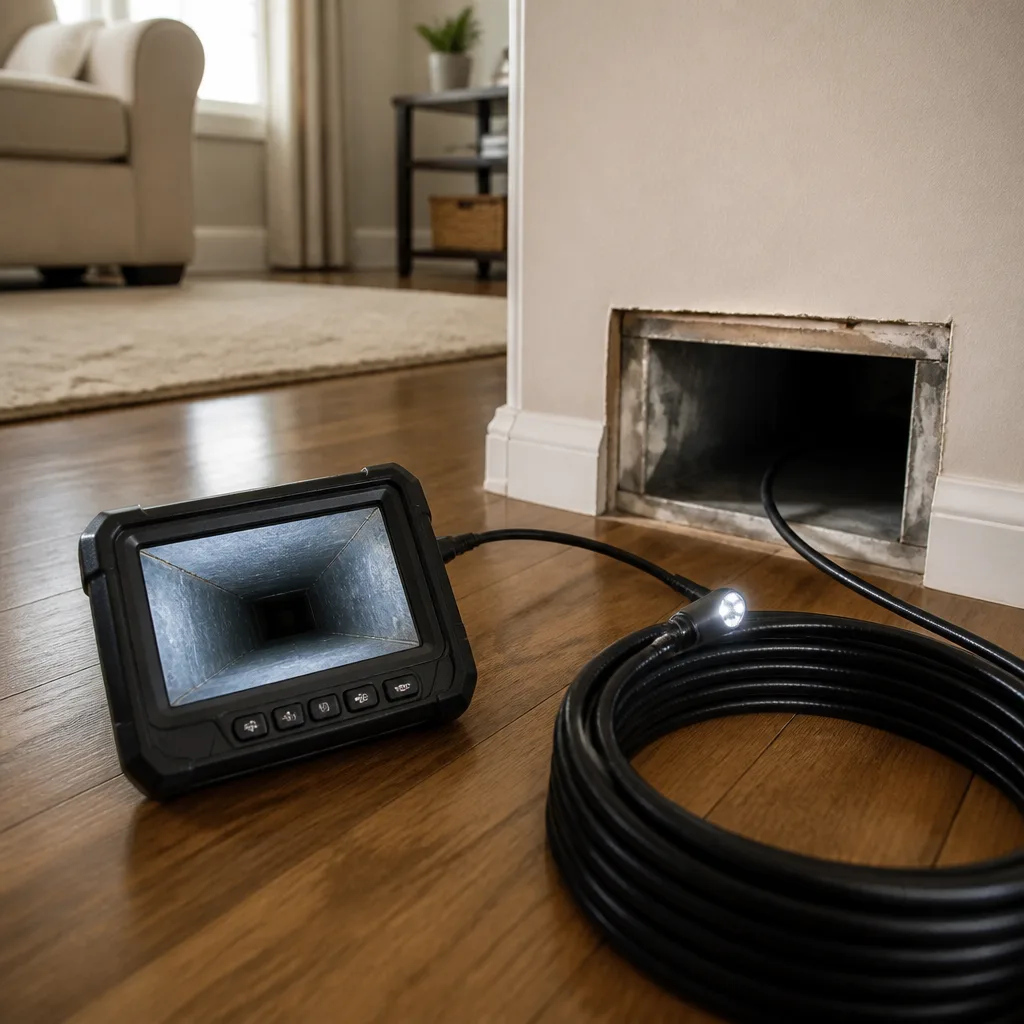
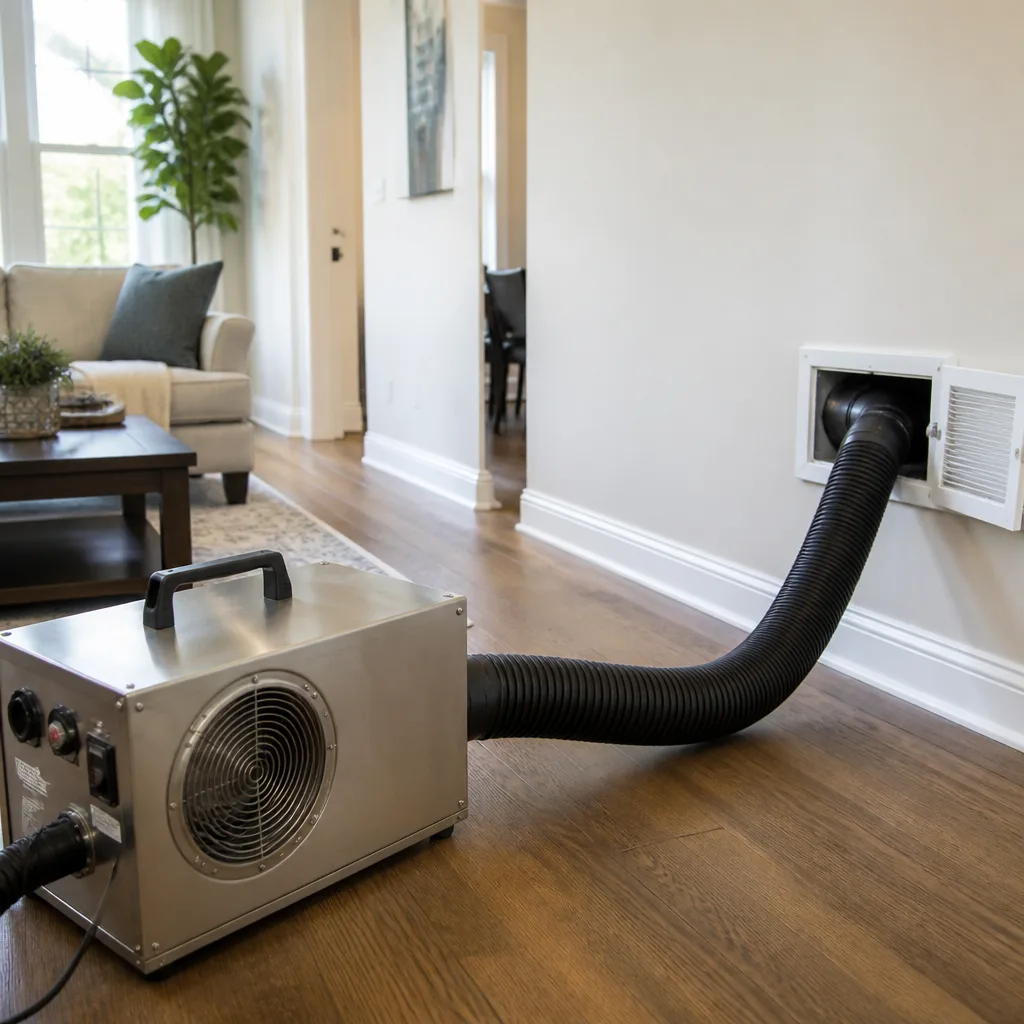
Whole-system duct and dryer vent check with before-and-after photos - you see exactly what came out of your vents
That "$99 whole-house special" is a bait ad - the real number appears once they are in your hallway, or the "clean" is a shop-vac at the register. We photograph the inside of your ducts before and after instead.
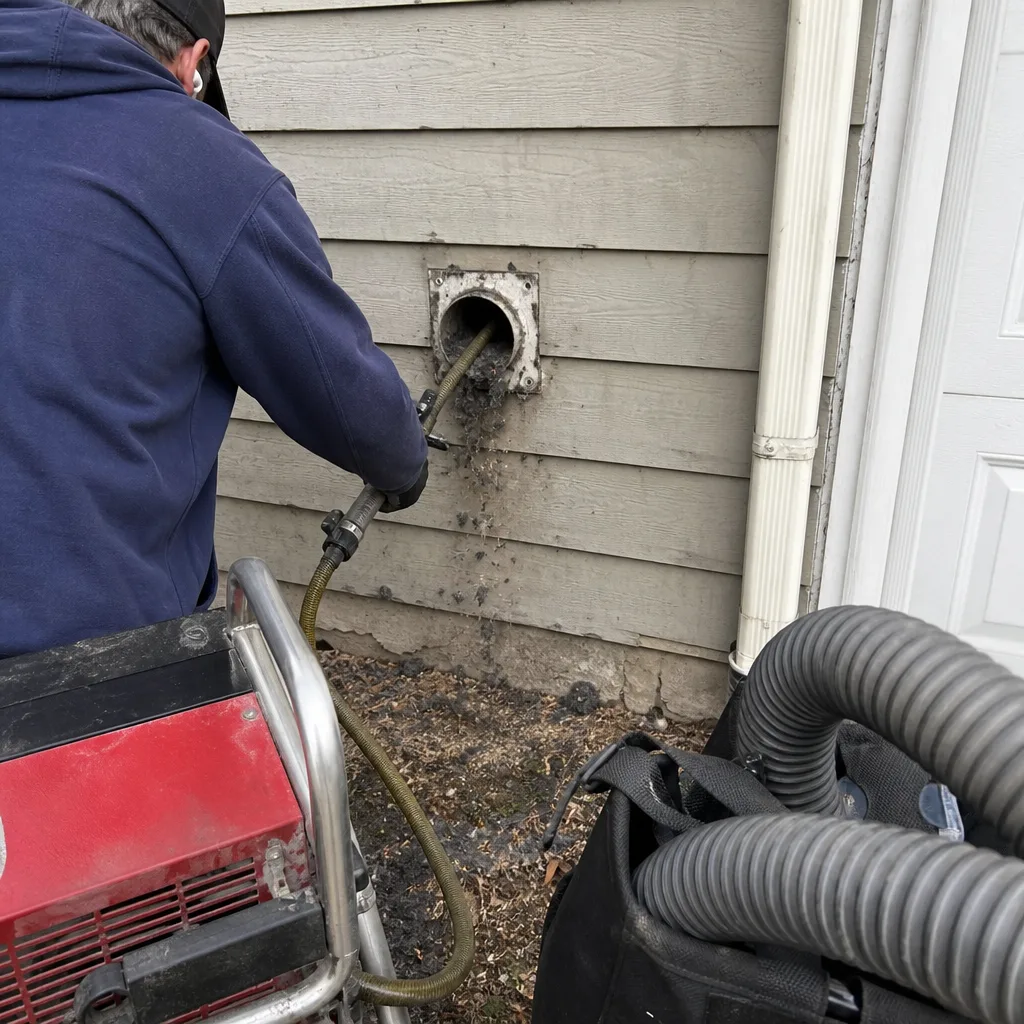 Before
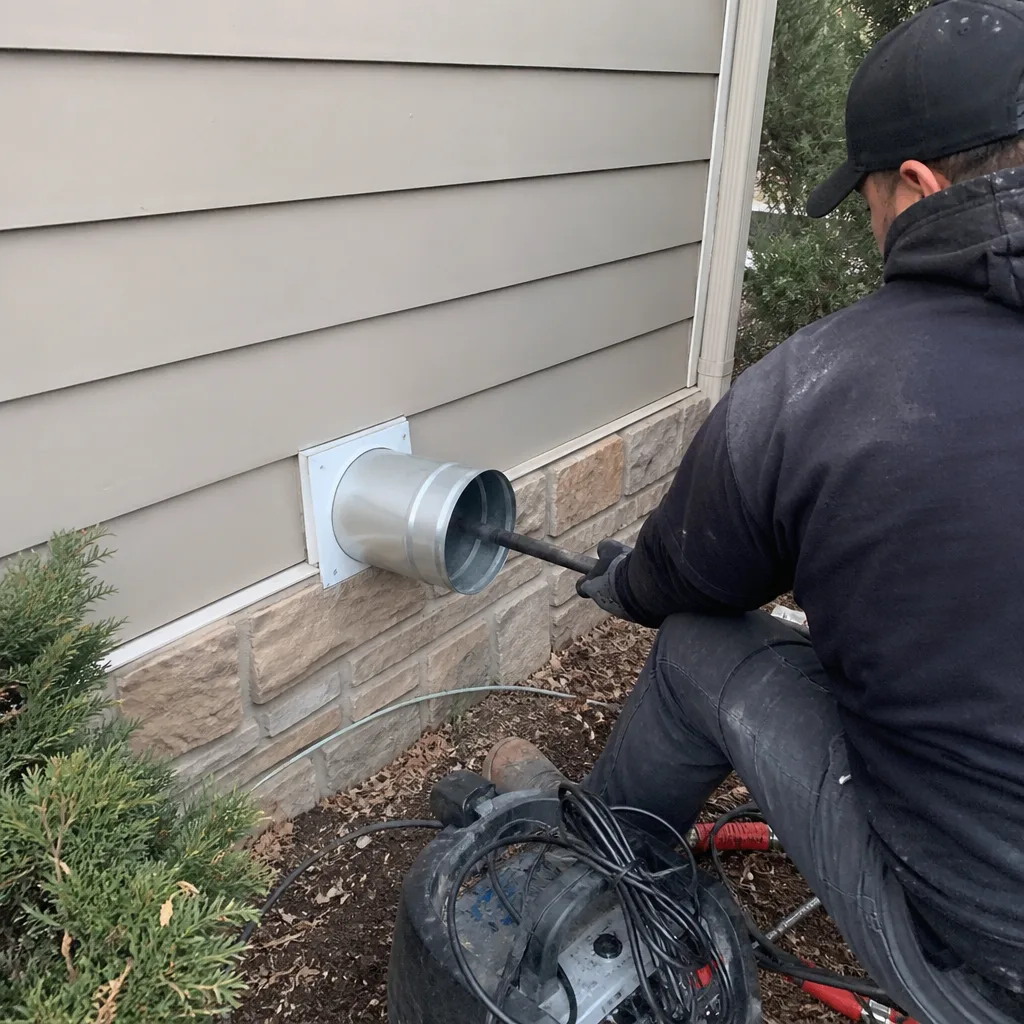 After
After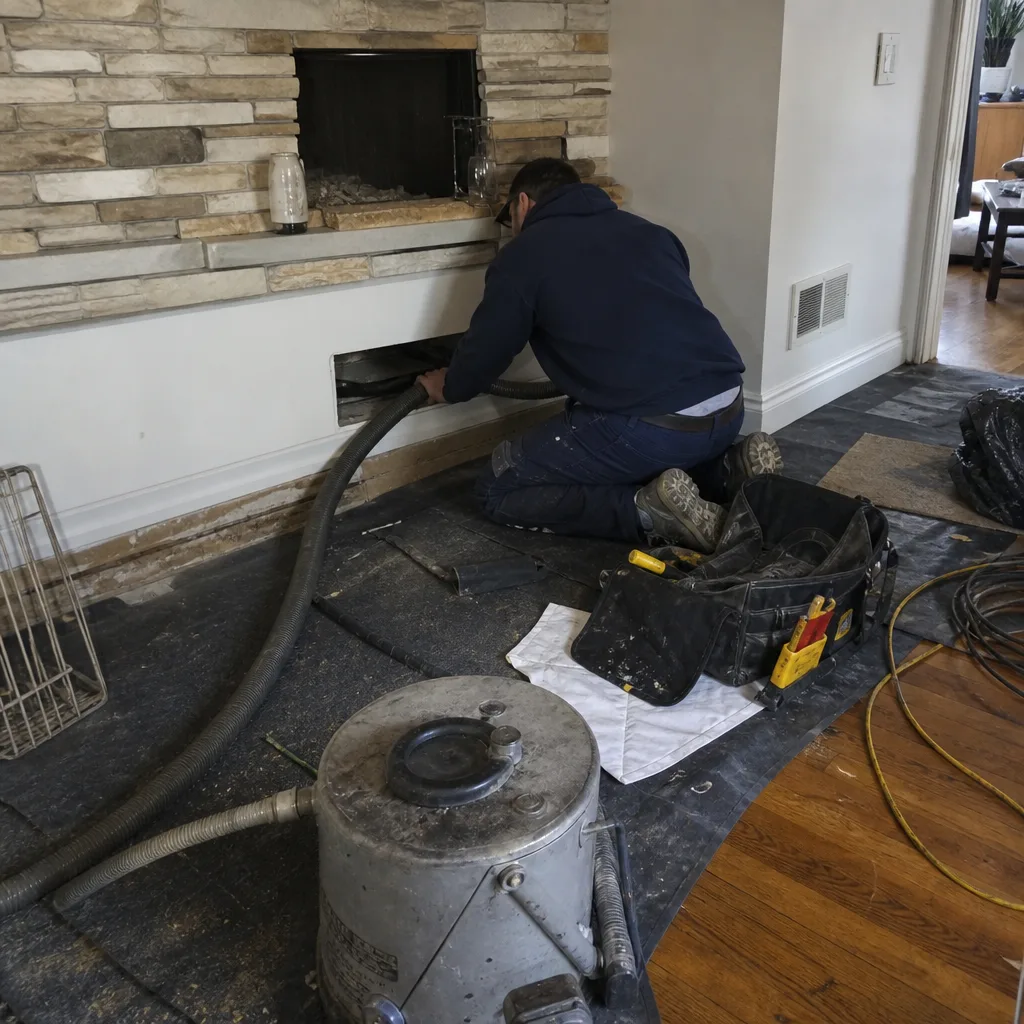 Before
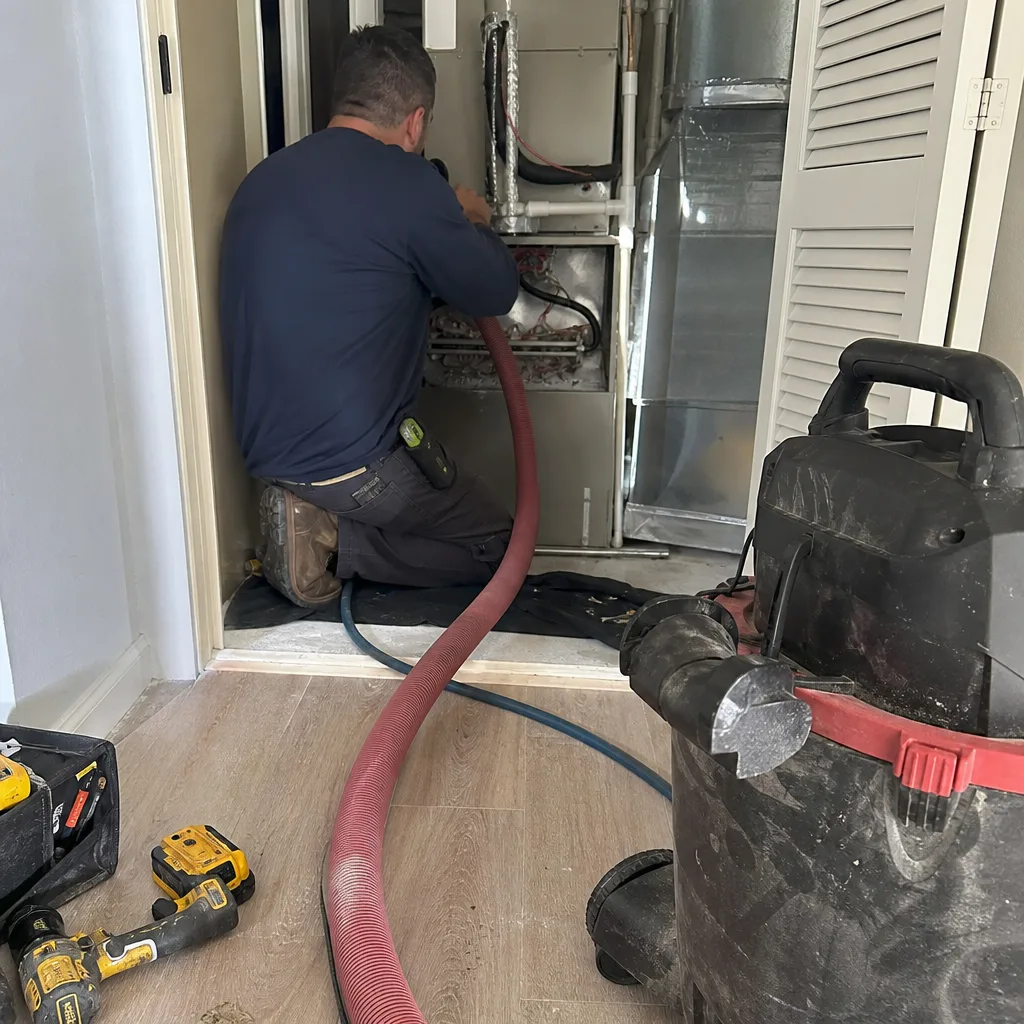 After
After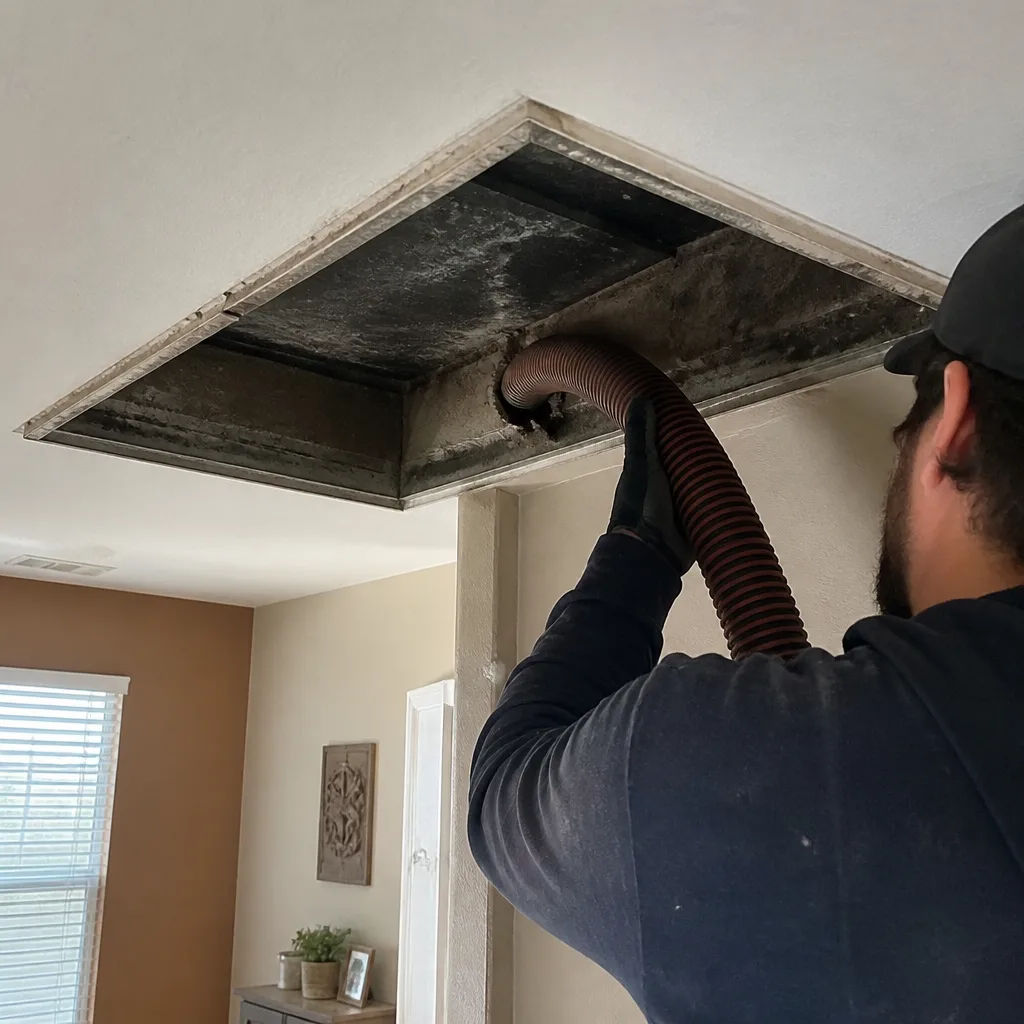 Before
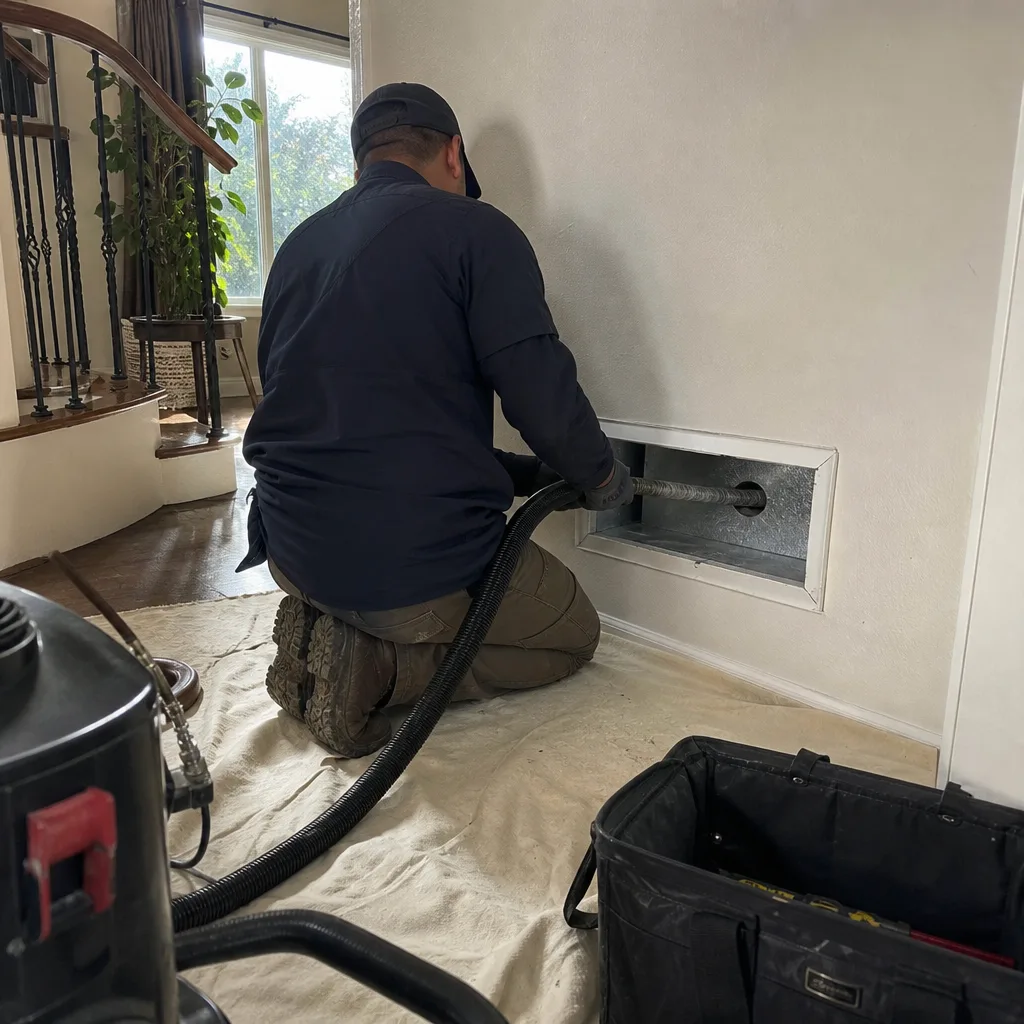 After
AfterGuardsman Duct Sealing & Repair: The Denver Owner’s Guide
We stock and install Guardsman-compatible duct sealing and repair components for residential HVAC systems in Denver, with most jobs quoted at $340-$780 depending on the extent of the seal failure and whether the repair involves accessible trunk lines or buried ductwork behind finished walls. Our trucks carry Guardsman mastic compounds, foil-backed tape rated for Colorado’s low-humidity cycles, and mechanical fasteners for rigid duct connections - same-day availability when the failure is in the main plenum or accessible runs. Most Denver homeowners discover a Guardsman duct seal has failed when they notice uneven heating between rooms, see dust puffing from register seams during blower startup, or find their winter gas bills climbing despite unchanged thermostat settings.
Which Guardsman Models This Applies To
Guardsman duct sealing products are not tied to a single HVAC equipment line; they are applied to the ductwork itself, which means compatibility depends on your duct material and configuration rather than the furnace or air handler brand. We most commonly encounter Guardsman sealant on galvanized steel trunk lines in Denver homes built between 1960 and 1995, particularly in neighborhoods like Capitol Hill, Berkeley, and Park Hill where original ductwork remains in service. The critical identification point is the existing seal type: hard, brittle mastic from the 1980s and 1990s will be visibly cracked at plenum joints and register boots, while failing foil tape shows peeling edges and air leakage stains on surrounding insulation.
For OEM versus aftermarket, Guardsman-branded mastic is a water-based duct sealant rated to 250°F with UL 181 compliance; we also apply Abatement Technologies and Honeywell equivalents that meet the same spec at comparable longevity. The aftermarket decision matters most in Denver’s climate: water-based mastics cure harder here due to low ambient humidity, which can create stress fractures at steel-to-flex transitions if the application is too thick. We measure existing mastic thickness before specifying replacement, and we stock both Guardsman OEM and Abatement equivalents on every truck so the crew can match the application to what your system actually needs.
Signs Your Guardsman Duct Sealing & Repair Is Failing
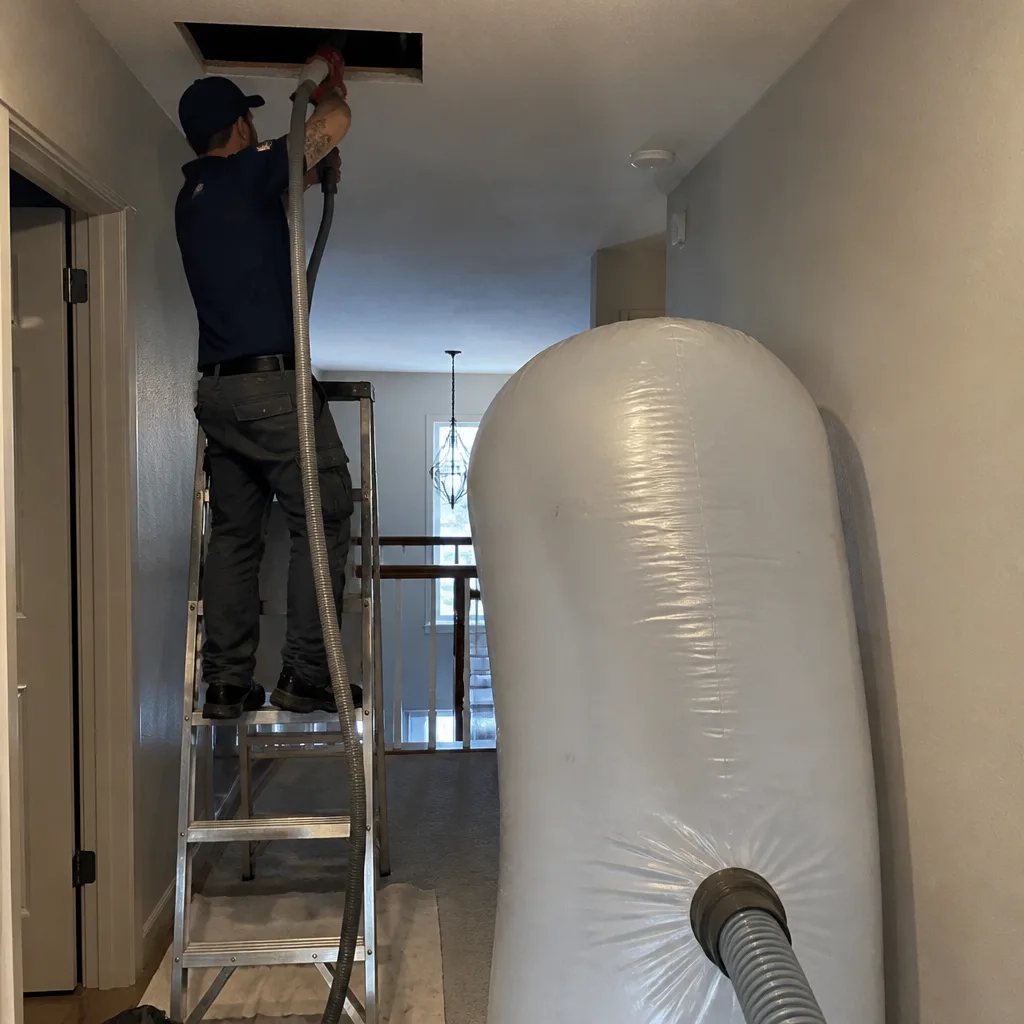
- Uneven room temperatures with the blower running. When mastic cracks at a trunk-line branch, conditioned air leaks into the basement or crawl space before reaching the register. The room at the end of that branch runs cold in winter or warm in summer while the thermostat reads satisfied.
- Dust or debris visible at register seams when the blower starts. This indicates a failed seal between the register boot and the floor or wall duct. The negative pressure at startup pulls attic or crawl-space debris through the gap, which is how we often find the failure before the homeowner does.
- Utility bills rising without usage changes. A 15-20% leak in the return ductwork, common in older Denver homes with original Guardsman seals, forces the system to condition unfiltered attic air. The furnace runs longer to hit temperature, and the homeowner pays to heat or cool air that never reaches the living space.
- Musty or stale odors when the system cycles on. Failed seals at return plenum connections draw air from musty crawl spaces or rodent-affected areas. In Denver’s dry climate, this is less common than in humid regions, but we see it regularly in homes with dirt-floor crawl spaces in the Barnum or Westwood neighborhoods.
- Visible cracks or gaps at plenum joints during a filter change. The plenum, which is the large box directly above your furnace, expands and contracts with each heating cycle. Guardsman mastic applied too thin at original construction develops hairline fractures within 15-20 years; these widen until the gap is visible from the filter access door.
BeforeAfterReplacement Cost & What’s Included
| Scope of Work | Typical Range in Denver | What’s Included |
|---|---|---|
| Single register boot reseal (accessible) | $180-$260 | Removal of failed material, surface prep, Guardsman or equivalent mastic application, photo documentation |
| Plenum joint repair (furnace-attached) | $280-$420 | Joint disassembly if needed, mechanical fastening, dual-layer seal, pressure verification, photo documentation |
| Multiple trunk-line seals (partial system) | $480-$780 | Access to all affected runs, removal of degraded sealant, reseal with UL 181-rated product, full photo record, 365-Day Done Right Promise |
The price range reflects access difficulty, not guesswork. A register boot in an open basement ceiling takes twenty minutes; the same boot buried beneath a finished bathroom floor requires cutting and restoring access. Haven Standard Clause 1 requires a written price before any work starts, and that price is the price. No per-vent add-ons, no “we found more once we opened it up.” The 365-Day Done Right Promise covers the seal integrity, and the photo record shows you exactly where the material was applied and how thick.
DIY or Call Us?
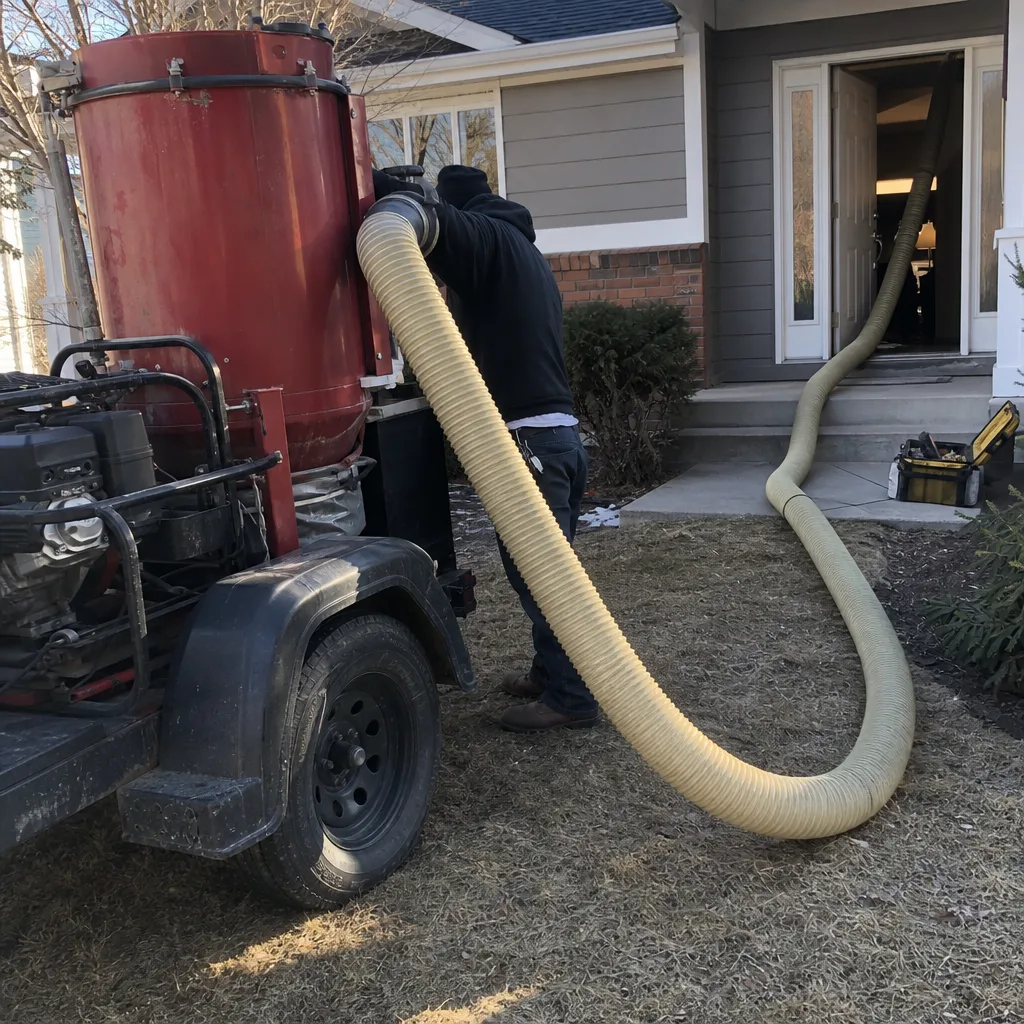
There is no high-tension danger in duct sealing, but there is a significant performance risk in doing it wrong. A homeowner can safely inspect: remove a register and photograph the boot-to-duct connection with a phone flashlight, check the plenum seams visible from the filter access, and look for peeling tape or crumbling mastic in an unfinished basement. What we find when we are called after DIY attempts: mastic applied over dust and oil so it never bonds, foil tape used on surfaces above 200°F where it degrades in months, and gaps left unsealed because the failure was behind a liner the homeowner could not see.
Here is what the camera found. Here is what it costs to fix it. You decide. Call (720) 799-2292 for a written estimate with no visit fee.
FAQs
A properly applied Guardsman mastic seal lasts 20-25 years in Denver’s dry climate, though temperature cycling at the plenum can shorten this to 12-15 years. The hard freeze-thaw cycles of our shoulder seasons stress rigid duct connections more than humid-climate installations. Call (720) 799-2292 for an inspection if your home is approaching that age range - estimates are free.
Surface cracks in otherwise sound mastic can be bridged with fresh application after proper prep, but delaminated or powdering sealant must be removed entirely. We photograph the existing condition before recommending either approach, and we will show you the photo before quoting. Call (720) 799-2292 to schedule.
Single-point repairs like a register boot or accessible plenum joint take 45-90 minutes; partial-system resealing of multiple trunk lines requires 3-4 hours. We schedule the time block when we deliver the written price, so you are not waiting on an open-ended arrival window. Call (720) 799-2292 to book.
Yes. Every CleanRun truck carries Guardsman mastic, UL 181-rated foil tape, mechanical fasteners, and Abatement Technologies and Honeywell equivalents for same-day repair. We also stock parts for Lennox, Trane, and Carrier equipment on the same vehicles. Call (720) 799-2292 - if we can see the failure, we can usually seal it that day.
CleanRun Duct Repair & Cleaning is an independent service provider and is not affiliated with Guardsman or its parent company.
Written by Tomas Reyes, Owner, CleanRun Air Duct Cleaning Denver at CleanRun Air Duct Cleaning Denver, serving Denver and nearby areas.