
Whole-system duct and dryer vent check with before-and-after photos - you see exactly what came out of your vents
That "$99 whole-house special" is a bait ad - the real number appears once they are in your hallway, or the "clean" is a shop-vac at the register. We photograph the inside of your ducts before and after instead.
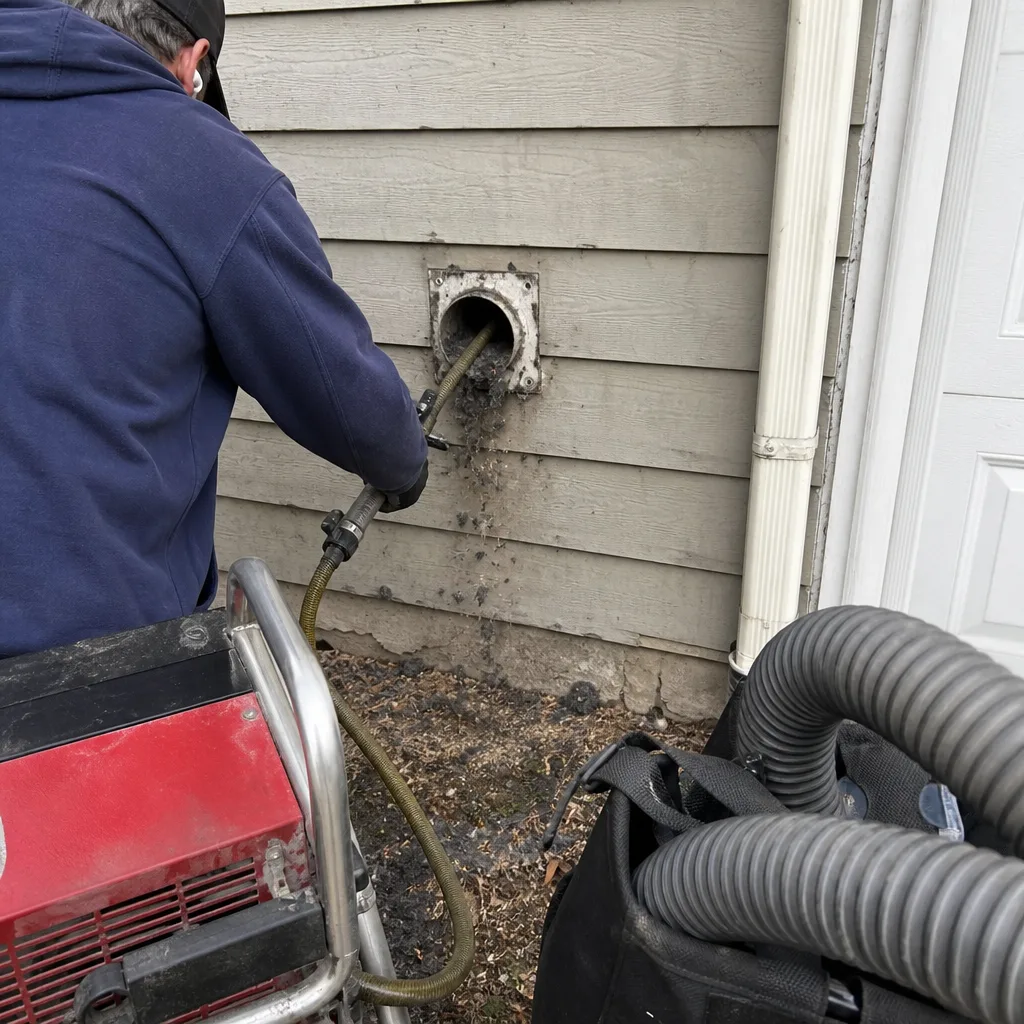 Before
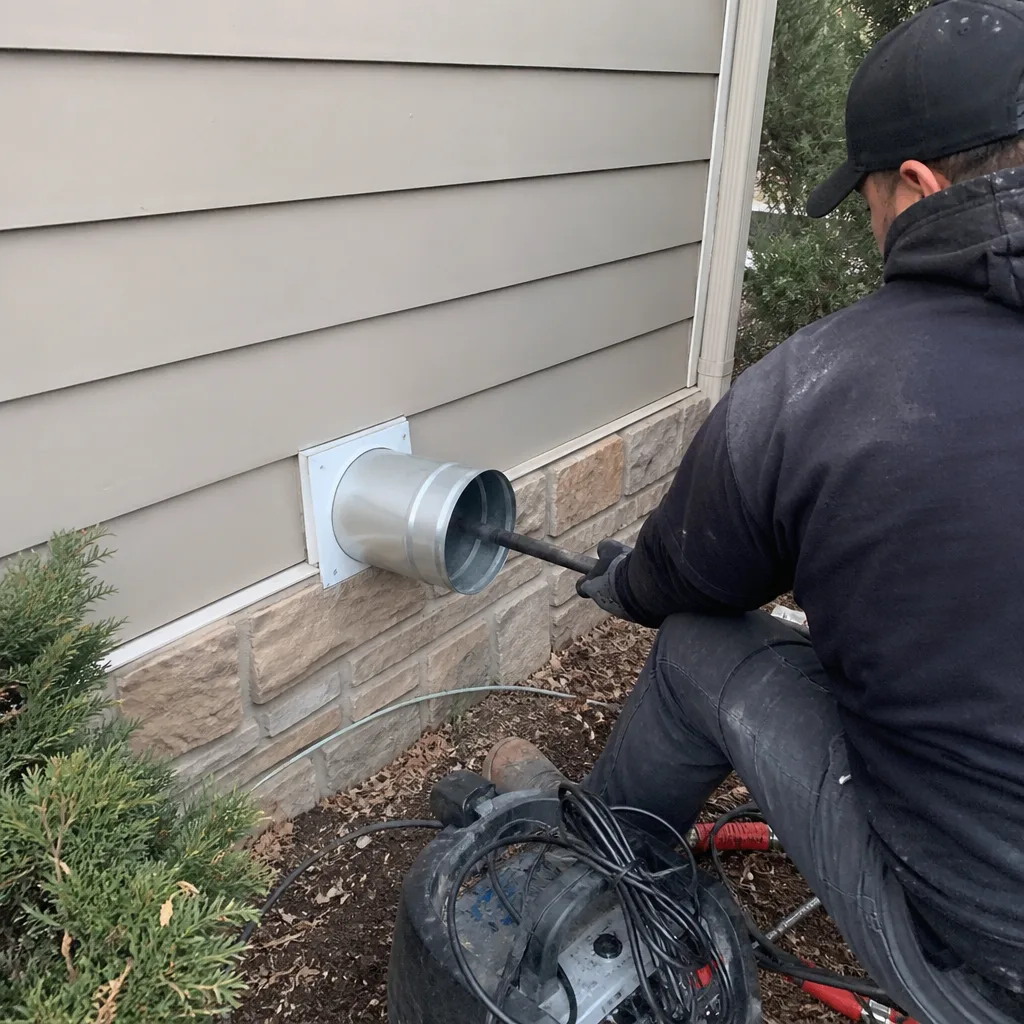 After
After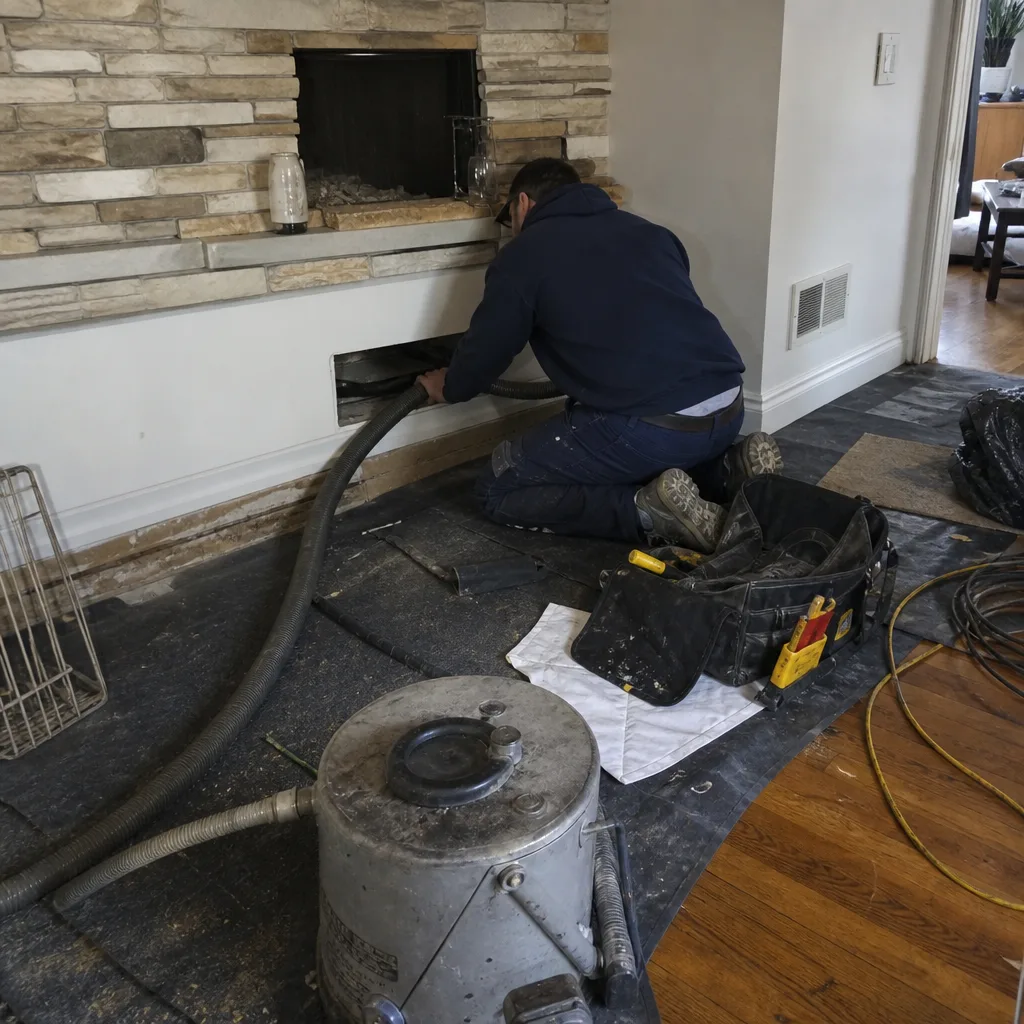 Before
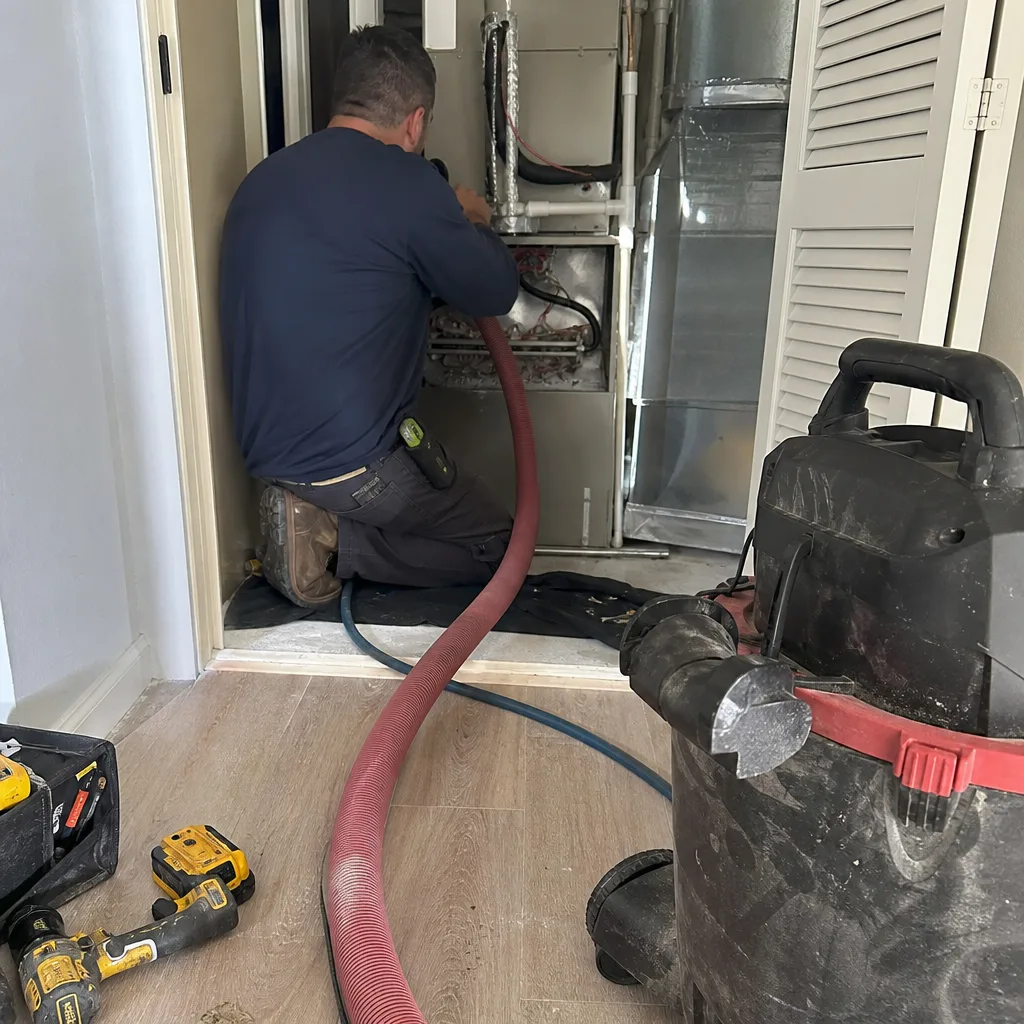 After
After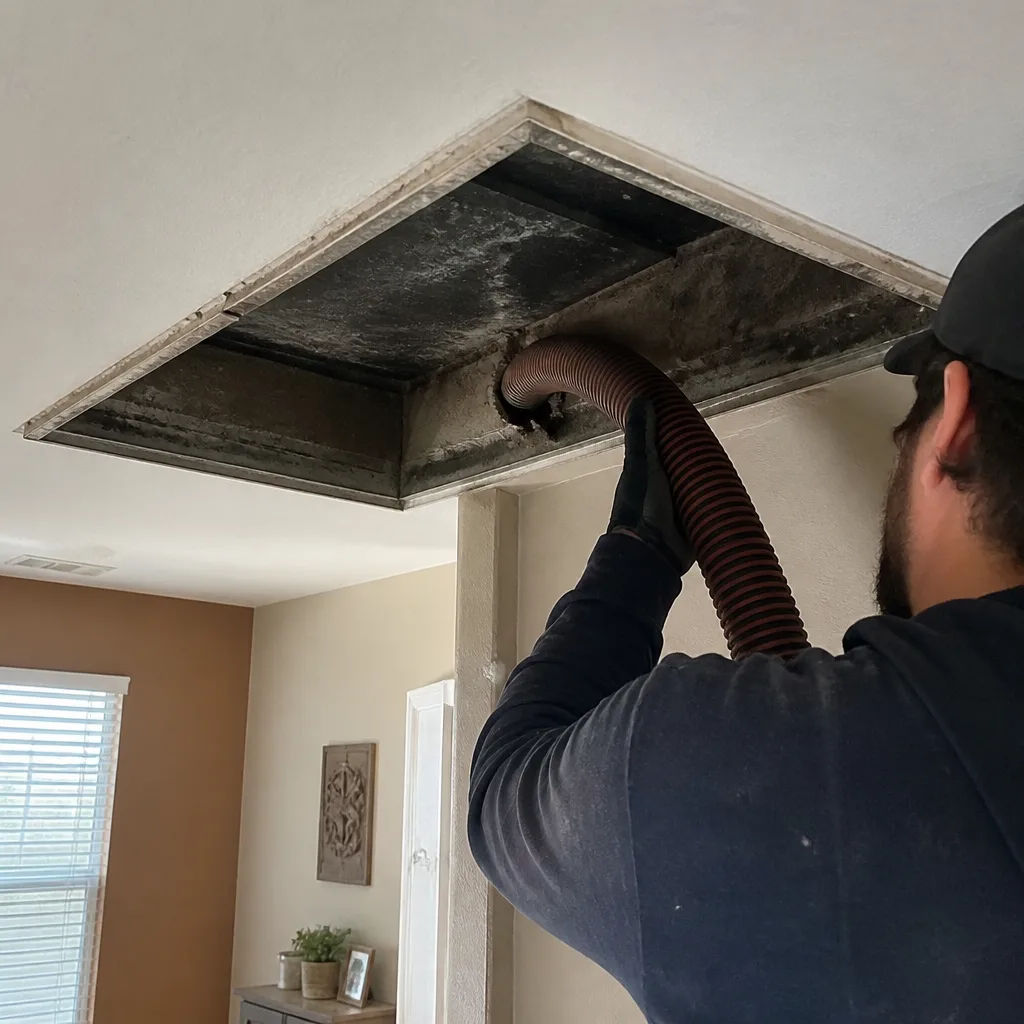 Before
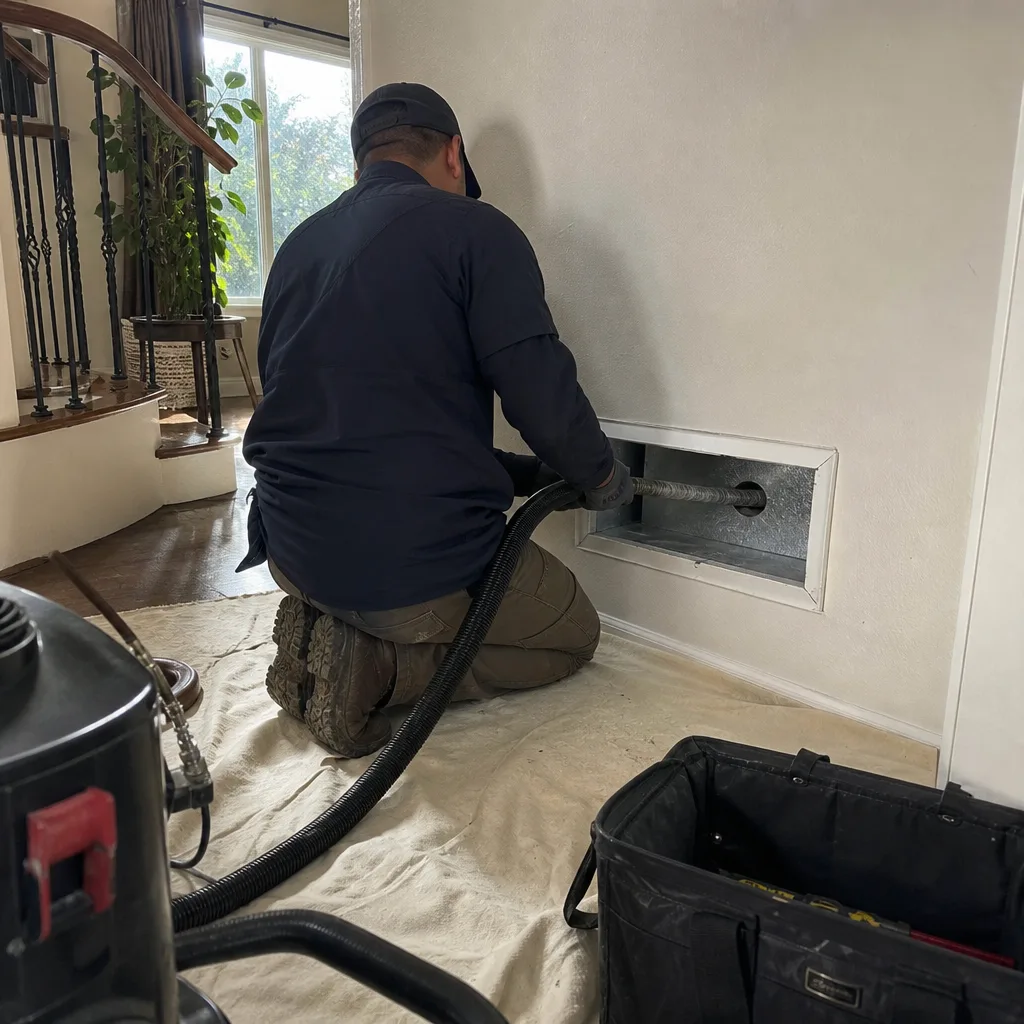 After
AfterDryer Vent Inspection in Denver, CO
A dryer vent inspection in Denver typically costs $79-$149 and takes 30-60 minutes. A technician runs a flexible camera through the full vent run, documents what the lens finds, and gives you a written scope before any Dryer Vent Cleaning services or repair work is discussed. If your dryer is running slow, hot, or longer than it used to, the inspection tells you exactly why.
CleanRun Air Duct Cleaning Denver has performed dryer vent inspections across Denver since 2013 – over 52,000 homes served, every single one with a written price before work started and a camera record when the crew left. Tomas Reyes built this company around one idea: show the customer what’s inside before asking them to pay for anything. If you want to know what’s happening in your dryer vent, call us at (720) 799-2292 – a live person answers every time, no voicemail trees.
Our full Dryer Vent Cleaning in Denver service page covers cleaning, repair, and rerouting in detail. This page is specifically about the inspection itself – what we look for, what we find most often in Denver homes, and what the process costs.
When You Need a Dryer Vent Inspection
Most Denver homeowners don’t think about their dryer vent until something goes wrong. By then, lint has usually been accumulating for years. Here are the situations where an inspection is the right first call, before any cleaning or repair work is scheduled.
- Drying cycles are taking 45 minutes or longer. A properly functioning vent system exhausts hot, moist air in a direct path. When lint restricts airflow, the dryer compensates by running longer – and your utility bill reflects it.
- The exterior vent flap barely moves, or doesn’t move at all. Walk outside during a drying cycle and watch the flap. Weak airflow at the termination cap is a reliable indicator of blockage somewhere in the run – often at the first or second elbow, which is where most Denver homes accumulate debris fastest.
- The dryer cabinet feels hot to the touch. Excess heat that can’t exhaust through the vent gets trapped inside the machine. This is a documented fire precursor. The U.S. Fire Administration identifies dryer vents as a leading cause of residential fires, and the failure mechanism is almost always restricted airflow.
- You’ve moved into a home built between 1995 and 2010 in neighborhoods like Stapleton, Sunnyside, or Harvey Park. Homes from this era in Denver frequently have flexible foil duct transitions inside the wall cavity – material that kinks, sags, and traps lint in ways that rigid duct doesn’t. If you don’t know what’s in your wall, an inspection is how you find out.
- Your dryer vent run is longer than 20 feet, or includes more than two 90-degree elbows. Denver’s townhouse and row-home layouts – common in RiNo, Capitol Hill, and the Highlands – often push the dryer to an interior wall, which means a long, twisted vent path. Every additional elbow adds resistance; an inspection documents whether that path meets current code equivalency.
- It has been more than two years since the last cleaning, or you’ve never had one done. Most Denver homes with gas or electric dryers producing standard laundry loads need vent maintenance every 12-24 months. If there’s no record of when the last service happened, an inspection before cleaning confirms what’s actually inside rather than guessing.
Our Dryer Vent Inspection Process
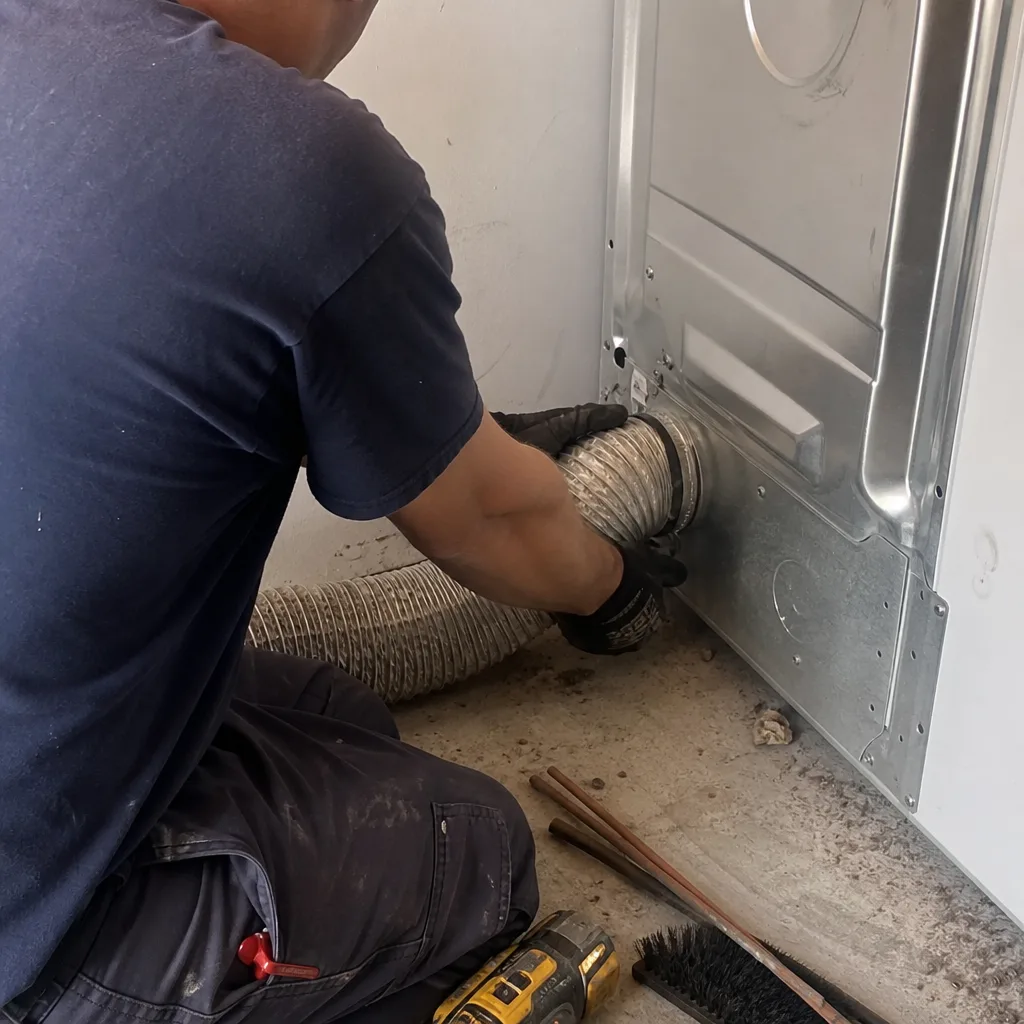
Every inspection CleanRun performs in Denver follows the same documented sequence. Nothing is skipped because the job is small, and nothing is added without your written approval. Here’s what happens from the time the technician arrives to the time you receive your job record.
- Written price, delivered before anything starts. Haven Standard Clause 1 is non-negotiable: you receive a written price for the inspection before the technician touches the dryer. The number on that page is the number on the invoice. There is no “we’ll see what we find” pricing at CleanRun.
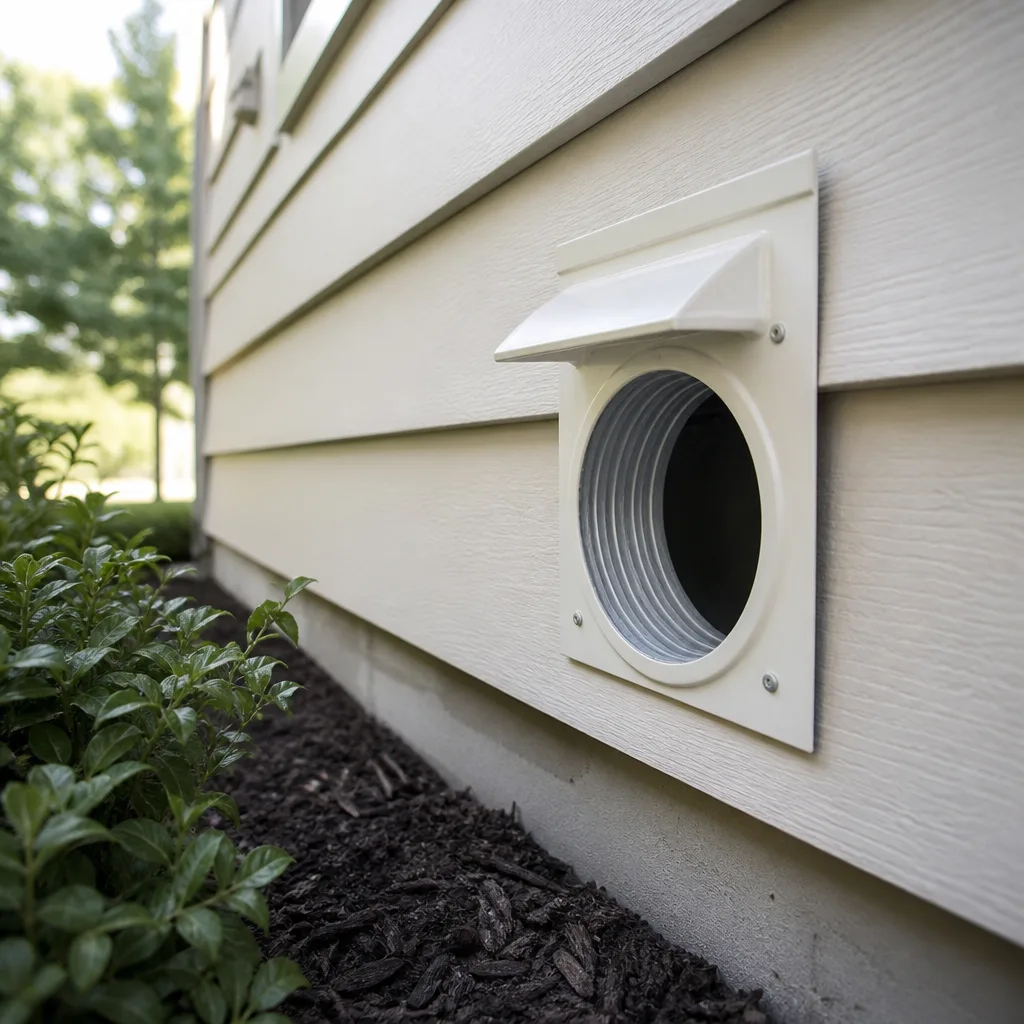
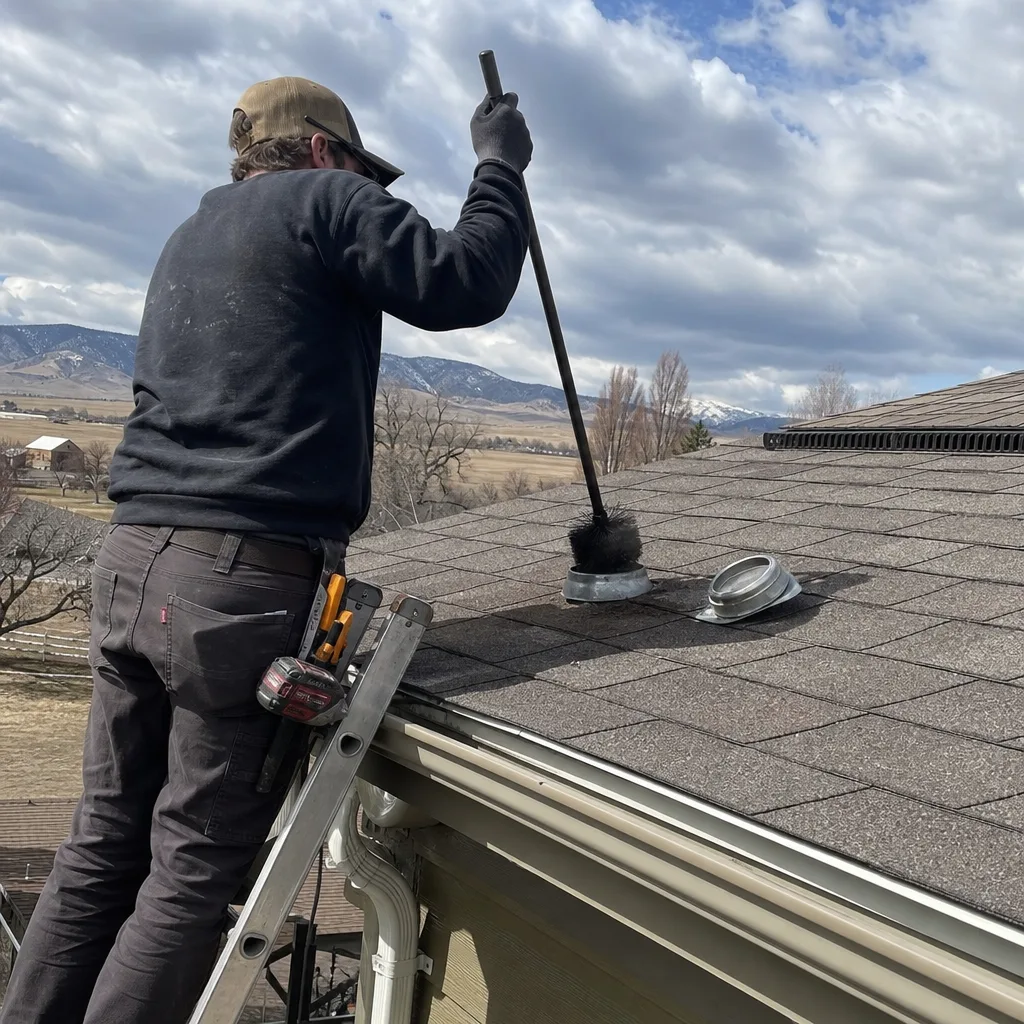
- Exterior and interior access points documented. The technician photographs the termination cap at the exterior wall – its condition, screen presence (if any), flap function – and the transition duct connection behind the dryer. These before-photos become part of your job record regardless of what the camera finds inside.
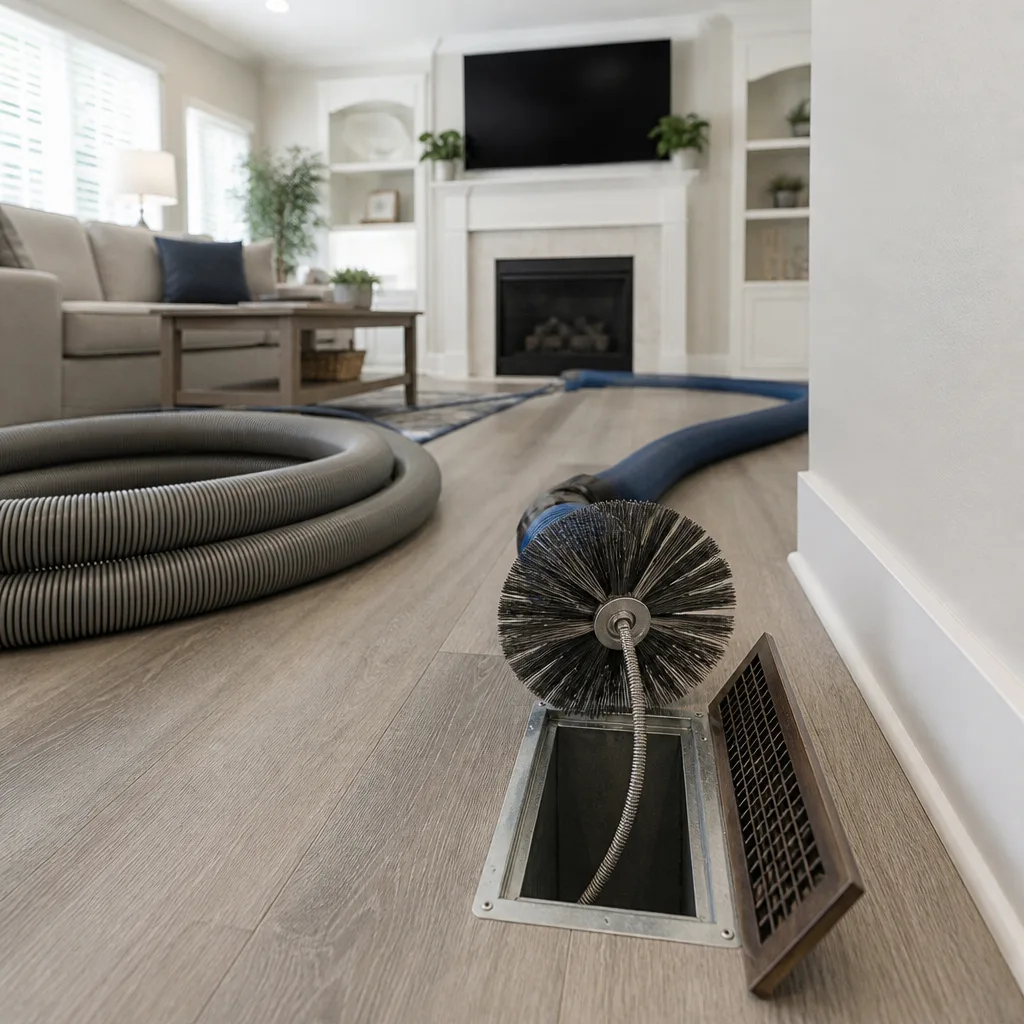
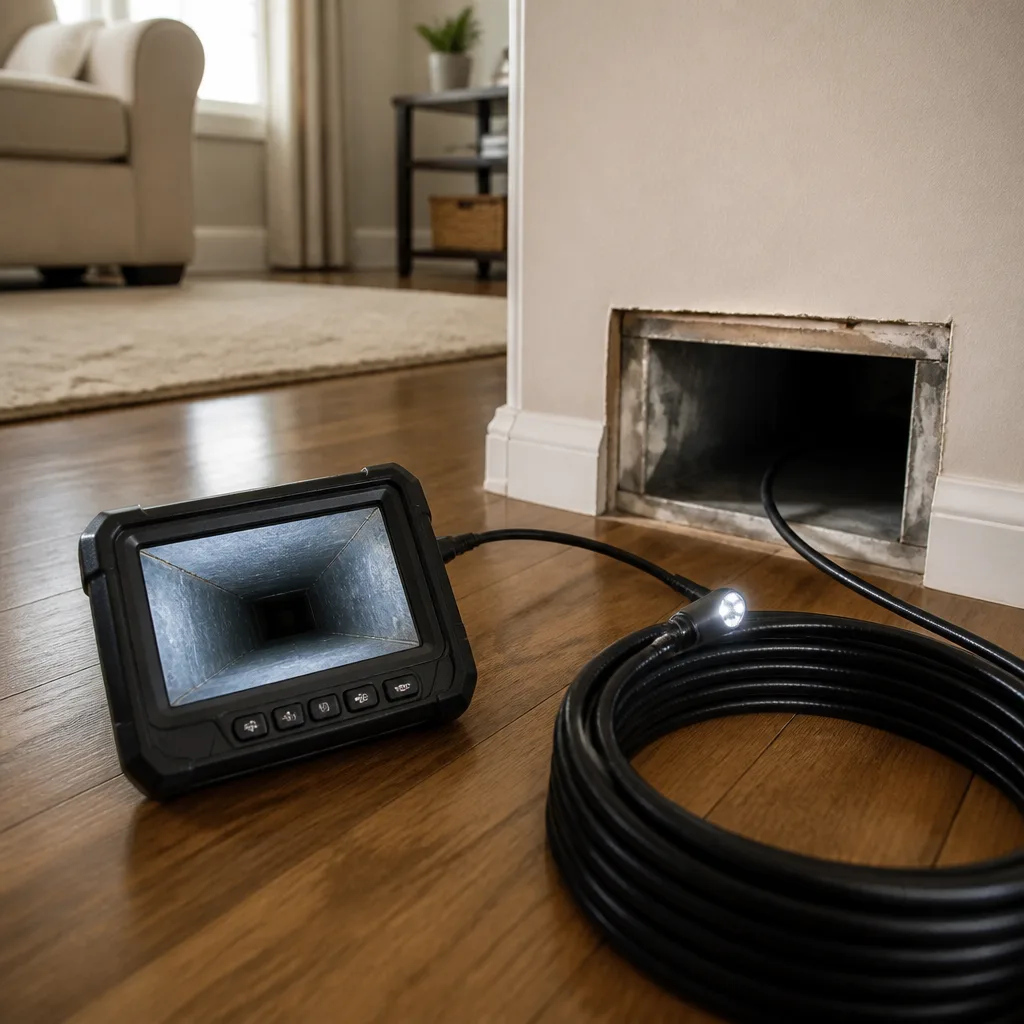
- Camera run through the full vent length. A flexible inspection camera travels the entire duct run from the dryer connection to the exterior cap. The lens records what it finds at each section: lint accumulation depth, duct material (rigid galvanized, semi-rigid aluminum, or flexible foil), joint condition, and any visible kinks, separations, or animal nesting. In Denver homes with long interior runs – common in two-story Wash Park bungalows and Platt Park row homes – we pay close attention to the elbow sections, where debris accumulates first.
- Airflow measurement at the termination. A calibrated anemometer (an airflow meter) reads velocity at the exterior cap while the dryer runs. We compare that reading against the manufacturer’s specified minimum exhaust velocity for your dryer model. A reading below specification confirms restriction – and gives you a documented baseline to compare against after cleaning.
- Written findings scope delivered on-site. Before the technician packs up, you receive a written summary: duct material, measured run length, number of elbows, airflow reading, and a plain-language description of what the camera found at each section. If cleaning or repair is warranted, a separate written price for that work is included. You decide whether to proceed – there is no pressure, and the inspection price doesn’t change either way.
- After-photos and job record delivered to you. Every inspection concludes with a Documented Photo Record – the camera stills from inside the duct, the exterior cap before and after, and the airflow readings – sent to you as a standard deliverable. This is the record you keep for your own files, for a future home sale, or to compare against a competitor’s assessment. Haven Standard Clause 5: Documented Results means this documentation isn’t optional on our end.
BeforeAfterDryer Vent Inspection Pricing in Denver
A standalone dryer vent inspection in Denver runs $79-$149, depending on duct run length and access complexity. That price is written before work starts – always, without exception. See How Much Does Dryer Vent Cleaning Cost? (2026 Price Guide) - Denver, CO for full pricing details.
| Scenario | Typical Price Range |
|---|---|
| Standard inspection, run under 25 feet, direct exterior access | $79-$99 |
| Longer run (25-35 feet), multiple elbows, or interior-wall routing | $99-$129 |
| Complex routing: roof-exit vents, shared-wall townhouse configurations, or attic runs | $129-$149 |
| Inspection combined with same-day cleaning (cleaning priced separately) | Inspection fee reduced or waived – ask when you call |
What affects the price: run length is the primary variable. Denver’s older bungalows in neighborhoods like Congress Park and Whittier were built before dryers existed, which means the vent path was retrofitted – sometimes through multiple walls, sometimes up through the attic and out the roof. Those configurations take longer to inspect properly and require more camera equipment than a straight 15-foot run in a newer Stapleton townhome.
If you already have a written estimate from another company, bring it. Under our Free Second Opinion policy, we put our own written number next to it. No obligation, no pressure. Call (720) 799-2292 and a live person will tell you what to expect before we schedule anything.
What Denver’s Climate Does to Dryer Vents
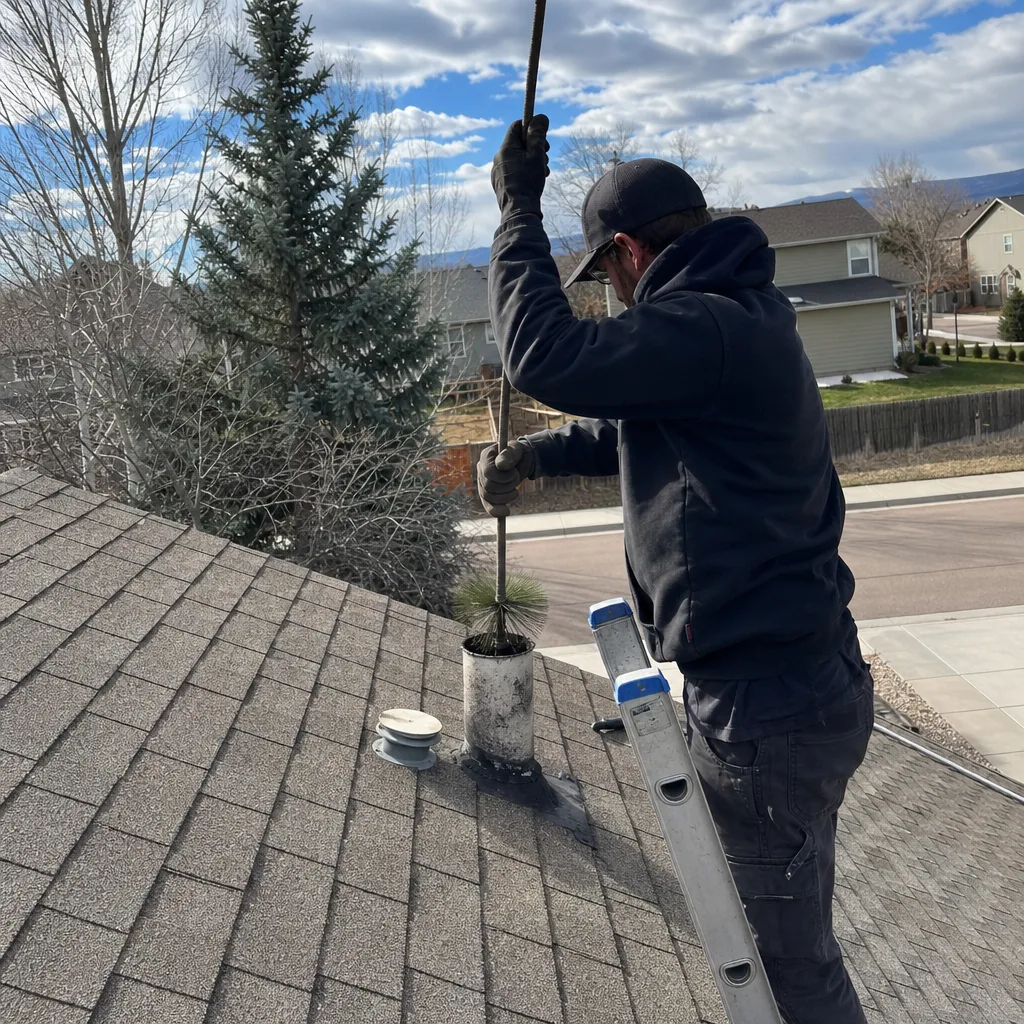
Denver’s altitude (5,280 feet) and low humidity create a specific set of conditions that affect dryer vent performance in ways that homeowners from coastal cities don’t expect. At altitude, air is less dense, which means dryers have to move more air volume to achieve the same moisture-removal effect. That puts more demand on the vent path – and a partial blockage that a sea-level dryer tolerates without obvious symptoms can cause real performance problems here.
Winter matters too. Denver drops below freezing on average 155 days per year. A dryer vent that terminates on a north-facing wall, or that runs through an uninsulated exterior wall section, can accumulate condensation that freezes at the termination cap. We see this regularly in older homes in Berkeley and Barnum, where original vent terminations were sized for older, lower-output appliances. Ice at the cap restricts airflow just as effectively as lint does – sometimes more so – and a camera inspection in late fall is the most direct way to confirm the cap is clear before temperatures drop.
Denver also has an active bird population. European starlings and house sparrows nest in dryer vent terminations, particularly in the late winter and early spring months from February through April. A capped screen keeps birds out but traps lint faster; an uncapped termination lets birds in. Both configurations show up regularly in inspections, and both have documented fixes once the camera confirms what’s there.
What the Camera Finds Most Often in Denver Homes
After inspecting dryer vents in Denver for over a decade, certain findings repeat across neighborhoods, home ages, and dryer types. These aren’t edge cases – they’re the standard findings that drive most of our cleaning and repair work.
- Flexible foil duct used as the full run, not just the transition. Building codes allow flexible aluminum only for the short transition section between the dryer and the wall. Inside the wall cavity, rigid metal duct is required. Homes built between the 1980s and early 2000s in many Denver neighborhoods were frequently vented with flexible foil throughout – it’s cheaper to install and inspectors missed it. Flexible foil kinks, sags, and holds lint in a way rigid duct doesn’t. The camera makes this visible in under five minutes.
- Lint accumulation at the first elbow, 8-14 inches inside the wall. Lint doesn’t distribute evenly through a vent run. It drops at the first change of direction. In most Denver homes where we find significant blockage, the bulk of the debris is concentrated at the first elbow, not distributed through the run. Knowing this before cleaning determines which tools and technique we use.
- Bird or rodent nesting at the termination cap. As described above, this is seasonal and common. The camera shows nesting material clearly – dried grass, feathers, paper – and documents the extent before anything is removed.
- Damaged or missing exterior flap. The termination cap flap is a small component that gets overlooked. A broken flap leaves the vent open to outside air in winter – cold backdrafts, condensation, and animal entry. A missing flap on a Denver home during January is a documented moisture problem inside the duct.
- Disconnected joints inside the wall cavity. Duct sections that have separated at a joint exhaust hot, moist, lint-laden air directly into the wall cavity. This is a moisture damage issue and, in gas-dryer homes, a carbon monoxide adjacency concern. The camera finds separations that no amount of exterior inspection can detect.
FAQs – Dryer Vent Inspection
How long does a dryer vent inspection take in Denver?
A standard dryer vent inspection takes 30-45 minutes for runs under 25 feet, and up to 60 minutes for longer or more complex configurations. That time includes the camera run, the airflow measurement, the written findings scope, and the before-and-after photo documentation. We don’t skip the documentation step to save time – the photo record is part of what you’re paying for. If same-day cleaning is needed and you approve the written price for that work, budget an additional 45-90 minutes depending on the severity of what the camera found. Call (720) 799-2292 for a specific time estimate based on your home’s layout.
Is a dryer vent inspection worth it if my dryer seems to be working fine?
A dryer that seems to work fine can still have a partially restricted vent – one that’s reducing efficiency and increasing cycle time without triggering an obvious failure. In Denver, the most common scenario we find in “working” dryers is a 40-70% restriction at the first elbow: enough lint accumulation to extend drying times by 15-20 minutes per cycle, but not enough to stop the dryer from completing a cycle. At Denver electricity rates, that inefficiency adds up over a year. The inspection also finds duct material problems – flexible foil inside a wall cavity, disconnected joints – that carry risk regardless of whether the dryer is completing cycles. If it’s been more than two years or you have no record of a previous service, an inspection is the documented starting point.
What’s the difference between a dryer vent inspection and a dryer vent cleaning?
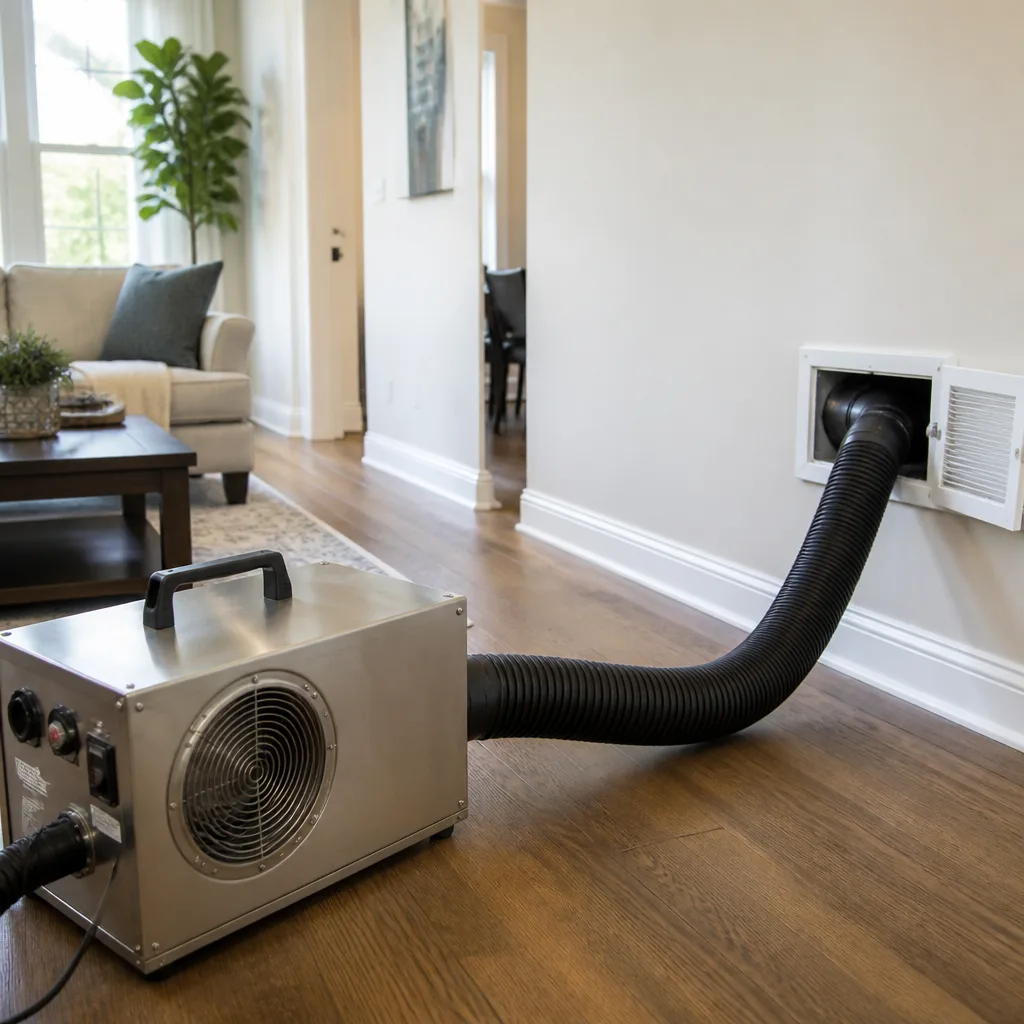
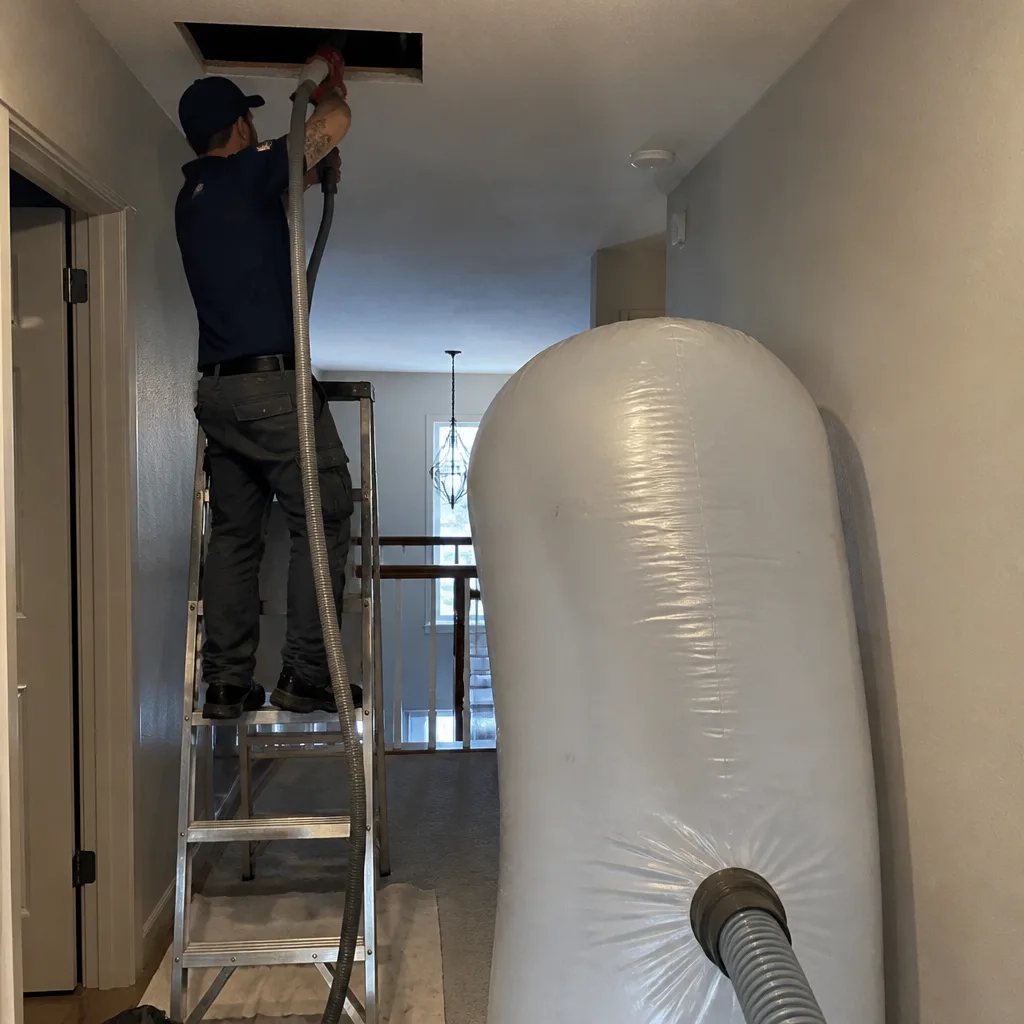
An inspection is diagnostic: camera, airflow measurement, written findings, photo record. No debris is removed during the inspection itself. A cleaning is the remediation that follows if the inspection finds blockage or buildup – we use negative-pressure extraction equipment (a Nikro system creates a vacuum at one end while a brush or air whip agitates lint from the other direction) to clear the run. Many customers schedule both in a single visit; when that happens, the inspection findings directly inform which tools and technique we apply to the Vent Cleaning. You can also schedule an inspection alone if you want documented evidence of the current condition before deciding whether cleaning is warranted. Either way, both services are priced in writing before any work begins.
Does CleanRun inspect dryer vents in condos and multi-family buildings in Denver?
Yes. Condos and multi-family buildings in Denver – particularly high-rise and mid-rise buildings in the Golden Triangle, LoDo, and the Ballpark neighborhood – have shared or stacked dryer vent configurations that require more careful documentation than single-family runs. We inspect these configurations regularly, including roof-terminated shared stacks and in-unit chase configurations. The inspection process is the same: written price, camera run, airflow measurement, written findings, photo record. If the findings involve a shared duct system that requires HOA or building management involvement, the documented photo record is exactly the kind of evidence you need to bring that conversation. Call (720) 799-2292 to describe your building’s configuration and we’ll give you a written price estimate before scheduling.
Why CleanRun for Dryer Vent Inspection in Denver
Denver has no shortage of companies offering a dryer vent “special” for $79 – sometimes less. What that price usually gets you is a shop vac run from the exterior and a verbal assurance that it looks fine. There’s no camera, no airflow measurement, no written findings, and no photo record. You have no way to verify what was done, and neither does anyone else.
CleanRun operates differently, and it’s documented on every job. Since Tomas Reyes founded the company in 2013, every dryer vent inspection has followed the same sequence: written price first, camera second, airflow reading third, written findings fourth, photo record delivered to the customer as a standard deliverable. That sequence is built into the H.A.V.E.N. Standard – Haven Standard Clause 5: Documented Results – not added as a marketing feature.
The equipment matters too. We use Nikro systems for extraction work and calibrated airflow meters for measurement – tools with documented performance specifications that you can look up independently. When a CleanRun technician tells you the airflow reading was below manufacturer specification, there’s a number on the written findings sheet that supports that statement.
And the 365-Day Done Right Promise is exactly what it sounds like: if the inspection missed something or the documentation was incomplete, we make it right. That’s a written guarantee on every job, not a policy subject to manager approval.
We serve homeowners across Denver – from Park Hill and Montbello on the east side to Lakewood-adjacent neighborhoods on the west, from Globeville and Elyria-Swansea in the north to University Hills and Harvey Park in the south. If your dryer vent is in Denver, we inspect it. Visit our home page for the full scope of what CleanRun covers.
Schedule Your Dryer Vent Inspection in Denver
Call (720) 799-2292 to schedule a dryer vent inspection in Denver. A live person answers every call – there’s no voicemail, no callback queue, and no “someone will reach out to you.” Tell us your address and describe your dryer’s setup, and we’ll give you a written price estimate before we book the appointment. If you have a competitor’s written quote, bring it – we’ll put our number next to it at no charge.
The inspection includes a full camera run, an airflow measurement, a written findings scope, and a Documented Photo Record delivered to you at the end of the visit. The written price you receive before we start is the price on the invoice when we leave. That’s not a policy. That’s how this company has operated since the first job in 2013.
Written by Tomas Reyes, Owner at CleanRun Air Duct Cleaning Denver, serving Denver.