
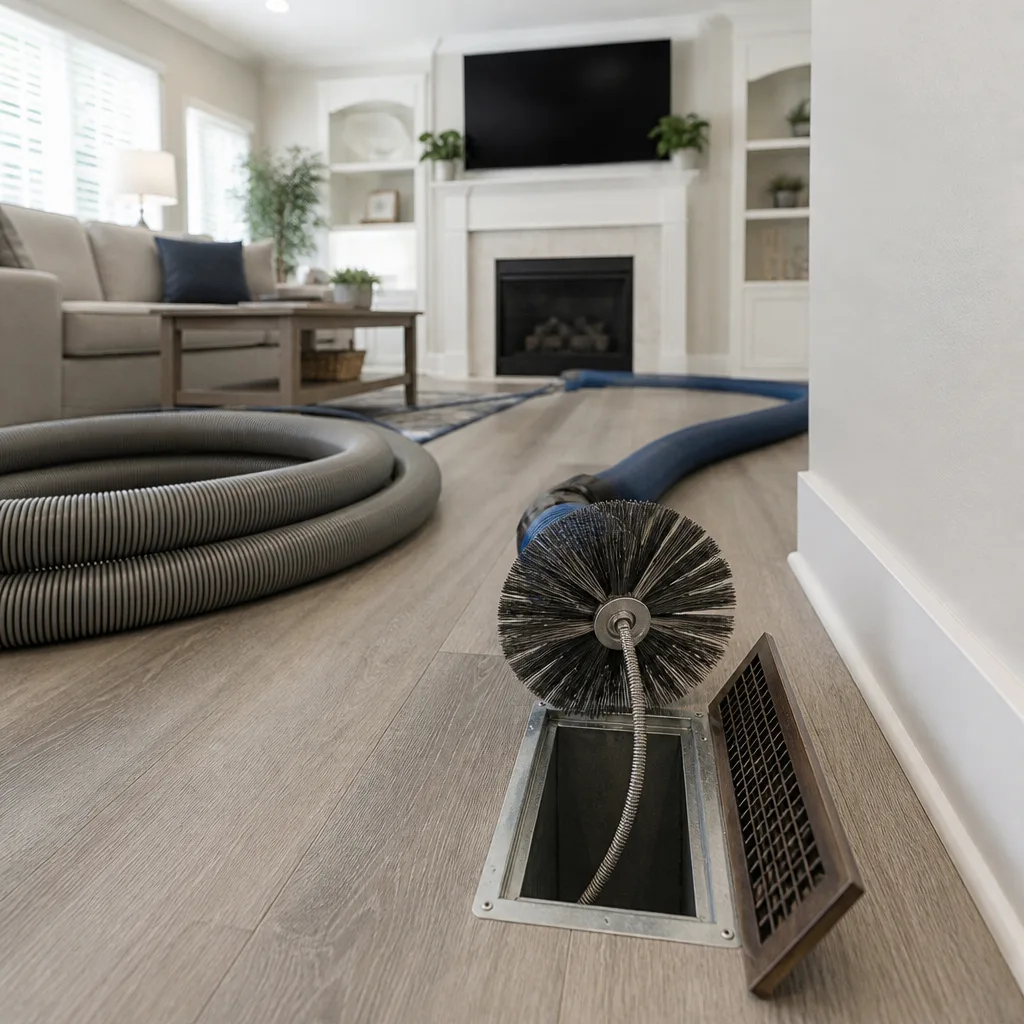
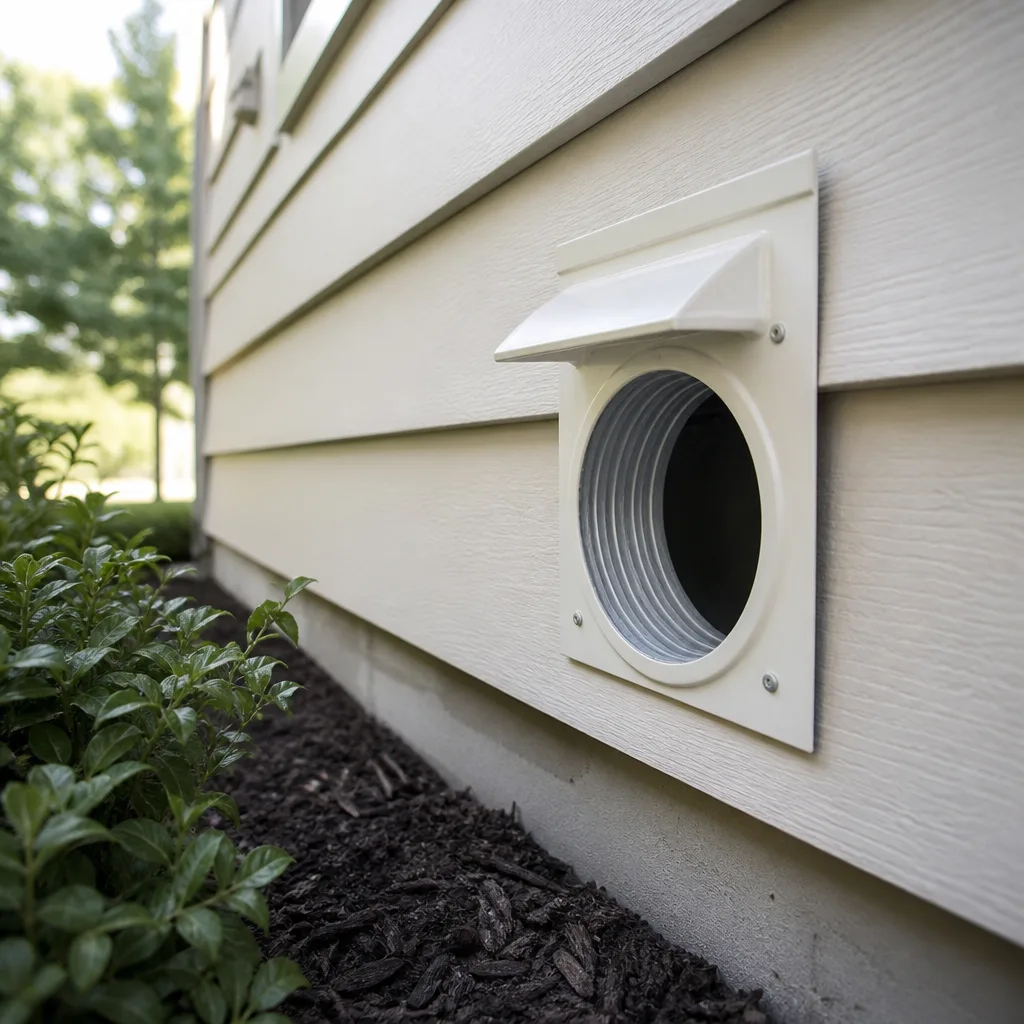
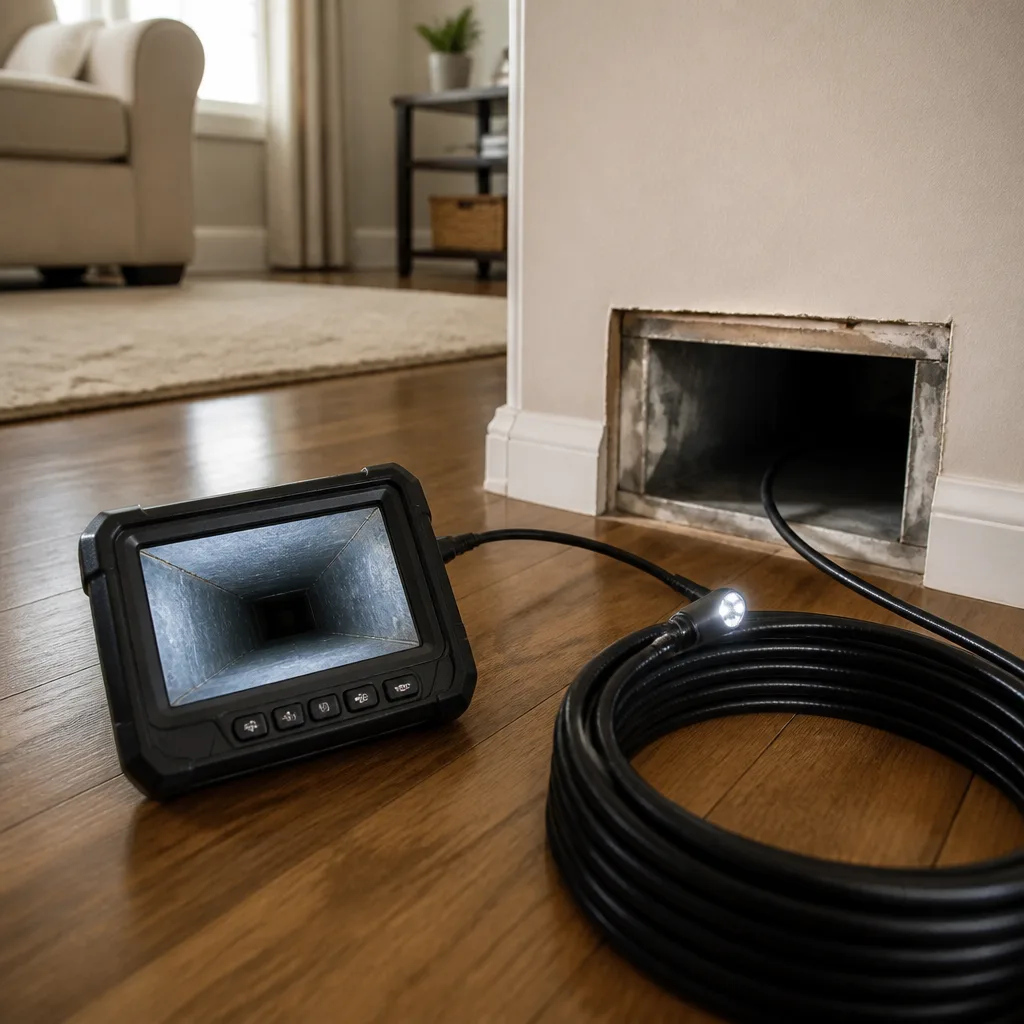
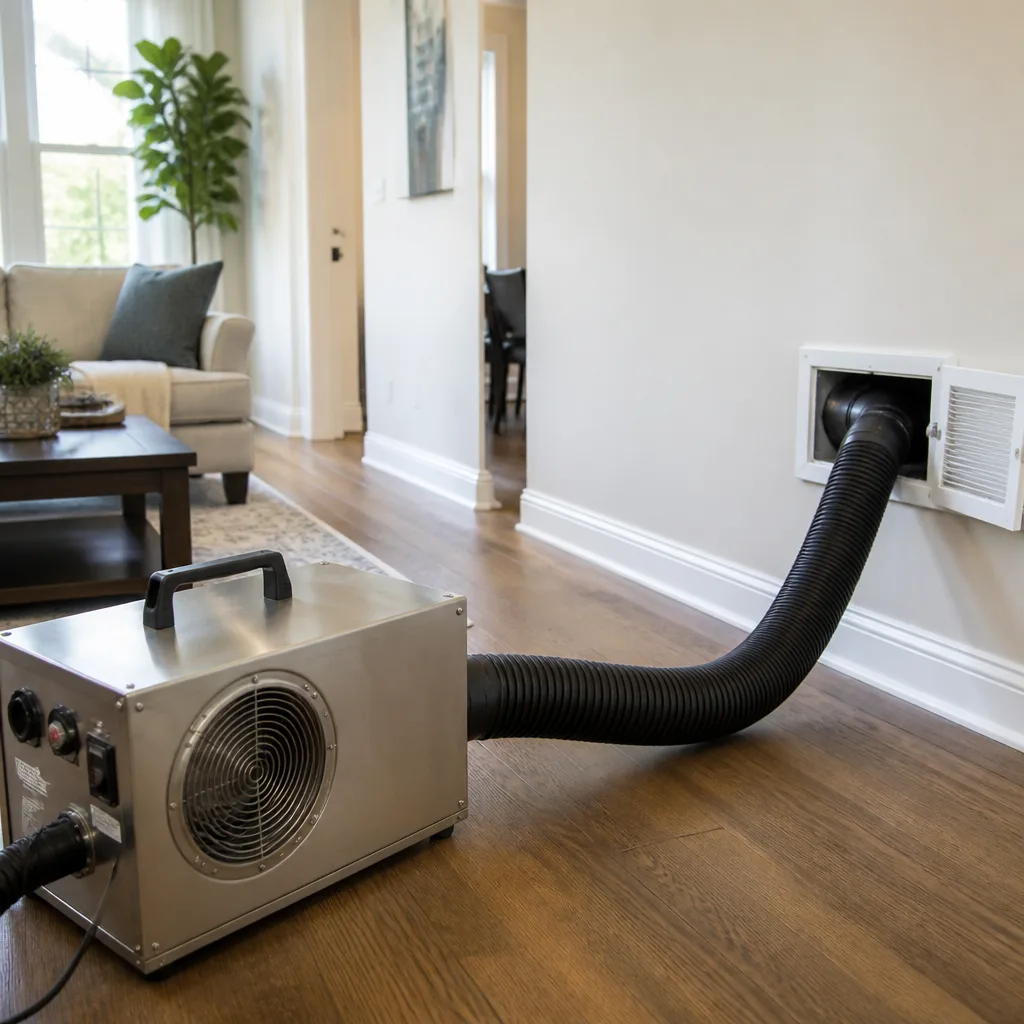
Whole-system duct and dryer vent check with before-and-after photos - you see exactly what came out of your vents
That "$99 whole-house special" is a bait ad - the real number appears once they are in your hallway, or the "clean" is a shop-vac at the register. We photograph the inside of your ducts before and after instead.
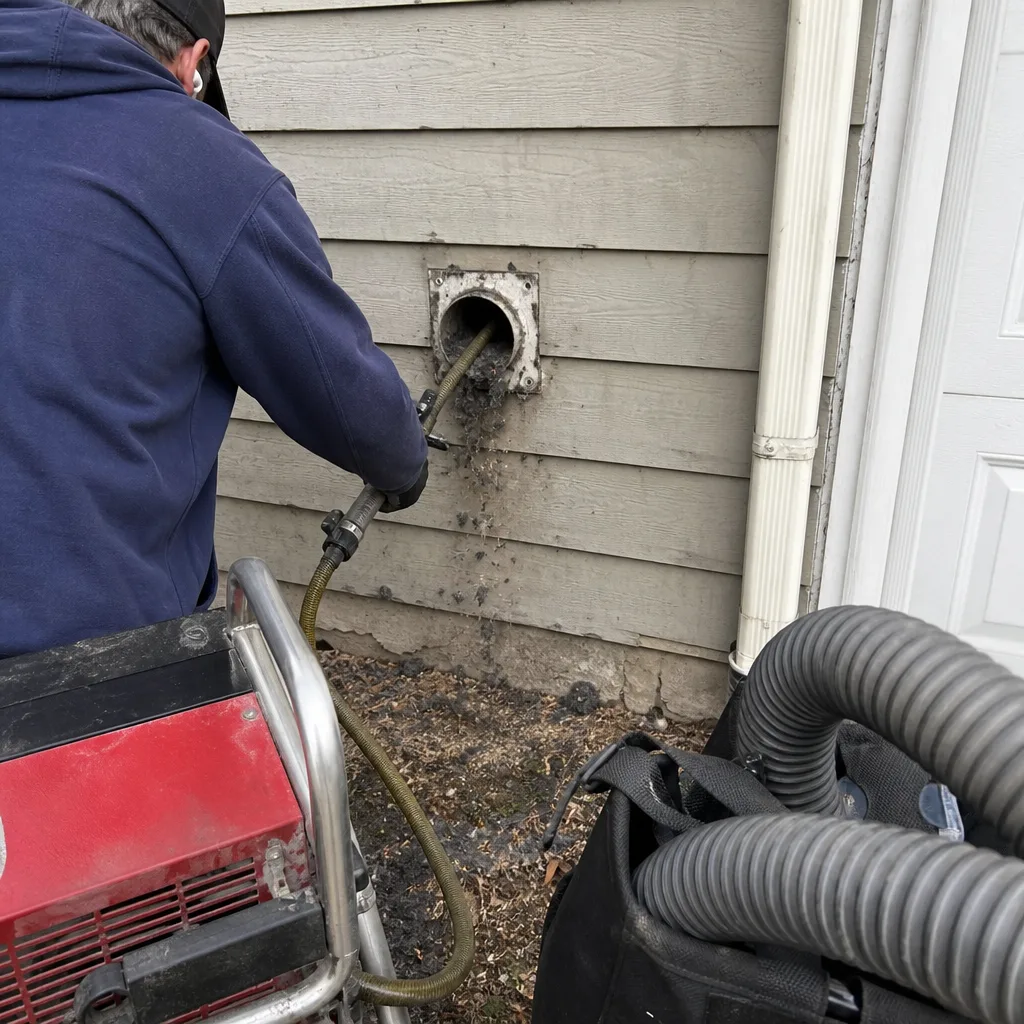 Before
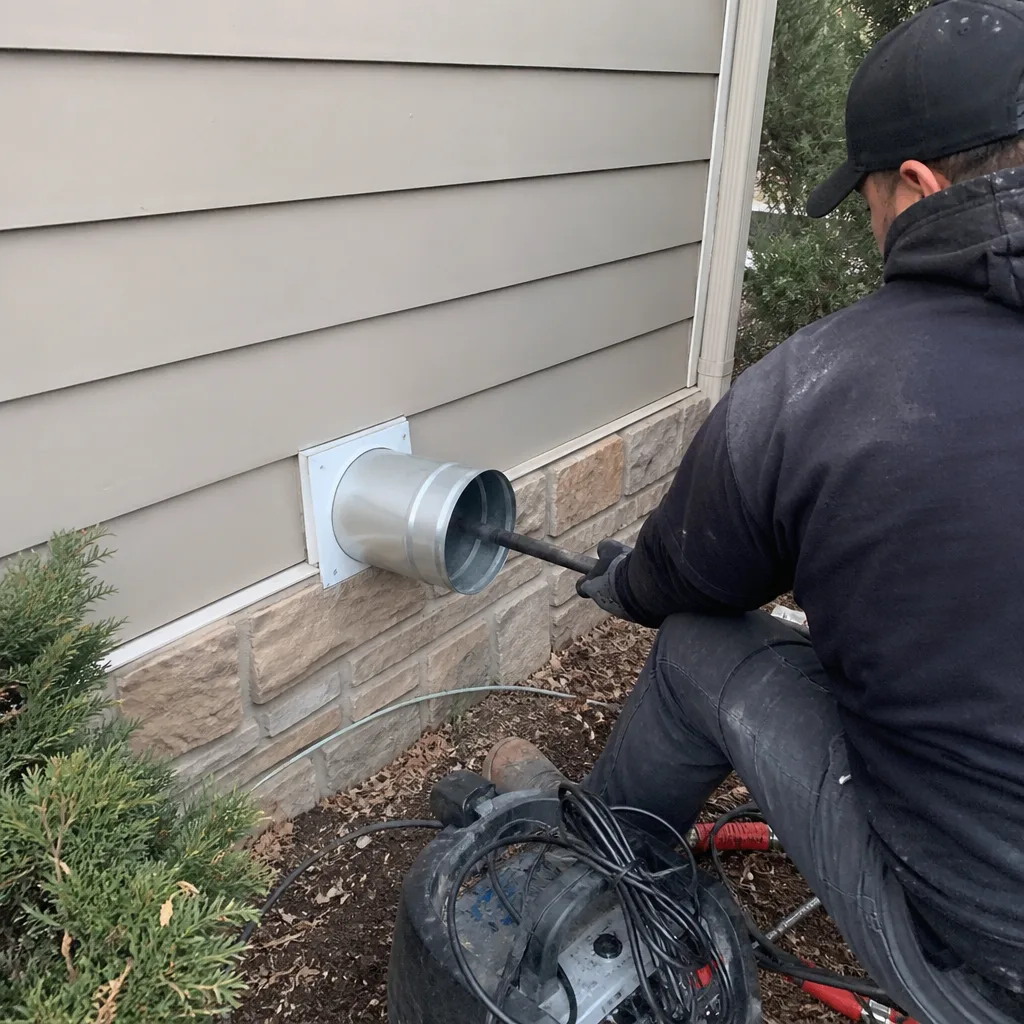 After
After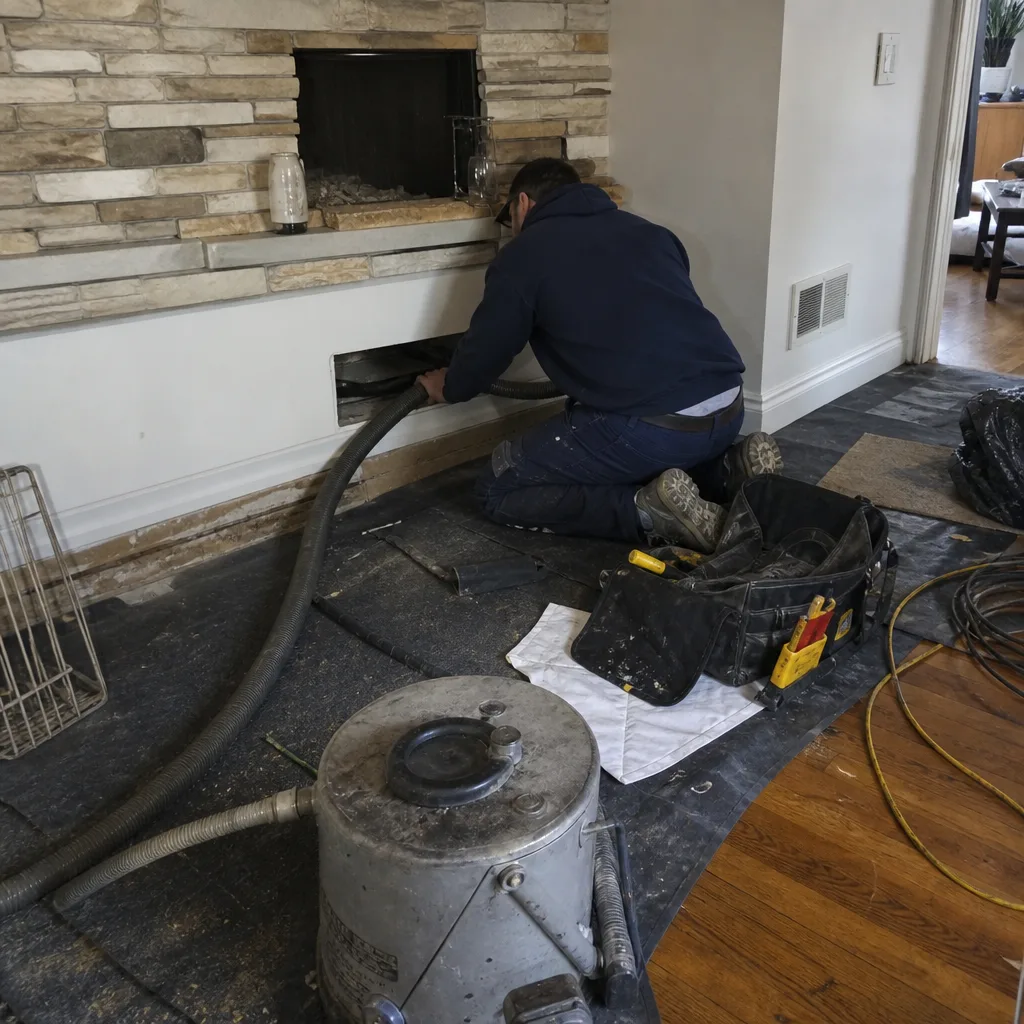 Before
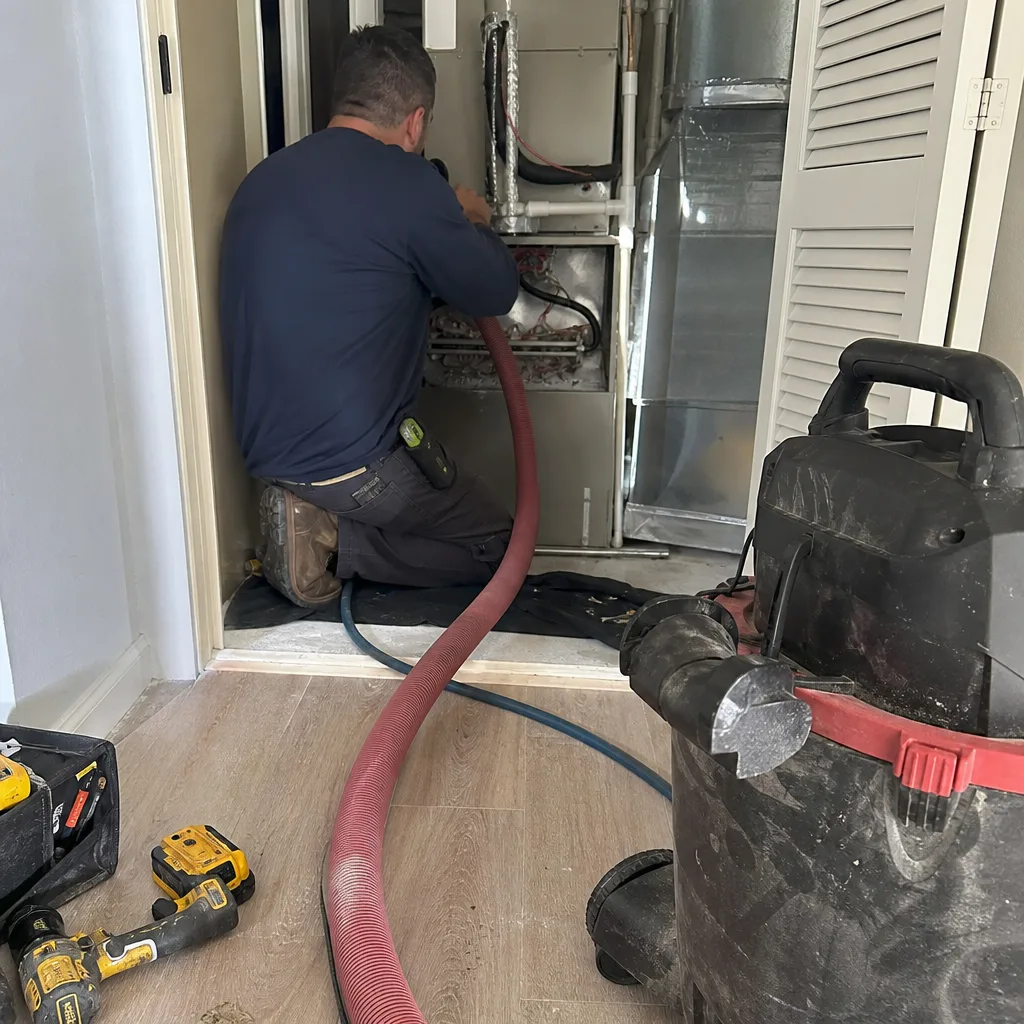 After
After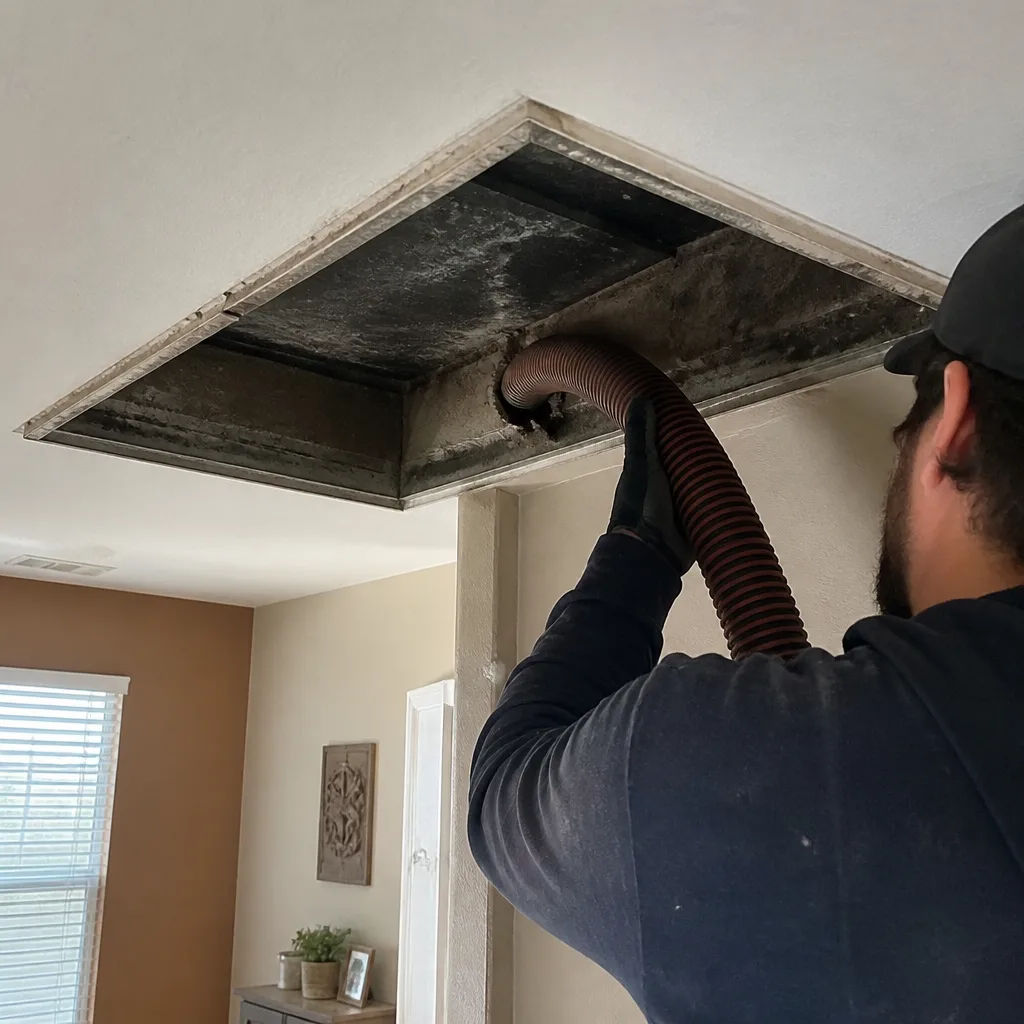 Before
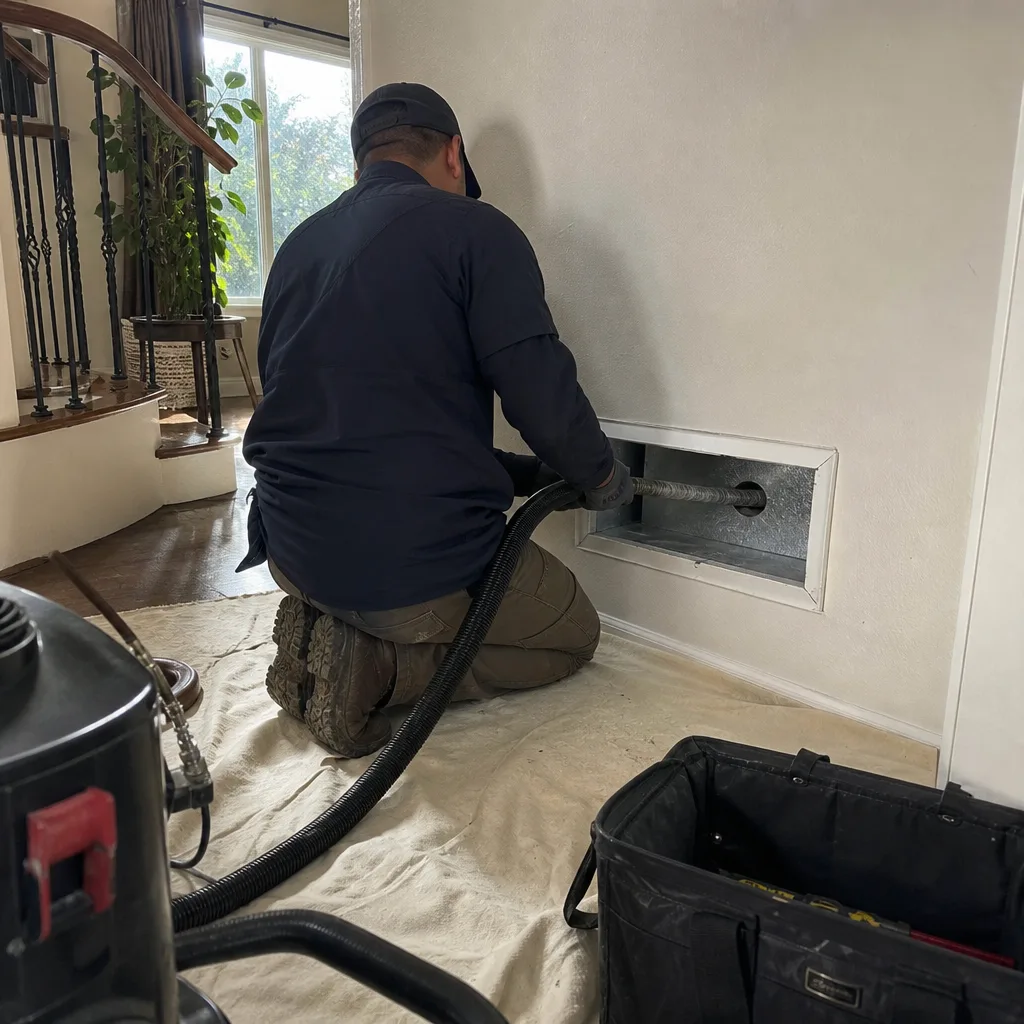 After
AfterGuardsman Coil Cleaning: The Denver Owner’s Guide
Guardsman coil cleaning in Denver typically runs $340-$580 for a complete evaporator or condenser coil service, including full system inspection and photo documentation, and we stock Guardsman-compatible cleaning kits and replacement coils for same-day installation on most residential units. Most Denver homeowners discover the problem when their upstairs bedrooms won’t cool below 78°F in July despite the compressor running nonstop, or when they spot ice forming on the refrigerant lines outside the Cap Hill duplex they paid too much for.
We’re CleanRun Duct Repair & Cleaning, independently owned and operated under the Haven Standard since 2013 - not affiliated with Guardsman, though we specify their equipment regularly and keep their coil dimensions on file. Here is what the camera found. Here is what it costs to fix it. You decide.
Which Guardsman Models This Applies To
Guardsman coils fall into three residential series that matter for Denver homes: the GSC13 single-stage line (1.5-5 ton, 13 SEER), the GSC14 workhorse series (up to 14 SEER, most common in Stapleton and Highlands builds from 2015-2019), and the GSC16 two-stage units found in newer Berthoud and Erie developments where builders chased efficiency rebates. The critical compatibility gotcha is the slab coil versus A-coil configuration: Guardsman GSC14 units shipped with either a CHPF horizontal slab or a CAPF A-coil depending on the original installer’s spec, and the two are not interchangeable without modifying the plenum (the sheet-metal box above your furnace that distributes conditioned air).
Check the model label on the coil cabinet itself, not just the outdoor condenser. You’re looking for a part number starting with CHPF, CAPF, or CNPV (the variable-speed matched coil). The SEER rating and tonnage must match exactly; a 3-ton coil on a 3.5-ton condenser will slug liquid refrigerant back to the compressor and shorten its life by half. We stock OEM Guardsman coils and quality aftermarket equivalents from Aspen and ADP that meet the same AHRI-certified performance specs, and we’ll show you both options in writing before any work starts.
Signs Your Guardsman Coil Cleaning Is Failing
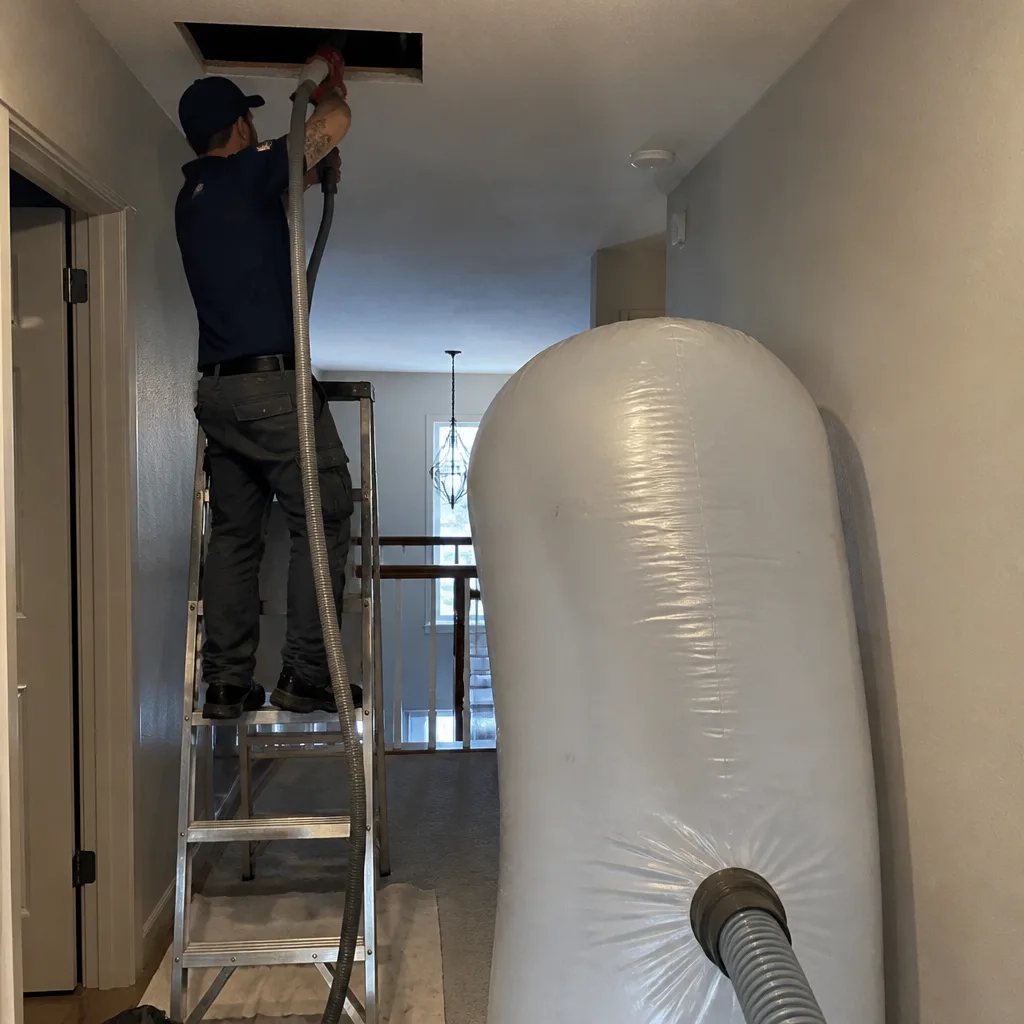
- Uneven cooling between floors. The upstairs master stays warm while the basement’s frigid. In Denver’s dry climate, a partially blocked evaporator coil restricts airflow enough that the blower can’t push sufficient volume through the longer duct runs serving second-story rooms. The coil isn’t fully failed yet, but the debris layer has reached the point where pressure drop exceeds design spec.
- Ice on the refrigerant lines or coil cabinet. When the evaporator coil can’t absorb heat because dirt’s insulating the fins, refrigerant stays cold enough to freeze condensation. We see this most often in Park Hill homes with original galvanized ductwork where decades of rust flake has migrated back to the coil surface.
- Water around the furnace in summer. A dirty coil causes the condensate pan to overflow because the water can’t drain through a slime-clogged trap fast enough. The pan’s galvanized steel, and standing water rots it from the inside out; by the time you see water on the basement floor, the pan’s often pinholed.
- Compressor runs constantly, never reaches setpoint. The system’s working twice as hard to move half the heat. Your July Xcel bill tells the story before the thermostat does. In Denver’s mile-high air, thinner air already reduces condenser efficiency; a fouled coil compounds the problem exponentially.
- Musty smell when the AC first kicks on. Bacterial growth on the coil fins releases when airflow starts. It’s not “just how AC smells” - it’s biofilm, and it means the coil’s been wet and dirty long enough to colonize. This is the stage right before the coil starts shedding chunks into your ductwork.
BeforeAfterReplacement Cost & What’s Included
| Service | Price Range | What’s Included |
|---|---|---|
| Guardsman coil cleaning (evaporator) | $340-$480 | Full chemical wash, fin straightening, drain pan treatment, before/after photos |
| Guardsman coil cleaning (condenser) | $280-$420 | Fin comb-out, foaming cleaner, refrigerant pressure check, photo record |
| Evaporator coil replacement | $1,400-$2,200 | OEM or AHRI-matched aftermarket coil, recovery/recharge, brazed connections, 365-Day Done Right Promise |
| Condenser coil replacement | $1,800-$2,800 | Matched coil, line set inspection, pressure test, documented photo record of every connection |
The range depends on three factors we assess before quoting: whether the coil is accessible without cutting the plenum (some GSC14 installs in older Denver homes buried the coil behind a framed chase), whether the refrigerant charge needs full recovery and weigh-in versus top-off, and whether the drain pan or lineset has corroded and needs simultaneous replacement. Haven Standard Clause 1: the written price you receive before work starts is the price on the invoice. No per-vent add-ons, no “discovered additional issues” after the panel’s off. Tomas Reyes and our crew have held this since 2013, across 52,000+ homes.
DIY or Call Us?
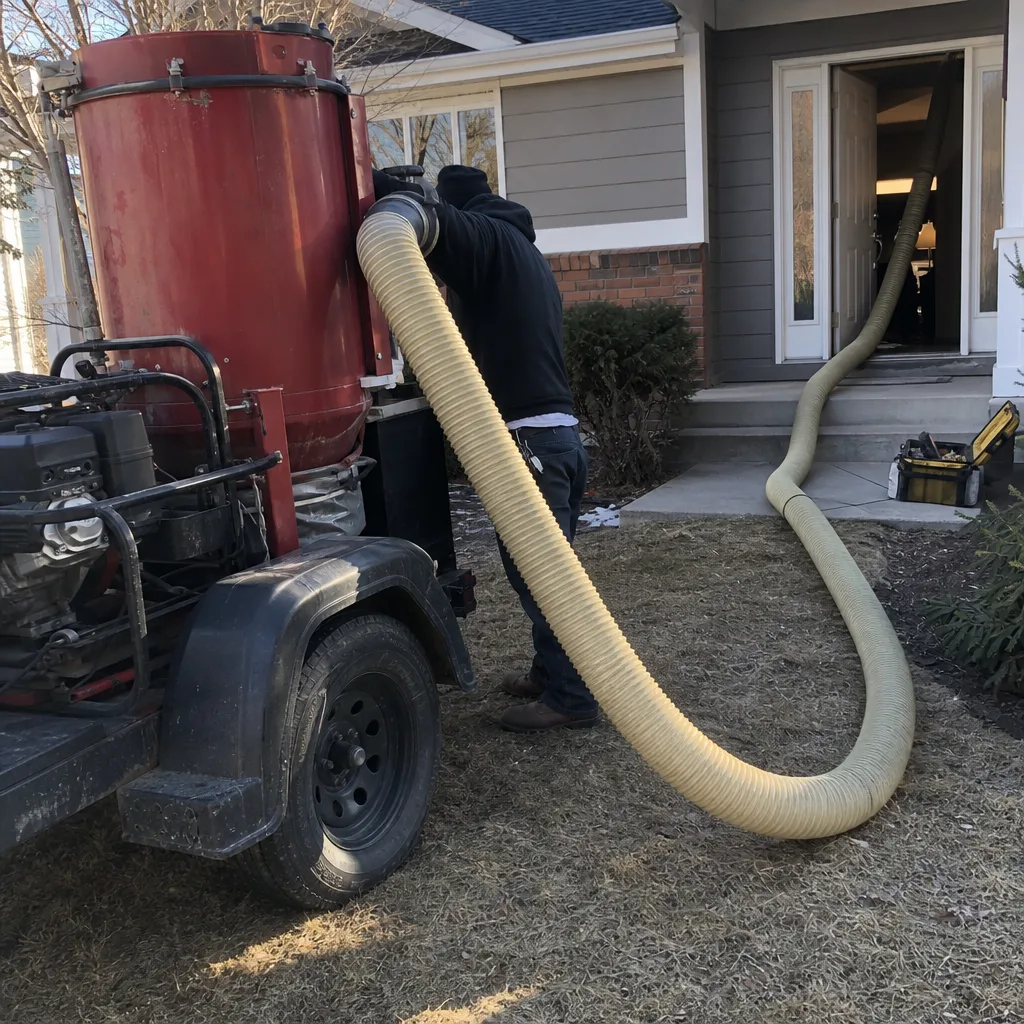
What you can safely check yourself: verify the filter’s clean and correctly oriented (arrow pointing toward the furnace, not the return), confirm all registers are open and unblocked, and look at the condenser outside for obvious debris like cottonwood seed or last fall’s leaves packed against the fins. These three checks eliminate the cheap fixes before you spend money.
Where DIY goes wrong: evaporator coils sit inside the plenum, above the furnace heat exchanger, in a space that requires disconnecting low-voltage control wiring and refrigerant lines before you can even see the coil. The refrigerant lines remain pressurized even when the system’s off; opening them without recovery equipment violates EPA Section 608 and vents refrigerant that costs $80-$150 per pound to replace. More importantly, the aluminum fins are tissue-thin; a standard wire brush or pressure washer folds them flat and destroys the coil’s capacity permanently. We use foaming cleaners formulated for aluminum fin stock and fin combs sized to Guardsman’s 8-12 fins-per-inch spec, and we photograph the coil before touching it so you can see what was actually there. For coil replacement, call (720) 799-2292 - this is brazed copper work under nitrogen purge, not a homeowner job.
FAQs
In Denver’s dry climate with proper filtration, a Guardsman evaporator coil typically lasts 12-17 years; condenser coils often reach 15-20 years unless damaged by hail or pressure-washing. The altitude accelerates fin corrosion slightly compared to sea-level installs, but the bigger killer is running the system with a clogged filter, which pulls household dust directly onto the wet coil surface and cements it there. Call (720) 799-2292 for an exact assessment of your coil’s condition - estimates are free.
Yes, if the fins aren’t corroded through and the copper tubing hasn’t pinholed from formicary corrosion (the tiny ant-track leaks caused by certain VOCs in household products). We can restore most coils with professional chemical cleaning and fin straightening, and we’ll show you the before photo so you can decide whether the condition justifies replacement. Haven Standard Clause 1 applies either way: written price before work starts. Call (720) 799-2292 to schedule.
A straightforward Guardsman evaporator coil replacement takes 4-6 hours including recovery, brazing, pressure testing, vacuum, and recharge; condenser coils run 3-5 hours. Add 1-2 hours if we need to modify the plenum or replace a corroded drain pan. We stock the common GSC14 CHPF and CAPF coils on our Denver trucks, so most jobs are same-day once quoted. Call (720) 799-2292 to confirm availability for your specific model.
We stock the GSC13 and GSC14 series coils that cover roughly 80% of Guardsman installs in Denver metro, including the 2.5-ton and 3-ton sizes most common in Baker, RiNo, and Berkeley builds. Less common GSC16 variable-speed matched coils or 5-ton commercial sizes typically arrive next business day from our Aurora supplier. We’ll verify your exact part number over the phone and confirm stock before scheduling. Call (720) 799-2292 with your model number ready.
Ready to see what’s actually inside your system? CleanRun Duct Repair & Cleaning serves Denver homeowners with written upfront pricing on every job, background-checked uniformed technicians operating under the H.A.V.E.N. Standard, and a Documented Photo Record of every duct run and coil condition - included as standard, not an upsell. We also stock parts for Lennox, Trane, and Carrier systems. Call (720) 799-2292 for a free estimate, or bring us any competitor’s written quote for a free second opinion under Haven Standard Clause 5.
Written by Tomas Reyes, Owner, CleanRun Air Duct Cleaning Denver at CleanRun Air Duct Cleaning Denver, serving Denver and nearby areas.