
Whole-system duct and dryer vent check with before-and-after photos - you see exactly what came out of your vents
That "$99 whole-house special" is a bait ad - the real number appears once they are in your hallway, or the "clean" is a shop-vac at the register. We photograph the inside of your ducts before and after instead.
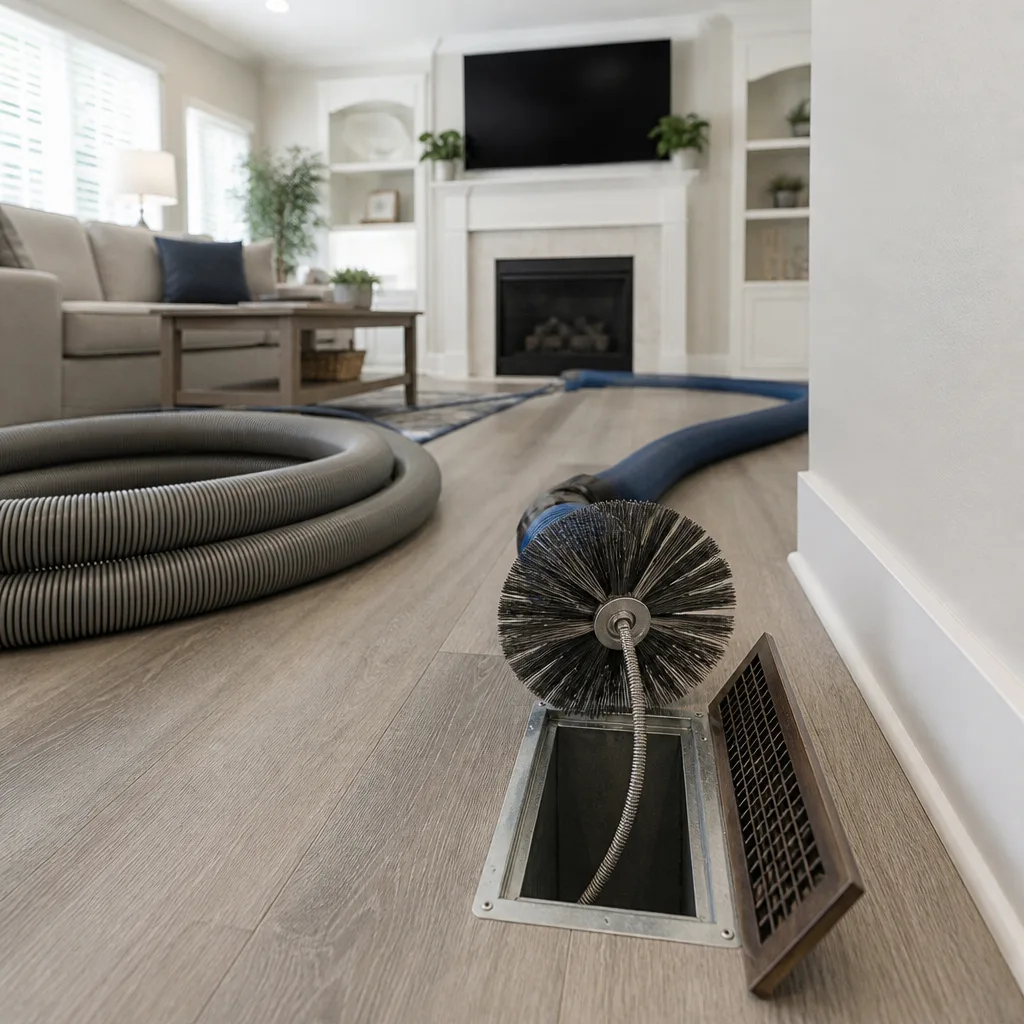
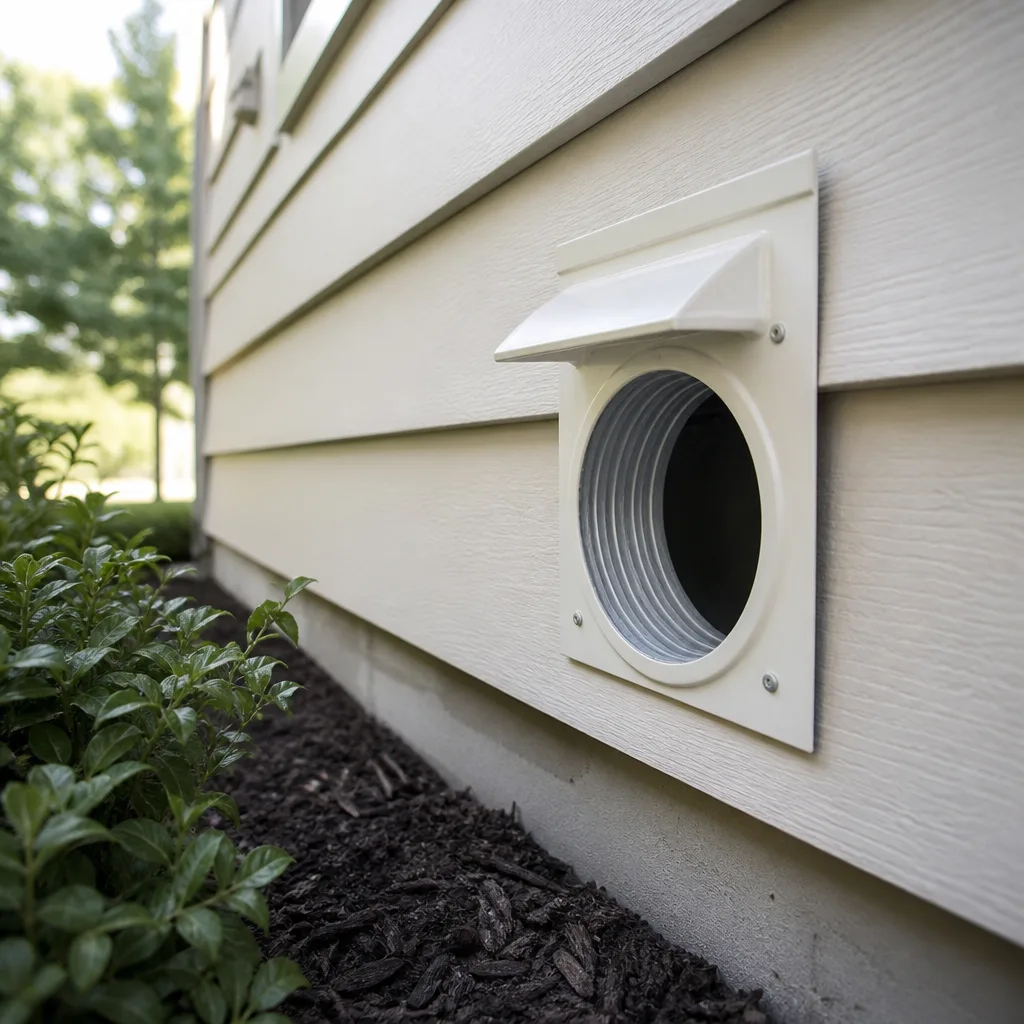
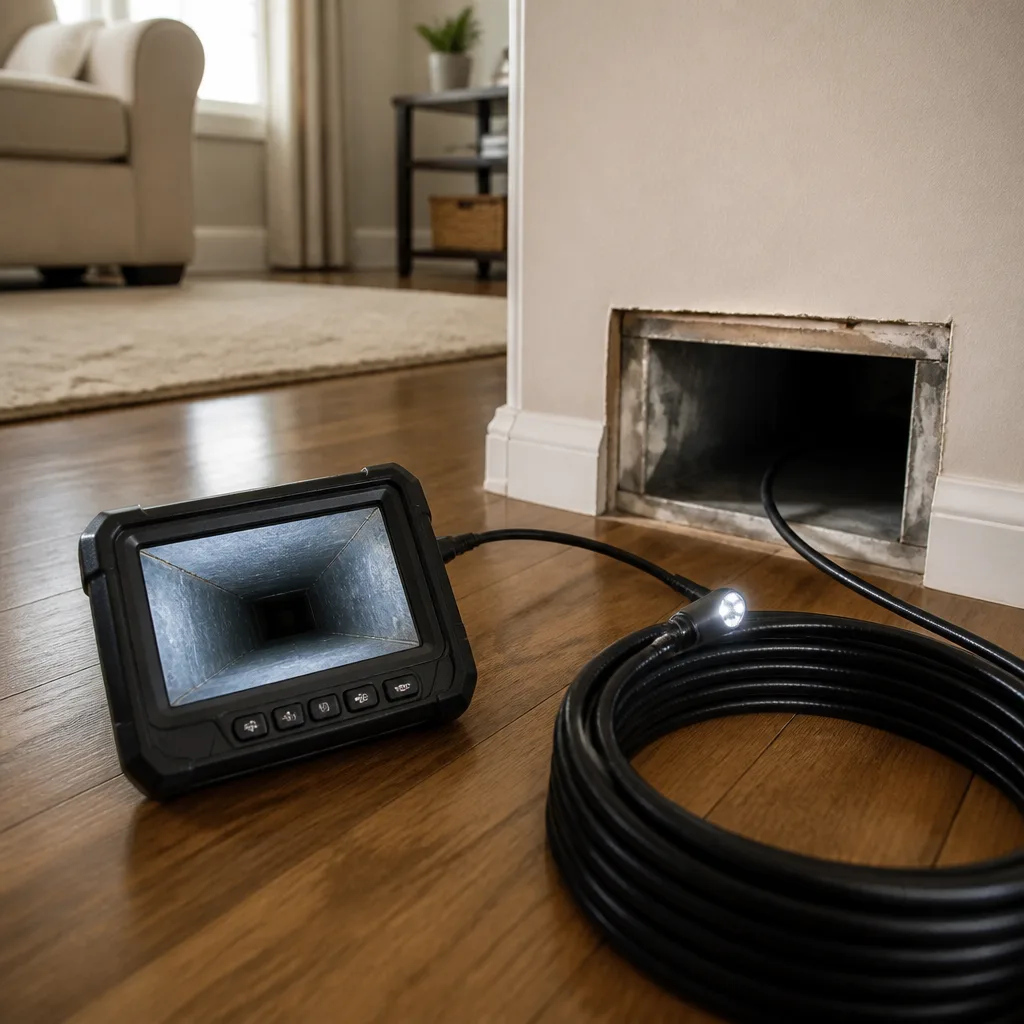
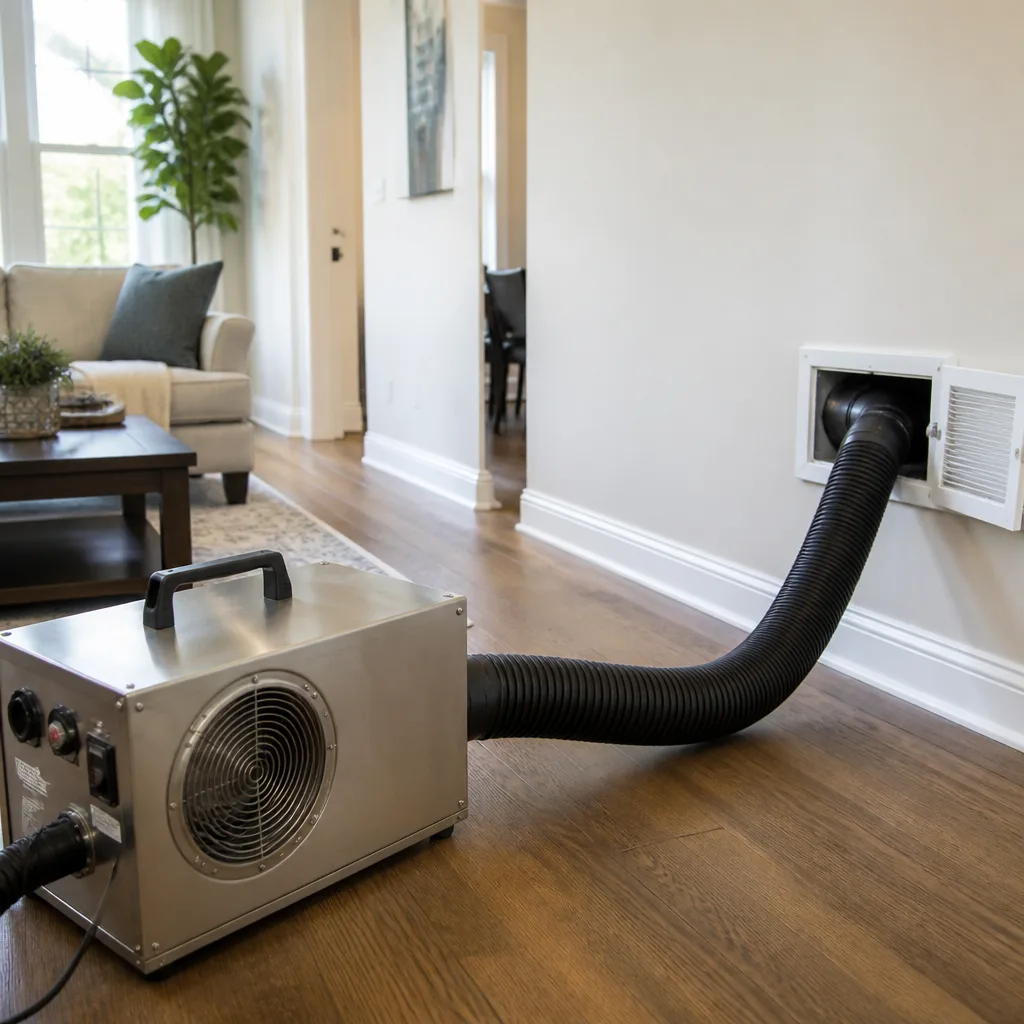
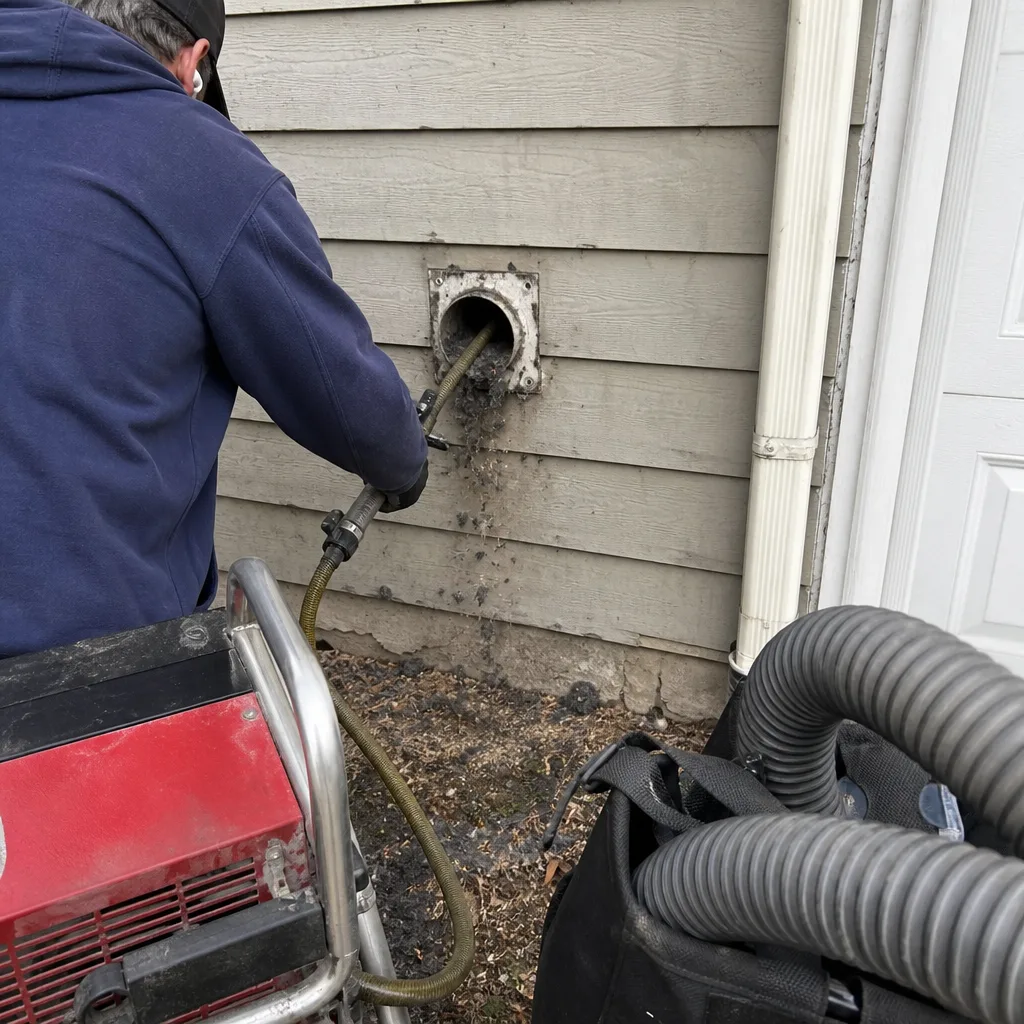 Before
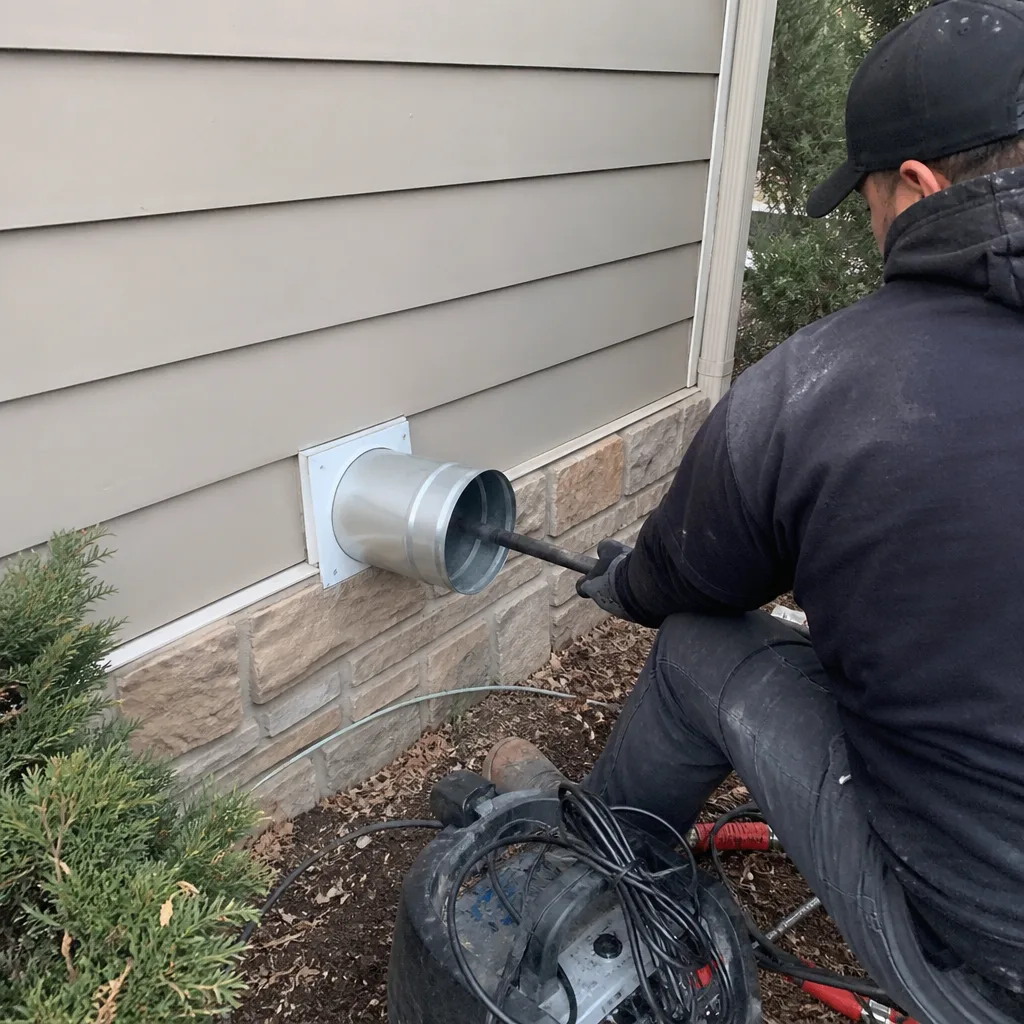 After
After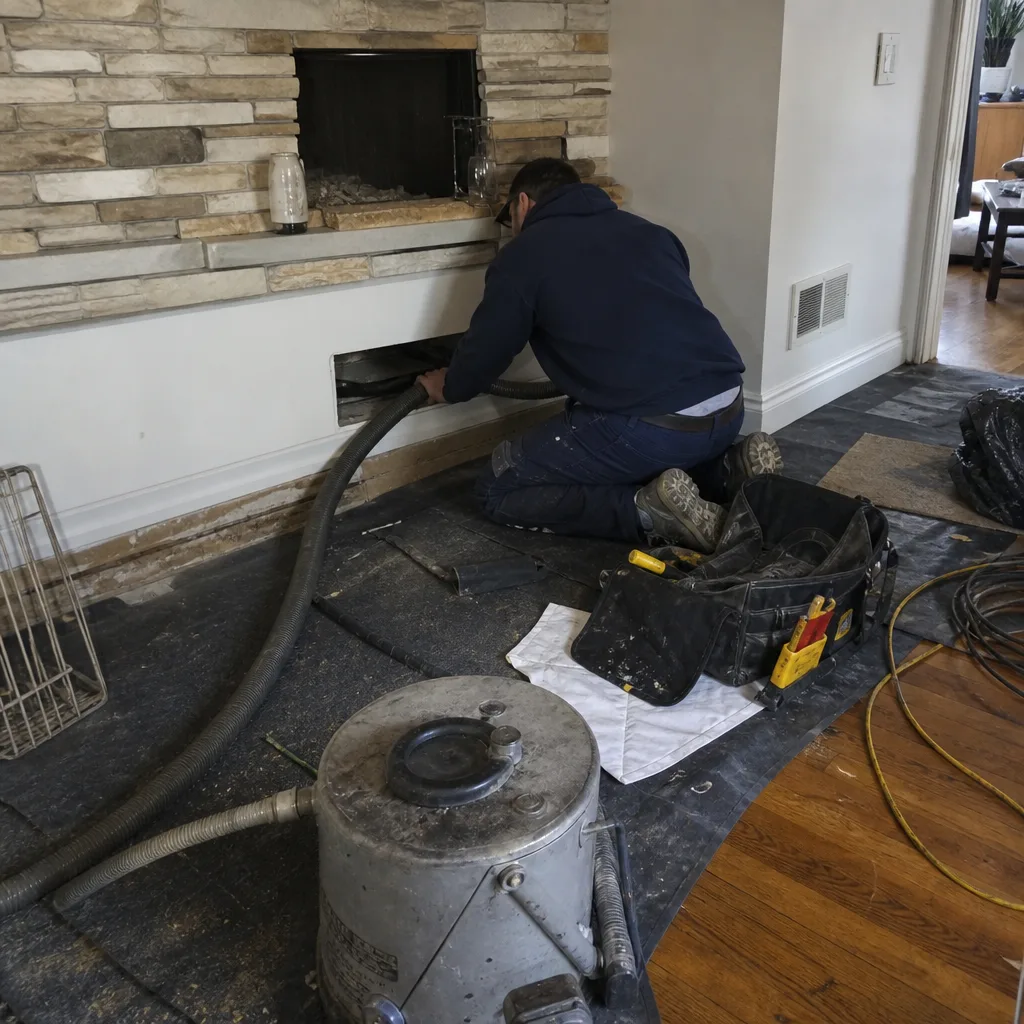 Before
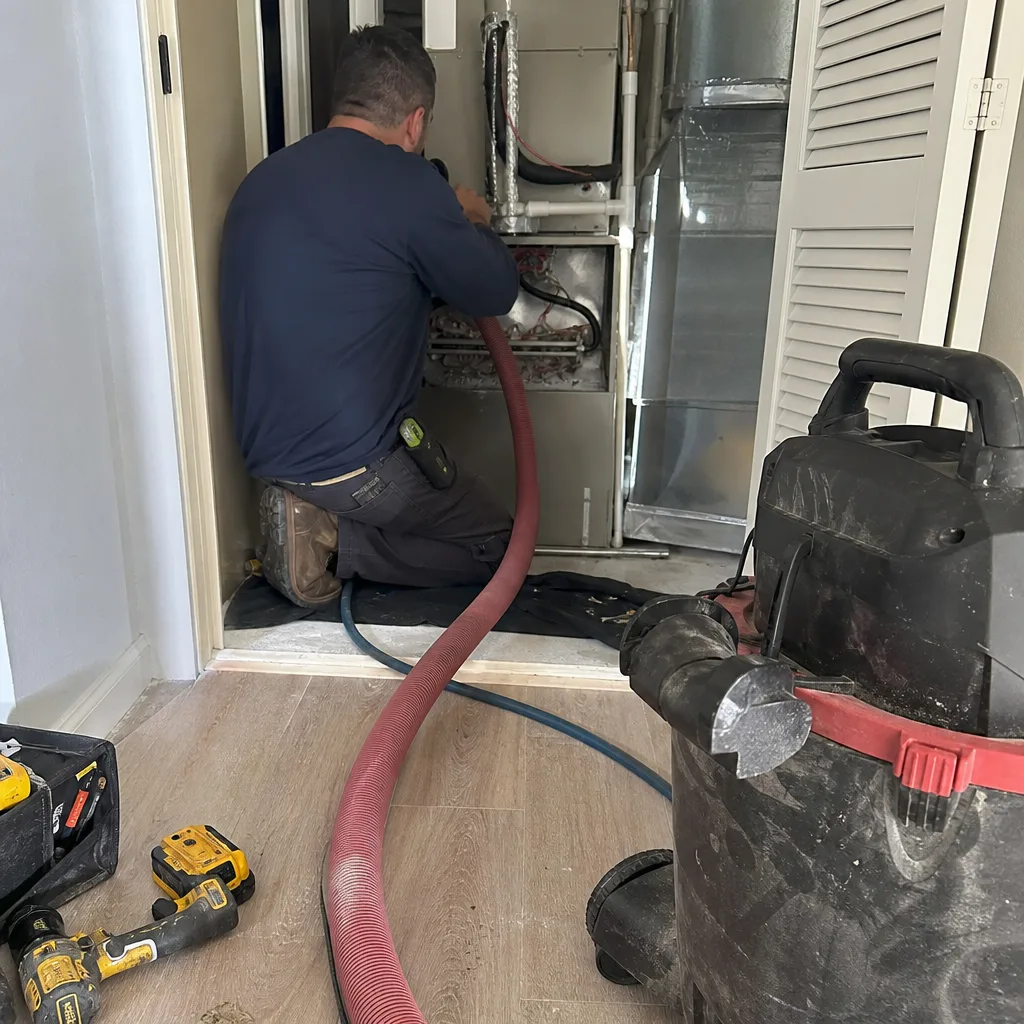 After
After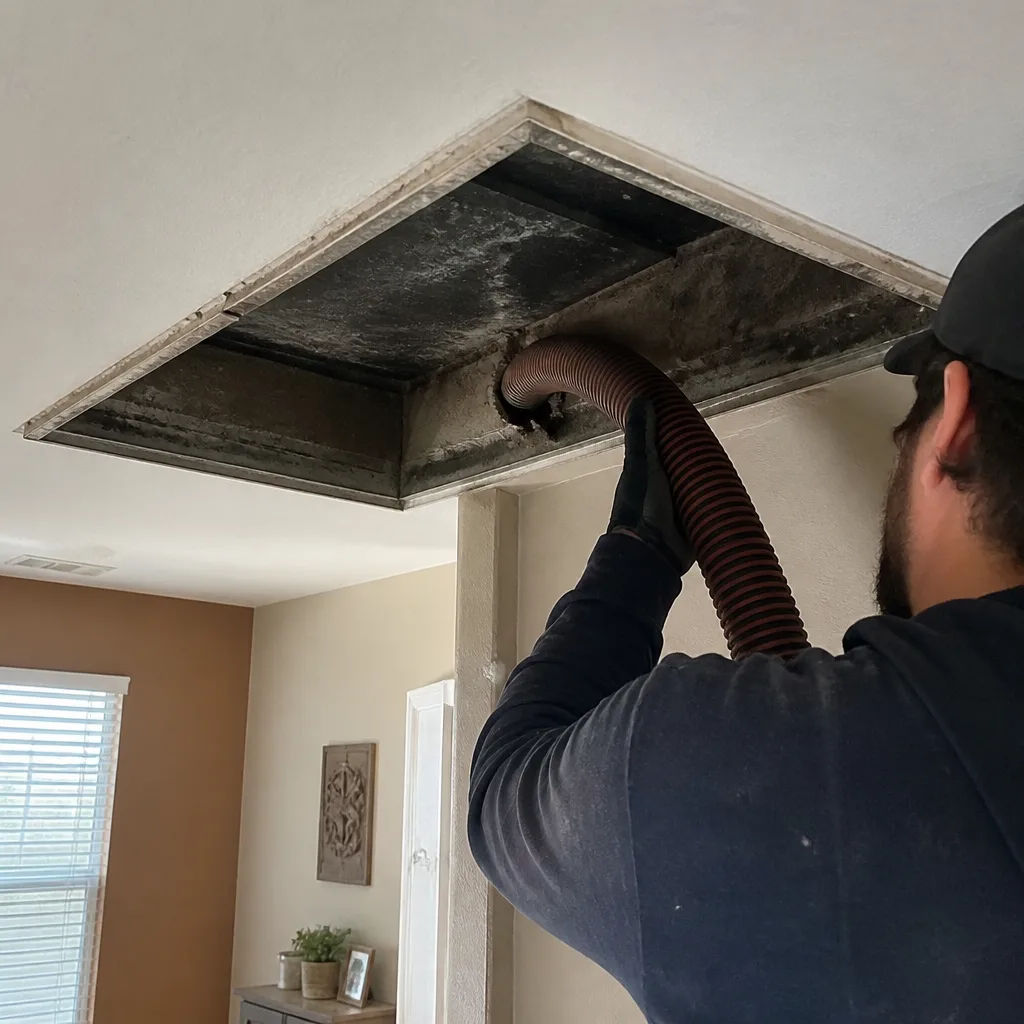 Before
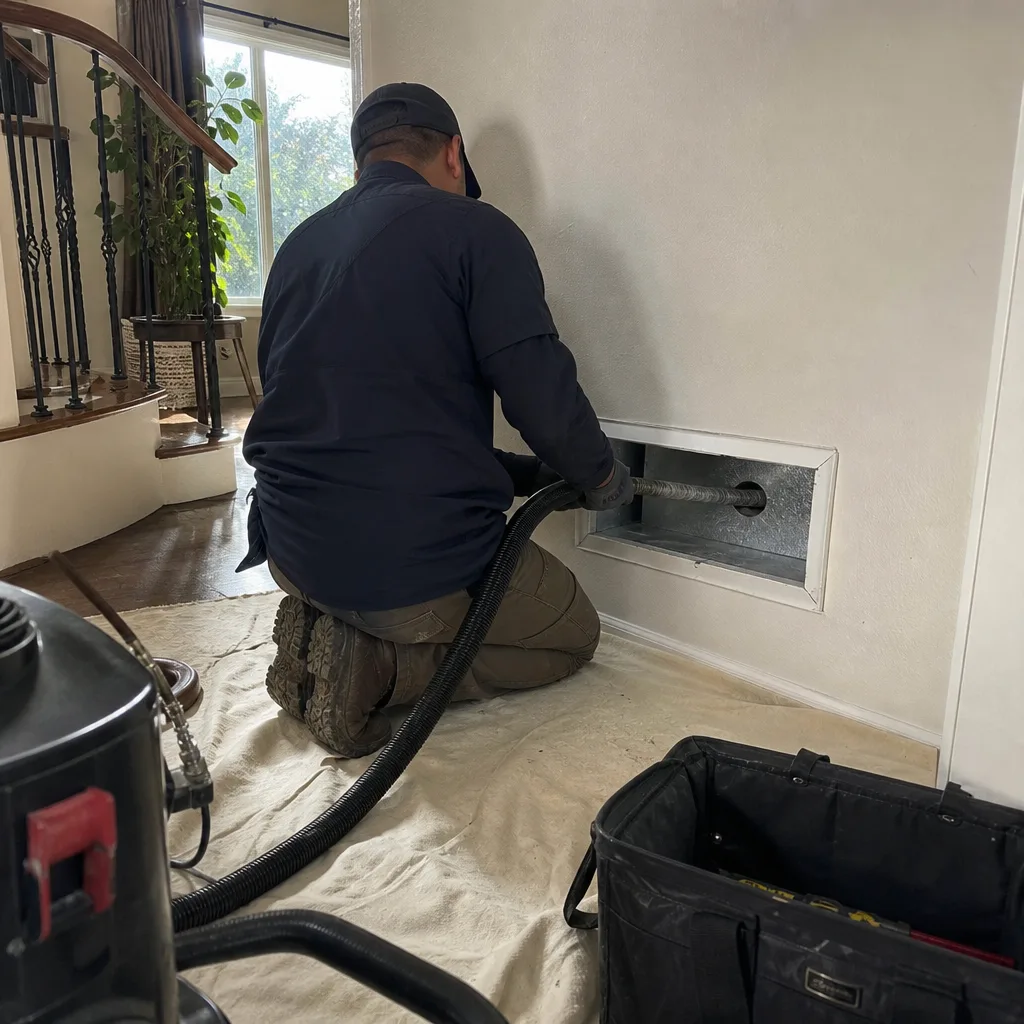 After
AfterAbatement Technologies Dryer Vent Cleaning in Denver: What to Know First
CleanRun provides independent Abatement Technologies dryer vent cleaning in Denver with written prices delivered before any work starts and a documented photo record of every vent run. Most Abatement Technologies residential dryer vent jobs in the metro area are completed in a single scheduled visit, with the full scope and price agreed in writing under Haven Standard Clause 1. If you own an Abatement Technologies system and need vent inspection, lint removal, rerouting, or bird guard installation, call (720) 799-2292 for a free estimate with no obligation.
This page is for Denver homeowners who want a technician who can name the Abatement Technologies model in their laundry room, explain why its vent configuration behaves the way it does, and show photographic proof of what was removed and where it was blocking airflow.
How Abatement Technologies Products Fail - and How We Fix Them
- CAP600-series central exhaust systems with clogged inline lint traps. The CAP600 and CAP600-UV are common in Denver townhomes built 2015-2020, especially in LoHi and RiNo infill developments. The inline lint trap sits upstream of the centrifugal blower and plugs with fine particulate that bypasses the dryer’s own screen. We remove the trap housing, photograph the packed lint bed, and clean the full run with negative-pressure extraction (suction that pulls debris out rather than blowing it deeper into the duct). If the trap mesh is fatigued, we source the Abatement Technologies replacement or a compatible aftermarket equivalent and document the part number in your job record.
- CAP1200-2 dual-port units with imbalanced airflow between dryer connections. These show up in Stapleton and Lowry duplex conversions where two laundry pairs share one exhaust plenum (the main collection box). One port pulls harder than the other, causing back-pressure that trips the dryer’s thermal limit. We measure static pressure at each port with a digital manometer, identify the restriction - usually a sagging flex duct or a bird guard packed with lint - and rebalance the run. The fix is photographed; the pressure readings are logged in writing.
- HRV/ERV integrated dryer vent kits with frost-clogged intake hoods. Denver’s 5,280-foot elevation and sub-zero January nights create a specific failure mode: moist exhaust air flash-freezes at the exterior hood, especially on north-facing walls in Park Hill and Montclair. Abatement Technologies’ HRV-linked kits are efficient but the defrost cycle can lag if the hood screen is already lint-restricted. We pull the hood, show you the ice-lint matrix on camera, and install a higher-freeze-point replacement cap if the original design is undersized for Colorado’s climate.
- CAP300 compact units with crushed transition ducts in crawl spaces. Found in older Capitol Hill and Baker basement laundry setups where the CAP300 was retrofitted into tight mechanical closets. The 4-inch transition duct gets kinked during furnace or water heater service by technicians who don’t know the vent is there. We scope the full run with a borescope camera, locate the pinch point, and replace the damaged section with rigid metal duct where code allows. The before-and-after photo pair shows the airflow restriction and the corrected path.
- UV-C lamp housings on CAP600-UV models with degraded O-rings. The ultraviolet lamp is downstream of the lint trap, but the housing gasket degrades from heat cycling and leaks lint into the blower chamber. This is not a dryer failure; it’s a vent-system maintenance issue. We inspect the O-ring condition during every CAP600-UV cleaning, replace the seal if it’s hardened or cracked, and note the lamp hour count so you know when the bulb itself is due per Abatement Technologies specifications.
Our Abatement Technologies Dryer Vent Cleaning Process
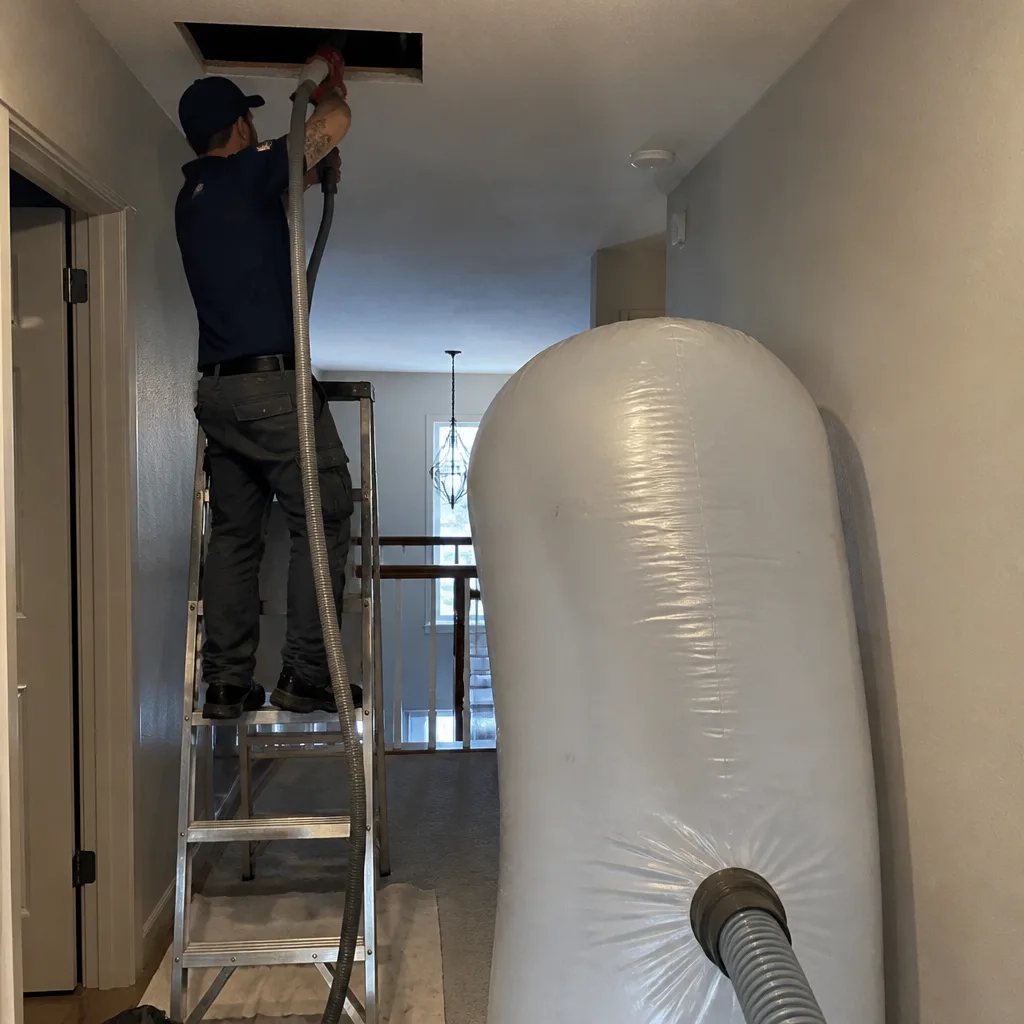
- 1
Written scope and price. We arrive, identify your Abatement Technologies model from the data plate, and deliver a written price before touching a tool. Haven Standard Clause 1: no exceptions.
- 2
Borescope inspection and photo baseline. The camera goes in first. You see what we see: lint depth, restriction location, hood condition, duct integrity. Here is what the camera found. Here is what it costs to fix it. You decide.
- 3
Parts decision documented. If something needs replacement - a bird guard, a transition duct, an O-ring - we show you the OEM part number and the quality aftermarket option, with the price difference in writing. You choose; we record the choice.
- 4
Cleaning with trade equipment. We use Abatement Technologies-compatible tools from our roster: Rotobrush mechanical agitation for packed lint, Nikro negative-pressure extractors for fine particulate, and Guardsman inspection cameras for verification. The equipment is named in your job record so you can verify specifications independently.
- 5
Post-clean test and photo record. We run the dryer through a full cycle, measure exhaust temperature and airflow velocity, and photograph the clean duct interior. The photo record, written scope, and test results are delivered as standard - not as an upsell.
- 6
365-Day Done Right Promise activation. The written guarantee goes into your file. If airflow drops or a photographed issue returns within one year, we make it right.
BeforeAfterWhat Abatement Technologies Dryer Vent Cleaning Costs in Denver
| Service | Typical Range | What Moves the Price |
|---|---|---|
| Standard vent cleaning, single-family CAP300/CAP600 | $189 - $279 | Run length, roof vs. wall termination, accessibility |
| Dual-port CAP1200-2 with airflow rebalance | $269 - $379 | Static pressure testing, port modification, hood replacement |
| HRV-integrated vent with frost-damaged hood | $229 - $349 | Hood type, wall construction, defrost control check |
| Vent rerouting for remodel or code compliance | $449 - $749 | Linear feet of rigid duct, penetration sealing, permit if required |
| Bird guard installation or replacement | $89 - $159 | Guard specification, mounting surface, hardware access |
Every price is whole-system, flat-rate, and agreed in writing before work starts. No per-vent pricing. No coupon that balloons once the truck is in your driveway. Call (720) 799-2292 for an exact quote - estimates are free.
Why Denver Homeowners Call CleanRun Air Duct Cleaning Denver for Abatement Technologies Work
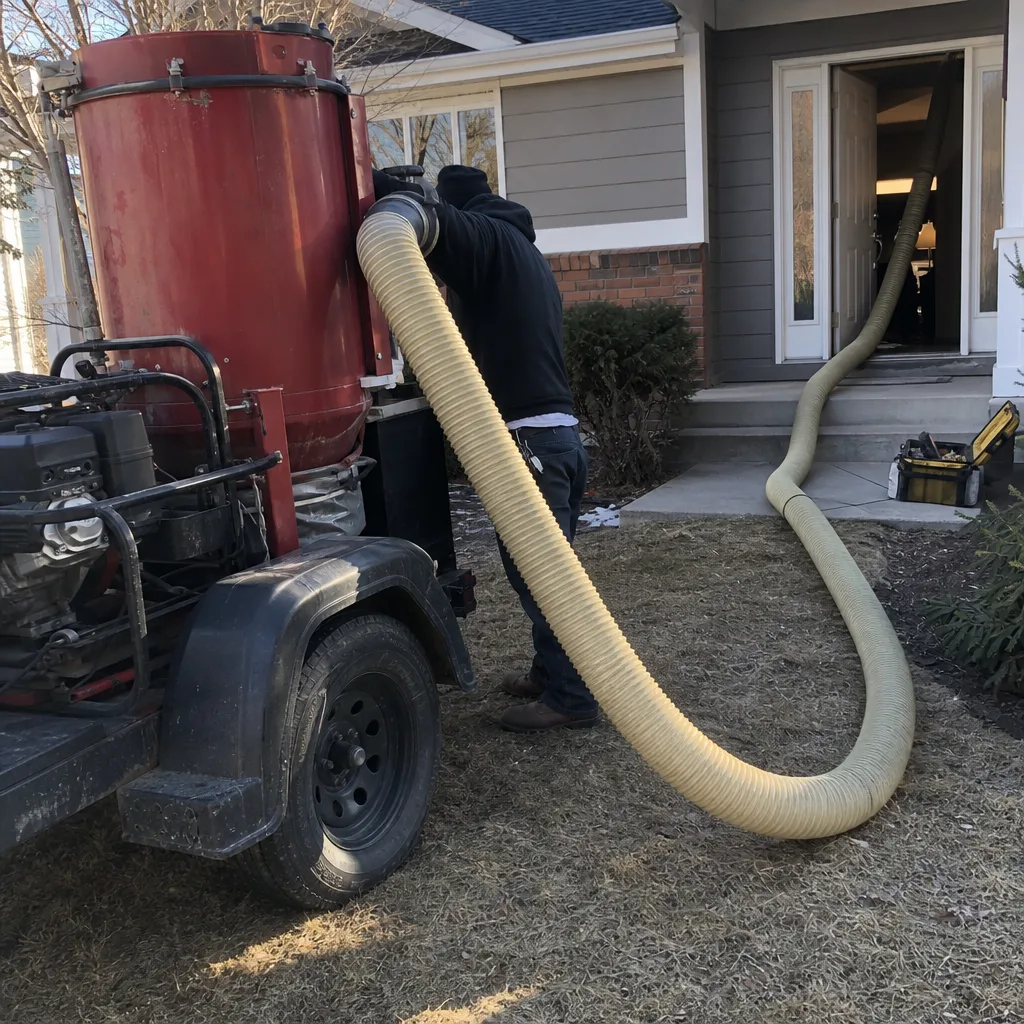
We’ve serviced Abatement Technologies systems in Denver since 2013, including the first wave of CAP600 installs in the Central Park development when those townhomes were still called Stapleton. Tomas Reyes, our owner, trained on commercial ductwork at Apex Technical School in Manhattan and has handled everything from Queens high-rise exhaust shafts to Capitol Hill basement retrofits where original galvanized duct runs meet new equipment. That background means we don’t guess at why your Abatement Technologies vent is behaving a certain way; we measure, photograph, and explain.
Our technicians are background-checked and uniformed under Haven Standard Clause 3: Verified Crews. They carry Rotobrush, Nikro, and Abatement Technologies-compatible equipment - brands you can look up before you book. We also service Lennox, Trane, and Carrier systems, so if your home has mixed HVAC and dryer vent brands, one crew handles the full scope without subcontracting.
The 365-Day Done Right Promise is in writing on every job. The photo record is standard on every visit. And the price is fixed before we start.
FAQs
No. Independent dryer vent cleaning does not void the Abatement Technologies product warranty, provided the work does not alter factory specifications or use incompatible replacement parts. As an independent Abatement Technologies service provider, we document every part number and procedure so warranty coverage remains intact. Call (720) 799-2292 if you need a copy of our parts documentation for your warranty file.
We deliver a documented photo record of the inside of every duct run, before and after, as a standard deliverable on every job. The borescope images show lint depth at specific points - the elbow, the midpoint, the termination hood - with timestamps. If a company won’t show you the inside of your own vent, you’re paying for noise, not work.
Replace if the duct is galvanized steel with visible corrosion (common in pre-1980 Denver homes), if the blower motor is drawing excessive amperage, or if the system has been modified with unlisted parts. Repair and clean if the duct is intact but restricted. We give you the camera evidence and both prices in writing; you decide based on what you saw, not what we said.
For lint traps, O-rings, and UV lamp housings, OEM ensures dimensional fit and warranty compliance. For bird guards and transition ducts, quality aftermarket equivalents from Guardsman or Nikro meet the same UL listings at lower cost. We show you both options with part numbers and price differences before you choose.
Every 12 to 18 months for typical residential use; every 6 to 12 months if you dry pet bedding, run multiple loads daily, or live in a north-facing unit where Denver’s freeze-thaw cycles accelerate hood clogging. The camera doesn’t lie - if your last cleaning was two years ago, the borescope will show whether you’re due. Call (720) 799-2292 for a free inspection and honest assessment.
Written by Tomas Reyes, Owner, CleanRun Air Duct Cleaning Denver at CleanRun Air Duct Cleaning Denver, serving Denver and nearby areas.