
Whole-system duct and dryer vent check with before-and-after photos - you see exactly what came out of your vents
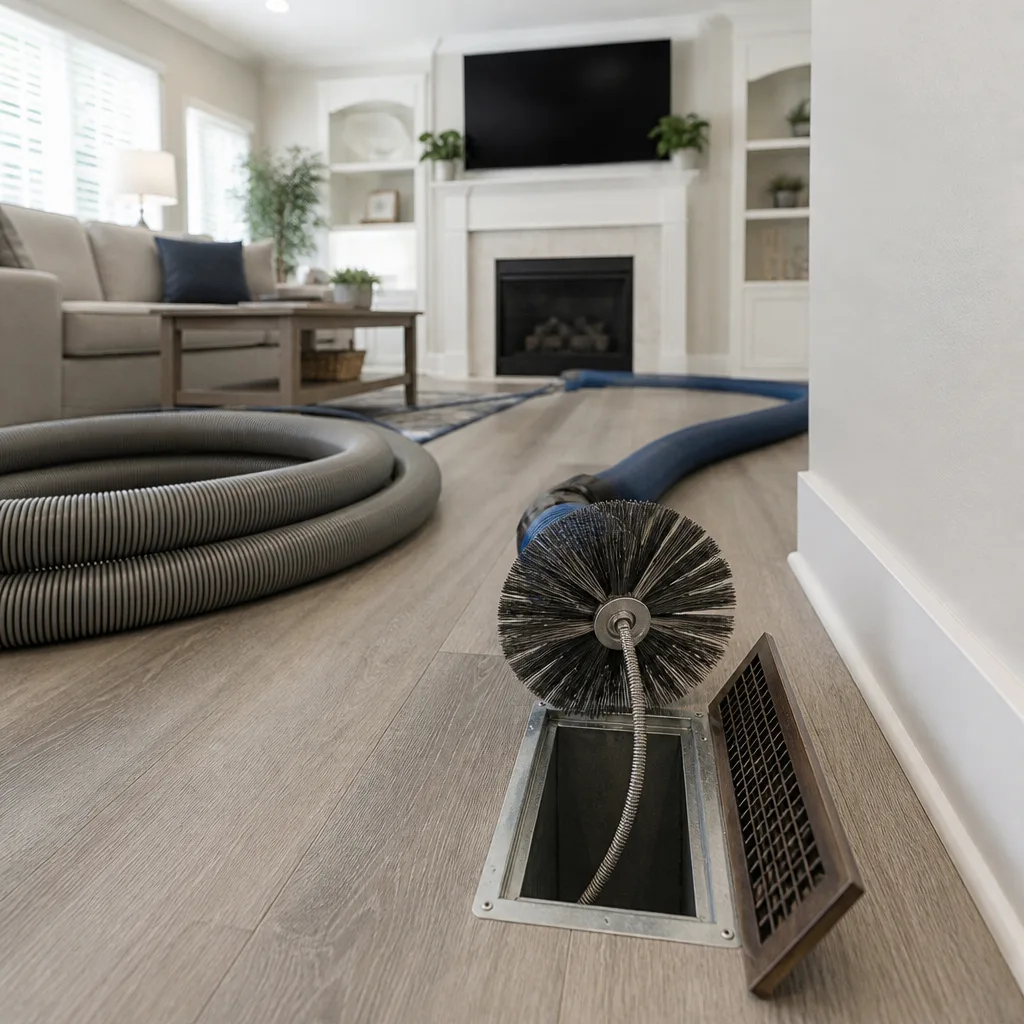
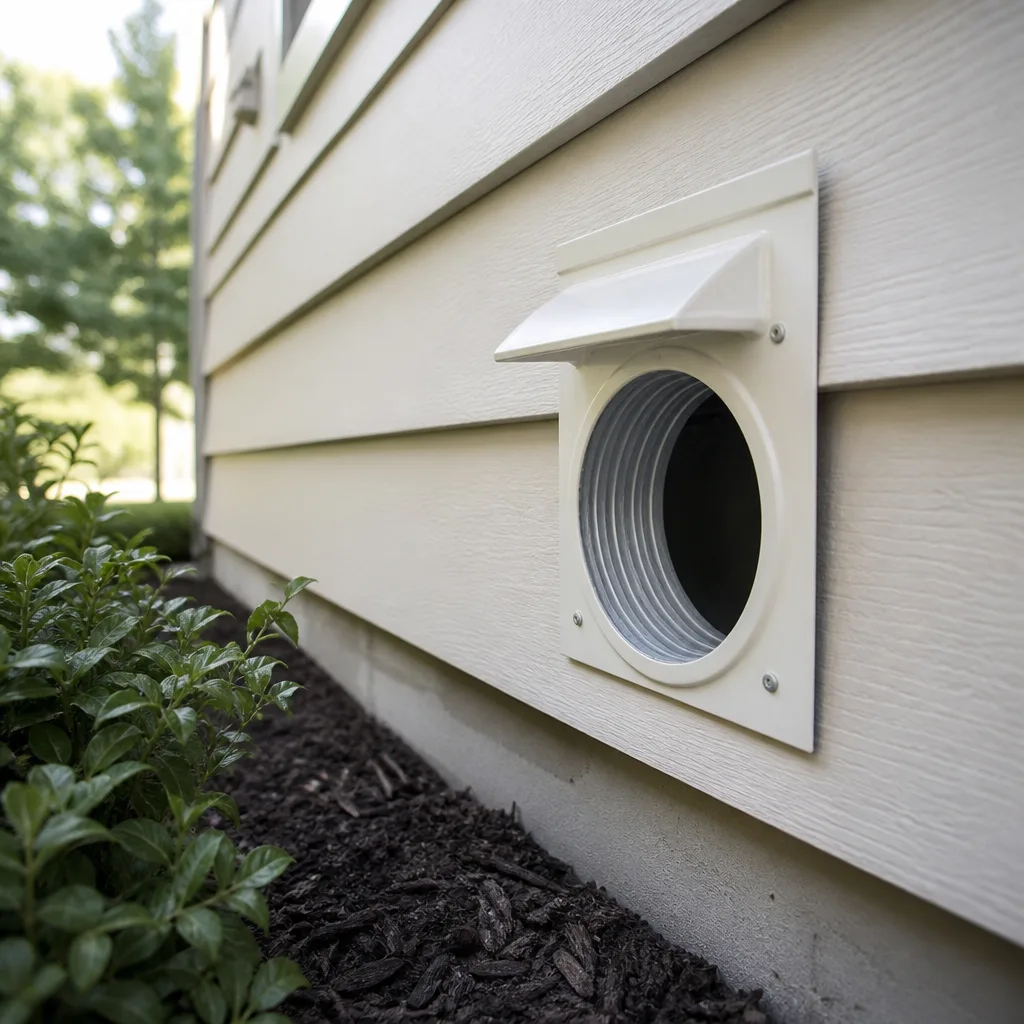
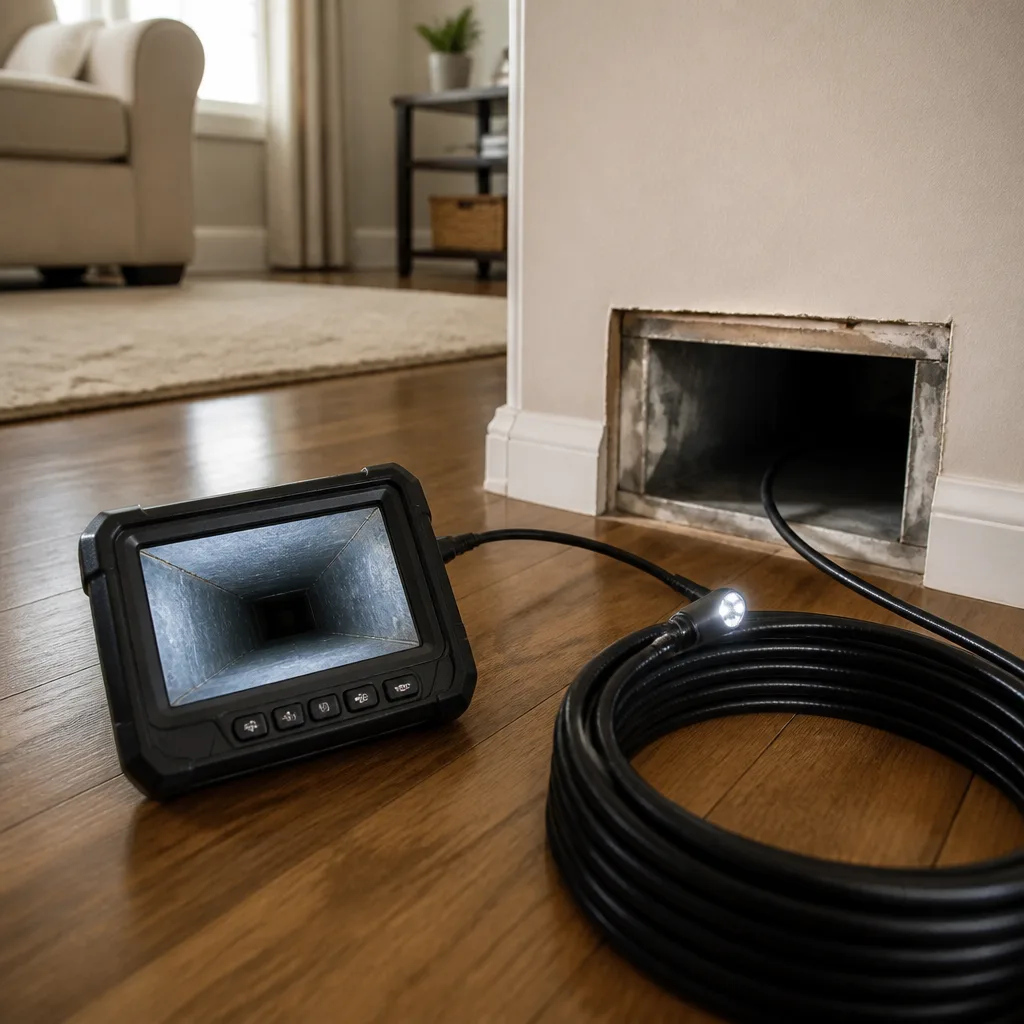
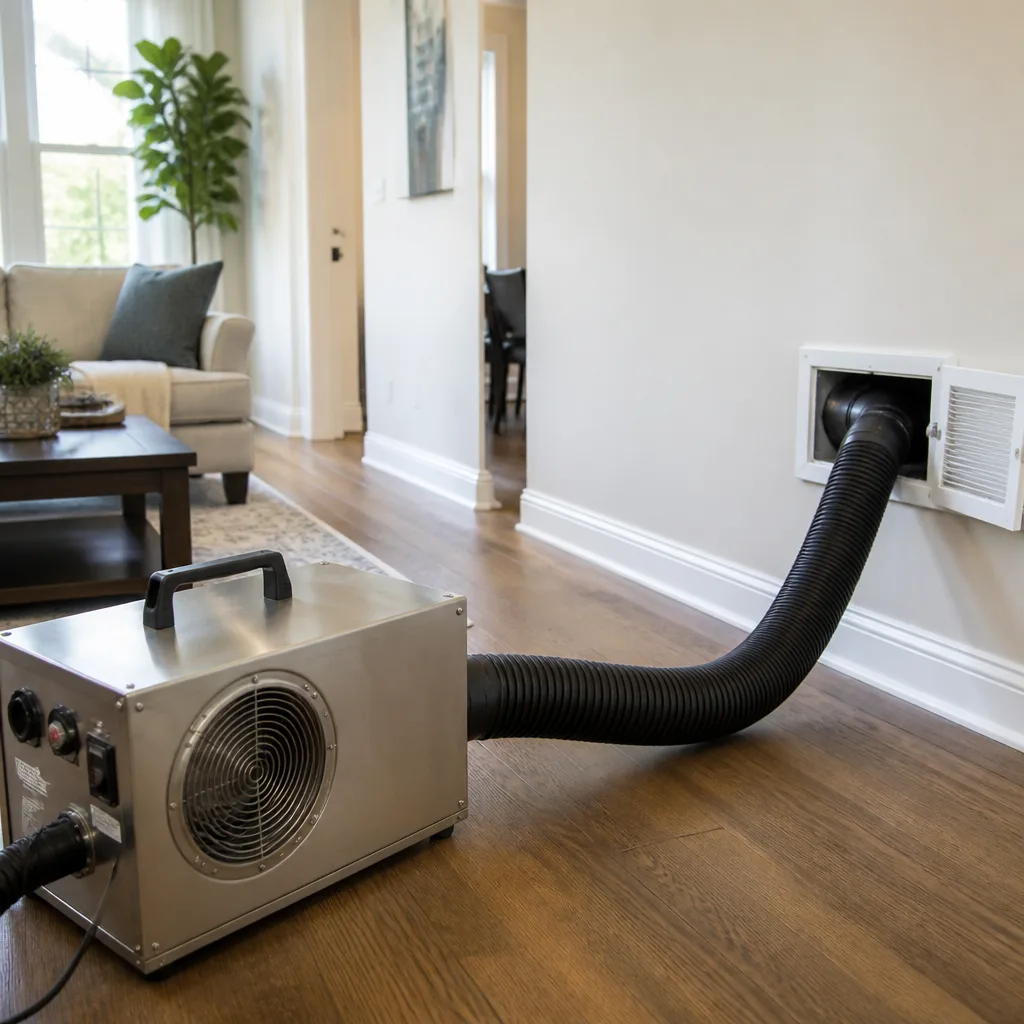
That "$99 whole-house special" is a bait ad - the real number appears once they are in your hallway, or the "clean" is a shop-vac at the register. We photograph the inside of your ducts before and after instead.
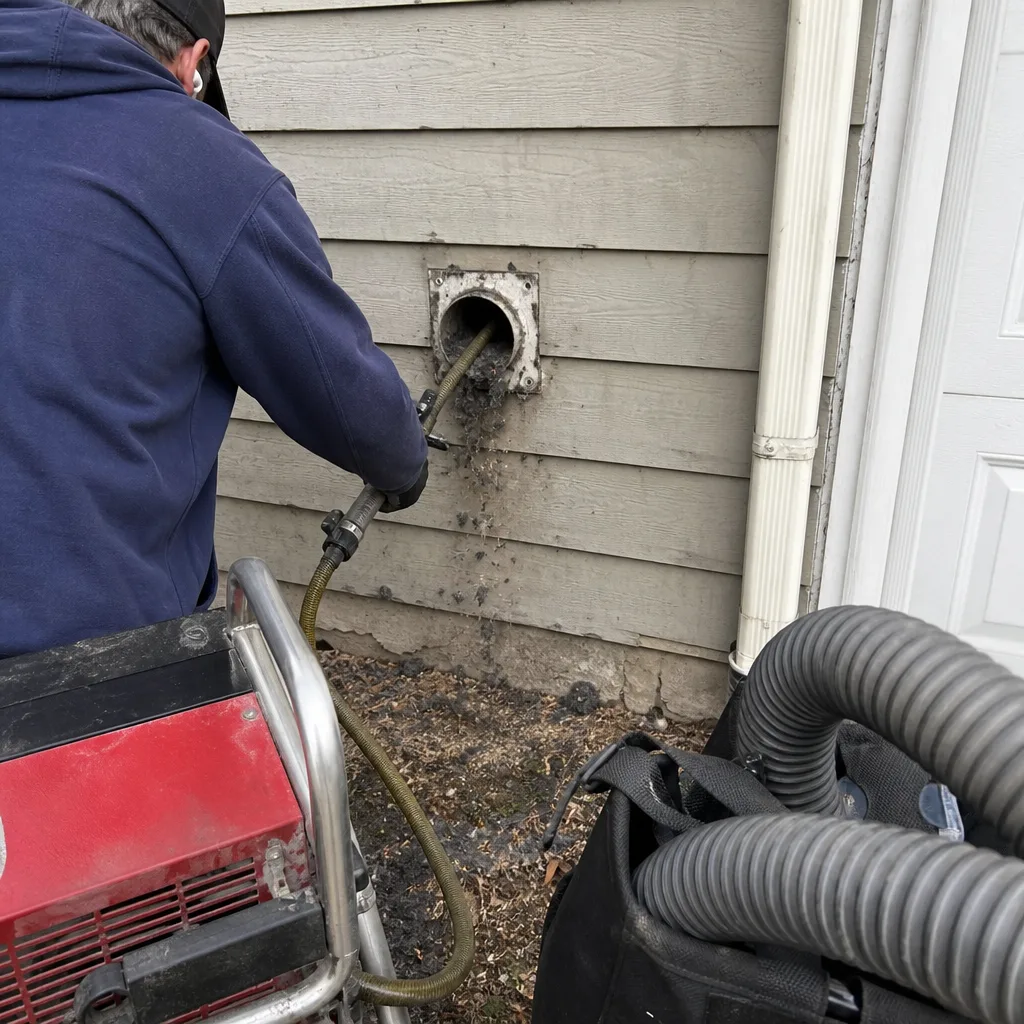 Before
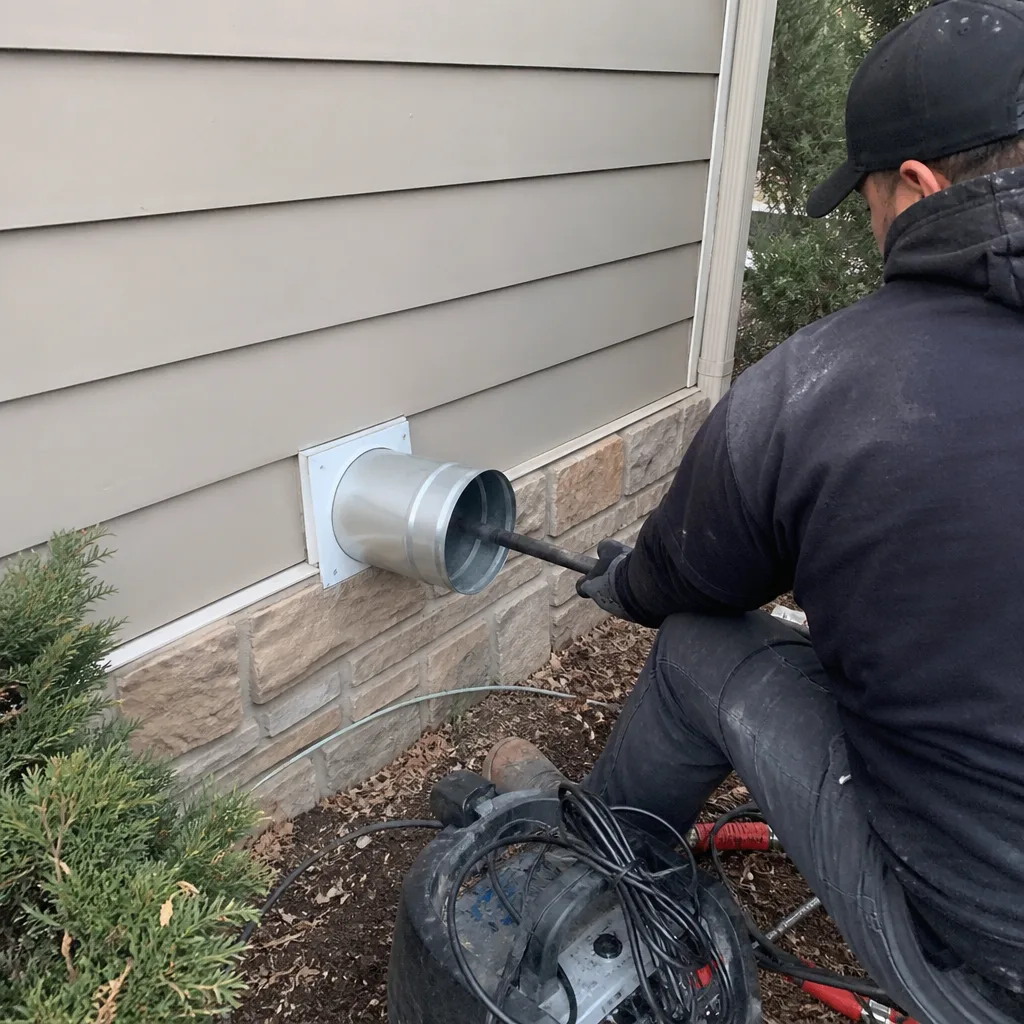 After
After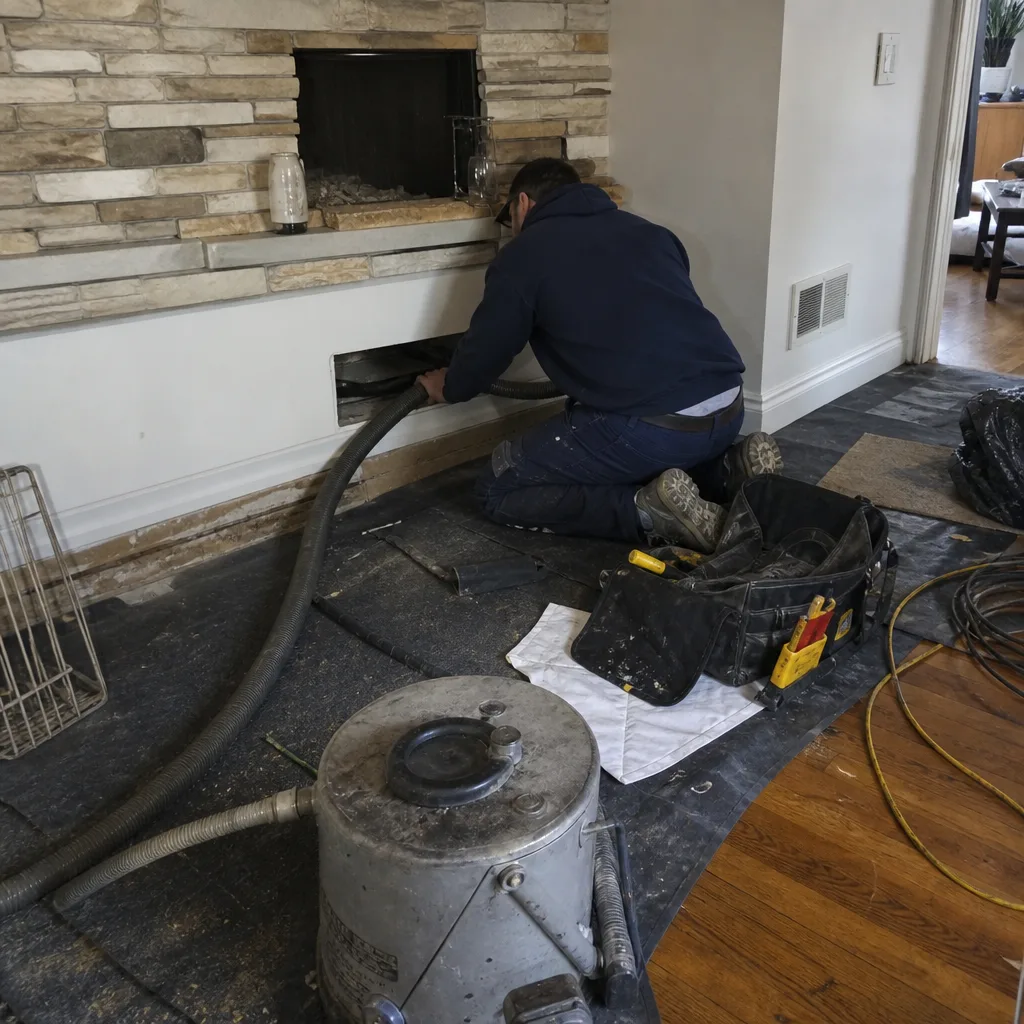 Before
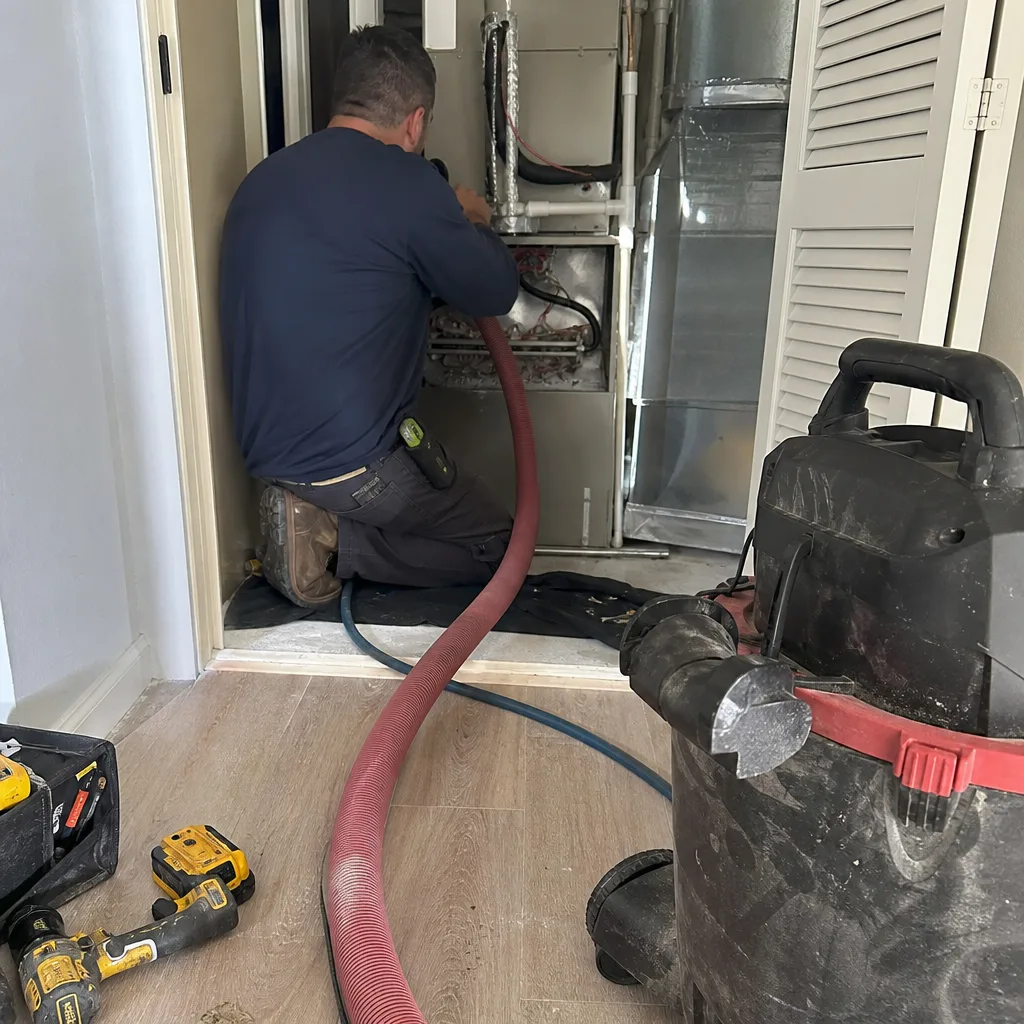 After
After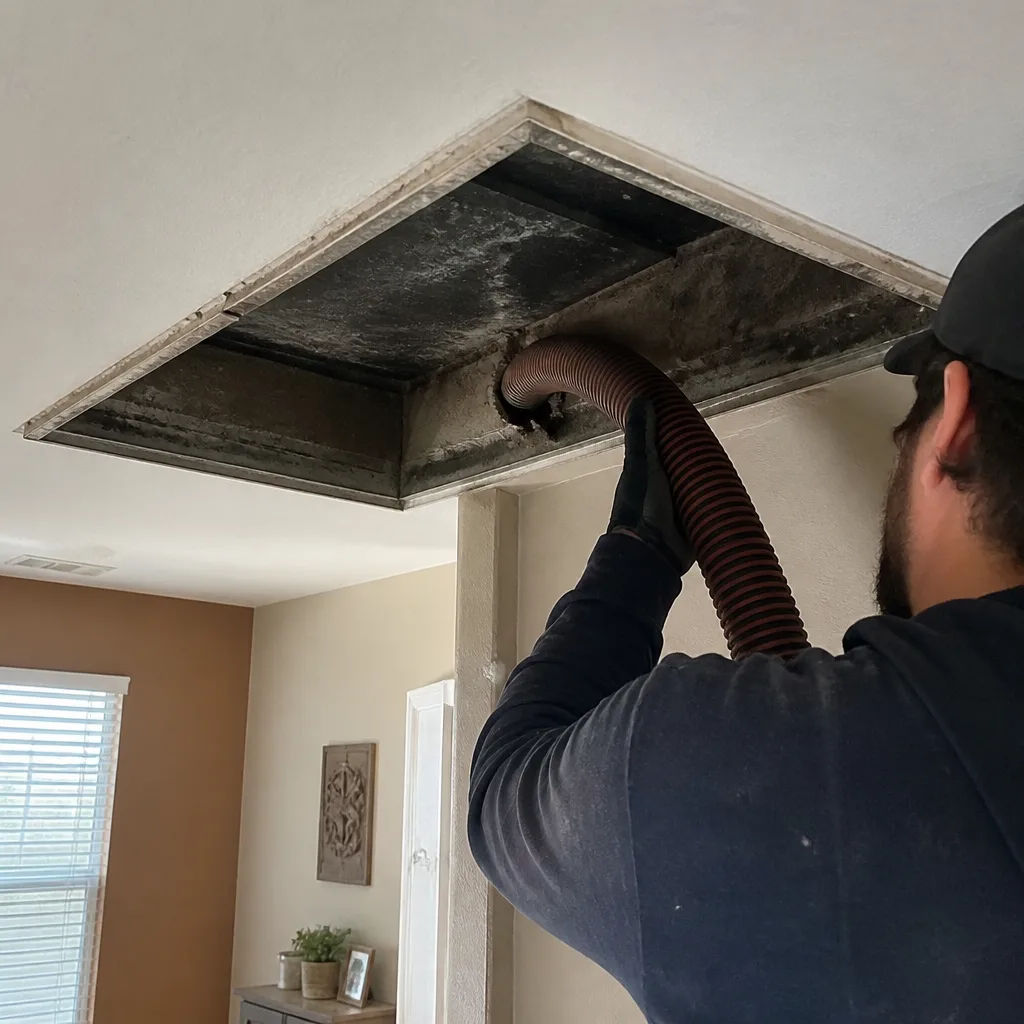 Before
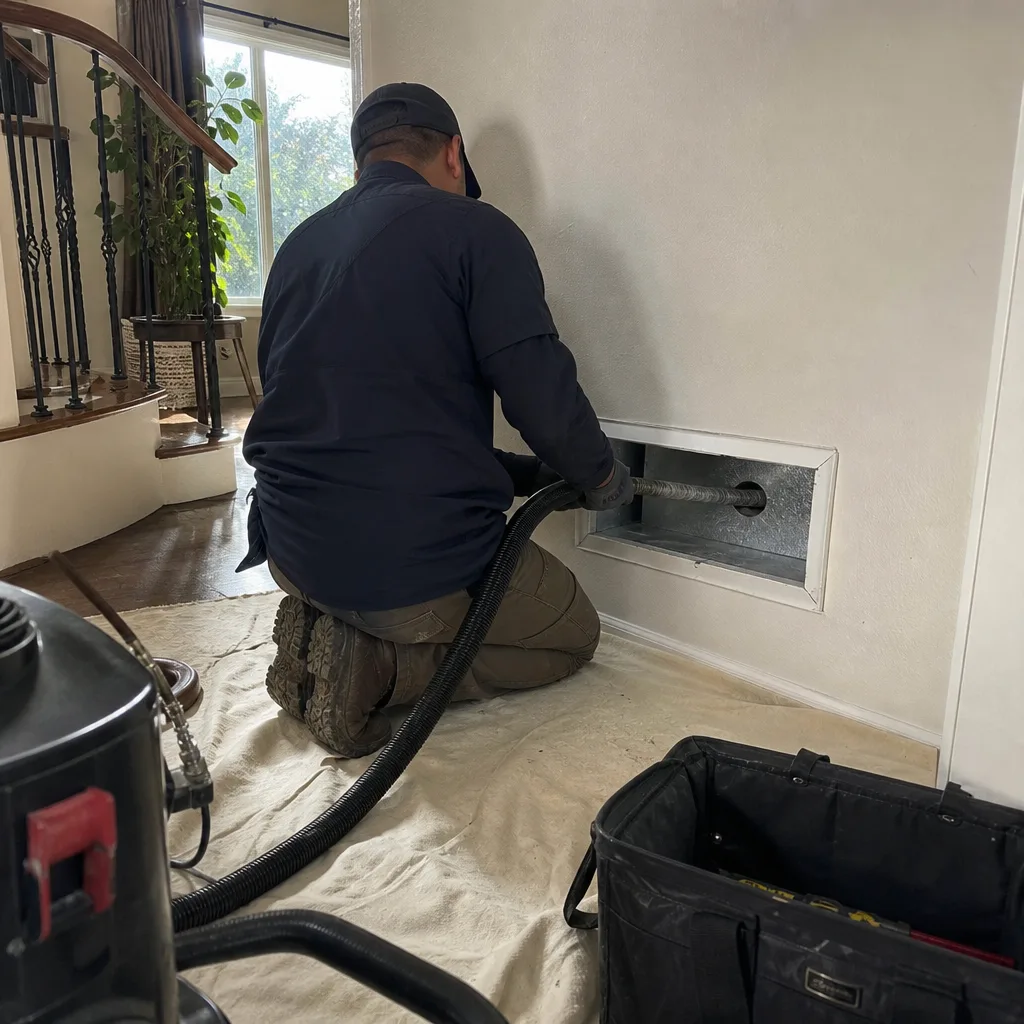 After
AfterHoneywell Register & Grille Cleaning: The Denver Owner’s Guide
Honeywell register and grille cleaning in Denver typically runs $340-$580 for a whole-system service, depending on how many registers your home has and whether we’re pulling debris from the return grilles or just the supply registers. We stock Honeywell-compatible cleaning equipment on every truck and can usually schedule within 48 hours. Most Denver homeowners realize their registers need attention when they notice weak airflow from specific rooms, visible dust buildup on the grille fins, or a musty smell that intensifies when the furnace or AC cycles on.
Which Honeywell Models This Applies To
Honeywell’s residential register and grille ecosystem breaks into three main lines you’ll see in Denver homes built after 1990: the standard ARU (Adjustable Register Unit) series, the HRV/ERV-compatible sealed grilles for energy-recovery ventilators, and the older fixed-blade RU series still common in Capitol Hill and Baker renovations. The ARU series uses a 6-inch or 8-inch collar depth, and the blade adjustment mechanism is where debris collects first. To identify yours, pop the register out and check the stamped model prefix on the collar rim. ARU grilles have a two-digit size code; RU grilles use a single letter.
We clean both OEM Honeywell grilles and quality aftermarket equivalents from Guardsman and Aprilaire. The aftermarket units often match Honeywell’s blade geometry but use a slightly different plastic compound. In Denver’s dry climate, that difference matters less than in humid markets, but we still photograph the original part before removal so you can compare. If your home has a Honeywell whole-home air cleaner mounted upstream, like the F100 or F300 series, the register grilles downstream will load with debris faster because the media filter is doing the heavy lifting before air reaches the rooms.
Signs Your Honeywell Register & Grille Cleaning Is Failing
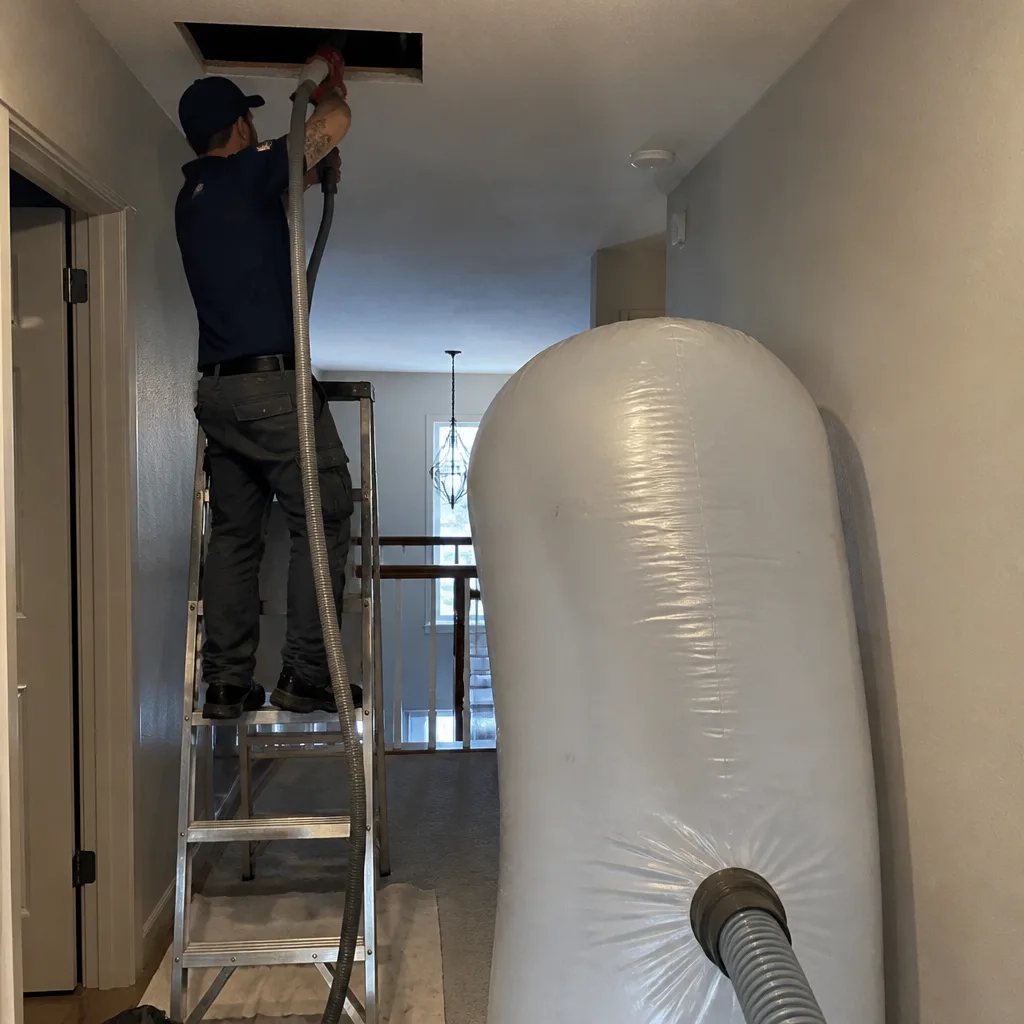
- Uneven airflow room to room. When one bedroom blows hard and the neighboring register barely moves a tissue, the grille blades or the duct boot behind it are likely choked with compacted dust. The restriction creates back-pressure that strains the blower motor.
- Visible black debris on the grille fins. What looks like surface dust is often a sticky matrix of skin cells, pet dander, and cooking grease that has bonded to the plastic. Wiping the faceplate doesn’t reach the buildup inside the collar.
- Musty or sour odor when the system cycles. Organic material trapped in the register collar and duct boot decomposes in Denver’s low humidity, but the smell rehydrates and releases when conditioned air pushes through. The camera usually shows a debris ring 4 to 6 inches back from the grille face.
- Whistling or humming at the register. A clean Honeywell ARU grille with properly adjusted blades should be nearly silent. Noise means airflow is squeezing through a narrowed passage or the blade pivots are clogged with grit.
- Excessive dust resettling after cleaning. If you vacuum the register and the dust returns within days, the source is deeper in the duct run. The grille is acting as a final filter, catching what the main trunk line is still carrying.
BeforeAfterReplacement Cost & What’s Included
| Service Scope | Price Range |
|---|---|
| Supply register cleaning only (up to 10 registers) | $340-$420 |
| Supply + return grille cleaning (up to 14 total) | $420-$520 |
| Full system with Honeywell media cabinet service | $480-$580 |
| Individual register deep-clean (add-on) | $45 each |
What drives the range: the number of registers, whether returns are included, and whether we need to remove and hand-clean the boots or can reach them with our Rotobrush and negative-pressure extraction tools. Every job gets a written price before we touch a grille, per Haven Standard Clause 1. The 365-Day Done Right Promise covers the work in writing, not as a verbal afterthought. If we find a cracked collar or stripped adjustment screw during cleaning, we’ll photograph it and quote the replacement part separately before installing anything.
DIY or Call Us?
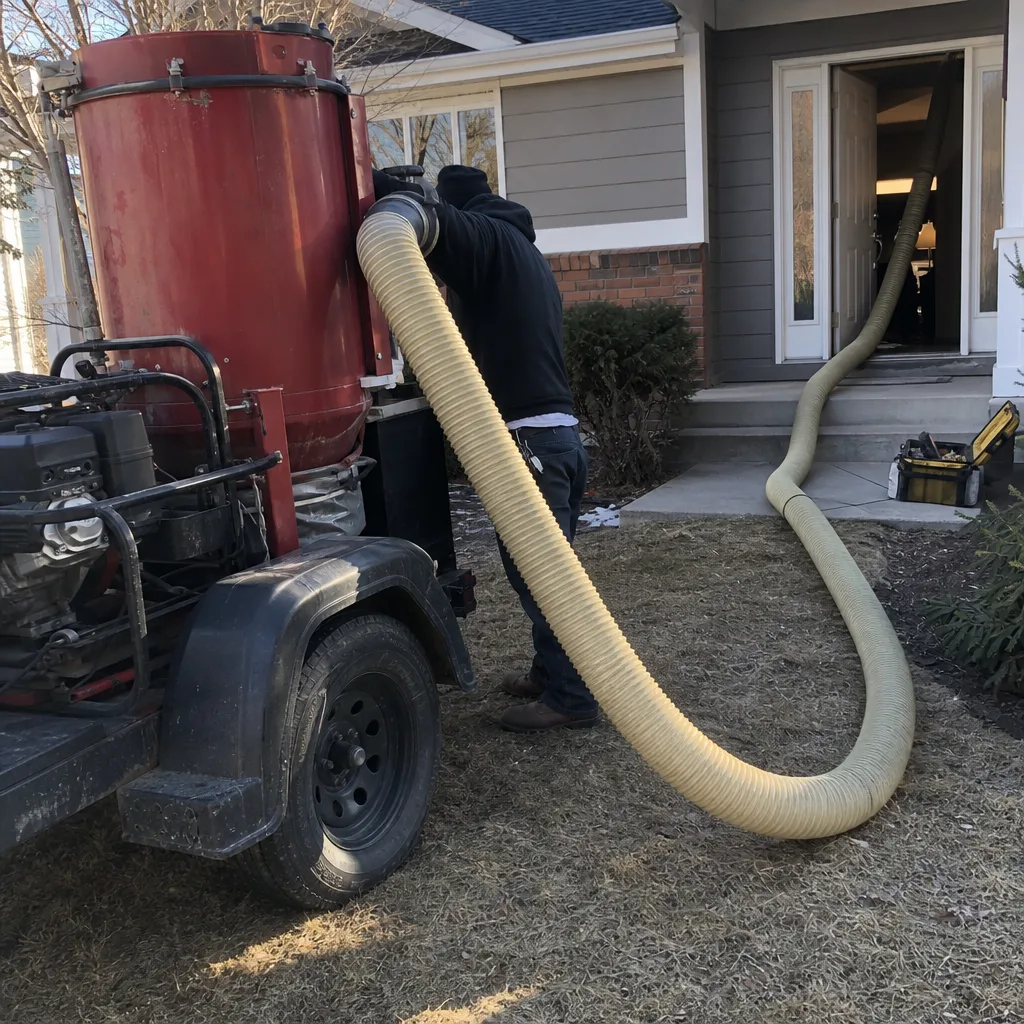
What you can safely check yourself: remove the register, look inside the collar with a flashlight, and note any visible debris or mold. A vacuum with a soft brush attachment can clear surface dust from the grille face and the first inch of the boot. That’s the honest limit.
Where DIY goes wrong: forcing a brush too deep into the duct run can compact debris against the first elbow, creating a worse blockage. Compressed air without containment blows dust into the living space and the blower compartment. And if your registers are original to a pre-1980 Denver home, the duct boots may be asbestos-containing transite or unlined fiberboard, disturbing them without proper containment creates a genuine exposure risk. We carry the containment and negative-air equipment for that scenario. Here is what the camera found. Here is what it costs to fix it. You decide. Call (720) 799-2292.
FAQs
Most Honeywell ARU and RU series registers in Denver need deep cleaning every 4 to 6 years, though homes with pets, recent construction, or a failing main filter may need it every 2 to 3 years. The dry climate here doesn’t prevent buildup; it just changes the texture from sticky to powder-compacted, which can actually pack tighter into blade pivots. Call (720) 799-2292 for an exact quote - estimates are free.
Cleaning is the repair. If the plastic collar is cracked or the blade adjustment mechanism is seized with corrosion, replacement is the only fix, but that is a different service. We photograph the condition and quote both options in writing before proceeding.
A typical Denver home with 10 to 12 registers takes 2.5 to 4 hours, including setup, the documented photo record of each run, and breakdown. We work methodically; rushing defeats the purpose of showing you what came out.
Yes. Every CleanRun truck carries Rotobrush and Nikro negative-pressure systems sized for residential register collars, plus adapters for Honeywell’s 6-inch and 8-inch collar diameters. If we find a damaged register that needs replacement, we stock common Guardsman and Aprilaire equivalents that match Honeywell dimensions.
CleanRun Duct Repair & Cleaning is independently owned and operated under the Haven Standard. We are not affiliated with Honeywell International Inc. We also stock parts for Lennox, Trane, and Carrier systems.
Ready to see what is actually inside your registers? Call (720) 799-2292. A live person answers, we’ll give you a written price before any work starts, and every duct run gets photographed before and after. Tomas Reyes and the crew have been doing this in Denver since 2013, including plenty of jobs in Capitol Hill where the original galvanized duct runs and older furnace systems keep the work honest.
Written by Tomas Reyes, Owner, CleanRun Air Duct Cleaning Denver at CleanRun Air Duct Cleaning Denver, serving Denver and nearby areas.