
Whole-system duct and dryer vent check with before-and-after photos - you see exactly what came out of your vents
That "$99 whole-house special" is a bait ad - the real number appears once they are in your hallway, or the "clean" is a shop-vac at the register. We photograph the inside of your ducts before and after instead.
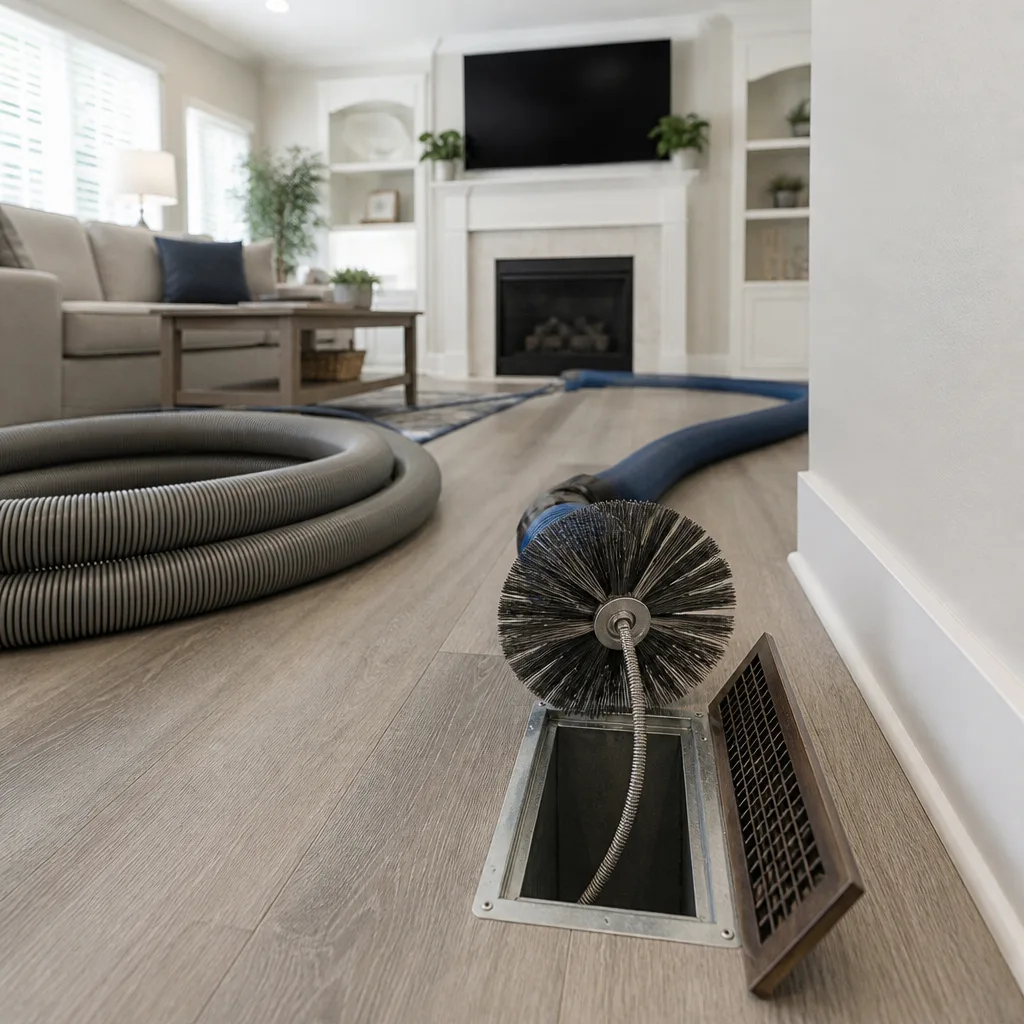
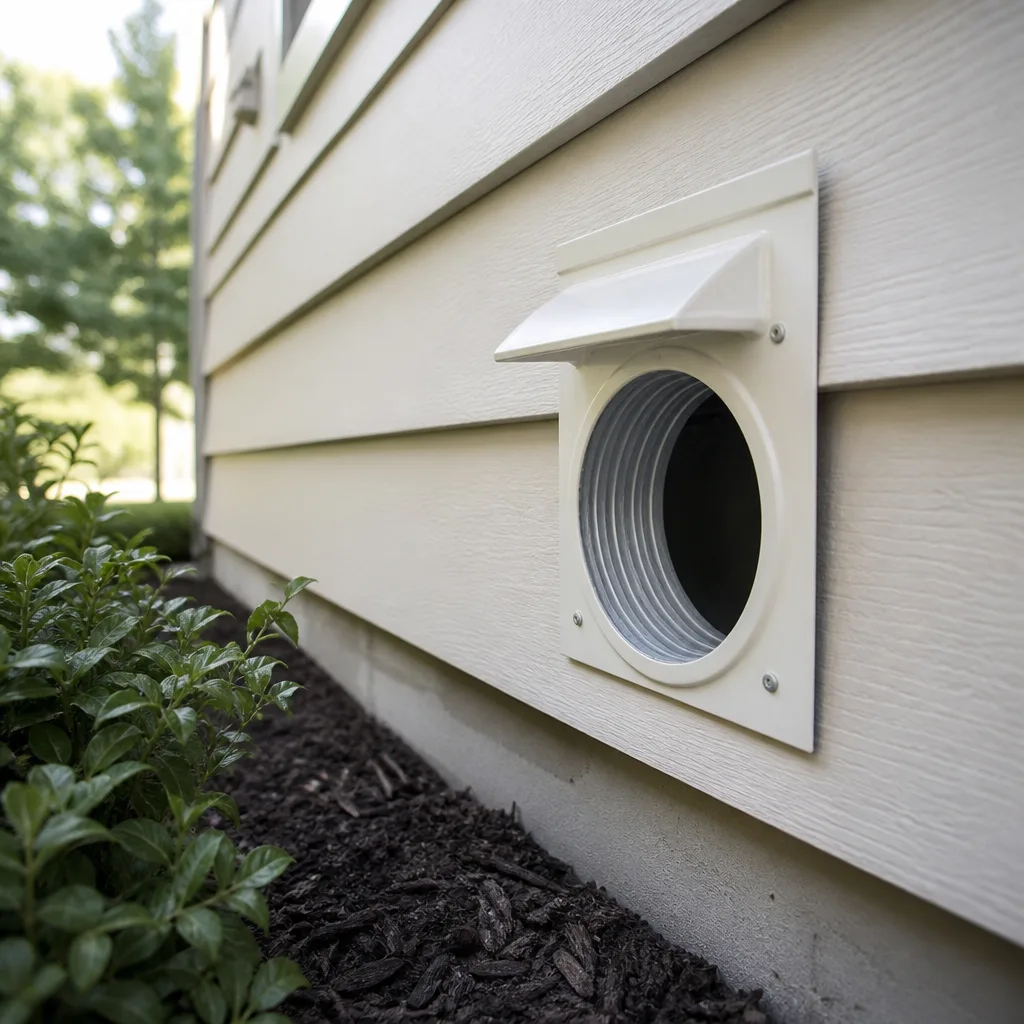
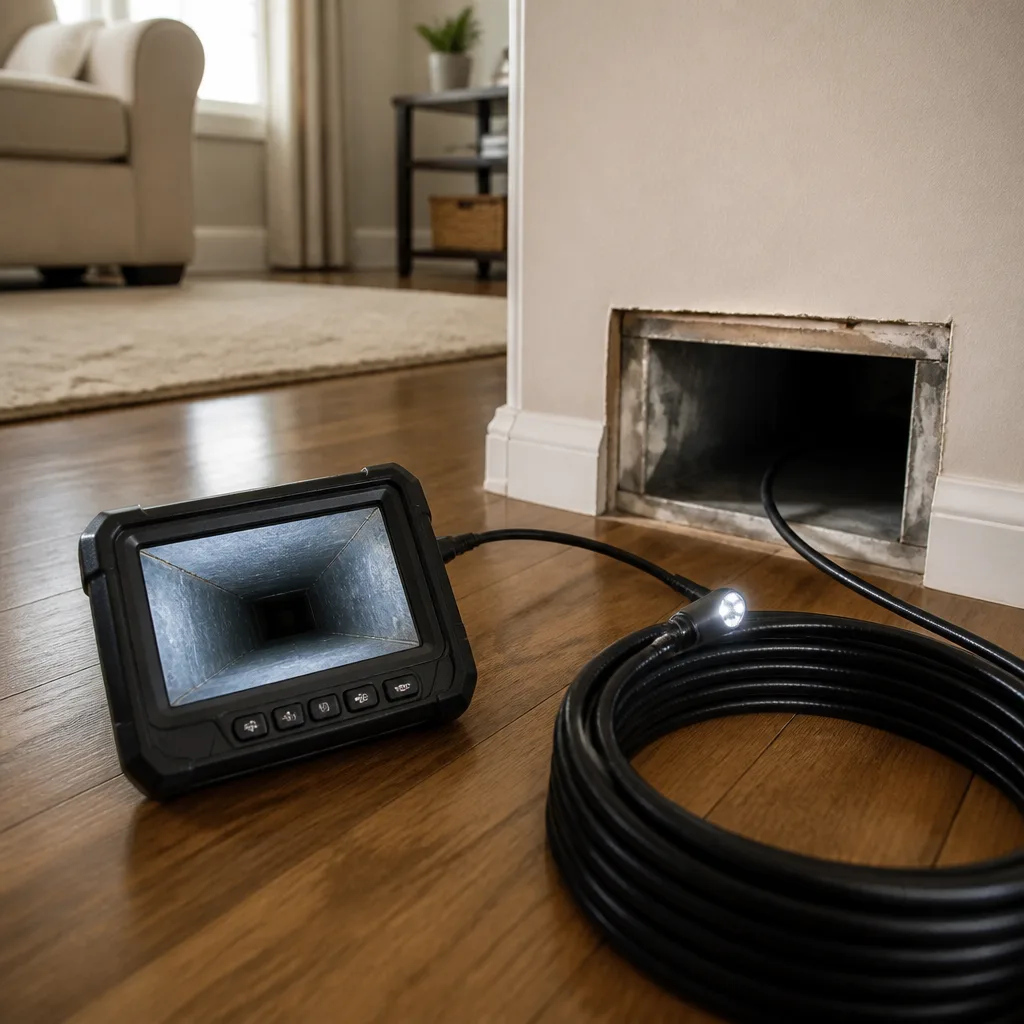
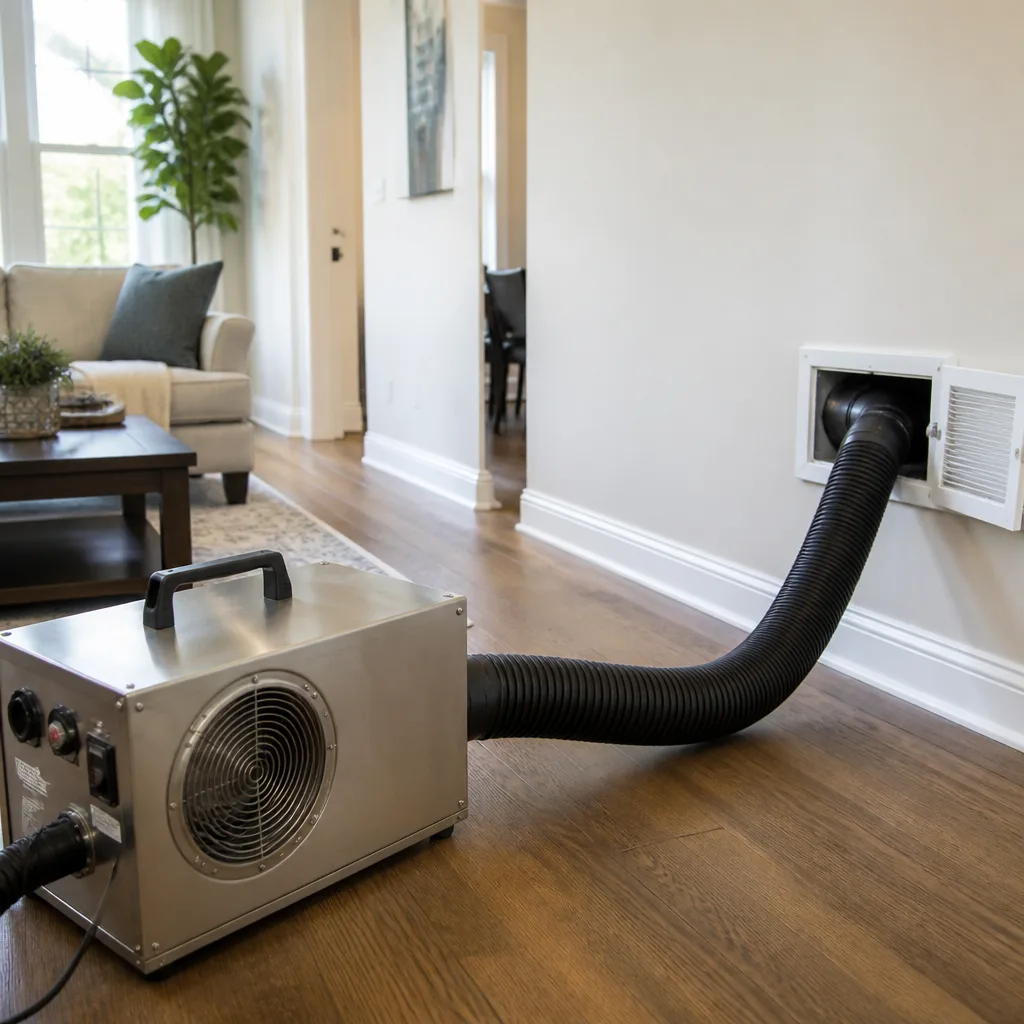
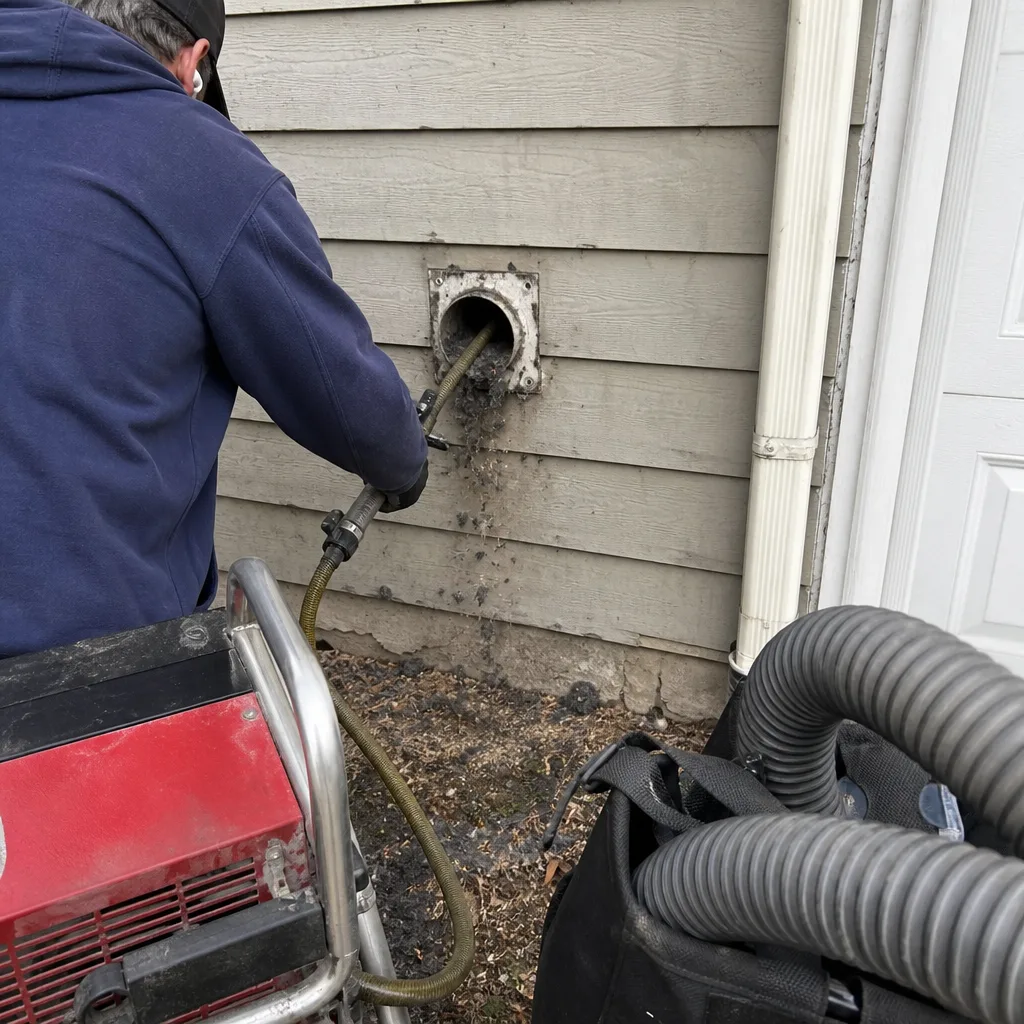 Before
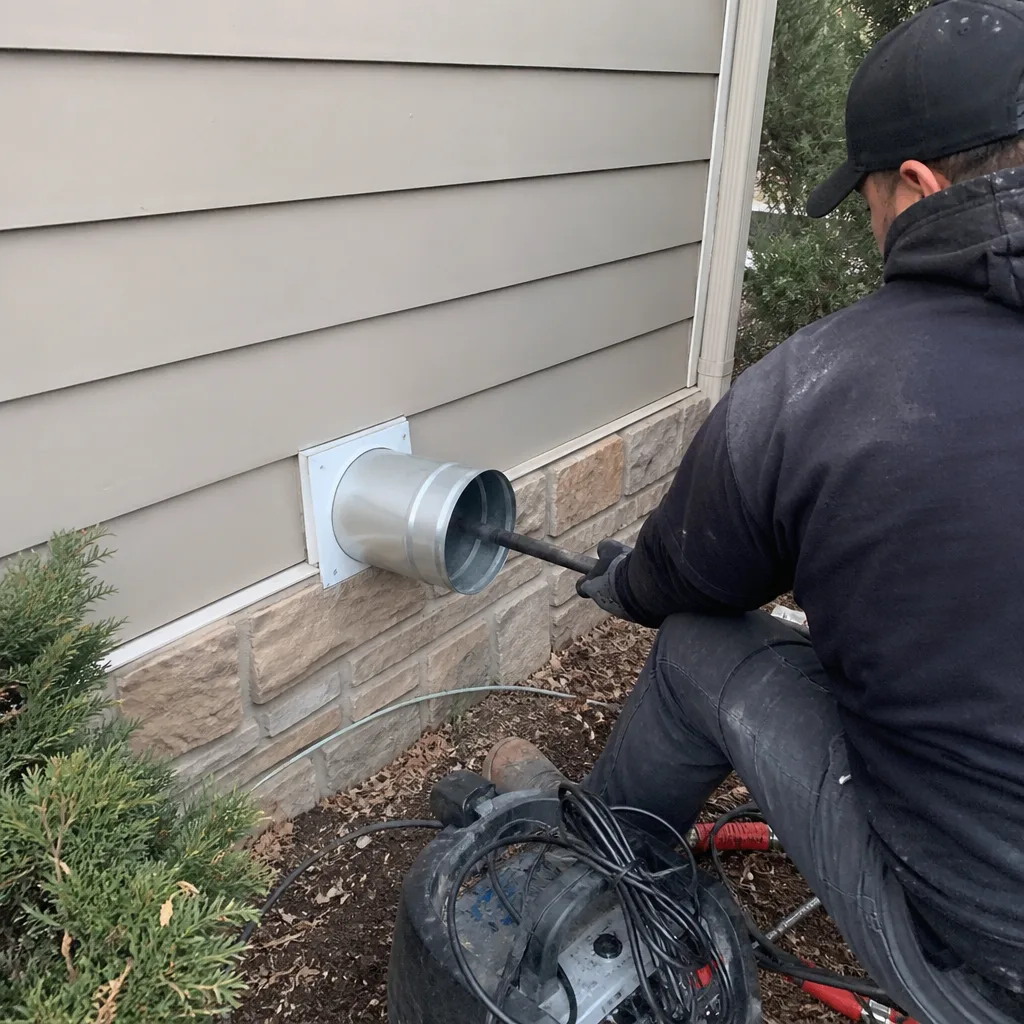 After
After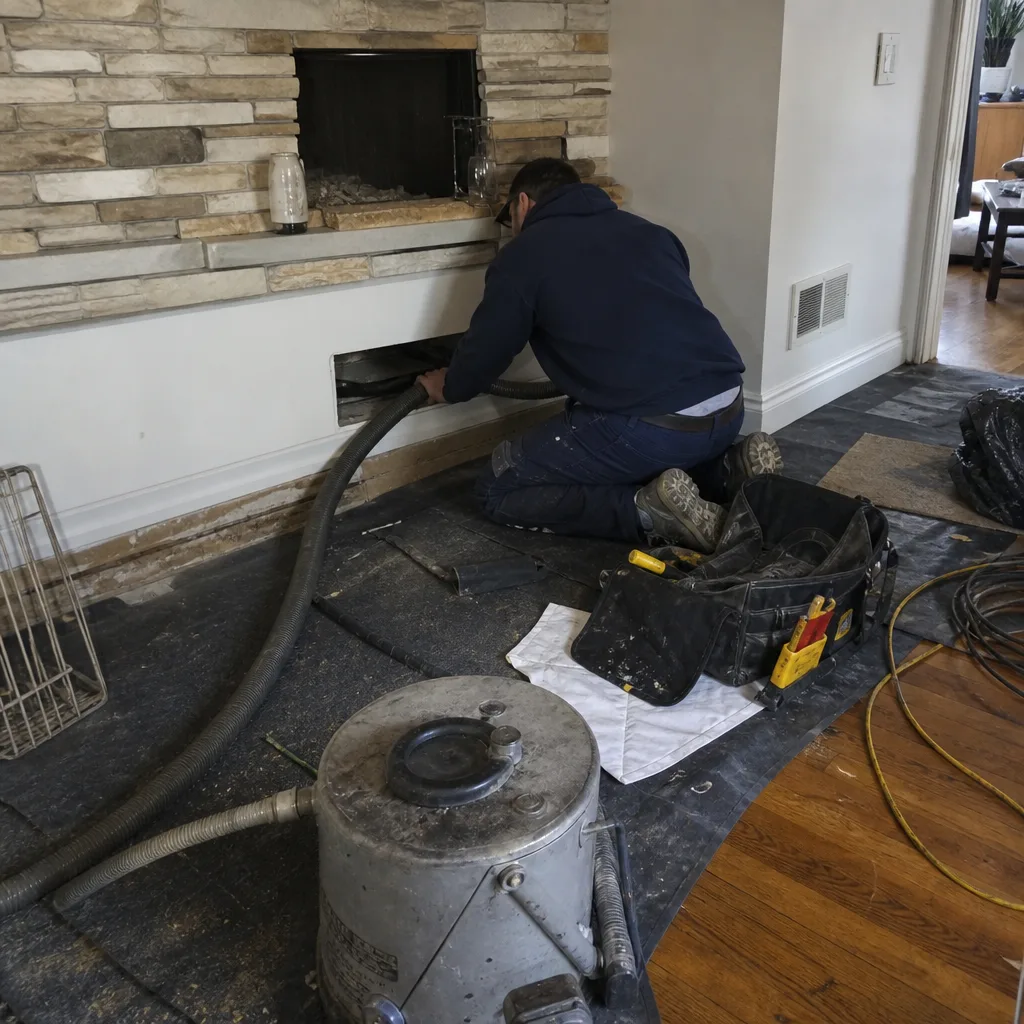 Before
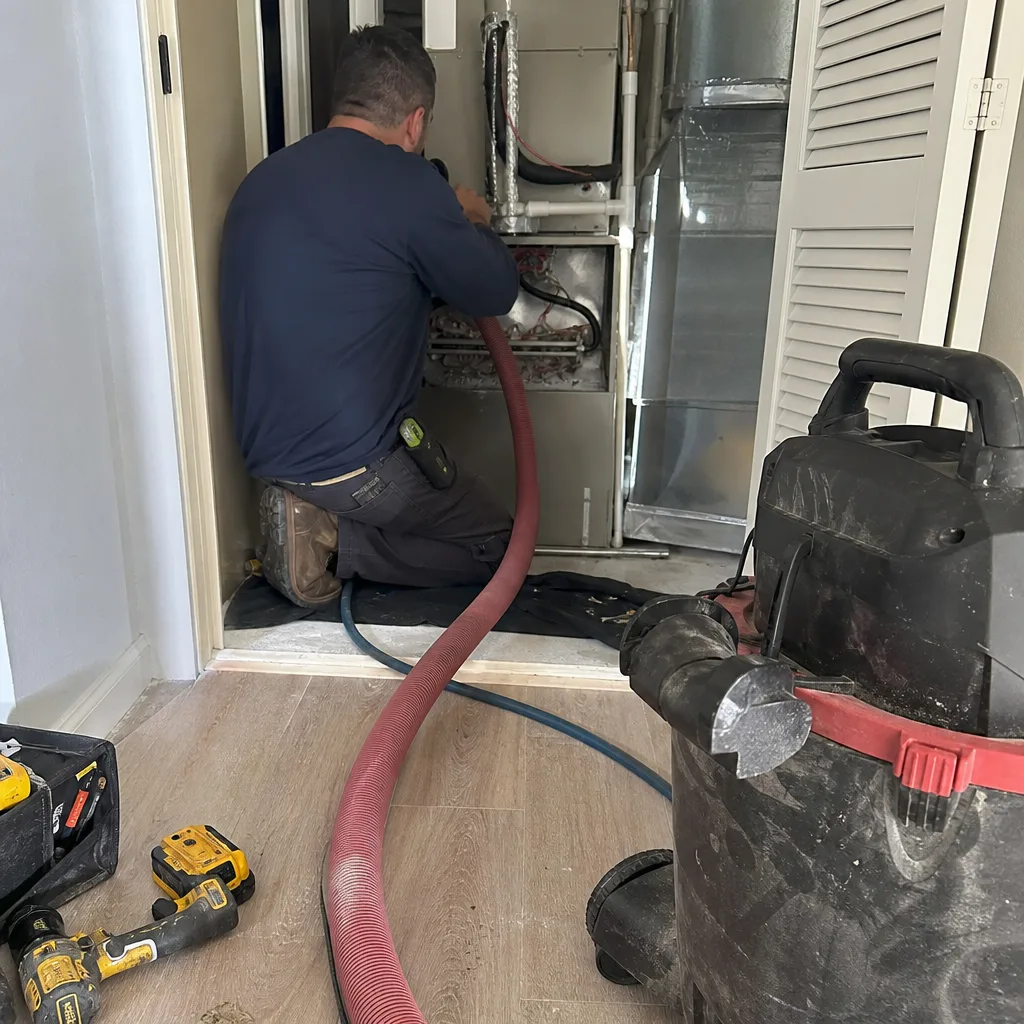 After
After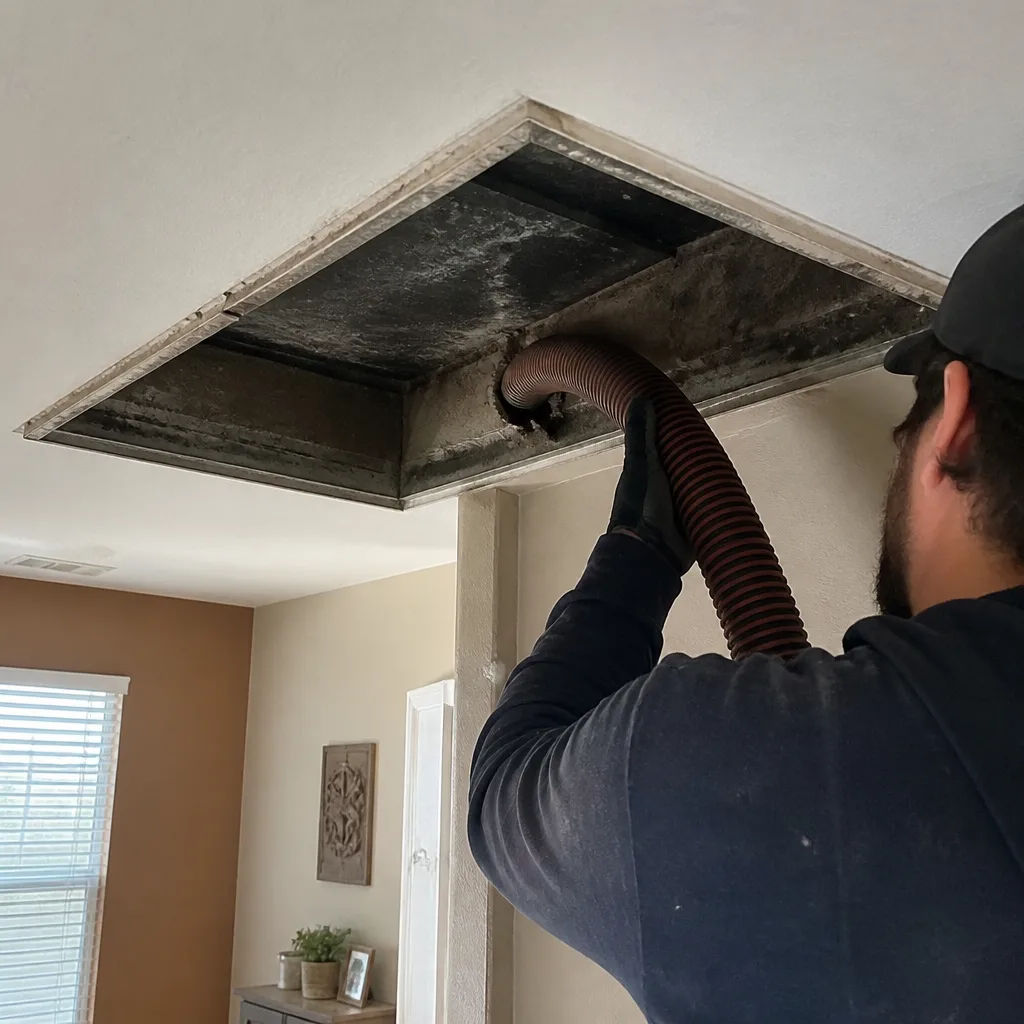 Before
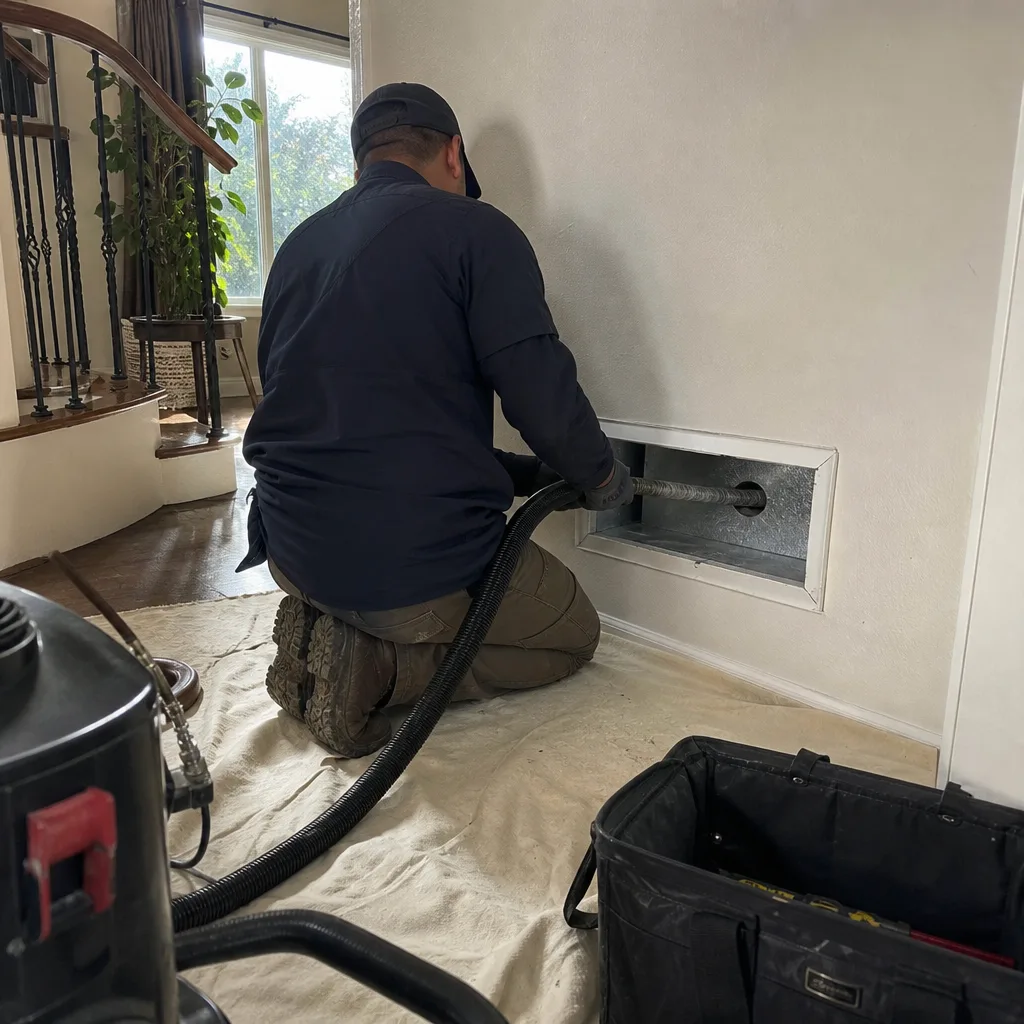 After
AfterRotobrush Duct Sealing & Repair: The Denver Owner’s Guide
Rotobrush-compatible duct sealing and repair in Denver typically runs $340-$780 for a complete system, depending on how many duct runs need attention and whether we’re sealing accessible joints or pulling damaged sections. We stock Rotobrush-compatible mastic, foil tape rated for the negative-pressure extraction these systems generate, and replacement flex duct sections on every truck. Most jobs we can schedule within 48 hours, and the work comes with our written price before we start and a documented photo record of every sealed joint when we leave.
Most Denver homeowners find out their Rotobrush-sealed ductwork needs help in one of two ways: their energy bill jumps $40-$80 during a heating month despite normal usage, or they notice one room in the house never reaches the thermostat setpoint. In Capitol Hill and similar neighborhoods with original galvanized duct runs from the 1950s-1970s, the combination of metal fatigue and the vibration from a Rotobrush cleaning head can loosen previously adequate seals. The camera usually shows gaps at the plenum connection or longitudinal seams that have opened where the duct hangs in an unconditioned attic.
Which Rotobrush Models This Applies To
The sealing and repair work we describe here applies to any Rotobrush system that connects to standard residential ductwork, including the Rotobrush Beast series, the aiR+ XP, and the older Classic and BrushBeast units still running in Denver homes. The critical compatibility point is not the brush machine itself but the duct interface: Rotobrush systems use a 2.5-inch or 4-inch vacuum hose that seals to a register boot or plenum port, and that seal point is where we see the most post-cleaning leakage.
To identify what your system needs, check the label on the main vacuum unit for the model series, then measure the duct diameter at the plenum connection. Most Denver homes built 1990-2010 use 6-inch round flex duct or 8×14-inch rectangular trunk lines. Rotobrush OEM sealing kits include proprietary adapter rings, but we’ve found that quality aftermarket foil tape and water-based mastic from Abatement Technologies perform identically at the joint level and cost 30-40% less. The one exception: if your Rotobrush system is still under manufacturer warranty, using non-OEM sealant at the machine connection could void coverage. We note this on the written scope before work starts.
Signs Your Rotobrush Duct Sealing & Repair Is Failing
- Uneven room temperatures. One bedroom runs 8-12 degrees colder than the hallway thermostat in winter. The camera typically shows a disconnected flex duct joint above the ceiling or a split seam in the trunk line that leaked conditioned air into the attic since the last cleaning.
- Dust accumulation at registers within weeks of cleaning. The Rotobrush agitation loosened debris, but a post-cleaning gap in the return plenum is pulling attic dust back into the system. We find this most often in Park Hill and Stapleton homes where original duct hangers have sagged.
- Whistling or rushing air sound near the furnace. A seal has failed at the plenum takeoff, creating a pressure leak that the blower compensates for by working harder. The sound is the audible indicator; the hidden cost is premature blower motor wear.
- Spike in heating or cooling costs with no rate change. Xcel Energy rates in Denver held relatively steady in 2024, so a $50+ jump in a shoulder month usually means 15-25% of conditioned air is leaking before it reaches the registers.
- Musty odor returning after Rotobrush sanitizing. The sanitizing agent was applied correctly, but a gap in the supply duct is pulling attic air past a dead mouse, moldy insulation, or rodent droppings into the airflow. The smell is not the sanitizer failing; it’s the duct envelope failing.
BeforeAfterReplacement Cost & What’s Included
| Scope | Typical Range | What’s Included |
|---|---|---|
| Single register boot reseal | $180-$260 | Removal, mastic application, pressure test, photo record |
| Plenum connection repair | $280-$420 | Access opening, reseal, insulation wrap, pressure test |
| Flex duct section replacement (one run) | $340-$520 | New duct, connectors, support strap, seal, photo record |
| Whole-system seal and repair (average Denver home) | $580-$780 | All accessible joints, pressure test before/after, full photo record |
What drives the range: attic accessibility, whether the duct is buried in insulation, and how many original support straps have failed and need replacement. Every quote is written and agreed before work starts, per Haven Standard Clause 1. The 365-Day Done Right Promise covers labor and materials; if a sealed joint opens, we return and make it right at no charge. CleanRun Air Duct Cleaning Denver is an independent service provider, not affiliated with Rotobrush.
DIY or Call Us?
What you can safely check yourself: walk your duct runs in the attic or basement and look for obvious disconnected flex duct, torn insulation wrap, or gaps where the duct meets the plenum. A flashlight and a steady ladder are sufficient for this inspection. Take photos of anything that looks wrong; they’ll help us quote accurately before we arrive.
Where DIY goes wrong: mastic application looks simple but requires the duct surface to be clean and dry, which means shutting down the system long enough for condensation to evaporate. In Denver’s low-humidity climate, that can take 2-3 hours in winter. More critically, working in attics with blown cellulose insulation risks electrical contact with exposed junction boxes, and stepping between joists in older homes can crack ceiling drywall below. We’ve repaired both kinds of homeowner damage. If your attic has less than 24 inches of clear working height or you find rodent droppings near the duct, call us. Tomas Reyes and our crew carry respirators, headlamps, and the right support boards; most importantly, we carry liability insurance for the work.
Here is what the camera found. Here is what it costs to fix it. You decide. Call (720) 799-2292 for a written estimate.
FAQs
Quality mastic and foil tape seals typically last 10-15 years in Denver’s dry climate, though attic temperature swings from -10°F winter nights to 140°F summer afternoons can accelerate adhesive fatigue. We inspect seal condition during every cleaning and note degradation in the photo record so you can plan replacement before failure.
Yes, if the damage is limited to a joint gap, small puncture, or seam split under 6 inches. We repair with mastic and mechanical reinforcement. If the flex duct inner liner is torn or the wire helix is crushed, replacement is the only durable fix. We show you the camera image and explain which category your damage falls into before you agree to the scope.
Single-point repairs run 90 minutes to 2 hours. Whole-system sealing for an average 1,800-square-foot Denver home takes 4-6 hours, including the pressure test and photo documentation. We schedule a morning or afternoon block and stay until the work is complete, not until a dispatch window closes.
Yes. Every CleanRun truck carries Rotobrush-compatible mastic, foil tape rated for negative-pressure systems, replacement flex duct in 6-inch and 8-inch diameters, and plenum adapter rings. If your repair requires an unusual size or a manufacturer-specific part we don’t stock, we order it and return within 48 hours at the originally quoted price.
Written by Tomas Reyes, Owner, CleanRun Air Duct Cleaning Denver at CleanRun Air Duct Cleaning Denver, serving Denver and nearby areas.