
Whole-system duct and dryer vent check with before-and-after photos - you see exactly what came out of your vents
That "$99 whole-house special" is a bait ad - the real number appears once they are in your hallway, or the "clean" is a shop-vac at the register. We photograph the inside of your ducts before and after instead.
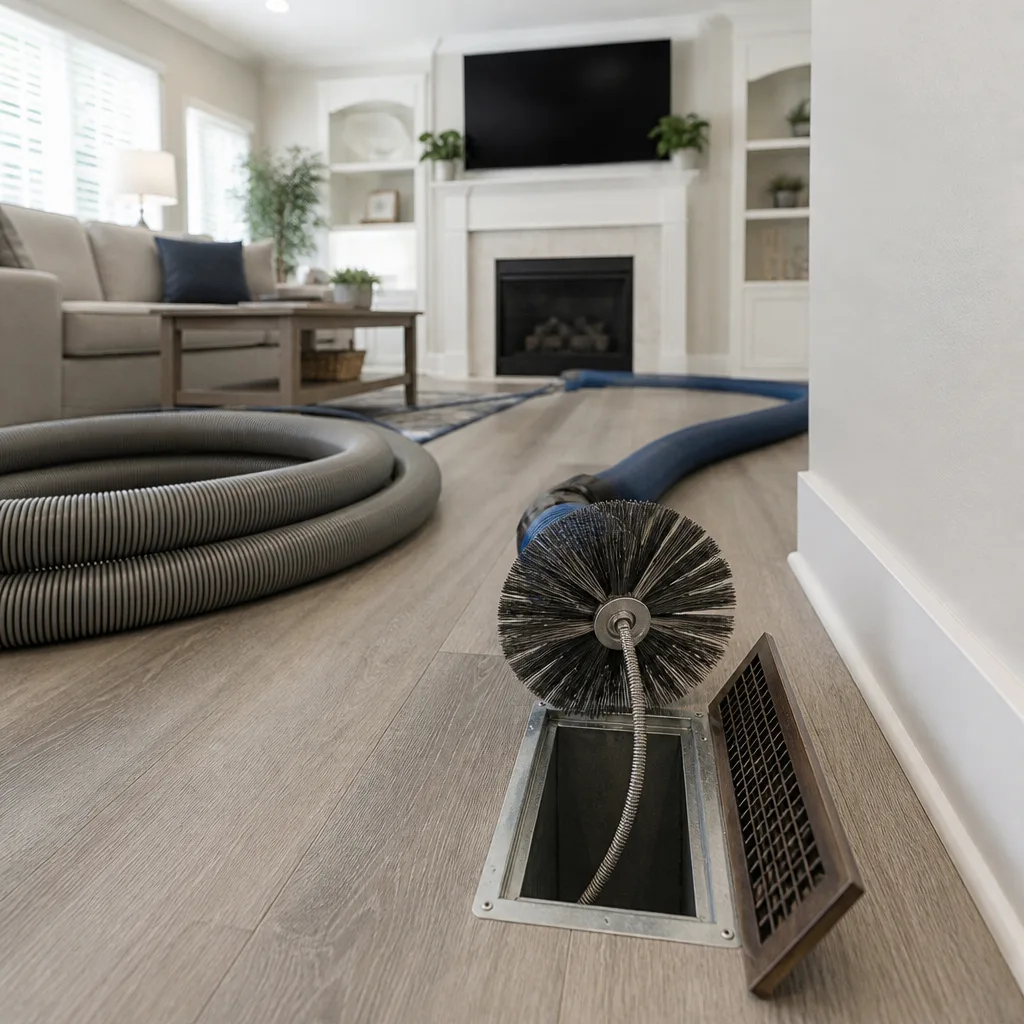
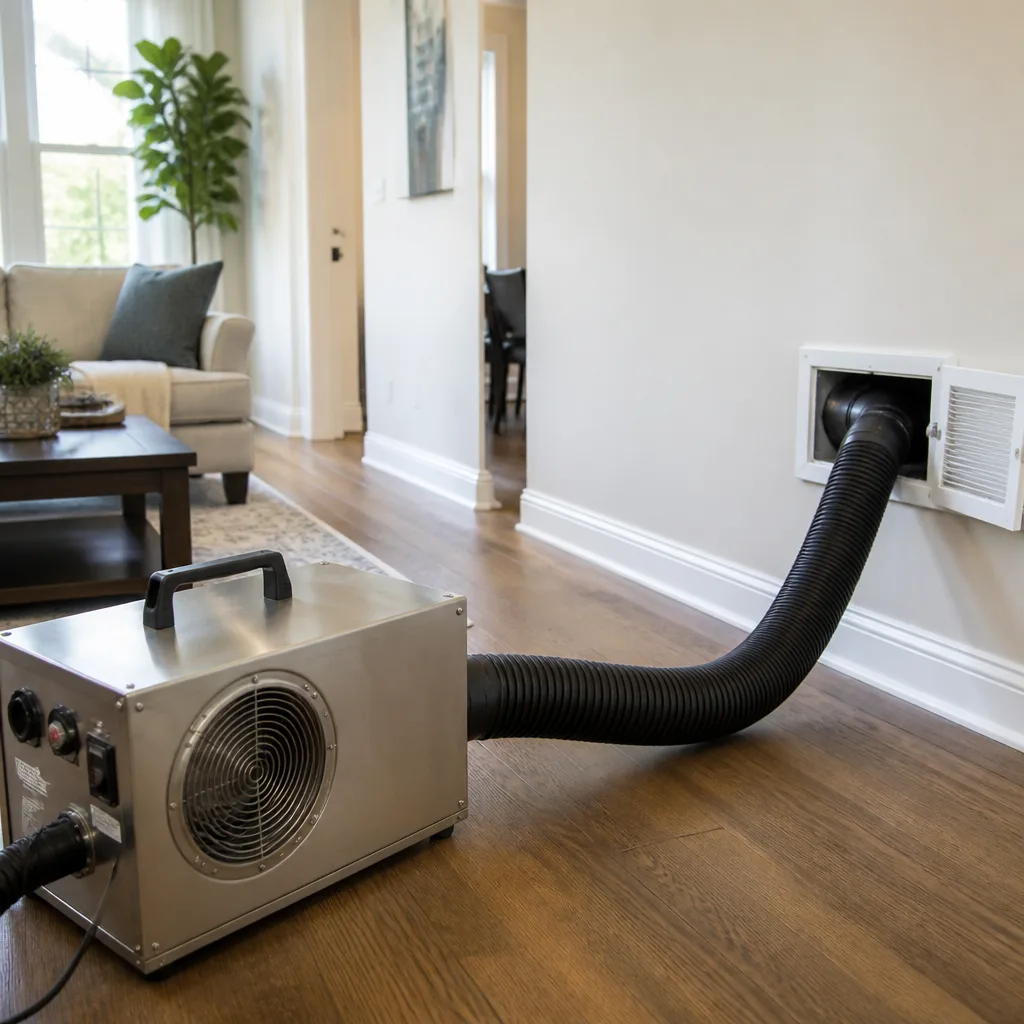
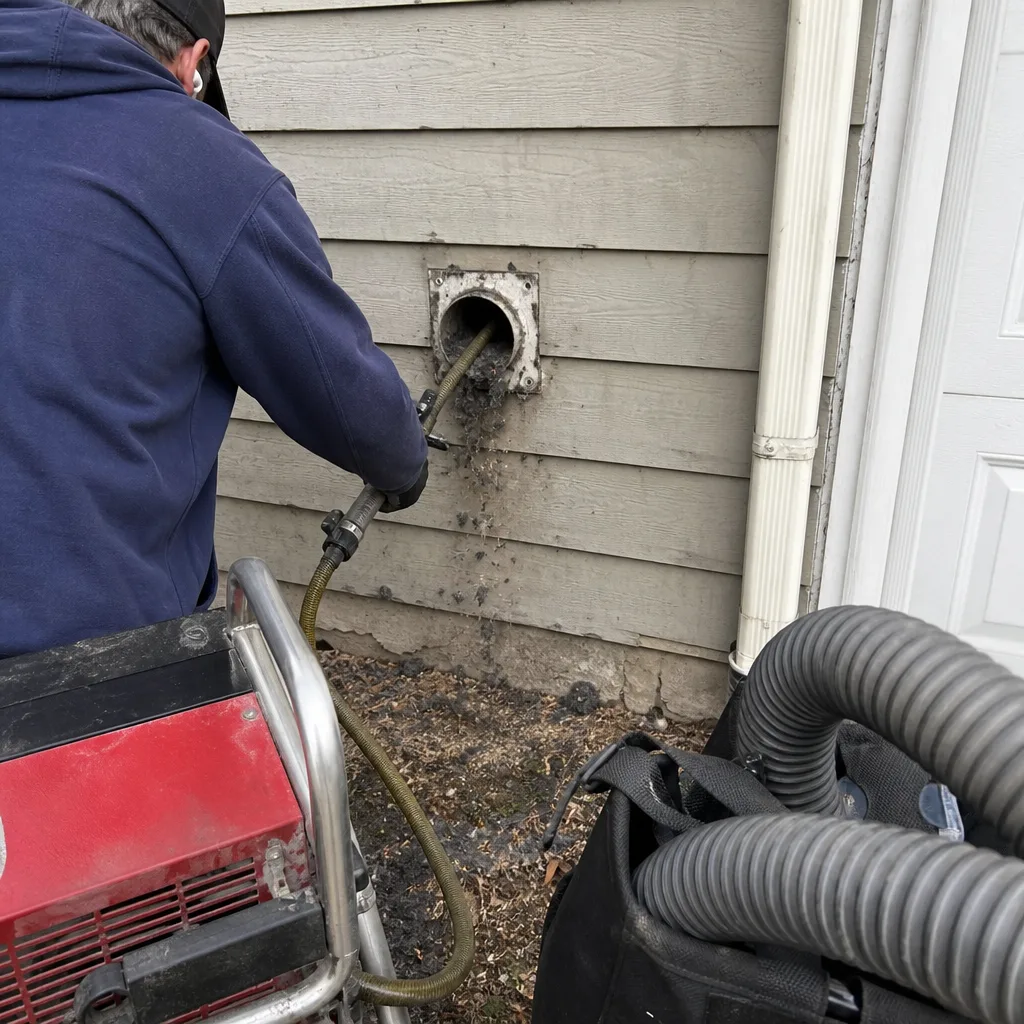 Before
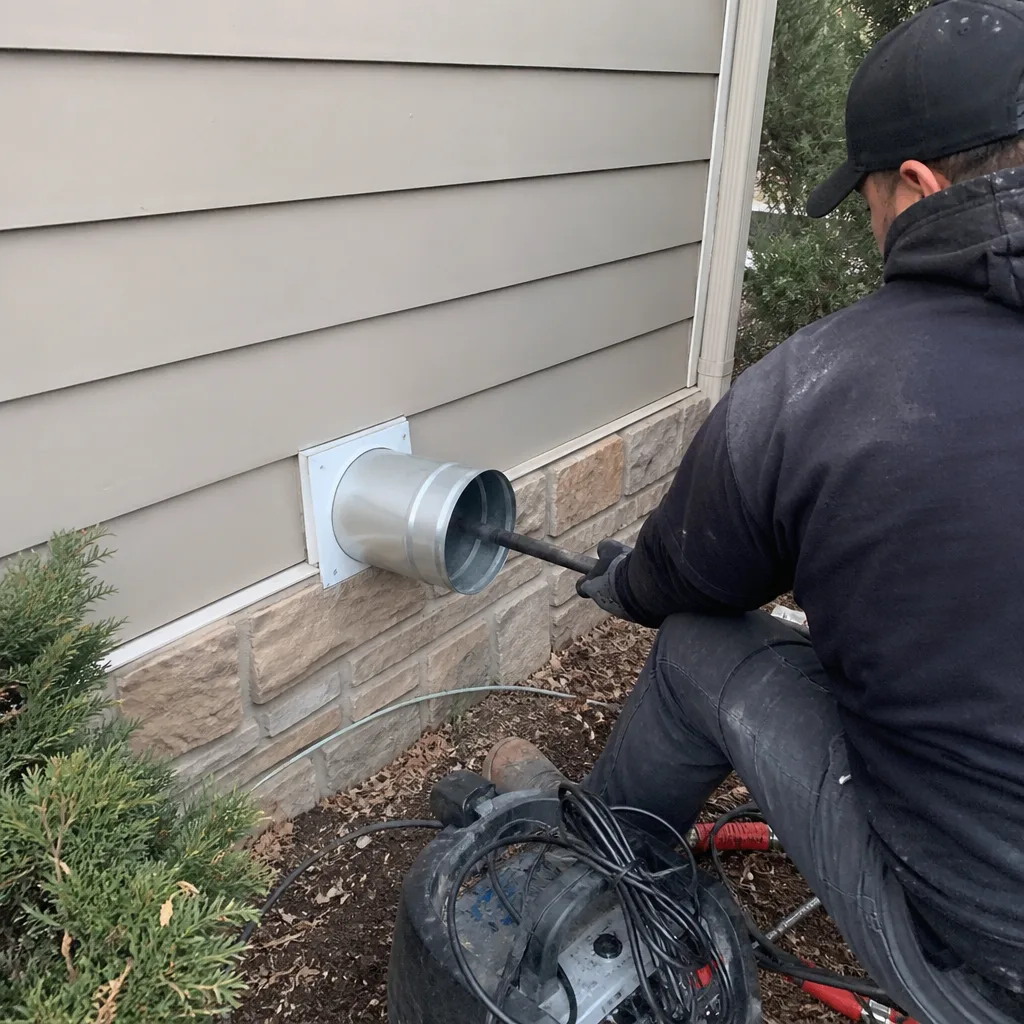 After
After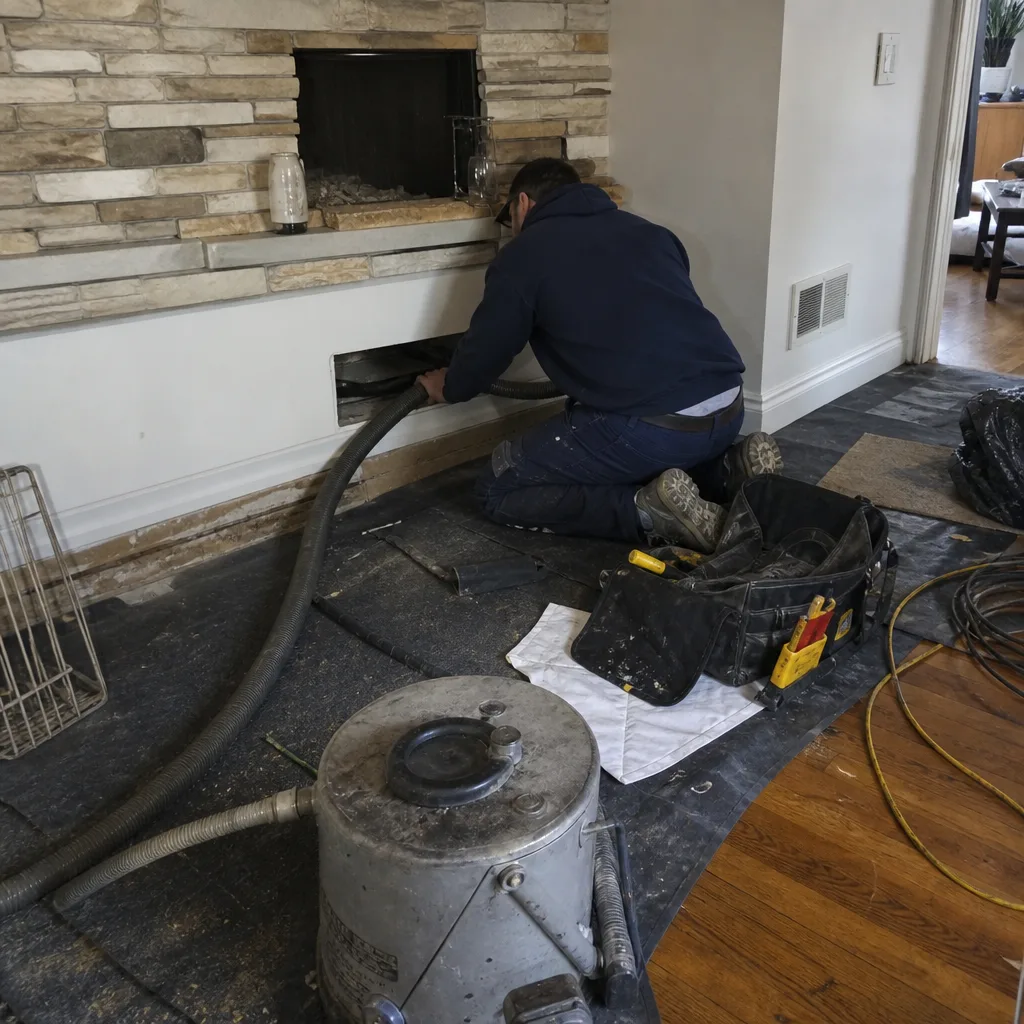 Before
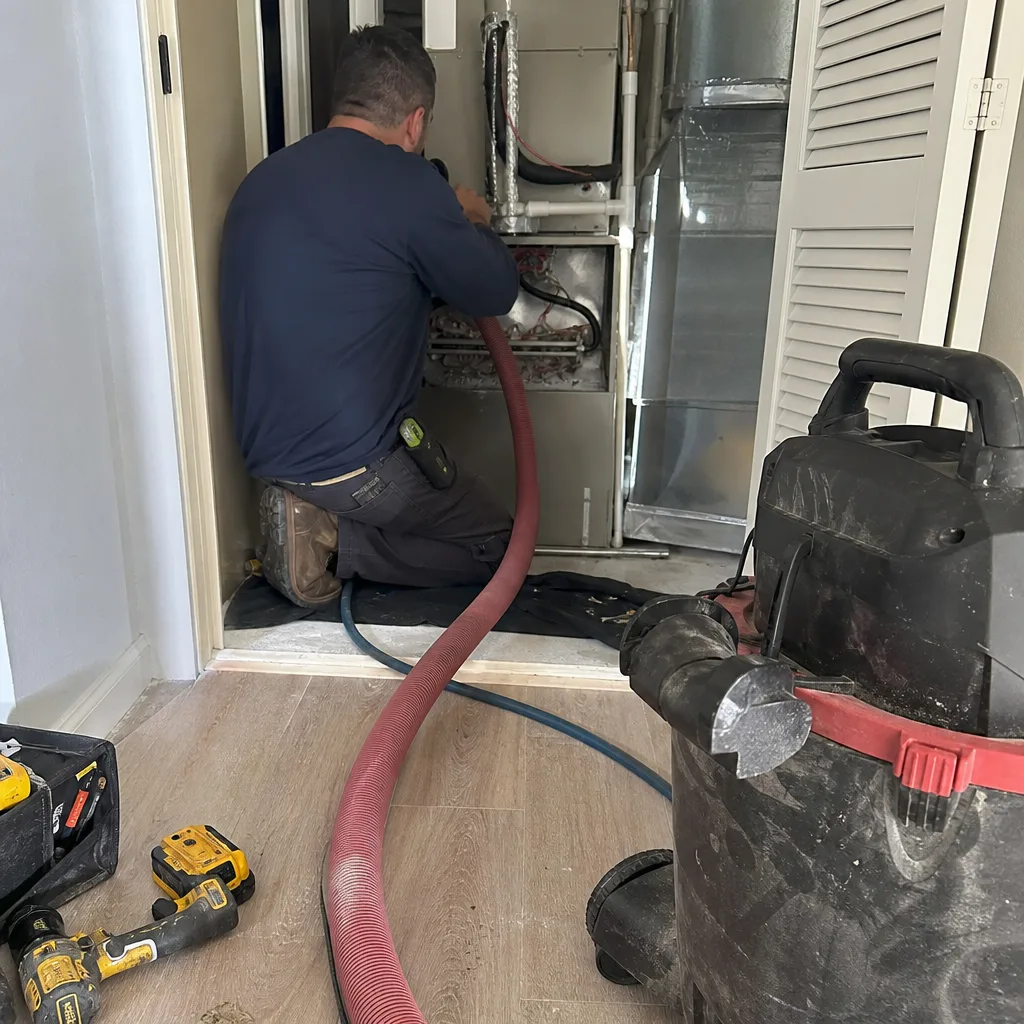 After
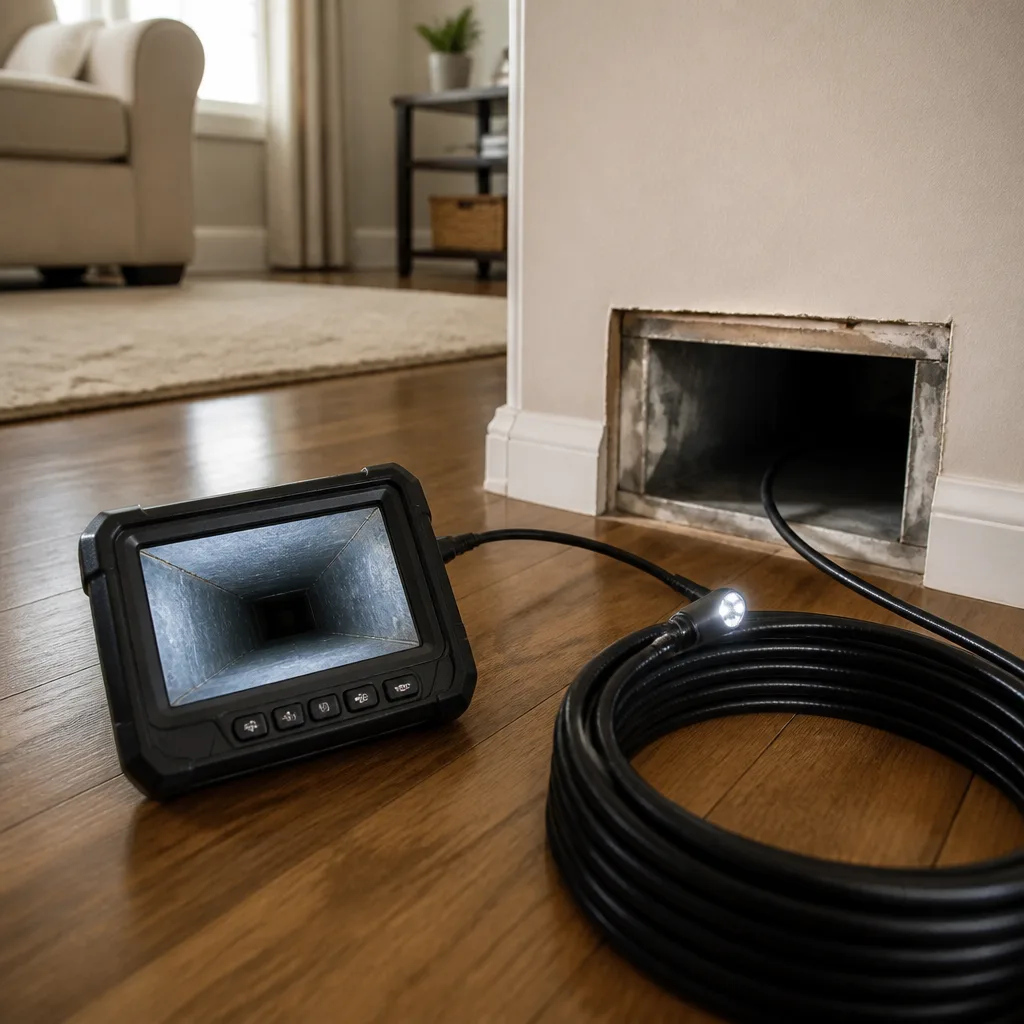
After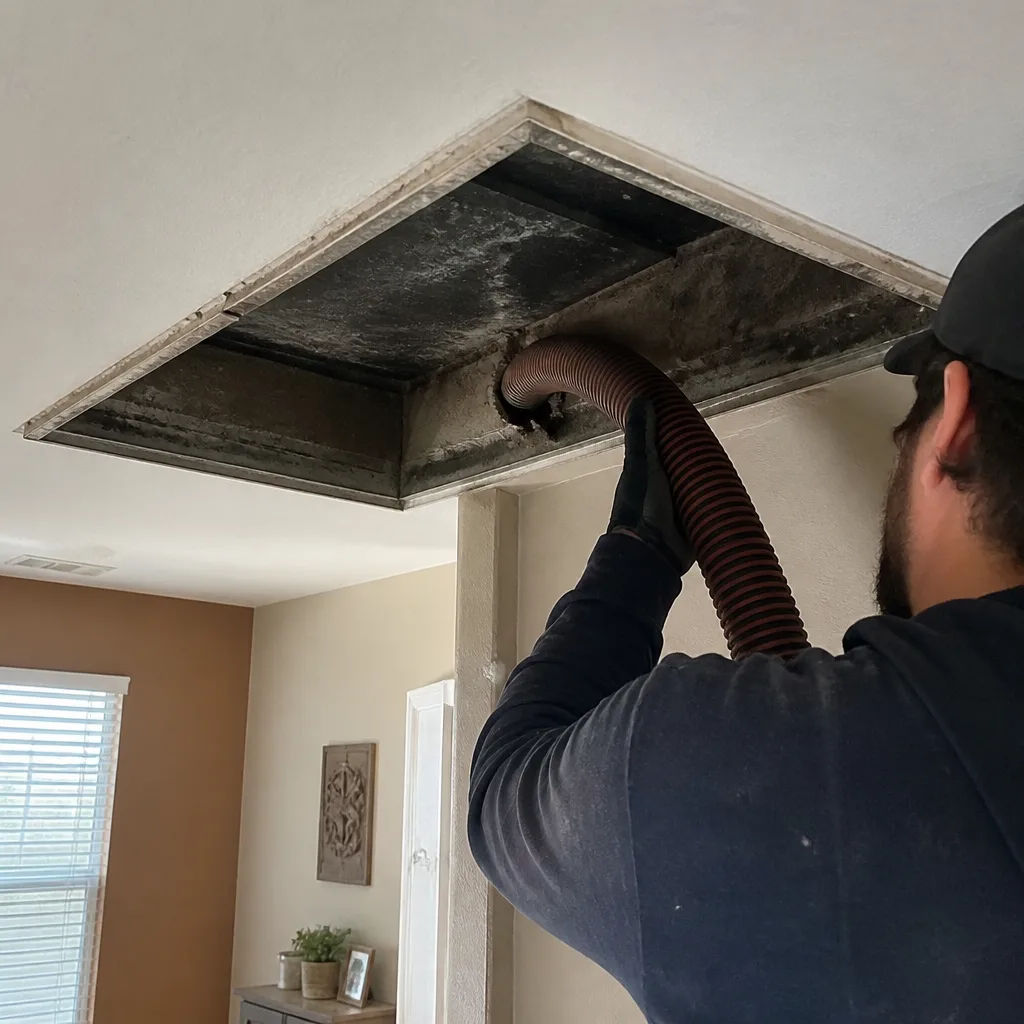 Before
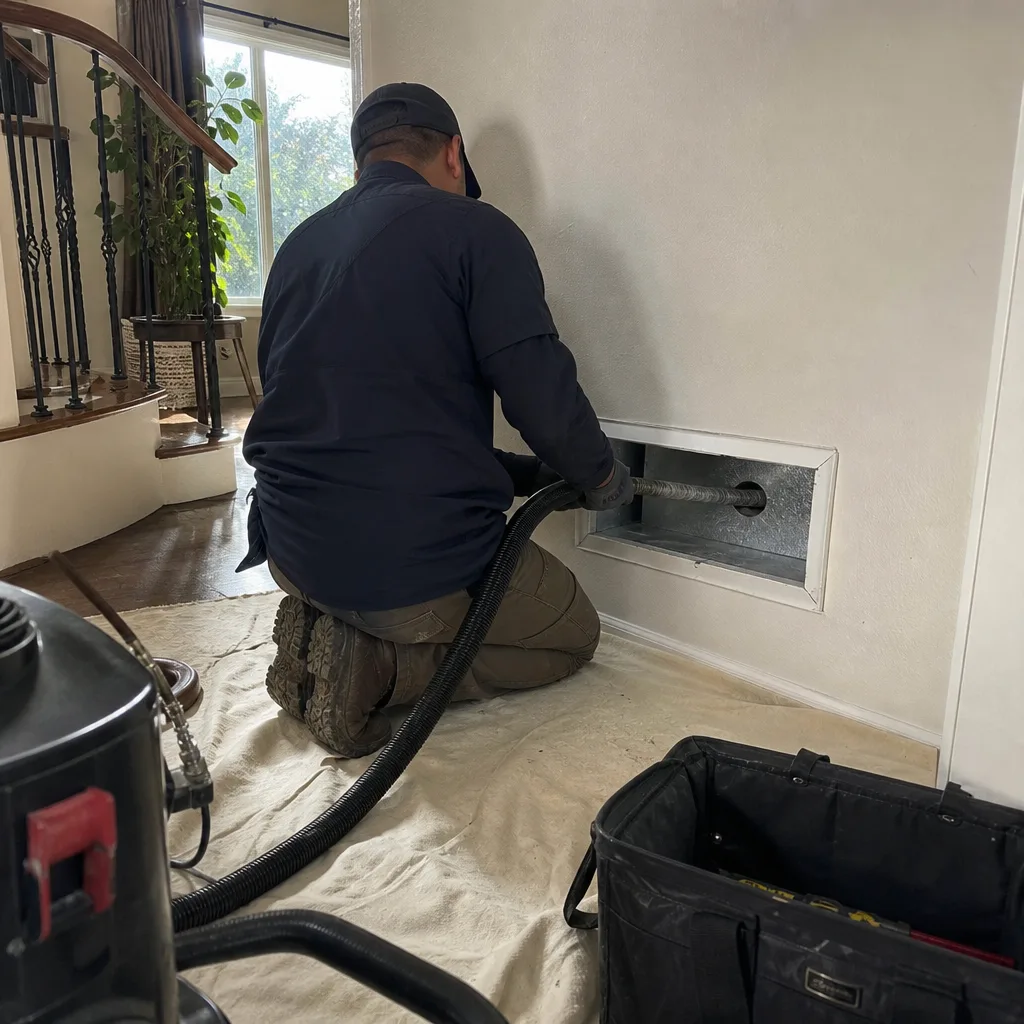 After
AfterHow Much Does Air Quality & Sanitizing Cost in Denver?
Air Quality & Sanitizing services in Denver typically cost between $180 and $850 for a standard single-family home, depending on which treatments are performed, the size of the system, and what the camera inspection actually finds inside the ductwork. Most homeowners in the Denver metro end up spending $250 to $450 when combining a UV germicidal treatment with an EPA-registered antimicrobial application after a full duct cleaning. Written price before any work starts – that’s not a policy option at CleanRun, it’s Haven Standard Clause 1 on every job.
Air Quality & Sanitizing Cost Breakdown (2026)
The table below reflects what CleanRun quotes in the Denver market in 2026. These are real written-price ranges, not estimates pulled from national averages. Denver’s altitude (5,280 feet and above in many neighborhoods), dry climate, and older housing stock in areas like Washington Park, Highlands, and Berkeley create conditions that affect both what grows inside ductwork and what it costs to address it.
| Service | Typical Denver Price Range | Notes |
|---|---|---|
| EPA-Registered Antimicrobial Duct Treatment | $120 – $280 | Applied after cleaning; covers all interior duct surfaces. Abatement Technologies product line used. |
| UV Germicidal Light Installation (single coil-mount) | $250 – $420 | Honeywell or Aprilaire units; installed at the air handler to target mold and bacteria at the source. |
| UV Germicidal Light Installation (dual lamp / whole-system) | $380 – $650 | Recommended for homes with documented mold history or returning allergy symptoms after prior treatment. |
| Whole-Home Ozone or Hydroxyl Shock Treatment | $180 – $320 | Used for heavy odor remediation (smoke, pet, mold). Home must be vacated during ozone treatments. |
| HEPA Filtration Upgrade (media cabinet install) | $300 – $550 | Aprilaire media cabinets replace standard 1-inch filter slots; captures particulates down to 0.3 microns. |
| Mold Testing / Air Quality Sampling (pre-treatment) | $90 – $200 | Third-party lab analysis; CleanRun provides access coordination but does not perform independent lab certification. |
| Sanitizing Only (post-clean spray application, no UV) | $120 – $200 | Entry-level option; appropriate when inspection photos show no active biological growth. |
| Full Air Quality Package (cleaning + antimicrobial + UV installation) | $550 – $1,100 | Most thorough option; includes Documented Photo Record of every duct run before and after. |
A few things push costs toward the higher end of these ranges in Denver specifically. Homes built before 1980 – common in Whittier, Cole, and the Baker neighborhood – often have duct systems that have never been professionally cleaned, which means the antimicrobial application has to work harder and the technician spends more time with negative-pressure extraction to pull debris out before any sanitizing agent goes in. Homes above 6,000 feet (Evergreen, Genesee, and the lower foothills just west of the city) sometimes require equipment adjustments for altitude, which can add time. And any home where the inspection camera finds active mold at the plenum – the main distribution box where conditioned air first enters the duct network – will need a more aggressive treatment protocol than a home where the camera shows dust accumulation without biological growth.
What keeps costs at the lower end: smaller homes (under 1,800 square feet), systems cleaned within the last five years, and jobs where the pre-treatment camera inspection confirms no active contamination – just particulate buildup. In those cases, a standard antimicrobial spray application after cleaning is often all the situation calls for.
What Affects Air Quality & Sanitizing Pricing in Denver
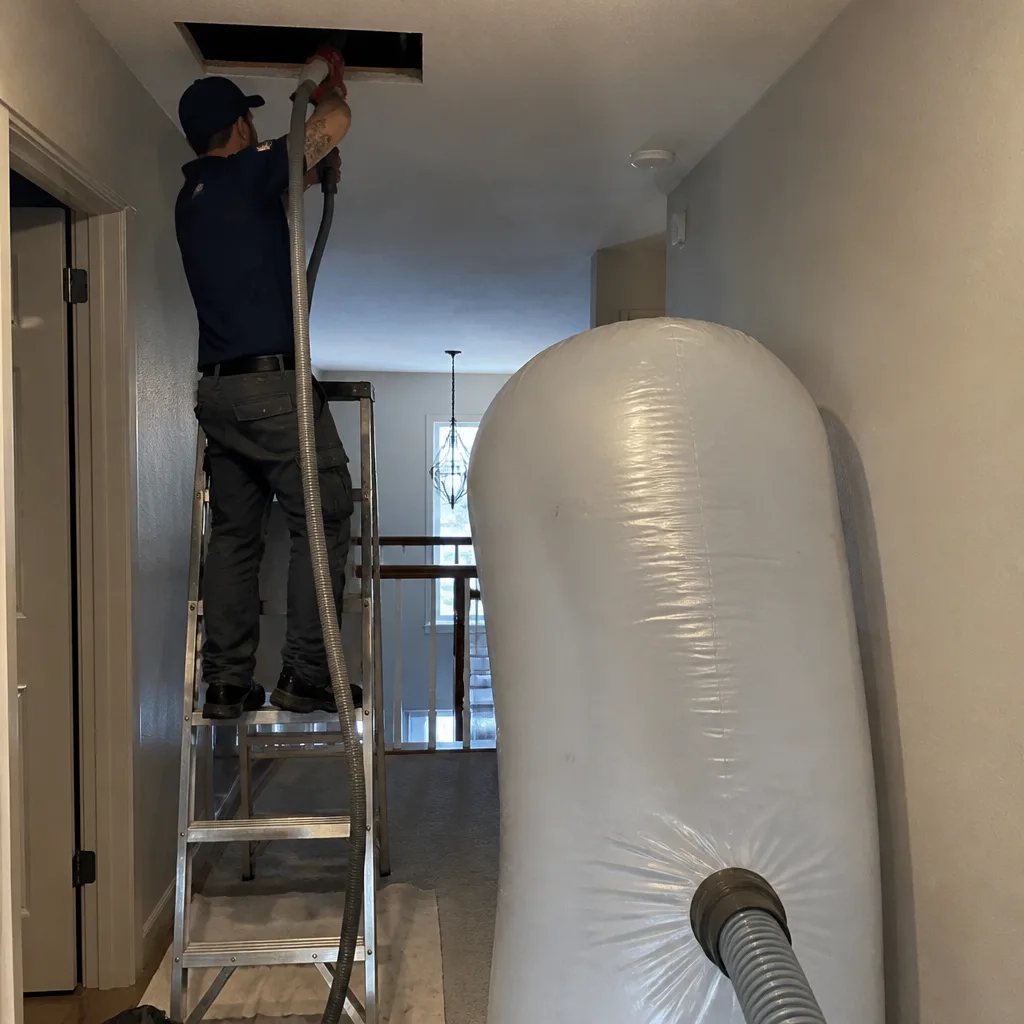
- What the camera actually finds. Every CleanRun job starts with a camera inspection before a price is confirmed. If the inspection at a home in Stapleton shows a 2-inch debris layer at the first elbow off the plenum and visible biological growth near the return air boot, the scope changes – and so does the price. If the camera shows clean duct walls with light dust, the scope (and cost) stays minimal. This is why written prices delivered after inspection are more useful than phone quotes.
- System size and duct run count. A 1,200-square-foot condo in RiNo with eight supply registers costs less to treat than a 3,800-square-foot house in Cherry Hills Village with 22 registers, two air handlers, and a zoned system. Antimicrobial product volume, UV lamp count, and technician time all scale with the system.
- Type of ductwork. Flex duct – the corrugated plastic tubing found in many Denver homes built between 1985 and 2005 – holds biological particulates in its ridges differently than sheet metal. Sanitizing flex duct runs requires more product contact time and careful application to avoid damaging the lining. Sheet metal systems in older Washington Park bungalows are more straightforward to treat.
- Denver’s dry climate and high dust load. At 5,280 feet, Denver air carries fine particulate matter that gets pulled through the system every time the blower runs. That dry, high-altitude dust environment means systems accumulate a particular kind of fine-grained debris that, while not always biological, creates conditions where mold spores that do enter the system find plenty to attach to. Homes that run humidifiers (common in Denver winters) have a higher risk of moisture-related biological growth in the ductwork, which affects both the treatment type and the cost.
- Prior treatment history. A system that was last sanitized three years ago needs a maintenance-level application. A system that has never been treated – which is the case for a large portion of the pre-2000 housing stock in neighborhoods like Harvey Park and Athmar Park – may need a two-stage approach: an initial heavy application, a dwell period, and a follow-up rinse extraction before the system is sealed back up.
- UV system selection and access. Installing a Honeywell or Aprilaire UV lamp at a standard upflow air handler in a basement is straightforward. Installing a dual-lamp system in a horizontal unit tucked into an attic crawl space – more common in certain Wash Park and Platte Park ranch conversions – takes longer and may require additional labor time, which affects the final written price.
BeforeAfterHow to Save on Air Quality & Sanitizing in Denver
The most reliable way to control cost is to start with an accurate diagnosis. Homeowners who call three companies and accept the lowest phone quote often end up paying twice: once for the cheap job, and again when the symptoms (allergies, odors, visible mold at registers) return six months later. A written scope of work – with photos of what was found before treatment – is the baseline document that lets you compare quotes honestly.
Bundle sanitizing with a duct cleaning. Antimicrobial treatment applied to a dirty duct system is less effective than treatment applied after a full negative-pressure cleaning, where the debris has already been extracted and the duct walls are exposed. CleanRun prices the combined job at a lower per-component cost than two separate visits, and the documented before-and-after photo record covers both services in one set of deliverables.
Request a free second opinion before committing to UV installation. UV germicidal lights are genuinely useful in the right situations – documented recurring mold, verified biological contamination at the coil, or a household with immunocompromised members. They’re less necessary when the camera inspection shows clean duct walls and the issue is particulate dust rather than biological growth. CleanRun offers a free second opinion on any written estimate, which means if a competitor has quoted you a UV system, we’ll put our own assessment in writing next to theirs at no cost. Call (720) 799-2292 and ask for the second opinion appointment.
Schedule before allergy season peaks. Denver’s allergy season runs roughly March through June, with a secondary spike in late August from ragweed. Scheduling a sanitizing job in January or February – before the pollen load increases and before HVAC systems start running continuously – typically means shorter lead times and no premium scheduling pressure.
Ask what the written price includes, line by line. “Sanitizing” can mean a fogging agent applied to the main trunk only, or it can mean a full-system EPA-registered antimicrobial application with dwell time and extraction, documented at every register. Those are different services at different price points. Under Haven Standard Clause 1, CleanRun’s written price specifies exactly what is being done, what product is being used, and what the customer receives when the job is complete. That specificity is what makes comparison shopping meaningful.
Don’t skip the inspection photos. The Documented Photo Record included on every CleanRun visit is not a bonus – it’s the record you’ll need if symptoms return and you want to compare the state of the system before and after treatment. It also tells you whether the sanitizing agent actually reached the duct walls or was applied at the register face only, which is a common shortcut in discount-tier jobs.
FAQs – Air Quality & Sanitizing Cost in Denver
How much does air duct sanitizing cost in Denver in 2026?
A standard antimicrobial duct sanitizing treatment in Denver costs $120 to $280 when applied after a professional cleaning. If the job includes UV germicidal light installation, the total ranges from $370 to $700 depending on the lamp type and system configuration. Homes with active biological growth or a documented mold history should expect the full-package range of $550 to $1,100. Every CleanRun price is written before work starts – call (720) 799-2292 and we’ll schedule a camera inspection and deliver a written price the same visit.
Is UV light sanitizing worth the cost in Denver?
UV germicidal light installation costs $250 to $650 in the Denver market and is worth the investment when the camera inspection confirms biological growth at the coil or repeated mold presence in the duct system. Denver’s low humidity in summer actually reduces moisture-driven mold risk compared to coastal markets, but homes that run whole-house humidifiers during the dry winter months create conditions where coil-area biological growth is documented more frequently. If the camera inspection shows clean duct walls and the complaint is dust rather than odor or allergy symptoms, a UV system may not change the outcome – and CleanRun will say so in writing before quoting one.
Do I need air duct cleaning before sanitizing, or can I skip it?
Sanitizing without cleaning first is consistently less effective. Antimicrobial agents applied over a debris layer – dust, dander, insulation fibers – sit on top of the contamination rather than reaching the duct wall surface. The EPA’s guidance on duct cleaning supports this sequence: extraction first, treatment after. At CleanRun, the sanitizing price assumes a cleaned system. If you’ve had duct cleaning done recently (within 12 months) and have the documentation to confirm it, we can assess the system on camera and quote a treatment-only job. Call (720) 799-2292 and describe what you have in writing – we’ll tell you honestly whether a standalone sanitizing visit makes sense.
How long does air quality and sanitizing service take in a Denver home?
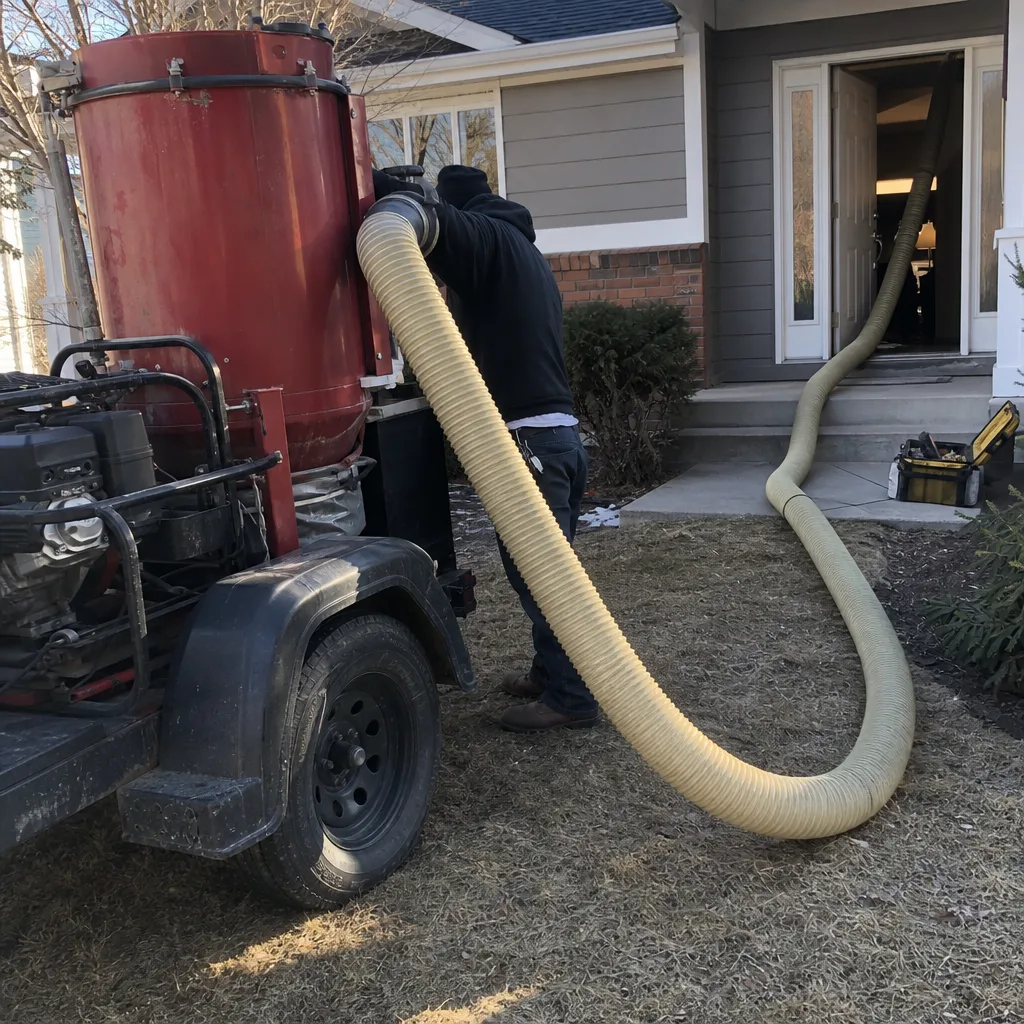
A sanitizing-only application on a previously cleaned system takes 1.5 to 2.5 hours in a typical Denver single-family home. When combined with a full duct cleaning, the job runs 3 to 5 hours depending on system size and duct run count. UV lamp installation adds 30 to 90 minutes depending on air handler accessibility. In homes with horizontal air handlers in attic spaces – a configuration seen in a number of Platte Park and Sunnyside renovations – allow for the longer end of that range. The Documented Photo Record is completed during the job, so no additional time is required after the technician leaves.
What’s the difference between a $79 coupon sanitizing job and a professional air quality service?
The price difference starts at the equipment and the documentation. A $79 coupon job typically involves a fogging agent applied at the register face without negative-pressure extraction – the duct interior is not photographed, the product contact time is not documented, and there is no written warranty covering the result. A professional air quality service uses EPA-registered antimicrobials applied under negative pressure (meaning the HVAC system is sealed and a Nikro or Abatement Technologies extraction unit pulls air through the system while the agent is applied), every duct run is photographed before and after, and the result is covered under a written guarantee. At CleanRun, that’s the 365-Day Done Right Promise: if the documented outcome doesn’t hold, we make it right – in writing, not at a manager’s discretion. The written price for that level of service starts at $180 for a sanitize-only application and scales from there based on what the inspection camera shows.
What CleanRun Includes on Every Air Quality & Sanitizing Job in Denver
Tomas Reyes built CleanRun’s service model around one idea: a customer should be able to verify every claim before agreeing to any price. That means the written price comes before any panel comes off. The camera goes in before the quote is confirmed. The before-and-after photo record is a standard deliverable, not an upgrade. And the 365-Day Done Right Promise is written on the job document, not stated verbally and forgotten when the truck leaves.
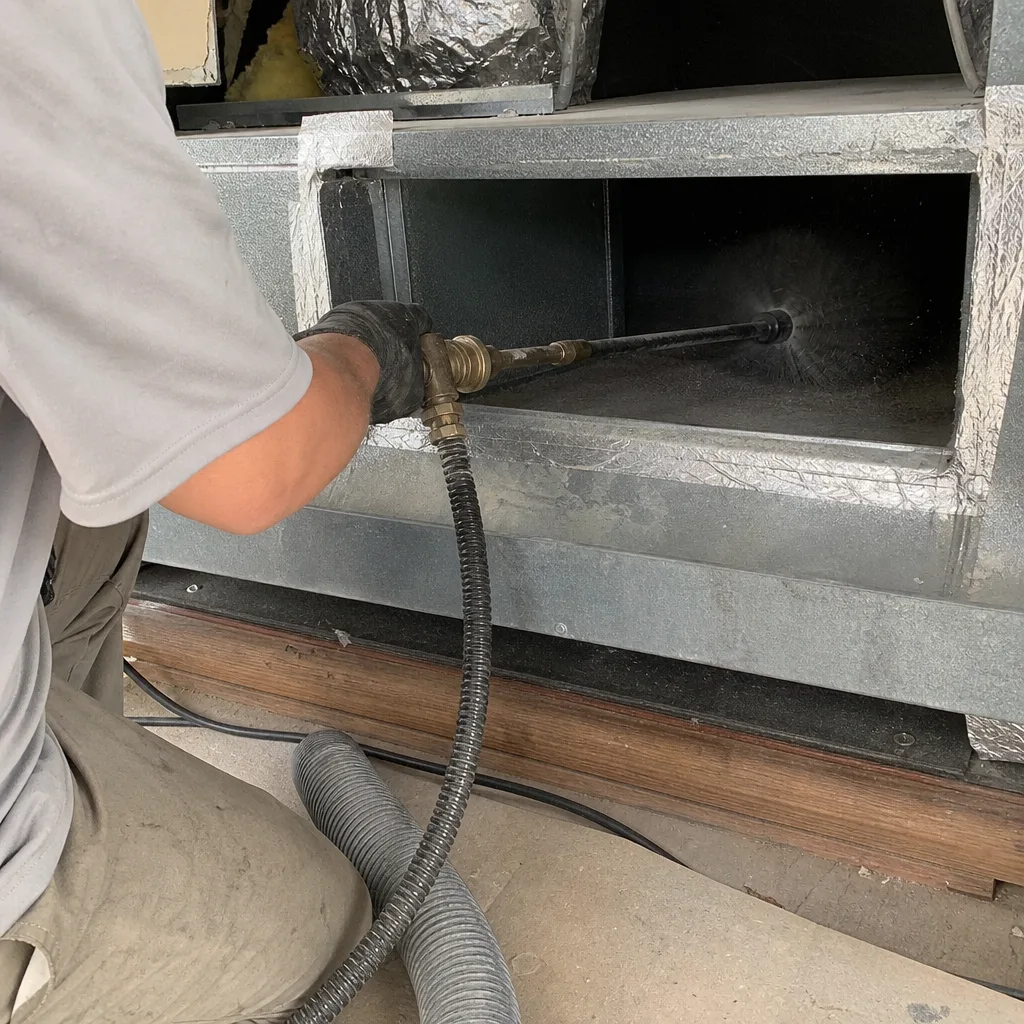
For Air Quality & Sanitizing in Denver, that documentation record matters more than it does for almost any other HVAC service – because the results of a sanitizing job are invisible once the ductwork is sealed back up. The before photo shows what was in the system. The after photo shows what the duct wall looks like after treatment. Those two images are what separate a documented result from a claim you have no way to verify.
Equipment on air quality jobs includes Abatement Technologies application units for antimicrobial treatments, Honeywell and Aprilaire UV systems for germicidal light installation, and Nikro negative-pressure extraction units to ensure the duct system is under proper vacuum during treatment. These are trade-recognized brands that customers can look up independently – CleanRun names them because Haven Standard Clause 1 means the written price specifies exactly what is being used, not just what category of equipment is involved.
Technicians are background-checked, uniformed, and identified by name before arrival – Haven Standard Clause 3. If you’re getting a quote from a competitor and they can’t tell you which UV brand they’re installing or which antimicrobial product they’re applying, that’s a meaningful data point before you sign anything.
Since 2013, CleanRun has completed work in more than 52,000 homes across the Denver metro, from LoHi and Capitol Hill to Centennial and Arvada, with a written price on every one and a photo record when the crew left. That’s the whole service model, applied the same way on a $180 sanitizing job as on a $1,100 full air quality package.
For a more complete picture of how CleanRun operates and what the H.A.V.E.N. Standard covers, visit the home page – the written guarantee terms, equipment list, and credential information are all there without a phone call required.
Key Takeaways: Air Quality & Sanitizing Costs in Denver
- Standard antimicrobial duct treatment in Denver: $120 to $280 after cleaning.
- UV germicidal light installation: $250 to $650 depending on lamp type and access.
- Full air quality package (cleaning + sanitizing + UV): $550 to $1,100.
- Sanitizing without prior cleaning is less effective – extraction first, treatment after.
- Denver’s dry climate reduces humidity-driven mold risk in summer but winter humidifier use creates documented coil-area growth in many homes.
- Every CleanRun price is written before work starts, every duct run is photographed before and after, and every job is covered by the 365-Day Done Right Promise.
- Free second opinion available on any written competitor estimate – call (720) 799-2292.
Get a Written Price for Air Quality & Sanitizing in Denver
If you want to know what’s actually in your duct system before agreeing to any treatment, call CleanRun at (720) 799-2292. A live person answers every call. Tomas Reyes and the CleanRun team will schedule a camera inspection, show you what the inspection finds, and deliver a written price before any work begins. No “call for a quote” ambiguity, no surprise charges after the job. Just a written scope, a documented photo record when the crew leaves, and the 365-Day Done Right Promise in writing on the job document.
Written by Tomas Reyes, Owner at CleanRun Air Duct Cleaning Denver, serving Denver, CO since 2013.
Pricing reflects the Denver market as of 2026. CleanRun Air Duct Cleaning Denver offers free estimates – call (720) 799-2292.
What Our Customers Say
"The before and after photographs of each run are the reason I used them. You cannot argue with what came out of the return."
- Marguerite O."My allergies genuinely improved. They also told me the ducts did not need sealing, which I had been quoted for elsewhere."
- Petra K."On time, professional, and explained what the readings meant without talking down to me."
- Warren E.