
Whole-system duct and dryer vent check with before-and-after photos - you see exactly what came out of your vents
That "$99 whole-house special" is a bait ad - the real number appears once they are in your hallway, or the "clean" is a shop-vac at the register. We photograph the inside of your ducts before and after instead.
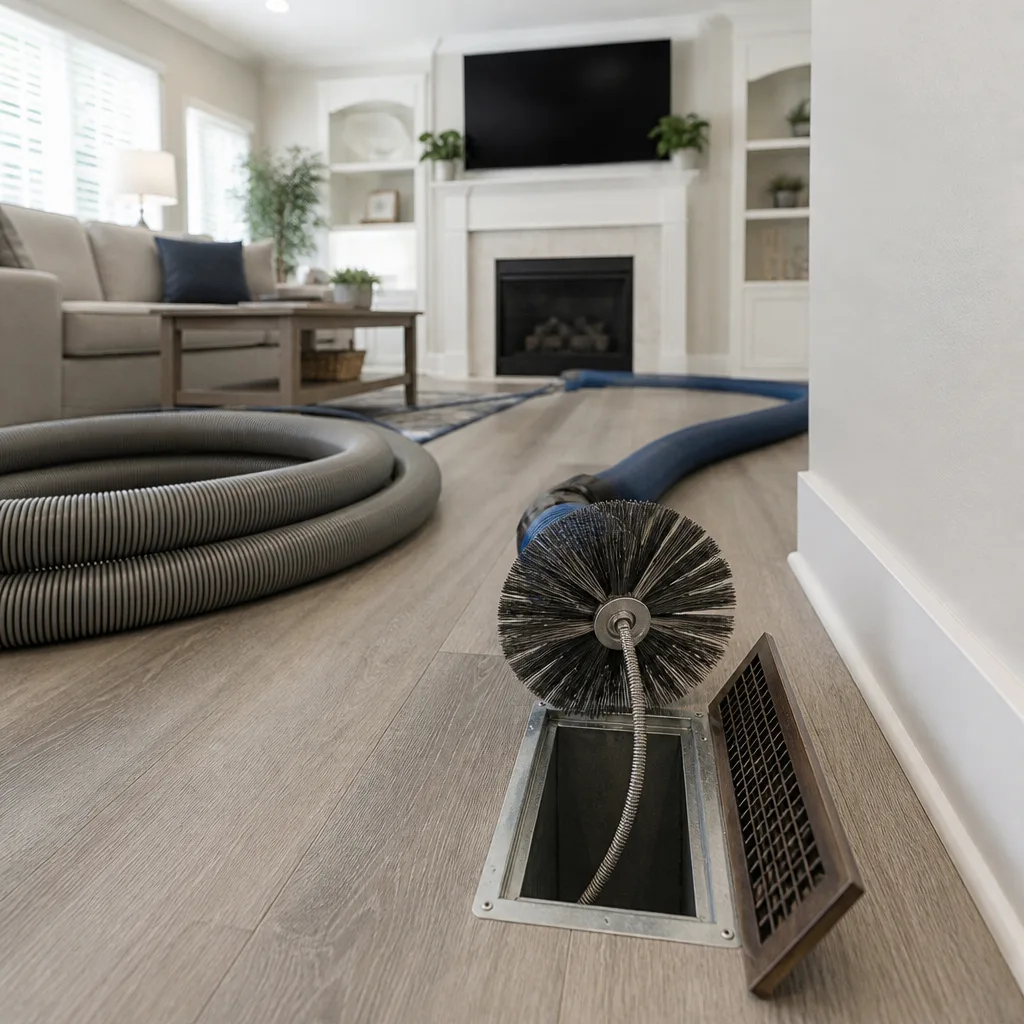
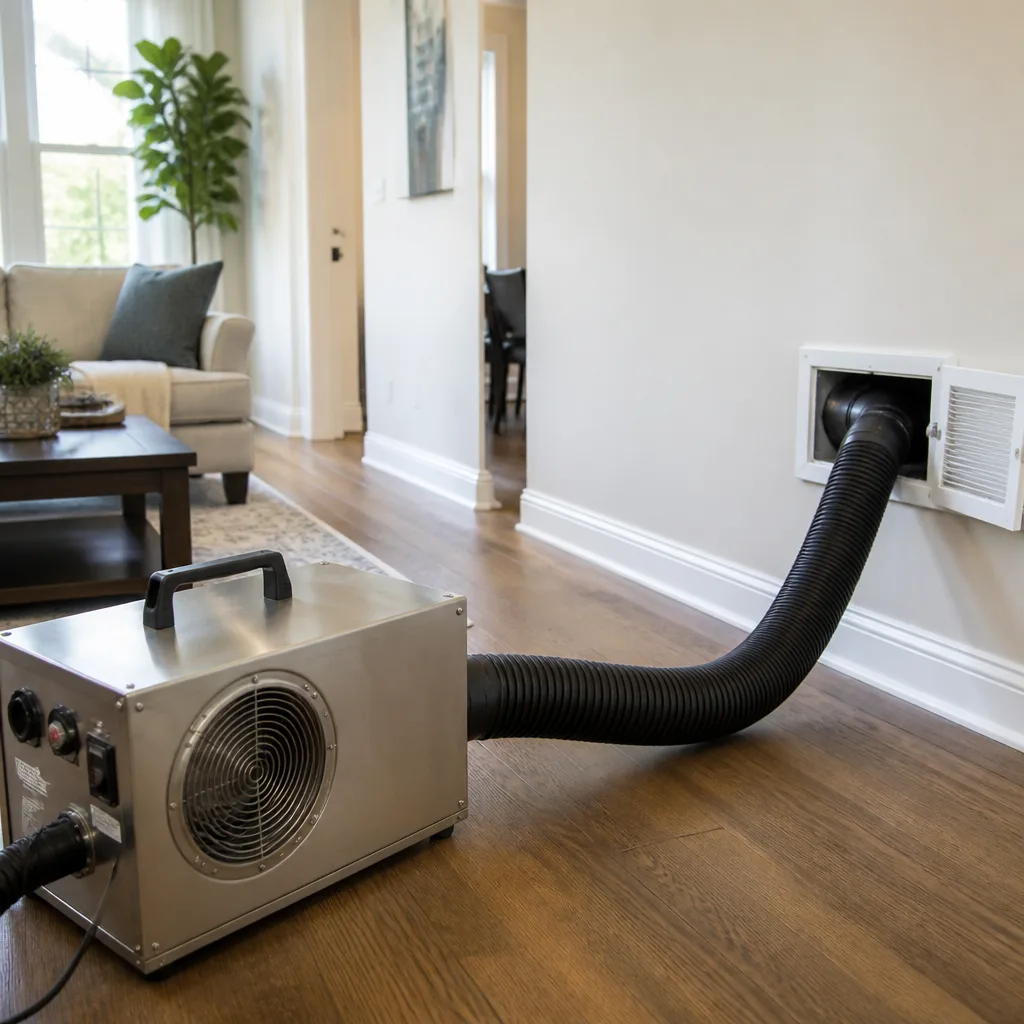
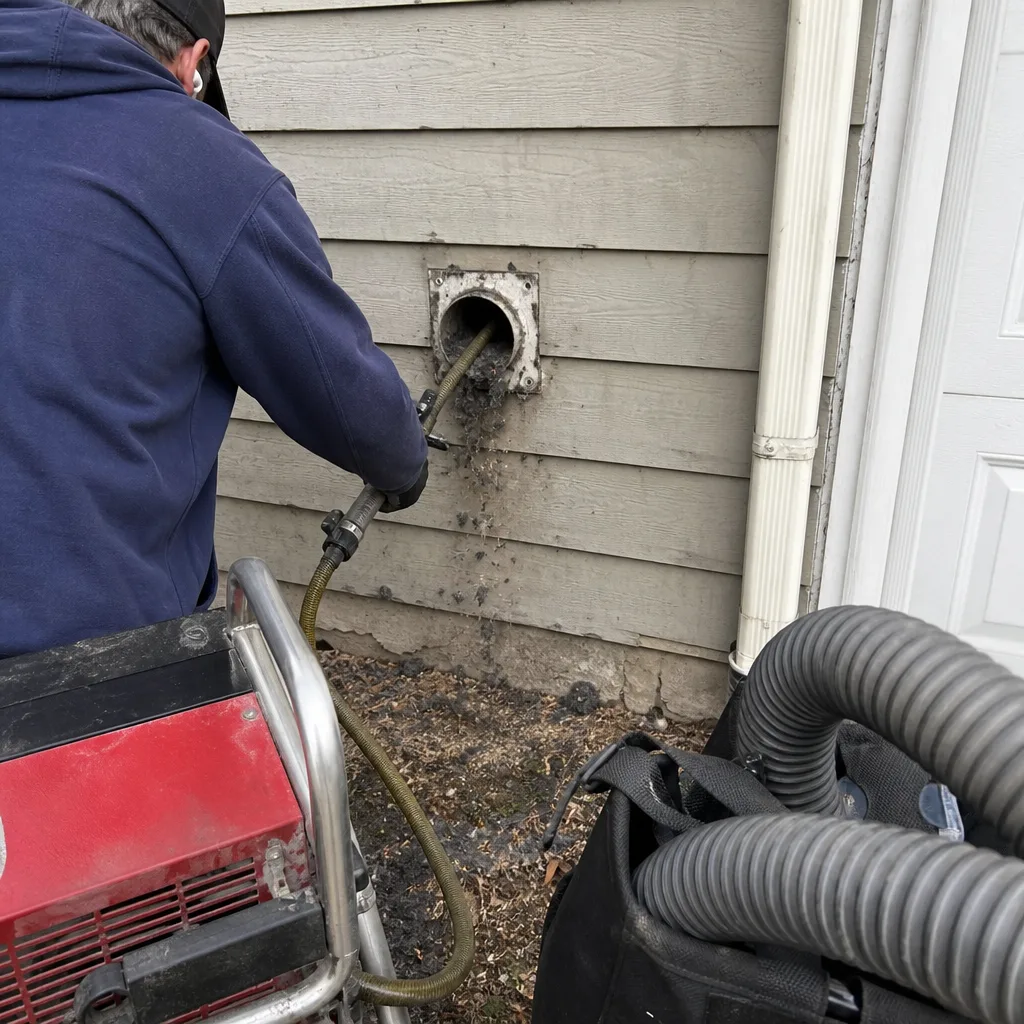 Before
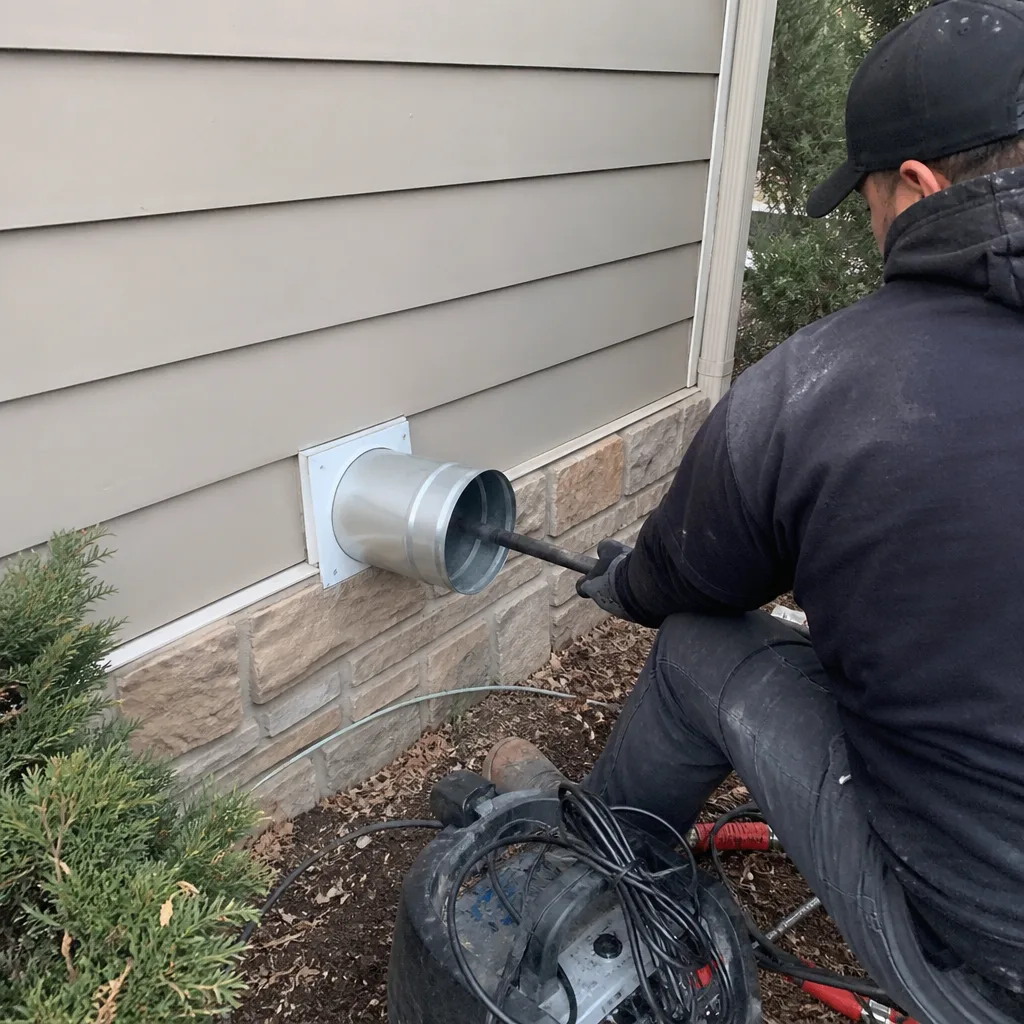 After
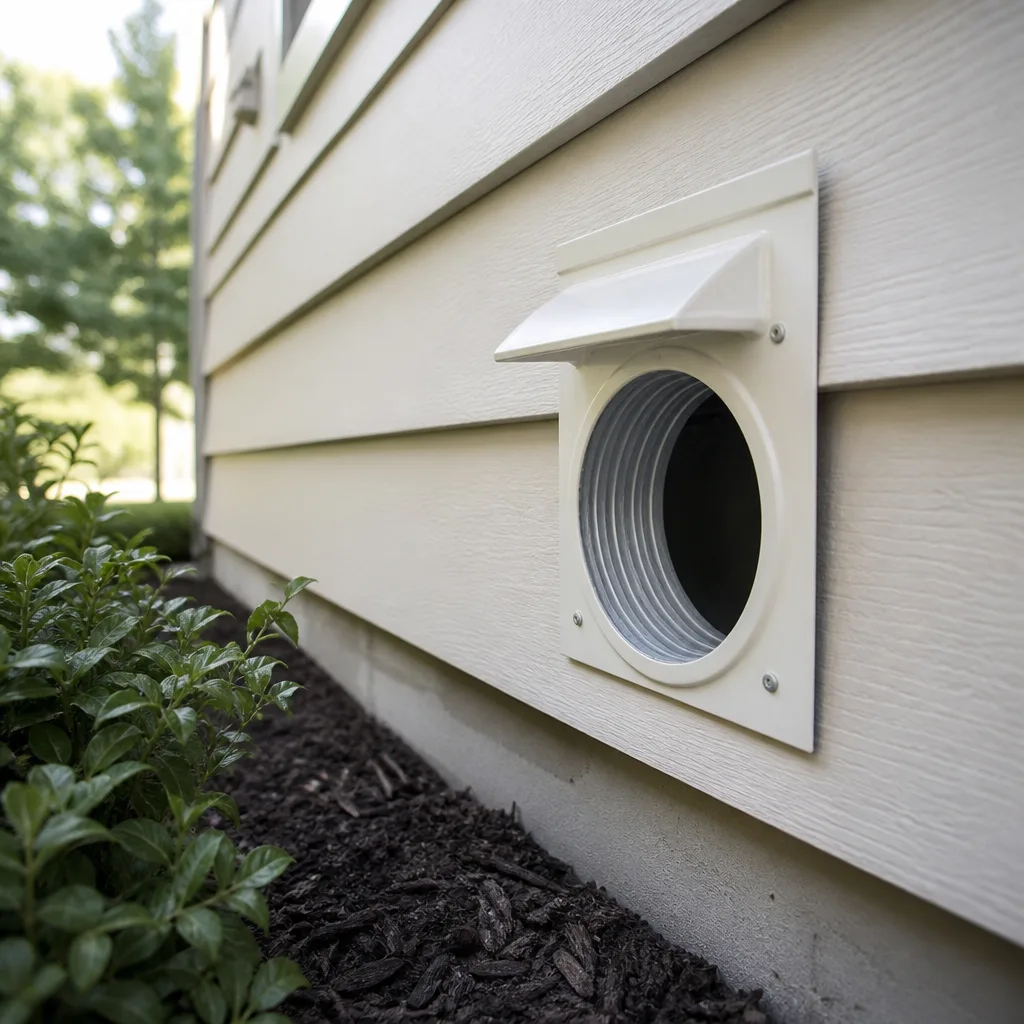
After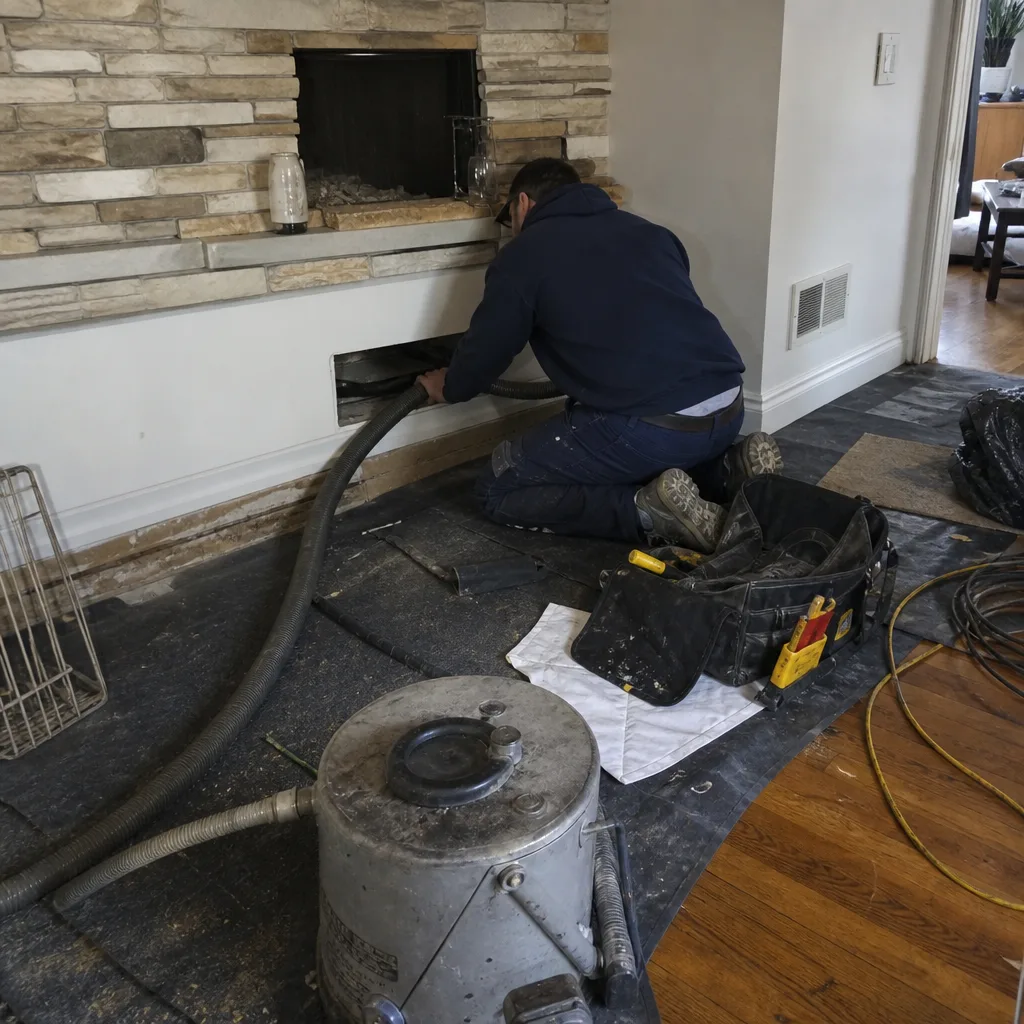 Before
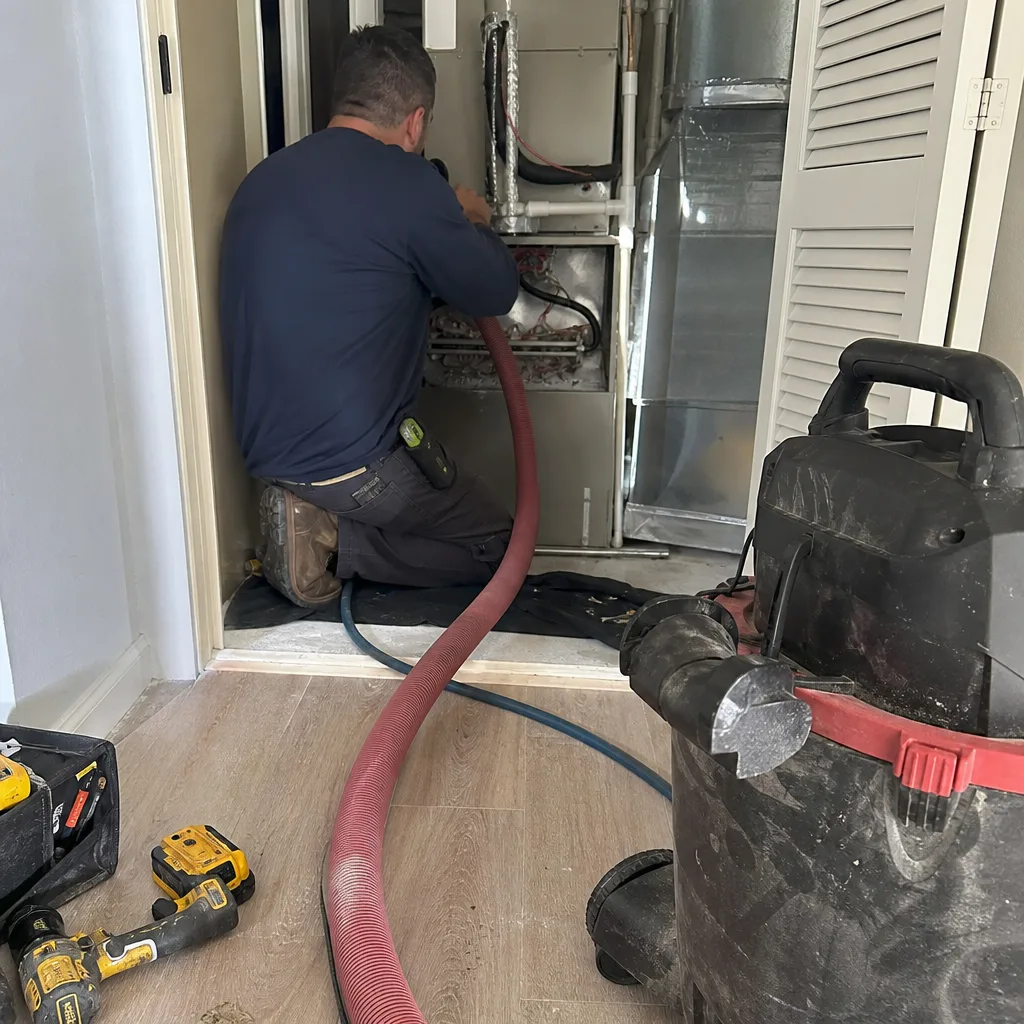 After
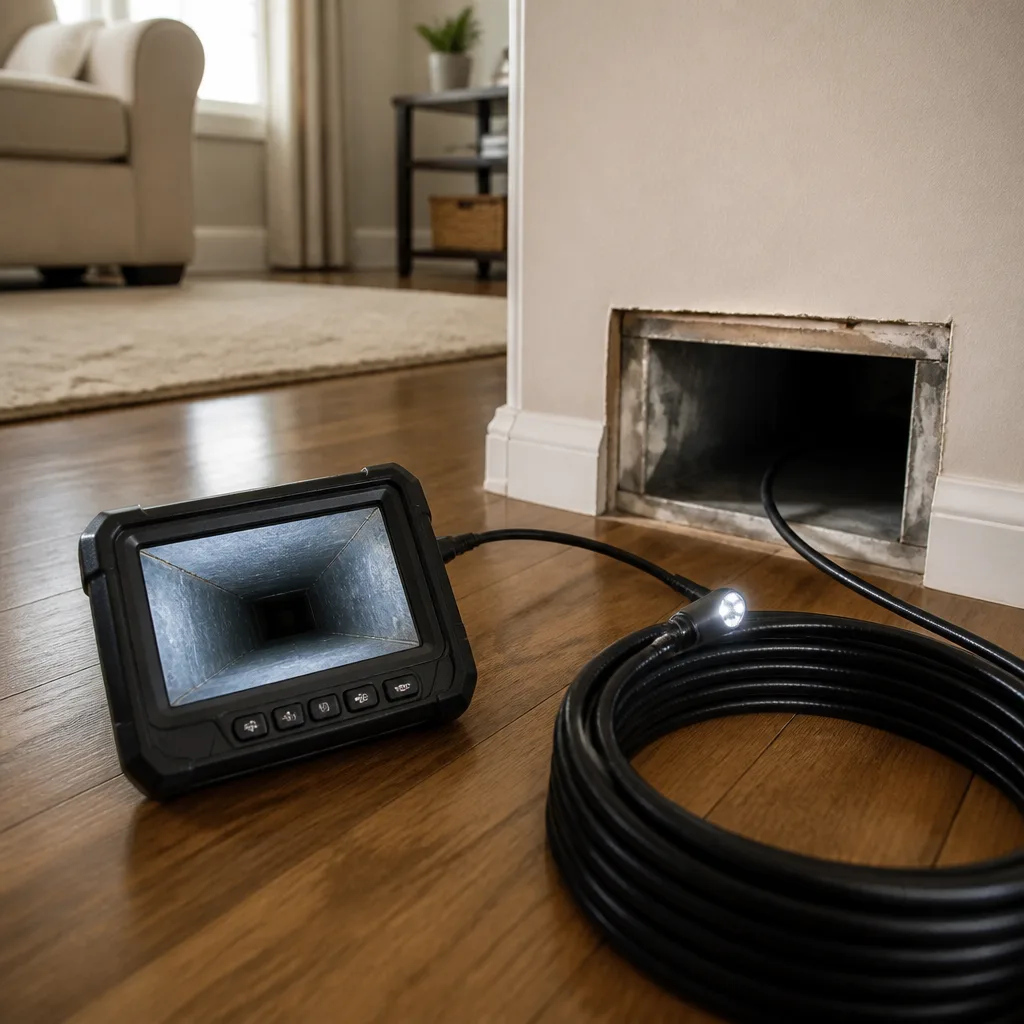
After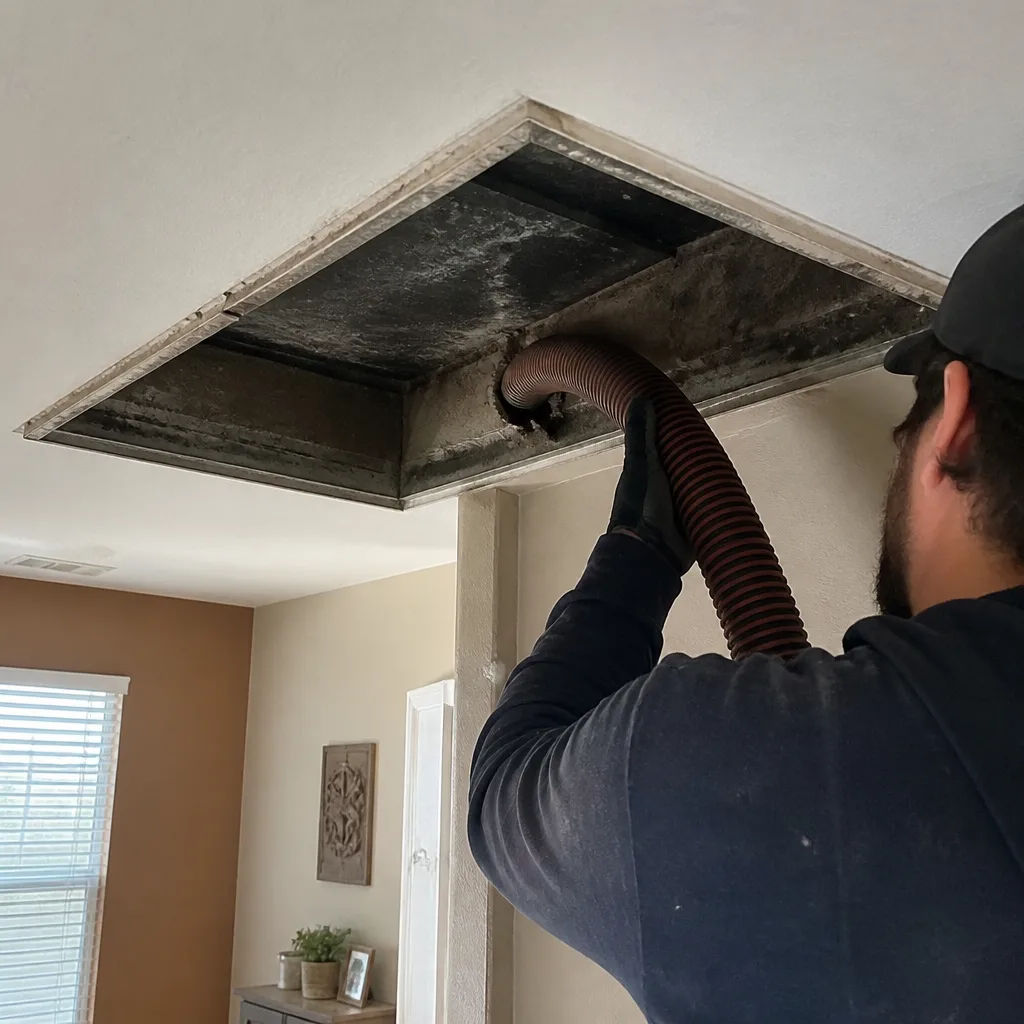 Before
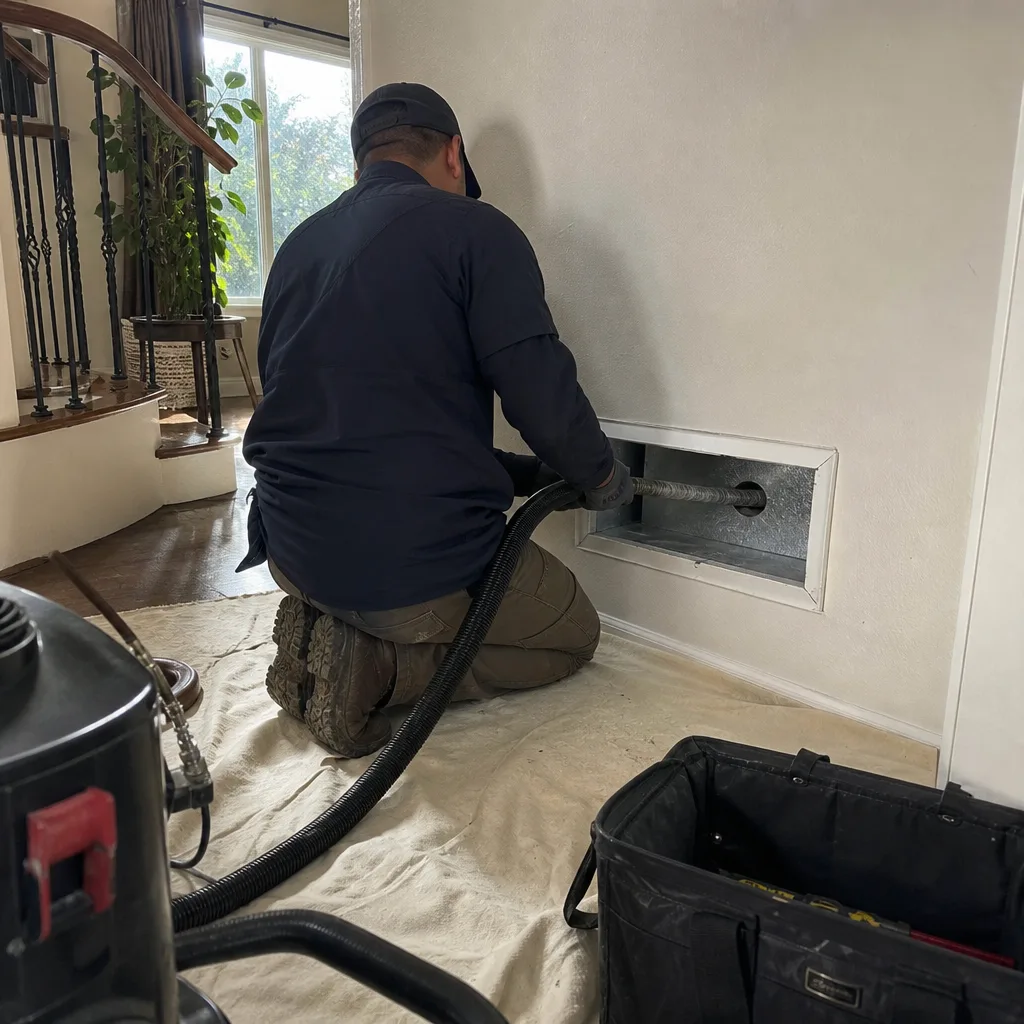 After
AfterHow Much Does Air Duct Cleaning Cost in Denver?
Air duct cleaning in Denver typically costs between $299 and $699 for a standard single-family home, with most jobs landing around $350-$450 depending on system size and duct condition. Homes with larger systems, significant debris buildup, or add-on services like dryer vent cleaning or sanitizing will run toward the higher end of that range. At CleanRun, every price is written before any work begins – no estimates delivered over the phone, no adjustments once the crew is inside.
Air Duct Cleaning Cost Breakdown (2026)
Denver’s duct cleaning market in 2026 spans a wide range – from $79 coupon operations that send a residential shop-vac and call it done, to documented professional cleaning that leaves you with a photo record of every run. The table below reflects what real work costs in this market, broken down by service type.
| Service | Typical Denver Price Range (2026) |
|---|---|
| Basic air duct cleaning (up to 10 vents, standard system) | $299 - $399 |
| Mid-size home duct cleaning (11-20 vents) | $399 - $549 |
| Large home or complex system (21+ vents, multiple returns) | $549 - $699 |
| Dryer vent cleaning (add-on or standalone) | $89 - $149 |
| Duct sanitizing / antimicrobial treatment | $75 - $175 |
| HVAC unit cleaning (air handler, evaporator coil) | $150 - $350 |
| Duct repair or sealing (per section) | $125 - $400 |
| Full system cleaning + sanitizing + dryer vent (bundled) | $499 - $849 |
A few things push the number up in Denver specifically. Homes in older neighborhoods like Wash Park, Berkeley, and Potter-Highlands frequently have original sheet-metal ductwork from the 1960s and 70s with decades of debris packed into elbows and plenums – the plenum being the central distribution box that branches out to each supply run. That kind of buildup takes longer to clear and requires negative-pressure extraction (a process where a high-powered vacuum creates suction at the unit while brushes agitate debris upstream) rather than a quick blow-and-go pass. Homes built in the 1990s in Stapleton, Highlands Ranch feeder neighborhoods, and parts of Green Valley Ranch often have fiberglass flex duct that requires gentler brush speeds to avoid liner damage – a factor that adds time.
On the other end, a newer townhome in RiNo or a condo conversion in Five Points with a compact system and short duct runs will genuinely sit at the lower end of the range. The price follows the system, not a flat-fee structure. That’s why every CleanRun estimate is written after the technician looks at the actual system – not calculated off square footage alone.
What Affects Air Duct Cleaning Pricing in Denver
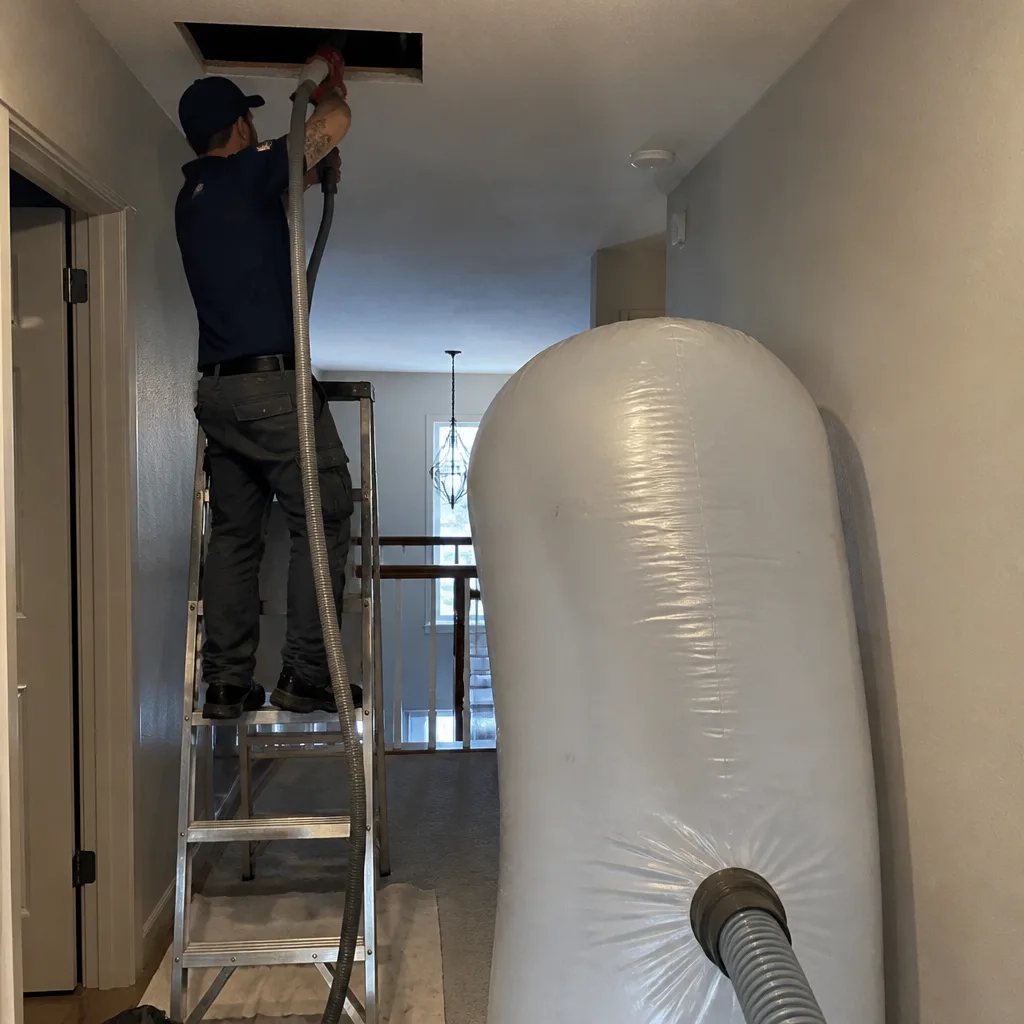
- Number of supply and return vents. Each register connected to your system is a separate run that needs to be cleaned and photographed. A 1,500-square-foot Capitol Hill row house might have 10 vents. A 3,800-square-foot home in Hilltop can have 30 or more. More runs means more time and a higher total.
- Duct material and condition. Rigid sheet-metal ductwork is the easiest to clean thoroughly. Flex duct – common in Denver homes built between 1988 and 2005 – requires lower-speed brushing to avoid tearing the inner liner. Damaged flex duct discovered during cleaning adds repair scope to the job, which is priced separately and always quoted in writing before any repair work starts.
- Debris type and load. A system that’s never been cleaned, or one servicing a home that went through a renovation, will carry significantly more debris than one cleaned four years ago. In Denver’s dry, high-altitude climate, fine construction dust and sand particles accumulate quickly in duct runs – especially after the wind events that blow through the Front Range in spring. The camera doesn’t lie about what’s inside.
- System accessibility. Ductwork in finished basements, crawl spaces, or attic runs requires more time to access and seal properly for negative-pressure extraction. Homes in hilly areas of Park Hill or older builds in Globeville with tight utility corridors routinely add 30-60 minutes to a job.
- Add-on services. Dryer vent cleaning, HVAC coil cleaning, sanitizing treatments, and duct sealing are legitimate additions that affect total cost. Each is priced as a separate line item in the written estimate – you can see exactly what you’re paying for before agreeing to anything.
- Equipment used. Not all duct cleaning equipment performs at the same level. CleanRun uses Rotobrush agitation systems, Nikro negative-pressure vacuums, and Abatement Technologies containment equipment on residential jobs. These are trade-recognized brands customers can look up independently. A company using a standard wet/dry shop-vac will price lower – and deliver lower results.
BeforeAfterDenver’s $79 Coupon Problem – and What It Actually Means
Denver homeowners searching for duct cleaning will still find $79 and $99 coupon offers in 2026. It’s worth understanding what that price structure actually is before scheduling one.
Those offers are typically loss leaders: the advertised price covers a visual inspection and minimal suction pass on a handful of vents. The crew then identifies “problem areas” that require upgrades – mold treatment, blower cleaning, “biocide application” – each priced on the spot with no written scope. By the time work is done, the $79 job has become a $400-$600 job with no photo documentation of what was done and no written guarantee backing any of it.
This isn’t speculation – it’s a documented pattern that the Better Business Bureau of Metro Denver has tracked consistently in the HVAC services category. The FTC has published consumer guidance on this exact practice under the heading of “lowball estimates and bait-and-switch in home services.”
CleanRun’s approach is structurally opposite. Under Haven Standard Clause 1, every job at CleanRun starts with a written price – delivered before a single access panel comes off. The number doesn’t move after work begins unless the customer requests additional scope, and any change to scope is priced in writing before it proceeds. If you want to see what documented upfront pricing looks like in practice, our home page walks through the full Haven Standard.
What You Should Actually Receive After a Professional Cleaning
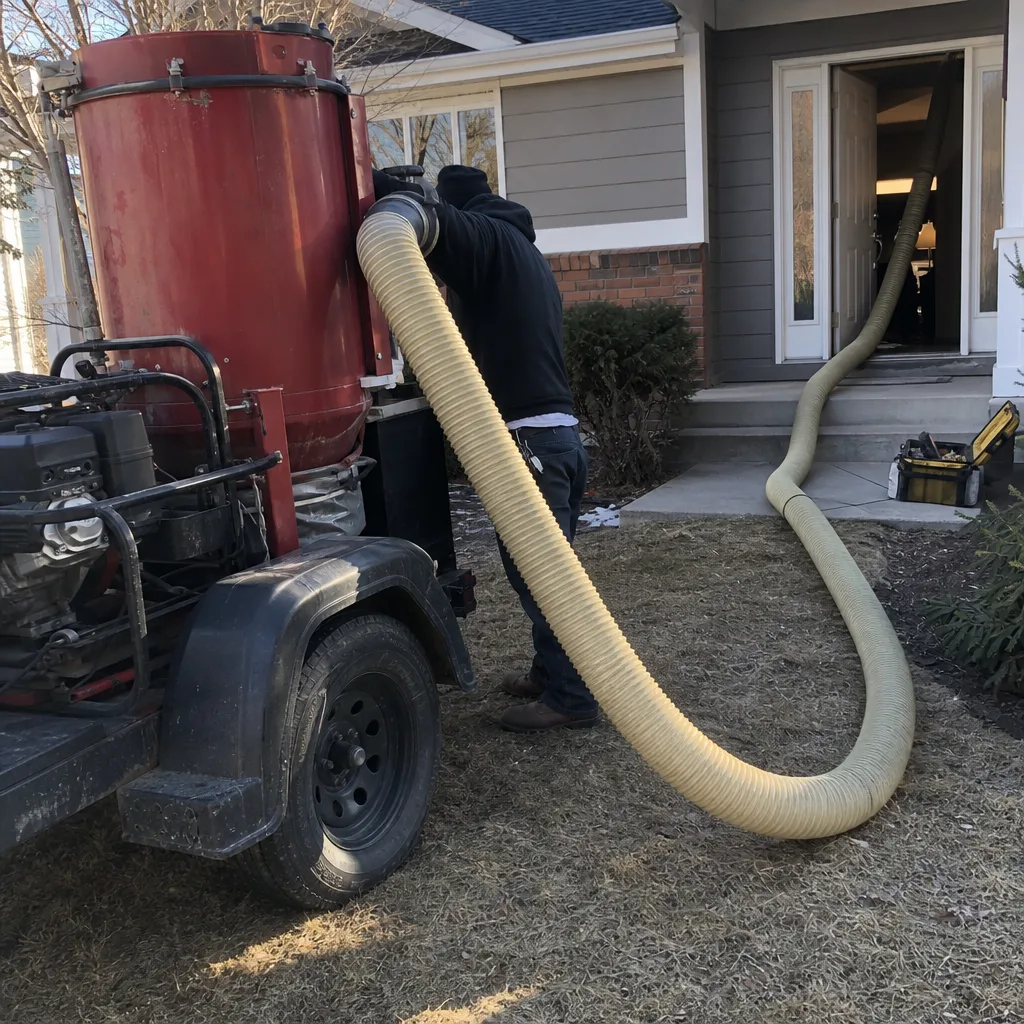
Knowing what a professional job looks like makes it easier to evaluate any company’s quote – including ours.
After a properly executed duct cleaning in Denver, a homeowner should have:
- A camera-documented photo record of each supply and return run, taken before and after cleaning – so you can see the actual debris removed, not just take the technician’s word for it.
- A written scope of work listing every duct run serviced, every add-on performed, and the equipment used.
- A written guarantee specifying exactly what is covered and for how long. CleanRun’s 365-Day Done Right Promise is documented on the job record – not a verbal assurance subject to manager interpretation.
- Clean registers reinstalled correctly – screws flush, no gaps at the collar.
- A clean work area. The technician should remove debris, protective coverings, and equipment – the customer shouldn’t be cleaning up after a cleaning job.
CleanRun has delivered a documented photo record on every job since the company’s first service call in 2013. It’s not a premium add-on – it’s the standard deliverable on every visit, every time.
How to Save on Air Duct Cleaning in Denver
There are genuine ways to reduce your total cost without cutting corners on the actual service.
Bundle services on one visit. If your dryer vent is due for cleaning – and in Denver’s dry climate, annual cleaning is a reasonable interval for high-use households – scheduling it alongside duct cleaning on the same trip eliminates a separate mobilization cost. The same applies to HVAC coil cleaning. One truck visit, multiple services, lower per-service cost than separate appointments.
Clean before a renovation, not after. Denver’s renovation market is active, and post-renovation duct cleaning is one of the most labor-intensive jobs in the category. Drywall dust, adhesive particles, and construction debris pack into duct runs during a remodel and can take twice as long to clear as standard residential buildup. If you’re planning a kitchen or basement renovation in Mayfair, Sloan’s Lake, or anywhere else in Denver, schedule cleaning before demolition starts and again after the project is fully complete – it’s cheaper than cleaning a fully loaded system after the fact.
Don’t clean more often than necessary. The EPA’s guidance suggests most homes don’t need duct cleaning on a fixed annual schedule – only when there’s documented evidence of contamination, after renovation, after vermin activity, or when visible debris is present at registers. A company that recommends annual cleaning for every home regardless of system condition is selling service intervals, not responding to what the camera shows.
Get a second opinion on any written estimate. CleanRun offers a free second opinion on any written estimate – bring a competitor’s written quote, and we’ll put our own number next to it in writing. That offer exists because we’re confident in our pricing and our scope; it’s also the only way a comparison means anything.
To get a written estimate for your Denver home, call (720) 799-2292. A live person answers every call – no automated routing, no callback queue.
How Does Denver’s Climate Affect Duct Cleaning Frequency?
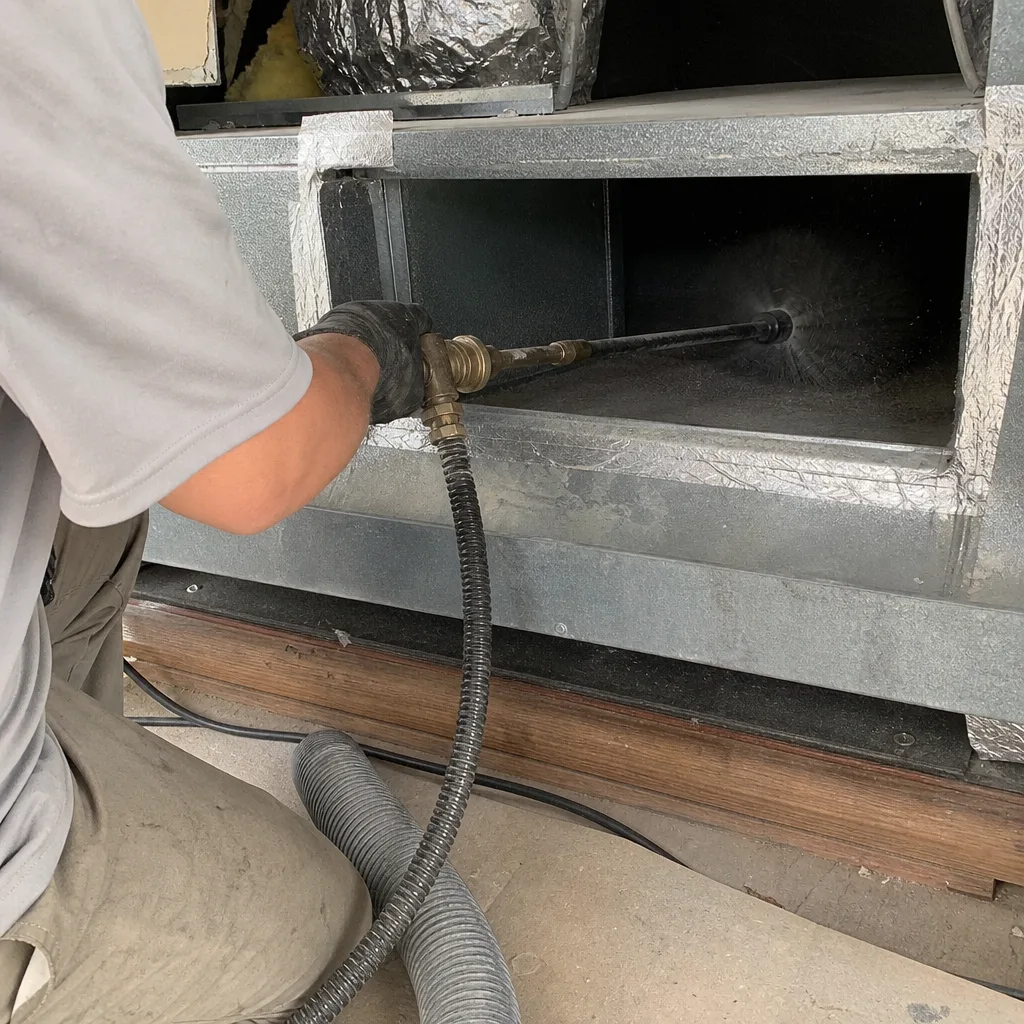
Denver’s environment creates a few specific conditions that matter for ductwork maintenance – and that you won’t read about on a generic national pricing page.
At 5,280 feet, Denver’s air is drier than virtually any other major metro in the country. Low humidity means fine particulates – dust, pollen, pet dander, skin cells – stay airborne longer before settling, and a higher proportion of them end up in duct runs rather than falling to floor surfaces. It’s measurable: Denver homeowners with forced-air systems and pets regularly see visible debris accumulation at registers within 18-24 months of a professional cleaning.
The Front Range wind pattern is a secondary factor. Seasonal wind events – particularly in spring, when sustained gusts off the Rockies push fine sand and soil particulate through any air infiltration point in a home – deposit material into return duct intakes that is different in composition from standard household dust. It’s coarser, and it packs into duct elbows rather than staying loose. In neighborhoods like Montbello, Green Valley Ranch, and Aurora-adjacent areas of Denver with more exposure to open terrain, this effect is more pronounced.
Denver homes with swamp coolers (evaporative coolers) added onto forced-air systems – a common configuration in older Denver neighborhoods – introduce moisture into duct runs during cooling season that standard dry-climate ductwork doesn’t see. That moisture creates conditions where organic debris can degrade rather than stay inert. If your home has a legacy evaporative cooler connected to the duct system, that’s worth flagging when you call for an estimate.
Duct Cleaning vs. Duct Repair: Knowing Which One You Actually Need
Sometimes a home needs more than cleaning – it needs duct repair or sealing, and the two services are priced and scoped differently.
Leaking duct joints, disconnected flex runs, and deteriorated seam tape are common findings in Denver homes built in the 1980s and 90s. A duct system that leaks conditioned air into unconditioned crawlspace or attic space wastes energy and delivers uneven temperature across rooms. In Denver’s climate, where heating load is significant for roughly six months of the year, that leakage is measurable on a utility bill.
Cleaning a leaking system without repairing it is incomplete work. The negative-pressure extraction process used during cleaning will actually pull debris through leaks and into surrounding building cavities – which is why a thorough pre-cleaning inspection matters. When CleanRun technicians find duct damage during an inspection, the repair scope is quoted in writing as a separate line item before cleaning begins. The customer decides whether to add it. There’s no pressure, and there’s a photo of the damage that shows exactly what was found.
Duct repair in Denver generally runs $125-$400 per section depending on access difficulty and repair type – resealing a joint at an accessible elbow costs less than replacing a damaged flex run in a finished basement ceiling.
FAQs – Air Duct Cleaning Cost in Denver
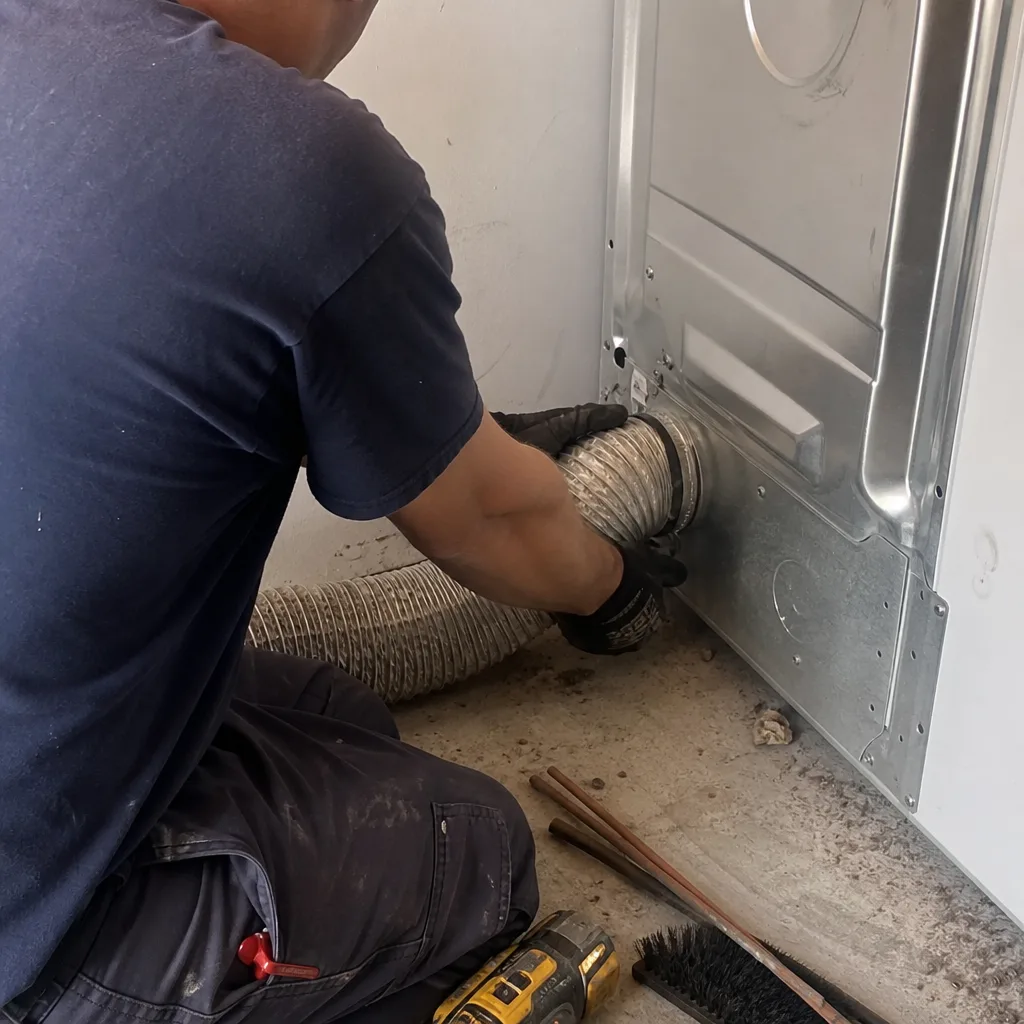
How much does air duct cleaning cost in Denver in 2026?
Most Denver homeowners pay between $299 and $699 for a full air duct cleaning, with the average landing around $350-$450 for a standard single-family home with 10-18 vents. Larger homes, older systems with significant buildup, or jobs that include dryer vent cleaning and sanitizing will run closer to $500-$849. CleanRun prices every job in writing before work starts – call (720) 799-2292 and a live person will walk through exactly what goes into your estimate.
Why are some Denver duct cleaning quotes as low as $79?
A $79 quote covers a minimal pass with residential-grade equipment – typically not a full negative-pressure extraction on every run, not camera documentation, and not a written guarantee. The business model relies on upselling treatments and “problem areas” once the crew is inside. The FTC and BBB of Metro Denver have both documented this pattern in the residential HVAC cleaning category. A professional cleaning with documented results costs more up front and substantially less over the long term than a bait-and-switch service call.
How long does air duct cleaning take in Denver?
A standard cleaning on a Denver home with 10-15 vents typically takes 2.5 to 4 hours when performed correctly with professional-grade equipment. Larger homes, systems with significant debris load, or jobs that include HVAC coil cleaning or dryer vent service will run 4-6 hours. Any company quoting under 90 minutes for a full-house cleaning is either working with inadequate equipment or not cleaning every run. Call (720) 799-2292 for an honest time estimate based on your specific system.
How often should I have my ducts cleaned in Denver?
For most Denver homes, a cleaning interval of every 3-5 years is reasonable under normal conditions – no renovation, no vermin activity, no visible mold at registers. Homes with pets, residents with respiratory sensitivities, or systems that haven’t been cleaned in over five years may warrant a shorter interval. Denver’s dry, high-altitude climate means fine particulate accumulates faster than in more humid metros – that’s a real factor, not a sales point. The camera reading from your last cleaning is the most honest answer; if you have a before-photo record, it tells you what the actual accumulation rate looks like in your specific system.
Is it cheaper to clean or replace ductwork in Denver?
Cleaning is almost always the right answer unless the ductwork is structurally compromised – collapsed flex runs, corroded sheet metal, or duct layout that was incorrectly sized for the system from the start. Full duct replacement in a Denver home typically costs $2,500-$7,000 or more depending on system complexity and access. A professional cleaning with any necessary spot repairs runs $300-$850 for the vast majority of homes. If a duct cleaning company recommends full replacement after a cleaning – without camera documentation showing structural failure – get a second opinion before committing to that scope.
Does CleanRun offer a guarantee on duct cleaning in Denver?
Yes – every CleanRun job is backed by the 365-Day Done Right Promise, which means if the work isn’t right, we make it right. That guarantee is documented on the job record, not stated verbally and later subject to interpretation. It covers the cleaning work performed – not normal re-accumulation from daily living, but the quality and completeness of the service itself. The guarantee is written, specific, and doesn’t require manager approval to act on.
Key Takeaways
- Air duct cleaning in Denver costs $299-$699 for most homes in 2026, with the midpoint around $350-$450.
- Duct material, number of vents, debris load, and system accessibility are the main cost drivers – not square footage alone.
- Denver’s dry, high-altitude climate and Front Range wind patterns mean fine particulate accumulates faster than in most U.S. markets.
- A $79 coupon offer is a documented lead-generation tactic, not a real price for complete professional cleaning.
- A professional cleaning should leave you with a before-and-after photo record of every duct run, a written scope of work, and a written guarantee.
- CleanRun delivers all three on every job, with a written price before any work begins – no exceptions.
Get a Written Estimate for Your Denver Home
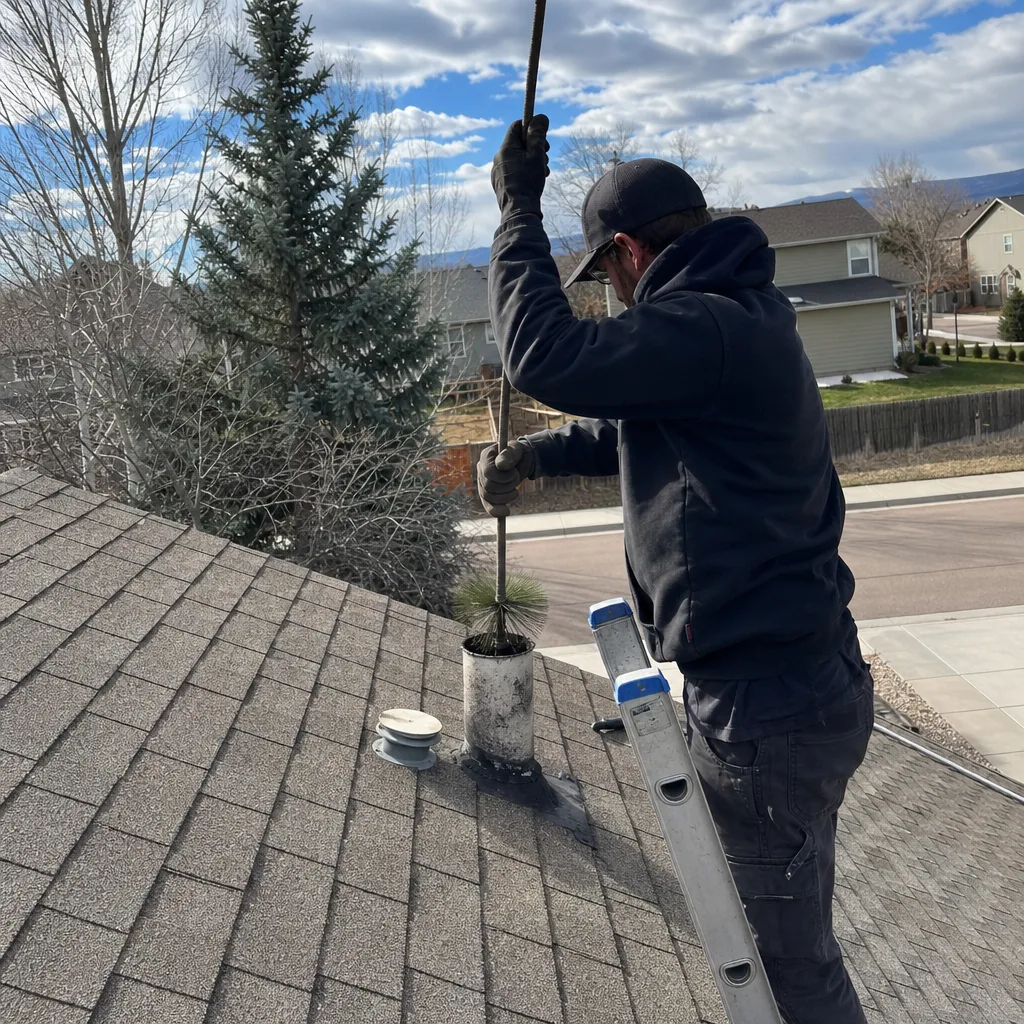
If you’re trying to budget a duct cleaning or compare quotes, call (720) 799-2292. A live person answers every call, and we’ll give you a written estimate based on your actual system – not a square-footage formula or a bait-and-switch opener. Tomas Reyes and the CleanRun team have been documenting real results inside Denver homes since 2013, across more than 52,000 jobs, every one with a written price and a photo record when the crew left.
If you already have a written quote from another company, the Free Second Opinion is available at no cost – bring the number, and we’ll put ours next to it in writing.
Written by Tomas Reyes, Owner at CleanRun Air Duct Cleaning Denver, serving Denver, CO since 2013.
Pricing reflects the Denver market as of 2026. CleanRun Air Duct Cleaning Denver offers free estimates – call (720) 799-2292.
What Our Customers Say
"They found a disconnected duct in the crawl space that had been dumping conditioned air under the house for years. Photographed it, quoted the repair, fixed it."
- Devon A."The dryer vent was almost completely blocked with lint. They showed me the photograph and I understood immediately why the dryer had been running twice."
- Lucia M."Flat price agreed up front, no per-vent add-ons at the end. That was the whole reason I did not call the coupon company."
- Suzanne B.