
Last updated September 23, 2026
Whole-system duct and dryer vent check with before-and-after photos - you see exactly what came out of your vents
That "$99 whole-house special" is a bait ad - the real number appears once they are in your hallway, or the "clean" is a shop-vac at the register. We photograph the inside of your ducts before and after instead.
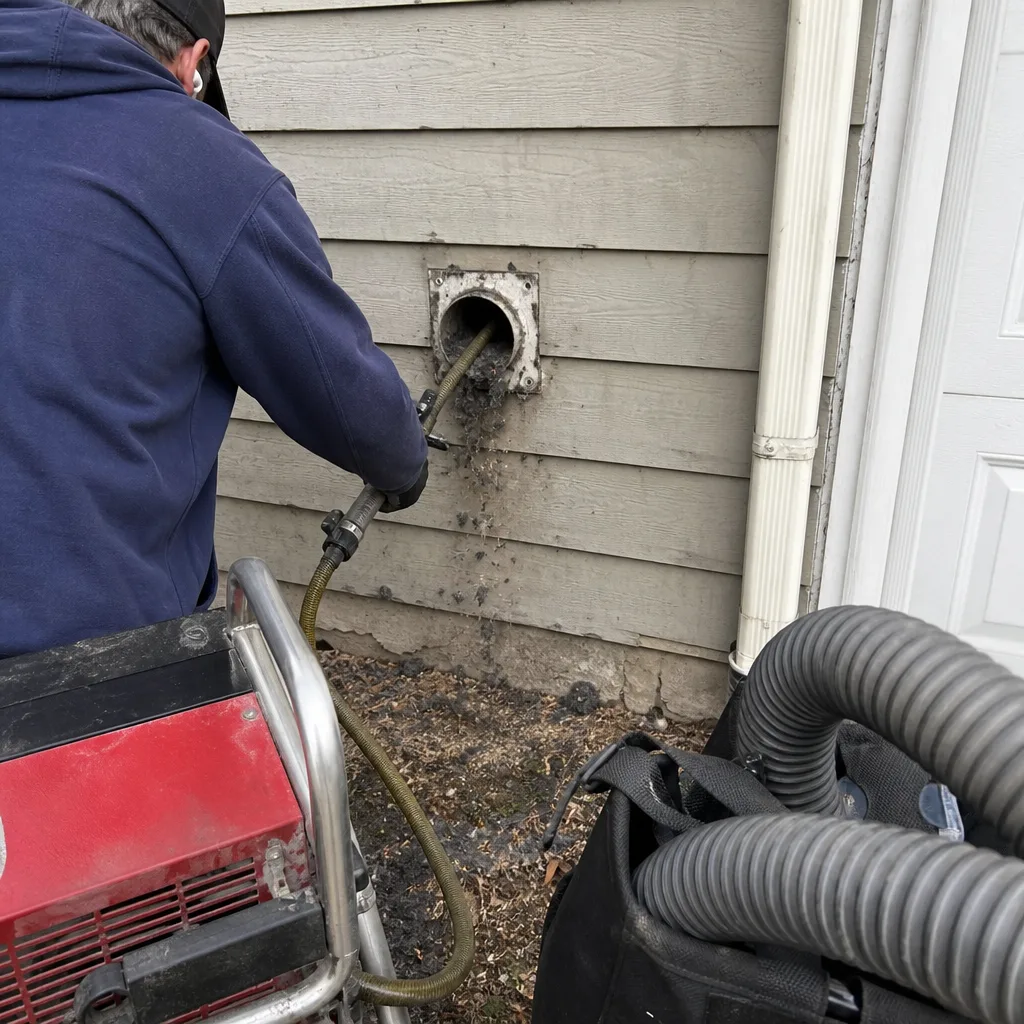 Before
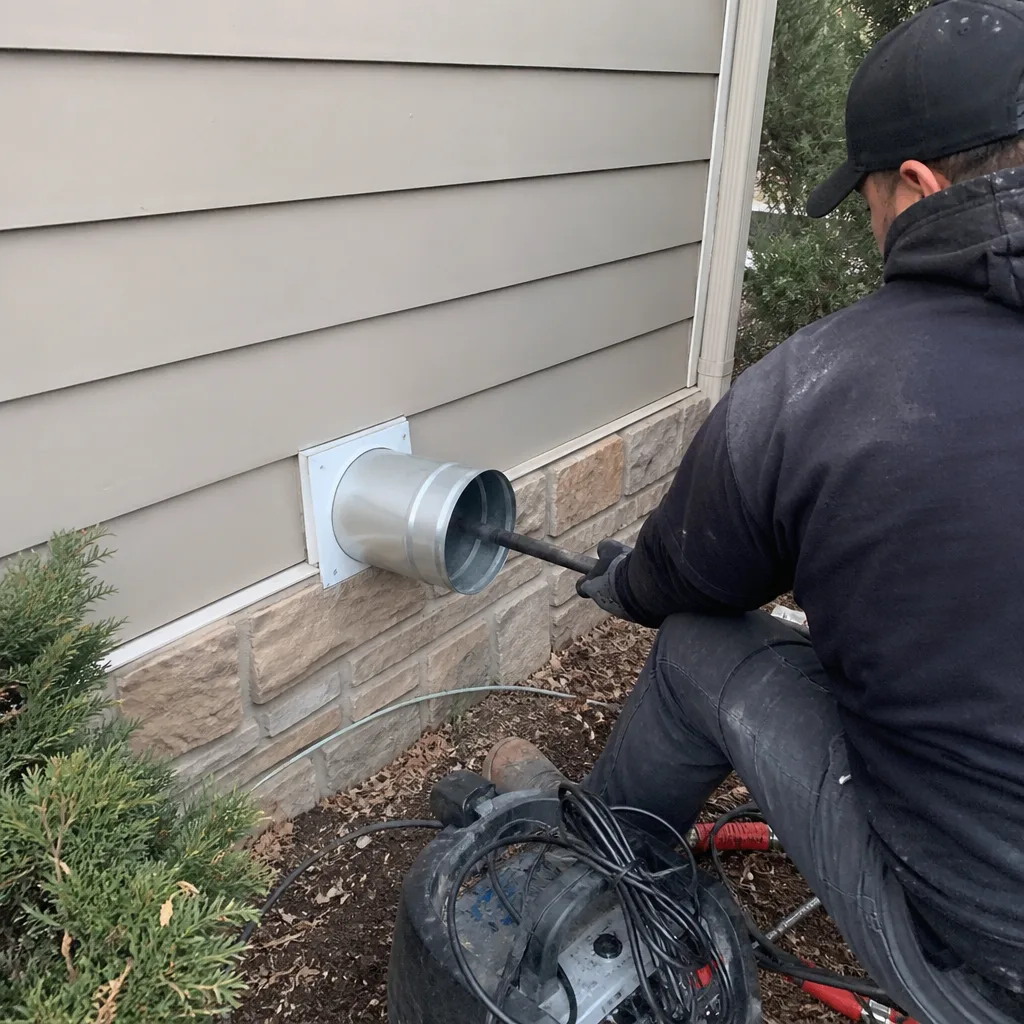 After
After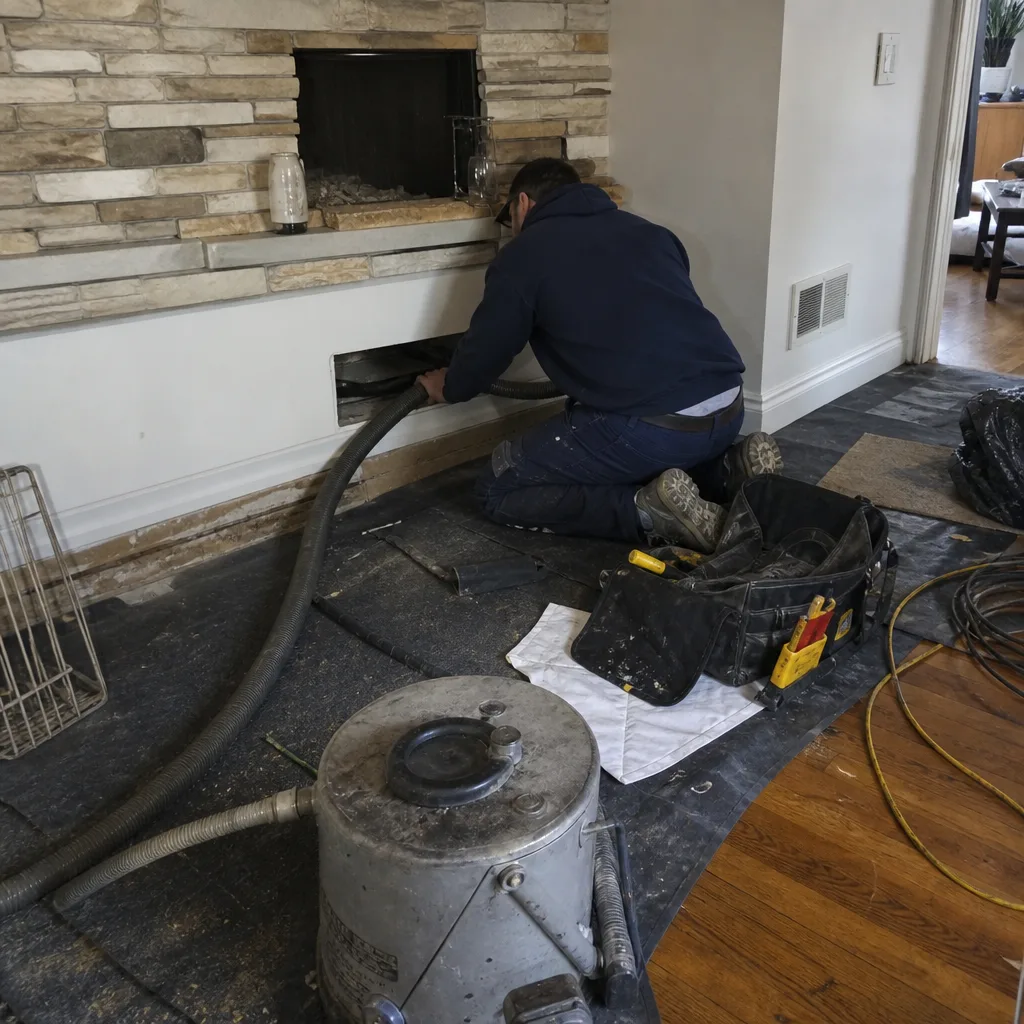 Before
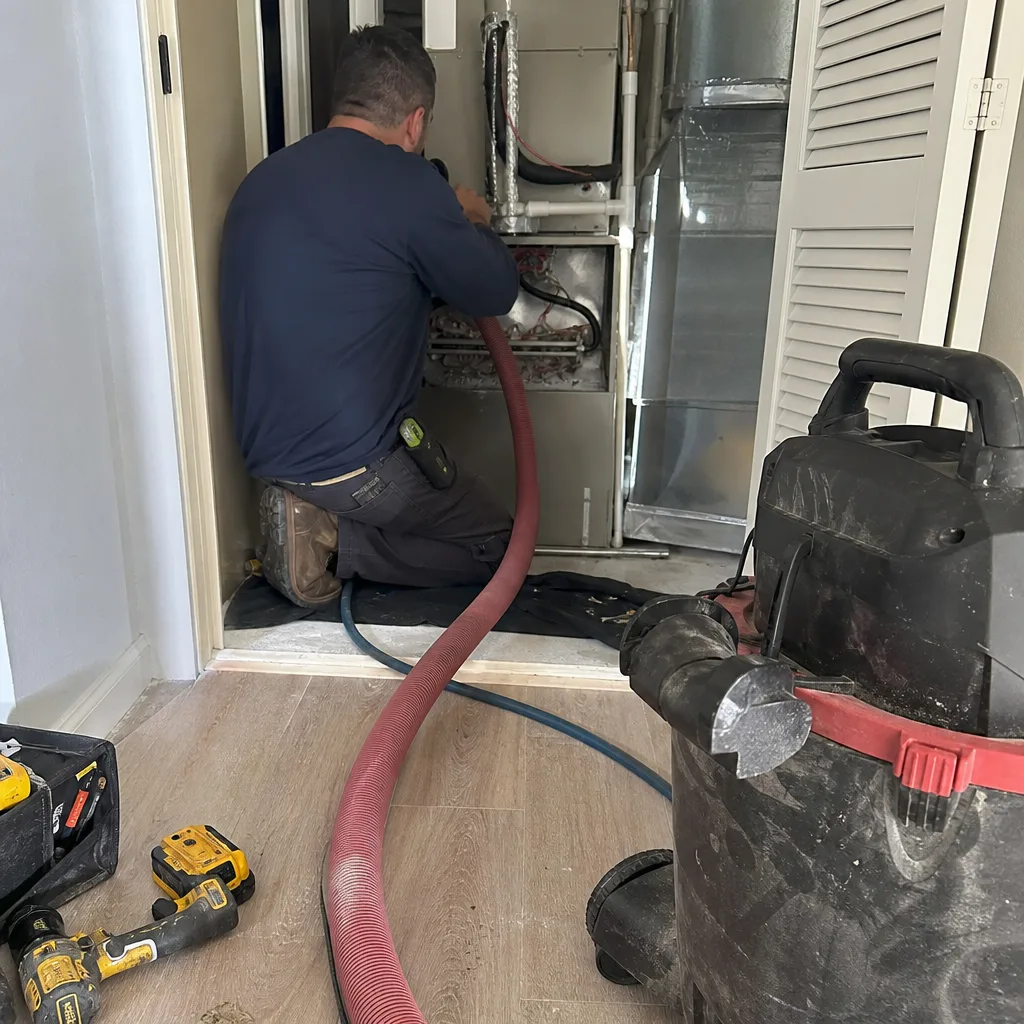 After
After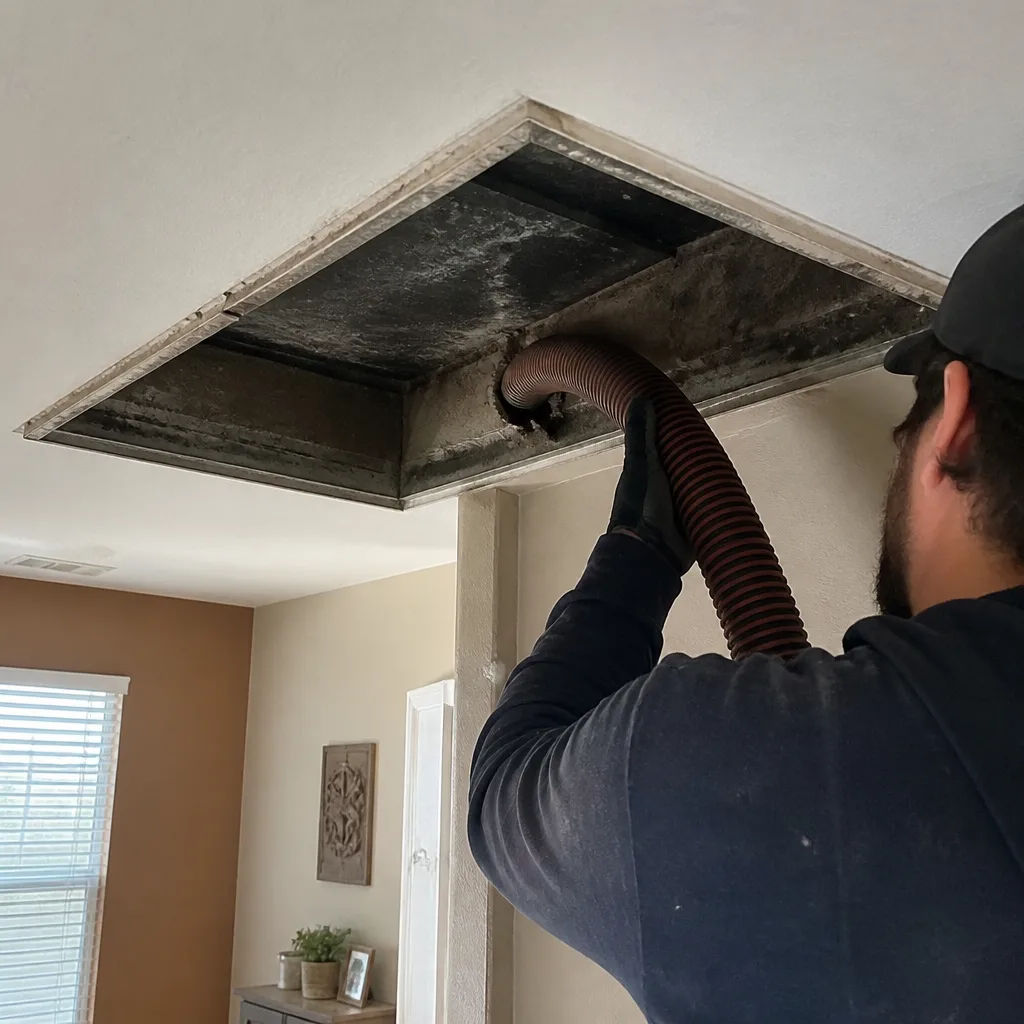 Before
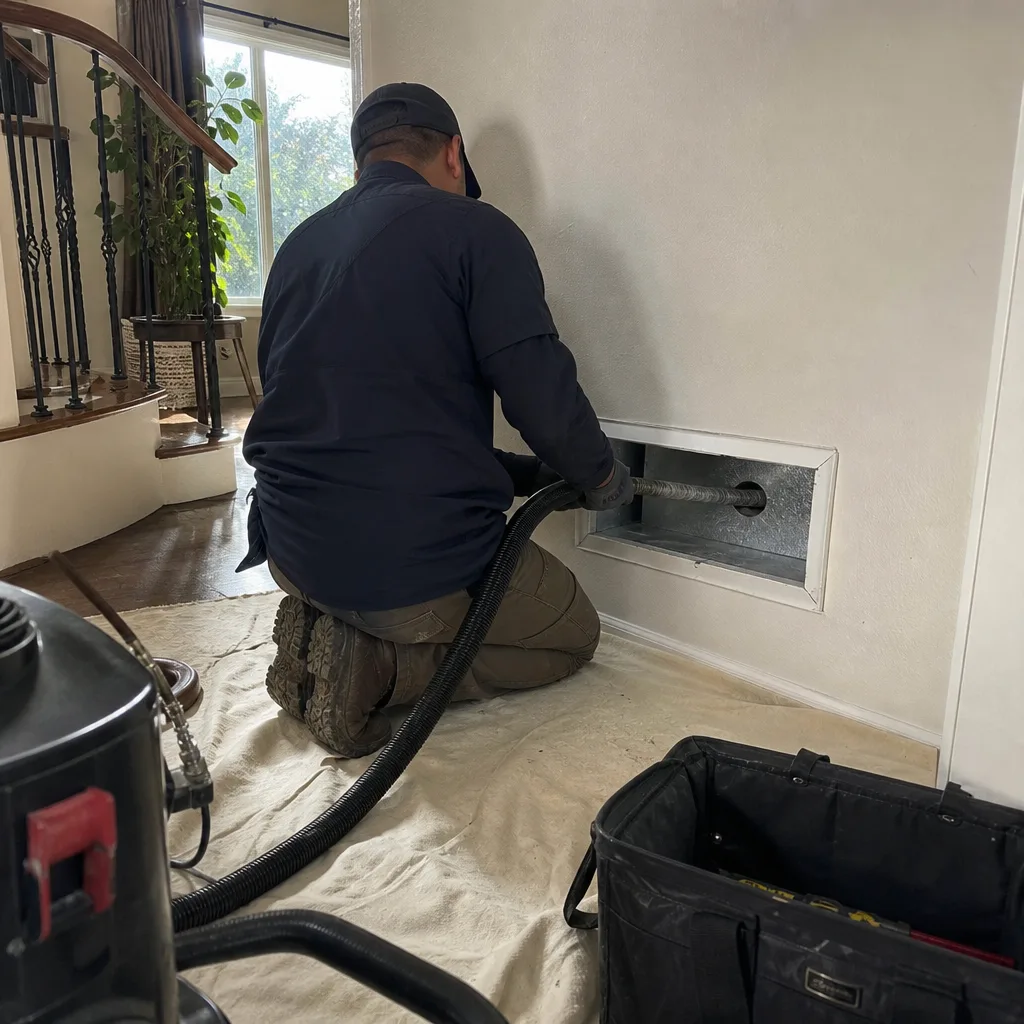 After
AfterAir Duct Cleaning Cost Breakdown: The Denver Homeowner’s Reference for 2026
The $79 duct cleaning special covers approximately one hour of labor and a residential shop-vac. The invoice for a documented whole-system cleaning on a 2,200-square-foot Denver home runs $400-$650. This guide shows you every line item between those two numbers. In a market where Stapleton, Highlands Ranch, and Wash Park homeowners paid record prices for homes built between 2015 and 2020, understanding what duct cleaning actually costs - and what the invoice should actually describe - protects both your HVAC system and your checkbook from two very different kinds of damage.
Quick Answer
Whole-system air duct cleaning in Denver costs $350-$750 for most single-family homes in 2026, with the final price determined by total duct runs, accessibility of the plenum (the main distribution box), and whether the job includes a documented photo record. A legitimate invoice itemizes labor hours, equipment type, access points opened, runs cleaned and photographed, and the deliverable report. Add-on services such as dryer vent cleaning, sanitizer application, or UV light installation move the total toward the upper end of the range only when warranted by specific conditions.
Table of Contents
- What Legitimate Air Duct Cleaning Includes in Denver
- 2026 Denver Price Ranges by Home Size and System Type
- Line-Item Invoice Breakdown: Where Your Money Goes
- The Three Common Add-Ons: Warranted or Upsell?
- How to Compare Two Written Quotes Side by Side
- What a 365-Day Guarantee Costs a Company - and Why It Matters
- Denver-Specific Factors That Move Your Price
- Common Mistakes to Avoid
- When to Call a Professional
- Frequently Asked Questions
- The Bottom Line
BeforeAfterWhat Legitimate Air Duct Cleaning Includes in Denver
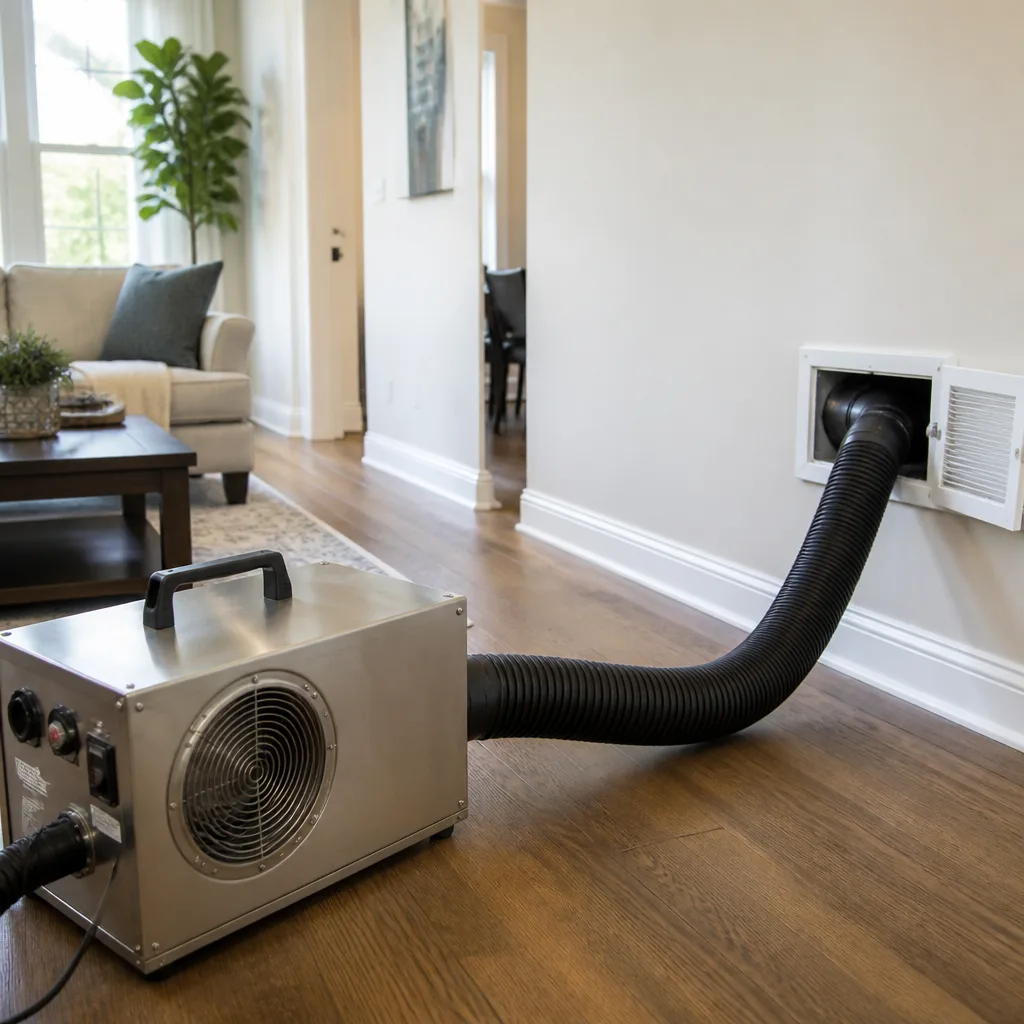
A legitimate air duct cleaning is not a vacuum hose waved at a register. It is a negative-pressure extraction process, meaning the system is placed under suction so dislodged debris is captured rather than redistributed through the house. In Denver’s semi-arid climate, where dust carries fine particulates from the Front Range and seasonal wildfire smoke, this distinction matters for both air quality and equipment longevity.
Here is what the scope should include on every job:
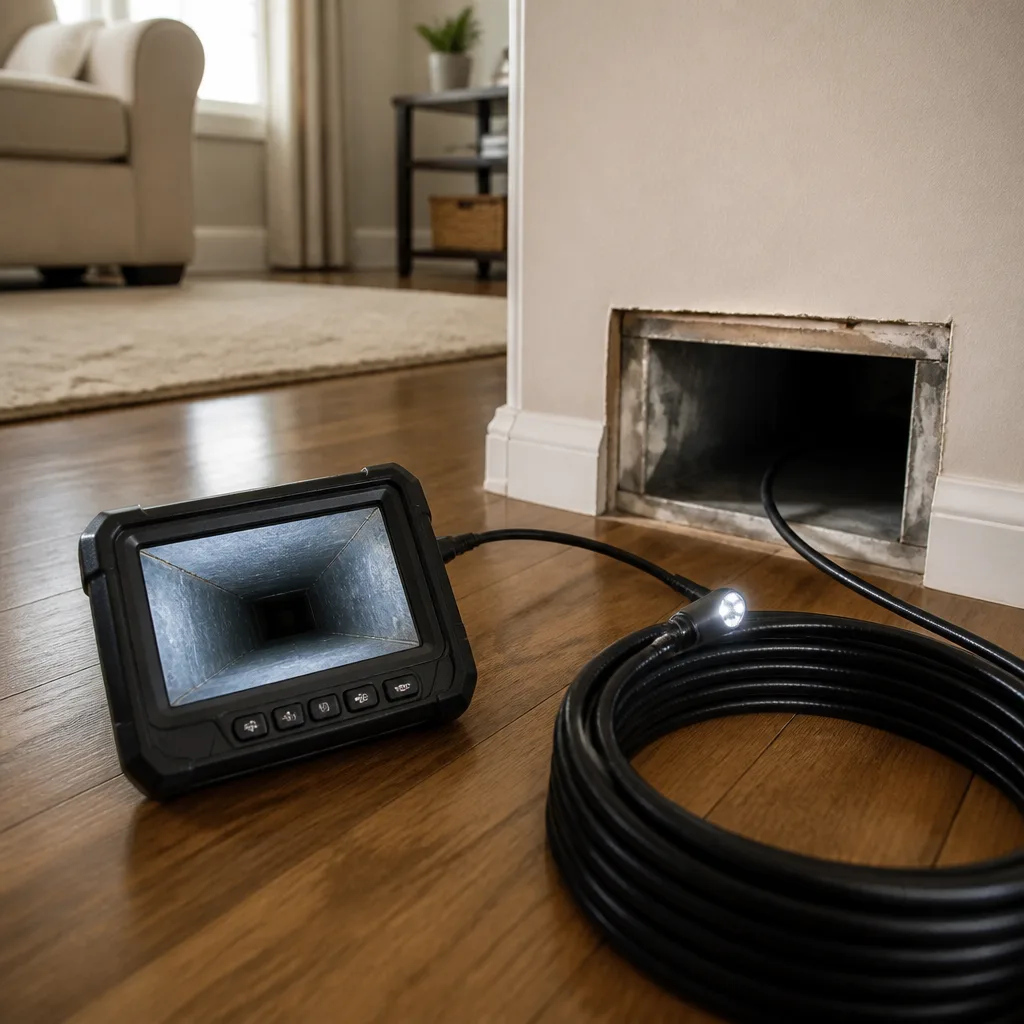
- Pre-cleaning inspection and photo documentation. The technician photographs the interior of accessible duct runs before touching equipment. This establishes baseline condition and protects both parties.
- Access panel creation or removal. The plenum and main trunk lines require physical access points. These are sealed after cleaning.
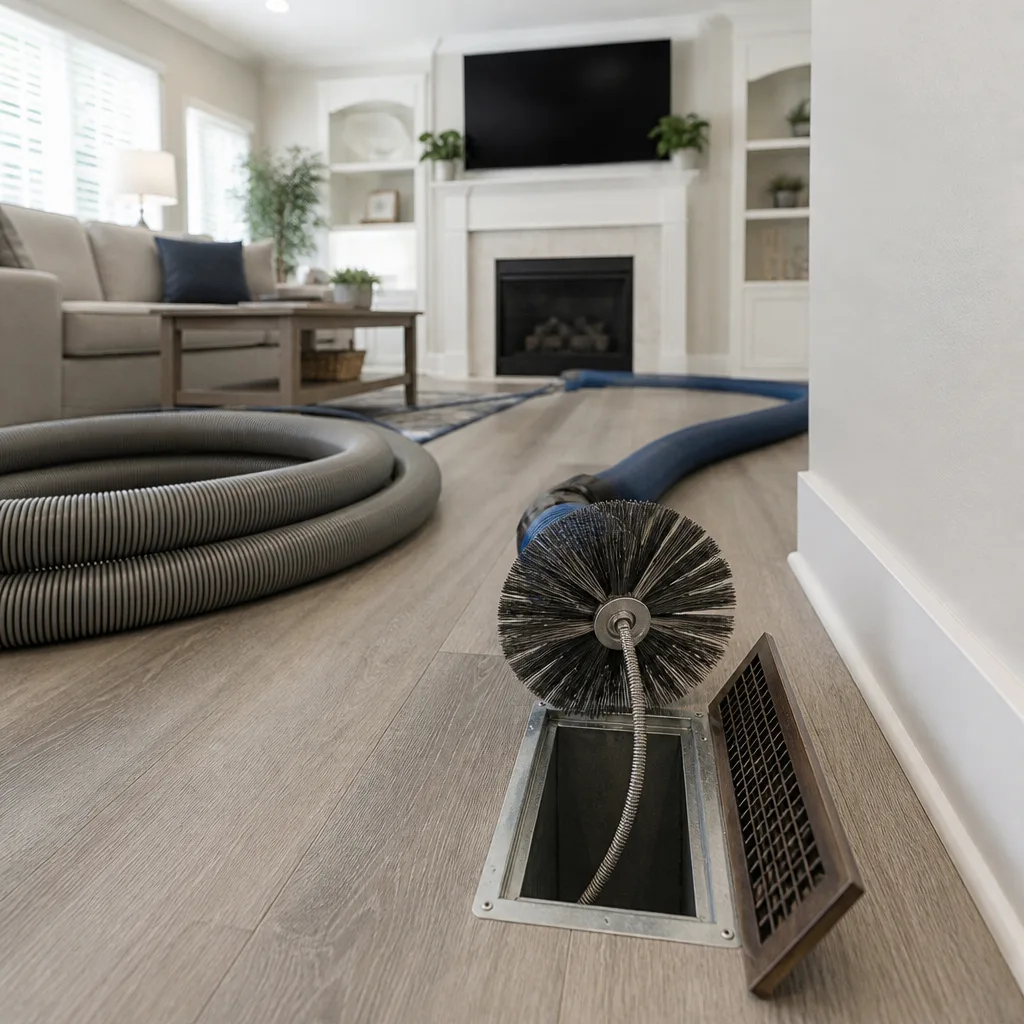
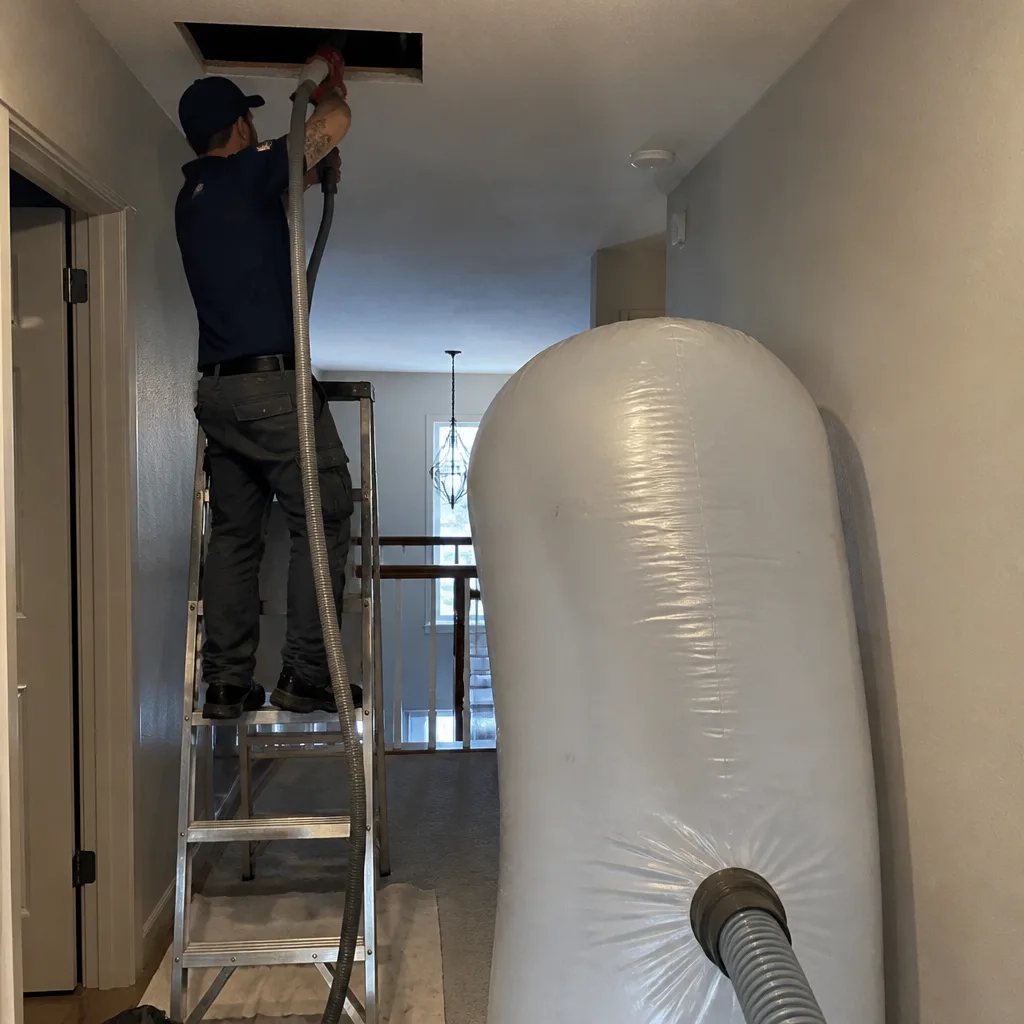
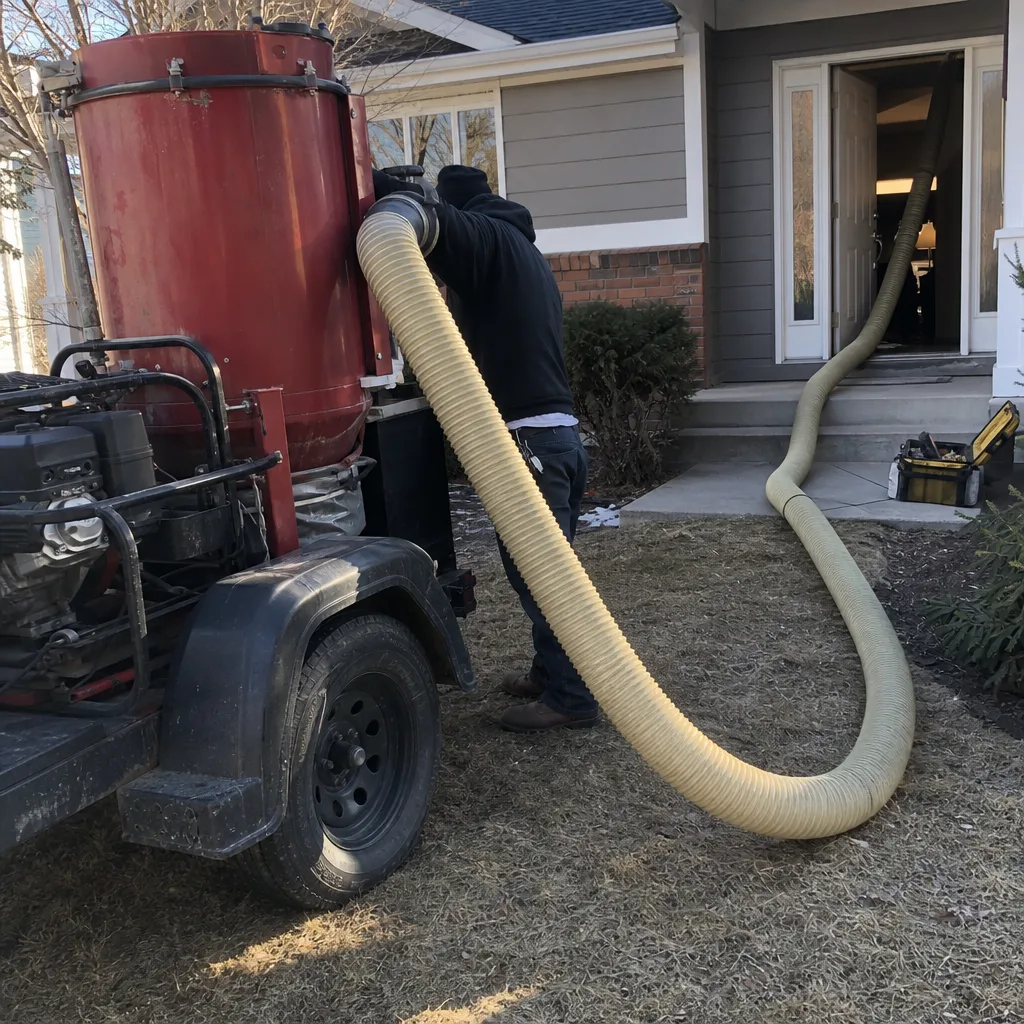
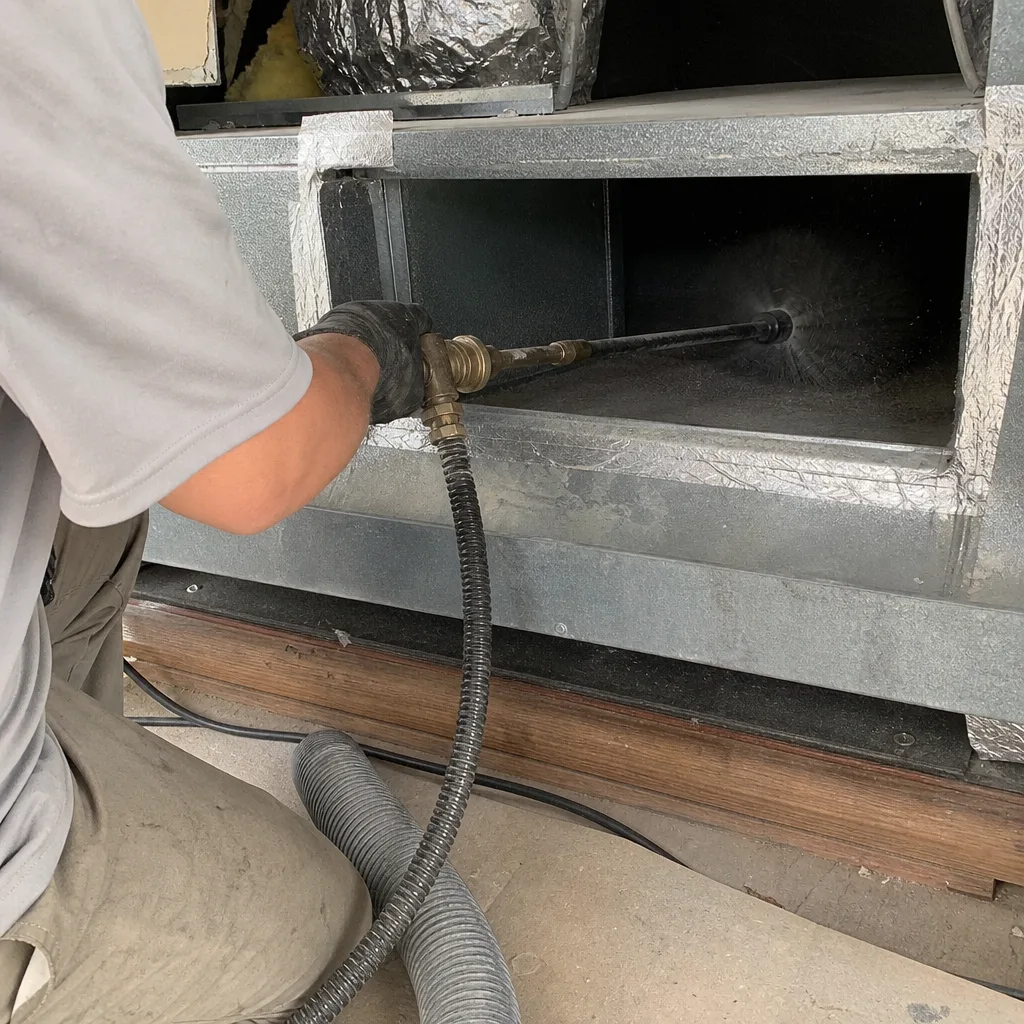
- Negative-pressure extraction using professional-grade equipment. This means a truck-mounted or portable HEPA-filtered collection system, not a shop-vac. Brands such as Abatement Technologies and Nikro manufacture equipment specifically for this application.
- Agitation and dislodging of debris. Rotating brushes or compressed air tools break material free from duct walls so suction can remove it.
- Register and boot cleaning. The visible grille and the short vertical drop (the boot) receive dedicated attention.
- Post-cleaning photography and written report. Every run cleaned is photographed after, with images delivered to the customer as part of the job record.
At CleanRun Air Duct Cleaning Denver home, we have held this full scope as our minimum standard since 2013. The Documented Photo Record - interior of every run, before and after - is included on every visit, not offered as an upgrade. When a Cherry Creek customer asked last March why her previous $89 cleaning produced no photos, the answer was that it also produced no access, no negative-pressure equipment, and no measurable debris removal.
The H.A.V.E.N. Standard governs how we deliver this. Haven Standard Clause 1 requires a written price before any work starts. Clause 3, Verified Crews, means background-checked, uniformed technicians identified by name before arrival. These are not marketing claims. They are structural commitments that cost money to maintain and are reflected in legitimate pricing.
2026 Denver Price Ranges by Home Size and System Type
Denver’s housing stock varies dramatically by era and neighborhood, and duct configuration follows. A 1950s Park Hill bungalow with a single plenum and eight runs sits at the low end of the labor spectrum. A 2018 Green Valley Ranch build with zoned HVAC, multiple returns, and a complex trunk-and-branch layout requires significantly more access work and photography time.
These ranges reflect actual 2026 Denver market pricing for documented, whole-system cleaning with professional equipment and photo deliverables:
| Home Size / System Type | Typical Range | Variables That Move Price |
|---|---|---|
| Under 1,500 sq ft, single system, 6-10 runs | $350-$480 | Crawl space access, older metal ductwork with rust |
| 1,500-2,500 sq ft, single system, 10-16 runs | $450-$620 | Number of returns, plenum accessibility, second-story runs |
| 2,500-3,500 sq ft, single or dual system, 16-24 runs | $580-$750 | Zone dampers, multiple plenums, attic ductwork in Stapleton or Lowry builds |
| 3,500+ sq ft, dual or zoned systems, 24+ runs | $720-$950 | Custom homes in Cherry Hills Village, Castle Pines, or extensive hard-pipe commercial-style duct |
Prices below $300 for whole-system cleaning in Denver should prompt immediate scrutiny. They typically indicate one of three conditions: the scope excludes the plenum and trunk lines; the equipment is inadequate for negative-pressure extraction; or the business model depends on in-home upselling to reach profitability.
In our experience across 52,000+ homes, Denver’s newer construction in neighborhoods like Central Park (formerly Stapleton) and Reunion often presents tighter ductwork with more elbows per run, increasing agitation time. For a complete preparation guide, see our Air Duct Cleaning Maintenance Checklist for Denver Homeowners. Older homes in Berkeley or Sunnyside may have galvanized steel ductwork with decades of accumulated debris at weld seams, requiring additional attention. These are not excuses for vague pricing. They are variables that a written quote should itemize explicitly.
Line-Item Invoice Breakdown: Where Your Money Goes
Understanding what each dollar purchases requires reading an invoice as a scope document, not just a total. Below is a representative breakdown for a 2,200-square-foot Denver home with 14 duct runs, single plenum, and standard basement access. This is the level of detail Haven Standard Clause 1 requires us to provide in writing before work begins.
| Line Item | Description | Price Range |
|---|---|---|
| Labor (2 technicians, 2.5-3.5 hours) | Setup, access, cleaning, photography, restoration of access points | $220-$310 |
| Equipment charge | Negative-pressure system, HEPA filtration, agitation tools | $65-$95 |
| Access work | Plenum panel removal/replacement, additional access points as needed | $40-$75 |
| Per-run cleaning and photography | 14 runs: agitation, extraction, before/after photography | $8-$14 per run |
| Report compilation and delivery | Digital photo record, written scope confirmation | $25-$40 |
| Disposal and materials | Debris disposal, access seals, protective materials | $30-$45 |
| Subtotal (whole-system cleaning) | $490-$686 |
The $79 special contains none of these line items because it contains none of this work. Typically, it covers one technician for 45-60 minutes with a portable vacuum and a camera phone, if that. The register grilles may look cleaner. The plenum and trunk lines remain untouched. The debris that actually restricts airflow and harbors particulate remains exactly where it was.
When we photograph inside a duct run after a customer has used a coupon service, we regularly find the first elbow still packed with material. In one 2019 job in Aurora, the camera showed a 3-inch debris build-up at the first elbow that had been undisturbed by two previous “cleanings.” The customer had paid $79 twice. The actual cost of doing nothing, measured in HVAC strain and filter replacement frequency, was considerably higher.
The equipment roster matters for this breakdown. Rotobrush and Abatement Technologies systems represent capital investments in the tens of thousands of dollars, with maintenance and HEPA filter replacement as ongoing costs. A shop-vac from a hardware store does not appear on our invoices because it does not appear in our trucks. Customers can verify this independently by brand name.
The Three Common Add-Ons: Warranted or Upsell?
Three services are routinely presented at the point of service: dryer vent cleaning, microbial sanitizer application, and UV light installation. Each has legitimate applications. Each is more commonly sold than warranted. Here is how to evaluate them.
Dryer Vent Cleaning
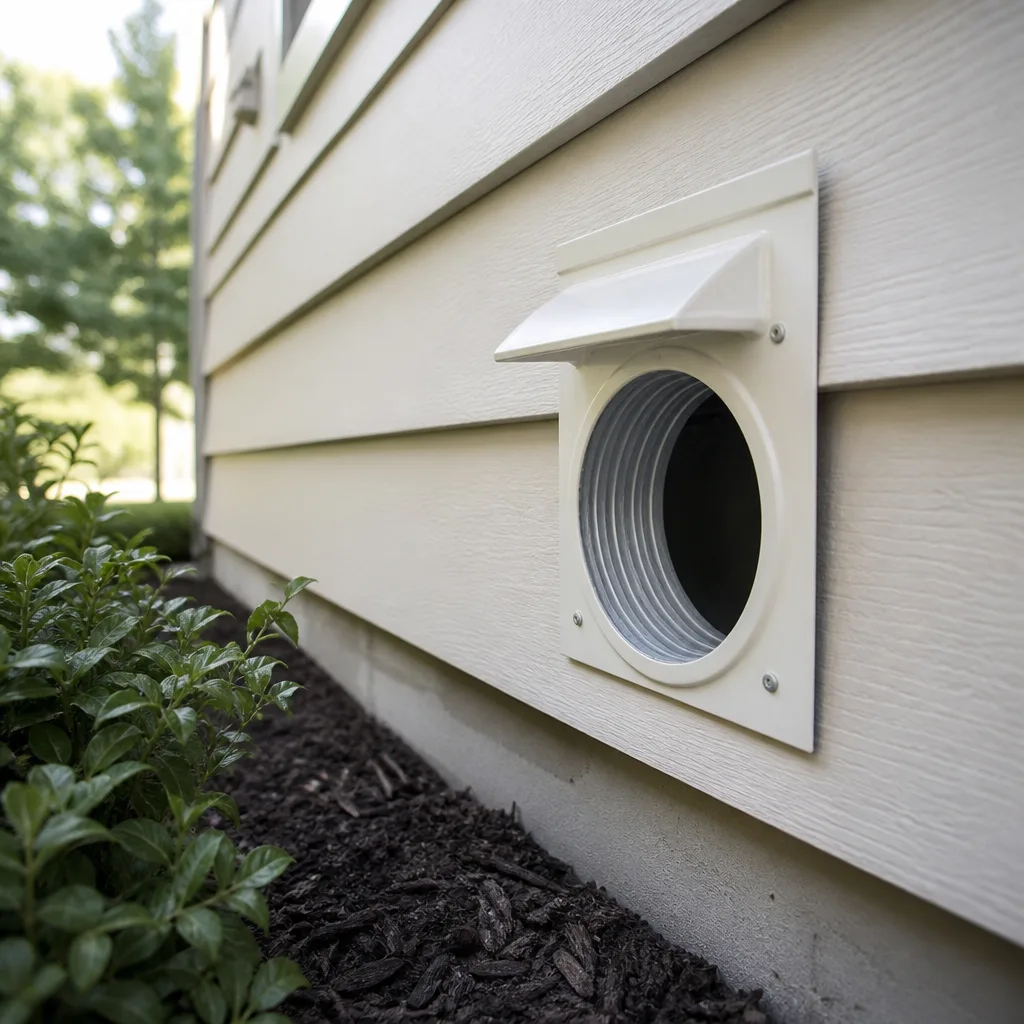
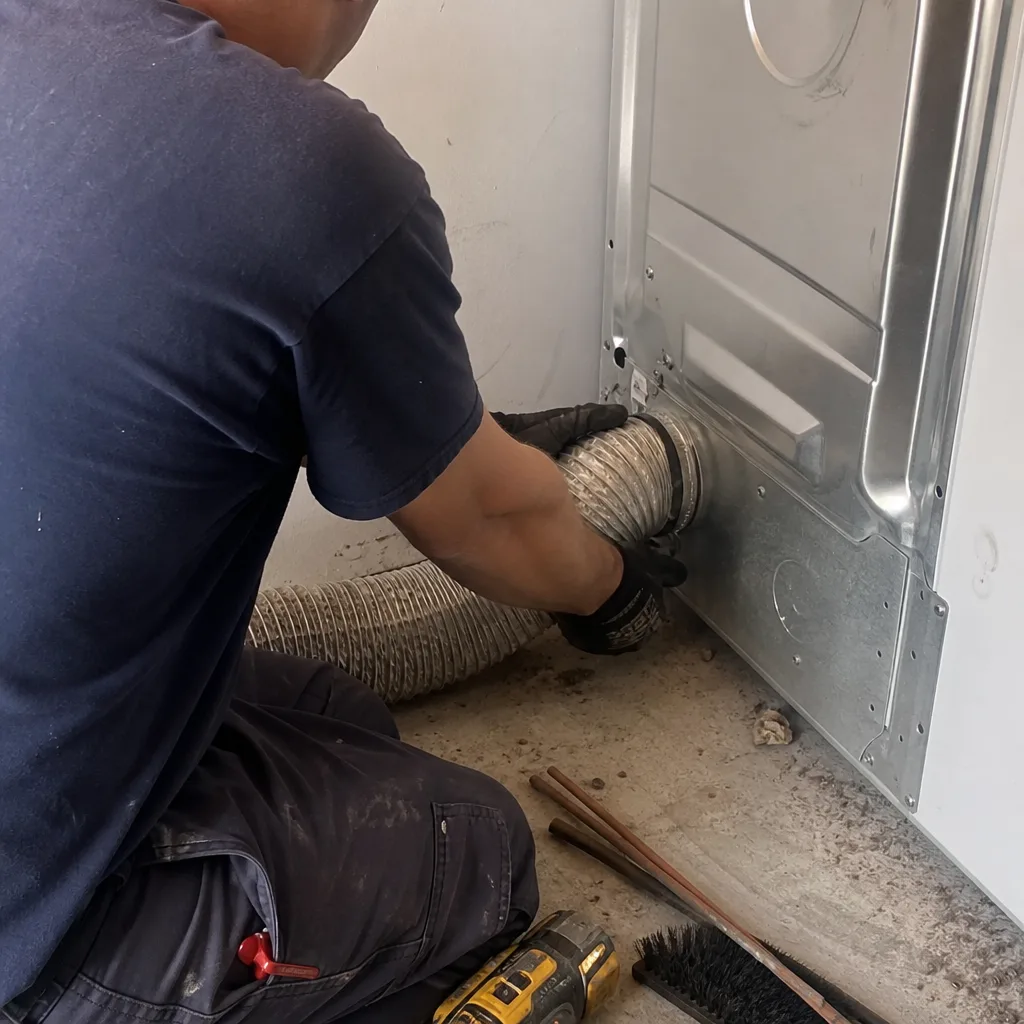
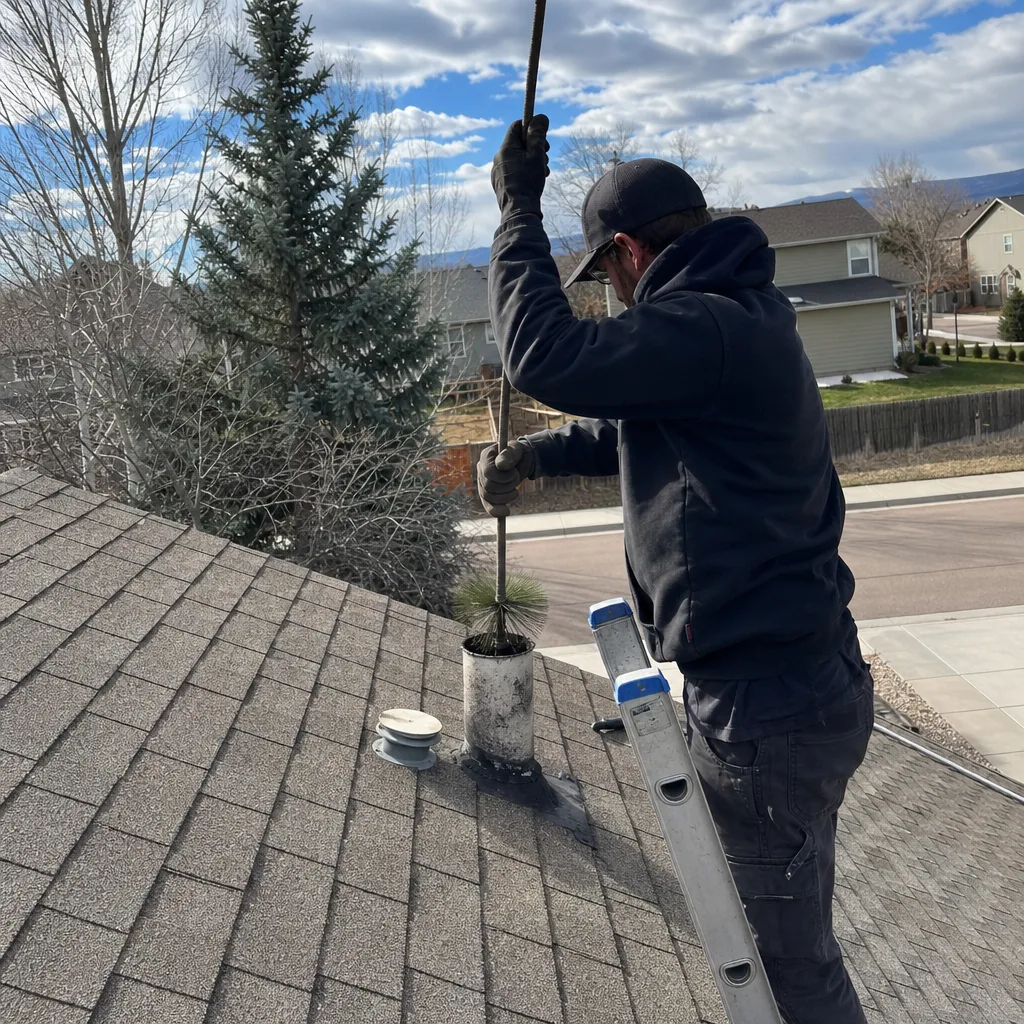
A separate service from duct cleaning, though often bundled. The dryer exhaust duct - the metal or flexible line running from the appliance to exterior termination - accumulates lint that creates genuine fire hazard. In Denver’s dry climate, static buildup increases this risk.
Warranted when: The vent run exceeds 15 feet, has multiple bends, or the homeowner observes extended drying cycles. Most Denver homes built after 2010 have longer vent runs due to interior laundry placement.
Typical Denver price: $120-$180 as standalone service; $90-$140 when bundled with whole-system duct cleaning.
Upsell signal: Pressure to purchase without inspecting the vent termination or measuring airflow. A legitimate technician shows lint accumulation or measures back-pressure before recommending service.
At Dryer Vent Cleaning in Denver, we treat this as a distinct scope with its own written price, not a surprise addition.
Microbial Sanitizer Application
Chemical or botanical agents applied to duct interiors after cleaning, marketed for mold or bacteria control.
Warranted when: Visible microbial growth is documented in the photo record, typically in humid conditions or where previous water intrusion occurred. Denver’s semi-arid climate makes widespread duct mold uncommon.
Typical Denver price: $75-$150 depending on system size and agent used.
Upsell signal: Application recommended without photographic evidence of growth, or described as “standard” rather than conditional. The EPA does not recommend routine duct sanitizing absent specific contamination.
UV Light Installation
Ultraviolet lamps mounted in the plenum or near the evaporator coil, intended to inhibit microbial growth on wet surfaces.
Warranted when: The home has documented recurring coil contamination, or occupants have specific immunocompromised conditions with physician recommendation. Guard and other manufacturers produce legitimate equipment for these applications.
Typical Denver price: $400-$800 installed, including lamp and power supply.
Upsell signal: Presented as air purification for the whole home. UV in the plenum does not treat air passing through at duct velocity; it treats stationary surfaces within direct line of sight. Claims beyond this are unsupported by ASHRAE research.
Our position, stated in writing under Haven Standard Clause 1: each add-on requires independent justification with evidence, and each receives its own line-item price. No service is “included” that was not specified in the original written quote.
How to Compare Two Written Quotes Side by Side
Two quotes at $495 and $525 are not necessarily comparable. The lower number may reflect reduced scope, inferior equipment, or omitted deliverables. Use this framework to expose differences hidden inside similar price points.
| Comparison Point | Quote A | Quote B |
|---|---|---|
| Total duct runs specified | ____ | ____ |
| Plenum and trunk lines included? | Yes / No | Yes / No |
| Equipment type (brand/model if stated) | ____ | ____ |
| Before/after photography of each run | Yes / No | Yes / No |
| Written report with photo delivery | Yes / No | Yes / No |
| Labor hours and technician count | ____ | ____ |
| Access restoration method | ____ | ____ |
| Guarantee term and written backing | ____ | ____ |
A quote that specifies “14 runs, plenum and trunk included, Rotobrush agitation with Nikro HEPA extraction, before/after photography of each run, digital report within 24 hours, 365-Day Done Right Promise in writing” is not comparable to a quote that states “$495 - whole house” with no further detail. The latter leaves every variable to interpretation and dispute.
Our Free Second Opinion on Any Written Estimate exists for this purpose. Bring a competitor’s quote. We will put our line-item scope next to it in writing, at no cost, so the comparison is explicit rather than inferred. This is Haven Standard Clause 1 applied to competitive evaluation.
What a 365-Day Guarantee Costs a Company - and Why It Matters
The 365-Day Done Right Promise is not a marketing phrase. It is a structural commitment with real costs: callback labor, materials, scheduling coordination, and the administrative overhead of tracking warranty claims across a full year. A company that offers this in writing is signaling confidence that callbacks will be rare enough to absorb. A company that does not offer it, or offers a 30-day “satisfaction guarantee” with manager discretion, is signaling the opposite.
Consider the economics. A callback for a missed run or incomplete extraction requires:
- Dispatch of a two-person crew
- Travel time across Denver metro
- Re-inspection and re-cleaning of the affected area
- Additional photography and report update
- Opportunity cost of that crew not performing revenue work
At Denver labor rates, a single callback can erase the margin on the original job. A company offering 365-day written coverage has priced this risk into its operations and built processes to minimize it. That means better training, better documentation, and better initial execution. The guarantee is not a free add-on. It is evidence of operational discipline.
Since 2013, CleanRun has maintained this promise on every job. The photo record protects both parties: if a callback occurs, the original images establish what was found and what was done. The written scope establishes what was agreed. Disputes become unnecessary because the documentation exists.
A quote without a written guarantee term, or with a term contingent on “normal use” or manager approval, should be evaluated as carrying implicit risk. The homeowner bears that risk in the form of potential re-payment for incomplete work.
Denver-Specific Factors That Move Your Price
Several conditions particular to Denver and its housing market affect duct cleaning scope and pricing.
Wildfire smoke particulate. The 2020-2021 fire seasons introduced fine particulate matter into HVAC systems across the metro area. Ductwork in homes without high-MERV filtration during those periods often shows elevated debris accumulation. This does not automatically increase price, but it may affect the time required for thorough extraction and the recommendation for filter upgrades. Aprilaire and Honeywell both manufacture MERV 13+ media filters appropriate for this climate.
New construction settling dust. Denver’s rapid build-out in neighborhoods like Central Park, Green Valley Ranch, and Reunion means many 2015-2022 homes have ductwork that accumulated construction debris before occupancy. We regularly photograph drywall dust and wood particulate in systems never previously cleaned. First cleaning of these systems often requires additional agitation time.
Altitude and static pressure. At 5,280 feet, Denver’s lower air density affects HVAC system design and, marginally, the negative-pressure extraction process. Professional equipment is calibrated for this; consumer-grade vacuums are not.
Basement vs. crawl space access. Older Denver homes, particularly in Berkeley, Whittier, and parts of Lakewood, have crawl space ductwork that requires additional protective measures and access time. Homes with finished basements in newer areas may require careful panel removal to reach the plenum.
HOA and rental property requirements. In managed communities like Lowry or certain Stapleton associations, documentation of work performed is sometimes required for compliance. The photo record and written report serve this need directly.
These factors do not justify vague or inflated pricing. They justify specific line-item adjustments that a written quote should explain. When a technician identifies crawl space access or construction debris during pre-cleaning inspection, the scope revision is presented in writing before work proceeds.
Common Mistakes to Avoid
- Equating “vents cleaned” with “system cleaned.” Register grilles are the visible minority of the duct network. A quote specifying “all vents” without mentioning the plenum or trunk lines is describing partial service.
- Accepting per-vent pricing. This structure incentivizes the company to count maximally and clean minimally. Legitimate pricing is per-system or per-scope, with runs specified as part of a complete network.
- Ignoring equipment specification. “Professional equipment” is unverifiable. Ask for brand names. Rotobrush, Nikro, Abatement Technologies - these can be researched. “Commercial-grade vacuum” cannot.
- Assuming before/after photos are standard. Many Denver-area companies photograph selectively or not at all. The photo record should cover every run, delivered as part of the standard job record, not held for additional fee.
- Neglecting to verify guarantee terms in writing. Verbal assurances of “satisfaction guaranteed” dissolve under pressure. A 365-day written promise with explicit terms is a contract term. Anything less is a conversation.
- Scheduling based on coupon expiration. Urgency manufactured through limited-time offers correlates with business models dependent on in-home upselling. Legitimate companies in Denver maintain steady scheduling without artificial scarcity.
- Failing to compare scope at similar price points. Two $500 quotes may describe radically different work. The side-by-side framework above prevents this oversight.
When to Call a Professional
Call for documented inspection and cleaning when: visible dust emission from registers occurs during system operation; HVAC filters require replacement more frequently than manufacturer specification; occupants experience unexplained respiratory irritation correlated with system runtime; a new home purchase follows construction or renovation; or annual maintenance records show no duct attention for five-plus years.
Do not attempt DIY duct cleaning involving the plenum, main trunk lines, or internal components. The sheet metal edges of ductwork are sharp, electrical connections near the air handler present shock hazard, and improper resealing of access points compromises system efficiency and can create negative pressure conditions that draw combustion gases from furnaces. CleanRun Air Duct Cleaning Denver offers free estimates in Denver - call (720) 799-2292. Every estimate includes written scope and pricing before any commitment, under Haven Standard Clause 1.
Frequently Asked Questions
Whole-system air duct cleaning in Denver costs $350-$750 for most homes, with the final price determined by total duct runs, plenum accessibility, and whether the service includes documented photography of every run. Call (720) 799-2292 for an exact quote - estimates are free.
Low quotes typically exclude the plenum and trunk lines, use inadequate equipment, or depend on in-home upselling to reach profitability. A $79 service covers approximately one hour with a shop-vac. A $500 service covers 2.5-3.5 hours with negative-pressure extraction, professional agitation tools, and a documented photo record. They are different services, not the same service at different margins.
Require before-and-after photography of every duct run, delivered as part of the standard job record, not as a paid add-on. Review the images before paying. The photo record should show interior duct surfaces, not just register grilles. At CleanRun, this documentation is included on every visit and has been since 2013.
Every three to five years for typical Denver homes with standard filtration and no specific contamination events. Homes with pets, recent renovation, wildfire smoke exposure, or occupants with respiratory conditions may benefit from more frequent inspection. Filter quality matters: MERV 11 or higher (such as Aprilaire or Honeywell media filters) extends cleaning intervals by reducing particulate loading.
Only when visible microbial growth is documented in the photo record. Denver’s semi-arid climate makes widespread duct mold uncommon. The EPA does not recommend routine sanitizing absent specific contamination. Be wary of sanitizing presented as standard or included without prior evidence.
Yes. Every job is backed by the 365-Day Done Right Promise in writing. If the work is not right, we make it right. This is not subject to manager discretion. It is Haven Standard policy, backed by the photo record that documents what was found and what was done.
The Bottom Line
The gap between a $79 coupon and a $600 documented cleaning is not markup. It is scope, equipment, documentation, and accountability itemized across a written invoice. Denver homeowners who understand this distinction - who read quotes as scope documents and demand photographic evidence of work performed - protect themselves from an industry’s most common failure mode: paying for vacuum noise and receiving nothing of value in return. The price that matters is the price attached to a specific, verifiable, guaranteed outcome. Everything else is a number without meaning.
Written by Tomas Reyes, Owner at CleanRun Air Duct Cleaning Denver, serving Denver since 2013.